Why Use Custom Mascots in Events and Promotions

In today’s competitive market, businesses and organizations constantly seek new ways to stand out and connect with audiences. One of the most engaging tools for brand visibility is the use of custom mascots. Whether it’s a corporate event, sports game, trade show, or community promotion, mascots bring a unique, memorable, and interactive element that captures attention and fosters emotional connections.

Custom Mascots for Events

The Role of Custom Mascots in Events

Custom mascots serve as living representations of a brand, company, or cause. Unlike logos or slogans, mascots create an approachable and friendly image that resonates with people of all ages. At events, they attract crowds, encourage participation, and generate excitement. Their presence adds entertainment value, making them ideal for festivals, product launches, school events, and promotional campaigns.

Benefits of Using Custom Mascots in Promotions

Brand Recognition – A custom plush mascot becomes an instantly recognizable face for the brand, reinforcing visual identity and messaging.

Emotional Connection – Mascots evoke positive emotions, making the brand more relatable and approachable.

Audience Engagement – Through photo opportunities, performances, and interactive activities, mascots directly involve audiences in the experience.

Memorability – People are more likely to remember an event where they had a fun and unique encounter with a mascot.

Social Media Amplification – Mascots often go viral on social media as audiences share pictures and videos, extending the promotional reach.

Custom Mascots for Brand Promotions

Designing Effective Custom Mascots

Creating a successful mascot involves more than just a fun costume. Key considerations include:

Brand Identity Alignment – The design must reflect the brand’s values, colors, and personality.

Target Audience Appeal – Whether targeting children, families, or corporate audiences, the mascot’s design and character must suit the audience.

Practicality and Comfort – A mascot costume should allow mobility, visibility, and comfort for the performer.

Distinctiveness – To stand out, the mascot must be unique and easily distinguishable from competitors.

Applications Across Different Events

Sports and Entertainment – Mascots energize fans, lead cheers, and enhance team spirit.

Corporate Promotions – Businesses use mascots for product launches, trade fairs, and brand activations to draw attention and spark curiosity.

Community Events – Mascots can represent causes or public campaigns, making serious messages more accessible.

Educational Settings – Schools and institutions adopt mascots to inspire students and build community identity.

Custom Mascot Supplier

Summary

Custom mascots are powerful tools in events and promotions, combining fun with strategic brand communication. They humanize brands, create lasting impressions, and foster meaningful interactions with audiences. As organizations continue to explore creative marketing strategies, mascots remain a timeless and effective way to bring brands to life.

Effective Strategies for Customizing Print Inspection Systems Adapting to Specific Substrates

In the printing industry, maintaining high-quality output is essential for meeting customer expectations and ensuring brand consistency. However, different substrates—such as paper, plastic films, foils, textiles, and labels—pose unique challenges to inspection systems. A one-size-fits-all solution often fails to provide reliable results. To achieve consistent accuracy, manufacturers are increasingly turning to customized print inspection systems designed to adapt to specific substrate properties.

print inspection system

Challenges of Different Substrates in Print Inspection

Paper

Paper substrates can vary in thickness, texture, and reflectivity. Rough or porous surfaces make it difficult to detect fine defects such as misregistration or streaking.

Plastic Films

Transparent or semi-transparent films introduce challenges related to light reflection and transmission. Detecting scratches, bubbles, or color inconsistencies requires advanced optical configurations.

Metal Foils

Foil substrates create strong glare due to high reflectivity. Conventional cameras may miss print defects unless specialized lighting and imaging techniques are employed.

Textiles

The woven or knitted structure of textiles results in irregular surfaces. Inspection systems must differentiate between inherent texture patterns and actual print flaws.

Labels and Packaging

Labels often include a combination of substrates, coatings, and adhesives. Variable shapes and embossing add complexity to accurate inspection.

Print Inspection Systems for Paper Cups

Customization Strategies for Print Inspection Systems

Adaptive Lighting Solutions

Diffuse lighting reduces glare on glossy foils.

Backlighting improves defect detection on transparent films.

Multispectral or UV lighting enhances contrast for substrates with subtle defects.

High-Resolution Cameras

Customizable resolution settings ensure precise inspection across substrates with fine print details.

Line-scan cameras are particularly effective for continuous web substrates like films and paper rolls.

AI and Machine Learning Integration

Algorithms can be trained to recognize defects specific to each substrate, minimizing false alarms.

Adaptive learning allows the system to improve accuracy over time.

Modular Hardware Design

Systems with interchangeable modules allow operators to switch between substrates without extensive recalibration.

Adjustable camera angles and lighting modules accommodate varying surface reflectivity.

Software Customization

The parameters of defect classification can be fine-tuned for substrates with unique patterns, such as textiles.

Data visualization dashboards provide real-time quality analysis tailored to production needs.

Integration with Printing Lines

Customized 100% printing inspection systems can be synchronized with presses to automatically stop production when defects exceed tolerance levels.

Inline correction feedback loops optimize waste reduction.

Benefits of Customizing Print Inspection Systems

Improved Accuracy: Substrate-specific solutions enhance detection rates and reduce false positives.

Operational Flexibility: Printers can switch between substrates with minimal downtime.

Waste Reduction: Early detection prevents defective batches, saving material and costs.

Enhanced Customer Satisfaction: Consistent quality ensures brand protection and compliance with industry standards.

Future-Proofing: Customizable systems adapt to emerging materials and substrates in the printing market.

Print Inspection System for Packaging Bags

Summary

As printing applications diversify across industries like packaging, textiles, and electronics, the demand for customized print inspection systems continues to grow. By tailoring inspection solutions to the unique challenges of each substrate, manufacturers can achieve higher precision, reduce waste, and deliver consistent quality. With the integration of advanced optics, AI-driven analytics, and modular designs, customized systems are setting new standards for reliability and efficiency in modern printing operations.

Understanding Well Control Equipment: Why Use Simulation Technologies

Well control equipment forms the backbone of safety in oil and gas drilling operations. Its primary purpose is to maintain control over the wellbore, prevent formation fluids from entering, and mitigate risks associated with kicks and blowouts. Over time, advancements in equipment design and the adoption of simulation technologies have significantly enhanced well control practices, allowing operators to prepare for emergencies and optimize system performance.

Well Control Equipment

Key Types of Well Control Equipment

Blowout Preventers (BOPs)

BOPs are critical components placed at the wellhead to seal, control, and monitor wells. They include ram-type BOPs, which use steel rams to seal the well, and annular BOPs, which provide flexible sealing around drill pipes or casings.

Choke and Kill Manifolds

These systems regulate wellbore pressure during kicks by allowing controlled circulation of fluids. Choke manifolds help maintain bottom-hole pressure, while kill manifolds are used for pumping heavy drilling fluids to stop the influx.

Mud Circulation System

Drilling mud, circulated through pumps and shale shakers, provides hydrostatic pressure to balance formation pressures. The system also supports kick detection by monitoring mud return volumes.

Accumulator Units

These hydraulic systems provide the energy required to operate BOPs quickly and reliably in emergency situations.

Gas Detectors and Monitoring Systems

Advanced sensors continuously monitor for gas influx, enabling early kick detection and timely well control measures.

Simulation Technologies for Optimizing Well Control Equipment

The integration of simulation technologies has transformed how well control equipment is designed, tested, and used in real operations. Key applications include:

Virtual Training Simulators

Drilling crews can practice kick detection, BOP operation, and choke control in a risk-free virtual environment.

These well control simulators replicate real-world scenarios, improving decision-making speed and accuracy during actual emergencies.

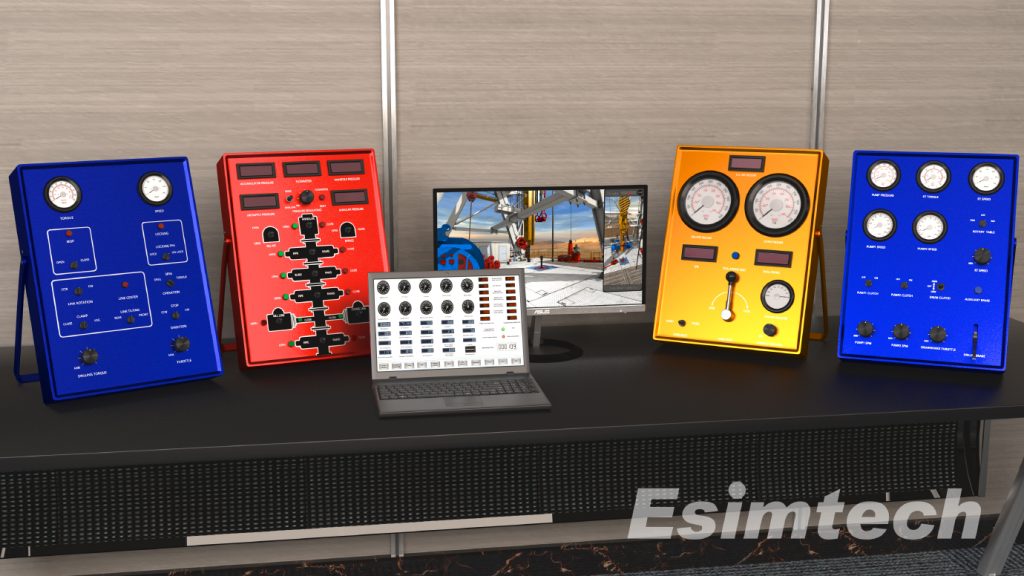
Portable Well Control Simulation System

Digital Twin Models

A digital twin of the well control system enables real-time monitoring and predictive maintenance.

By simulating equipment behavior under varying pressures and flow rates, operators can anticipate potential failures and optimize maintenance schedules.

Computational Fluid Dynamics (CFD) Simulations

CFD models help analyze fluid dynamics within BOPs, choke manifolds, and mud systems.

Engineers can optimize equipment design for pressure resistance, erosion control, and flow efficiency before physical prototypes are built.

Kick Detection Simulations

Algorithms powered by machine learning simulate thousands of well conditions to refine early kick detection systems.

These models enhance sensor calibration and improve alarm accuracy, reducing false positives.

Scenario-Based Drilling Simulations

Complex drilling simulations combine geological models, drilling parameters, and equipment capabilities.

They allow operators to test well control strategies for specific reservoirs, ensuring that equipment is properly sized and configured.

drilling and well control simulation system

Benefits of Simulation in Well Control

Enhanced Safety: Crews gain confidence and readiness through lifelike training exercises.

Cost Efficiency: Issues are identified virtually before expensive real-world equipment modifications.

Design Innovation: Simulation accelerates R&D by testing multiple configurations rapidly.

Operational Reliability: Predictive models ensure well control systems operate effectively under high-stress conditions.

Final Thoughts

Well control equipment remains indispensable for managing risks in drilling operations, from preventing kicks to averting catastrophic blowouts. Today, the adoption of simulation technologies adds a new dimension, optimizing equipment performance, boosting crew competency, and enabling proactive risk management. As the oil and gas industry continues to advance, the integration of smart simulations and digital technologies will define the next era of safer and more efficient well control practices.

VOGE DS625X: the Balance of Power, Control, and Endurance across Diverse Terrains

Adventure motorcycles are built with a mission: to deliver the right balance of power, control, and endurance across diverse terrains. The VOGE DS625X, positioned as a midweight ADV motorcycle, embodies this balance with a powertrain and performance setup that deserves a closer look. From its engine architecture to its chassis dynamics, the DS625X demonstrates how engineering precision translates into reliable real-world performance.

VOGE DS625X ADV

Engine Characteristics: Smooth and Controlled Power

At the heart of the VOGE DS625X lies a single-cylinder, liquid-cooled engine engineered to provide both efficiency and adaptability. Its displacement and tuning allow for responsive torque delivery, particularly in the low-to-mid rev range—an essential trait for off-road riding where control often matters more than sheer horsepower. Riders benefit from a predictable throttle response, enabling smooth acceleration on paved roads and precise traction management on uneven trails.

Torque Delivery and Gearbox Performance

The DS625X is equipped with a six-speed gearbox paired with a slipper clutch, enhancing its usability across different terrains. The gearbox provides versatility: shorter gearing for technical off-road maneuvers and longer ratios for highway cruising. The slipper clutch reduces wheel hop during aggressive downshifts, improving stability on both loose gravel and asphalt. Together, these elements ensure the bike maintains controlled power delivery without sacrificing rider confidence.

Suspension and Stability: Harnessing Power Effectively

Power alone doesn’t define performance—it must be harnessed effectively through the suspension and chassis. The DS625X features long-travel suspension with an inverted front fork and adjustable rear shock. This setup absorbs bumps and obstacles, allowing the engine’s power to be translated into forward momentum rather than lost through instability. The reinforced steel frame complements the suspension, offering rigidity for high-speed stability while maintaining agility for tight off-road turns.

VOGE DS625X ADV Motorcycle

Wheel and Traction Performance

The VOGE DS625X rolls on 21-inch front and 18-inch rear spoked wheels fitted with dual-purpose tires. This configuration enhances both traction and maneuverability, ensuring that the engine’s power can be applied efficiently to surfaces ranging from asphalt to sand or mud. Coupled with dual-channel ABS and traction control, the DS625X optimizes grip and minimizes slip, even in challenging conditions.

Real-World Riding Dynamics

In practice, the DS625X is not about brute horsepower but about usable, adaptable performance. Its powertrain provides enough muscle for spirited highway riding while remaining manageable and confidence-inspiring off-road. The combination of responsive torque, well-matched gearing, and advanced rider aids allows riders to transition seamlessly between city streets, winding backroads, and rugged trails.

VOGE DS625X Motorcycle

Summary

The power performance of VOGE DS625X ADV motorcycle is not simply about raw output, but about how effectively that power is delivered, managed, and applied to the terrain. With its well-engineered engine, precise gearbox, robust suspension, and advanced rider technologies, the DS625X stands as a midweight ADV machine that transforms balanced engineering into dependable performance. For riders seeking both excitement and control, the DS625X offers a compelling power performance package.

Customized Hand Paper Towels as Powerful Brand Tools

Customized branded hand paper towels are one such innovative solution. By merging functionality with subtle marketing, these hand paper towels help businesses enhance their professional image while providing practical value.

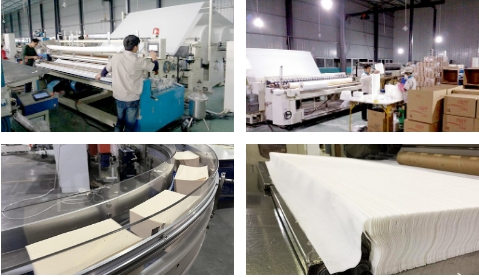
N-fold Hand Paper Towel

Why Businesses Choose Customized Branded Hand Paper Towels

Enhanced Brand Visibility

Customized hand towels featuring a company’s logo, slogan, or design keep the brand consistently in front of customers. Whether in hotels, restaurants, offices, or public facilities, they act as a discreet yet powerful branding tool.

Professional Image

Offering branded paper towels signals attention to detail and commitment to customer experience. It elevates the perception of the brand by associating it with cleanliness, quality, and care.

Affordable Marketing Strategy

Compared to other branding methods, custom paper towels are cost-effective. Since they are consumable products used daily, they provide ongoing exposure at a fraction of the price of traditional advertising.

Versatile Applications

From hospitality and food service to healthcare and corporate environments, customized paper towels can be tailored to suit different industries and occasions, including events, conferences, or promotions.

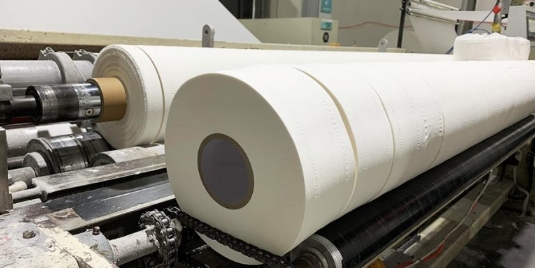
Bamboo Hand Paper Towels

Customization Options

Logo Printing – The most common option, where company logos or slogans are printed directly onto the towel.

Color Variations – Businesses can match towel colors with their brand palette for consistency.

Material Choices – Options range from soft, premium multi-ply towels for luxury settings to eco-friendly bamboo tissue paper for sustainable brands.

Packaging Customization – Beyond the towels themselves, branded packaging further reinforces the corporate identity.

Benefits for Different Industries

Hospitality – Hotels and resorts use branded towels to leave a lasting impression on guests, enhancing the overall experience.

Restaurants & Cafes – Customized towels create a polished, professional atmosphere while keeping hygiene standards high.

Corporate Offices – Companies use them to subtly promote brand culture among employees and visitors.

Events & Trade Shows – Branded towels can double as promotional items, reinforcing the brand message to attendees.

Hand Paper Towels

Sustainability Considerations

Modern consumers are increasingly eco-conscious. Many manufacturers now offer biodegradable, recyclable, and FSC-certified paper towel options. Custom branding on eco-friendly towels demonstrates not only professionalism but also social responsibility, strengthening customer trust and loyalty.

Final Thoughts

Customized branded hand paper towels blend practicality with marketing innovation. They are more than just hygiene products—they are touchpoints that communicate professionalism, care, and brand identity. For businesses aiming to strengthen their brand presence in a subtle yet impactful way, investing in customized paper towels is a cost-effective and versatile strategy that leaves a lasting impression.

Hex Head Bolts vs. Stud Bolts: Choose the Right Type for Your Applications

In industrial applications, fasteners play a crucial role in ensuring the integrity, safety, and performance of structures and machinery. Among the many fastener types, hex head bolts and stud bolts are two of the most commonly used. While both serve the purpose of joining components together, they differ significantly in design, applications, and advantages. Understanding these differences between hex head bolts and stud bolts helps engineers, maintenance teams, and procurement specialists select the most suitable option for specific needs.

hex head Bolts vs stud bolts

1. Design and Structure

Hexagon Head Bolts.

Feature a six-sided (hexagonal) head for easy tightening with a wrench or socket.

Have a threaded shaft with varying lengths.

Typically used with a nut or threaded directly into a tapped hole.

Stud Bolts

Threaded on both ends or fully threaded along the length.

Lack a head; instead, nuts are used on both sides to secure components.

Often paired with gaskets and flanges in piping systems.

2. Installation and Maintenance

Hex Head Bolts

Quick to install and remove using standard tools.

Suitable for applications requiring frequent assembly and disassembly.

Can be tightened from one side if used in a tapped hole.

Slot Head Hexagon Bolts

Stud Bolts

Installation requires nuts on both ends, making the process more time-consuming.

Once in place, they provide better alignment for flanges and connections.

Preferred in applications where joints need to be opened periodically without disturbing flange alignment.

3. Applications

Hex Head Bolts

Machinery and equipment assembly.

Automotive and construction industries.

Structural connections where quick fastening is needed.

Stud Bolts

High-pressure piping systems.

Petrochemical plants, refineries, and power generation facilities.

Flanged connections requiring secure, leak-proof joints.

4. Strength and Reliability

Hex Head Bolts

Provide adequate strength for most mechanical and structural applications.

Available in a wide range of grades and coatings.

However, may not be ideal for extreme high-pressure environments.

Stud Bolts

Designed to withstand high-pressure and high-temperature conditions.

Evenly distribute load across flanged connections.

Ensure secure sealing, reducing the risk of leaks in critical systems.

5. Cost and Practical Considerations

Hex Head Bolts

Generally less expensive.

Readily available in standard sizes.

Easier for small-scale applications and general repairs.

Stud Bolts

More expensive due to specialized design and materials.

Often manufactured to industry standards such as ASTM A193 or A320.

High tensile PTFE coated Stud Bolts

Long-term benefits in critical systems outweigh higher upfront costs.

Final Thoughts

The choice between hex head bolts and stud bolts depends largely on the application. Hex head bolts are versatile, cost-effective, and suitable for machinery, construction, and general assembly. In contrast, stud bolts are indispensable in demanding environments such as refineries and power plants, where flange connections must remain reliable under extreme conditions. By evaluating factors like installation requirements, load conditions, and operating environments, engineers can make informed decisions to ensure safety, performance, and cost-efficiency.

How to Integrate Raman Spectroscopy with Other Spectroscopic Techniques

Raman spectroscopy is a powerful, non-destructive analytical tool widely used to probe the vibrational modes of molecules, offering unique insights into chemical composition and molecular structure. However, when integrated with other spectroscopic techniques, its value multiplies, enabling researchers to build a more complete picture of complex materials and processes. Successful integration requires careful consideration of compatibility, experimental design, and data analysis strategies.

Why Integrate Raman Spectroscopy with Other Techniques

Raman spectrometers provide rich molecular information, but it has limitations, such as fluorescence interference or sensitivity to certain sample types. Combining it with complementary techniques helps:

DTR3000 Raman Spectrometer

Overcome individual technique limitations.

Validate and cross-check findings.

Provide multi-dimensional insights (structural, electronic, vibrational, and chemical).

Enable real-time monitoring in applied fields like pharmaceuticals, materials science, and environmental research.

Common Techniques for Integration

1. Infrared (IR) Spectroscopy

Raman and IR are vibrational spectroscopies but probe different molecular transitions due to distinct selection rules. Integrating them:

Provides complementary vibrational information.

Helps identify functional groups more precisely.

2. UV-Vis Spectroscopy

Coupling Raman with UV-Vis spectroscopy:

Correlates electronic transitions with vibrational modes.

Enhances the understanding of excited-state dynamics.

Supports applications in photophysics, catalysis, and solar cell research.

UV-Vis spectroscopy

3. Fluorescence Spectroscopy

Though fluorescence spectrophotometers often interfere with Raman, controlled integration can be powerful:

Enables simultaneous detection of fluorescent species and molecular vibrations.

Useful in bioimaging and medical diagnostics.

Advanced setups like time-resolved systems help separate fluorescence from Raman signals.

DW-F97 Series Fluorescence Spectrophotometer

4. Nuclear Magnetic Resonance (NMR) Spectroscopy

Raman provides vibrational fingerprints, while NMR delivers structural and dynamic information. Together, they:

Offer detailed molecular-level insights.

Enable in-depth studies of biomolecules and complex mixtures.

Are used in structural biology, pharmaceutical development, and material science.

5. X-ray Spectroscopy (XPS, XRD, XAS)

Pairing Raman with X-ray techniques:

Bridges structural, electronic, and vibrational analysis.

Enhances understanding of crystalline and amorphous materials.

Plays a critical role in catalysis, nanomaterials, and battery research.

Strategies for Integration

1. Instrumental Design

Hybrid Instruments: Modern systems incorporate Raman with IR or fluorescence in one platform.

Coupled Setups: Fiber optics and modular designs allow connection of separate instruments.

Microscopy Platforms: Confocal Raman microscopes can integrate with AFM or SEM for correlative imaging.

2. Synchronization and Control

Time-synchronized acquisition ensures meaningful data correlation.

Shared sample stages and chambers allow simultaneous measurements.

Automation and software control improve reproducibility.

3. Data Analysis Approaches

Multivariate statistical methods (PCA, PLS) merge datasets for interpretation.

Spectral correlation maps reveal hidden relationships between vibrational and electronic properties.

Machine learning enhances data fusion for complex samples.

Key Challenges and Solutions

1. Signal Overlap – Use advanced filters, time-gating, or computational methods to separate signals.

2. Sample Constraints – Choose techniques compatible with the same physical state (solid, liquid, gas).

3. Instrumental Complexity – Modular and user-friendly platforms reduce integration difficulties.

4. Data Management – Adoption of unified databases and data fusion software streamlines analysis.

Future Outlook

As materials and life sciences demand deeper molecular-level understanding, integration of Raman spectroscopy with other techniques will grow. Emerging trends include:

Correlative multimodal imaging for biomedical applications.

In situ and operando studies combining Raman with X-ray or electrochemical methods.

AI-driven data fusion to accelerate discovery in chemistry, energy, and nanotechnology.

Summary

Integrating Raman spectrometers with other spectroscopic techniques expands the analytical horizon by combining complementary strengths. With thoughtful experimental design, advanced hybrid systems, and intelligent data analysis, researchers can unlock a richer, multidimensional understanding of materials and processes. This integrative approach is becoming essential in both fundamental research and industrial innovation.

High-capacity Mooring Bollards: What You Need to Know

In modern ports and terminals, where vessels are increasing in size and cargo handling demands are intensifying, mooring infrastructure plays a vital role in ensuring safety and efficiency. Among the key components of this infrastructure are high-capacity mooring bollards, designed to withstand extreme loads while securely holding vessels in place. These marine mooring bollards provide the strength, durability, and reliability required for berths handling large tankers, container ships, cruise liners, and offshore support vessels.

What are High-capacity Mooring Bollards

Mooring bollards are robust, fixed structures installed on quays, wharves, and jetties, used to tie mooring lines from vessels. High-capacity mooring bollards differ from conventional types by their ability to withstand exceptionally high loads, often exceeding 100 tons of line pull. They are engineered with reinforced materials and innovative designs to accommodate the growing needs of modern shipping.

Application of NS2584 Double Bitt Bollard

Key Features of High-capacity Mooring Bollards

Heavy Load Bearing – Capable of safely handling mooring forces generated by large vessels under harsh environmental conditions.

Durable Construction – Made from cast steel, ductile iron, or high-strength fabricated steel with corrosion-resistant coatings for long service life.

Optimized Geometries – Various Designs of T-head bollards, kidney bollards, double bitt bollards, or single bitt bollards, allow for effective load distribution and multi-line mooring.

High Safety Factors – Built to comply with international standards (e.g., PIANC, BS, or OCIMF guidelines) ensuring reliable performance under peak stress.

Customizable Configurations – Bollards can be tailored to port requirements, considering vessel types, quay layout, and tidal variations.

NS2584 Double Bitt Bollard

Applications in Modern Ports

High-capacity mooring bollards are widely used in:

Oil and LNG Terminals – Handling very large crude carriers (VLCCs) and LNG carriers that exert high mooring forces.

Container Terminals – Accommodating ultra-large container vessels (ULCVs) with higher draft and displacement.

Bulk Cargo Terminals – Ensuring secure mooring of Capesize and Panamax bulk carriers.

Cruise Ship Terminals – Providing stability for mega cruise liners during passenger embarkation and disembarkation.

Offshore and Naval Facilities – Supporting specialized vessels in high-load environments.

Advantages of High-capacity Mooring Bollards

Enhanced Safety – Minimizes the risk of bollard failure and accidents during mooring operations.

Future-proof Design – Accommodates the trend toward larger and heavier vessels.

Low Maintenance – Corrosion-resistant finishes and robust construction extend service life, reducing lifecycle costs.

Operational Flexibility – Ability to handle multiple line angles and loads makes them adaptable for diverse mooring arrangements.

Sustainability Benefits – By reducing the need for frequent replacements, they contribute to environmentally responsible port operations.

Marine Mooring Bollards for Offshore Floating Terminals

Future Outlook

With the maritime industry continuing to expand, the role of high-capacity mooring bollards is set to become even more critical. Future developments are likely to focus on:

Integration with digital monitoring systems for real-time stress analysis and predictive maintenance.

Use of advanced materials, such as composites or high-performance alloys, to improve load-bearing capacity and reduce weight.

Smart port infrastructure, where bollards are part of interconnected systems improving safety, efficiency, and sustainability.

Final Thoughts

High-capacity mooring bollards are indispensable in meeting the demands of today’s maritime operations. They provide the necessary strength, safety, and resilience to secure some of the world’s largest vessels. As ports evolve into smarter and more sustainable hubs, the design and performance of these bollards will continue to advance, reinforcing their role as a cornerstone of modern mooring systems.

What are the Differences Between Narrow and Wide Beam Marine Spotlights

Marine spotlights are essential lighting tools for vessels, providing visibility in dark or low-light conditions. They are used for navigation, search and rescue operations, docking, and detecting potential obstacles. When selecting a marine spotlight, one of the most important factors to consider is the beam angle. Narrow beam and wide beam spotlights each serve distinct purposes, and understanding the differences between narrow and wide beam spotlights helps ensure the right choice for specific marine applications.

What is Beam Angle?

The beam angle refers to the spread of light emitted by the marine spotlight.

Narrow Beam: Typically ranges from 5° to 20°, concentrating light into a tight, long-reaching column.

Wide Beam: Usually ranges from 30° to 120° or more, dispersing light over a broader area at shorter distances.

Narrow Beam Marine Spotlights

Narrow beam spotlights are designed for distance and precision.

TG8-L Marine LED Spotlight

Advantages:

Longer Illumination Range – The focused beam can reach far ahead, making it ideal for navigation in open waters.

Targeted Visibility – Perfect for spotting buoys, markers, or objects in the distance.

Reduced Light Scatter – Less glare on nearby surfaces, ensuring clarity even in foggy or misty conditions.

Common Applications:

Long-distance navigation at night

Search and rescue operations requiring far-reaching visibility

Identifying hazards or vessels from afar

Wide Beam Marine Spotlights

Wide beam spotlights cover more area but with less reach.

Advantages:

Broad Coverage – Lights up a large section of water or deck space at once.

Improved Situational Awareness – Helps operators see surroundings clearly during docking or close-quarter maneuvers.

Enhanced Safety – Useful for illuminating work areas, fishing decks, or onboard activities.

TG29 LED Marine Spot Light Supplier

Common Applications:

Docking and anchoring at night

Close-range navigation in harbors or marinas

Fishing, deck work, and general onboard use

Choosing Between Narrow and Wide Beam Spotlights

The right choice depends on the vessel’s activities and environment:

Offshore Vessels – Narrow beam spotlights are more effective for long-range visibility.

Fishing Boats – Wide beam spotlights help illuminate working areas.

Recreational Boats – A combination of both provides flexibility for different conditions.

Rescue Vessels – Often use adjustable or dual-beam spotlights for versatility.

TG22-L LED Marine Spotlight

Final Thoughts

Both narrow beam and wide beam marine spotlights play critical roles in enhancing visibility and safety at sea. Narrow beams excel at long-distance precision, while wide beams offer broader coverage for close-range tasks. Many modern marine spotlights even allow adjustable beam angles, giving operators the best of both worlds. Ultimately, choosing the right spotlight depends on the vessel’s purpose, operating environment, and safety requirements.

The Growing Popularity of Custom Athletic Socks

Athletic socks play a bigger role in sports than many people realize. While jerseys and footwear often take the spotlight, socks are essential in providing comfort, protection, and team identity. For sports teams, custom athletic socks not only support performance but also strengthen unity and branding both on and off the field.

Custom Athletic Socks

Importance of Athletic Socks in Sports

Athletic socks are designed to do more than cover the feet. They provide cushioning, moisture-wicking, and support that athletes need during intense activities. High-quality socks reduce the risk of blisters, enhance circulation, and improve comfort when paired with athletic shoes. For competitive sports, the right socks can have a direct impact on performance and recovery.

Why Teams Choose Custom Athletic Socks

Team Identity and Branding – Customized socks featuring team colors, logos, and patterns reinforce a sense of belonging and create a professional, unified look.

Performance Enhancement – Teams can select specialized designs with compression features, arch support, or extra padding tailored to their sport.

Durability – Custom socks are often made with stronger fabrics designed to withstand rigorous training and frequent washing.

Player Morale – Wearing personalized gear makes athletes feel valued and boosts team spirit.

Custom Athletic Socks

Types of Custom Athletic Socks for Teams

Crew Socks – Popular for basketball, volleyball, and soccer; they provide ankle and calf protection.

Knee-High Socks – Favored in sports like baseball, football, and field hockey, offering full leg coverage.

Ankle Socks – Lightweight and ideal for running, tennis, or casual training sessions.

Compression Socks – Designed to improve blood flow and reduce fatigue, suitable for endurance sports.

Key Features to Look for in Custom Socks

Moisture-Wicking Materials – Keep feet dry during long games or training sessions.

Breathability – Mesh panels or lightweight fabric to prevent overheating.

Reinforced Heel and Toe – Ensures longer wear and added comfort.

Custom Fit Options – Different sizes for men, women, and youth athletes.

Design Flexibility – Ability to include logos, mascots, numbers, or motivational messages.

Benefits Beyond the Game

Custom athletic socks are not limited to use on the field. Many teams use them as part of fan merchandise, fundraising efforts, or promotional giveaways. Personalized socks appeal to supporters who want to show pride in their favorite team, making them an effective branding tool.

Manufacturing Details of Custom Athletic Socks

Summary

Custom athletic socks provide the perfect combination of performance, style and team identity. For sports teams, they are more than an accessory and they’re a functional part of athletic gear and a symbol of unity. Whether boosting performance during games or strengthening team spirit, custom socks are an investment that pays off both in play and in pride.

通过 WordPress.com 设计一个这样的站点
从这里开始