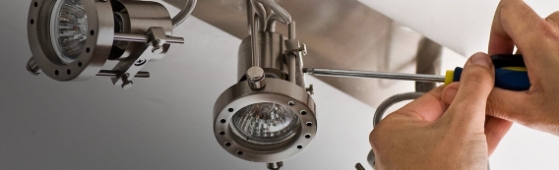
Marine spotlights play a critical role in vessel navigation, search and rescue operations, docking procedures, and nighttime maritime activities. Operating in harsh marine environments exposes these lighting systems to saltwater, humidity, vibration, temperature fluctuations, and continuous UV radiation. Without proper care and maintenance, these factors can significantly shorten the service life of marine spotlights, resulting in reduced performance, increased maintenance costs, and potential safety risks.
Extending the lifespan of marine spotlights requires a combination of proper installation, regular maintenance, environmental protection, and timely upgrades. By implementing effective maintenance practices, vessel operators can maximize equipment reliability and reduce long-term operational expenses.
Understanding the Factors That Affect Spotlight Lifespan
Marine spotlights are subjected to some of the most demanding operating conditions. Salt-laden air can accelerate corrosion of metal components, while moisture intrusion may damage electrical systems. Constant vessel movement generates vibration that can loosen mounting hardware and internal connections. In addition, prolonged exposure to sunlight may degrade seals, lenses, and protective coatings.
The cumulative impact of these environmental factors can lead to reduced illumination, electrical failures, mechanical wear, and premature equipment replacement if not properly managed.
Regular Cleaning and Corrosion Prevention
One of the most effective ways to extend the lifespan of marine spotlights is through routine cleaning. Salt deposits, dirt, and airborne contaminants can accumulate on lenses, housings, and mounting structures. Over time, these deposits can reduce light output and accelerate corrosion.
Cleaning should be performed using fresh water and non-abrasive cleaning agents. Particular attention should be given to removing salt residue from exposed metal surfaces and lens assemblies. After cleaning, protective marine-grade coatings or corrosion inhibitors can be applied to vulnerable components.
Regular inspections for rust, pitting, and surface degradation help identify corrosion issues before they become severe. Prompt treatment of affected areas prevents further damage and extends equipment longevity.
Protecting Electrical Components
Electrical failures are among the most common causes of marine spotlight malfunction. Moisture penetration into wiring, connectors, and control systems can lead to short circuits, corrosion, and reduced performance.
To protect electrical systems, all wiring connections should be properly sealed using marine-grade waterproof connectors and cable glands. Damaged insulation should be repaired immediately, and exposed cables should be protected from abrasion and UV exposure.
Periodic testing of electrical connections helps identify voltage drops, loose terminals, or developing faults before they result in equipment failure. Maintaining dry and secure electrical compartments significantly contributes to long-term reliability.
Maintaining Lens and Reflector Performance
The lens and reflector are essential components that directly influence spotlight effectiveness. Scratches, clouding, and contamination can reduce beam intensity and visibility.
Routine inspection of lenses helps detect signs of wear or damage. Cleaning should be performed with soft materials to avoid scratching optical surfaces. If lenses become severely degraded, replacement may be more cost-effective than operating with reduced illumination.
Reflectors should also be inspected for corrosion, discoloration, or coating deterioration. Maintaining optimal optical performance ensures efficient light transmission and reduces strain on the lighting system.
Managing Heat for Longer Service Life
Excessive heat can shorten the lifespan of lighting components, especially in high-powered spotlight systems. Overheating may damage LEDs, drivers, wiring, and electronic control circuits.
Proper ventilation around the spotlight housing is essential. Cooling fins and heat sinks should remain free from dirt, debris, and marine growth that may restrict heat dissipation. Operators should periodically verify that cooling systems and thermal management features function correctly.
Modern LED marine spotlights generally produce less heat and offer longer service lives than traditional halogen or incandescent systems, making them an attractive option for long-term reliability.
Ensuring Proper Mounting and Vibration Control
Marine vessels generate continuous vibration from engines, wave impacts, and vessel movement. Excessive vibration can loosen fasteners, damage internal components, and affect spotlight alignment.
Regular inspections should verify that mounting brackets, bolts, and support structures remain secure. Anti-vibration mounts and shock-absorbing materials can further reduce mechanical stress on the spotlight assembly.
Maintaining stable mounting conditions not only protects the equipment but also preserves beam accuracy and operational effectiveness.
Inspecting Seals and Waterproof Integrity
Marine spotlights rely on seals and gaskets to prevent water intrusion. Over time, exposure to sunlight, saltwater, and temperature changes can cause these protective elements to deteriorate.
Routine inspections should focus on checking seals for cracks, brittleness, or deformation. Any damaged gasket should be replaced promptly to maintain waterproof performance. Waterproof ratings should be verified during maintenance, particularly after repairs or component replacements.
Preventive maintenance is more effective and economical than reactive repairs. Establishing a maintenance schedule ensures that inspections, cleaning, lubrication, and testing occur at regular intervals.
A comprehensive maintenance program should include:
Regular cleaning of lenses and housings.
Inspection of electrical connections and wiring.
Corrosion assessment and treatment.
Verification of mounting stability.
Testing of spotlight operation and beam alignment.
Evaluation of seals and waterproof components.
Documenting maintenance activities provides valuable information for tracking equipment condition and predicting replacement needs before failures occur.
Upgrading to Modern LED Technology
Many vessel operators extend spotlight lifespan by upgrading older lighting systems to modern LED marine spotlights. LED technology offers numerous advantages, including lower power consumption, reduced heat generation, greater resistance to vibration, and significantly longer operating life.
Advanced LED spotlights often incorporate intelligent control systems, improved waterproofing, and corrosion-resistant materials that further enhance durability in marine environments. Although the initial investment may be higher, the reduction in maintenance and replacement costs often results in substantial long-term savings.
Final Thoughts
Extending the lifespan of marine spotlights requires a proactive approach that combines regular maintenance, corrosion control, electrical protection, heat management, and proper installation practices. By routinely cleaning equipment, protecting critical components from harsh marine conditions, and implementing preventive maintenance programs, vessel operators can significantly improve spotlight reliability and operational longevity.
As marine lighting technology continues to advance, adopting modern LED solutions and robust maintenance strategies will help ensure that marine spotlights deliver dependable performance, enhanced safety, and cost-effective operation throughout their service life.
In the sports industry, branding is about more than logos and uniforms. Teams and organizations aim to build emotional loyalty, community identity, and unforgettable experiences for fans. Custom mascots play a significant role in achieving these goals by serving as lively, recognizable symbols that represent the spirit and personality of a sports brand.
From professional leagues to local school teams, mascots help humanize sports organizations. They become ambassadors that interact directly with audiences, energize crowds during events, and strengthen fan relationships across generations. A successful mascot can instantly evoke excitement, pride, and team loyalty.
How Custom Mascots Enhance Fan Engagement
One of the biggest strengths of custom mascots lies in their ability to engage audiences in ways that traditional branding cannot. Mascots bring entertainment and emotional interaction into sports environments, making games more immersive and family-friendly.
During live sporting events, mascots entertain crowds through performances, dance routines, contests, and audience participation activities. These interactions increase crowd energy and create memorable moments that fans associate with the team or organization.
Mascots also perform strongly on social media and digital platforms. Their playful and expressive personalities make them ideal for short-form videos, memes, fan interactions, and promotional campaigns. Sports brands increasingly use mascots to connect with younger audiences who respond positively to character-driven content.
The Role of Mascots in Building Team Personality
Every sports organization wants a distinct identity that separates it from competitors. Custom mascots help establish and reinforce that identity by visually expressing team values, culture, history, or regional heritage.
Animal mascots often symbolize power, speed, courage, or resilience. Human-like characters may represent local traditions or historical figures. Fantasy-inspired mascots can create unique entertainment value and imaginative branding opportunities.
The mascot’s costume design, colors, facial expressions, and movements all contribute to the overall perception of the team. A well-designed mascot aligns closely with the team’s branding strategy, helping fans instantly recognize and emotionally connect with the organization.
Commercial Benefits of Sports Mascots
Custom mascots are not only entertainment tools but also valuable commercial assets. They contribute significantly to merchandise sales, sponsorship opportunities, and promotional campaigns.
Mascot-themed products such as customized plush toys, apparel, accessories, and collectibles are popular among fans of all ages. Children especially develop strong emotional attachments to mascots, increasing demand for branded merchandise.
Sponsors also benefit from mascot collaborations during events and advertising campaigns. Mascots can appear in commercials, community outreach programs, and brand activations, making promotional efforts more engaging and approachable.
In addition, mascots help improve the overall event atmosphere, encouraging repeat attendance and strengthening long-term fan loyalty. This enhanced fan experience contributes directly to revenue generation for sports organizations.
Technological Innovations in Modern Mascot Design
Advancements in technology have significantly expanded the capabilities of custom mascots in sports branding. Modern mascot costumes now incorporate lightweight materials, improved ventilation systems, and enhanced mobility features that allow performers to interact more dynamically with audiences.
Some sports organizations are integrating digital technologies into mascot experiences. LED lighting systems, animatronic facial features, augmented reality integrations, and interactive mobile applications are creating more immersive fan interactions.
Social media has also changed the role of mascots. Today’s mascots often maintain their own online personalities, participating in viral content trends and interacting with fans in real time. This digital presence extends the mascot’s branding influence far beyond the stadium.
Key Considerations When Designing Custom Sports Mascots
Designing an effective sports mascot requires balancing creativity, functionality, and branding consistency. The mascot should visually reflect the organization’s identity while remaining easy to recognize and appealing to a broad audience.
Comfort and mobility are essential considerations because mascot performers must remain active during long sporting events. Lightweight construction, cooling systems, and flexible materials improve performer safety and overall mascot performance.
Durability is equally important, as mascots are frequently exposed to outdoor environments, physical movement, and repeated public appearances. High-quality materials and professional craftsmanship help extend the lifespan of mascot costumes.
Sports organizations must also consider audience demographics when creating mascot designs. Family-oriented teams may prefer friendly and playful characters, while competitive professional teams may choose stronger and more intimidating mascot styles.
The Future of Custom Mascots in Sports Branding
As sports entertainment continues evolving, custom mascots are expected to become even more influential in branding and fan engagement strategies. Future mascot experiences may include AI-driven interactions, virtual mascot appearances, and deeper integration with digital fan platforms.
The increasing emphasis on immersive entertainment means mascots will continue serving as key emotional connectors between sports organizations and audiences. Their ability to combine entertainment, branding, and commercial value ensures they remain an essential part of the modern sports industry.
Custom mascots are powerful sport branding tools that help organizations create memorable identities, strengthen fan loyalty, and build long-term commercial success in an increasingly competitive sports market.
Solvent removal is a critical process in laboratories, pharmaceutical manufacturing, chemical production, food processing, and environmental analysis. After extraction, synthesis, purification, or concentration steps, solvents must often be removed efficiently to obtain purified products, improve concentration, or prepare samples for further analysis. Selecting the appropriate solvent removal technique directly affects product quality, recovery efficiency, processing speed, operational safety, and overall production costs.
Different solvents possess unique physical and chemical properties, including boiling point, volatility, viscosity, thermal sensitivity, and toxicity. Likewise, target materials may vary in sensitivity to heat, oxygen, or pressure. Because of these variables, no single solvent removal method is suitable for every application. Understanding the characteristics, advantages, and limitations of each technique is essential for choosing the most effective solution.
Understanding the Importance of Solvent Removal
Solvent removal serves several important purposes across industries. In pharmaceutical production, residual solvents must be minimized to meet regulatory standards and ensure product safety. In chemical laboratories, solvent evaporation is commonly used to concentrate samples or isolate reaction products. Food and beverage industries use solvent removal to preserve flavors, aromas, and nutritional quality. Environmental laboratories often rely on solvent concentration methods for trace contaminant analysis.
Improper solvent removal can lead to product degradation, contamination, reduced yield, or excessive energy consumption. Therefore, selecting the correct technique helps optimize productivity while protecting sensitive compounds and maintaining process reliability.
Key Factors to Consider When Choosing a Solvent Removal Technique
Several factors influence the selection of an appropriate solvent removal method.
Solvent Properties
The boiling point and vapor pressure of the solvent strongly affect removal efficiency. Highly volatile solvents are easier to evaporate, while high-boiling solvents may require vacuum conditions or advanced drying methods. Solvent flammability and toxicity must also be considered for safe operation.
Sensitivity of the Sample
Heat-sensitive compounds such as proteins, enzymes, natural extracts, and pharmaceuticals may degrade under high temperatures. In such cases, low-temperature or vacuum-based techniques are preferred.
Desired Throughput
Small laboratory-scale applications may only require simple evaporation systems, whereas industrial production often demands continuous high-capacity equipment with automated controls.
Recovery Requirements
Some applications require solvent recovery for reuse, environmental compliance, or cost reduction. Techniques with integrated condensation and recovery systems become particularly valuable in these situations.
Energy Efficiency
Energy consumption significantly affects operating costs, especially in large-scale industrial processing. Selecting energy-efficient systems can improve sustainability and reduce expenses.
Final Product Quality
The selected technique should preserve the purity, structure, and functionality of the target material. Excessive heating or prolonged exposure to air can damage sensitive compounds.
Common Solvent Removal Techniques
Rotary Evaporation
Rotary evaporation is one of the most widely used solvent removal methods in laboratories. It operates by reducing pressure to lower the solvent boiling point while rotating the sample flask to increase surface area and improve evaporation efficiency.
Rotary evaporators are highly effective for removing volatile solvents and concentrating samples. They are commonly used in chemistry, pharmaceuticals, and natural product extraction.
Advantages include rapid evaporation, good solvent recovery, and relatively gentle processing conditions. However, rotary evaporation may not be ideal for highly viscous samples or large-scale industrial applications.
Vacuum Drying
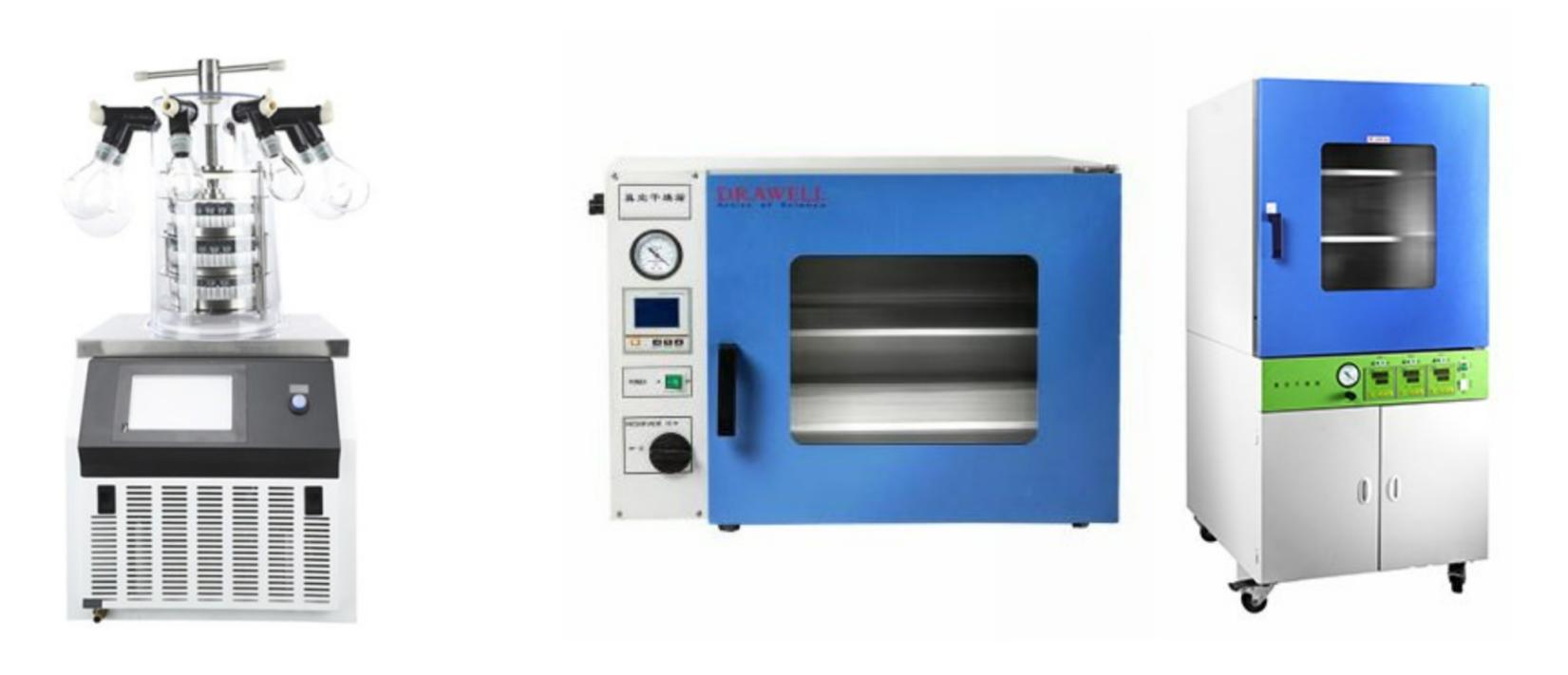
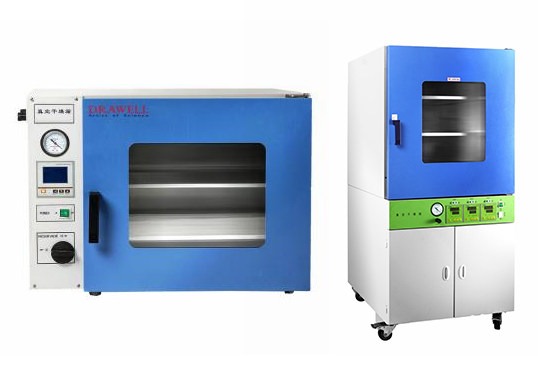
Vacuum drying removes solvents under reduced pressure, allowing evaporation at lower temperatures. This method is particularly suitable for heat-sensitive materials and products that may oxidize under atmospheric conditions.
Vacuum drying ovens are commonly used in pharmaceutical, chemical, and materials science industries. The technique provides good control over drying conditions while minimizing thermal degradation.
One limitation is that vacuum drying can require longer processing times for thick or dense materials.
Freeze Drying
Freeze drying, also known as lyophilization, removes solvents by sublimating frozen solvents directly into vapor under vacuum conditions. This method is highly effective for preserving sensitive biological materials, pharmaceuticals, and food products.
Because the process occurs at very low temperatures, freeze drying minimizes thermal degradation and preserves product structure and activity. The freeze dryer is widely used for vaccines, proteins, enzymes, and high-value biological samples.
Despite its advantages, freeze drying is relatively slow and expensive compared to other solvent removal techniques.
Thin Film Evaporation
Thin film evaporators spread liquid into a thin film over a heated surface, significantly increasing heat transfer and evaporation efficiency. These systems are commonly used for high-viscosity materials and heat-sensitive compounds.
The short residence time minimizes thermal damage while enabling continuous industrial-scale operation. Thin film evaporation is widely applied in chemical processing, polymer production, and specialty chemical manufacturing.
However, equipment complexity and higher initial investment may be limiting factors.
Spray Drying
Spray drying converts liquid solutions or suspensions into dry powders by spraying them into a heated gas stream. The solvent evaporates rapidly, leaving fine solid particles behind.
This technique is extensively used in pharmaceuticals, food processing, ceramics, and chemical manufacturing. Spray drying allows continuous large-scale production with controlled particle size and good product uniformity.
Nevertheless, exposure to elevated temperatures may not be suitable for extremely heat-sensitive materials.
Nitrogen Blowdown Evaporation
Nitrogen blowdown systems use a stream of nitrogen gas to accelerate solvent evaporation from multiple samples simultaneously. These systems are commonly used in analytical laboratories for sample concentration.
Nitrogen evaporation offers simplicity, good throughput for multiple small samples, and reduced oxidation risk. It is particularly useful in chromatography and environmental testing laboratories.
The method is generally less suitable for large-volume solvent removal.
Centrifugal Evaporation
Centrifugal evaporators combine vacuum, controlled heating, and centrifugal force to remove solvents efficiently while preventing sample bumping and cross-contamination.
This method is widely used in pharmaceutical research, biotechnology, and high-throughput analytical laboratories. It performs especially well with mixed solvents and delicate samples.
Although highly effective, centrifugal evaporation systems can be more expensive than simpler evaporation methods.
Comparing Solvent Removal Techniques
Different techniques offer varying balances between efficiency, cost, scalability, and sample protection.
Rotary evaporation is ideal for general laboratory use and moderate solvent volumes. Vacuum drying provides gentle processing for sensitive materials. Freeze drying offers superior preservation for biological products but involves high operational costs. Thin film evaporation supports continuous industrial processing with excellent heat transfer efficiency. Spray drying excels in powder production, while nitrogen blowdown and centrifugal evaporation are highly effective for analytical sample preparation.
The optimal choice depends on matching process requirements with equipment capabilities.
Safety Considerations in Solvent Removal
Safety is an essential aspect of solvent removal operations. Many solvents are flammable, toxic, or environmentally hazardous. Proper ventilation, explosion-proof equipment, and solvent recovery systems help minimize operational risks.
Vacuum systems should be regularly inspected for leaks and pressure stability. Temperature control systems must be carefully monitored to prevent overheating or sample degradation. Operators should also use appropriate personal protective equipment and follow established laboratory or industrial safety protocols.
Emerging Trends in Solvent Removal Technologies
Modern solvent removal technologies increasingly focus on automation, energy efficiency, and sustainability. Advanced control systems now provide precise temperature and pressure regulation, improving consistency and reducing operator intervention.
Energy-saving vacuum pumps, improved heat exchanger designs, and integrated solvent recovery systems are helping industries reduce operational costs and environmental impact. Additionally, compact benchtop systems with digital interfaces are improving convenience and productivity in laboratory environments.
Continuous processing technologies are also gaining popularity for large-scale manufacturing due to their efficiency and scalability.
Summary
Choosing the right solvent removal technique requires careful evaluation of solvent properties, sample sensitivity, processing scale, recovery needs, and operational efficiency. Each method offers unique advantages and limitations depending on the application.
Rotary evaporation remains a versatile laboratory solution, while vacuum drying and freeze drying provide gentle processing for sensitive materials. Thin film evaporation and spray drying support large-scale industrial production, and specialized methods such as nitrogen blowdown and centrifugal evaporation address analytical and research needs.
By understanding the characteristics of each technique and aligning them with specific process requirements, laboratories and industries can achieve efficient solvent removal, improved product quality, enhanced safety, and optimized operational performance.
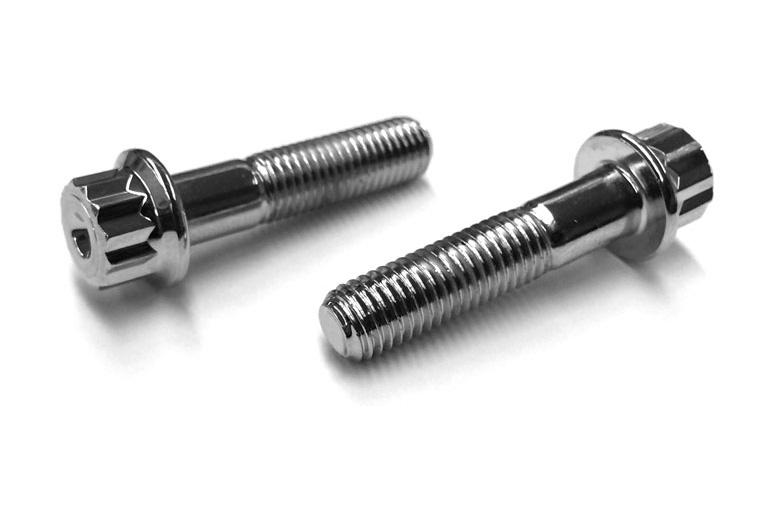
Bolts are among the most important fastening components used in construction, manufacturing, marine engineering, transportation, and industrial equipment. Selecting the correct bolt material directly affects the durability, safety, maintenance requirements, and overall cost of a project. Two of the most commonly used bolt types are galvanized steel bolts and stainless steel bolts. Although both are designed to resist corrosion and provide reliable fastening performance, they differ significantly in composition, strength, environmental resistance, appearance, and application suitability.
Understanding the differences between galvanized and stainless steel bolts helps engineers, contractors, and buyers make informed decisions for specific operating conditions.
Understanding Galvanized Steel Bolts
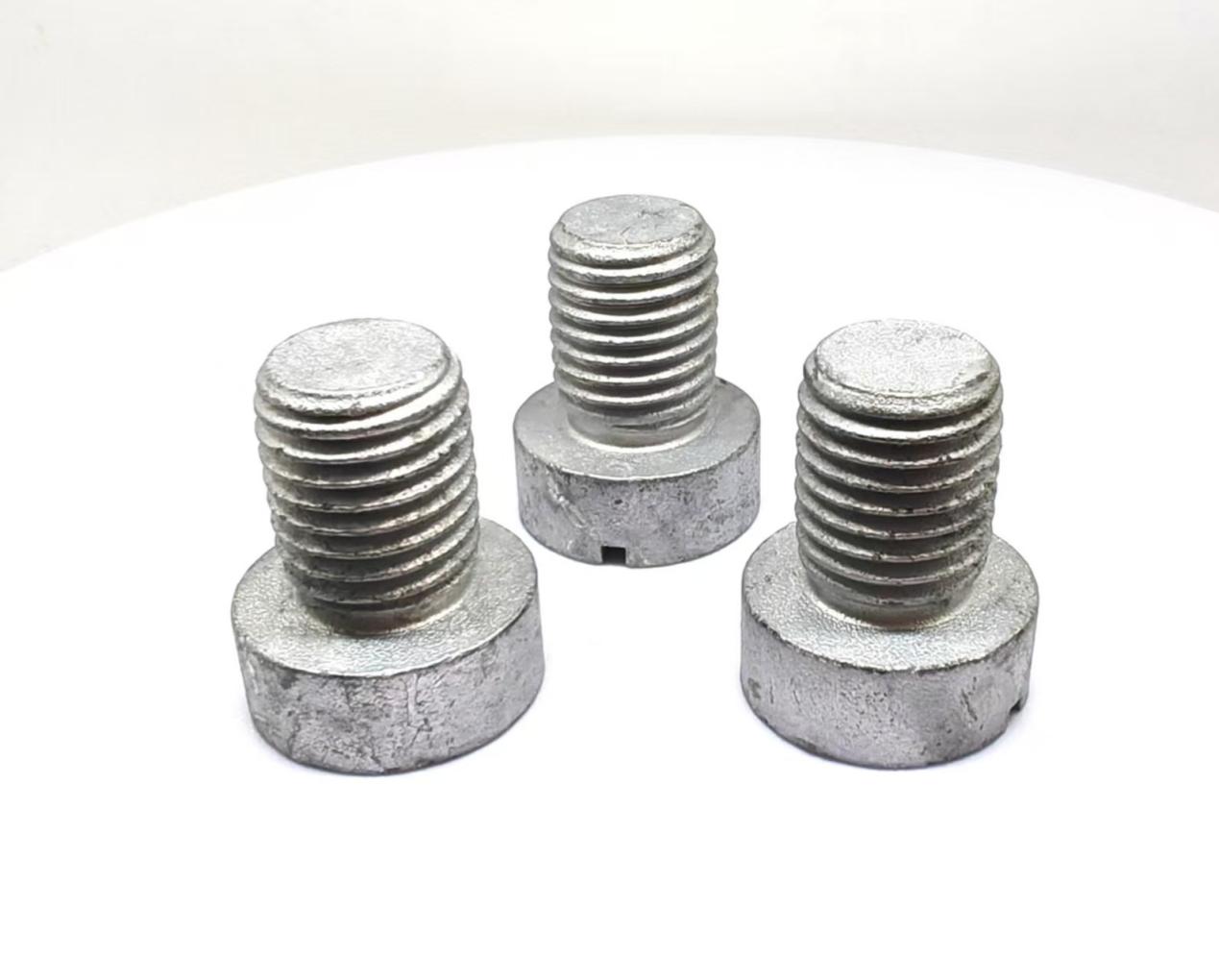
Galvanized steel bolts are typically made from carbon steel and coated with a layer of zinc through a galvanization process. Hot-dip galvanizing is the most widely used method, where the bolts are immersed in molten zinc to create a protective outer coating.
The zinc layer acts as a barrier against moisture and oxygen, helping to prevent rust and corrosion. In addition, zinc provides sacrificial protection, meaning it corrodes before the underlying steel does. This feature allows galvanized bolts to maintain protection even if the surface experiences minor scratches or abrasions.
Galvanized bolts are commonly used in outdoor construction, infrastructure, agricultural equipment, utility systems, and structural applications where moderate corrosion resistance is required at an affordable cost.
Understanding Stainless Steel Bolts
Stainless steel bolts are manufactured from steel alloys containing chromium, which forms a passive oxide layer on the surface of the material. This invisible layer continuously protects the bolt from corrosion and can self-repair when exposed to oxygen.
Different grades of stainless steel offer varying levels of corrosion resistance and strength. Grade 304 stainless steel is commonly used for general applications, while grade 316 stainless steel provides enhanced resistance against saltwater, chemicals, and harsh industrial environments.
Because the corrosion resistance is inherent within the material itself rather than applied as a coating, stainless steel bolts offer excellent long-term performance even in aggressive conditions.
Corrosion Resistance Differences
One of the most important distinctions between galvanized and stainless steel bolts is their resistance to corrosion.
Galvanized bolts perform well in outdoor environments with moderate moisture exposure. The zinc coating protects the underlying steel and significantly delays rust formation. However, over time, the zinc layer gradually deteriorates, particularly in environments with high humidity, salt exposure, acidic chemicals, or industrial pollutants. Once the coating is consumed, the carbon steel beneath becomes vulnerable to rapid corrosion.
Stainless steel bolts generally provide much higher corrosion resistance because the protective chromium oxide layer is integrated into the material itself. Even if the surface is scratched, the passive layer reforms naturally, maintaining protection. Stainless steel bolts are especially effective in marine environments, chemical plants, food processing facilities, and coastal regions where galvanized coatings may fail prematurely.
Strength and Mechanical Performance
Galvanized bolts are often manufactured from high-strength carbon steel, making them suitable for structural and heavy-duty applications. They can withstand substantial mechanical loads and are frequently used in bridges, towers, and industrial frameworks.
Stainless steel bolts also provide strong mechanical performance, but some grades may not achieve the same tensile strength as hardened carbon steel fasteners. However, stainless steel offers superior toughness, ductility, and resistance to cracking under temperature fluctuations.
In applications requiring extreme structural strength combined with moderate environmental exposure, galvanized bolts are often preferred. In corrosive or moisture-rich conditions, stainless steel bolts usually provide better long-term reliability despite potentially lower tensile strength in some grades.
Appearance and Surface Characteristics
The appearance of fasteners can be important in architectural and decorative projects.
Galvanized bolts usually have a dull gray or matte silver finish. Over time, the surface may develop white oxidation or become rough due to environmental exposure. While appearance is generally less important in industrial applications, galvanized bolts are primarily valued for practicality and cost efficiency.
Stainless steel bolts feature a smooth, clean, and polished appearance that remains attractive for long periods. Their aesthetic appeal makes them ideal for visible installations such as modern architecture, decorative railings, public infrastructure, and consumer products.
Cost Considerations
Cost is another major factor when choosing between galvanized and stainless steel bolts.
Galvanized steel bolts are typically more economical because carbon steel and zinc coatings are less expensive than stainless steel alloys. This lower cost makes galvanized fasteners highly attractive for large construction projects and infrastructure developments where thousands of bolts may be required.
Stainless steel bolts usually involve a higher initial investment due to the cost of alloying elements such as chromium, nickel, and molybdenum. However, the longer service life, reduced maintenance, and lower replacement frequency often offset the higher upfront cost in demanding environments.
For projects exposed to severe corrosion or where maintenance access is difficult, stainless steel bolts may provide better overall lifecycle value.
Environmental Suitability
Environmental conditions play a major role in determining the appropriate bolt material.
Galvanized bolts are generally suitable for dry outdoor conditions, rural environments, and general industrial applications with limited chemical exposure. They are widely used in construction frameworks, fencing systems, agricultural equipment, utility poles, and transportation infrastructure.
Stainless steel bolts are better suited for highly corrosive environments such as marine structures, offshore platforms, chemical processing facilities, wastewater treatment plants, and food-grade applications. Their resistance to moisture, salt, and chemicals allows them to maintain structural integrity over extended service periods.
Maintenance Requirements
Galvanized bolts may require periodic inspection because the zinc coating gradually wears away over time. In harsh environments, recoating or replacement may become necessary to prevent structural deterioration.
Stainless steel bolts typically require far less maintenance. Their built-in corrosion resistance minimizes the need for protective treatments or frequent inspections, making them especially beneficial in inaccessible or critical installations.
Choosing Between Galvanized and Stainless Steel Bolts
The choice between galvanized and stainless steel bolts depends on balancing several factors, including environmental exposure, structural requirements, appearance expectations, maintenance considerations, and project budget.
Galvanized bolts are often the preferred solution for cost-sensitive structural applications with moderate corrosion exposure. They provide strong mechanical performance and reliable protection for many outdoor projects.
Stainless steel bolts are usually the better option when long-term corrosion resistance, cleanliness, appearance, and reduced maintenance are priorities. Although they cost more initially, they frequently deliver superior durability and reliability in harsh operating environments.
Final Thoughts
Galvanized and stainless steel bolts each offer distinct advantages that make them suitable for different applications. Galvanized bolts provide an economical and strong fastening solution for general outdoor and structural uses, while stainless steel bolts excel in corrosive, marine, hygienic, and decorative environments requiring long-lasting performance.
Selecting the right bolt material is essential for ensuring safety, durability, and cost efficiency throughout the life of a project. By carefully evaluating environmental conditions and operational requirements, engineers and buyers can choose the fastening solution that best supports long-term reliability and performance.
The oil and gas industry operates in one of the most technically demanding and safety-critical environments in the world. Drilling operations involve complex equipment, high-pressure systems, hazardous conditions, and strict operational procedures. To prepare drilling personnel for these challenges, many training institutions and companies are increasingly adopting drilling simulators as a core component of workforce development. Drilling simulators provide realistic, immersive, and risk-free training environments that help operators, engineers, and drilling crews gain practical experience before working on actual rigs.
Understanding the Basics of Drilling Simulators
Drilling simulators are advanced training systems designed to replicate real-life drilling operations in a virtual or computer-controlled environment. These simulators reproduce the behavior of drilling rigs, well control systems, downhole conditions, and operational scenarios with high accuracy. Trainees can interact with simulated drilling equipment and experience realistic operational challenges without exposing personnel, equipment, or wells to actual risks.
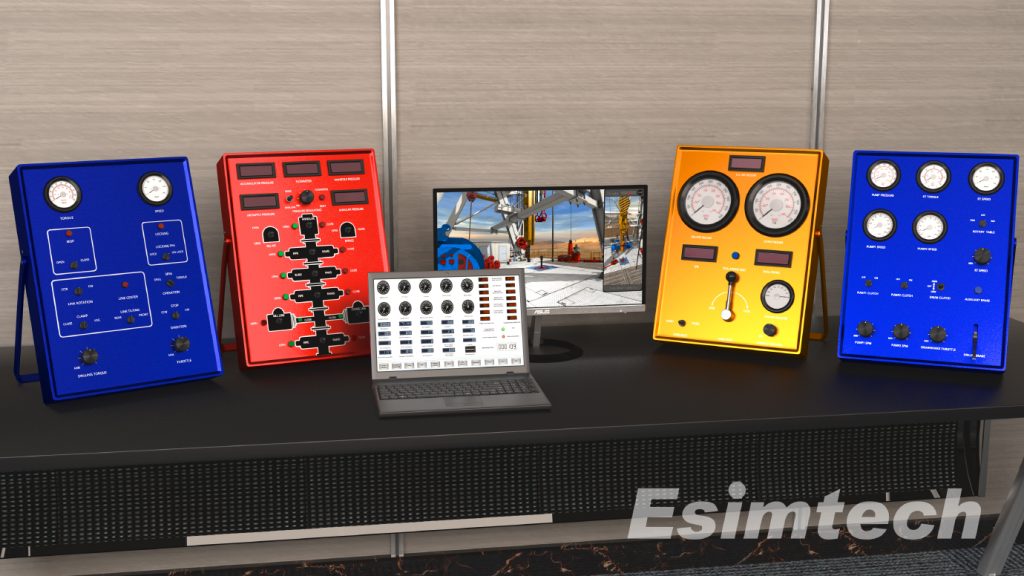
Modern drilling simulators often integrate hardware consoles, control panels, graphical interfaces, motion systems, and sophisticated software models to create authentic drilling experiences. They are widely used in oil and gas training centers, drilling academies, universities, and corporate learning facilities.
Importance of Drilling Simulators in Training Centers
Training centers play a vital role in developing competent drilling personnel. Traditional classroom instruction alone is often insufficient for preparing trainees to handle complex field operations. Drilling simulators bridge the gap between theoretical learning and practical application.
One of the primary advantages of drilling simulators is safety enhancement. Trainees can learn how to respond to dangerous situations such as blowouts, kicks, equipment failures, and pressure anomalies in a controlled environment. Mistakes made during simulation exercises become valuable learning experiences rather than costly or hazardous incidents.
Another major benefit is operational efficiency. Simulators help trainees develop procedural knowledge, equipment familiarity, and decision-making skills more rapidly than conventional methods. This reduces learning curves once personnel enter field operations.
Drilling simulators also support standardization in training programs. Training centers can create repeatable exercises and performance evaluations, ensuring that all trainees meet consistent competency standards.
Basic drilling simulators are primarily designed for entry-level training and educational purposes. They introduce trainees to the fundamentals of drilling operations, rig components, drilling terminology, and standard operational procedures. These simulators typically feature simplified interfaces and operational models, making them suitable for students, new employees, and technical training programs. They help learners understand core drilling concepts before progressing to more advanced simulation systems.
Well Control Simulators
Well control simulators focus on training personnel to recognize and respond to abnormal well conditions such as kicks, blowouts, pressure surges, and gas influxes. These simulators recreate high-risk scenarios that require rapid decision-making and proper application of well control procedures. They are widely used for certification programs and safety training because they allow drilling crews to practice emergency response techniques without actual operational danger.
Cyber Chair Simulators
Cyber chair simulators provide highly immersive and interactive drilling experiences through integrated control chairs, advanced displays, and realistic rig operation systems. Operators can manage multiple drilling parameters simultaneously while experiencing simulated field conditions in real time. These simulators are commonly used for advanced operator training and crew coordination exercises because they closely replicate modern drilling control rooms.
Full-Scale Rig Simulators
Full-scale rig simulators are among the most sophisticated training systems available. They replicate complete drilling rig environments with authentic hardware controls, instrument panels, and operational workflows. Trainees interact with physical equipment that behaves similarly to actual drilling systems, creating highly realistic learning experiences. These simulators are commonly used in professional training centers and by major oil and gas companies to prepare crews for complex drilling operations.
Offshore Drilling Simulators
Offshore drilling simulators are specifically developed to reproduce the conditions encountered in offshore and deepwater drilling operations. They simulate marine environments, floating rig behavior, subsea systems, and offshore safety challenges. These simulators are essential for training offshore personnel who must manage both drilling operations and maritime-related risks under difficult environmental conditions.
Directional Drilling Simulators
Directional drilling simulators focus on teaching advanced well trajectory control and steering techniques. Trainees learn how to guide drill bits along planned well paths while managing formation changes and operational limitations. These simulators are widely used for training drilling engineers and directional drilling specialists involved in horizontal, extended reach, and complex well projects.
Managed Pressure Drilling Simulators
Managed pressure drilling simulators are designed to train personnel in maintaining precise wellbore pressure control during challenging drilling operations. These simulators replicate narrow pressure margins, complex formation behaviors, and specialized pressure management systems. They help crews develop the skills required for drilling in high-pressure or depleted reservoirs where conventional drilling methods may not be sufficient.
Portable Drilling Simulators
Portable drilling simulators are compact systems that can be transported easily to remote locations, offshore facilities, or field training sites. Although they may not provide the same level of immersion as full-scale systems, they offer flexible and cost-effective training solutions for organizations that require mobile training capabilities. Portable simulators are especially useful for refresher courses and on-site workforce development.
Virtual Reality Drilling Simulators
Virtual reality drilling simulators use VR headsets and immersive digital environments to recreate drilling operations in a highly interactive manner. Trainees can move within virtual rig environments, inspect equipment, and practice procedures with enhanced realism. VR-based systems are becoming increasingly popular because they improve engagement, situational awareness, and experiential learning while reducing physical infrastructure requirements.
Integrated Operations Simulators
Integrated operations simulators combine drilling, production, well control, and equipment management systems into a unified training platform. These advanced simulators allow multiple departments and operational teams to train together under coordinated scenarios. They are particularly valuable for preparing personnel for complex field operations that require strong communication and cross-functional collaboration.
Applications of Drilling Simulators
Drilling simulators support a wide range of training applications across the oil and gas sector.
Well Control Training
One of the most important applications is well control training. Personnel learn how to identify abnormal pressure conditions, shut in wells, and execute kill procedures safely. This type of training is essential for preventing catastrophic blowouts.
Equipment Operation Training
Simulators help trainees become familiar with rig systems such as top drives, mud pumps, drawworks, rotary tables, and blowout preventers. Operators can practice procedures repeatedly until proficiency is achieved.
Emergency Response Training
Training centers use simulators to recreate emergency scenarios such as gas influxes, equipment failures, stuck pipe incidents, and loss of circulation events. Crews learn how to respond effectively under pressure.
Team Coordination Exercises
Drilling operations require strong communication and teamwork. Simulators enable multiple trainees to work together in coordinated operational scenarios, improving crew resource management.
Advanced Technical Training
Experienced engineers and supervisors can use simulators for advanced drilling techniques, including directional drilling, managed pressure drilling, and deepwater operations.
Emerging Technologies in Drilling Simulators
Technological advancements continue to improve the realism and effectiveness of drilling simulators.
Artificial intelligence is increasingly being integrated into simulation systems to create adaptive training scenarios and intelligent performance analysis. Virtual reality and augmented reality technologies are also enhancing immersion and situational awareness.
Cloud-based simulation platforms now allow remote training and collaborative exercises across multiple locations. Digital twin technologies are enabling simulators to mirror real drilling rigs and field conditions with greater precision.
Advanced data analytics tools are helping instructors identify trainee weaknesses and customize training programs accordingly.
Challenges in Implementing Drilling Simulators
Despite their benefits, drilling simulators also present certain challenges for training centers.
High acquisition and maintenance costs can limit accessibility for smaller institutions. Developing realistic simulation models requires substantial technical expertise and continuous software updates. Instructors must also receive specialized training to effectively manage simulator-based learning programs.
Another challenge is ensuring that simulation scenarios accurately reflect changing drilling technologies and field practices. Regular upgrades are necessary to maintain training relevance.
Summary
Drilling simulators have become indispensable tools for oil and gas training centers. They provide safe, efficient, and realistic environments for developing the technical skills, operational knowledge, and emergency response capabilities required in modern drilling operations. By combining practical experience with advanced digital technologies, drilling simulators help training institutions improve workforce competency, reduce operational risks, and support safer and more efficient oil and gas exploration and production activities.
In the highly competitive printing industry, maintaining flawless print quality is essential for meeting customer expectations and reducing production waste. Even minor defects such as color variation, streaks, missing text, registration errors, or contamination can lead to costly reprints, customer complaints, and damaged brand reputation. To address these challenges, many printing companies are adopting 100% inline inspection systems that monitor every printed product directly during the production process.
Unlike traditional sampling inspection methods, 100% inline inspection systems ensures that every single printed item is checked in real time, enabling manufacturers to identify and correct defects immediately. As printing technologies continue to evolve, inline inspection has become a critical component of modern quality control strategies.
What is 100% Inline Inspection
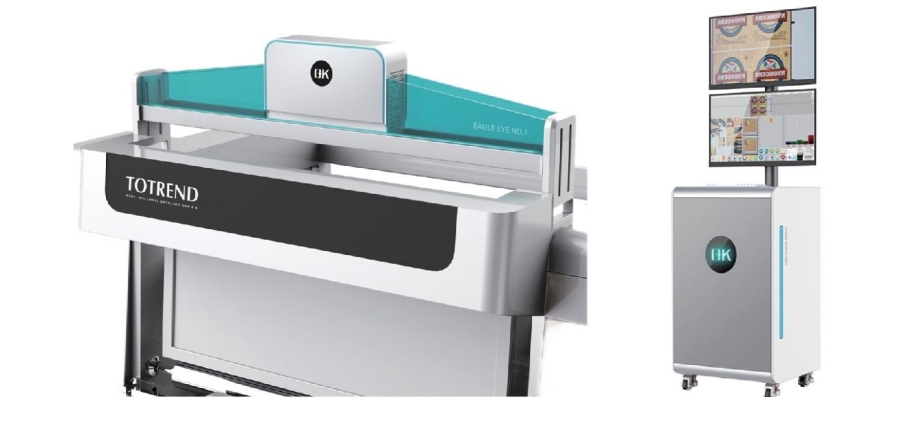
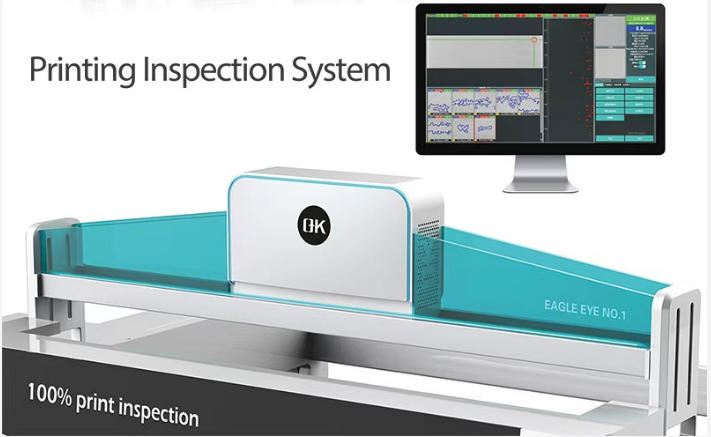
100% inline inspection refers to the continuous monitoring and inspection of all printed materials while they are moving through the printing press or finishing line. The inspection process occurs automatically and in real time without interrupting production.
Advanced cameras, sensors, lighting systems, and software algorithms capture images of the printed products and compare them against predefined standards or master images. Any deviations are instantly detected, allowing operators to take corrective actions before large volumes of defective products are produced.
This approach differs significantly from offline or random sample inspection, where only selected products are checked after printing has already been completed.
How 100% Inline Inspection Works
The operation of a 100% inline inspection system involves several integrated technologies working together seamlessly.
High-Speed Image Capture
Industrial cameras are installed along the production line to capture high-resolution images of every printed item at extremely high speeds. These cameras can inspect labels, packaging, newspapers, flexible films, cartons, and many other printed materials.
Intelligent Lighting Systems
Proper illumination is essential for detecting subtle print defects. Specialized LED lighting systems are used to enhance image clarity and improve the visibility of defects such as smudges, scratches, ink splashes, and color inconsistencies.
Image Processing and Analysis
The captured images are analyzed by sophisticated software using pattern recognition, artificial intelligence, and machine vision algorithms. The system compares each print against reference standards and identifies abnormalities in real time.
Defect Detection and Alarm Response
When a defect is detected, the system immediately alerts operators through visual or audible alarms. Some advanced systems can automatically mark defective products, stop the machine, or trigger automatic rejection mechanisms.
Data Collection and Reporting
Modern inline printing inspection systems also collect production data for quality analysis, traceability, and process optimization. Manufacturers can review defect trends, identify recurring problems, and improve overall production efficiency.
Common Defects Detected by Inline Inspection Systems
Inline inspection systems in the printing industry are designed to identify a wide range of print defects in real time during production. These systems help manufacturers maintain consistent quality and prevent defective products from reaching customers.
Color Variation
Color variation is one of the most common printing defects. It occurs when printed colors differ from the approved standard due to improper ink density, inconsistent ink supply, or changes in printing conditions. Inline inspection systems continuously monitor color consistency to ensure uniform appearance throughout the production run.
Registration Errors
Registration errors happen when multiple print layers or colors are not perfectly aligned. This can cause blurry images, shadow effects, or distorted graphics. High-speed inspection cameras can detect even minor misalignments and alert operators immediately.
Missing Print
Missing print defects include incomplete text, absent graphics, missing logos, or partially printed areas. These defects may result from clogged nozzles, plate damage, or ink delivery issues. Inline inspection systems compare printed images with reference files to quickly identify missing elements.
Smudges and Streaks
Smudges and streaks are caused by ink spreading unevenly across the substrate. This may occur because of excessive ink, dirty rollers, or improper drying conditions. Inspection systems can detect these imperfections before they affect large quantities of products.
Print Blur
Blurred printing reduces image sharpness and readability. It can result from vibration, improper substrate movement, or incorrect machine settings. Inline inspection systems analyze image clarity to ensure high-resolution print quality.
Foreign Particles and Contamination
Dust, fibers, oil, or other contaminants on the printing surface can create visible defects. Inline inspection systems identify these foreign particles to prevent quality issues, especially in high-precision industries such as pharmaceutical and food packaging printing.
Barcode and QR Code Defects
Unreadable or damaged barcodes and QR codes can disrupt logistics and product tracking systems. Inspection systems verify barcode accuracy, contrast, and readability to ensure compliance with industry standards.
Surface Damage
Printed materials may suffer scratches, wrinkles, tears, or dents during production and handling. Inline inspection systems monitor the surface condition of products to identify physical damage immediately.
Ink Splash and Spots
Ink splashes, droplets, or random spots may appear due to excessive pressure, nozzle malfunction, or ink contamination. These defects can negatively affect product appearance and brand image if not detected quickly.
Text and Character Errors
Inline inspection systems equipped with OCR (Optical Character Recognition) and OCV (Optical Character Verification) technologies can identify spelling mistakes, incorrect characters, missing text, or variable data errors in printed materials.
Die-Cutting and Finishing Defects
In packaging and label production, defects can also occur during die-cutting, folding, laminating, or finishing processes. Inspection systems help detect improper cuts, alignment problems, or finishing inconsistencies that could affect final product performance.
Importance of Detecting Print Defects Early
Early defect detection is essential for reducing waste, minimizing downtime, and maintaining production efficiency. By identifying problems immediately during the printing process, inline inspection systems allow operators to make fast adjustments before defects spread across the entire production batch.
Key Benefits of 100% Inline Inspection
Improved Product Quality
The primary advantage of inline inspection is the ability to ensure consistently high print quality across the entire production run. Since every product is inspected, the risk of defective items reaching customers is greatly reduced.
Reduced Waste and Rework
Real-time defect detection prevents large batches of defective products from being produced. Operators can quickly identify and correct problems, minimizing material waste and reducing rework costs.
Increased Production Efficiency
Automated inline inspection eliminates the need for manual quality checks during production. This allows printing companies to maintain high production speeds while ensuring quality control.
Enhanced Customer Satisfaction
Consistent print quality improves customer confidence and strengthens business relationships. This is especially important in industries such as pharmaceutical packaging, food labeling, and security printing where accuracy is critical.
Better Process Control
Continuous monitoring provides valuable production insights that help optimize machine settings, ink control, and printing performance.
Regulatory Compliance and Traceability
Many industries require strict quality documentation and traceability. Inline inspection systems help manufacturers meet industry standards and maintain detailed inspection records.
Applications of 100% Inline Inspection in Printing
100% inline inspection is widely used across various printing sectors.
Label Printing
100% inspection systems for lable quality ensure detection accuracy, barcode readability, and color consistency for consumer goods, pharmaceuticals, and logistics industries.
Flexible Packaging Printing
Packaging manufacturers use inline inspection to detect print defects on films, pouches, and laminated materials.
Commercial Printing
Books, magazines, brochures, and newspapers benefit from continuous quality monitoring to maintain professional print appearance.
Security Printing
Banknotes, passports, certificates, and security labels require highly accurate inspection to prevent defects and counterfeiting issues.
Corrugated and Carton Printing
Inline inspection helps maintain print quality on corrugated boxes and folding cartons used in packaging applications.
Technologies Used in Modern Inline Inspection Systems
Modern inline inspection systems in the printing industry rely on advanced technologies to achieve fast, accurate, and reliable defect detection during high-speed production. These technologies work together to ensure that every printed product meets strict quality standards while minimizing waste and downtime.
Machine Vision Cameras
Machine vision cameras are the core components of inline inspection systems. These high-speed industrial cameras capture detailed images of printed materials as they move through the production line. Modern cameras can operate at extremely high frame rates while maintaining high image resolution, allowing them to inspect every product without slowing production.
Different camera types are used depending on the application, including monochrome cameras for contrast detection and color cameras for accurate color verification.
Advanced LED Lighting Systems
Lighting plays a critical role in image clarity and defect visibility. Modern inline inspection systems use specialized LED lighting technologies to create consistent and controlled illumination conditions.
Various lighting configurations such as diffuse lighting, backlighting, strobe lighting, and angled lighting help reveal specific defects including scratches, print streaks, surface contamination, and embossing irregularities. Proper lighting significantly improves the accuracy of defect detection.
Image Processing Software
Image processing software analyzes the captured images in real time and compares them with reference images or predefined quality standards. The software identifies deviations such as color variation, missing print, registration errors, and surface defects.
Modern software systems can process massive amounts of image data within milliseconds, enabling immediate response during high-speed printing operations.
Artificial Intelligence and Machine Learning
Artificial intelligence (AI) and machine learning technologies are increasingly being integrated into inline inspection systems. AI-based systems can recognize complex defect patterns, learn from historical production data, and improve detection accuracy over time.
These intelligent systems can also reduce false alarms by distinguishing between acceptable variations and actual defects, making the inspection process more efficient and reliable.
Color Measurement and Spectral Analysis
Accurate color control is essential in printing applications, especially for packaging and branding. Modern inspection systems use spectrophotometers and color measurement sensors to monitor color consistency throughout the production process.
Spectral analysis technologies compare printed colors against standard color profiles and detect even slight deviations in hue, density, or brightness.
OCR and OCV Technologies
Optical Character Recognition (OCR) and Optical Character Verification (OCV) technologies are used to inspect printed text, serial numbers, expiration dates, and variable data.
OCR systems convert printed characters into digital text for analysis, while OCV systems verify whether the printed information matches the expected content. These technologies are especially important in pharmaceutical, food, and logistics printing applications.
Barcode and QR Code Verification
Modern inline inspection systems can inspect and validate barcodes, QR codes, and data matrix codes in real time. The systems evaluate code readability, contrast, positioning, and accuracy to ensure reliable scanning during distribution and retail operations.
This technology helps prevent supply chain disruptions caused by unreadable or incorrect codes.
High-Speed Data Processing Systems
Since inline inspection generates enormous amounts of image data, powerful processors and high-speed computing systems are required to handle real-time analysis.
Modern systems often use parallel processing, GPU acceleration, and edge computing technologies to maintain inspection speed and accuracy even during high-volume production.
Automatic Defect Marking and Rejection Systems
Many inline inspection systems are connected to automatic defect handling mechanisms. Once a defect is detected, the system can mark the defective product, trigger alarms, or activate automatic rejection devices to remove faulty items from the production line.
This automation minimizes manual intervention and improves production efficiency.
Cloud Connectivity and Industry 4.0 Integration
Modern inspection systems are increasingly integrated with cloud platforms and Industry 4.0 environments. Cloud connectivity allows remote monitoring, centralized quality management, data analysis, and predictive maintenance.
Manufacturers can access real-time production data, generate inspection reports, and optimize process performance across multiple production facilities.
Challenges of Implementing Inline Inspection
Although inline inspection offers significant advantages, there are still several challenges associated with implementation.
High Initial Investment
Advanced inspection systems can require substantial upfront costs for hardware, software, and integration.
Complex System Integration
Integrating inspection systems with existing printing equipment may require technical expertise and production adjustments.
Large Data Processing Requirements
High-speed production generates enormous amounts of image data that require fast processing and reliable storage systems.
Sensitivity Adjustment
Inspection systems must be carefully calibrated to avoid excessive false alarms while still detecting genuine defects.
Future Trends in Inline Inspection
The future of 100% inline inspection is closely connected with artificial intelligence, automation, and smart manufacturing technologies.
AI-powered defect recognition systems are becoming more capable of identifying complex print variations and learning from production data. Cloud-based quality management systems are enabling remote monitoring and predictive maintenance. In addition, integration with Industry 4.0 technologies is helping printing companies create more intelligent and automated production environments.
As printing speeds continue to increase and quality expectations become more demanding, inline inspection systems will play an even more important role in ensuring efficient and defect-free production.
Final Thoughts
100% inline inspection has become an essential quality assurance solution in the modern printing industry. By inspecting every printed product in real time, manufacturers can significantly improve quality, reduce waste, increase production efficiency, and enhance customer satisfaction.
With continuous advancements in machine vision, artificial intelligence, and automation technologies, inline inspection systems are becoming smarter, faster, and more reliable. For printing companies seeking higher productivity and superior quality control, adopting 100% inline inspection is increasingly becoming a strategic necessity rather than an optional upgrade.
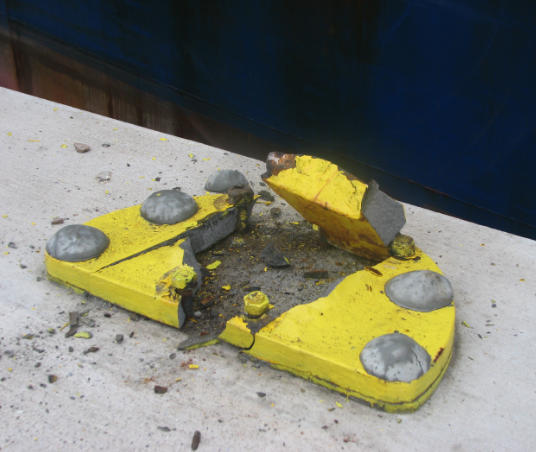
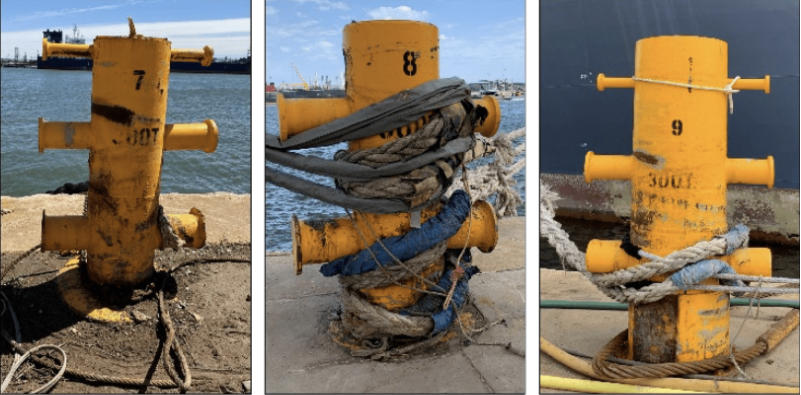
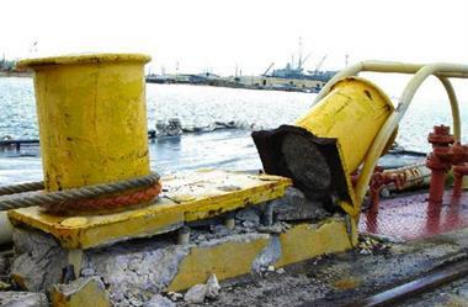
Mooring bollards are indispensable components in ports, harbors, and offshore facilities, providing secure points for vessels to tie up. Despite their robust appearance, these structures are subjected to extreme forces from mooring lines, vessel movement, and environmental conditions. Failure of a mooring bollard can have serious consequences, including damage to vessels, cargo loss, injuries to dock personnel, and operational downtime. Understanding the causes and mitigation strategies of mooring bollard failures is crucial for safe maritime operations.
Causes of Mooring Bollard Failures
Mooring bollard failures usually occur due to a combination of structural, environmental, and operational factors. Overloading is a primary cause, as bollards are designed to handle specific tension limits based on vessel size and mooring configuration. When these limits are exceeded—often during storms, high winds, or improper line arrangements—the bollard can fracture or detach from its foundation. Corrosion and material fatigue further weaken bollards over time. Steel marine mooring bollards exposed to seawater are particularly vulnerable, as corrosion reduces their load-bearing capacity. Repeated cyclic loading from mooring operations also contributes to structural fatigue, creating hidden points of weakness. Design and installation deficiencies, such as improper anchoring or inadequate material thickness, can compound these risks. Human error, including sudden jerks on mooring lines or misuse of ropes, adds an additional layer of vulnerability.
Consequences of Bollard Failures
The impact of a mooring bollard failure can be immediate and severe. Vessels may drift, collide with other ships, or strike harbor infrastructure, resulting in costly damages. Cargo may shift or spill, particularly when handling hazardous materials, creating environmental hazards. Dock personnel are at risk from snapping lines or falling debris, which can cause injuries or fatalities. Beyond the immediate safety risks, failures lead to operational disruptions and financial losses due to repairs, insurance claims, and downtime.
Prevention and Mitigation
Preventing mooring bollard failures requires attention to design, maintenance, and operational practices. Bollards should be engineered according to industry standards, considering vessel types, environmental forces, and dynamic loading conditions. Regular inspection and maintenance are critical to detect corrosion, cracks, or material fatigue early. Protective coatings, galvanization, or corrosion-resistant materials can prolong service life. Monitoring mooring line tension and training personnel in proper line handling reduces the risk of overloading and human error. Aging or damaged bollards should be reinforced or replaced to maintain operational safety. Proper installation on strong foundations ensures that the bollard can withstand the expected forces.
Final Words
Marine Mooring bollards, though often overlooked, are critical to safe and efficient maritime operations. Failures can have wide-ranging consequences, but with careful design, regular maintenance, and disciplined operational practices, most failures are preventable. By understanding the causes and implementing preventive measures, port operators and maritime professionals can safeguard vessels, cargo, and personnel, ensuring smooth and secure mooring operations.
Toilet paper is a simple daily necessity, yet the type we choose can have significant environmental consequences. As sustainability becomes an increasing concern, the decision between biodegradable and traditional toilet paper has gained attention. Understanding the differences between these products sheds light on their impact on both the environment and everyday life.
Composition and Production
Traditional toilet paper is typically made from virgin wood pulp or a blend of recycled fibers. The manufacturing process often includes bleaching to achieve a soft, white appearance, and may incorporate additives like fragrances or lotions to enhance comfort. While effective for hygiene, producing conventional paper requires substantial water and energy, contributing to resource consumption.
In contrast, biodegradable toilet paper is crafted from sustainable materials such as bamboo, sugarcane, or recycled fibers. These materials naturally break down in the environment, reducing pressure on landfills and wastewater systems. Biodegradable paper generally avoids chemical additives and bleaching, focusing on eco-friendly production that minimizes environmental harm.
Environmental Impact
The environmental footprint of traditional toilet paper is considerable. When derived from virgin wood pulp, it contributes to deforestation and the loss of natural habitats. Chemical treatments used in bleaching and softening processes can release pollutants into rivers and soil. Additionally, traditional paper can take longer to decompose, particularly if synthetic additives are present.
Biodegradable toilet paper offers a more sustainable alternative. Such as bamboo toilet paper often requires minimal pesticides or fertilizers. Because biodegradable paper decomposes quickly, it lessens the burden on septic and sewage systems. The production process also consumes less energy and water, lowering the overall ecological impact.
Performance and User Experience
Traditional toilet paper is generally preferred for its softness and strength, often available in multiple layers for added comfort. These qualities make it appealing for daily use, though its slower decomposition can pose challenges in certain waste systems, especially in rural or sensitive environments.
Biodegradable toilet paper has historically been seen as less soft or durable, but advances in manufacturing have narrowed the gap. Modern biodegradable products can match traditional paper in strength and comfort, providing an eco-friendly option without compromising user experience. While minor differences in texture may exist, many consumers find them negligible compared to the environmental benefits.
Cost Considerations
Traditional toilet paper is often cheaper due to mass production and wide availability. However, these lower upfront costs do not account for the long-term environmental impact and resource depletion associated with its production.
Biodegradable toilet paper may carry a higher price tag, reflecting the sustainable sourcing and specialized production processes involved. Despite the higher cost, consumers increasingly consider the environmental benefits worth the investment, recognizing the importance of reducing waste and conserving natural resources.
Choosing the Right Option
Selecting between biodegradable and traditional toilet paper depends largely on personal values and circumstances. For those prioritizing sustainability and environmental responsibility, biodegradable paper is a clear choice. It also proves advantageous in homes with septic systems or composting toilets, where faster decomposition reduces the risk of blockages. Traditional paper may remain preferable for households seeking lower cost or maximum softness, provided environmental considerations are balanced.
Final Thoughts
The debate between biodegradable and traditional toilet paper reflects a broader awareness of daily choices and their ecological consequences. Biodegradable options offer a sustainable alternative that supports environmental conservation while maintaining comfort and performance. Traditional toilet paper continues to provide affordability and familiarity, though at a higher ecological cost. Ultimately, the decision lies in balancing personal convenience with a commitment to protecting the planet, offering an opportunity to make everyday habits more sustainable.
Marine environments are inherently challenging due to harsh weather, high humidity, saltwater corrosion, and the presence of volatile gases. For offshore oil rigs, chemical transport vessels, and other marine operations, lighting systems must not only provide reliable illumination but also ensure safety in potentially explosive atmospheres. Explosion-proof lights are engineered specifically to meet these stringent demands, and their design incorporates a combination of materials, mechanical engineering, and electrical safety principles.
Understanding Explosion-proof Lighting
Explosion-proof lights are designed to prevent internal sparks or arcs from igniting flammable gases or dust in the surrounding environment. Unlike standard lighting fixtures, these lights encase the electrical components in robust housings capable of containing any explosion that may occur inside the fixture. This containment ensures that even if an internal fault occurs, the external environment remains safe.
Marine operations pose additional challenges compared to land-based industrial settings. Corrosive saltwater, strong winds, and constant motion require marine explosion-proof lighting to have exceptional durability while maintaining safety standards.
Key Design Considerations
1. Material Selection
Materials must resist corrosion, impact, and temperature fluctuations. Stainless steel, aluminum alloys, and high-strength polymers are commonly used. These materials provide the necessary structural integrity while preventing degradation in salt-laden environments.
2. Sealing and Housing
A critical aspect of explosion-proof design is the sealing of the light housing. Gaskets, O-rings, and hermetic seals prevent water, dust, and explosive gases from entering the fixture. The housing must also dissipate heat efficiently to avoid thermal buildup that could compromise safety.
3. Electrical Safety
Internal electrical components are carefully selected and insulated to minimize the risk of sparking. Components such as LED drivers, wiring, and switches must comply with international standards for explosion-proof certification (e.g., ATEX, IECEx, UL). Redundant safety mechanisms are often implemented to maintain functionality if one component fails.
4. Optical Design
Marine operations require lights that offer both high visibility and energy efficiency. LED explosion-proof lights are widely adopted due to its low heat generation, long lifespan, and consistent illumination. Lens design and reflector geometry are optimized to provide uniform light distribution over large areas, reducing shadows and improving operational safety.
5. Shock and Vibration Resistance
Marine vessels and offshore platforms are subject to constant vibrations and occasional impacts. Explosion-proof lights are designed with shock-absorbing mounts, thickened housings, and vibration-resistant electrical connections to maintain reliability under these dynamic conditions.
6. Maintenance and Accessibility
Maintenance is challenging in offshore environments. Designers focus on creating lights that are easy to install, replace, and maintain without requiring extensive downtime. Modular components, corrosion-resistant fasteners, and clear labeling contribute to safer and quicker servicing.
Innovations in Marine Explosion-proof Lighting
Recent advancements include smart lighting systems that integrate sensors and wireless communication. These systems can automatically adjust brightness based on environmental conditions or alert operators if a fault is detected. Additionally, improvements in LED efficiency and heat management allow for smaller, lighter fixtures without compromising safety or illumination performance.
Summary
Designing explosion-proof lights for marine operations requires a multidisciplinary approach that balances safety, durability, and performance. Every aspect, from material selection and housing design to electrical insulation and optical optimization, is critical to ensuring the light can withstand harsh marine conditions while preventing ignition of flammable atmospheres. As marine industries continue to advance, explosion-proof lighting technologies will evolve, integrating smarter systems and more resilient materials to enhance both operational efficiency and safety.
The appeal of plush toys goes far beyond their softness and charm. For children and collectors alike, the durability and cleanliness of these toys are equally important. In recent years, washable designs in custom plush toys have emerged as a key innovation, combining aesthetic appeal with practical functionality.
Emphasizing Hygiene Without Sacrificing Design
Children often form strong emotional bonds with their plush toys, carrying them everywhere and, naturally, exposing them to spills, dirt, and germs. Washable plush toys address this reality by incorporating materials and construction techniques that can withstand regular cleaning. From machine-washable fabrics to water-resistant stitching, designers are rethinking traditional plush construction to prioritize hygiene without compromising the toy’s tactile appeal or visual charm.
Materials That Make a Difference
The choice of materials for plush toys is central to creating washable plush toys. High-quality synthetic fibers such as polyester and microfiber offer durability and softness while resisting shrinkage and color fading during washing. Some custom designs incorporate removable, washable covers, allowing for easy cleaning of the toy’s exterior while preserving internal components like beans, cotton filling, or electronic modules. Additionally, hypoallergenic and non-toxic fabrics enhance the safety features, making the customized plush toys suitable for infants.
Design Techniques for Longevity
Washable custom plush toys often utilize reinforced seams, water-resistant thread, and hidden zippers to maintain structural integrity during washing. Designers may also adopt modular designs, where parts such as clothing or accessories can be detached and cleaned separately. This ensures that intricate details, embroidery, or delicate elements are protected while still allowing the toy to be safely washed.
Balancing Customization and Practicality
For brands and artisans offering custom plush toys, washability has become a key selling point. Buyers increasingly value toys that are not only unique and personalized but also practical for daily life. Washable designs allow for vibrant colors, unique patterns, and personalized embroidery without limiting functionality. For example, a custom plush animal with a monogrammed vest or accessory can retain its detail and color after multiple washes.
Enhancing User Experience
Washable designs do more than maintain cleanliness—they enhance the overall user experience. Parents feel reassured knowing toys can be kept sanitary, while children enjoy their plush companions without interruption. Collectors, too, appreciate the ability to maintain the aesthetic and tactile quality of their prized pieces over time.
Final Words
The designs of washable custom plush toys represent the perfect intersection of creativity and practicality. By prioritizing hygiene, durability, and user convenience, designers ensure that plush toys remain cherished companions while meeting the demands of modern lifestyles. In a market where personalization is king, washability adds a layer of thoughtful functionality that sets high-quality custom plush toys apart.

















 China manufacturers