VOGE DS625X: Riding Freely on Every Terrain

In a world where adventure beckons beyond the pavement, the VOGE DS625X stands as a symbol of power, endurance, and precision engineering. Designed to conquer rugged terrains and embrace the thrill of the unknown, this adventure motorcycle redefines what it means to ride freely, whether on mountain trails, gravel paths, or open highways.

VOGE DS625X

Power That Drives Exploration

At the core of the VOGE DS625X lies a 581cc in-line twin, four-stroke, water-cooled engine. Delivering a strong balance of low-end torque and smooth top-end power, it provides riders with the confidence to tackle steep climbs, rocky trails, and long-distance rides with ease. The six-speed transmission ensures seamless gear changes, enabling precise control in both off-road and highway conditions.

Its fuel injection system optimizes combustion efficiency, offering excellent throttle response and fuel economy. With a robust engine mapping, the DS625X maintains consistent performance even under challenging environmental conditions—from high-altitude mountain routes to hot desert trails.

Built to Endure the Rough

Every detail of the VOGE DS625X reflects its rugged spirit. Its reinforced steel frame and high ground clearance are engineered to withstand harsh terrain, while the long-travel suspension system—featuring adjustable front forks and a rear monoshock—absorbs bumps and shocks effortlessly.

The DS625X rolls on spoked wheels fitted with dual-purpose tires, providing superior traction on dirt, gravel, and tarmac alike. Its lightweight yet durable construction enhances maneuverability without compromising stability, allowing riders to stay in control across unpredictable surfaces.

VOGE DS625X ADV

Designed for Comfort on Long Journeys

Adventure often means hours in the saddle, and the VOGE DS625X is built to make those hours enjoyable. The ergonomic riding posture, combined with a wide handlebar and a supportive seat, minimizes fatigue on extended trips. The adjustable windscreen deflects air and debris, ensuring a smoother and more comfortable ride.

Riders can easily switch between seated and standing positions, maintaining control in both off-road and on-road situations. With its spacious luggage options, the DS625X is ready for multi-day expeditions, making it the perfect companion for those who crave open-ended adventure.

Advanced Safety and Technology

Safety and innovation go hand in hand with the DS625X. Equipped with a dual-channel ABS system, it delivers stable braking on slippery and uneven surfaces. The LED lighting system ensures excellent visibility in low-light environments, while the TFT full-color display keeps all ride information clear and accessible.

Bluetooth connectivity allows seamless smartphone pairing for navigation and communication, ensuring riders stay connected even off the beaten path.

VOGE DS625X Motorcycle

Final Thoughts

Whether you’re carving through mountain switchbacks, crossing streams, or cruising along open highways, the VOGE DS625X is engineered to adapt to every terrain with unmatched confidence. It combines performance, durability, and cutting-edge design to create a motorcycle that doesn’t just go the distance, it defines it.

For riders who seek freedom beyond the ordinary, the VOGE DS625X is not just a motorcycle, it’s a passport to exploration, built for those who dare to ride where the road ends and the adventure begins.

Why Use Multi-ply Technology in Bamboo Tissue Paper Production

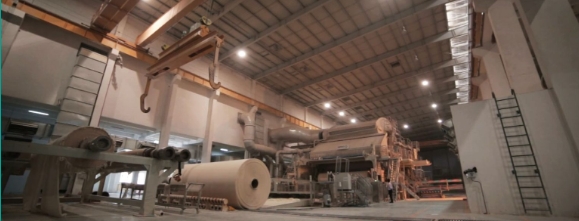
The demand for sustainable hygiene products has been growing rapidly, and bamboo tissue paper has emerged as a leading eco-friendly alternative to conventional wood-pulp paper. One of the major advancements driving the superior quality and performance of bamboo tissue paper is multi-ply technology. This innovation not only enhances softness and strength but also contributes to resource efficiency and user comfort.

Bamboo Tissue Paper

Understanding Multi-ply Technology

Multi-ply technology involves layering two or more sheets (plies) of tissue paper together to form a single, cohesive product. Each ply is bonded using advanced mechanical pressing or micro-embossing techniques, which create tiny air pockets between the layers. These air pockets improve absorbency and give the tissue a plush, cushion-like texture.

In bamboo tissue paper production, this technology leverages the natural strength and fiber flexibility of bamboo pulp, resulting in a durable yet gentle product suitable for facial, toilet, and kitchen tissue applications.

Advantages of Multi-ply Bamboo Tissue Paper

Enhanced Strength and Durability

Multi-ply construction distributes stress across several layers, preventing tearing and ensuring the tissue holds up during use. Bamboo fibers, being longer and stronger than traditional wood fibers, further reinforce this structure.

Improved Softness and Comfort

The layering process creates a smoother, thicker feel without the need for synthetic additives. Users experience a soft touch comparable to premium tissue products, making bamboo multi-ply tissue ideal for sensitive skin.

Superior Absorbency

The air gaps between plies enhance liquid absorption, allowing bamboo tissues to soak up moisture efficiently. This is particularly beneficial in kitchen towels and facial tissues where quick absorption is essential.

Eco-friendly and Sustainable

Multi-ply technology allows manufacturers to use thinner sheets per ply while maintaining strength and absorbency. This reduces overall raw material consumption and complements bamboo’s rapid renewability, ensuring a smaller environmental footprint.

Premium Aesthetic and Feel

Multi-ply bamboo tissues often feature intricate embossing patterns that improve bonding while giving the tissue a luxurious appearance and tactile appeal.

Production Process of Multi-ply Bamboo Tissue

Bamboo Pulp Preparation

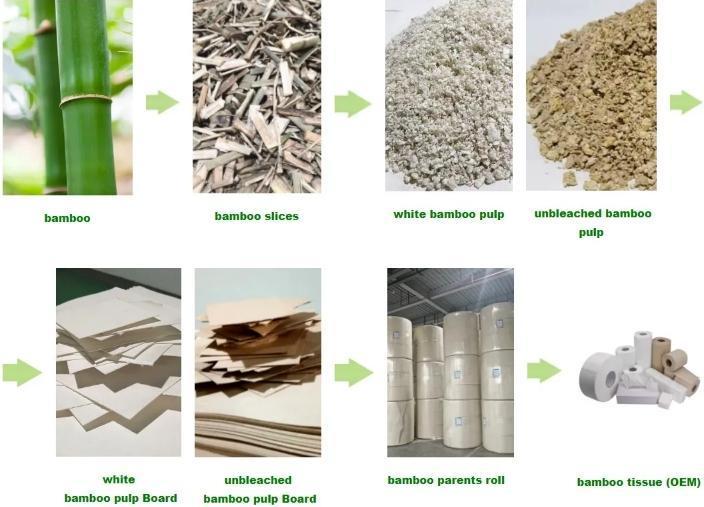
Mature bamboo stalks are processed into pulp using environmentally friendly methods that preserve fiber integrity.

Sheet Formation

The pulp is transformed into thin, uniform sheets through precise paper-making machinery, ensuring consistency in texture and thickness.

Ply Lamination and Embossing

Multiple sheets are layered and embossed using specialized rollers. This stage defines the softness, bulk, and bonding strength between the plies.

Drying and Finishing

The laminated tissue is dried, cut, and rolled into the final product form—whether facial tissue, toilet roll, or kitchen towel.

Bamboo Toilet Paper

Applications of Multi-ply Bamboo Tissue

Bamboo Facial Tissues: Soft and gentle, suitable for daily skincare use.

Bamboo Toilet Paper: Strong yet smooth, offering comfort and durability.

Bamboo Kitchen Towels: High absorbency and tear resistance for efficient cleaning.

Bamboo Napkins and Hand Towels: Ideal for premium hospitality and household use.

Bamboo Kitchen Towel

Future Outlook

With growing environmental awareness and demand for sustainable paper products, multi-ply bamboo tissue production is expected to expand significantly. Future innovations may focus on biodegradable bonding agents, improved embossing techniques, and AI-driven quality control systems to ensure optimal softness, strength, and sustainability.

Summary

Multi-ply technology has revolutionized bamboo tissue paper production, merging eco-conscious material sourcing with high-performance engineering. By enhancing softness, strength, and absorbency while reducing material waste, this technology represents a perfect balance between sustainability and consumer satisfaction. As production methods continue to evolve, bamboo multi-ply tissue is set to redefine the standards of quality and responsibility in the paper industry.

Flat Spiral Springs vs Flat Spiral Torsion Springs: Which Type to Choose

Flat spiral springs and flat spiral torsion springs are both coiled flat springs designed to store and release rotational energy. Although they appear similar in structure, their mechanical behavior, design purpose, and application areas differ significantly. Understanding these differences is crucial for engineers and designers aiming to optimize motion control, energy storage, and torque generation in precision mechanisms.

KENENG flat spiral springs

What is a Flat Spiral Spring?

A flat spiral spring, often referred to as a clock spring or power spring, consists of a flat metal strip wound in a spiral form. When the spring is wound tighter, it stores potential energy, which is later released as rotational energy when the spring unwinds.

Key Characteristics:

Provides constant torque over a wide angular range.

Designed primarily for energy storage and controlled unwinding.

The torque direction remains the same throughout operation.

Common Materials:

High-carbon steel

Stainless steel

Elgiloy or other fatigue-resistant alloys

Applications:

Clocks and timers

Seatbelt retractors

Measuring tapes

Recoil mechanisms

flat spiral springs

What is a Flat Spiral Torsion Spring?

A flat spiral torsion spring looks similar but functions differently. It also uses a flat strip wound into a spiral, but it operates based on torsional deflection, not on stored coiling energy. The torque is generated by twisting the spring’s ends in opposite directions, producing angular force that resists the motion.

Key Characteristics:

Provides torque proportional to the angle of rotation.

Operates by twisting rather than by coiling or uncoiling.

Suited for returning components to a neutral position.

Common Materials:

Spring steel

Stainless steel

Phosphor bronze (for corrosion-resistant designs)

Applications:

Balance wheels in mechanical instruments

Control levers and counterbalance systems

Motor brushes and switch mechanisms

Structural and Functional Differences

Although flat spiral springs and flat spiral torsion springs share a similar coiled design, their internal mechanics and functional purposes differ in several important ways.

Structurally, a flat spiral spring is designed to store energy through coiling and uncoiling. When wound tighter, it accumulates potential energy that is released smoothly as the spring unwinds. In contrast, a flat spiral torsion spring functions through the twisting of its ends, where torque is produced by the torsional deflection of the strip rather than by the winding or unwinding motion.

Functionally, flat spiral springs provide a nearly constant torque over a wide range of rotation, making them suitable for continuous rotational movement. This characteristic allows them to deliver smooth and predictable motion in mechanisms like clock drives, retractors, and tape measures. Flat spiral torsion springs, on the other hand, generate torque that increases proportionally with angular displacement. This means the more the spring is twisted, the greater the restoring torque becomes. Such behavior is ideal for applications requiring components to return to a neutral or starting position, such as control levers, switches, or counterbalance systems.

In terms of motion type, flat spiral springs typically allow continuous rotation in one direction, whereas flat spiral torsion springs are designed for limited angular movements, often oscillating between two positions. Regarding energy storage, flat spiral springs can store a larger amount of energy and release it over a longer cycle, while flat spiral torsion springs are better suited for smaller energy requirements that demand precision and controlled response.

Overall, while both springs are compact and efficient, their mechanical principles, torque characteristics, and motion behavior distinguish them in design and application. Flat spiral springs are chosen for constant torque and continuous operation, while flat spiral torsion springs are preferred for proportional torque and controlled rotational return.

Design Considerations

When choosing between flat spiral springs and flat spiral torsion springs, several factors must be considered:

Torque Requirements:

If a nearly constant torque is needed, flat spiral springs are preferred.

For applications needing variable torque or restoring force, torsion versions are better.

Rotation Range:

Flat spiral springs handle multiple turns efficiently.

Flat spiral torsion springs are limited to smaller angular displacements.

Space Constraints:

Flat spiral torsion springs can often fit compact spaces.

Flat spiral springs may require housing for proper operation.

Durability and Fatigue Life:

Material selection and surface treatment significantly impact lifespan, especially under cyclic loading.

Spiral Torsion Flat Springs

Final Thoughts

Both flat spiral springs and flat spiral torsion springs serve as critical components in motion control and energy management systems. The primary difference lies in how they generate and release torque—flat spiral springs rely on coiling and uncoiling for constant torque delivery, while flat spiral torsion springs depend on twisting for proportional torque response.

Selecting the right type depends on the specific mechanical requirements, use flat spiral springs for continuous, consistent torque applications, and flat spiral torsion springs for controlled, limited angular movements or return mechanisms.

The Use of Total Organic Carbon(TOC) in Water Analysis

Total Organic Carbon (TOC) analysis is one of the most essential methods used to assess the organic purity and contamination level of water. It provides a comprehensive measure of all carbon-containing organic compounds present, making it an indispensable tool in industries ranging from environmental monitoring to pharmaceutical production. The ability to accurately quantify organic contamination helps ensure water quality, regulatory compliance, and process efficiency.

Understanding Total Organic Carbon (TOC)

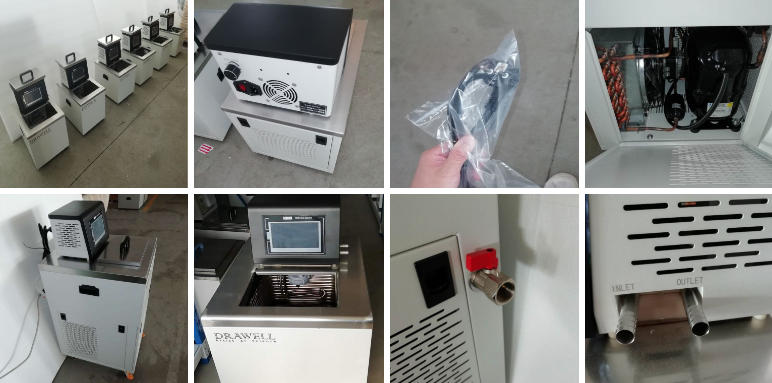
Total Organic Carbon refers to the total amount of carbon found in organic molecules within a water sample. Organic carbon sources include natural substances such as plant decay and microorganisms, as well as anthropogenic sources like industrial discharges, agricultural runoff, and chemical residues. TOC analyzer does not identify specific organic compounds but measures the total concentration of carbon derived from them, providing a broad indicator of water quality.

Typically, TOC is determined by oxidizing the organic matter in the sample to produce carbon dioxide (CO₂), which is then measured by a detector. The result reflects the total organic content, often expressed in milligrams of carbon per liter (mg C/L).

TOC analyzers

Importance of TOC in Water Analysis

The measurement of TOC plays a crucial role in water analysis for several reasons. First, it provides a rapid and reliable indication of the overall organic load, which is an important parameter for assessing the efficiency of water treatment processes. Elevated TOC levels can suggest the presence of organic pollutants that may affect biological systems or interfere with industrial processes. In industries such as pharmaceuticals, electronics, and power generation, even trace amounts of organic carbon can compromise product quality or equipment performance, making precise TOC monitoring vital.

In environmental applications, TOC serves as a key indicator of organic pollution in natural water bodies. It helps identify contamination sources, evaluate wastewater treatment performance, and monitor the impact of human activities on aquatic ecosystems. Compared with traditional methods such as Chemical Oxygen Demand (COD) and Biological Oxygen Demand (BOD), TOC provides a faster, more direct, and environmentally friendly approach since it does not rely on hazardous chemicals or prolonged incubation times.

Methods of TOC Measurement

Several analytical techniques are used for TOC determination, with combustion and wet oxidation being the most common. In the high-temperature combustion method, the water sample is exposed to temperatures above 680°C in the presence of a catalyst, converting organic carbon into CO₂, which is then detected by non-dispersive infrared (NDIR) sensors. This method is known for its high accuracy and suitability for a wide range of sample types.

In the wet chemical oxidation method, chemical oxidants such as persulfate are used to convert organic carbon into CO₂ at lower temperatures. This approach is often preferred for samples with low particulate content or for online TOC monitoring in ultrapure water systems. Modern TOC analyzers often combine oxidation and detection technologies to ensure precision, speed, and ease of operation.

DW-DI1500-OL TOC Analyzer

Applications of TOC Analysis

TOC analysis is widely applied across various sectors. In pharmaceutical manufacturing, it ensures the purity of water for injection (WFI) and process water, meeting stringent regulatory standards such as those set by the U.S. Pharmacopeia (USP) and the European Pharmacopoeia (EP). In semiconductor and electronics industries, TOC monitoring is critical for ultrapure water systems used in chip fabrication, where even microscopic organic residues can cause defects.

In the environmental field, TOC measurement helps track organic pollution levels in rivers, lakes, and wastewater. Municipal water treatment plants use TOC data to optimize disinfection processes and control the formation of harmful disinfection by-products. In power generation, TOC analysis ensures the purity of boiler feed water and condensate, preventing corrosion and scaling in turbines and heat exchangers.

Advantages of TOC Analysis

The key advantages of TOC analysis include speed, sensitivity, and comprehensiveness. Unlike methods that target specific compounds, TOC captures the total organic content, providing a holistic view of water quality. It also supports continuous online monitoring, allowing real-time control of treatment systems. Furthermore, TOC analyzers require minimal reagents and generate less chemical waste, aligning with green analytical practices.

TOC Analyzer DW DI1500

Final Thoughts

Total Organic Carbon analysis has become a cornerstone of modern water quality assessment. Its ability to detect and quantify organic contamination quickly and accurately makes it invaluable across industries where water purity and environmental compliance are essential. As analytical technologies continue to advance, TOC analysis will play an even greater role in supporting sustainable water management, improving process efficiency, and safeguarding public and environmental health.

How to Balance Between Cost and Performance in Rubber Fenders

Rubber fenders play a crucial role in marine environments, serving as vital energy-absorbing components that protect both vessels and berthing structures during docking and mooring. While performance is key to ensuring safety and durability, cost-effectiveness remains an important consideration for port authorities, shipyards, and vessel operators. Striking the right balance between cost and performance in rubber fenders is therefore essential for achieving long-term efficiency and reliability.

Application of Cone Rubber Fenders

Understanding the Cost Factors of Rubber Fenders

The cost of rubber fenders is influenced by several variables, including material composition, design complexity, production technology, and installation requirements.

Material Selection: High-quality natural or synthetic rubber ensures superior elasticity, durability, and resistance to wear and UV radiation—but comes with a higher price tag. Manufacturers often optimize by blending natural rubber with cost-efficient synthetics like SBR (Styrene Butadiene Rubber) without significantly compromising performance.

Manufacturing Process: Advanced vulcanization and precision molding processes enhance consistency and strength but require sophisticated equipment and higher energy input.

Transportation and Installation: Large fender systems involve complex logistics and mounting operations that can significantly influence overall project costs.

Maintenance and Lifecycle Costs: A lower initial investment may lead to higher maintenance expenses over time if inferior materials or designs are used.

Key Performance Metrics in Rubber Fenders

The performance of rubber fenders is evaluated based on several technical metrics that determine their ability to protect marine infrastructure effectively.

Energy Absorption (EA): The ability to absorb kinetic energy during vessel impact without damage.

Reaction Force (RF): The counterforce exerted by the fender on the vessel—lower RF values are preferable to reduce hull stress.

Durability: Resistance to fatigue, ozone, temperature fluctuations, and seawater corrosion.

Deformation Recovery: The fender’s ability to return to its original shape after compression, ensuring long-term reliability.

Environmental Resistance: Performance stability under harsh marine conditions, including UV exposure and saline environments.

Rubber Fender Systems

The Balance Between Cost and Performance

Optimizing cost and performance requires careful engineering and material innovation. A high-cost fender with maximum performance may not always be necessary for all docking conditions, while overly cheap options may fail prematurely.

Design Optimization: Finite element analysis (FEA) and computer-aided simulation allow manufacturers to refine fender geometry for maximum energy absorption using less material.

Material Engineering: Incorporating recycled rubber or nano-reinforced compounds can maintain strength while reducing raw material costs.

Application-Specific Selection: Choosing the appropriate fender type (cylindrical fender, D-type fender, cone fender, or cell fender ) according to vessel size, berthing speed, and impact angle ensures that cost aligns with operational needs.

Lifecycle Cost Analysis: Evaluating total ownership cost, including maintenance, repair, and downtime, helps identify the most economical long-term solution rather than the cheapest upfront option.

D type rubber fender

Technological Advances in Cost-Effective Fender Design

Recent innovations are helping manufacturers achieve better performance-to-cost ratios:

Composite Reinforcements: Hybrid fenders with steel or fiber reinforcement offer improved strength and lower maintenance costs.

Smart Monitoring Systems: Integration of embedded sensors enables real-time monitoring of fender performance and wear, minimizing unplanned maintenance expenses.

Sustainable Manufacturing: Utilizing green energy and recyclable materials reduces production costs while supporting environmental sustainability goals.

Summary

Cost and performance optimization in rubber fenders is not merely a financial decision—it is a strategic engineering process that ensures both safety and economic efficiency. By leveraging advanced materials, simulation-based design, and lifecycle analysis, manufacturers and port operators can achieve an ideal balance where high performance does not necessarily come with excessive costs. The key lies in selecting the right fender for the right application, ensuring reliability, sustainability, and long-term value for marine infrastructure.

Comprasion of Zone 0, Zone 1, and Zone 2 Certified Explosion-Proof Lighting Fixtures

Explosion-proof lighting fixtures are essential in industries where flammable gases, vapors, or dust are present. These hazardous environments—common in oil refineries, chemical plants, offshore platforms, and mining operations—require lighting solutions that can operate safely without igniting explosive atmospheres. Understanding the differences between Zone 0, Zone 1, and Zone 2 classifications is crucial to selecting the right explosion-proof lighting fixture for specific applications.

ATEX Zone System

Understanding Hazardous Zones

Hazardous areas are classified based on the frequency and duration of the presence of explosive atmospheres. The classification determines the level of explosion protection required for electrical equipment, including lighting fixtures.

Zone 0

Definition: An area where an explosive atmosphere consisting of a mixture of air and flammable gases or vapors is present continuously or for long periods.

Examples: Inside fuel tanks, storage vessels, or closed process containers.

Fixture Requirements: Only the highest level of protection is permitted, such as intrinsically safe (Ex ia) or encapsulated (Ex ma) designs. Lighting for Zone 0 must ensure no ignition under any condition, even with multiple failures.

Zone 1

Definition: An area where an explosive atmosphere is likely to occur in normal operation occasionally.

Examples: Around pump seals, pipe joints, or venting systems.

Fixture Requirements: Explosion-proof or flameproof (Ex d), increased safety (Ex e), or encapsulated (Ex m) luminaires are suitable. These fixtures are robustly built to contain any internal ignition and prevent flame propagation to the surrounding atmosphere.

Zone 2

Definition: An area where an explosive atmosphere is not likely to occur in normal operation, and if it does occur, it will exist only for a short period.

Examples: Surroundings of storage tanks or areas adjacent to Zone 1 regions.

Fixture Requirements: Fixtures for Zone 2 can be of the “non-sparking” (Ex n) or “restricted breathing” (Ex nR) type, offering adequate safety while maintaining efficiency and cost-effectiveness.

CFT4 Explosion-proof Flood Light

Key Features of Certified Explosion-Proof Lighting Fixtures

Robust Enclosures – Built with corrosion-resistant materials such as aluminum, stainless steel, or reinforced polycarbonate to withstand harsh industrial conditions.

Flameproof Design – Constructed to contain any internal explosion and prevent ignition of the external atmosphere.

Temperature Control – Designed to maintain surface temperatures below the ignition point of nearby gases or vapors.

Sealed Electrical Components – Prevent entry of flammable substances into the fixture housing.

Certifications – Marked with IECEx, ATEX, or UL standards that indicate suitability for specific zones and gases.

Benefits of Using Certified Explosion-Proof Fixtures

Enhanced Safety: Prevents ignition and reduces the risk of catastrophic explosions.

Regulatory Compliance: Meets global safety standards for hazardous area installations.

Durability: Resistant to shocks, vibrations, moisture, and corrosive chemicals.

Operational Efficiency: Advanced LED explosion-proof lights provide high illumination with lower energy consumption.

Reduced Maintenance: Long service life minimizes downtime and replacement costs.

Selecting the Right Explosion-Proof Fixture

When choosing a lighting fixture for hazardous zones, consider:

Zone classification – Determine whether the area is Zone 0, 1, or 2.

Gas group and temperature class – Match the fixture’s rating with the specific gas or vapor type present.

Mounting location – Evaluate ceiling, wall, or pole mounting options for optimal illumination.

Ingress Protection (IP) rating – Ensure protection against dust and moisture.

Certification type – Verify compliance with ATEX or IECEx standards for global applications.

CFT6 explosion-proof light

Summary

Explosion-proof lighting fixtures certified for Zone 0, Zone 1, and Zone 2 play a vital role in ensuring workplace safety in hazardous environments. Each zone demands a specific level of protection to prevent ignition sources from interacting with explosive gases or vapors. By selecting the appropriate certified fixture, industries can achieve reliable illumination while maintaining the highest standards of safety, efficiency, and regulatory compliance.

Effective Methdods for Making High-quality Custom Keychains

Custom keychains have become a popular way for individuals and businesses to express creativity, promote brands, or commemorate special occasions. From handcrafted resin designs to professionally manufactured metal pieces, making custom keychains involves creativity, precision, and the right materials. This article explores the process, materials, and creative possibilities behind making custom keychains.

custom keychains

Understanding Custom Keychains

A custom keychain is a personalized accessory designed to hold keys while reflecting individual or brand identity. They can be customized in various shapes, colors, and materials, featuring names, logos, quotes, or artwork. These small yet meaningful items serve multiple purposes—personal gifts, promotional giveaways, or collectibles.

Materials Commonly Used in Making Custom Keychains

The choice of material determines both the aesthetics and durability of the keychain. Common materials include:

Acrylic Keychain – Lightweight, versatile, and allows for colorful printing or engraving.

Custom Acrylic Keychain

Metal (e.g., zinc alloy, stainless steel) Keychain – Durable and ideal for a premium look.

PVC Keychain – Flexible and suitable for fun, cartoon-style designs.

Custom PVC Keychains

Leather Keychain – Offers a classic and elegant finish, often used for personalized gifts.

Wood Keychain – Eco-friendly with a natural aesthetic; great for engraving.

Resin or Epoxy Keychain – Enables artistic customization with glitter, charms, and encapsulated objects.

The Process of Making Custom Keychains

The method of making keychains depends on the material and desired effect, but the general process includes:

Step 1: Concept and Design

Create a digital design or sketch that reflects the intended theme or message. Tools like Adobe Illustrator or Canva are ideal for creating precise outlines.

Step 2: Material Preparation

Choose and prepare the base material—cutting acrylic sheets, molding metal, or mixing resin for casting.

Step 3: Printing or Engraving

Use UV printing, laser engraving, or embossing techniques to transfer the design onto the material.

Step 4: Assembly

Attach key rings, chains, clips, or accessories. Ensure all parts are securely fastened.

Step 5: Finishing Touches

Apply coatings, polish, or varnish for durability and shine. Packaging can also add value, especially for gift or retail purposes.

Creative Ideas for Custom Keychains

Custom keychains can take on countless creative forms. Here are a few popular ideas:

Name Keychains – Personalized with names or initials using laser engraving or acrylic cutting.

Photo Keychains – Contain personal photos or mini frames for sentimental gifts.

Logo Keychains – Widely used in corporate branding and event promotions.

Miniature Object Keychains – Shaped like cars, animals, tools, or food items.

Glow-in-the-Dark or LED Keychains – Combine functionality with style.

Resin Art Keychains – Embedded with flowers, glitter, or charms for a unique look.

Applications of Custom Keychains

Custom keychains serve diverse functions beyond key holding, such as:

Corporate Gifts and Promotions – Branded keychains help increase visibility and brand loyalty.

Souvenirs – Used to represent destinations, events, or attractions.

Personalized Gifts – Ideal for birthdays, weddings, and anniversaries.

Fundraising and Awareness Campaigns – Sold or distributed to support causes.

Tips for Making High-Quality Custom Keychains

Use high-resolution designs to ensure clear printing or engraving.

Select durable hardware such as stainless-steel rings or carabiners.

Opt for UV-resistant and waterproof materials to enhance longevity.

Consider eco-friendly options like wood or recycled acrylic.

Always prototype and test before mass production.

The Future of Custom Keychains

Modern production technologies—such as 3D printing, laser cutting, and digital UV printing—are making custom keychain production more accessible and precise. Additionally, sustainability trends are inspiring the use of biodegradable materials and eco-conscious packaging, making the future of custom keychains both innovative and environmentally responsible.

Summary

Making custom keychains blends creativity, craftsmanship, and technology. Whether designed for personal expression, marketing, or gifting, these small yet meaningful accessories can leave a lasting impression. By understanding the right materials, techniques, and design principles, anyone can create keychains that truly stand out in style and purpose.

Effective Strategies for Preventing Tension Variations in Web Handling

Maintaining consistent tension is one of the most critical challenges in web handling processes. Whether in printing, coating, laminating, or slitting, even minor fluctuations in web tension can lead to defects such as wrinkling, stretching, misalignment, or material breakage. Understanding how to prevent tension variations ensures product quality, operational efficiency, and reduced material waste.

Understanding the Importance of Stable Web Tension

Web tension refers to the force applied to a moving continuous material (web) as it travels through a process line. Proper control keeps the material flat, aligned, and stable throughout production. Inconsistent tension can cause severe quality issues, particularly for sensitive materials like films, foils, and paper. Stable tension is essential for maintaining web speed synchronization, precise registration, and consistent coating or printing quality.

 T1000 Tension Contoller

Common Causes of Tension Variations

Several factors can contribute to variations in web tension:

Improper Roll Alignment: Misaligned rollers create uneven tension across the web width.

Fluctuating Speed or Torque: Inconsistent drive speeds or torque imbalances can lead to tension spikes.

Environmental Conditions: Temperature and humidity changes affect web elasticity and friction.

Mechanical Issues: Worn bearings, slippage, or improper nip pressure can disrupt smooth material movement.

Material Property Differences: Variations in web thickness, elasticity, or coating can cause localized stress.

Techniques to Prevent Tension Variations

Install Closed-Loop Tension Control Systems

Use sensors and feedback loops to continuously monitor and adjust web tension. Modern tension control systems employ load cells or dancer rollers to automatically regulate tension in real-time.

 web tension control system

Segment Tension Zones

Divide the web line into multiple controlled zones (unwind, process, rewind). Each zone should have independent tension control to adapt to local conditions without affecting others.

Use High-Precision Dancer Rollers

Dancer systems can absorb short-term disturbances and maintain stable tension by adjusting roller position in response to tension changes.

Ensure Proper Roller Alignment and Surface Finish

Accurate roller setup and maintenance prevent lateral movement, wrinkling, or uneven tension distribution across the web width.

Apply Advanced Drive Synchronization

Modern servo or vector drives synchronize motor speeds precisely to minimize torque fluctuations and maintain steady web motion.

Regular Calibration of Sensors

Tension sensors, load cells, and control systems should be periodically calibrated to ensure accuracy and responsiveness.

LS300 through-axis tension sensor

Optimize Environmental Conditions

Maintaining consistent temperature and humidity in production areas helps stabilize material properties and frictional behavior.

Role of Automation and Digital Monitoring

Automation plays a vital role in preventing tension variations. Digital control systems equipped with real-time monitoring, data logging, and predictive analytics can detect abnormal trends before they impact product quality. Integration with Industry 4.0 platforms allows remote supervision and automated corrective actions, enhancing system reliability and consistency.

Benefits of Stable Tension Control

Improved Product Quality: Consistent tension ensures uniform coating, lamination, and print registration.

Reduced Waste: Prevents defects like wrinkles, tears, and misalignment that lead to scrap materials.

Enhanced Productivity: Minimizes machine downtime and manual adjustments.

Extended Equipment Lifespan: Reduces mechanical stress on rollers, motors, and drives.

Energy Efficiency: Optimized control reduces unnecessary energy consumption during operation.

Summary

Preventing tension variations in web handling requires a balanced combination of mechanical precision, intelligent control systems, and environmental stability. By adopting advanced tension control technologies, regular maintenance, and digital monitoring, manufacturers can achieve consistent production quality and operational efficiency. As web processing continues to evolve, smart automation and predictive control will become indispensable tools for maintaining perfect tension balance across all stages of material handling.

Exploring the Role of Digital Twins in Well Control

Well control is one of the most critical aspects of drilling operations, directly tied to safety, operational efficiency, and environmental protection. With the evolution of digitalization in the oil and gas industry, digital twin technology has emerged as a transformative tool that allows engineers to simulate, monitor, and optimize well control processes in real-time. By creating a virtual replica of the physical well and its control systems, digital twins enhance situational awareness and decision-making throughout the drilling and production lifecycle.

What Are Digital Twins in Well Control

A digital twin in well control is a dynamic, data-driven virtual model that replicates the behavior, conditions, and responses of a real well system. It integrates data from sensors, real-time monitoring systems, and simulation models to continuously mirror the physical state of the well. This digital representation enables engineers to analyze well conditions, predict potential well control issues such as kicks or blowouts, and optimize control strategies before they occur in the field.

Digital Twins Technology

Key Components of Digital Twins in Well Control

Data Acquisition and Integration – Collects real-time data from downhole sensors, mud logging systems, and surface equipment to feed the digital twin.

Simulation Engine – Models wellbore hydraulics, pressure regimes, and flow dynamics to predict how the well behaves under different operational scenarios.

AI and Predictive Analytics – Uses machine learning algorithms to identify early warning signs of abnormal well conditions, such as unexpected pressure fluctuations or gas influxes.

Visualization and Control Interface – Provides interactive dashboards and 3D well models that enable operators to visualize well status and simulate responses in real time.

Feedback Loop – Continuously updates the model with live operational data, improving accuracy over time.

Digital Twins in oil and gas

Applications of Digital Twins in Well Control

Kick Detection and Prevention – Digital twins can predict early signs of gas or fluid influx by analyzing real-time pressure and flow data, enabling faster and more precise responses.

Wellbore Pressure Management – Simulation-based control helps operators maintain safe pressure margins during drilling, tripping, or circulation operations.

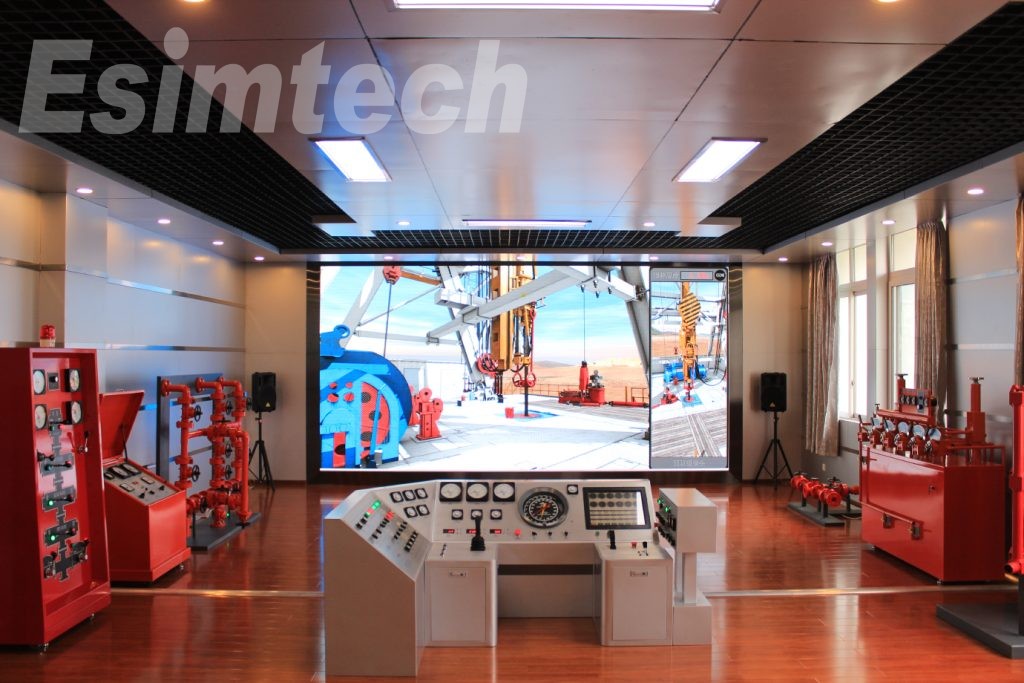
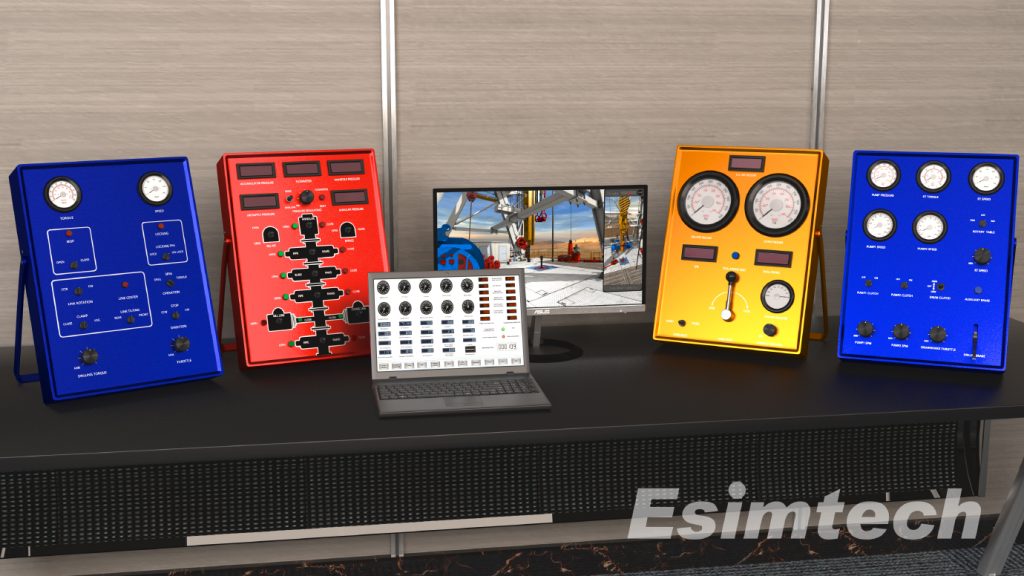
Training and Simulation – Virtual twin environments can be used for realistic well control training, helping drillers practice handling emergency situations safely.

Incident Analysis – After an event, digital twins allow replaying and analyzing operational data to identify root causes and improve future well control procedures.

Optimization of Drilling Parameters – By simulating different well control settings, engineers can optimize mud weight, circulation rate, and choke settings to enhance well stability.

Portable Well Control Simulation Training System

Benefits of Using Digital Twins in Well Control

Enhanced Safety – Real-time simulation of drilling and well control operations and early detection minimize the risk of blowouts and uncontrolled releases.

Operational Efficiency – Predictive insights allow for proactive rather than reactive well control management.

Cost Reduction – Reduces non-productive time (NPT) and costly well control incidents.

Improved Decision-Making – Provides a data-driven understanding of well behavior under various conditions.

Continuous Learning – Digital twins evolve as they are fed with more data, increasing accuracy and reliability over time.

Challenges and Considerations

While digital twins hold enormous promise, their implementation in well control is not without challenges:

Data Quality and Availability – Reliable models depend on accurate and consistent real-time data.

Integration Complexity – Combining diverse data sources, software platforms, and hardware systems can be technically demanding.

Model Calibration – Digital twins must be continuously updated and validated to reflect true well conditions.

Cybersecurity Risks – As more systems become connected, protecting sensitive operational data is essential.

Cost and Expertise Requirements – High initial investment and specialized knowledge are required for setup and maintenance.

Future Outlook

The future of Digital Twins in well control will involve tighter integration with AI-driven decision support, automated control systems, and cloud-based collaboration platforms. As machine learning and edge computing technologies mature, digital twins will become more autonomous—capable of recommending or even executing well control actions with minimal human intervention. Furthermore, combining digital twins with augmented reality (AR) and virtual reality (VR) could revolutionize well control training and visualization.

Final Thoughts

Digital Twin technology is redefining how well control is managed in the oil and gas industry. By offering a live, intelligent mirror of the well system, it provides unmatched visibility, predictive insight, and control precision. As the industry continues to prioritize safety, sustainability, and efficiency, the integration of digital twins in well control will play an increasingly vital role in achieving smarter and safer drilling operations.

Why VOGE SR125 ADV Become an Ideal Choice for Daily Outing

When you’re looking for a scooter that blends daily utility with adventurous styling, the VOGE SR125 ADV stands out. It’s not just about looking good and it’s designed to reduce friction in your everyday rides while still being ready for light off-road or rougher road scenarios. Below, we’ll explore how it achieves that, where it excels, and what to watch for.

VOGE SR125 ADV

What Makes It “Easier” for Outings

What differentiates the VOGE SR125 ADV from a plain urban scooter is the suite of features aimed at comfort, versatility, and lowering the barriers to usage.

Comfort for Daily / Mixed Use

The ~810 mm seat height isn’t overly tall but gives enough ground clearance and visibility.

Upright seating posture, wider handlebars (especially with handguards in some trim levels), and an adjustable windshield help reduce wind fatigue.

Convenience Features

Keyless start simplifies lockdowns and access.

USB charging, glove-box or side compartment storage, and under-seat capacity make errands or commuting more practical.

Full LED lighting and modern instrumentation improve visibility and awareness.

Safety & Control

Dual disc brakes and ABS are increasingly standard. This ensures disciplined stopping power even under less-than-ideal surfaces.

Traction control (where equipped) helps on slippery surfaces. Useful for light rain or gravel.

Capable Enough for Light Adventure

The ADV styling isn’t just cosmetic. The increased ground clearance (≈160 mm) lets you tackle rougher urban roads or light trails without scraping too much.

The automatic transmission means you don’t need to worry about shifting, which is helpful in stop-and-go traffic or when just wanting an easy ride.

Fuel Efficiency & Running Costs

With a modest displacement and modern fuel injection, it consumes relatively little fuel. Some markets report around 2.5-2.7 L/100 km depending on conditions.

Lower running cost also comes via simpler maintenance compared to higher-cc adventure bikes.

VOGE SR125

Potential Weaknesses / What to Consider

Every vehicle has trade-offs. If you’re thinking about using the SR125 ADV, here are some things to check:

Highway / Long Distances: With ~11-12 hp and a top speed in the ballpark of 95-100 km/h (depending on region), it’s competent but will be stretched on long highway runs or where sustained high speed is required.

Passenger & Load: The weight adds up when carrying two people plus luggage. Acceleration will be more modest.

Suspension & Ride Comfort: While improved over basic scooters, the suspension may not fully match that of larger ADV motorcycles when off-road or over very rough terrain. For heavy off-road work, something more rugged may be needed.

Spare Parts / Brand Support: Depending on your region, parts availability, service network, and long-term support may vary with VOGE. Checking local dealer support is important.

Who It’s Best Suited For

The SR125 ADV is especially appealing if you:

Need a daily commuter that can also handle weekend adventures or rough road patches.

Don’t want or need the weight, expense, and licensing of a larger displacement motorcycle, but desire more than a basic scooter.

Value convenience features: keyless start, LED lighting, under-seat storage, USB, etc.

Ride in urban & peri-urban environments where traffic, potholes, and mixed road surfaces are common.

Adjustable Windshiled of VOGE SR125 ADV

Summary

The VOGE SR125 ADV succeeds in making outings easier in many ways: it is user-friendly, reasonably capable, and comes with features that reduce friction in daily use. It isn’t a hardcore dual-sport beast and it won’t outperform larger adventure bikes in rough terrain, but that’s not its aim. For its class, it strikes a strong balance: practicality + personality + enough capability to let you stray from smooth pavement without regret.

通过 WordPress.com 设计一个这样的站点
从这里开始