VOGE DS900X: Delivering an Unparalleled Riding Experience

For motorcycle enthusiasts who crave both adventure and precision on every ride, the VOGE DS900X stands as the pinnacle of performance, comfort, and technological sophistication. Engineered to conquer diverse terrains with ease and designed to offer the ultimate riding pleasure, the DS900X pushes the boundaries of what an adventure bike can do. Whether you’re navigating winding mountain trails, cruising on highways, or tackling difficult off-road conditions, this motorcycle promises an exceptional experience for riders who demand more.

VOGE DS900X Motorcycle

A Powerhouse Engine for Unmatched Performance

At the heart of the VOGE DS900X lies a 900cc parallel-twin, liquid-cooled engine that delivers an astonishing 95 horsepower and 85 Nm of torque. This powerful engine provides the perfect balance of strength and smoothness, offering a dynamic riding experience across all kinds of surfaces. Whether you’re accelerating on straightaways or climbing steep inclines, the DS900X maintains impressive power output and responsiveness.

The engine is paired with a 6-speed transmission, ensuring smooth gear transitions that make shifting effortless in both urban and rugged environments. Its dual overhead camshaft (DOHC) design enables precise valve timing, ensuring maximum efficiency, while the slipper clutch improves control during rapid deceleration. This performance-focused engine delivers an exceptional ride whether you’re on tarmac or dirt.

Advanced Suspension for Superior Comfort and Control

The VOGE DS900X is designed to handle diverse riding conditions, and its suspension system reflects this adaptability. Equipped with an adjustable KYB long-travel suspension, the DS900X offers optimal performance whether you’re tackling rocky trails or cruising down smooth highways. The front features 48mm inverted forks, while the rear is equipped with a monoshock that provides excellent shock absorption over uneven surfaces.

With 220mm of front wheel travel and 200mm of rear wheel travel, the DS900X ensures riders maintain control even when the going gets tough. The progressive linkage system in the rear helps maintain comfort and stability, making long rides less tiring and more enjoyable. Whether navigating through the wilds or cruising across open roads, the DS900X provides a smooth and comfortable ride.

All-Terrain Confidence with High-Quality Tires and Braking

The VOGE DS900X is equipped with 21-inch front wheels and 18-inch rear wheels, shod with high-performance knobby tires designed for superior traction on a wide range of terrains. From wet roads to dry dirt, gravel, and even sand, these tires ensure you stay connected to the ground, providing confidence and stability across diverse landscapes.

Coupled with the tires, the DS900X’s dual-channel ABS braking system ensures optimal braking performance in all conditions. Whether you’re tackling slippery roads, mud, or loose gravel, the advanced braking system provides controlled stops and reduces the risk of wheel lock-up. The addition of traction control (TCS) further enhances safety, enabling riders to adjust the bike’s power output based on different road conditions.

VOGE DS900X Adventure Motorcycle

Smart Features for the Modern Rider

The VOGE DS900X is not just about raw power and off-road prowess. It’s also packed with smart technology to enhance the rider’s experience. The bike features a full-color TFT display that provides real-time information on speed, gear position, fuel levels, and much more. This display is clear, intuitive, and easy to read, even in bright sunlight.

Bluetooth connectivity enables riders to pair their smartphones for navigation, hands-free calls, and music streaming, keeping them connected while on the go. A quick-access USB charging port allows you to charge devices such as GPS or smartphones while riding, ensuring that you’re always prepared for your adventure.

VOGE DS900X ADV Motorcycle

Built for Comfort on Long Rides

The VOGE DS900X is designed to ensure comfort on long trips. The ergonomic riding position offers a relaxed yet controlled stance, while the high-quality seat provides ample cushioning to reduce fatigue on extended journeys. The adjustable windscreen offers customizable wind protection, reducing turbulence and increasing comfort during highway cruising.

For longer expeditions, the DS900X features ample luggage options, including panniers and a top box, allowing you to carry all your gear without compromising performance. Whether you’re going on a multi-day adventure or a weekend getaway, the DS900X is ready for any journey.

Summary

The VOGE DS900X represents the ultimate fusion of power, technology and comfort for adventure riders. Designed to handle a variety of terrains, this motorcycle is perfect for riders who crave the freedom to explore both on and off the beaten path. From exhilarating acceleration to smooth handling and top-notch comfort, the DS900X delivers an unparalleled riding experience.

Every ride on the VOGE DS900X is an opportunity to escape the ordinary and embrace the extraordinary, making it a perfect choice for those who seek more than just a mode of transportation. It’s not just a motorcycle—it’s a ticket to the ultimate adventure.

What are the Latest Innovations in Bamboo Toilet Paper Manufacturing

In recent years, sustainability has become a key driver in consumer products, and the toilet paper industry is no exception. Traditional toilet paper made from virgin wood pulp has significant environmental impacts, including deforestation, water consumption, and high carbon emissions. As a result, bamboo toilet paper has gained traction as an eco-friendly alternative. Bamboo, being a fast-growing and renewable resource, offers numerous environmental benefits, and manufacturers are continuously innovating to improve the efficiency and sustainability of bamboo toilet paper production. This article explores some of the latest manufacturing innovations in bamboo toilet paper.

Manufacturing Process of Bamboo Toilet Paper

1. Sustainable Bamboo Sourcing

One of the most significant innovations in bamboo toilet paper manufacturing is the sustainable sourcing of bamboo. Bamboo is known for its rapid growth rate, with some species growing up to 91 cm (35 inches) per day, making it a highly renewable resource. Unlike trees, bamboo doesn’t require replanting after harvesting since it regenerates naturally.

Improved Bamboo Farming Practices: Sustainable farming practices have been a focus for manufacturers, ensuring that bamboo is cultivated without harming natural ecosystems. Techniques such as agroforestry (growing bamboo alongside other crops) help preserve biodiversity and prevent soil erosion.

Certified Bamboo Sourcing: Many companies now source bamboo from certified sustainable farms, such as those certified by the Forest Stewardship Council (FSC) or Rainforest Alliance. These certifications guarantee that bamboo is grown without harmful pesticides and that land use is responsibly managed.

2. Advanced Pulping and Processing Techniques

The process of turning bamboo into soft, durable toilet paper requires specialized pulping methods. Traditional wood pulp is processed using harsh chemicals, which can be damaging to the environment. In contrast, bamboo pulp is often processed using more eco-friendly methods.

Enzyme-Based Pulping: Some manufacturers have adopted enzyme-based pulping technologies, which use natural enzymes to break down bamboo fibers instead of chemicals. This not only reduces environmental impact but also results in a softer product. Enzyme pulping also requires less water and energy compared to conventional methods.

Mechanical Pulping: Another innovative approach is mechanical pulping, where bamboo fibers are physically separated rather than chemically dissolved. This method reduces the need for bleaching agents and harsh chemicals, resulting in a more eco-friendly production process.

3. Water and Energy Efficiency in Production

Reducing water and energy consumption is a critical aspect of sustainable manufacturing, and bamboo toilet paper producers are making significant strides in this area.

Closed-Loop Water Systems: To minimize water usage, many manufacturers are implementing closed-loop systems where water is recycled throughout the production process. This reduces the amount of fresh water required, which is especially important in areas where water scarcity is a concern.

Solar-Powered Manufacturing: Some bamboo toilet paper companies are integrating renewable energy sources, such as solar power, into their manufacturing facilities. Solar panels help reduce the carbon footprint of the production process and make operations more energy-efficient.

4. Zero-Waste Manufacturing Practices

Zero-waste manufacturing has become a popular concept in the bamboo toilet paper industry. By eliminating or repurposing waste materials, manufacturers can significantly reduce their environmental impact.

Utilizing Bamboo Scraps: Instead of discarding bamboo scraps, innovative manufacturers are finding creative ways to repurpose them. Scraps from the pulping process are often used to make bamboo-based products such as towels, napkins, or even packaging materials.

Eco-Friendly Packaging: Many bamboo paper manufacturers now use biodegradable or recyclable packaging made from recycled paper or plant-based materials. This innovation ensures that the entire product, from the bamboo itself to the outer packaging, remains sustainable.

5. Softness and Strength Through Technology

Bamboo toilet paper is known for being both strong and soft, but ensuring that it meets consumer expectations for comfort and durability while maintaining sustainability can be a challenge. Manufacturers are leveraging new technologies to create products that balance these needs.

Micro-Texturing: Some manufacturers use micro-texturing techniques to improve the softness and absorption properties of bamboo toilet paper. These textures are designed without the use of artificial fragrances or added chemicals, making the paper both eco-friendly and luxurious to the touch.

Three-Ply Bamboo Toilet Paper: To improve the strength and durability of bamboo toilet paper, manufacturers are experimenting with three-ply options. These toilet papers are thick, strong, and capable of providing a premium feel without compromising on the environmental benefits of using bamboo.

Advacned Manufacturing Equipment for Bamboo Toilet Paper

6. Consumer Education and Transparency

Another key innovation in the bamboo toilet paper industry is consumer education and transparency. As eco-consciousness continues to grow, consumers are increasingly seeking information about the products they purchase.

Traceability: Some bamboo toilet paper brands are implementing traceability systems, allowing consumers to trace the origin of the bamboo used in their products. Through QR codes or websites, buyers can verify that the bamboo was sustainably sourced and processed.

Clear Labelling: Transparent labelling practices, including certifications for environmental impact and sustainability, help consumers make informed choices. Brands that can demonstrate their environmental commitment and commitment to social responsibility are winning over eco-conscious buyers.

7. Biodegradability and Compostability

As consumers become more environmentally aware, the biodegradability of toilet paper has become a key consideration. Bamboo toilet paper naturally breaks down faster than traditional paper products made from wood pulp.

Enhanced Biodegradability: Some manufacturers are focused on enhancing the biodegradability of bamboo toilet paper by reducing or eliminating the use of harmful chemicals and bleaches that slow down the decomposition process.

Compostable Toilet Paper: Innovations in compostable bamboo toilet paper have also emerged. These products are specifically designed to break down quickly in composting environments, further reducing the environmental impact of waste disposal.

Bamboo Toilet Paper Manufacturer

Market Trends and Consumer Demand

The demand for bamboo toilet paper is growing, driven by increased awareness of sustainability and environmental concerns. Brands are responding with innovative packaging and product designs to meet this demand.

Subscription Models: Many bamboo toilet paper companies now offer subscription services that allow consumers to receive regular deliveries of their preferred product. This helps reduce packaging waste and ensures a steady supply of eco-friendly toilet paper for consumers.

Bulk Packaging: In response to consumer demand for more sustainable options, some manufacturers are offering bulk packaging options, reducing the amount of plastic and packaging waste associated with individual toilet paper rolls.

Final Thoughts

Bamboo toilet paper represents a promising step toward reducing the environmental impact of one of the most commonly used household products. Manufacturing innovations in bamboo sourcing, processing techniques, water and energy efficiency, and waste reduction are making bamboo toilet paper a more sustainable option for environmentally conscious consumers. As technology continues to improve, the production of bamboo toilet paper will become even more efficient and eco-friendly, further solidifying its place in the growing market for sustainable products.

What You Need to Know about Offshore Drilling Training

Offshore drilling is a complex and high-risk operation that requires well-trained personnel to ensure safety, efficiency, and environmental protection. As the global demand for oil and gas continues to grow, offshore drilling activities have expanded into deeper and more challenging environments. To meet these demands, comprehensive offshore drilling training has become essential in preparing professionals for the technical, operational, and safety challenges of working offshore.

Importance of Offshore Drilling Training

On-the-Job offshore drilling training

Offshore drilling operations involve multiple disciplines — including geology, engineering, rig operations, and safety management. Training ensures that every individual working offshore has the knowledge and skills to handle these intricate systems and respond effectively to emergencies. Beyond technical competency, offshore drilling training also promotes a culture of safety and teamwork, which is critical in isolated offshore environments where even small mistakes can have major consequences.

Core Components of Offshore Drilling Training

Fundamental Drilling Techniques

Trainees learn the principles of rotary drilling, well design, casing, cementing, and drilling fluids management. Understanding these fundamentals allows workers to monitor well conditions, optimize performance, and prevent issues such as blowouts or wellbore instability.

Safety and Emergency Response

Safety is the cornerstone of offshore operations. Training programs cover hazard identification, personal protective equipment (PPE) usage, firefighting, first aid, and evacuation procedures. Simulated emergency drills — such as lifeboat launching, man-overboard recovery, and blowout prevention — help participants build confidence in handling real-life scenarios.

Blowout Preventer (BOP) and Well Control Training

One of the most critical aspects of offshore drilling is maintaining well control. Trainees receive hands-on experience with blowout preventers, pressure control systems, and kick detection. Certifications such as IWCF (International Well Control Forum) or IADC WellSharp are often required for drilling personnel to demonstrate their competency in managing well control events.

Rig Equipment and Maintenance

Offshore rigs rely on complex machinery, including derricks, hoisting systems, and mud pumps. Training programs teach equipment operation, inspection, and maintenance procedures to ensure reliability and minimize downtime.

Environmental Awareness and Regulatory Compliance

Offshore drilling is subject to stringent environmental regulations. Training emphasizes pollution prevention, waste management, spill response, and adherence to international standards like MARPOL and OSPAR.

Teamwork and Communication Skills

Offshore drilling is a team effort involving engineers, drillers, and support staff working in confined and high-pressure environments. Training promotes effective communication, leadership, and coordination to maintain smooth operations and ensure mutual safety.

Basic Offshore Safety Training

Use of Simulation in Offshore Drilling Training

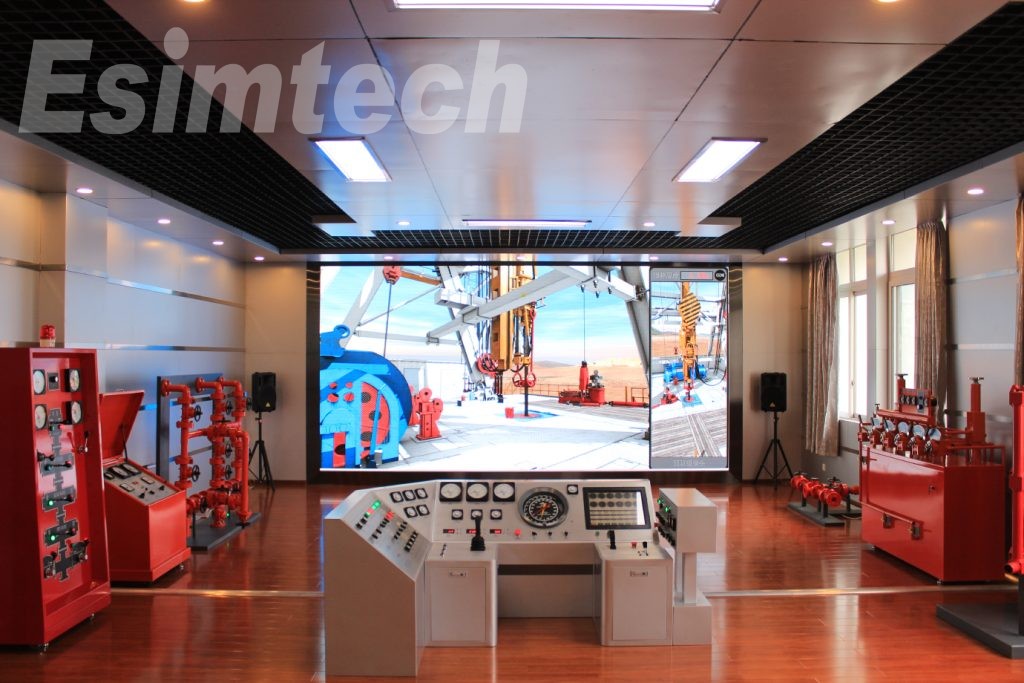
Modern training centers increasingly utilize simulation technology to replicate offshore environments. Drilling simulators recreate real operation conditions, allowing trainees to experience equipment behavior, pressure fluctuations, and emergency events in a safe and controlled setting. Simulation-based training not only enhances understanding but also reduces the learning curve for new employees.

Certification and Continuous Learning

Offshore drilling personnel are required to undergo continuous training and certification to keep up with evolving technologies and regulations. Certifications such as Basic Offshore Safety Induction and Emergency Training (BOSIET), Helicopter Underwater Escape Training (HUET), and advanced well control programs are mandatory for offshore deployment. Regular refresher courses ensure that workers remain competent and compliant with industry standards.

The Future of Offshore Drilling Training

As digitalization transforms the oil and gas industry, offshore drilling training is integrating virtual reality (VR), augmented reality (AR), and AI-driven assessment tools. These technologies make training more interactive, data-driven, and accessible. Remote learning platforms also allow workers to complete theoretical modules before attending hands-on sessions, improving efficiency and flexibility.

Offshore Platform Operation Simulations

Final Thoughts

Offshore drilling training is the foundation of a safe, efficient, and sustainable offshore industry. It equips workers with the technical expertise, situational awareness, and confidence needed to perform effectively in one of the most demanding work environments on Earth.

Lock Washers vs. Retaining Washers: Choosing the Right Type for Your Applications

In the world of mechanical assemblies and fastening systems, washers play a crucial role in ensuring the stability, reliability, and longevity of components. Two commonly used types, lock washers and retaining washers, serve distinct purposes but are often confused due to their similar appearances and functions in securing parts. Understanding their differences, applications, and advantages is essential for selecting the right washer for your specific engineering or industrial needs.

Understanding Lock Washers

Lock washers are designed primarily to prevent fasteners such as bolts or nuts from loosening due to vibration, torque, or thermal expansion. They achieve this by providing tension and friction that resist rotational movement.

There are several types of lock washers, including split (spring) lock washers, toothed lock washers, and wedge-lock washers.

Split lock washers feature a helical shape that exerts spring tension against the nut or bolt head, increasing resistance to loosening.

Toothed lock washers have internal or external teeth that bite into the surface of the fastener and the base material, creating a secure grip.

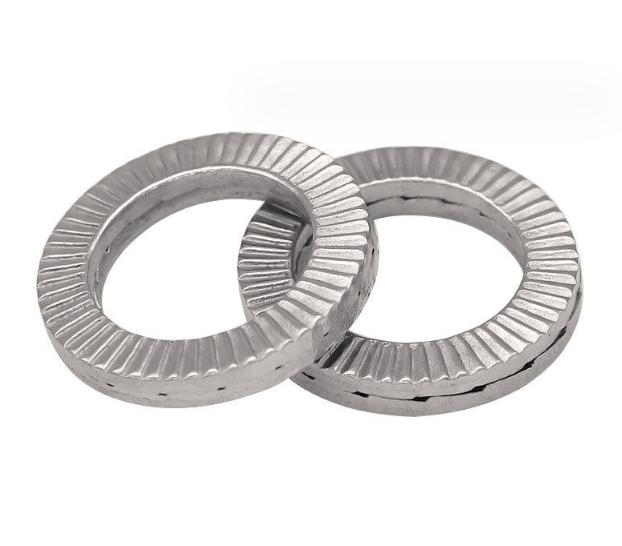
Wedge-lock washers use a pair of washers with cams on one side and radial teeth on the other, locking in place when subjected to dynamic loads.

wedge locking washer supplier

These washers are widely used in automotive, aerospace, machinery, and heavy equipment applications where vibration and dynamic stress are common.

Understanding Retaining Washers

Retaining washers, sometimes referred to as retention washers or retainer clips, serve a different purpose—they are designed to secure a component on a shaft or within an assembly without the need for threading or additional fasteners. Instead of preventing loosening, their primary function is position retention.

These washers often feature internal tabs, external ridges, or snap-fit designs that allow them to hold a part in place, typically by snapping onto a shaft or into a groove. They are especially useful for assembling parts quickly, reducing the need for complex fastening systems.

Retaining washers are commonly used in electrical devices, small mechanical assemblies, appliances, and automotive interiors, where parts such as gears, pulleys, or bearings must be held in a fixed position on a shaft or stud.

Retaining Washers

Key Differences Between Lock Washers and Retaining Washers

Although lock washers and retaining washers may appear similar, they differ fundamentally in their purpose, design, and application. The primary distinction lies in the function each performs within an assembly. Lock washers are specifically designed to prevent nuts and bolts from loosening under vibration, torque, or varying loads. They work by generating friction or tension between the fastener and the surface, maintaining tightness and preventing unwanted rotation. In contrast, retaining washers are meant to secure components in a fixed position, such as keeping gears, bearings, or pulleys attached to a shaft, without relying on threaded fasteners.

From a mechanical standpoint, lock washers rely on deformation or friction to resist motion. Split or helical lock washers use spring tension, while toothed types grip the surface to create a locking effect. Retaining washers, on the other hand, employ physical retention mechanisms like snap-fits, ridges, or tabs that hold components in place by pressing or snapping onto a shaft or groove.

In terms of design, lock washers usually take forms like split rings, serrated disks, or wedge pairs that enhance resistance to loosening. Retaining washers tend to have simpler, often flat or cupped profiles, but include retention features that enable them to stay securely fixed once installed.

The materials used also reflect their distinct purposes. Lock washers are typically made from hardened steel, stainless steel, or alloy materials to withstand mechanical stress and vibration. Retaining washers, while also made of spring steel or stainless steel, are sometimes produced from nylon or plastic when used in lightweight assemblies or electrical applications.

Their applications further highlight the difference: lock washers are common in automotive, aerospace, and industrial machinery where vibration resistance is vital, while retaining washers are widely used in electrical devices, appliances, and rotating assemblies where quick assembly and positional stability are more important than tension resistance.

In essence, lock washers act as security components for threaded fasteners, ensuring the tightness of bolts and nuts, while retaining washers serve as position holders, maintaining parts in place within mechanical assemblies.

lock washer vs retaining washer

Choosing Between Lock Washers and Retaining Washers

When deciding which washer to use, consider the mechanical function required:

Choose lock washers if your goal is to secure threaded fasteners against loosening from vibration or movement.

Choose retaining washers if you need to keep a component in position without necessarily applying torque or tension.

Additionally, the operating environment matters. Lock washers are preferred in high-vibration or high-load applications, while retaining washers are ideal for lighter assemblies requiring quick, tool-free installation.

Summary

While both lock washers and retaining washers contribute to mechanical reliability, their functions differ significantly. Lock washers safeguard the integrity of threaded connections under stress, whereas retaining washers ensure positional stability in assemblies without threading. Understanding these distinctions helps engineers, designers, and maintenance professionals select the right washer type for their application—ensuring safety, performance, and long-term durability of the assembly.

Gas Chromatography vs. Infrared Spectrometer: Which One to Choose

Gas chromatography (GC) and infrared spectroscopy (IR) are two powerful analytical techniques used in various scientific fields, particularly in chemistry, environmental analysis, and forensic investigations. Both techniques offer unique capabilities for identifying and quantifying substances, but they operate on different principles and are suited to different types of analyses. This article explores the key differences between the gas chromatography or infrared spectrometer, their applications, and the situations in which one may be preferred over the other.

1. Principle of Operation

Gas Chromatography (GC):

Gas chromatography separates compounds based on their volatility and interaction with a stationary phase in a column. A sample is injected into a heated injector where it is vaporized and carried by an inert gas (typically helium or nitrogen) through a column packed with a stationary phase. As the sample travels through the column, different components of the sample interact differently with the stationary phase, causing them to elute at different times. These elution times are measured and recorded as a chromatogram.

Detection: After separation, a detector such as a flame ionization detector (FID) or mass spectrometer (MS) measures the components based on their physical or chemical properties.

Infrared Spectroscopy (IR):

Infrared spectroscopy measures the absorption of infrared light by a sample. Molecules absorb specific frequencies of infrared radiation corresponding to the vibration of chemical bonds. In an IR spectrum, the intensity of the absorbed radiation is plotted against the wavelength or frequency, producing a unique absorption pattern that can be used to identify functional groups and molecular structures.

Detection: IR spectroscopy provides a direct measurement of molecular vibrations, and the resulting spectrum offers both qualitative and quantitative information about the sample.

gas chromatography

2. Types of Samples Analyzed

Gas Chromatography:

GC is ideal for volatile and semi-volatile compounds.

Common applications include analysis of gases, solvents, oils, fragrances, and environmental pollutants.

It is particularly useful for separating mixtures of compounds that can be vaporized without decomposition.

Infrared Spectroscopy:

Infrared spectrometers are suitable for analyzing both solid and liquid samples.

It is commonly used for identifying organic compounds, including functional groups, and characterizing polymers, proteins, and pharmaceuticals.

IR is also useful for determining the molecular structure of a compound.

3. Applications

Gas Chromatography:

Environmental Monitoring: Detecting pollutants like VOCs (volatile organic compounds) in air and water.

Food and Beverage Industry: Analyzing flavors, aromas, and contaminants in food products.

Forensic Analysis: Identifying drugs, toxins, and other substances in biological samples.

Petroleum Industry: Analyzing hydrocarbons in crude oil, natural gas, and refined products.

GC1290 Gas Chromatography (LCD Touch Screen)

Infrared Spectroscopy:

Pharmaceuticals: Identifying drug compounds and confirming their purity.

Polymer Science: Characterizing polymer materials by identifying functional groups.

Environmental Analysis: Monitoring pollutants, including CO2 and greenhouse gases in the atmosphere.

Food Quality Control: Detecting adulterants or contaminants in food.

4. Advantages and Disadvantages

Advantages of Gas Chromatography:

High Sensitivity and Resolution: GC can detect very low concentrations of substances, making it ideal for trace analysis.

Quantitative Analysis: GC provides highly accurate quantitative results, particularly when coupled with a Gas Chromatography and Mass Spectrometry (GC-MS).

Versatility: Suitable for a wide range of samples, including complex mixtures of volatile compounds.

Disadvantages of Gas Chromatography:

Sample Preparation: Samples must be vaporized and may need to be purified before analysis.

Limited to Volatile Compounds: GC cannot analyze non-volatile substances or solids unless they are derivatized or vaporized.

Requires Expensive Equipment: The cost of GC instrumentation can be high, particularly when coupled with advanced detectors.

Advantages of Infrared Spectroscopy:

Minimal Sample Preparation: IR spectroscopy often requires little to no sample preparation, especially for liquids and solids.

Non-destructive: It does not alter the sample, making it ideal for precious or irreplaceable materials.

Quick and Easy: IR spectra can be obtained rapidly, making IR spectroscopy a high-throughput technique.

Disadvantages of Infrared Spectroscopy:

Lower Sensitivity: While IR is good for identifying functional groups, it may not be as sensitive as GC for trace analysis.

Interference from Water: Water absorbs infrared light strongly, which can interfere with the analysis of aqueous samples.

Limited to Functional Group Identification: IR spectroscopy is generally not suited for complex mixtures where precise structural information is needed, although this can be addressed with advanced techniques like FTIR (Fourier-transform infrared spectroscopy).

FTIR spectrometer

5. Data Interpretation

Gas Chromatography:

Chromatogram: The output of GC is a chromatogram, which shows peaks corresponding to different components of the sample. The area under each peak is proportional to the quantity of the compound.

Retention Time: Each compound has a unique retention time under specific conditions, allowing for identification.

Infrared Spectroscopy:

Absorption Spectrum: The output is an absorption spectrum, with peaks corresponding to specific bond vibrations. By comparing the spectrum with reference databases, the functional groups and chemical structure of the compound can be identified.

Fingerprint Region: The unique region of the IR spectrum, often called the fingerprint region, is used to identify complex molecules.

6. When to Choose Gas Chromatography vs. Infrared Spectroscopy

Choose Gas Chromatography when:

You need to separate and identify volatile or semi-volatile compounds.

ou require high sensitivity and precision in quantification.

Your sample is complex, consisting of a mixture of volatile substances.

You want to conduct trace analysis, such as detecting contaminants in the environment or in biological samples.

Choose Infrared Spectroscopy when:

You need to analyze functional groups or molecular structures.

The sample is solid, liquid, or gas, and you require minimal sample preparation.

You need quick, non-destructive analysis of samples.

You are conducting qualitative analysis to identify specific bonds or materials.

Final Thoughts

Gas chromatography and infrared spectroscopy are both invaluable tools in analytical chemistry, each with its strengths and weaknesses. GC excels in separating complex mixtures of volatile compounds with high sensitivity and precision, making it ideal for environmental monitoring, forensics, and industrial applications. IR spectroscopy, on the other hand, is highly effective for characterizing functional groups and molecular structures with minimal sample preparation and quick results, making it a go-to method in material science, pharmaceuticals, and quality control. The choice between these two methods largely depends on the nature of the sample and the specific information required.

How to Achieve Maintenance-free in Rubber Fenders

Rubber fenders are critical components used in ports, harbors, and ships to absorb impact energy and prevent structural damage during berthing operations. Traditionally, fenders require regular inspections and maintenance to ensure reliable performance under harsh marine conditions. However, advancements in materials, design, and manufacturing have made “maintenance-free” rubber fenders increasingly achievable. This article explores the key strategies and technologies that enable maintenance-free performance in modern rubber fenders.

Yokohama pneumatic fender

The Concept of Maintenance-Free Rubber Fenders

A maintenance-free rubber fender refers to a system designed to provide consistent protection throughout its service life with minimal or no intervention. This means eliminating the need for frequent repairs, surface treatments, or component replacements, reducing operational downtime and lifecycle costs. Achieving this goal relies on improving every aspect of the rubber fenders, from the rubber compound to installation techniques.

Advanced Rubber Compounding and Formulation

The foundation of a maintenance-free fender lies in the durability of its rubber material. Modern fenders use high-performance natural and synthetic rubber blends optimized for elasticity, UV resistance, and ozone stability.

Key material innovations include:

Anti-ozonant and antioxidant additives that protect against environmental aging and cracking.

Reinforced polymer matrices to enhance mechanical strength and abrasion resistance.

Optimized curing systems to ensure long-term elasticity and resistance to fatigue under repeated compression.

These advanced formulations prevent surface hardening and cracking—major causes of fender degradation over time.

rubber D fender

Corrosion-Resistant Hardware and Fixtures

Metal components, such as mounting bolts, chains, and brackets, are traditionally prone to corrosion in marine environments. To achieve maintenance-free performance:

Stainless steel or hot-dip galvanized steel fixtures are used for superior corrosion protection.

Composite materials or polymer-coated metals are employed to eliminate rust formation.

Advanced sealing techniques prevent saltwater intrusion into joints and fixtures.

By eliminating corrosion risks, these design improvements significantly extend the fender’s service life without the need for periodic inspections or replacements.

Enhanced Structural Design for Long-Term Stability

Modern engineering tools, such as finite element analysis (FEA), allow designers to predict stress distribution and deformation under various loading conditions. With this approach:

Fender shapes are optimized to distribute energy absorption evenly, reducing localized wear.

Integrated reinforcement layers prevent internal delamination.

Mounting systems are designed for vibration resistance and flexibility, minimizing fatigue.

Such structural refinements ensure consistent performance even after thousands of berthing cycles.

Self-Cleaning and Anti-Fouling Surfaces

Marine growth, such as algae or barnacles, can alter the energy absorption characteristics of fenders. Innovative surface treatments now provide self-cleaning and anti-fouling properties through:

Smooth, hydrophobic coatings that prevent biofouling adhesion.

Nano-structured surfaces that reduce dirt and salt accumulation.

UV-cured coatings that maintain appearance and surface integrity.

These technologies not only preserve aesthetic appeal but also minimize performance degradation—ensuring long-term functionality without manual cleaning.

Quality Manufacturing and Installation Practices

Even the best materials and designs can fail prematurely if manufacturing and installation are substandard. To achieve a maintenance-free system:

Fenders undergo strict quality control, including compression and elongation tests.

Precision molding techniques ensure uniform thickness and density.

Proper alignment and pre-compression during installation prevent uneven wear.

A well-installed fender system requires little to no corrective maintenance during its operational life.

Predictive Monitoring and Smart Design Integration

Emerging technologies are enabling smart fender systems that monitor stress and impact levels in real time using embedded sensors. These systems can:

Track performance trends and detect anomalies.

Predict potential failures before they occur.

Allow condition-based maintenance only when necessary.

Such intelligent solutions support the shift toward maintenance-free and data-driven asset management in modern ports.

The Long-Term Benefits of Maintenance-Free Fenders

Adopting maintenance-free rubber fenders provides multiple advantages:

Reduced lifecycle costs and minimal operational disruptions.

Enhanced safety through consistent energy absorption.

Environmental benefits by reducing waste and chemical maintenance materials.

Extended service life, often exceeding 20 years without major intervention.

These benefits make maintenance-free fenders a cost-effective and sustainable choice for marine infrastructure.

rubber fenders

Summary

Achieving maintenance-free performance in rubber fenders is not an unrealistic goal—it is the result of combining innovative materials, intelligent design, corrosion-resistant components, and precision manufacturing. As the maritime industry continues to adopt advanced technologies and sustainability-driven designs, maintenance-free rubber fenders will become the standard, ensuring reliable protection and long-term value for port and vessel operators alike.

The Intergration of Thermal Imaging into Marine Searchlights

In marine navigation, ensuring visibility and safety in all weather and lighting conditions is a persistent challenge. The integration of thermal imaging into marine searchlights represents a significant technological advancement that enhances visibility, target detection, and operational efficiency. This combination is reshaping how vessels navigate in darkness, fog, and adverse weather conditions.

Marine Searchlights Intergtated with Thermal Imaging

The Concept of Thermal Imaging in Marine Lighting

Thermal imaging technology detects infrared radiation emitted by objects and converts it into visual images that display temperature differences. Unlike traditional optical systems that rely on reflected light, thermal imaging operates effectively in complete darkness and through obscurants such as smoke, haze, or mist. When integrated into marine searchlights, it provides both illumination and thermal visualization, offering dual functionality for enhanced situational awareness.

Enhancing Visibility in Challenging Conditions

Marine environments are often unpredictable, with fog, rain, or sea spray limiting the effectiveness of traditional lighting. Thermal imaging systems overcome these challenges by detecting heat signatures rather than relying on visible light. This allows operators to identify obstacles, vessels, floating debris, or even people in the water — conditions where a conventional beam might fail. By combining a high-powered beam with a thermal sensor, searchlights equipped with this technology ensure uninterrupted visual performance.

Applications in Navigation and Safety Operations

Integrating thermal imaging into marine searchlights serves multiple purposes across different maritime sectors:

Search and Rescue (SAR) Missions: Thermal imaging helps rescuers detect human heat signatures even in complete darkness or fog, reducing response times and increasing survival rates.

Night Navigation: Vessel operators can identify coastlines, buoys, or approaching vessels with higher accuracy, minimizing collision risks.

Security and Surveillance: Ports, naval vessels, and offshore facilities can monitor unauthorized movements or intrusions in low-visibility conditions.

Fishing and Research Vessels: Thermal imaging assists in detecting marine life near the surface or monitoring heat-emitting machinery onboard.

Technological Integration and System Design

Modern thermal-integrated searchlights combine powerful LED or xenon lamps with infrared thermal sensors. Advanced LED marine searchlights use gimbal-mounted designs that allow 360° rotation and remote control, ensuring flexible targeting and tracking. Many systems also incorporate video overlay technology, displaying both optical and thermal feeds simultaneously. This fusion of data enhances decision-making by providing a comprehensive view of the environment.

Wireless Remote Control LED Searchlight

Benefits of Integration

The integration of thermal imaging with marine searchlights delivers several operational benefits:

Improved Safety – Enhanced detection of obstacles and people in darkness prevents accidents.

Energy Efficiency – Modern thermal-equipped systems use advanced optics and LED sources that reduce power consumption.

Versatility – Suitable for both civilian and defense marine operations.

Reliability – Rugged, weather-resistant designs ensure consistent performance in harsh marine environments.

Future Trends in Thermal Searchlight Technology

As marine technology advances, thermal imaging systems are becoming more compact, affordable, and intelligent. Future developments may include AI-assisted object recognition, automated target tracking, and integration with onboard navigation systems and radar. These improvements will further streamline navigation and enhance operational efficiency in complex maritime environments.

TG3-AN Marine Signal Searchlight

Summary

Integrating thermal imaging into marine searchlights represents a major leap in maritime safety and navigation technology. By combining the illuminating power of searchlights with the visual capabilities of thermal imaging, vessels gain a powerful tool for detection, surveillance, and navigation. This integration not only enhances visibility under challenging conditions but also paves the way for smarter, safer, and more efficient marine operations.

Why Small-batch Custom Plush Manufacturing Becomes Popular

In recent years, the plush toy industry has undergone a remarkable transformation. Beyond mass production, the rise of small-batch custom plush manufacturing has opened new opportunities for serving niche markets. This shift reflects growing consumer demand for personalized, limited-edition, and high-quality plush products that convey emotional or brand value.

Small-batch Production in Custom Plush Business

Understanding Small-batch Custom Plush Manufacturing

Small-batch manufacturing refers to producing plush toys in limited quantities, typically ranging from a few dozen to a few hundred units. Unlike large-scale custom plush production, which focuses on minimizing costs through high volume, small-batch manufacturing emphasizes customization, flexibility, and craftsmanship. It caters to smaller brands, artists, and organizations seeking unique designs for specific audiences.

The Growing Importance of Niche Markets

Niche markets represent specific customer segments with distinct interests, such as indie game developers, content creators, charity organizations, museums, and eco-conscious brands. These groups often require plush products that align with their identity, storytelling, or promotional goals. For example:

Indie game developers create plush versions of characters to engage fans.

YouTubers and streamers design plush mascots as limited-edition merchandise.

Museums and educational institutions commission plush models for exhibits or educational use.

Eco-friendly brands seek plush toys made from sustainable or recycled materials.

By focusing on small-batch production, manufacturers can serve these specialized demands without committing to the large minimum order quantities required by traditional factories.

Advantages of Small-batch Plush Manufacturing

Customization Flexibility – Manufacturers can offer tailored design elements such as embroidery, clothing, colors, and packaging to match specific themes.

Reduced Financial Risk – Smaller runs allow brands to test new designs or characters without the financial burden of mass production.

Faster Time to Market – Small-batch production often has quicker turnaround times, ideal for seasonal campaigns or limited-edition drops.

High Perceived Value – Limited-edition products often attract collectors and fans, increasing brand loyalty and engagement.

Eco-friendly Production – Small-scale operations can use sustainable materials and processes to minimize waste.

Small-batch Custom Plush Manufacturing

Technologies and Processes Supporting Customization

Modern custom plush manufacturers integrate digital design tools and prototyping technologies to ensure precision and creativity. Key innovations include:

3D modeling and digital patterning for accurate design visualization.

Computer-controlled embroidery and cutting machines to achieve detailed features.

Advanced sampling processes for prototype approval before bulk production.

Sustainable textile sourcing, including organic cotton and recycled polyester fibers.

These advancements enable small-batch producers to deliver premium-quality plush toys with professional finishing, even in limited quantities.

Challenges in Small-batch Production

While small-batch manufacturing offers flexibility, it also presents challenges such as:

Higher per-unit costs compared to mass production.

Limited scalability when demand unexpectedly increases.

Complex logistics in managing materials and quality across different custom designs.

Manufacturers overcome these issues through lean production strategies, efficient resource management, and strong communication with clients during the design and sampling stages.

Future Outlook

As consumer preferences shift toward personalization and sustainability, small-batch custom plush manufacturing will continue to expand. Future developments may include:

Integration of on-demand digital ordering platforms for easy customization.

Wider adoption of eco-friendly and biodegradable materials.

Enhanced collaborations with artists, influencers, and micro-brands to co-create unique plush lines.

AI-assisted design tools to streamline prototype development and personalization.

Low MOQ Manufacturing of Custom Plush Toys

Summary

Small-batch custom plush manufacturing is redefining the plush toy industry by catering to niche markets with creativity, flexibility, and authenticity. As technology evolves and consumer trends continue to favor uniqueness and sustainability, this production model will become a cornerstone for brands and creators seeking to make a lasting impression through plush products that truly stand out.

Calibrating Web Guide Sensors Accurately: A Detailed Step-by-Step Guide

Web guide systems play a vital role in ensuring precise material alignment during high-speed production processes in industries such as printing, packaging, textile, and film manufacturing. At the heart of these systems are web guide sensors, which detect the lateral position of the web and provide feedback for corrective action. Accurate calibration of these sensors is essential to maintain alignment accuracy, minimize waste, and ensure consistent product quality.

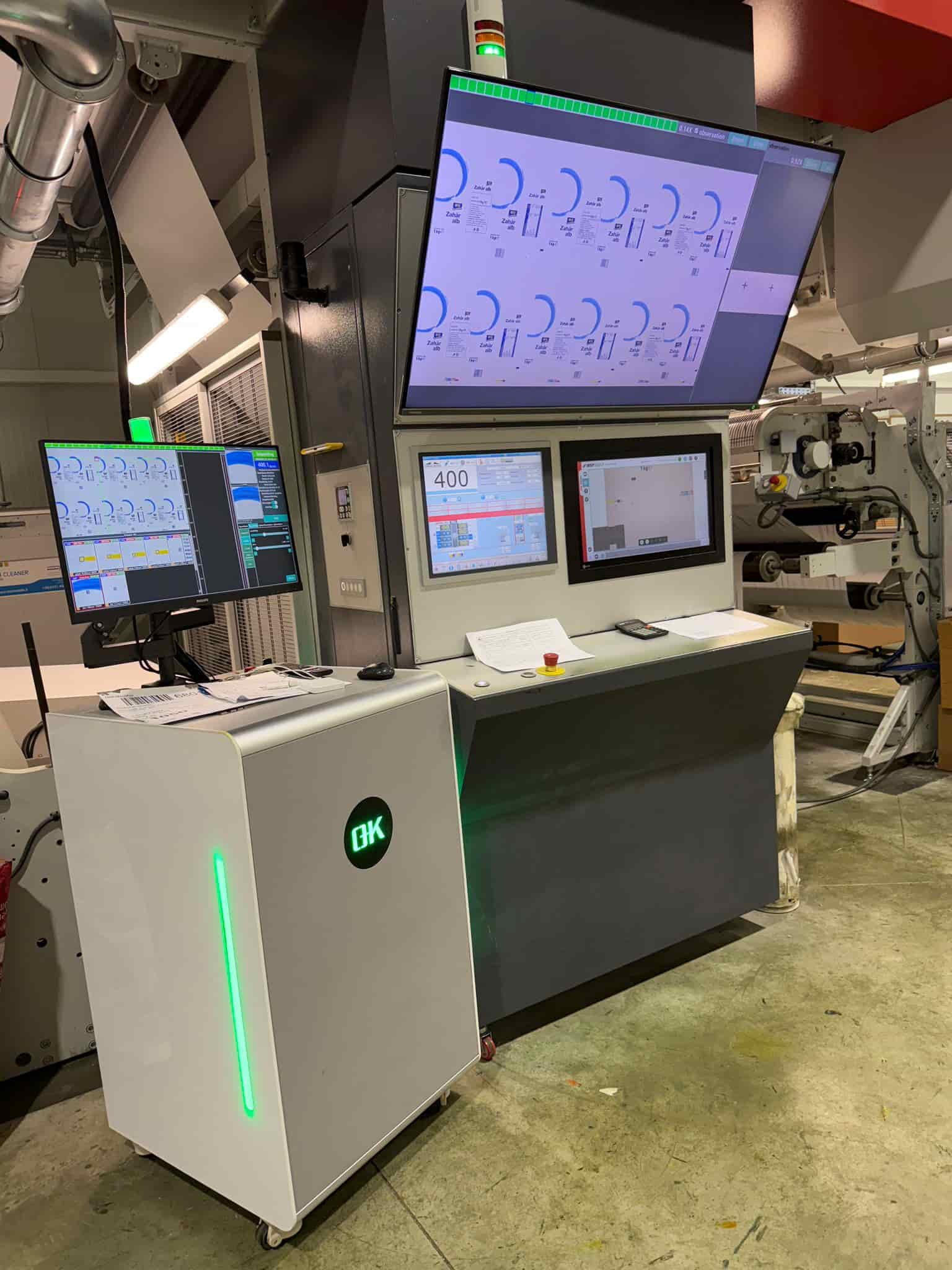
A600 CCD Image Sensor

Importance of Calibration

Calibration ensures that web guide sensors deliver accurate positional data corresponding to the true edge or center of the web material. Over time, factors such as dust accumulation, temperature fluctuations, sensor aging, and mechanical vibrations can cause sensor drift, leading to misalignment. Regular calibration corrects these deviations, maintaining optimal control precision and minimizing defects such as wrinkles, folds, or edge misregistration.

Types of Web Guide Sensors

Before calibration, it is crucial to understand the type of sensor being used, as calibration methods vary accordingly:

Ultrasonic Edge Sensors – Detect web position based on sound wave reflection; ideal for opaque and non-conductive materials.

Infrared Edge Guide Sensors – Use light intensity variation to determine web edge; suitable for transparent or semi-transparent films.

Optical (Photoelectric) Sensors – Detect light interruption by the web edge; widely used for paper and film applications.

Pneumatic Sensors – Employ air pressure differences to sense the web edge; used in high-temperature or harsh environments.

Infrared Edge Guide Sensor

Step-by-Step Calibration Procedure

Step 1: Preparation

Clean the sensor surface and the surrounding area to remove dust or debris.

Ensure the web path is correctly aligned and free of mechanical tension issues.

Verify that the web material matches the sensor type and detection range.

Step 2: Zero Point Adjustment

With no web present, set the sensor’s zero point to establish a reference signal level.

For optical or ultrasonic sensors, ensure ambient light or noise does not affect readings.

Step 3: Reference Edge Detection

Introduce the web material gradually and position it at the desired reference point (edge or center).

Adjust the sensor output or controller offset so that this position corresponds to the desired electrical signal (typically 50% of full scale for center-guiding).

Step 4: Dynamic Testing

Run the web at low speed and observe the sensor output for stability and accuracy.

Check for consistent readings as the web moves laterally within the detection range.

Fine-tune gain or sensitivity settings as needed to ensure reliable detection.

Step 5: Verification

Perform trial runs at operational speeds to confirm that alignment corrections are accurate.

Record calibration parameters for future reference and maintenance documentation.

Factors Affecting Calibration Accuracy

Material Variations – Changes in opacity, thickness, or reflectivity can affect sensor response.

Temperature and Humidity – Environmental conditions can influence sensor sensitivity and signal stability.

Mechanical Vibrations – Unstable mounting or vibration can cause signal fluctuations.

Electrical Noise – Interference from nearby equipment may distort sensor signals.

Regular checks and environmental control help minimize these effects, maintaining stable sensor performance.

A300F Optical Fiber Reflection Web Guiding Sensor

Maintenance and Recalibration Schedule

To ensure consistent accuracy, web guide sensors should be recalibrated periodically. Recommended intervals depend on production intensity and environmental conditions:

High-speed or continuous operations: Every 3–6 months

Standard industrial applications: Every 6–12 months

After major maintenance or sensor replacement: Immediate recalibration

Routine inspection, cleaning, and firmware updates further extend sensor life and maintain control precision.

Summary

Calibrating web guide sensors is a crucial step in achieving precise material alignment and reducing operational inefficiencies. Proper calibration not only enhances product quality but also extends sensor life and minimizes downtime. By following a systematic calibration procedure and maintaining regular inspection routines, manufacturers can ensure that their web guiding systems operate at peak performance—delivering consistency, accuracy, and efficiency in every production run.

Understanding Well Control Equipment: Optimzing Performance Using Simulations

Well control equipment is at the heart of safe and efficient drilling operations in the oil and gas industry. Its primary function is to manage unexpected formation pressures, prevent blowouts, and maintain operational integrity during drilling, completion, and production phases. Over the years, the evolution of well control equipment—such as blowout preventers (BOPs), choke manifolds, and mud control systems—has been driven by both safety requirements and technological progress. Today, the integration of simulation technologies plays a critical role in optimizing their performance, enhancing reliability, and minimizing operational risks.

Well Control Equipment

Key Components of Well Control Equipment

Well control systems consist of several integrated components designed to work together under high-pressure and high-temperature conditions:

Blowout Preventer (BOP): A critical pressure control device installed on the wellhead to seal, control, and monitor oil and gas wells. BOPs can be either ram-type or annular, depending on the well’s depth and expected pressure conditions.

Choke and Kill Manifolds: Used to regulate pressure in the wellbore and safely circulate fluids during well control operations.

Accumulator Units: Provide the hydraulic energy required to activate the BOPs and other safety valves in emergency situations.

Mud Circulation System: Helps maintain hydrostatic pressure and ensures wellbore stability by controlling the density and properties of drilling fluids.

Wellhead and Casing Systems: These components ensure structural integrity and provide controlled access to the wellbore.

Each of these components must function seamlessly under extreme conditions to maintain well control and ensure operational safety.

Importance of Simulation in Well Control

With the growing complexity of drilling operations—especially in deepwater and high-pressure, high-temperature (HPHT) environments—traditional testing and manual optimization methods are no longer sufficient. Advanced simulation technologies have emerged as powerful tools for predicting equipment behavior, training personnel, and improving design performance.

Casing Head of Well Control System Equipment

Applications of Simulation for Optimizing Well Control Equipment

Performance Modeling and System Optimization

Simulation allows engineers to model well control equipment under various downhole conditions. Through digital twins and computational fluid dynamics (CFD), parameters such as flow rate, temperature, and pressure response can be optimized. This helps in refining equipment design, minimizing pressure loss, and improving response time during kick situations.

Virtual Testing and Validation

Instead of relying solely on physical testing—which can be costly and time-consuming—virtual simulations enable the testing of BOPs and choke systems under realistic conditions. These simulations identify potential failure points, verify compliance with safety standards, and support predictive maintenance strategies.

Well Control Training and Human Factor Improvement

Drilling and well control simulation systems replicates real-world scenarios, allowing operators to practice kick detection, shut-in procedures, and pressure management without risk. This not only enhances crew competence but also strengthens response efficiency during actual emergencies.

Scenario Analysis and Emergency Preparedness

By simulating complex well control scenarios — such as gas kicks, blowouts, or equipment malfunctions—operators can evaluate different mitigation strategies and refine emergency response plans. This predictive approach improves safety margins and decision-making accuracy.

Data-driven Predictive Maintenance

Integrating simulation data with real-time monitoring enables predictive analytics for well control equipment. This helps detect anomalies early, schedule maintenance efficiently, and prevent unexpected failures.

Benefits of Simulation in Well Control Operations

Simulation-driven optimization delivers several operational and safety benefits:

Improved accuracy in equipment performance prediction.

Reduced downtime through virtual commissioning and testing.

Enhanced safety through realistic operator training.

Lower operational costs by minimizing trial-and-error testing.

Increased reliability and lifespan of well control equipment.

Portable Drilling Well Control Simulation Systems

Future Trends in Well Control Simulation

The future of well control optimization lies in combining artificial intelligence (AI), machine learning, and real-time digital twins. These technologies will enable adaptive control systems capable of automatically responding to changing downhole conditions. Furthermore, cloud-based simulation platforms will allow global teams to collaborate on virtual well control testing and performance assessments, further reducing the risk of human error.

Final Thoughts

Well control equipment remains the cornerstone of safe drilling operations. However, as wells become deeper and more complex, traditional approaches to equipment design and management are evolving. Simulation technologies have become indispensable in optimizing performance, ensuring safety, and training operators for the unpredictable nature of drilling environments. By integrating real-time simulation and predictive analytics, the oil and gas industry can achieve a new level of operational resilience and safety in well control management.

通过 WordPress.com 设计一个这样的站点
从这里开始