How to Choose Between Inflatable and Rigid Life Rafts

Life rafts are critical survival equipment used in maritime emergencies, providing temporary refuge when vessels must be abandoned. They are widely used on commercial ships, fishing vessels, offshore platforms, and recreational boats. Among the various types available, inflatable and rigid life rafts are the two primary categories. Each design offers distinct advantages and limitations depending on operational requirements, vessel type, and environmental conditions. Understanding the differences between the inflatable and rigid life rafts helps vessel operators select the most suitable solution for safety and regulatory compliance.

Understanding Inflatable Life Rafts

Inflatable life rafts are the most commonly used life rafts in modern maritime operations. These rafts are typically stored in compact containers and automatically inflate when deployed. Inflation is usually triggered by a gas cylinder, often containing carbon dioxide, which rapidly fills the buoyancy chambers when the raft is launched into the water.

The lightweight and compact design of inflatable life rafts makes them easy to store on vessels where space is limited. They can be installed in canisters on deck or in valise bags for smaller boats. Once deployed, the raft expands quickly and forms a floating shelter that often includes features such as a canopy, ballast pockets, boarding ladders, and emergency survival kits.

Inflatable life rafts are particularly favored in commercial shipping and offshore industries due to their portability and ability to accommodate multiple passengers. Modern designs are built with multiple air chambers to provide redundancy, ensuring that the raft remains buoyant even if one chamber is damaged.

Inflatable Life Rafts

Understanding Rigid Life Rafts

Rigid life rafts are constructed using solid materials such as fiberglass, aluminum, or high-strength plastics. Unlike inflatable models, rigid rafts maintain their shape at all times and do not rely on inflation systems. They are designed as stable floating platforms capable of supporting survivors until rescue arrives.

Rigid life rafts are known for their durability and resistance to punctures or mechanical damage. Because they are made of solid materials, they can withstand harsh environmental conditions, including rough seas and exposure to sharp objects. These rafts are sometimes used on specialized vessels, offshore installations, or in situations where long-term durability and structural strength are required.

However, rigid life rafts are generally larger and heavier than inflatable ones, which can make storage and deployment more challenging. They often require dedicated mounting structures and may not be practical for smaller vessels with limited deck space.

Rigid Life Raft

Key Differences Between Inflatable and Rigid Life Rafts

Several fundamental differences distinguish inflatable and rigid life rafts. Inflatable life rafts offer superior storage efficiency and rapid deployment. Their compact form allows them to be stored in relatively small containers until needed, making them suitable for vessels where space and weight are critical considerations.

Rigid life rafts, in contrast, emphasize structural strength and long-term durability. Their solid construction provides excellent resistance to punctures and structural failure, but this advantage comes at the cost of greater weight and bulk.

Another important distinction is comfort and shelter. Inflatable life rafts often include enclosed canopies and insulated floors that help protect occupants from wind, rain, and waves. Many rigid rafts function primarily as open flotation platforms, although some advanced models incorporate partial shelters.

Maintenance requirements also differ. Inflatable life rafts require periodic inspections, pressure tests, and servicing of inflation systems to ensure reliable deployment. Rigid rafts generally require less complex maintenance, though structural inspections and cleaning are still necessary.

Throw-over Self-Inflating Life Raft

Applications in Maritime Safety

Inflatable life rafts are widely used on merchant ships, cruise vessels, offshore supply ships, and recreational boats. Their compact storage, ease of deployment, and ability to accommodate multiple people make them the preferred choice for most maritime safety regulations.

Rigid life rafts are more commonly found in specialized environments where durability is a top priority. Examples include offshore oil platforms, military applications, and certain industrial marine operations. In these situations, the ability to withstand extreme conditions and potential impacts may outweigh the disadvantages of size and weight.

Choosing the Right Life Raft

Selecting between inflatable and rigid life rafts depends on several operational factors, including vessel size, storage space, passenger capacity, environmental conditions, and regulatory requirements. Inflatable life rafts are typically the most practical choice for general maritime use because of their compact design and rapid deployment capability. Rigid life rafts may be preferred in environments where physical durability and resistance to puncture hazards are essential.

Final Thoughts

Both inflatable and rigid life rafts play an important role in maritime emergency preparedness. Inflatable life rafts dominate modern maritime safety systems due to their portability, efficient storage, and quick activation. Rigid life rafts, while less common, provide exceptional durability and structural reliability in specialized applications. By understanding the characteristics of each type, vessel operators can make informed decisions that enhance safety and survival in emergency situations at sea.

How to Choose Between Bamboo and Wood Pulp Facial Tissues

Facial tissues are everyday hygiene products used for personal care, cleaning, and maintaining comfort. While many people focus on softness and durability when choosing tissues, the material used to produce them also plays a significant role in performance and sustainability. Today, two of the most common raw materials used in facial tissue production are bamboo pulp and traditional wood pulp. Understanding the differences between bamboo and wood pulp facial tissues can help consumers and businesses make more informed choices based on environmental impact, performance, and cost.

Understanding Bamboo Facial Tissues

Bamboo facial tissues are produced from pulp derived from bamboo fibers. Bamboo is a fast-growing grass that can reach maturity in just three to five years, making it a highly renewable raw material. The fibers extracted from bamboo are naturally strong and long, which can contribute to durable yet soft tissue products.

One of the most notable advantages of bamboo tissues is their environmental sustainability. Bamboo grows rapidly without the need for extensive fertilizers or pesticides, and it regenerates naturally after harvesting. This makes bamboo a more eco-friendly alternative to traditional tree-based pulp in many cases.

In terms of performance, bamboo facial tissues are often praised for their softness and strength. The fiber structure allows bamboo paper manufacturers to produce tissues that are gentle on sensitive skin while maintaining good tear resistance. Additionally, bamboo fibers possess natural antibacterial properties, which can contribute to a cleaner and more hygienic tissue product.

However, bamboo tissues may sometimes have a slightly different texture compared to conventional tissues, depending on the processing method used. In some cases, they can feel marginally firmer or less silky if not processed with advanced softening technologies.

Bamboo Facial Tissue

Understanding Wood Pulp Facial Tissues

Wood pulp facial tissues are the most widely used type of tissue product worldwide. They are made from pulp derived from trees such as softwood and hardwood species. Softwood fibers provide strength, while hardwood fibers contribute to softness and smoothness.

The manufacturing technology for wood pulp tissues has been refined over decades, allowing manufacturers to produce extremely soft, absorbent, and comfortable products. Premium facial tissues made from high-quality wood pulp often provide a silky feel and high absorbency, making them highly suitable for delicate facial skin.

Another advantage of wood pulp tissues is the established global supply chain. Because wood pulp production is widespread, the raw materials are generally readily available, supporting consistent quality and competitive pricing.

However, environmental concerns are sometimes associated with wood pulp production. Harvesting trees for pulp can contribute to deforestation if not managed responsibly. Sustainable forestry practices and certified wood sources can help mitigate these concerns, but they remain an important factor for environmentally conscious consumers.

wood pulp facial tissue paper

Key Differences Between Bamboo and Wood Pulp Facial Tissues

Raw Material Source

The most fundamental difference between bamboo and wood pulp facial tissues lies in the raw materials used for their production. Bamboo facial tissues are made from fibers derived from bamboo plants, which are technically a type of fast-growing grass. Bamboo can reach maturity within three to five years, making it a rapidly renewable resource.

In contrast, wood pulp facial tissues are produced from fibers obtained from trees, commonly hardwoods and softwoods. These trees generally require much longer growth cycles, often ranging from ten to thirty years before they can be harvested for pulp production.

Environmental Sustainability

Because bamboo grows quickly and regenerates naturally after harvesting, it is often considered a more environmentally sustainable raw material. Bamboo cultivation typically requires fewer pesticides and fertilizers, and the plant’s extensive root system helps prevent soil erosion.

Wood pulp production can also be sustainable when forests are responsibly managed. Many tissue manufacturers rely on certified forestry programs to ensure that harvested trees are replanted and forest ecosystems are protected. However, concerns about deforestation and resource depletion have encouraged the development of alternative fibers such as bamboo.

Softness and Texture

Softness is a key factor for facial tissues, especially since they are frequently used on delicate facial skin. Wood pulp tissues are widely recognized for their smooth and silky texture due to the advanced processing technologies developed over many years. Manufacturers carefully blend hardwood and softwood fibers to achieve a balance between softness and strength.

Bamboo tissues are also soft but may have a slightly different texture depending on the manufacturing process. Some bamboo tissues can feel slightly firmer compared to traditional wood pulp tissues, although modern production methods have significantly improved their softness.

Strength and Durability

Bamboo fibers are naturally long and strong, which contributes to the durability of bamboo facial tissues. This fiber structure helps prevent tearing during use and provides reliable performance when wiping or cleaning.

Wood pulp tissues achieve strength through optimized fiber blending and processing techniques. Softwood fibers add structural strength, while hardwood fibers contribute to softness, allowing manufacturers to produce tissues that balance comfort and durability.

Absorbency

Both bamboo and wood pulp facial tissues offer good absorbency, but wood pulp tissues often have a slight advantage due to their well-optimized fiber structure. The established manufacturing processes used in wood pulp tissue production allow for excellent liquid absorption and quick moisture uptake.

Bamboo tissues still perform effectively in everyday applications, providing adequate absorbency for routine hygiene and cleaning tasks.

Market Availability and Cost

Wood pulp facial tissues dominate the global market due to the long-established pulp and paper industry infrastructure. The large-scale supply chain and widespread availability of wood pulp help keep production costs relatively stable and competitive.

Bamboo tissues, although growing in popularity, may sometimes be slightly more expensive depending on regional supply chains and processing costs. However, increasing demand for eco-friendly products is gradually expanding bamboo tissue production worldwide.

Consumer Perception and Use

Bamboo facial tissues are often chosen by consumers who prioritize environmentally friendly products and renewable resources. They are commonly marketed as eco-conscious alternatives in the tissue industry.

Wood pulp facial tissues continue to be widely used due to their consistent quality, softness, and affordability. They remain the standard choice for households, offices, healthcare facilities, and commercial environments.

Bamboo Unbleached Facial Tissue

Environmental Considerations

Environmental sustainability is a major factor driving interest in bamboo-based tissues. Bamboo grows quickly and can be harvested repeatedly from the same plant without replanting. Its rapid regeneration reduces pressure on forest ecosystems and helps maintain biodiversity.

On the other hand, many wood pulp producers now adopt sustainable forestry certifications and responsible forest management programs. When sourced from well-managed forests, wood pulp can also be considered a renewable and environmentally responsible material.

In addition to the raw material source, the environmental footprint of facial tissues is also influenced by pulping methods, bleaching processes, water consumption, and transportation logistics. Therefore, the sustainability of both bamboo and wood pulp tissues depends not only on the material itself but also on the manufacturing practices used.

Final Words

Both bamboo and wood pulp facial tissues offer reliable performance for daily hygiene needs, but they differ in their raw materials, environmental impact, and product characteristics. Bamboo tissues provide a sustainable alternative with strong fibers and renewable sourcing, while wood pulp tissues benefit from decades of technological refinement that deliver exceptional softness and consistency.

As sustainability becomes increasingly important in consumer products, bamboo facial tissues are gaining popularity as an eco-conscious option. At the same time, responsibly sourced wood pulp tissues continue to play a vital role in the global tissue industry. Understanding the advantages and limitations of each material helps consumers and manufacturers choose the most suitable solution for their needs.

Effective Strategies for Maintaining Marine Explosion-Proof Lights

Marine environments often involve hazardous conditions where flammable gases, vapors, or combustible dust may be present. In such areas, explosion-proof lighting plays a critical role in ensuring operational safety and compliance with international maritime standards. Proper maintenance of marine explosion-proof lights is essential not only for maintaining illumination but also for preventing ignition risks in hazardous zones. By implementing systematic inspection and maintenance procedures, ship operators can ensure the reliability, durability, and safety of these specialized lighting systems.

Marine Explosion-proof lights

Importance of Maintaining Marine Explosion-Proof Lights

Explosion-proof lights are specifically engineered to prevent sparks, arcs, or high temperatures from igniting surrounding hazardous atmospheres. They are commonly installed in engine rooms, fuel storage areas, offshore platforms, and chemical cargo vessels. Without proper maintenance, however, even well-designed lighting systems may lose their protective integrity.

Routine maintenance helps preserve the structural integrity of the sealed housing, maintain optimal light output, and prevent corrosion caused by saltwater exposure. Regular upkeep also ensures that the lighting system continues to meet the safety requirements established by organizations such as the International Maritime Organization and classification societies like Lloyd’s Register.

Key Components Requiring Regular Inspection

Marine explosion-proof lights consist of several specialized components designed to withstand harsh conditions and prevent ignition. Each component must be checked periodically to ensure safe operation.

Housing and Enclosure

The enclosure is typically made from corrosion-resistant materials such as stainless steel or marine-grade aluminum. It is designed to contain any internal explosion and prevent flames from escaping. During maintenance, technicians should inspect the housing for cracks, deformation, corrosion, or loose bolts that could compromise the explosion-proof design.

Sealing and Gaskets

Explosion-proof lights rely on tightly sealed gaskets to prevent hazardous gases or moisture from entering the enclosure. Over time, gaskets may degrade due to temperature changes, salt exposure, and mechanical stress. Regular inspection ensures that seals remain intact and watertight.

Electrical Connections

Loose or corroded electrical connections can cause overheating or sparking, which may lead to dangerous situations in hazardous environments. Maintenance procedures should include checking wiring integrity, tightening terminals, and ensuring that insulation materials remain in good condition.

Light Source and Optical Components

Many modern explosion-proof lights use energy-efficient LEDs, although some older installations may still use halogen or fluorescent lamps. Inspecting the light source ensures that brightness levels remain sufficient and that no heat-related damage has occurred to reflectors or lenses.

CFD10 Explosion-proof LED Light

Preventive Maintenance Practices

Preventive maintenance helps extend the lifespan of marine explosion-proof lights while minimizing the risk of sudden failures. Regular cleaning is particularly important in marine environments where salt deposits, oil residues, and dust may accumulate on fixtures.

Cleaning should be performed using non-abrasive materials and approved cleaning agents to avoid damaging protective coatings. Technicians should also verify that mounting brackets remain secure, especially in high-vibration areas such as engine rooms.

Environmental factors such as humidity, temperature fluctuations, and mechanical vibration can gradually affect lighting performance. Scheduling periodic functional tests ensures that lights continue to operate reliably even under challenging maritime conditions.

Compliance with Safety Standards

Maintenance of explosion-proof lighting must comply with international safety regulations governing hazardous locations. Standards such as ATEX Directive and IECEx Certification Scheme define strict requirements for equipment used in explosive atmospheres.

Routine inspections should be documented to demonstrate compliance with these regulations during vessel audits or classification inspections. Proper documentation also helps identify recurring issues and enables operators to implement long-term maintenance strategies.

Common Maintenance Challenges in Marine Environments

Marine environments present unique challenges that can affect explosion-proof lighting systems. Saltwater corrosion is one of the most common problems, particularly for fixtures installed on open decks. In addition, constant vibration from engines and wave motion may loosen mounting hardware over time.

Another challenge is the potential accumulation of flammable residues in areas such as fuel handling zones. Lighting fixtures must be kept clean to prevent the buildup of materials that could increase ignition risks.

Best Practices for Long-Term Reliability

Ensuring long-term reliability requires a combination of preventive maintenance, proper installation, and the use of certified equipment. Technicians responsible for maintaining explosion-proof lights should be trained in hazardous-area electrical safety procedures. Replacement components must match the original specifications to preserve the certification of the fixture.

Adopting modern lighting technologies, such as LED explosion-proof lighting fixtures, can also improve reliability by reducing heat generation and energy consumption. These systems typically have longer service lives and require less frequent maintenance than traditional lighting solutions.

CFT4 Explosion-proof Flood Light

Final Thoughts

Maintaining marine explosion-proof lights is a critical safety responsibility for ship operators and offshore facility managers. Through regular inspections, preventive maintenance, and strict adherence to international safety standards, vessels can ensure that their lighting systems continue to perform reliably in hazardous environments. By prioritizing proper upkeep, marine operators not only protect equipment and personnel but also enhance the overall safety and efficiency of maritime operations.

Why Weighted Teddy Bears Gain More and More Popularity

In recent years, weighted teddy bears have become a go-to tool for providing comfort, relaxation, and emotional support for children and adults alike. These soft, cuddly companions are more than just a comforting stuffed toy, they are designed to offer therapeutic benefits that promote relaxation and alleviate stress. But how do they work, and why are they gaining popularity?

weighted teddy bear

What are Weighted Teddy Bears

A weighted teddy bear is a plush stuffed animal that has been filled with a variety of materials, such as glass beads, plastic pellets, or sand, to give it a certain weight. This added weight—typically ranging from 2 to 5 pounds, depending on the bear’s size—mimics the feeling of a gentle hug or deep pressure touch.

This design offers a calming and soothing effect, which can be especially beneficial for individuals with sensory processing challenges, anxiety, or other emotional concerns. Weighted teddy bears are often recommended by therapists or caregivers as part of an overall wellness or treatment plan.

The Therapeutic Benefits of Weighted Teddy Bears

Calming Effects for Anxiety and Stress

Weighted blankets have long been used to reduce anxiety by providing deep pressure stimulation (DPS), a concept supported by research on sensory integration therapy. Weighted teddy bears apply this principle in a more portable, fun, and accessible way. Holding or hugging the teddy bear provides a comforting sense of security, which helps to calm the nervous system. This effect is particularly beneficial for those who struggle with anxiety or stress, as it helps to lower heart rate and promotes a state of relaxation.

Support for Sensory Processing Disorders

For children and adults with sensory processing disorders (SPD), certain textures, sounds, or experiences can be overwhelming. Weighted teddy bears, offering soft textures and calming weight, help individuals feel grounded and less anxious. The sensation of deep pressure can provide proprioceptive feedback, helping to improve the brain’s ability to process sensory information in a regulated way.

Emotional Support and Security

Weighted teddy bears offer more than physical comfort, they can also provide emotional support. For children, having a weighted teddy bear can be a great tool for coping with big emotions, whether it’s the fear of being in a new environment, separation anxiety, or general emotional distress. The bear’s familiar, safe presence can help ease fears and promote a sense of stability.

Improved Sleep Quality

Many people struggle with sleep-related issues like insomnia or difficulty falling asleep. Weighted teddy bears are particularly beneficial for those who experience restlessness or trouble unwinding before bed. The deep pressure from a weighted bear may trigger the body’s relaxation response, helping individuals settle into a peaceful and restful sleep.

Self-Regulation and Coping Mechanism

For both children and adults, weighted teddy bears can act as a self-regulation tool. When feeling overwhelmed, stressed, or agitated, the tactile experience of holding or cuddling a weighted bear can be grounding. It allows individuals to process emotions in a healthy way and learn self-soothing techniques.

Weighted Teddy Bear for Adults

Choosing the Right Weighted Teddy Bear

When selecting a weighted teddy bear, there are several factors to consider:

Weight and Size: The general rule of thumb is to choose a plush teddy bear that is about 10% of the user’s body weight. For example, a child weighing 50 pounds might benefit from a bear that weighs around 5 pounds. However, it’s important to select a weight that feels comfortable and soothing for the individual.

Fabric and Materials: The texture of the fabric matters, especially for children with sensory sensitivities. Look for soft, hypoallergenic fabrics such as cotton, fleece, or plush materials. The filling inside the bear should be durable, non-toxic, and evenly distributed to prevent lumps or discomfort.

Age Appropriateness: Some weighted teddy bears are specifically designed for younger children, while others are suitable for all ages. Be sure to check the manufacturer’s recommendations for age ranges to ensure the bear is safe and effective for the intended user.

Design: While the main focus of a weighted teddy bear is therapeutic, there is no shortage of cute and appealing designs. From classic teddy bears to creative animal shapes and characters, you can find a bear that fits the personality and preferences of the user.

Weighted Teddy Bear for Sensory Soothing

Final Words

Weighted teddy bears are more than just adorable companions and they are a powerful tool for promoting emotional well-being, improving sleep quality, and providing sensory support. Whether you’re using one for its calming benefits or as a way to regulate emotions, a weighted teddy bear can offer comfort and security to those who need it most. As the demand for therapeutic toys continues to rise, these little bears are becoming an essential part of wellness practices for all ages.

How to Choose Between Vertical and Horizontal Laminar Flow Cabinets

Laminar flow cabinets, commonly used in laboratory settings, provide a clean and sterile environment by ensuring unidirectional airflow. These cabinets are crucial in preventing contamination of sensitive processes or experiments. They work by drawing in air, filtering it through HEPA (High-Efficiency Particulate Air) filters, and then discharging the purified air in a specific direction. While there are several types of laminar flow cabinets, the two most common are vertical laminar flow cabinets and horizontal laminar flow cabinets. Understanding the differences between the two can help labs make the right choice based on their needs.

Vertical Laminar Flow Cabinet

1. Design and Airflow Direction

Vertical Laminar Flow Cabinets:

In these cabinets, air flows from the top of the unit downwards through a HEPA filter and is discharged through the work surface. This vertical airflow creates a barrier that prevents particles from entering the workspace. The air is directed downward, which means that it is particularly effective for protecting the product from airborne contaminants.

Horizontal Laminar Flow Cabinets:

In horizontal laminar flow cabinets, the airflow moves from the rear of the cabinet toward the user. The filtered air flows horizontally across the workspace and is discharged through the front. This design ensures that contaminants are kept away from the work surface, while also protecting the user from exposure to airborne particles.

2. Applications and Use Cases

Vertical Laminar Flow Cabinets:

These cabinets are most commonly used in situations where biological safety is critical. For example, they are often used in microbiology, cell culture, and pharmaceutical laboratories. The downward airflow provides an extra layer of protection to delicate samples, such as tissue cultures, that might be sensitive to contamination from external sources.

Horizontal Laminar Flow Cabinets:

These cabinets are typically used in laboratories where products or materials need protection from contamination, but where user protection is not as much of a concern. They are commonly used in applications such as electronics assembly, material testing, and pharmaceutical preparation. The horizontal airflow can also be beneficial when working with large or bulky items that may obstruct vertical airflow.

Horizontal Laminar Flow Cabinet HS-840U

3. User Protection

Vertical Laminar Flow Cabinets:

The design of vertical flow cabinets ensures that the user is protected from potential contaminants. Air flows downward, ensuring any contaminants that may be in the environment do not affect the workspace or fall onto the sample. However, while the cabinet protects the user from the environment, it is less suited for applications where contaminants might originate from the user’s side (like handling of volatile chemicals).

Horizontal Laminar Flow Cabinets:

In horizontal flow cabinets, the airflow is directed toward the user. While this provides excellent protection for the work surface, it does not provide as much protection to the user, especially when handling biohazardous materials or hazardous chemicals. Therefore, these cabinets should be used with caution when handling dangerous substances.

4. Space and Accessibility

Vertical Laminar Flow Cabinets:

Vertical laminar flow cabinets usually require more headspace due to the downward airflow. However, they provide better workspace accessibility from the sides, making them ideal for delicate work with small tools or containers that require a controlled environment.

Horizontal Laminar Flow Cabinets:

Horizontal flow cabinets often offer a wider working surface, providing more room for larger materials or equipment. This makes them well-suited for tasks that require larger working areas. However, the user has to be cautious when working with large items that might block or disrupt the airflow.

5. Size and Cost Considerations

Vertical Laminar Flow Cabinets:

Due to their design and additional protective features, vertical laminar flow cabinets are typically more expensive. They also tend to have a taller structure, which may require more vertical space in the laboratory.

Horizontal Laminar Flow Cabinets:

Horizontal flow cabinets generally take up less vertical space, which might be advantageous for laboratories with limited height. They can also be less expensive than their vertical counterparts because the design is more straightforward.

6. Contamination Control

Vertical Laminar Flow Cabinets:

The downward airflow in vertical laminar flow cabinets provides excellent protection from airborne contaminants. Since air flows vertically, the contaminants are directed away from the work area. This can be particularly important when working with sterile equipment or highly sensitive biological samples.

Horizontal Laminar Flow Cabinets:

Horizontal laminar flow cabinets provide similar protection from contamination but are typically more focused on safeguarding the materials on the work surface. The horizontal airflow may not be as effective in preventing contamination from materials or equipment placed above the work area.

Vertical Laminar Flow Cabinets

Summary: Which One to Choose?

The choice between vertical and horizontal laminar flow cabinets largely depends on the specific requirements of the laboratory:

Vertical laminar flow cabinets are ideal for biological applications where sample protection is paramount, especially in situations where the integrity of the workspace and user safety is critical.

Horizontal laminar flow cabinets are more suited for industrial, electronics, and pharmaceutical applications where the user doesn’t need as much protection, and the workspace needs to accommodate larger materials or equipment.

Ultimately, the decision should be guided by the type of work being conducted, the size of the workspace, and the level of contamination control required.

Exploring the Types of Knurled Screws: Choosing the Suitable Type

Knurled screws are fasteners designed with a textured surface to improve grip and ease of installation and removal without the need for a tool. The knurling process involves creating a patterned surface, typically through a pressing or rolling method, which adds friction and makes the screw easier to handle. There are various types of knurled screws, each suited for different applications.

knurled screws

1. Straight Knurled Screws

Description:

Straight knurled screws have a linear pattern of ridges that run parallel to the axis of the screw. These are the most common type of knurled screw and are used where a moderate amount of grip is needed.

Applications:

Used in machinery, electronics, and consumer products where manual handling or tightening is frequent.

Commonly found in devices that require periodic adjustments or manual assembly.

Advantages:

Simple to manufacture.

Provides adequate grip for most standard applications.

2. Diamond Knurled Screws

Description:

Diamond knurled screws feature a crisscross pattern that resembles a diamond shape. The intersecting lines create a more aggressive grip compared to straight knurled screws.

Applications:

Ideal for applications where extra grip is required, such as in aerospace, automotive, and high-performance machinery.

Used in products like camera equipment, instruments, and tools that need a strong hold.

Advantages:

Enhanced grip for ease of handling.

Provides more friction and stability, reducing the chance of slipping.

3. Cross Knurled Screws

Description:

Cross knurled screws have two sets of knurling, one set applied in the vertical direction and the other in a horizontal direction, forming a crosshatch pattern. This style enhances the gripping capability of the screw and is used in more heavy-duty applications.

Applications:

Common in industrial applications where handling may be challenging or where the screw must withstand significant torque.

Often found in equipment such as pressure gauges, military devices, and complex machinery.

Advantages:

Maximum grip for users handling the screw manually.

Provides an exceptionally firm hold.

4. Spiral Knurled Screws

Description:

Spiral knurled screws have a helix pattern that spirals around the circumference of the screw. This type of knurling increases the surface area, providing additional traction, making them ideal for situations where the screw needs to be handled frequently.

Applications:

Used in situations where rotational force is necessary.

Found in high-usage environments such as construction tools, automotive parts, and machinery requiring repetitive assembly or disassembly.

Advantages:

Provides smooth engagement and disconnection due to the spiral design.

Ideal for screws that need to be frequently adjusted.

5. Precision Knurled Screws

Description:

Precision knurled screws have a finer, more controlled knurling process that creates smaller, tighter patterns, providing a more refined grip. These are typically manufactured for high-precision equipment that requires a finer level of control and handling.

Applications:

Used in industries such as medical devices, aerospace, and electronics.

Common in applications where exact handling and minimal slippage are critical.

Advantages:

High level of precision in the knurling.

Smooth feel with enhanced grip for sensitive components.

6. Unidirectional Knurled Screws

Description:

Unidirectional knurled screws are designed with knurling that runs in a single direction. These screws are created with a purpose of controlling the direction in which they are tightened or loosened, offering an optimized grip in specific rotational directions.

Applications:

Used in specific mechanical assemblies, like tensioning devices or certain fasteners in automotive or aerospace settings.

Found in products requiring a particular rotational direction for optimal performance.

Advantages:

Provides the best grip in a single rotational direction.

Prevents the screw from slipping in one direction, improving torque performance.

7. Thumb Knurled Screws

Description:

Thumb knurled screws are designed with larger, more prominent knurls to allow easy manual adjustment without requiring tools. These screws typically feature a larger diameter knurl that makes them easier to turn using just the thumb and finger.

Applications:

Often used in consumer electronics, instruments, and furniture.

Common in situations where fast adjustments or frequent handling is required without tools.

Advantages:

Easy to grip and turn manually.

Convenient for quick adjustments in devices or machinery where speed and ease are priorities.

Knurled Thumb Screws

How to Choose the Right Knurled Screws

Choosing the right knurled screw for your application can significantly impact both the performance and ease of assembly or disassembly. Knurled screws are designed with textured surfaces that provide increased grip, making them ideal for manual handling. However, there are several factors to consider when selecting the right type of knurled screw. Below are some key considerations that will help guide your decision:

1. Application Type

What to Consider:

The primary factor in choosing the right knurled screw is the specific application or industry in which it will be used. Different applications require different types of grip and torque, which can influence the knurling pattern and screw type.

Questions to Ask:

Is the screw being used in a high-torque or high-pressure environment?

Will the screw need to be handled frequently, or is it intended for a one-time installation?

Does the application require precision, such as in medical devices or electronics?

Examples:

For high-torque applications, such as machinery or automotive parts, a diamond or cross knurled screw may be ideal due to its enhanced grip.

For consumer products or instruments where screws need to be frequently adjusted, thumb knurled screws or spiral knurled screws may be more suitable for ease of use.

2. Grip and Handling Requirements

What to Consider:

Different knurling patterns offer varying degrees of grip. The type of grip required depends on the force needed for tightening or loosening, as well as the frequency of use.

Questions to Ask:

How frequently will the screw be adjusted or removed?

Does the user need to handle the screw manually, or will tools be involved?

Is a stronger or softer grip necessary?

Examples:

Diamond knurled screws provide the highest level of grip and are perfect for applications that require a secure hold or in environments where slippage is a concern.

Thumb knurled screws are ideal for manual handling and fast adjustments without tools, as the prominent knurling makes them easier to grip.

3. Material and Strength Requirements

What to Consider:

The material of the knurled screw is crucial for ensuring that it can withstand the conditions of your application, such as exposure to moisture, heat, or chemicals.

Questions to Ask:

Will the screw be exposed to high temperatures, chemicals, or corrosive environments?

What material will provide the necessary strength and resistance to wear?

Examples:

Stainless steel knurled screws are ideal for high-corrosion resistance and strength, making them suitable for outdoor, marine, or industrial environments.

Brass knurled screws are often used in electrical and electronic applications due to their conductivity and resistance to corrosion.

4. Screw Size and Thread Type

What to Consider:

The size and thread type of the knurled screw are critical for ensuring proper fit and functionality within the assembly. The wrong size or thread type could lead to installation issues or insufficient fastening.

Questions to Ask:

What size screw is needed for your application?

Does the screw need to match a specific thread type (e.g., coarse, fine, metric, or imperial)?

Examples:

If a specific thread type is required, ensure the knurled screw matches the specifications of the mating components. Coarse threads provide quicker assembly and are often used in soft materials, while fine threads provide greater strength and are ideal for precise applications.

flat head knurled screws

5. Torque and Tightening Force

What to Consider:

The torque or tightening force required for the screw is another important consideration, as it influences the choice of knurling pattern. Some applications require high levels of torque, while others may not.

Questions to Ask:

How much torque will be required to fasten or loosen the screw?

Does the screw need to be capable of withstanding high forces without slipping?

Examples:

Cross knurled screws are designed to handle higher torque because of their crosshatched grip, making them perfect for applications where a high amount of force is applied.

Spiral knurled screws are ideal for situations where smooth engagement and disengagement with moderate torque are needed.

6. Aesthetic and Design Considerations

What to Consider:

In some applications, aesthetics and the visual appearance of the screw may be important. The type of knurling can affect the visual appeal of the product, particularly for consumer-facing items.

Questions to Ask:

Does the screw need to blend in with the design of the product, or is it purely functional?

Is the visual pattern of the knurling important for branding or design?

Examples:

Precision knurled screws with finer patterns may be preferred in designs where aesthetics are a key factor, such as high-end electronics or consumer products.

Straight knurled screws are a more standard choice and can blend well into many industrial applications without drawing attention.

7. Cost Considerations

What to Consider:

While knurled screws are not the most expensive component in many assemblies, the cost can vary significantly depending on factors like material, size, and manufacturing complexity.

Questions to Ask:

What is your budget for this specific component?

Is a more expensive, high-precision knurled screw necessary, or can a simpler design work?

Examples:

Straight knurled screws are typically more cost-effective due to their simpler manufacturing process.

Diamond and cross knurled screws tend to be more expensive due to their complex patterns and the need for more precise manufacturing.

Final Words

Choosing the right knurled screw involves considering various factors such as the application type, required grip, material strength, and cost. By understanding these key considerations, you can ensure that you select the best knurled screw to meet the needs of your project or product. Whether you’re working in industrial, consumer, or specialized sectors, selecting the right knurled screw will enhance the overall functionality and longevity of your product while ensuring ease of handling and installation.

Exploring the Use of Web Guiding Systems in Foil Industries

Web guiding systems play a crucial role in the processing and production of various materials, particularly in industries that handle thin, flexible materials like foil. The foil industry, which includes the production of aluminum foil, copper foil, and other specialized metal foils, relies heavily on precision in material handling to ensure the final product’s quality, efficiency, and cost-effectiveness. Web guide systems ensure that the material is precisely aligned throughout the production process, preventing issues such as wrinkling, misalignment, or uneven tension, which can lead to waste, inefficiency, and lower product quality.

What is a Web Guiding System

A web guiding system is an advanced technological solution designed to control and direct the movement of a continuous web material (such as foil) during manufacturing. It consists of sensors, actuators, and rollers that work in unison to monitor and adjust the position of the material. The system ensures that the web stays aligned with the processing equipment (e.g., slitting machines, coating machines, or stamping machines), preventing skewing, misfeeding, or distortion during production.

The key components of a web guiding system include:

Sensors: Web guide sensors detect the position and orientation of the web.

Controllers: The web guiding controllers process the sensor data and send signals to actuators to adjust the web’s position.

Actuators: The web guide actuators move the rollers, guiding rollers, or web positioner to make adjustments based on the controller’s instructions.

Rollers and Roller Mechanisms: The rollers help control the material’s speed, direction, and tension.

Web Guide System

Importance of Web Guide Systems in Foil Production

In the foil industry, the precise handling of web materials is critical due to the delicate nature of the material. Foils are thin, often light, and sensitive to tension and alignment issues. A poorly managed web can lead to a range of problems, including:

Misalignment: If the foil is not properly aligned, it can cause uneven coating, distortion, and wastage during slitting or embossing processes.

Wrinkling or Creasing: Misalignment or uneven tension can cause the foil to wrinkle or crease, damaging the product and resulting in material loss.

Inconsistent Thickness: Foil materials are highly sensitive to tension changes, and inconsistent tension can lead to thickness variations, negatively impacting product quality.

Production Downtime: Misalignment often leads to machine stoppages, causing delays and increasing operational costs.

Web guiding systems offer precise control over the material, ensuring uniformity in product quality and minimizing defects. The advantages they bring to foil production are numerous.

Types of Web Guiding Systems Used in Foil Industries

Web Edge Guiding Systems

Description: These systems use sensors to track the edge of the web. The material is moved using mechanical adjustments to maintain its position in relation to a fixed reference point. Edge guiding is particularly useful for materials with a clearly defined edge.

Advantages: Simple to set up and maintain, ideal for materials that have a distinct edge.

Applications: Used in foil and paper industries for ensuring alignment during unwinding or slitting.

Web Edge Guiding System

Center Guiding Systems

Description: Center guiding systems utilize sensors to track the centerline of the web and make adjustments to keep it centered. These systems are more complex and provide higher accuracy.

Advantages: Provides higher precision than edge guiding and is better for materials with irregular edges or varying widths.

Applications: Used in industries where a higher degree of precision is required, such as in foil coating or embossing.

S1000 Pro Type Centering Web Guide System

Nip Guiding Systems

Description: Nip guiding systems work by controlling the tension on the web as it passes through rollers, ensuring the material stays in a defined path. They are typically used in conjunction with other guiding systems to prevent lateral movement.

Advantages: Helps in maintaining tension control, reducing the risk of material damage.

Applications: Common in foil slitting and coating applications.

Vision-based Guiding Systems

Description: Vision-based systems utilize cameras and image processing technology to monitor the position of the web. This system can detect even the smallest misalignment, making it ideal for high-precision applications.

Advantages: High accuracy, can adjust in real-time, and works well with complex materials.

Applications: Used in industries requiring fine tolerances, like electronics or thin foil processing.

Benefits of Web Guiding Systems in Foil Industries

Increased Production Efficiency:

Web guiding systems help keep production lines running smoothly by preventing material misfeeds or stoppages. By automating alignment, manufacturers can reduce downtime and increase overall throughput.

Improved Product Quality:

By maintaining proper tension and alignment, web guiding systems ensure that the foil material is processed uniformly, resulting in consistent thickness and minimal defects.

Reduction in Waste:

Web guiding systems reduce the risk of material damage, such as wrinkles or tears, leading to a reduction in scrap material and, consequently, lower production costs.

Enhanced Safety:

Properly aligned webs reduce the risk of jams, which can be dangerous for workers operating heavy machinery. Additionally, the precision provided by web guiding systems can lead to fewer accidents related to material handling.

Cost Savings:

With reduced waste, fewer material defects, and less downtime, manufacturers can realize substantial cost savings in both production and labor.

Challenges in Implementing Web Guiding Systems

Initial Cost and Setup:

While web guiding systems can provide long-term savings, the initial cost of purchasing and setting up these systems can be high, particularly for small or mid-sized foil manufacturers.

System Complexity:

Advanced systems such as vision-based guiding can be complex to set up and require trained personnel to operate. In some cases, extensive customization may be required to suit the specific needs of the foil production process.

Maintenance and Calibration:

Web guiding control systems require regular maintenance to ensure sensors, actuators, and controllers are functioning optimally. Over time, these systems may need to be recalibrated to maintain precision.

Material Sensitivity:

Some foil materials are extremely sensitive to handling, requiring very specific guidance mechanisms. Manufacturers need to choose the right type of web guiding system based on the material properties to avoid issues such as material deformation.

Final Thoughts

Web guiding systems are an essential part of modern foil production, ensuring the precise handling of delicate materials throughout the manufacturing process. From edge guiding systems to advanced vision-based systems, the ability to maintain alignment and tension control is critical for producing high-quality foil products. While there are challenges in terms of cost, complexity, and maintenance, the benefits in terms of efficiency, product quality, and cost savings make web guiding systems a valuable investment for foil manufacturers seeking to stay competitive in a fast-paced, quality-driven industry.

Strategies for Effective Well Control Training

Well control training is a critical component of safety management in the oil and gas industry. It focuses on teaching drilling personnel how to prevent, detect, and control unexpected influxes of formation fluids, commonly known as kicks, that may enter the wellbore during drilling operations. Effective well control practices are essential to avoid dangerous situations such as blowouts, equipment damage, environmental contamination, and potential loss of life.

As drilling operations become more complex, especially in deepwater, high-pressure, and high-temperature reservoirs, the importance of comprehensive well control training continues to grow. Through structured instruction, simulation exercises, and practical assessments, drilling professionals gain the knowledge and skills needed to maintain safe well operations.

well control training

Why Well Control Training is Important

The primary purpose of well control training is to ensure that drilling teams can recognize early warning signs of a kick and respond quickly to maintain pressure balance within the well. A failure to control well pressure can escalate rapidly into a blowout, which is one of the most severe incidents in drilling operations.

Training programs help personnel understand fundamental concepts such as formation pressure, hydrostatic pressure, and the role of drilling fluids in maintaining well stability. By mastering these principles, workers can detect abnormal conditions such as sudden increases in pit volume, changes in flow rate, or unexpected pressure fluctuations.

Well control training also enhances teamwork and communication among drilling crews. Since well control events require coordinated actions between drillers, supervisors, and engineers, structured training ensures that all personnel understand their responsibilities during emergency situations.

Key Topics Covered in Well Control Training

Well control training programs typically cover both theoretical knowledge and practical application. Participants learn the principles of pressure control, kick detection, and proper operation of well control equipment.

Key instructional areas often include the use of blowout preventers (BOPs), choke manifolds, and mud circulation systems. Trainees also study well kill methods such as the driller’s method and the wait-and-weight method, which are used to regain control after a kick occurs.

Modern training programs increasingly incorporate advanced drilling simulators that recreate real-life well control scenarios. These simulators allow trainees to practice decision-making in a safe environment while experiencing realistic operational conditions.

Types of Well Control Training Programs

Well control training is designed for different roles within drilling operations, ranging from entry-level crew members to experienced drilling supervisors. Programs are typically divided into several levels based on job responsibilities.

Introductory courses provide foundational knowledge of well control principles and basic equipment. Intermediate programs focus on operational procedures, kick detection, and equipment operation. Advanced courses are designed for drilling engineers and supervisors, emphasizing complex well scenarios, pressure calculations, and emergency response strategies.

Certification is usually required for personnel involved in drilling operations, and periodic recertification ensures that workers remain up-to-date with the latest safety standards and technologies.

well control simulation graphics screen

Role of Simulation and Technology in Training

Technological advancements have significantly improved the effectiveness of well control training. High-fidelity drilling simulators can replicate various well conditions, including high-pressure formations, equipment failures, and unexpected kick situations.

These training systems allow participants to practice managing complex drilling environments without the risks associated with real operations. Well control training simulation system also improves decision-making speed and accuracy, which are essential during critical well control incidents.

Additionally, digital monitoring systems used in modern drilling rigs are increasingly integrated into training modules so that operators become familiar with real-time data interpretation and automated control systems.

well control training simulation system

Summary

Well control training plays a vital role in maintaining safety and operational integrity in drilling operations. By equipping personnel with the technical knowledge, practical skills, and situational awareness needed to manage well pressure effectively, these training programs significantly reduce the risk of blowouts and other hazardous incidents.

Why Adopt Suspension Systems for Marine Pilot Chairs

Marine pilots play a critical role in guiding vessels safely through ports, narrow channels, and congested waterways. During these operations, pilot boats and bridge environments are often exposed to constant vessel motion, wave impacts, and engine vibrations. These conditions can place significant physical strain on pilots who must remain seated and focused for long periods. Suspension systems in marine pilot chairs are designed to address this challenge by reducing shock and vibration, providing stability, and improving overall working conditions.

What are Suspension Systems in Marine Pilot Chairs

Suspension systems in marine pilot chairs are specialized mechanical or pneumatic mechanisms that absorb and reduce the motion transferred from the vessel to the seated pilot. Instead of remaining rigidly fixed, the suspension pilot chair moves in a controlled manner when the vessel encounters waves, sudden acceleration, or impact.

These systems typically include components such as springs, shock absorbers, dampers, or air suspension units. The purpose of these elements is to dissipate energy generated by vessel movement, preventing it from being directly transmitted to the pilot’s body. By isolating the seat from harsh vibrations and shocks, suspension systems provide a smoother and more stable seating experience.

Pilot Suspension Chair

Why Suspension Systems Are Important

The marine environment can be unpredictable, especially for pilot boats that often travel at high speeds to reach incoming ships. Without proper shock mitigation, repeated impacts from waves can create serious discomfort and even long-term physical injuries for pilots.

Suspension systems are essential because they reduce vertical acceleration forces and protect pilots from excessive shock loads. By cushioning these impacts, suspension-equipped chairs help maintain physical comfort and reduce the risk of fatigue during demanding operations. This improved comfort allows pilots to maintain concentration and perform complex navigation tasks more effectively.

Key Components of Marine Pilot Chair Suspension Systems

A well-designed suspension system typically consists of several integrated components working together to control motion and absorb shock.

Springs are often used to provide the primary shock absorption. They compress when the vessel experiences sudden movement and then return to their original shape to restore the seat position. Shock absorbers and dampers control the speed of this movement, preventing excessive bouncing and ensuring a smooth response to impacts.

In more advanced designs, air suspension systems use compressed air to create adjustable cushioning. These systems allow pilots to modify seat stiffness and height according to body weight or sea conditions, providing greater flexibility and comfort.

Structural frames and mounting mechanisms also play an important role by ensuring that the suspension components operate smoothly while maintaining stability and safety.

Suspension Shock Absorbing Pilot Chair

Benefits of Suspension Systems in Marine Pilot Chairs

Suspension systems provide several operational and ergonomic benefits for marine captains. One of the most significant advantages is shock reduction. By absorbing the impact of waves and vessel motion, suspension seats greatly reduce the stress placed on the capcaptain’s spine and joints.

Another key benefit is vibration isolation. Continuous vibration from engines and hull movement can lead to fatigue and discomfort over time. Suspension systems filter out these vibrations, creating a more stable working environment.

Improved seating stability also enhances operational safety. Pilots must monitor navigation instruments, communicate with crew members, and make quick decisions. A suspension chair helps keep the pilot securely positioned, ensuring consistent access to control panels and displays even in rough sea conditions.

Types of Suspension Systems Used in Marine Seating

Marine pilot chairs can incorporate several types of suspension technologies depending on vessel design and operational requirements.

Mechanical suspension systems rely on springs and dampers to absorb shock. The suspension shock absorbing pilot chairs are durable and commonly used in many pilot boats due to their reliability and relatively simple design.

Hydraulic suspension systems use fluid-filled dampers to provide more controlled shock absorption. They offer improved damping performance and smoother motion response compared with basic mechanical systems.

Air suspension systems represent a more advanced option. By using compressed air as the cushioning medium, they allow adjustable support levels and often provide superior shock mitigation for high-speed vessels operating in rough conditions.

Design Considerations for Effective Suspension Systems

To function effectively in marine environments, suspension systems must be carefully engineered. The system should be capable of handling strong impacts without compromising stability. At the same time, it must provide smooth and controlled seat movement to avoid excessive bouncing.

Adjustability is another important factor. Pilots vary in body weight and seating preferences, so suspension systems should allow customization of damping levels, seat height, and stiffness.

Durability is also essential because marine pilot chairs operate in harsh conditions that include saltwater exposure, humidity, and temperature variations. Corrosion-resistant materials and sealed mechanical components help ensure long-term performance and reliability.

Saddle Suspension Chair

Future Developments in Marine Suspension Seating

As marine technology continues to advance, suspension systems for pilot chairs are becoming more sophisticated. Modern designs are increasingly focused on improving shock mitigation performance, ergonomic comfort, and adaptability to different vessel types.

Future suspension systems may incorporate intelligent damping technology that automatically adjusts seat response based on vessel speed, wave conditions, or pilot weight. Enhanced materials and advanced engineering techniques will also contribute to lighter, stronger, and more efficient seating systems.

Summary

Suspension systems are a crucial feature of modern marine pilot chairs. By absorbing shocks, reducing vibrations, and stabilizing the pilot’s seating position, these systems significantly improve comfort, safety, and operational efficiency. As pilot boats continue to operate at higher speeds and in challenging marine environments, the importance of reliable and advanced suspension seating solutions will only continue to grow.

How to Choose Between Jumbo and Regular Toilet Rolls

Toilet paper is an essential hygiene product used in homes, offices, commercial buildings, and public facilities. Among the various formats available, jumbo toilet rolls and regular toilet rolls are two of the most common options. Each type is designed for different environments, usage patterns, and maintenance requirements. Understanding the differences between jumbo and regular toilet rolls helps businesses, facility managers, and consumers choose the most suitable option for their needs.

What Are Regular Toilet Rolls

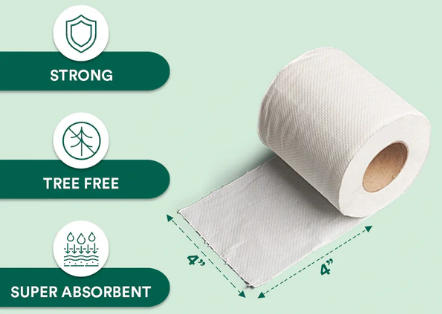
Regular toilet rolls are the standard toilet paper rolls typically found in residential bathrooms. They are compact, convenient, and designed for use in traditional household toilet paper holders. A regular roll usually contains a moderate amount of paper wound around a small cardboard core.

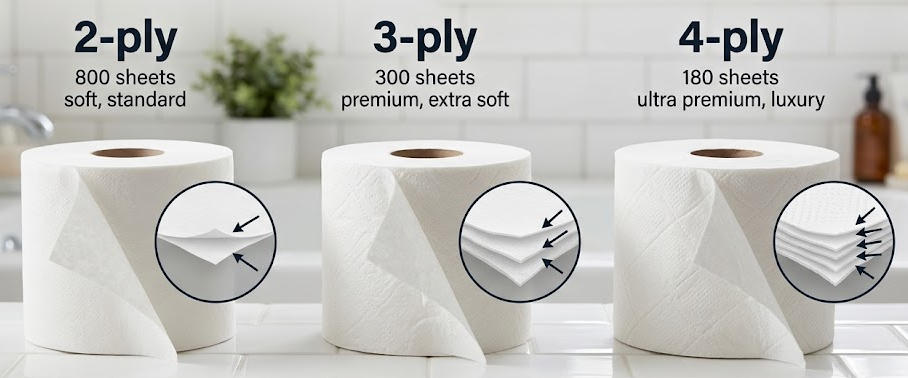
One of the main advantages of regular toilet rolls is their ease of use and accessibility. They fit almost all household dispensers and are simple to replace. Regular rolls are also widely available in different textures, ply levels, and materials, such as virgin pulp, recycled paper, or bamboo-based paper.

However, regular toilet rolls also have limitations. Because they contain less paper than jumbo rolls, they need to be replaced more frequently, especially in high-traffic areas. This makes them less efficient for commercial environments such as shopping centers, airports, and office buildings.

Regular toilet rolls are best suited for homes, small offices, hotels, and low-traffic restrooms where convenience and comfort are the main priorities.

Regular Toilet Rolls

What Are Jumbo Toilet Rolls

Jumbo toilet rolls are significantly larger than regular rolls and are designed specifically for commercial or high-traffic environments. These rolls contain a much longer length of toilet paper and are typically used with specialized jumbo roll dispensers mounted on restroom walls.

The biggest advantage of jumbo toilet rolls is their high capacity. Because they hold far more paper than regular rolls, they reduce the frequency of replacement. This saves time for maintenance staff and ensures that toilet paper remains available in busy public restrooms.

Jumbo rolls also help improve operational efficiency and cost control. Fewer roll changes mean reduced labor costs and less packaging waste. In addition, jumbo dispensers often include controlled dispensing mechanisms that help prevent excessive paper usage.

Despite these benefits, jumbo toilet rolls may not be suitable for small restrooms. They require larger dispensers and wall space, and they are generally less comfortable or soft compared with premium household toilet paper varieties.

Jumbo toilet rolls are commonly used in airports, stadiums, shopping malls, schools, hospitals, and large office buildings.

Jumbo Toilet Paper Roll

Key Differences Between Jumbo and Regular Toilet Rolls

Roll Size and Paper Capacity

One of the most obvious differences between jumbo and regular toilet rolls is their size and the amount of paper they contain. Jumbo toilet rolls are much larger in diameter and typically hold significantly more paper than regular rolls. This extended paper length allows them to support high-volume usage without needing frequent replacement. Regular toilet rolls, by comparison, are smaller and designed to hold a moderate amount of paper suitable for everyday household use.

Usage Environment

Jumbo and regular toilet rolls are designed for different environments. Regular toilet rolls are commonly used in homes, hotel bathrooms, and small offices where the number of users is relatively low. Jumbo toilet rolls are primarily intended for public or commercial facilities such as shopping malls, airports, schools, hospitals, and large office buildings where restroom traffic is high and continuous.

Dispenser Compatibility

Another key difference lies in the type of dispenser required. Regular toilet rolls fit standard household toilet paper holders, which are compact and easy to install in most bathrooms. Jumbo toilet rolls require specialized jumbo roll dispensers that are larger and often mounted on walls to support the weight and size of the roll. These dispensers are specifically designed for commercial restroom environments.

Replacement Frequency and Maintenance

Because regular toilet rolls contain less paper, they must be replaced more frequently, especially in areas with heavy use. This can increase maintenance time and the likelihood of running out of paper. Jumbo toilet rolls, with their much larger capacity, require far fewer replacements. This reduces the workload for maintenance staff and ensures a more consistent supply of toilet paper in busy restrooms.

Cost Efficiency

Cost efficiency is another factor that differentiates these two types of toilet rolls. Jumbo toilet rolls are generally more cost-effective for commercial facilities because their larger capacity reduces the frequency of restocking and can lower labor and operational costs. Regular toilet rolls may be less economical in high-traffic environments due to the need for frequent replacement.

User Comfort and Product Variety

Regular toilet rolls often provide a wider variety of product options, including different ply levels, softness, and materials such as recycled fiber or bamboo pulp. This variety allows consumers to prioritize comfort and personal preference. Jumbo toilet rolls are typically designed with durability and efficiency in mind, and while they may still offer decent quality, the range of softness and premium options is usually more limited compared with regular household toilet paper.

Applications of Jumbo and Regular Toilet Rolls

The choice between jumbo and regular toilet rolls often depends on the usage environment and traffic volume.

Regular toilet rolls are commonly used in homes, small offices, boutique hotels, and private bathrooms where comfort and convenience are more important than capacity. Consumers often prioritize softness, thickness, and premium materials.

Jumbo toilet rolls are designed for high-demand public restrooms, including transportation hubs, educational institutions, healthcare facilities, restaurants, and large commercial buildings. Their high capacity helps maintain hygiene standards while reducing maintenance workload.

3ply Mini Jumbo Toilet Roll

Factors to Consider When Choosing Between Jumbo and Regular Toilet Rolls

When selecting the appropriate toilet paper type, several factors should be evaluated. The number of users is one of the most important considerations. High-traffic facilities benefit from jumbo rolls because they minimize refill frequency.

The available dispenser space is another factor. Jumbo rolls require large wall-mounted dispensers, while regular rolls work with smaller holders commonly found in residential bathrooms.

Cost efficiency and maintenance requirements also influence the decision. Businesses often prefer jumbo rolls because they reduce operational costs over time. In contrast, households tend to choose regular rolls for their comfort and variety.

Finally, user experience should not be overlooked. In environments where comfort and softness are valued, regular toilet rolls may provide a better experience.

Final Thoughts

Both jumbo and regular toilet rolls serve important roles in maintaining hygiene and convenience in different environments. Regular toilet rolls are ideal for residential and low-traffic settings due to their compact size and comfort options. Jumbo toilet rolls, on the other hand, provide a practical and cost-efficient solution for high-traffic commercial restrooms.

By understanding the differences in capacity, dispenser requirements, maintenance efficiency, and application scenarios, users can make informed decisions about which type of toilet roll best suits their needs.

通过 WordPress.com 设计一个这样的站点
从这里开始