Why are Custom Plush Toys More and More Used as Fashion Accessories

In recent years, fashion has embraced a playful, expressive shift where individuality and nostalgia intersect. Custom plush toys, once confined to childhood, have found a surprising and impactful place in modern style. From high-end runway looks to streetwear trends, plush accessories are redefining how people express personality through fashion. Their soft textures, whimsical designs, and emotional resonance make them more than decorative items, they become wearable statements.

Plush Toys as Fashion Accessories

Emotional Design Meets Personal Style

One of the most compelling aspects of custom plush toys as fashion accessories is their ability to convey emotion and identity. Unlike mass-produced items, custom plush pieces can be tailored to reflect personal stories, favorite characters, brand mascots, or even abstract concepts. When attached to handbags, backpacks, or clothing, they act as extensions of the wearer’s personality. This emotional connection enhances their value beyond aesthetics, turning them into meaningful fashion elements.

Versatility Across Fashion Categories

Custom plush toys are remarkably versatile and can be integrated into various fashion categories. In casual wear, they often appear as bag charms or plush keychains, adding a touch of fun and individuality. In streetwear, oversized plush attachments or character-themed designs contribute to bold, eye-catching outfits. Even in luxury fashion, designers have experimented with plush textures and forms, incorporating them into couture pieces or limited-edition accessories. This adaptability allows plush toys to transcend age groups and style preferences.

Uses of Custom Plush Keychains as Fashion Accessories

Branding and Commercial Opportunities

For brands, custom plush toys offer a unique opportunity to enhance identity and customer engagement. Fashion labels and retailers increasingly use plush mascots or themed accessories as part of their product lines. These items can serve as collectible merchandise, promotional tools, or signature elements that differentiate a brand in a competitive market. Collaborations between toy designers and fashion houses further amplify creativity and expand audience reach.

Sustainability and Material Innovation

As sustainability becomes a central concern in fashion, custom plush toys are also evolving. Many manufacturers are now exploring eco-friendly materials such as recycled fabrics, organic cotton, and biodegradable stuffing. Additionally, modular designs and durable construction extend the lifespan of plush accessories, aligning with the principles of slow fashion. This shift not only reduces environmental impact but also appeals to conscious consumers.

Custom Plush Toys as Fashion Bag Accessories

Digital Influence and Social Media Trends

Social media platforms have played a significant role in popularizing plush accessories. Influencers and content creators often showcase personalized plush items as part of their outfits, sparking trends and inspiring followers. The visual appeal of plush toys, soft, colorful, and photogenic, makes them ideal for digital storytelling. As a result, they have become staples in online fashion communities, particularly among younger audiences.

The Future of Plush in Fashion

Looking ahead, the integration of custom plush toys into fashion is expected to grow even further. Advances in design technology, such as 3D modeling and AI-assisted customization, will enable more intricate and personalized creations. Additionally, the blending of physical and digital fashion—through augmented reality or virtual avatars—may introduce new ways to showcase plush-inspired accessories.

Summary

Custom plush toys are no longer just sentimental keepsakes and they are dynamic fashion accessories that combine creativity, emotion, and innovation. By bridging the gap between playfulness and style, they offer a fresh perspective on self-expression in the fashion world. As trends continue to evolve, plush accessories are poised to remain a distinctive and influential element in modern design.

Why Choose Refrigerated Thermostatic Baths for Precise Cooling

Refrigerated thermostatic baths are essential laboratory and industrial instruments designed to provide highly accurate temperature control over a wide range, including sub-ambient conditions. By combining refrigeration systems with precise thermostatic regulation, these baths enable consistent cooling performance that is critical for sensitive experiments, material testing, and process control. The thermostatic baths can maintain stable temperatures with minimal fluctuation makes them indispensable in environments where even slight deviations can affect results.

Working Principle and System Integration

At the core of a refrigerated thermostatic bath is an integrated system that combines a refrigeration unit, a heating element, a circulation pump, and a digital temperature controller. The refrigeration system lowers the bath fluid temperature, while the heating component ensures fine adjustments when approaching or maintaining a setpoint. The circulation mechanism distributes the fluid evenly, eliminating temperature gradients within the bath.

Advanced control systems continuously monitor temperature through high-precision sensors and adjust the cooling or heating output in real time. This closed-loop feedback ensures exceptional stability and uniformity, which are vital for reproducibility in scientific and industrial applications.

DC and DCW Series of Refrigerated Thermostatic Bath and Heating Circulators

Importance of Precise Cooling in Applications

Precise cooling plays a critical role across a wide range of fields. In chemical laboratories, it ensures controlled reaction rates and prevents thermal degradation of sensitive compounds. In biological and pharmaceutical research, maintaining low and stable temperatures is essential for enzyme activity studies, sample preservation, and vaccine development.

Industrial processes also rely heavily on accurate cooling. In materials testing, temperature control influences properties such as viscosity, elasticity, and thermal expansion. In electronics and semiconductor manufacturing, precise cooling prevents overheating and ensures product reliability. Refrigerated thermostatic baths provide the level of control required to meet these stringent demands.

Key Performance Characteristics

The effectiveness of refrigerated thermostatic baths is defined by several critical performance characteristics. Temperature stability is one of the most important, often reaching ±0.01°C in high-end systems. Uniformity within the bath ensures that all samples experience identical thermal conditions, which is crucial for comparative testing.

Another important factor is the cooling capacity, which determines how quickly the system can reach and maintain low temperatures under varying loads. Modern systems also feature programmable controls, allowing users to set complex temperature profiles for dynamic experiments. Energy efficiency and low noise operation are increasingly important as laboratories seek sustainable and comfortable working environments.

High-Precision Refrigerated Thermostat Bath

Technological Advancements and Innovations

Recent advancements have significantly enhanced the functionality and usability of refrigerated thermostatic baths. Digital interfaces with touchscreen controls and intuitive software allow for precise programming and real-time monitoring. Integration with external devices and laboratory information management systems enables automated workflows and data logging.

Improved refrigeration technologies, including environmentally friendly refrigerants and variable-speed compressors, have increased efficiency while reducing environmental impact. Enhanced insulation materials and optimized fluid circulation designs contribute to better thermal stability and reduced energy consumption.

Additionally, remote monitoring capabilities and IoT integration allow users to control and track bath performance from anywhere, improving operational flexibility and safety.

Maintenance and Operational Considerations

To ensure long-term performance, proper maintenance of refrigerated thermostatic baths is essential. Regular cleaning of the bath and circulation system prevents contamination and ensures efficient heat transfer. Monitoring the condition of the bath fluid and replacing it when necessary helps maintain consistent performance.

Routine inspection of the refrigeration system, including compressors and condensers, is also important to prevent unexpected failures. Calibration of temperature sensors and controllers ensures continued accuracy, especially in applications requiring strict compliance with standards.

Proper usage practices, such as avoiding overloading and ensuring adequate ventilation, further enhance the lifespan and reliability of the equipment.

Refrigerated Thermostatic Baths Display

Summary

Refrigerated thermostatic baths are vital tools for achieving precise and reliable cooling in laboratories. Their advanced temperature control capabilities, combined with modern technological innovations, make them indispensable for applications requiring accuracy, consistency, and efficiency. As technology continues to evolve, these systems will play an increasingly important role in supporting high-precision processes and advancing scientific and industrial progress.

How to Choose Between Self-Drilling Screws and Self-Tapping Screws for Your Applications

In modern fastening technology, efficiency and precision are critical factors influencing material selection and assembly methods. Self-drilling screws and self-tapping screws are two widely used fasteners designed to simplify installation and improve productivity. Although they share the ability to create threads during installation, their structural design and functional roles differ in important ways. Understanding these differences is essential for selecting the appropriate fastener in construction, manufacturing, and industrial applications.

self-drilling screw vs. self-tapping screw

Understanding Self-Drilling Screws

Self-drilling screws are engineered with a drill-bit-shaped tip that enables them to penetrate materials and create their own hole before forming threads. This dual functionality allows the drilling and fastening processes to occur simultaneously. As a result, these screws are particularly effective in applications involving metal-to-metal or metal-to-wood connections, where pre-drilling would otherwise be time-consuming and labor-intensive.

The design of the drill point determines the thickness of material the screw can handle. In structural steel, roofing systems, and heavy-duty assemblies, self-drilling screws significantly reduce installation time while maintaining strong and reliable joints. Their ability to cut through harder materials without additional tools makes them a preferred choice in large-scale construction and industrial environments.

Understanding Self-Tapping Screws

Self-tapping screws are designed to form or cut threads within a pre-existing hole. Unlike self-drilling screws, they do not typically have the capability to drill into materials on their own, which means a pilot hole must be prepared in advance. Once inserted, the screw either cuts into the material or displaces it to create internal threads that match the screw’s profile.

This type of screw is widely used in applications requiring greater precision and control. In plastics, soft metals, and wood, Self-tapping screws help prevent material damage such as cracking or splitting. Their versatility is evident in industries such as electronics, appliance manufacturing, and light mechanical assembly, where accurate fastening and repeatability are essential.

self-drilling and self-tapping screws

Structural and Functional Differences

The most significant difference between self-drilling and self-tapping screws lies in their tip design and operational process. Self-drilling screws incorporate a cutting edge that eliminates the need for pre-drilling, making them a one-step solution. In contrast, self-tapping screws rely on a two-step process, where a pilot hole is drilled before the screw is inserted.

This distinction directly affects installation speed and efficiency. Self-drilling screws are optimized for rapid assembly, especially in high-volume or field operations. Self-tapping screws, however, provide better control over torque and alignment, which is crucial in applications where precision outweighs speed.

Material compatibility further differentiates the two. Self-drilling screws are suitable for thicker and harder materials, particularly metals, while self-tapping screws are better suited for softer substrates or situations where pre-drilled holes are already part of the design. Additionally, the thread-forming mechanism of self-tapping screws often results in cleaner finishes and reduced stress on the material.

Application Considerations

Choosing between self-drilling and self-tapping screws depends on several factors, including material type, thickness, and the required level of precision. In construction projects involving steel frameworks or roofing panels, self-drilling screws offer clear advantages due to their ability to streamline installation and reduce labor costs. In contrast, applications involving plastics or thin metals benefit from the controlled insertion provided by self-tapping screws.

Another important consideration is the balance between speed and accuracy. Where productivity and time savings are critical, self-drilling screws are often the better option. Where component integrity and exact placement are more important, self-tapping screws provide superior performance.

Self-tapping Screws in Modern Construction

Summary

Self-drilling screws and self-tapping screws are both indispensable in modern fastening systems, yet they are designed to meet different operational needs. Self-drilling screws excel in efficiency by combining drilling and fastening into a single step, making them ideal for heavy-duty and large-scale applications. Self-tapping screws, on the other hand, offer precision and adaptability, particularly in materials that require careful handling.

Why Oil Drilling Simulators are More and More Widely Used

Today’s drilling operations involve multi-mile horizontal laterals, subsea pressures that can crush steel like tinfoil, and data streams that rival a small city’s telecommunications network. To navigate this complexity without causing a multi-billion-dollar disaster, the industry has turned to a powerful training and engineering tool: the Oil drilling simulator.

What Is an Oil Drilling Simulator

An oil drilling simulator is a high-fidelity, real-time digital twin of a drilling rig. It combines physics-based modeling, hydraulic calculations, and virtual reality (VR) or 3D visualization to replicate the exact look, feel, and response of a real drilling operation.

Unlike a flight simulator, which focuses primarily on aerodynamics and controls, a drilling simulator must model chaotic, non-linear phenomena: the stick-slip vibration of a drill string, the unpredictable porosity of a reservoir rock, and the dangerous influx of gas into the wellbore (a “kick”).

Modern drilling simulation training systems range from desktop training units for drillers to full-scale, immersive “cave” automatic virtual environments (CAVEs) where a entire rig crew—driller, derrickman, and mud engineer—works together in a replicated control room.

drilling and well control simulation system

The High-Stakes Problem: Why Simulate?

The answer is simple: The cost of failure is astronomical.

A single offshore rig day rate: $300,000 to $1,000,000+.

A blowout (uncontrolled oil/gas release): Deepwater Horizon (2010) cost over $65 billion in fines, cleanup, and lost value.

A stuck drill string: $500,000 to $2 million in lost tools and fishing operations.

There is no “pause button” on a live rig. You cannot experiment with an untested drilling parameter at 15,000 feet below the seabed. You learn in the simulator, or you learn in the disaster report.

Core Components of the Simulator

To be effective, a drilling simulator must accurately model three interconnected domains:

1. The Mechanical Domain (The “Iron”)

Top Drive & Rotary Table: Simulates torque, rotation speed (RPM), and weight-on-bit (WOB).

Drawworks & Braking: Models the hoisting system. Students learn to “feel” the difference between a smooth descent and a jarring slip.

BOPs (Blowout Preventer) : Full simulation of annular and ram BOP functions, including shear rams—the last line of defense.

2. The Hydraulic Domain (The “Blood”)

Mud Circulation: Models pump pressure (SPM), flow rate, and equivalent circulating density (ECD). The simulator teaches how changing mud weight or viscosity affects the borehole.

Kick Simulation: This is the critical module. The simulator introduces a gas influx into the wellbore at a specific depth. The trainee must detect the signs (pit volume gain, flow rate increase) and execute a well control procedure (Driller’s Method or Wait and Weight) before the gas reaches the surface.

3. The Geological Domain (The “Enemy”)

Pore Pressure & Fracture Gradient: The simulator creates a digital earth model. The driller must not exceed the fracture gradient (cracking the rock) nor fall below pore pressure (causing a kick).

Bit Wear & Lithology Changes: The software changes the rate of penetration (ROP) as the bit moves from shale to sandstone to limestone—without warning.

Beyond Training: Engineering & Real-Time Support

While training is the most visible use, drilling simulators have evolved into engineering tools.

Pre-Job Modeling: Before drilling a complex well, engineers run the entire drilling plan through a simulator. They identify “drilling windows”—the narrow band of mud weights that will keep the well stable. If the simulator shows the window is zero (impossible to drill safely), the well design is changed.

Real-Time Decision Support: Some advanced rigs now run a “shadow simulator” alongside the live operation. The simulator runs 10 seconds ahead of the real rig, predicting the outcome of current actions. If the shadow simulator forecasts a kick in 15 seconds, the system alerts the driller before it happens.

The Human Factor: Muscle Memory and Decision Fatigue

The most critical function of a drilling simulator is psychological. On a real rig, when the alarm sounds for a “kick,” the crew has roughly 2–5 minutes to shut in the well before gas reaches the surface. Panic leads to procedural errors.

Through repetitive simulation—drilling the same catastrophic influx 50 times in a row—the crew develops procedural muscle memory. They don’t think about which valve to close; their hands move automatically. The simulator trains the human to remain calm while the world is trying to explode.

Cyberchair Drilling Simulator

The Future: AI-Driven Adaptive Scenarios

The next generation of drilling simulators is incorporating generative AI. Instead of a fixed script of “Kick at 12:30,” the AI analyzes the trainee’s reaction time and decision quality in real-time and dynamically adjusts the scenario.

If the trainee is too aggressive with weight-on-bit, the AI triggers a stuck pipe event earlier. If the trainee is too cautious, the AI increases the rate of gas influx to force a decision. This creates an adaptive learning curve that eliminates the training plateau.

Portable Oil Drilling Simulators

Final Thoughts

The oil drilling simulator has moved from a “nice-to-have” training gadget to a licensing requirement for critical well control certifications (IWCF, IADC). It is the digital proving ground where theoretical knowledge becomes instinct, and where mistakes cost only pixels—not lives, not oceans, not billions of dollars.

In the high-pressure, high-temperature, high-stakes world of energy extraction, the safest place to learn how to drill is on a screen. And the safest place to drill is in the hands of a crew who has already made every mistake—virtually.

How 100% Inline Inspection Transforms Print Quality Inspection

For decades, the printing industry operated on a statistical gamble. Quality control meant pulling a sheet every 500 or 1,000 impressions, holding it up to a light table, and comparing it to a golden master. If that single sheet was good, the assumption was that the 499 sheets before it and the 500 sheets after it were also good.

But in an era of just-in-time delivery, razor-thin margins, and zero-tolerance brand guidelines, the “spot check” is a liability. Enter 100% Inline Inspection—a closed-loop, real-time quality assurance system that verifies every single substrate passing through the press.

What is 100% Inline Inspection?

Unlike offline inspection (taking samples to a table) or separate offline inspection machines (rewinding rolls after printing), 100% inline inspection systems integrate high-speed cameras, strobe lighting, and image processing software directly into the production line. As the web or sheet travels at full production speed (often exceeding 500 feet per minute), the system compares every square inch against the original digital artwork.

The moment a repeat defect occurs—a hickey, a registration slip, a missing dot in a barcode, or even a subtle color shift—the system detects it instantly. Depending on the setup, it can trigger an alarm, eject the bad sheet, flag the roll for later review, or in advanced closed-loop systems, automatically adjust the press to fix the error in real-time.

100% Printing Inspection System

The Cost of “Good Enough”

To understand the shift toward 100% inspection, one must calculate the true cost of a missed defect.

Brand Dilution: A pharmaceutical label missing a safety icon or a food package with a smeared ingredient list creates legal liability and destroys consumer trust.

The Rework Trap: A 1-inch defect on a 10,000-foot roll often forces the entire roll to be scrapped because the end-user cannot splice out the bad section.

The “Ship and Pray” Model: Catching a defect at the customer’s dock results in chargebacks, expedited shipping costs, and damaged vendor ratings.

Standard statistical process control (SPC) catches major trends, but it cannot catch random, transient defects. Only 100% inspection eliminates the gap between samples.

How the Technology Works

Modern inline inspection is not the grainy machine vision of the 1990s. Today’s systems utilize:

Triple-Line Cameras: These capture RGB channels simultaneously, allowing for true color verification, not just grayscale contrast.

High-Frequency Strobe Lighting: To freeze motion on a moving web, strobes flash at nano-second durations, effectively stopping the print for the sensor.

Machine Learning Algorithms: Advanced print inspection systems learn the difference between a process variation (acceptable) and a true defect (reject). They can ignore dust on the lens while flagging a scratched printing cylinder.

100% Barcode and OCR Verification: Beyond graphics, these systems read every single barcode, data matrix code, or alphanumeric lot number on the fly, verifying readability and correctness.

The Shift from Detection to Prevention

The most transformative evolution is the move from detection to control. Reactive systems simply tell you that you are wasting substrate. Proactive (closed-loop) systems fix the problem mid-run.

For example, if a die-cut label starts shifting 0.5mm out of tolerance, a 100% full-surface inspection system can send a correction signal to the servo-driven web guide or register control. By the time the next label reaches the inspection camera, the error is gone. This reduces waste from 5-10% in some high-end applications to near-zero.

Implementation Realities

For printers considering the leap, there are three critical considerations:

1. Data Overload

100% inspection generates terabytes of data per shift. Printers need a robust MES (Manufacturing Execution System) to aggregate “pass/fail” data into actionable intelligence. You don’t need to save images of every good label; you need heat maps of where defects almost happened.

2. Setup Time vs. Runtime

If it takes 30 minutes to teach the inspection system the “acceptable” variation of a job, you lose the efficiency gain. Modern systems use “self-teaching” algorithms that compare the live print to the PDF file automatically, reducing setup to under 60 seconds.

3. The False Positive Trap

Overly sensitive systems reject good material. Calibration is an art. The goal is “zero escape” (no bad product ships) but also “zero false rejects” (no good product is wasted). This requires regular auditing of the inspection system itself.

100% Print Inspection Sytem

Who Needs It?

While not every print shop requires 100% inspection, it is rapidly becoming mandatory in specific verticals:

Pharmaceutical Packaging: The EU’s Falsified Medicines Directive (FMD) and US DSCSA require unique serialization. You cannot verify a serial number without reading every unit.

Security Printing: Checks, tickets, and branded authentication labels require microtext and hidden features that the naked eye cannot verify.

High-Value Labels: Automotive and cosmetic labels cannot tolerate a single blemish, as the packaging is the product.

print inspection system

Final Thoughts

In the past, printers sold “impressions.” Today, they sell “assurance.” A customer does not buy a roll of labels; they buy the guarantee that every single one of those labels will scan, stick, and present correctly.

100% inline inspection transforms quality from a human judgment call into an engineering certainty. It removes the argument. There is no “Is that defect bad enough to reject?” If the defect violates the tolerance set in the golden file, the machine stops it.

As print speeds increase and run lengths shrink, the industry will look back on manual sampling the same way we look back on manual typesetting: a craft tradition, but a commercial liability. For printers who want to sleep at night and charge a premium for reliability, 100% inline inspection is no longer a luxury. It is the pressroom standard.

6 Key Points to Know Bamboo Facial Tissue Comprehensively

Bamboo facial tissue has emerged as a compelling alternative to conventional paper tissues, reflecting a broader shift toward sustainable and environmentally responsible consumer products. As awareness grows regarding deforestation and resource depletion, bamboo is increasingly recognized for its rapid renewability and minimal ecological footprint. This has positioned bamboo facial tissue as a preferred choice for both environmentally conscious individuals and industries seeking greener solutions.

Bamboo Facial Tissues

Understanding Bamboo as a Raw Material

Bamboo is a fast-growing grass, capable of reaching maturity within a few years. Its natural ability to regenerate after harvesting eliminates the need for replanting, which significantly reduces land use pressure. In addition, bamboo cultivation typically requires less water and fewer chemical inputs compared to traditional forestry. These characteristics make bamboo an attractive and sustainable raw material for tissue production.

Manufacturing Process of Bamboo Facial Tissue

The production of bamboo facial tissue begins with the harvesting of mature bamboo stalks, which are then processed into chips. These chips undergo pulping, where the fibers are separated through mechanical or chemical means. Modern manufacturing often emphasizes environmentally friendly pulping techniques that minimize chemical consumption and wastewater generation. The resulting pulp may be bleached using chlorine-free processes to achieve the desired color while maintaining environmental safety. After pulping, the material is formed into thin sheets, pressed, dried, and converted into soft, multi-ply facial tissues through cutting and packaging processes.

Performance Characteristics

Bamboo facial tissue is widely appreciated for its balanced performance. The natural structure of bamboo fibers contributes to a soft texture that is gentle on the skin, making it suitable for everyday use, including for sensitive skin types. At the same time, these fibers provide sufficient strength and durability, reducing the likelihood of tearing during use. Many bamboo tissue products are manufactured without added fragrances, dyes, or harsh chemicals, further enhancing their suitability for users with allergies or skin sensitivities.

Bamboo Facial Tissue for Sensitive Skin

Environmental Benefits

One of the most significant advantages of bamboo facial tissue lies in its environmental impact. Bamboo’s rapid growth rate and high yield per hectare make it a highly efficient renewable resource. Its cultivation helps reduce reliance on traditional wood pulp, thereby contributing to forest conservation. Furthermore, bamboo tissues are typically biodegradable, allowing them to break down naturally after disposal and reducing long-term waste accumulation. Advances in production technology have also led to reduced emissions and improved water management in bamboo tissue paper manufacturing.

Limitations and Challenges

Despite its many advantages, bamboo facial tissue is not without challenges. The cost of production can be higher than that of conventional wood pulp tissues, particularly when sustainable and chemical-free processing methods are employed. Additionally, the global supply chain for bamboo-based products is still developing, which may affect availability and pricing in certain markets. There are also variations in product quality depending on manufacturing standards, which can influence consumer perception and acceptance.

Bamboo Facial Tissue

Market Trends and Future Outlook

The market for bamboo facial tissue continues to expand as sustainability becomes a central consideration in purchasing decisions. Manufacturers are investing in innovative processing technologies to improve efficiency, reduce costs, and enhance product quality. There is also a growing emphasis on eco-friendly packaging and certification standards that verify sustainable sourcing and production practices. As these developments progress, bamboo facial tissue is expected to play an increasingly important role in the global tissue industry.

Summary

Bamboo facial tissue represents a significant step forward in aligning everyday consumer products with environmental sustainability goals. By combining renewable raw materials, responsible manufacturing practices, and high-performance characteristics, it offers a viable alternative to traditional tissues. Although challenges remain in terms of cost and supply, ongoing innovation and rising environmental awareness are likely to drive continued growth and adoption of bamboo-based tissue products in the years ahead.

Effective Methods for Retrofitting Explosion-proof Lights in Marine Environments

Retrofitting explosion-proof lighting systems in marine environments is an essential upgrade for vessels and offshore facilities operating in hazardous conditions. With increasing regulatory scrutiny and the need for higher safety standards, replacing outdated lighting systems with certified explosion-proof solutions has become a priority across the maritime industry.

Marine Explosion-proof Lighting

The Importance of Explosion-Proof Lighting in Marine Settings

Marine environments, particularly those involving oil, gas, and chemical transport, often contain flammable atmospheres. In such settings, conventional lighting fixtures can become ignition sources due to sparks, heat, or electrical faults. Explosion-proof lights are specifically designed to contain internal explosions and prevent them from igniting surrounding gases or vapors.

These marine explosion-proof lights are commonly installed in hazardous zones such as cargo pump rooms, fuel storage areas, engine rooms, and offshore drilling platforms, where safety is critical to both personnel and equipment.

Regulatory Compliance and Industry Standards

Retrofitting explosion-proof lights is often driven by the need to comply with international maritime safety regulations. The International Maritime Organization establishes guidelines under conventions such as SOLAS, which require the use of certified equipment in hazardous areas.

In addition to IMO regulations, certification schemes like ATEX and IECEx define technical standards for explosion-proof equipment. Ensuring compliance with these standards is crucial not only for safety but also for maintaining vessel certification and avoiding operational penalties.

Key Considerations Before Retrofitting

Before initiating a retrofit project, a comprehensive evaluation of the vessel or platform is necessary. This includes identifying hazardous area classifications, such as Zone 0, Zone 1, or Zone 2, which determine the level of protection required.

Compatibility with existing electrical infrastructure must also be assessed. Retrofitting may involve adapting mounting systems, upgrading wiring, or modifying power supplies to accommodate modern lighting fixtures. Environmental factors such as saltwater exposure, humidity, and temperature fluctuations should guide the selection of materials and protective coatings to ensure long-term durability.

explosion-proof flood light

Advantages of Retrofitting Explosion-Proof Lights

Upgrading to modern explosion-proof lighting offers several significant benefits. Enhanced safety is the most critical advantage, as these systems minimize the risk of ignition in hazardous environments. Improved energy efficiency is another key benefit, particularly with the adoption of LED technology, which provides higher illumination levels while consuming less power.

Retrofitting also reduces maintenance requirements. Modern fixtures are designed for longer service life and greater reliability, which is especially valuable in marine environments where access for maintenance can be difficult and costly. Additionally, improved lighting quality enhances visibility, contributing to safer and more efficient operations.

Challenges in the Retrofitting Process

Despite its benefits, retrofitting explosion-proof lighting systems can present technical and operational challenges. Space constraints in existing structures may limit installation options, particularly in older vessels not originally designed for modern equipment.

Operational downtime is another concern, as certain areas may need to be temporarily shut down during installation. Furthermore, ensuring compatibility between new lighting systems and legacy infrastructure can be complex, requiring specialized engineering expertise.

Cost is also a factor, as explosion-proof fixtures and certified installation processes involve higher upfront investment. However, these costs are typically offset by long-term savings in energy and maintenance.

Implementation Strategies for Successful Retrofitting

A structured and well-planned approach is essential for successful retrofitting. The process begins with a detailed site survey and hazard assessment, followed by the selection of appropriate certified lighting fixtures.

Installation should be carried out by qualified professionals who understand hazardous area requirements and marine safety standards. After installation, thorough testing and inspection are necessary to verify performance and compliance. Proper documentation should be maintained to support audits and certification processes.

Training crew members on the proper use and maintenance of explosion-proof lighting systems is also a key step in ensuring long-term effectiveness and safety.

Future Trends in Marine Explosion-Proof Lighting

The future of explosion-proof lighting in marine environments is increasingly shaped by technological innovation. Smart lighting systems with integrated sensors and remote monitoring capabilities are becoming more common, allowing operators to track performance and detect faults in real time.

Advancements in LED technology continue to improve efficiency, durability, and light quality, while new materials and designs enhance corrosion resistance and thermal management. The LED explosion-proof lighting is more reliable and cost-effective, further encouraging retrofitting initiatives.

explosion-proof led lighting

Summary

Retrofitting explosion-proof lights in marine environments is a vital step toward enhancing safety, achieving regulatory compliance, and improving operational efficiency. By carefully assessing hazardous areas, selecting certified equipment, and following best practices during installation, marine operators can significantly reduce risks and extend the lifespan of their lighting systems. As technology continues to evolve, retrofitting will remain a key strategy for maintaining safe and efficient marine operations in increasingly demanding environments.

How to Choose Between Mass-produced and Handmade Custom Plush Toys

Plush toys have long been cherished for their emotional comfort, aesthetic appeal, and versatility across age groups. In today’s market, consumers can choose between mass-produced plush toys and handmade custom plush toys. While both serve similar purposes, they differ significantly in production methods, quality, cost, and personalization. Understanding these differences helps businesses and consumers make informed decisions based on their specific needs.

Production Methods and Scale

Mass-produced plush toys are manufactured in large quantities using automated machinery and standardized processes. Factories rely on industrial sewing machines, pre-designed patterns, and assembly-line workflows to ensure efficiency and consistency. This approach allows companies to meet high-volume demand quickly, especially for popular characters or seasonal products.

Mass Production in Custom Plush

In contrast, handmade custom plush toys are crafted individually or in small batches by skilled artisans. Each piece is typically cut, sewn, and finished by hand, often with meticulous attention to detail. The production process is slower but allows for flexibility in design, making it ideal for unique or one-of-a-kind creations.

Design Flexibility and Customization

One of the most notable differences lies in customization. Mass-produced plush toys usually follow fixed designs with limited options for modification. While some manufacturers offer minor variations—such as color or size—these are constrained by production efficiency and cost considerations.

Handmade custom plush toys excel in personalization. Customers can request specific shapes, facial expressions, fabrics, and even replicate drawings, mascots, or personal concepts. This level of flexibility makes handmade plush toys particularly popular for gifts, branding, and collectibles.

Quality and Craftsmanship

Mass production ensures uniformity, but it may compromise on finer details. Materials are often selected based on cost-effectiveness, and stitching may prioritize speed over durability. However, reputable custom plush manufacturers still maintain acceptable quality standards through quality control systems.

Handmade plush toys, on the other hand, often emphasize craftsmanship. Artisans typically use higher-quality fabrics, reinforced stitching, and careful finishing techniques. The result is a product that may feel more premium and durable, though consistency can vary depending on the maker’s skill.

Handmade Custom Plushies

Cost Considerations

Cost is a major factor influencing purchasing decisions. Mass-produced plush toys benefit from economies of scale, resulting in lower unit prices. This makes them suitable for retail markets, promotional campaigns, and large-scale distribution.

Handmade custom plush toys are generally more expensive due to the labor-intensive process and the use of specialized materials. The price reflects not only the time invested but also the uniqueness of each piece. For customers seeking exclusivity or sentimental value, the higher cost is often justified.

Applications and Market Use

Mass-produced plush toys dominate the mainstream market. They are commonly found in toy stores, theme parks, and online retail platforms. Their affordability and availability make them accessible to a wide audience.

Mass production in custom plush toys

Handmade custom plush toys occupy a niche but growing segment. They are frequently used for personalized gifts, corporate mascots, prototype development, and limited-edition collectibles. Businesses seeking brand differentiation often turn to custom plush designs to create memorable products.

Environmental and Ethical Considerations

Sustainability is becoming increasingly important in the plush toy industry. Mass production can lead to higher resource consumption and waste if not managed responsibly. However, some large manufacturers are adopting eco-friendly materials and ethical labor practices to address these concerns.

Handmade plush toys often align more closely with sustainable values, especially when artisans use locally sourced or recycled materials. Small-scale production typically results in less waste, though the environmental impact can vary depending on sourcing and shipping practices.

Final Thoughts

The choice between mass-produced and handmade custom plush toys ultimately depends on priorities such as cost, customization, quality, and purpose. Mass-produced options offer affordability and consistency, making them ideal for large-scale needs. Handmade custom plush toys, while more expensive, provide unmatched uniqueness and craftsmanship.

As consumer preferences continue to evolve, both production methods will coexist, catering to different segments of the market. Businesses and individuals alike can benefit from understanding these distinctions to select the most suitable plush toy solution for their specific requirements.

Effective Strategies for Improving the Durability of Rubber Fenders

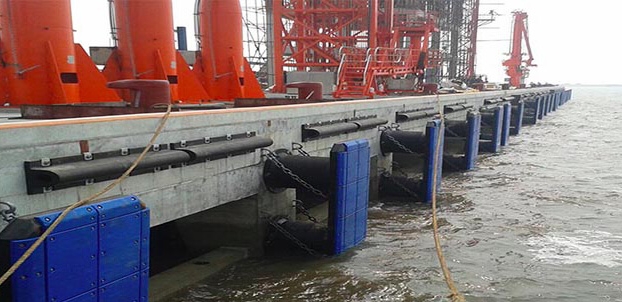
Rubber fenders serve as the primary protective interface between vessels and port infrastructure, absorbing kinetic energy during berthing and minimizing structural damage. Their durability is not merely a performance attribute but a fundamental requirement for ensuring operational safety and cost efficiency. In demanding marine environments characterized by saltwater exposure, UV radiation, fluctuating temperatures, and repeated mechanical stress, fenders must maintain their elasticity and structural integrity over long periods. A durable rubber fender system reduces downtime, lowers replacement frequency, and enhances the overall reliability of port operations.

Rubber Fender Systems

Material Innovation as the Foundation of Longevity

The durability of rubber fenders begins with advanced material engineering. High-performance fenders are typically manufactured using a combination of natural rubber and synthetic elastomers such as styrene-butadiene rubber (SBR) or ethylene propylene diene monomer (EPDM). These blends are carefully formulated to balance elasticity, tensile strength, and resistance to environmental degradation. Additives that improve resistance to ozone, ultraviolet radiation, and oxidation play a vital role in preventing surface cracking and hardening. In more aggressive environments, specialized compounds with enhanced oil and chemical resistance are employed to ensure consistent performance even in polluted or industrial port conditions.

Structural Design Strategies for Enhanced Durability

Beyond materials, the structural design of rubber fenders significantly influences their lifespan. Modern designs such as cone, cell, and arch fenders are engineered to distribute stress evenly across the structure, minimizing localized fatigue and deformation. By optimizing geometry, these designs achieve high energy absorption with relatively low reaction forces, reducing strain on both the fender and the supporting infrastructure. The integration of internal reinforcements, including steel plates or composite layers, further enhances load-bearing capacity and resistance to repeated impacts. Advanced simulation techniques, such as finite element analysis, enable engineers to predict stress distribution and refine designs for maximum durability under real-world operating conditions.

Manufacturing Excellence and Quality Assurance

The manufacturing process is a decisive factor in determining the long-term durability of rubber fenders. Precision in molding and vulcanization ensures uniform material properties and eliminates internal defects that could lead to premature failure. Controlled curing conditions are essential for achieving optimal cross-linking within the rubber matrix, which directly affects strength and elasticity. In addition, rigorous quality control procedures, including mechanical testing and fatigue analysis, are implemented to verify that each fender meets international performance standards. The adoption of automated production technologies further enhances consistency, reduces variability, and ensures that each unit delivers reliable performance over its service life.

Surface Protection and Environmental Resistance

Given their constant exposure to harsh marine conditions, rubber fenders benefit significantly from protective surface treatments. Anti-corrosion coatings are applied to embedded metal components such as chains and mounting hardware to prevent rust and structural weakening. Low-friction surface layers can be incorporated to reduce abrasion caused by vessel movement, thereby minimizing wear. In regions prone to biofouling, anti-fouling treatments help prevent the accumulation of marine organisms such as algae and barnacles, which can degrade material properties and affect performance. These protective measures collectively extend the operational lifespan of the fender system.

Installation Practices and Their Impact on Service Life

Proper installation of rubber fenders is essential to fully realize the durability potential. Incorrect alignment or inadequate mounting can lead to uneven load distribution, resulting in accelerated wear or structural damage. Ensuring that fenders are positioned according to design specifications allows them to function as intended, effectively absorbing impact energy. Secure anchoring systems must be used to prevent excessive movement, while compatibility with vessel types, berthing speeds, and environmental conditions should be carefully considered during system selection. A well-installed fender system operates more efficiently and experiences less stress over time.

Maintenance as a Key to Sustained Performance

Even the most robust rubber fenders require regular maintenance to preserve their durability. Periodic inspections are necessary to identify early signs of wear, such as surface cracks, deformation, or loss of elasticity. Monitoring performance characteristics, including energy absorption and reaction force, helps ensure that the fender continues to meet operational requirements. Routine cleaning to remove salt deposits and marine growth prevents long-term degradation. When minor damage is detected, timely repair or component replacement can prevent more serious failures and extend the overall service life of the system.

Yokohama pneumatic fender

Addressing Environmental and Operational Challenges

The durability of rubber fenders is also influenced by external environmental and operational factors. Extreme temperature variations can alter the mechanical properties of rubber, affecting its flexibility and strength. High-frequency berthing operations increase cumulative fatigue stress, necessitating more resilient designs and materials. Exposure to chemicals, oils, and pollutants in certain ports requires the use of specialized rubber compounds to maintain integrity. Understanding these conditions and tailoring the fender system accordingly is essential for achieving optimal durability in diverse marine environments.

Future Directions in Rubber Fender Durability

Advancements in technology are driving the development of more durable and intelligent rubber fender systems. The integration of sensors enables real-time monitoring of stress, deformation, and environmental conditions, allowing for predictive maintenance and improved asset management. Innovations in material science are leading to the creation of eco-friendly rubber compounds that offer enhanced durability while reducing environmental impact. Hybrid designs that combine rubber with advanced composites are also emerging, providing superior strength and resistance to wear. As digital design tools continue to evolve, engineers can create increasingly optimized fender systems that meet the growing demands of modern maritime infrastructure.

Rubber Fenders

Summary

Enhancing the durability of rubber fenders requires a holistic approach that encompasses material selection, structural design, manufacturing precision, installation quality, and ongoing maintenance. By addressing each of these aspects in a coordinated manner, marine operators can significantly extend the service life of their fender systems while ensuring safe and efficient berthing operations. As innovation continues to reshape the maritime industry, the durability and performance of rubber fenders will remain a key factor in supporting sustainable and resilient port infrastructure.

Exploring the Types of Laboratory Water Purification Systems

Laboratory water is not a single-grade resource; it is a precisely controlled reagent that directly impacts analytical accuracy, experimental reproducibility, and equipment longevity. From routine glassware cleaning to ultra-sensitive trace analysis, different applications require specific levels of purity. As a result, laboratory water purification systems are designed in multiple configurations, each tailored to achieve defined quality standards.

Making Deionized Water

Primary Classification Based on Water Purity Standards

Laboratory water systems are commonly categorized according to internationally recognized standards such as ASTM, ISO, and CLSI. These standards define three main types of purified water: Type I, Type II, and Type III.

Type I Water (Ultrapure Water)

This represents the highest purity level available, typically with resistivity of 18.2 MΩ·cm. Type I water is free from ions, organic compounds, bacteria, and particulates. It is essential for highly sensitive analytical techniques such as HPLC, ICP-MS, and molecular biology experiments. These systems often incorporate advanced technologies such as ion exchange, UV oxidation, and ultrafiltration.

Type II Water (Pure Water)

Type II water is suitable for general laboratory applications including buffer preparation, media preparation, and reagent dilution. While not as pure as Type I, it still maintains low levels of contaminants and is often used as feed water for Type I systems.

Type III Water (RO Water)

Type III water is typically produced using reverse osmosis (RO) and is used for less critical applications such as glassware rinsing or as feed water for higher purification systems. It removes the majority of dissolved solids and organic contaminants but does not reach analytical-grade purity.

Classification Based on Purification Technology

Different purification technologies are combined in laboratory systems to achieve the desired water quality. The selection depends on feed water conditions and required output purity.

Reverse Osmosis (RO) Systems

RO water purification systems use semi-permeable membranes to remove up to 99% of dissolved salts, bacteria, and organic materials. These are commonly used as a pre-treatment stage in laboratory water systems.

Medium Series Water Purification System

Deionization (DI) Systems

DI systems utilize ion-exchange resins to remove charged particles such as cations and anions. They are effective for producing low-conductivity water but may not remove organic contaminants or microorganisms.

Ultraviolet (UV) Purification Systems

UV systems are used to reduce microbial contamination and break down organic compounds through photo-oxidation. They are often integrated into high-purity (Type I) systems.

Ultrafiltration (UF) Systems

UF membranes remove endotoxins, nucleases, and particulates, making them essential in life science applications such as cell culture and molecular biology.

Classification Based on System Configuration

Laboratory water purification systems can also be categorized by how they are installed and distributed within the lab.

Centralized Systems

These systems supply purified water to multiple workstations through a distribution loop. They are ideal for large laboratories or facilities with high water demand, ensuring consistent quality across all outlets.

Point-of-Use Systems

Installed directly at the workstation, these systems provide immediate access to purified water. They are commonly used for producing Type I water close to sensitive instruments.

Modular Systems

Modular systems allow laboratories to customize purification stages according to their needs. This flexibility is beneficial when upgrading existing setups or adapting to new applications.

Integrated and Smart Water Purification Systems

Modern laboratory water purification systems increasingly incorporate automation and digital technologies. Smart systems feature real-time monitoring of parameters such as resistivity, TOC (Total Organic Carbon) and flow rate. Integration with IoT platforms allows remote diagnostics, predictive maintenance, and automated alerts, significantly improving operational efficiency and reducing downtime.

These systems are particularly valuable in regulated environments, where data traceability and compliance with quality standards are critical.

Summary

Laboratory water purification systems are diverse and highly specialized, reflecting the wide range of scientific applications they support. Whether classified by purity level, purification technology, or system configuration, each type serves a distinct role in ensuring reliable laboratory performance. Selecting the right system requires careful consideration of application needs, feed water quality, and operational demands, ultimately ensuring that water quality never becomes a limiting factor in scientific progress.

通过 WordPress.com 设计一个这样的站点
从这里开始