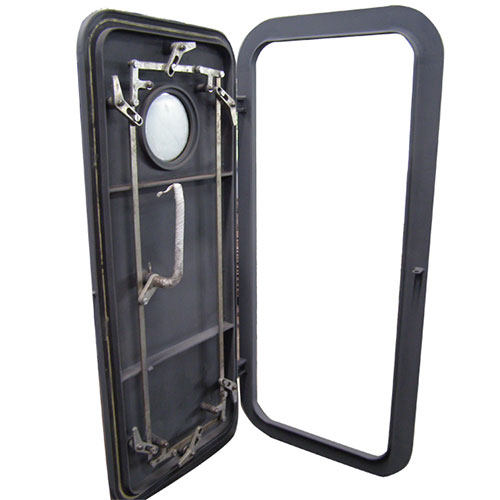
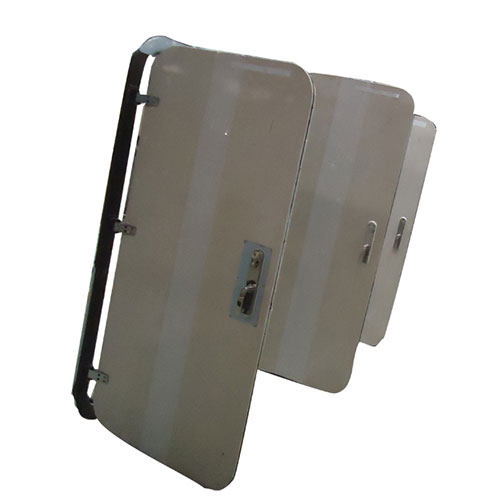
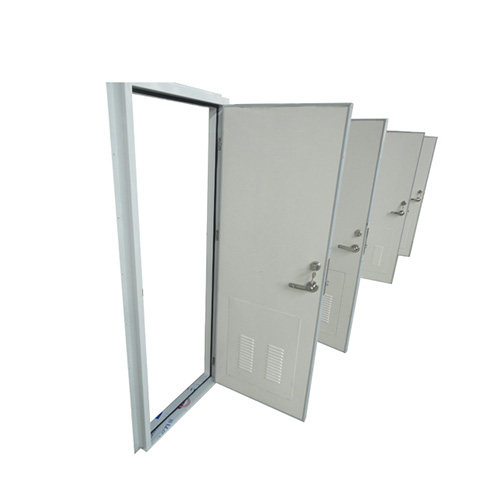
Marine doors are made of aluminum, steel, stainless steel or combination of them according to ISO standard. The doors have been used on a workboat, ships and barge and are closing the device of marine ships’ entrance. There are two installation means bolted and welded. Most of the doors are welded type. There will be a marine watertight door, marine cabin hollow door and marine fire-rated door. The marine doors are for sale at YSmarines which is one of the leading suppliers in china for top quality marine products. All doors produced by YSmarines have IACA certificate of CCS, BV, ABS, DNV-GL, LR, NK, CCS, etc.
Marine Watertight Doors
All marine watertight doors are available in aluminum, steel or a combination of these metals meeting IMO, SOLAS requirements. It can be opened and closed quickly and lightly. It is used for bulkheads with water tightness requirements. There will be two types of quick-acting watertight doors including the lever-operated type and Wheel-operated type. All marine watertight doors have the certificate of GL- DNV, CCS, BV, ABS, LR, KR, RS, etc with customized sizes and colors, superior quality and the most competitive prices guaranteed.
Marine Steel Fireproof Door
The steel fireproof door meets the requirements of CB/T 3234-2011. The marine door is used for the passageway of the fire-protection area of class A and B fire division. There will be seven different types including Class A60 fireproof door, Class A30 door, Class A15 door, Class A0 door, Class B15 door, Class B15-s door with emergency escape vent louver and Class B0-s door with emergency escape vent louver.
Marine Aluminum Cabin Door
The aluminum marine door is used for the cabins of various ships and warships, floating construction and gateway with class C fire rated. The surface of the door is anodized baking finish or PVC covered. It meets the standard of CB/T3281-1997. There will be 4 different types of cabin hollow doors including standard aluminum hollow cabin door, the door with fixed light, the door with vent, the door with an emergency escape hole.
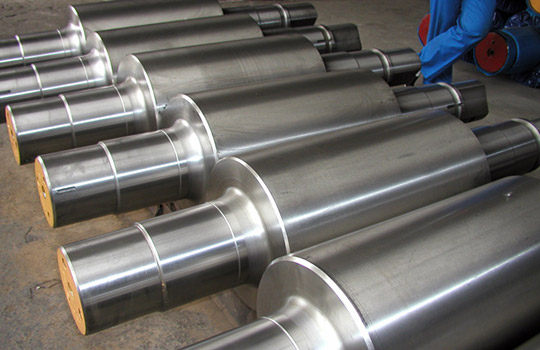
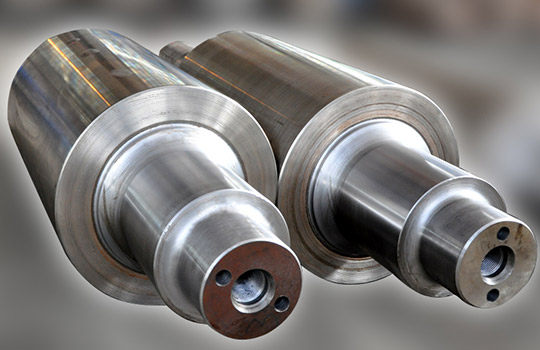
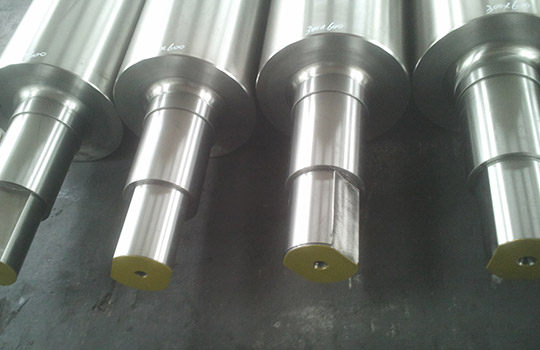
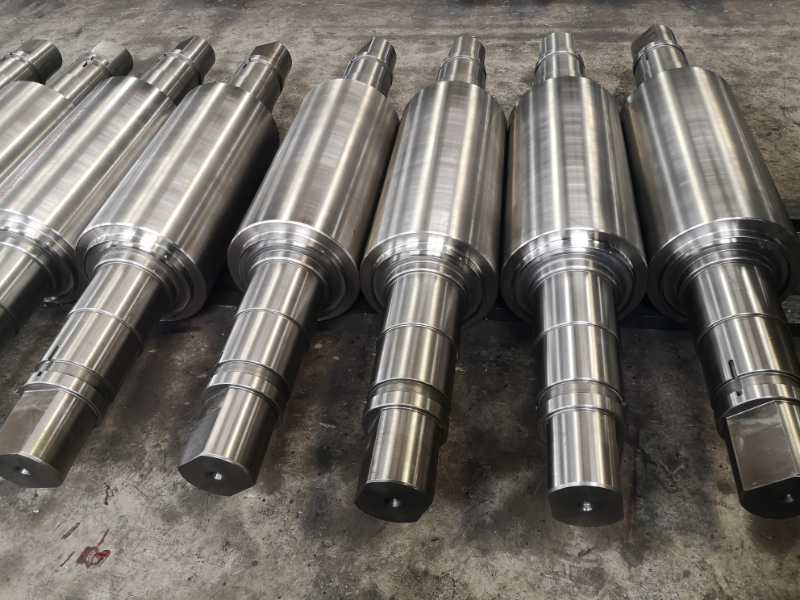
Spheroidal graphite iron roll also is known as ductile iron roll and is a roll made by spheroidizing the molten iron with magnesium and pouring it into the sand-lined cold type. Due to the spheroidizing treatment, the graphite carbon inside the cast iron is changed from flake to spheroid, which eliminates the phenomenon of graphite tip stress concentration caused by flake graphite, which significantly improves the strength of cast iron, similar to the cast steel roll, but the abrasion resistance is much higher than the cast steel roll. There are three types of nodules of magnesium, cerium, and calcium and magnesium are commonly used. Spheroidal graphite iron roll can be applied in open-rolling mills, roughing mills and rolling mills before finishing rolling on various sections and plates. When the finished roll bears a large load, it is best to use a ductile iron roll with a casting groove, high strength and excellent wear resistance.
Pearlitic Nodular Cast Iron Roll
Pearlitic nodular cast iron roll has a high content of Ni and Mo alloys and the pearlite, basanite and martensite matrixes with excellent performance. It has good strength, high-temperature performance and anti accident performance with small hardness drop on the work layer. The nodular cast iron roll usually is used in large blanking machines, section steel tandem rolling, bar and wire rough rolling, intermediate rolling mill.
For pearlite nodular cast iron, pearlite content in the matrix structure accounted is more than 80% of ductile iron (nodular iron). The ductile iron conforms to Chinese national standards QT600-2, QT700-2 and QT800-2 belong to pearlite nodular cast iron. This type of ductile iron is usually obtained by normalizing treatment, or it can be obtained by adding alloying elements and cooperating with technological measures. The nodular cast iron roll is mainly used to manufacture parts that require high strength, with certain fatigue strength and wear resistance.
Centrifugal Composite Cast Iron Roll
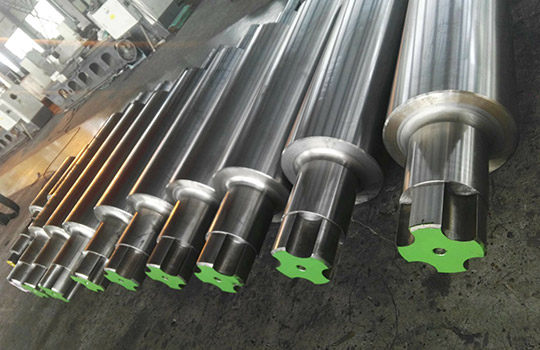
The cast iron roll is produced by a horizontal centrifugal casting process with high-speed steel as the work layer and nodular iron as the core. The material of centrifugal casting iron roll contains plenty of alloying elements such as Mo, Ni, Cr, etc. The high hardened eutectic carbides & second carbides, evenly distributed in tempered martensitic matrix, make the wear and thermal cracking resistance very excellent. Besides, the resistance to surface roughing is also good. In a condition of hot rolling, the contact points between steel strip and the work rolls can form a thin adherent oxide film on the roll surface, which plays a good role in the wear features and the quality of the strip surface. The main application is as a working roll for hot-rolled strip leveling rack and rack of high-speed wire mill.
Thanks to its higher content of Ni and Mo alloys, basanite and martensite matrixes with excellent performance are produced. There are small changes in hardness. It is extremely efficient in toughness, preserving heat split, preserving surface coarse and abrasion-resistant.
Application
working roll for hot-rolled strip leveling rack;
Rack of tandem rolling mill for section, bar, wire rod and narrow strip
Roll ring and roll of stretch reducing mill for seamless steel tube
Work roll of hot-rolled strip tempering rack and medium plate mill rack
Tandem rolling bar and rack of high-speed wire mill
Bainitic Nodular Cast Iron Roll
Bainitic nodular cast iron roll is made of Ni, Mn, CrH, Mo, etc. It has an acicular structure and would be higher strength and better toughness than pearlite iron. Due to the high alloy content and high casting stress, the acicular bainite ductile iron roll can obtain the ideal comprehensive performance by a centrifugal composite casting process. The feature of bainitic nodular cast roll is that it shaped into graphite ball and its performance can be compared with that of alloy indefinite chilled roll. Its intensity is higher than that of indefinite chilled one, so it is usually used for rest energy casting. Based on the analysis of the macro and microstructures of conventional Ni-Mo bainite ductile cast iron rolls used in bar finishing mills, we have found that the main cause of the spalling failure of the roll surface layer is the low bainite mass fraction in the roll structure, Irrational distribution of carbide morphology, and non-round graphite morphology.
On this basis, by optimizing the mass fraction of alloying elements of conventional bainite nodular cast iron composite rolls (nickel, copper, niobium composite alloying), the purpose of optimizing the structure and properties of the rolls is achieved. The structure of the improved roll is finer, and its carbide morphology has been significantly improved; meanwhile, the addition of alloying elements has significantly improved the bainite strength in the material, and its impact toughness, deflection, section shrinkage, and elongation after fracture are significantly improved compared with conventional Ni-Mo ductile iron, so it can significantly extend the service life of rolls and effectively reduce the production cost of steel.
Alloy Ductile Cast Iron Roll
The alloy ductile cast iron roll is made of acicular nodular cast iron mixing with nickel, chromium, molybdenum. It can be used in various blanking rolling mills for section steel, bar, wire rod and narrow strip, roughing mills, work roll for seamless steel tube, intermediate stand and finishing stand for section steel, bar, wire rod and narrow strip and rolling mills before finishing rolling for various sections and plate steels. The finished roll can also be used in the case of a low load. When the finished roll is subjected to a heavy load, it is preferable to use as a nodular cast iron chill roll with high strength and wear resistance.
Application
Alloy spheroidal graphite iron roll has a lot of usage following as:
Blooming roll rack of rolling mills for section steel, bar, wire rod and narrow strip, Mill rolls for seamless steel tube Intermediate and finishing roll rack of rolling mill for section steel, bar, wire rod and narrow strip
As the leading work tables manufacturer and workbenches supplier in China, Sanji has offered customized solutions to numerous enterprises worldwide, including many of the world’s top 500 enterprises.
Metal Workbench With Hanging Board
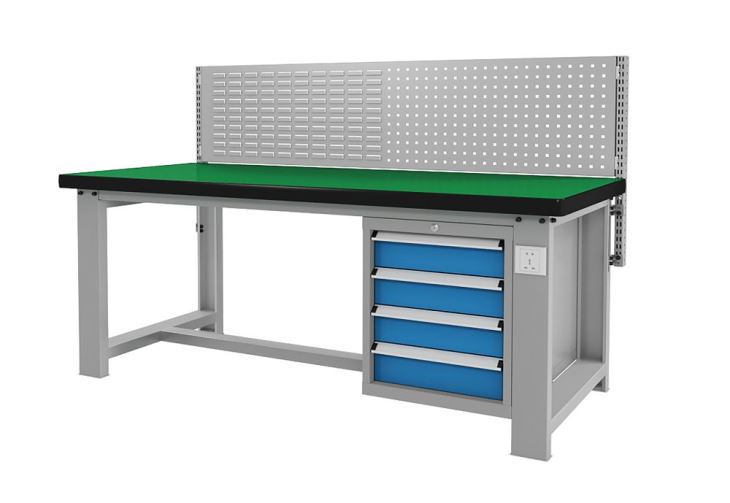
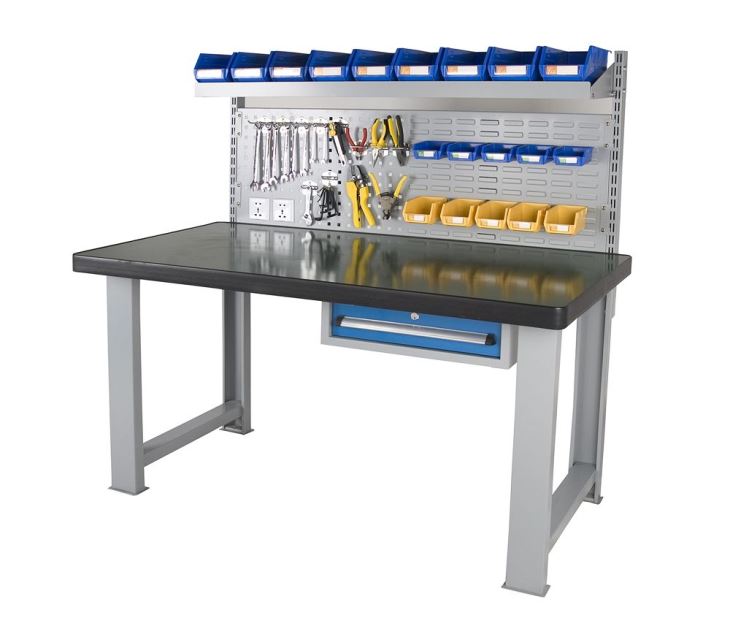
The metal workbench has a tool hang plate with louver hanging plate and square hanging hole and can hang any kind of tools. The small work table can be equipped with lighting racks, hangers, shelves, square hole hanging boards, louver hanging boards, power sockets, electrical boxes, parts box hanging strips, etc. The metal top of work table can be customized. The clients can choose stainless steel or cold-rolled steel, offering ample space for a multitude of operations and tool solutions. It is made of a solid steel frame with advanced technique and strict quality control during the manufacturing process. A pegboard with hooks is ideal for hanging small tools, easy to take on and off. the non-slip rubber feet add stability and do not scratch your floor. The color is optional.
Assembly Workbench With Sockets
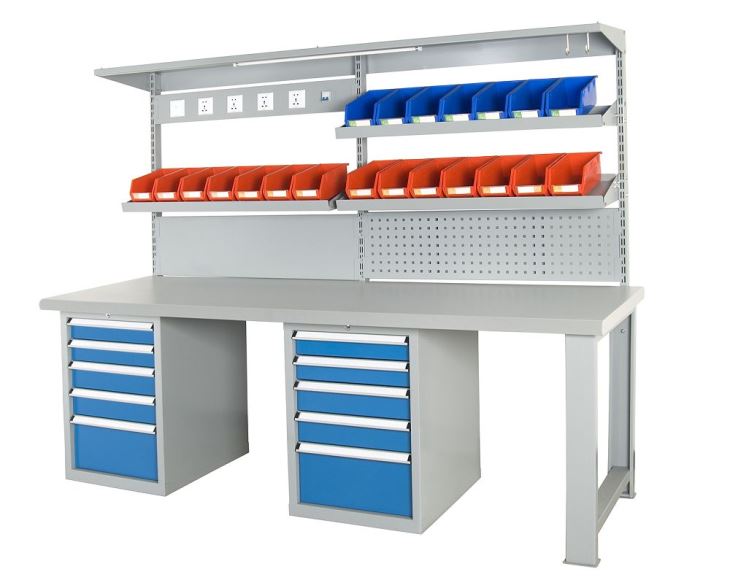
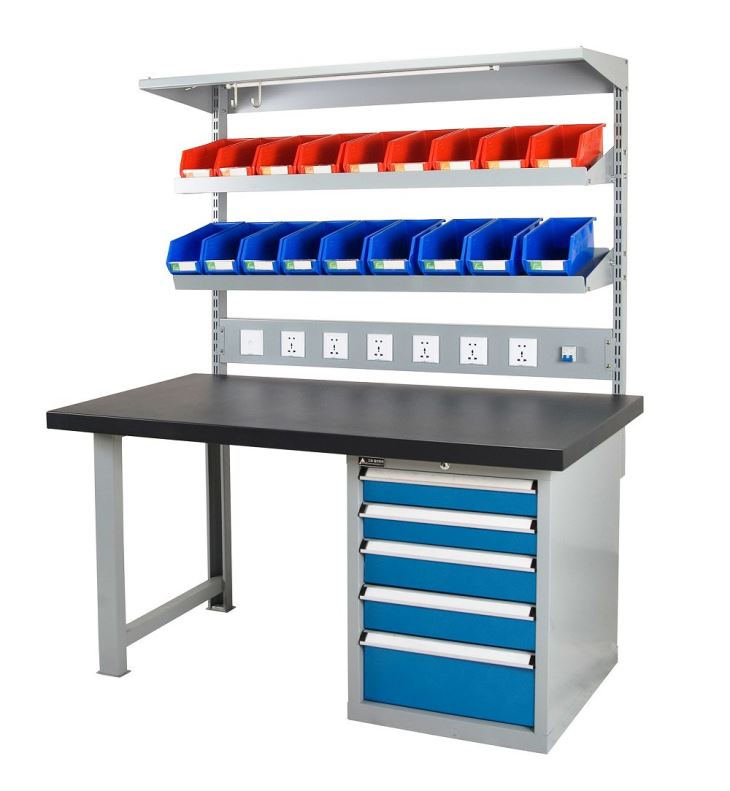
The workbench is mainly based on small parts assembly, equipped with a large capacity tool cabinet for the storage of some large products. Durable and long-lasting tools help you with home, garage and industrial projects. The high-grade quality and easily repair and fix issues are essential needs of the tool cabinets. There is no partition in the middle of the tool cabinet. There are four socket boards on the top and three rows of parts box placement boards. The workbench is formed with a high-quality steel plate through a special mold and rolling process. It is finished with electrophoretic dip painting and environmentally-friendly powder coating. It provides optimum order and organization with special partition material for every purpose and perforated, slotted drawers. The work surface can handle the heavy load of tool storage and is non-toxic and smooth. The drawer with a handle and slide rail can be divided into different parts inside for different storage needs, providing extra spacious storage.
Workshop Workbench With Large Capacity
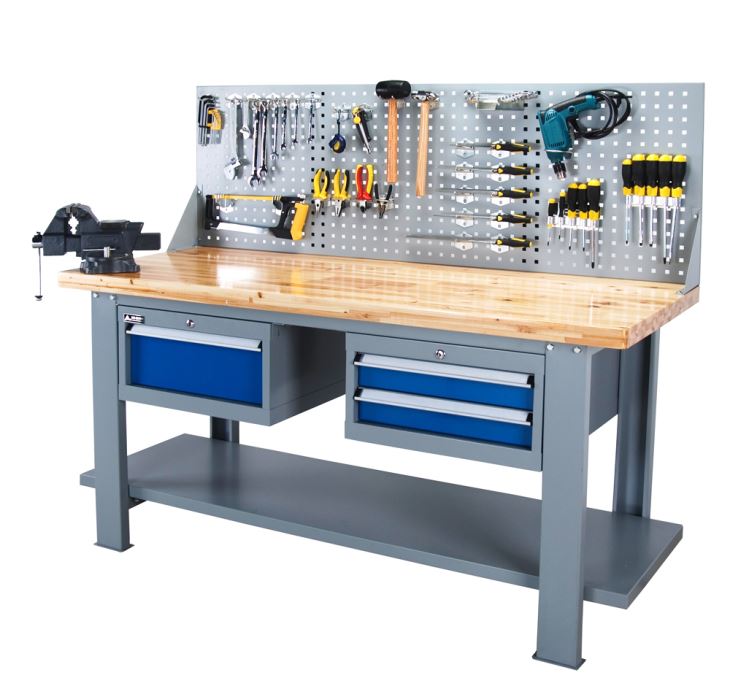
The workshop workbench is a sturdy model that can withstand the heavy wear and tear of heavy industry. The workbench has a large storage capacity. The upper layer is optional according to the different requirements of the customers. The plastic part box on the top can be used to put some small parts for easy access. The environmentally friendly powder coating provides an impact and abrasion resistant surface. The drawers provide enough space for storing tools and a sturdy peg board for organizing small tools. The workbench has a solid beech wood work top for maximum durability and a powder-coated metal frame that is corrosion-resistant. The working table is an excellent choice for workshop, automotive, other repair shops, maintenance units, and challenging environments in which chemicals or heavy loads are handled on a daily basis.
Steel Workbench With Parts Box
The steel workbench provides a robust and well-protected storage option for equipment and many other items. High-quality specifications and a variety of individual configuration options make these robust all-rounders ideal for a wide variety of requirements and environments. Its special design guarantees optimum space utilization. It has a heavy duty steel frame. It is protected with access control and finished in almost any color. The plastic part boxes can be used for the storage of small tools. The steel work table is an enhanced version of the multi-function workbench with drawers and tool cabinet. The tool cabinet adopts a central locking system, which can store a wide variety of items. Various types of tool cabinets are available for the workbench. All types of work tables can be designed in a modular design that is easy to assemble and maintain.
Industrial Workbench For Fitter
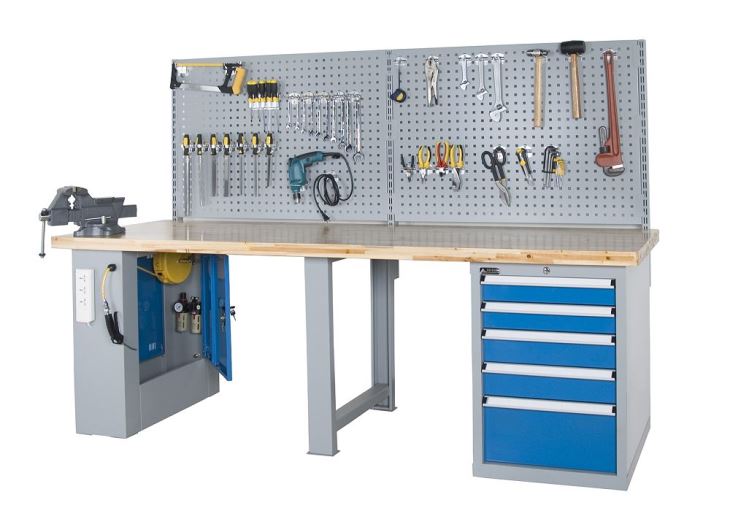
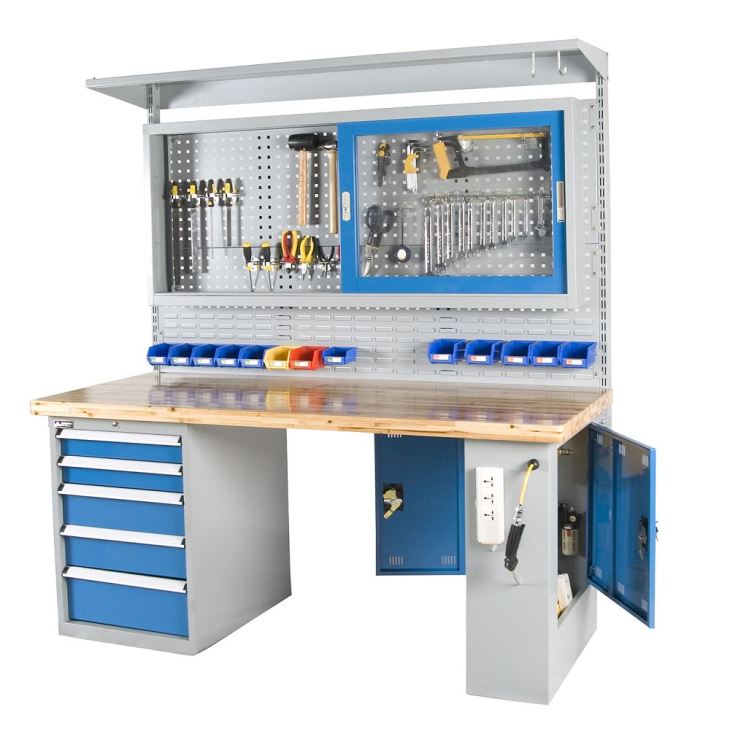
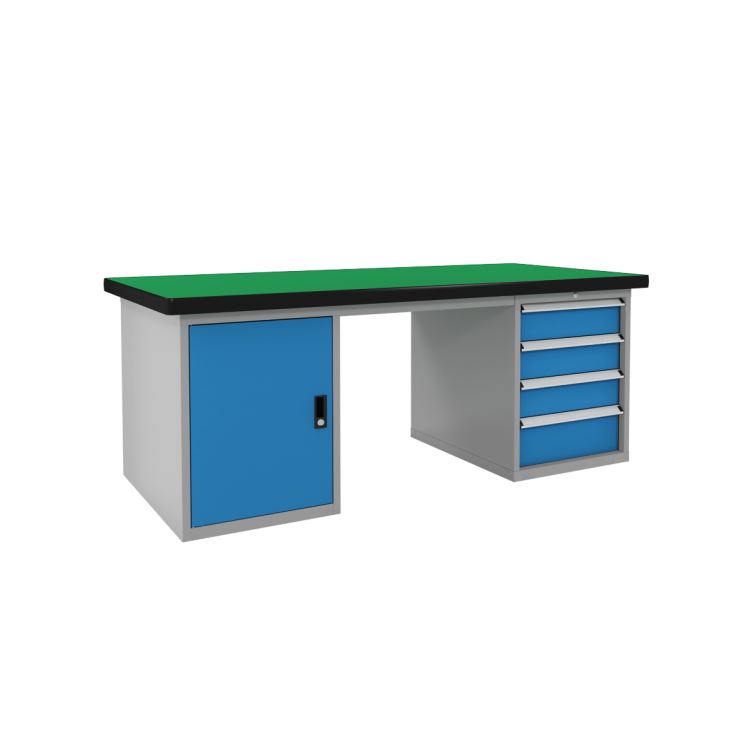
The industrial workbench is mainly for storing some heavy duty tools with an air gun and air gun box in the lower-left corner. The desktop can be selected according to the needs of different customers and customers can choose from chemistry benner desktop,anti-static countertop, electric glue veneer top, stainless steel veneer top, etc. The lower right foot is equipped with tool cabinets to increase storage capacity. There are two kinds of tool hanging boards for selecting between louver hanging board and square hole hanging board. Storage containers and keyhole hooks not only keep the workbench tidy but also ensure that tools and accessories are neatly stored. The drawers and cabinet are lockable for high security. The buyer can customize the workbench for efficient assembly and repairs.
Antistatic Metal Workbench With Drawers
The metal workbench with drawers can provide workers enough space for storing tools and keep the workshop organized. The drawers adopt special guide rails to take up the weight. The horizontal and vertical partitions in the drawer can be freely adjusted and can be separated to store different sizes of items. It can also be separated by a unitized parts box. The drawer is equipped with a limit device that can be pulled out completely without falling off, which is quick and easy to use. The steel frame is strong and stable. The anti-static workbench top can withstand dirt, liquids and mechanical load through closed housing with impact and abrasion-resistant surface. When purchasing a best-value metal workbench, durability and reliability are always considered.
Cheap Workbench With Drawer
Equipped with drawers, the workbench can store a variety of tools such as a hammer, spanner, compact drill and much more, improving storage systems with more storage options. The sliding top increases more interior room without using too much valuable space. With an ergonomic structure, the top drawer slides in to create room for you to use the top as a work surface. It is widely used to do some heavy duty work with a strong frame made of high-quality thick steel pipe, which greatly increases the load-bearing capacity of the workbench. Durable polypropylene ensures a longer lifespan. Its characteristics are simple and convenient to operate. The adjustable leg pads are added to the legs, which make it convenient to adjust the height of the workbench. The workbench surface is easy to clean with a damp cloth.
Tech Workbench With Two Drawers
The tech workbench is an ordinary fitter workbench, in which the weight selection can be changed by changing the legs of the table. The workbench has two drawers with light weight and the drawers can be moved and handled. The workbench is built with high-strength cold-rolled steel that is powder coated for a perfect finish, high resistance on scratch & friction, simple stylish appearance, creating a trend of simply nature. The combined design provides easy to assemble and disassemble. The workbench has an impact-resistant table top, made of stainless steel. It is suitable for garage, workshop, electronic processing industry, manufacturing plant, parts processing industry, etc.
Heavy Duty Work Table With Light
The heavy duty work table is a Multi-function workbench. The right tool cabinet can store all kinds of tools. The work table has a special hanging plate for conveniently hanging the small tool. The keyhole hooks are made from steel with storage containers from durable polyethylene. It has a heavy duty steel frame and the powder-coated finish defends the table from corrosion. The desktop of the work table is made of stainless steel for maximum durability, designed to work with most vices, clamps, table saws, and other work table essentials. An overhead cantilevered shelf provides more storage space for supplies while you work. Stay productive into the night on color-sensitive projects with the LED overhead light. A non-slip mat prevents your gear from moving around when the drawer opens and closes. The metal work table is suitable for the workshop of heavy duty industry, assembly line and laboratory.
Tool Work Table With Parts Box
The multi-function processing tool work table has a light and a parts box shelf. There’re a layer box hanging board and a tool hanging board. The tool cabinet adopts a central control system and an interlocking device. It has a user-friendly design including modular design, interchangeable, standardized design with ergonomic principles, which makes working become much more comfortable and improve production efficiency. Since drawers can be fully extended and the drawer shell heights are optimized.Safety catch to prevent the drawers from falling out and anti-tilt mechanism to prevent the opening of more than one drawer at a time.
Best Workbench With Hanging Board
The best workbench is the one that is sturdy with enough space to store everything you need to put away and offer a durable work performance. The workbench is strong enough for anything you can dish out. The workbench with a hanging board has a robust design and high-grade materials, which make the workbench especially durable and able to withstand even severe conditions. The sturdy steel frame has a powder-coated finish that protects against weather, rust, and corrosion. The workbench top can be customized, the clients can choose from veneer desktop, wooden veneer desktop, anti-static top, fire-proof board surface and stainless steel countertop. It is can be adjusted to mount at a fixed height and the interior and exterior pegboards to add hooks for tool storage.
The workbenches provided by Sanji-first is the perfect work and storage solution for workshop and home working, making work become simple and more efficient.
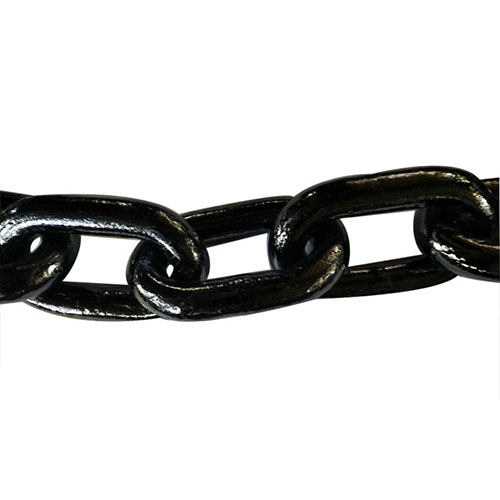
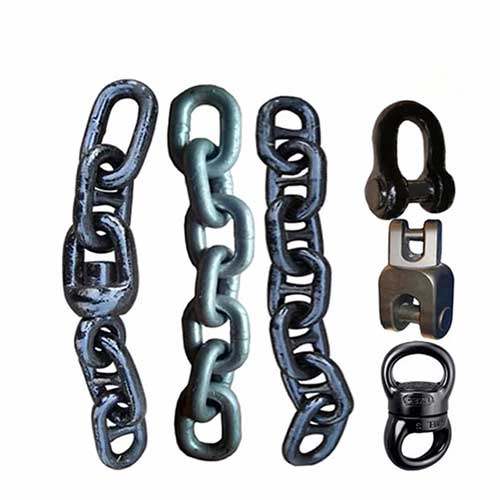
The marine anchor chains are made of metal, chain diameter start from 12.5MM to 162mm. Grade 2 and grade 3 chains are available.It is used for mooring requirements and is applicable to commercial shipping.The marine anchor chains are for sale at YSmarines with the best prices.
Studless Chain
Stud link anchor chain is made of metal and the chain diameter starts from 12.5MM to 162mm. The chain is produced to ISO 1704 standards and is used for anchor and mooring chains. It has a stud Link chain design and is an exceptional marine chain. There are 2 grades available including grade 2 and grade 3. The difference between grade 2 and grade 3 is the additional heat treatment process after manufacturing. The finishing could be hot-dip galvanized or black painting according to customer’s requirements. YSmarines supply stud link anchor chain for sale with excellent quality and could also provide stainless steel chains for choice.
Marine Anchor Chains Fittings
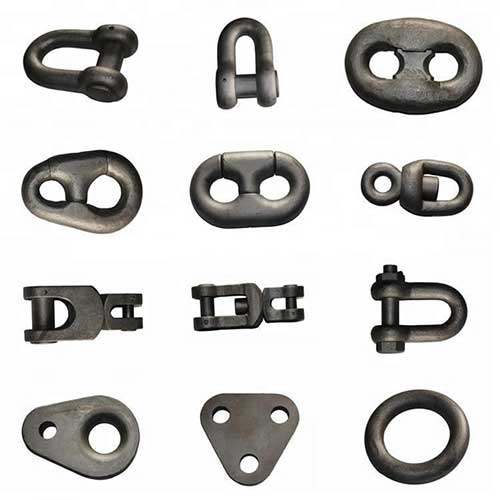
The marine chains fittings have following items normally: Kenter Shacke(Kener jpining shacklw is used to join two chains cable), Anchor End Shackle(Anchor D type end shackle us used to connect anchor with swivel forerunner),Swivel Forerunner(A must 5-link-adator for various connection purposes), Enlarged End Link( connection for swivel firerunner), End Link( connecting with enlarged end link at one side of chain links) and Pear Shackle.
Studless Chain
Studless chain is made of stainless steel and the chain diameter starts from 12.5MM to 162mm.It is ideal for demanding offshore mooring operations due to their extremely high quality. It is manufactured according to ISO 1704 standard.The anchor chain benefits from the same static strength and fatigue life characteristics as studded links. It is finishined by hot dip galvanized or black painting.
All the chains provided by YSmarines are tested by UT & MT detection and proof & loading test have been passed. Their surface could be blacking painting or hot-dip galvanized. All the chains could be approved by marine classification society such as ABS, DNV, RINA, LR, BV, CCS, BKI, etc.
Indefinite chilled cast iron roll is a roll between chilled cast iron and gray cast iron with a carbon content of 2.5-3.5% and a silicon content of 0.7-1.6%. The structure of the roll body changes uniformly from the outside to the inside. The cold hard structure gradually transitions to the gray structure without significant change on the cold hard layer. The matrix structure of the working layer has uniformly distributed graphite. The content increases from the surface of the roll body to the depth with the decreased hardness. Therefore, there is no obvious boundary between the working layer of the roll body and the core. High NiCr indefinite chilled cast iron roll refers to the roll which contains alloy elements of high chromium, nickel, and molybdenum. The roll is manufactured by the centrifugal composite casting process. The existence of graphite in the base structure makes it has excellent thermal crack resistance and is widely used as finishing roll for wide, medium and thick plate rolling mill and strip rolling mill.
High NiCr Indefinite Chilled Composite Spin-Cast Roll
This type of indefinite chilled cast iron roll is made of high chromium, nickel and molybdenum alloy elements. It has a double chemical. Through alloying in ordinary high nickel-chromium molten steel, the strong carbide-forming elements like niobium, tungsten, and vanadium are added at a certain ratio, and the type of carbides is changed to form high-hardness and finely mixed carbides while changing the density of precipitated particles. The outside has high tensile strength and the inside is a lower one. The hardness drop is lower, so it has high wear resistance. It is usually used for the finishing mill to roll the final material, the angles, bars, flats and so on. TINVO is a professional manufacturer for the chilled cast iron roll with quality standards of ISO, GB, ASTM, DIN, JIS.
Application
bar & wire rod mill, hot strip mill, cold strip mill, PC mill, section mill, plate rolling mill and nonferrous mill etc.
Alloy Indefinite Chilled Cast Iron Roll
Indefinite chilled cast iron rolls also called ICCI Rolls are in the composition of alloys with cast iron. It is a roll between chilled cast iron roll and grey cast iron with a carbon content of 2.5-3.5% and a silicon content of 0.7-1.6%. The structure of the roller body changes uniformly in the outward direction and the chilled structure gradually transitions to the gray mouth structure, but the chill layer does not change significantly. The main application of the cast iron rolls are is work roll of bar & wire rod mill, hot strip mill, cold strip mill, PC mill, section mill, plate rolling mill, non-ferrous mill, etc. TINVO indefinite chilled cast iron rolls have standards of ISO, GB, ASTM, DIN, JIS.
The alloy indefinite chilled cast iron roll is a kind of material between cold hardened cast iron and gray cast iron. The working layer of an indefinite chilled cast iron roll body has an even distribution of graphite in the matrix structure. The graphite content increases from the surface of the roll body to the core, the hardness decreases as the depth increases, there is no obvious boundary between the working layer of the roll and the core. Infinite chilled cast iron rolls contain high chromium, nickel and molybdenum alloy elements when they contain high chromium, nickel and molybdenum alloy elements. They are produced by full flushing (overflow method) or centrifugal composite casting process. There are more carbides in the matrix structure of the working layer of the high nickel-chromium infinite chilled cast iron roll body, thus, it has higher wear resistance, and the existence of graphite in the matrix structure makes it have good thermal crack resistance.
As the one of the largest workbenches manufacturers in china , Sanji is committed to fully understanding and meeting our customers’ requirements. It has entered into long-term cooperation with some of the world’s top 500 enterprises. So far our products have been sold the US, UK, Holland, Chile, Italy, Kuwait, Leban-on, Germany, Sweden, Singapore, India and Argentina.
Workbench With Pegboard And Light The workbench with pegboard and light is formed with a high-quality steel plate through a special mold and rolling process. According to the bearing requirements, you can choose different shapes of table legs. The workbench countertop is made from special material of polymer fiberboard, equipped with lighting. The powder-coated finish defends the workbench from corrosion with a high standard steel frame. It is completed with storage drawers, fluorescent light with a power strip, cantilever shelves, pegboard, etc. The pegboard can hang larger items, as well as two lined drawers for storing smaller tools. A small cantilever shelf at the top of the pegboard is perfect for storing miscellaneous work supplies. The drawers pull out on easy-glide ball bearing glides. Customers can adjust the workbench with the adjustable leveling feet. Sanji is a global leader in storage solutions with years of experience to bring innovative workbench with superior design and quality.
Multi Tool Workbench For Fitter The multi-tool workbench provides an ideal solution for the operation in workshops and production areas with robust design and high-grade materials. It is applicable to all kinds of inspection work the reference plane for precision measurement, used for machine tool mechanical measurement standard. The accurate dimension makes precise scribing. The workbench is one of the common equipment for fitters which are essential tools in machine building. It is a configured tool cabinet with a hanging board and square hole hanging plate. It has a central locking system with an interlocking device. It can be equipped with rubber castors for mobile use in a variety of workplaces. It has variable substructures with smooth-running drawers with up to 70 kg supported load for a wide range of partition materials. The workbench has a modern style and can easily be fitted into any place with modern decor. Simple assembly is needed to put this workbench together. In addition, this workbench top is easy to clean. When it’s dirty, you just wipe it down with a damp cloth.
Tool Workbench With Parts Box The tool workbench is a multi-function workbench. The right mobile tool cabinet which is fitted with two fixed castors and two swivel castors can store all kinds of tools with the lockable features. With 2 electric plug-in boards, it can be used with other electrical appliances. Various tools can be hung on the tool hanging plate with plastic parts boxes. It is easy to access and simple. The no-cross bar differential pull-outs ensure perfect quietness and allow a full extension. It is provided in the two colors light blue and light gray. The environmentally friendly powder coating provides an impact and abrasion resistant surface, which makes it much safer to utilize for work. There are four plastic adjustable feet used to increase the stability of the workbench. It has a comfortable height for work while seating or standing, offering perfect workspace for tool operations. The tool workbench provides an ideal solution for storing tools and getting work done in the workshop.
Industrial Work Table The industrial work table manufactured by Sanji provides versatile, modern storage and operation for production, workshop and hobby use. Sanji supplies the work tables for sale online with the most affordable price and strict quality control measures, high-grade materials ensuring withstanding even severe conditions. Various substructures guarantee that there is plenty of storage space. They are designed to store heavy and large tools. The work tables have heavy-duty solid steel frames and durable metal construction. The height-adjustable work table leg provides optimum working heights and legroom. It is easily adaptable to new working environments through flexible integration and reconfiguration of the modular system. The work tables have a key lock locking system for the simultaneous protection of all drawers and doors against unauthorized access. The work table is easily assembled with simple instructions.
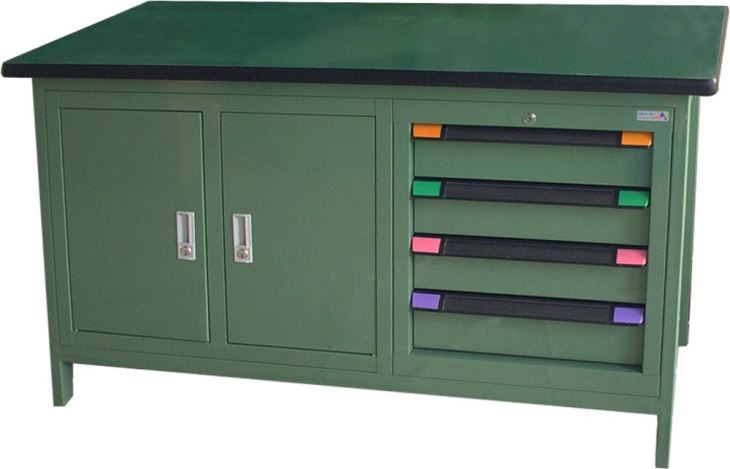
Large Work Table With Tool Cabinet This product is a large work table with a single-opening tool cabinet for the storage of large objects. With the wide range of components, substructures, materials and surfaces, the work table can provide great design diversity. It has a solid steel frame and legs. The adjusted-height will offer an ideal height to fit your chair or project needs. The high standard workbench top allows you to use it comfortably both sitting and standing, covered with UV oily environmentally friendly paint and absolutely no formaldehyde and harmless to the human body. The table corners are rounded to prevent unnecessary bruises and scratches ensuring safety during use. The adjustable plastic non-slip table pads are easy to adjust the height on the uneven ground to prevent tilting. Sanji provides large work tables for sale with competitive prices and the manufacturing process uses advanced technology combined with strict quality control to ensure that every work table is ready for your workshop.
Ordinary Workbench With Storage The ordinary workbench with large capacity storage is applied for processing some products that are not too heavy. It is perfect for workers, mechanics, or anyone else in need of a reliable organization. It has a single-door cabinet with advanced electrostatic spray coating painted cabinet body surface, offering easy storage and organization solution for your tools and materials. For added security, the cabinet is fitted with a barrel key and lock system. It is built with industrial-strength steel and the frame is engineered for strength and durability, protected with a granite epoxy powder-coat unit coming with large rubber-padded leveling feet. The countertop of the work table is made of high standard material with enamel-coating for added utility and durability, providing you a reliable work surface for various needs. Make the most of the workspace and get efficient storage with Sanji workbench, best price guaranteed.
Industrial Ordinary Workbench The industrial workbench with drawers offers an all-in-one solution for optimism workstations and workflows, regardless of whether it’s an individual table, multiple workstations or a team environment. The simple and strong design makes this workbench perfect for business and professional shops such as automotive garages industrial workshops. The industrial workbench provides functional system solutions for optimum ergonomics and cost-effectiveness. It has a tool cabinet in the lower right corner for storing different types of objects. The workbench top is equipped with ribs, which increases the stability of the desktop and the function of bearing weight. It is featuring space-saving and well-organized storage, designed for the heavy-duty industry to accommodate power tools mounts and clamps safely. The workbench keeps the table stable when loaded with heavy items padded screw-in leveling feet.
Sanji has a good practical experience in technology with a long-term mechanical installation and maintenance engineering services team, after a comprehensive and systematic training, a professional level of technology, service efficiency and service attitude guaranteed.
Yacht anchor has various types of grapnel anchor, river anchor, folding anchor, mushroom mooring anchor, four-fluke and three-fluke anchor with material of stainless steel 316L or H.D.G. fishing. The yacht anchors are for sale at YSmarines with the best quality, the most competitive price and fast delivery. The design team can provide CAD drawings of your anchor. All the yacht anchors can be certified to all major classification societies including GL, ABS, DNV and RINA. The Anchors are available in galvanized execution and made from grade A steel.
Mushroom Mooring Anchor
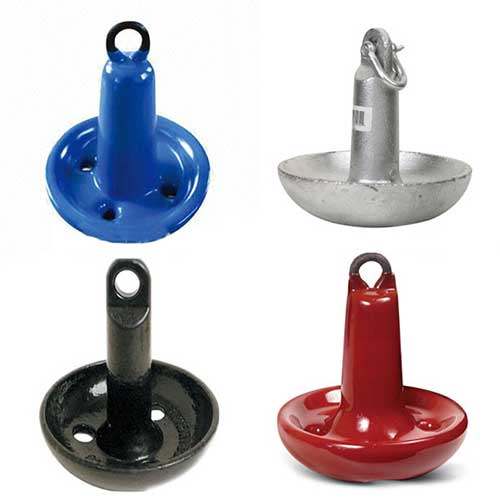
Mushroom mooring anchor is mainly used for buoying, light boat, beacon vessel, wood bridge. The anchor provides an extremely secure mooring. It is also perfect as a drag anchor for fishing or for holding small buoys and markers. This style of boat anchor is made of steel AZG200-400C. The surface of the anchor could be or hot dip galvanized or painted an as white, red, yellow and deep blue. It has the advantage of being counterweighting, a more aggressive biting edge, and a larger bell diameter that greatly improves holding power. The weight will be 2KG to 100KG. More weights and dimensions could be customized on request at YSmarines which is a professional supplier for marine products in China.
Folding Anchor
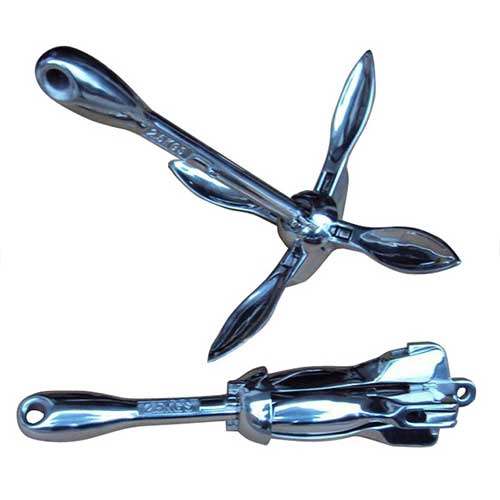
The folding anchor has four flukes and the fakes could be folded. It could be used on a beach, lake, inland river and shallow sea. The material of the anchor will be stainless SS316, stainless steel SS304 or steel Q235. The weight will be 2KG to 50KG. The anchor is easy to fold and unfold using a locking system and it locks shut for easy anchor storage or locks open when the anchor has been weighed overboard.
Bruce Claw Anchor
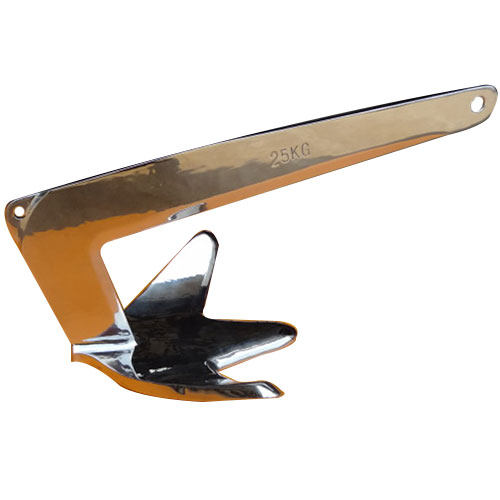
Bruce claw anchor is mainly used for a yacht or small boat. The material of the anchor will be SS316 or steel Q235 as required. The weight will be 2KG to 50KG with the surface of mirror polishing or hot galvanized. Due to its simple construction, the claw anchor is relatively inexpensive when compared to other styles of anchors. Being the shape of an open claw, the design intent was to allow the anchor to tip in any direction when it reaches the bottom and still be able to set properly. The anchor sizing assumes average boat characteristics in average anchoring conditions.
YSmarines can supply unique style yacht anchor which has been heavily hot-dipped galvanized. More weights and dimensions could be customized on request.
The production of 16 high speed steel rolls ordered by Philippine customers have been completed by Harbin TINVO and will be delivered soon. This is the first shipment of TINVO since the COVID19 outbreak in China. The TINVO factory will also complete other orders in succession, which includes products like electric furnace accessories, cast iron rolls, and roller rings, etc.
54
In order to ensure that all orders can be delivered as soon as possible, avoiding losses caused to overseas customers due to the COVID19 epidemic, when the epidemic in China has not ended, TINVO has actively resumed production in accordance with the national policy, quality and quantity guaranteed by the factory with the service tenet of customer satisfaction.
Specification of High Speed Steel Roll (HSS roll)
The dimension: This batch of HSS rolls is 330x700mm,
Hardness:85
Feature Of High Speed steel roll (HSS roll)
1. High-speed steel roll materials contain high alloy elements such as vanadium, tungsten, chromium, molybdenum, and niobium. The types of carbides in the roll structure are mainly MC and M2C. Comparing with ductile iron rolls with high-nickel-chromium rolls, the steel passing volume is high each time, which saves time of roll changing, improves mill operating efficiency and reduces production costs.
2. High-speed steel rolls have good thermal stability. At the rolling temperature, the roll surface has higher hardness and good wear resistance.
High-speed steel rolls have good hardenability, and the hardness from the surface of the roll body to the inside of the working layer rarely decreases, thereby ensuring that the rolls have equally good wear resistance from the outside to the inside.
3. During the use of high-speed steel rolls, under good cooling conditions, a thin and dense oxide film is formed on the surface of the roll body. This uniform, thin and dense oxide film can exist for a long time without falling off, making the high-speed steel rolls wear-resistant significantly improved.
4. High-speed steel rolls have a large material expansion efficient and good thermal conductivity. The HSS rolls continue to shrink due to the expansion of the high-speed steel materials themselves. During the rolling process, the change of the rolling groove is small, and the consistency of the hole size is maintained for a long time, especially when rolling the bar or rebar, which is more conducive to controlling the negative tolerance of the rolling material.
5. The core of the centrifugally cast high-speed steel roll is made of alloy ductile iron, thus, the roll neck strength is strong.
Application Of High Speed steel roll (HSS roll)
The bar rolling mill, splitter mill rack, high-speed wire rod finishing mill, hot-rolled narrow strip finishing mill, section and groove steel rolling mill
To learn more professional knowledge and latest news, please click the page of TINVO news.
Sanji is the leading tool cabinets manufacturer in China, has 30 year’s manufacturing experience in the same industry. It has a professional after-sale service team that gives quick response to solve your problem at the very First time. Works out repair plan within 12hours and sends technical and repair personnel with-in 24 hours.
Material Sorting Cabinet With Large Capacity
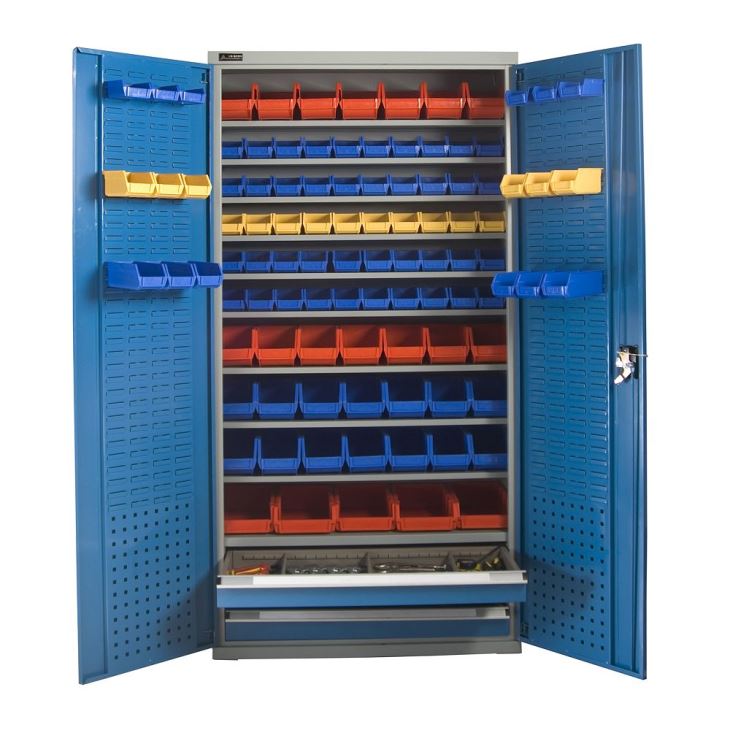
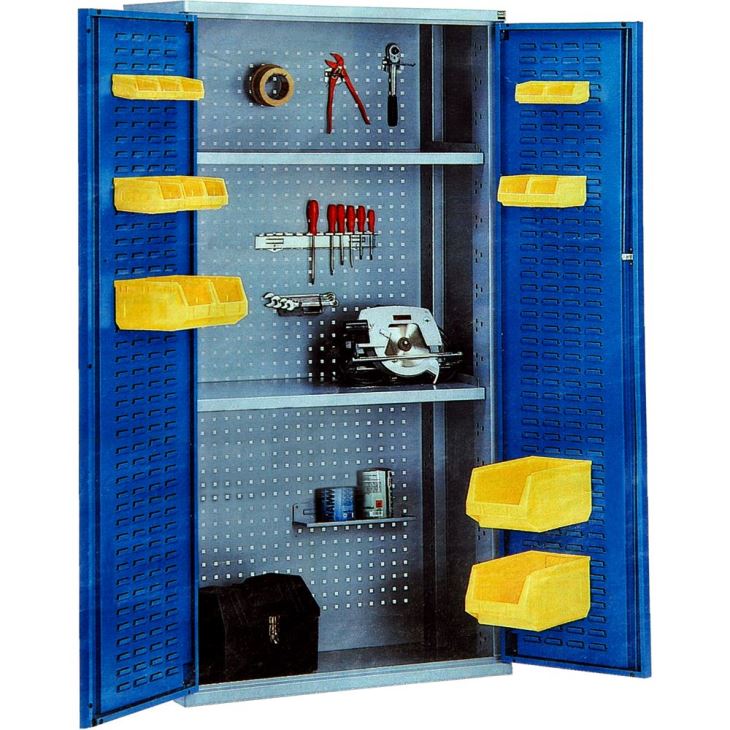
This material sorting cabinet is a closed metal storage device for placing items, which is suitable for warehouses, workshops and production offices, and stores related items such as measuring tools, spare parts, instruments and drawings. Cooperating with parts boxes, hanging boards, drawers and other accessories can further increase the storage function of the cabinet, and can achieve unified management of factory production equipment, tools, spare parts and other items. Multiple storage cabinets can form a partial partition of the workshop to achieve the purpose of efficient use of space that can separate the space and store items. It is designed for factory storage, with a beautiful appearance and reliable structure. Column adopts modular design. The board is configured according to a certain modulus and can store items of different sizes. The structural design of the connection angle between the shelf and the column ensures the connection reliability, so that the entire cabinet has strong rigidity and abrasion resistance.
Material Sorting Chest Without Drawer
This material sorting chest has double doors with a central control lock. Drawers can be configured in the chest. The cabinet has a square-hole hanging plate and adjustable shelves. The shelves can be adjusted in height and can be removed for convenient placement of items of different heights. The whole cabinet is made of 1.2mm thick cold-rolled steel plate, after being washed with phosphating, it is added with environmental protection powder electrostatic spray paint. Each cabinet is designed and manufactured according to the place of use, users and supporting facilities, and meets the requirements of the production site. It is applicable to the positioning management of tools, tools and parts in the production site. Make your item access work truly punctual, accurate, high efficient and low consumption.
Metal Tool Cabinet
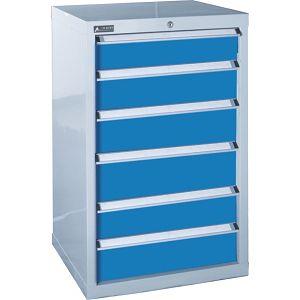
This metal tool cabinet is designed to handle heavy usage with its all-welded steel construction. The outside is coated with a textured powder paint finish with rust-resistant properties. The tool cabinet is made of first-grade cold-rolled steel plate, which is sturdy and durable. It has multiple drawers and extra-large storage space, which makes work more comfortable. It is designed to be both stylish and ergonomic, the metal tool cabinet features extra-large drawer pulls for easy, effortless access to all your tools, and a steel worktop to meet the requirements of every user and workshop. This cabinet is a top of the range multiple drawers tool cabinet, manufactured to offer excellent tool storage and fantastic value for money.
Tool Cabinet With Multiple Drawers
This multi drawers tool cabinet provides a robust and well protected storage option for equipment and many other items. High-quality specifications and a variety of individual configuration options make these robust all-rounders ideal for a wide variety of requirements and environments. Its Special design guarantees optimum space utilisation. In addition, housing and drawers can be variably partitioned, intelligently labeled, protected with access control and finished in almost any color. The ball-bearing drawer slides provide smooth operation while a secure-latch retention system ensures that they close completely and securely to keep your tools safe. The multi drawers tool cabinet is taller than most comparable tool cabinets, maximizing your storage without occupying too much floor space. Nowhere else will you find this degree of flexibility.
Heavy Duty Tool Cabinet With Multi-function
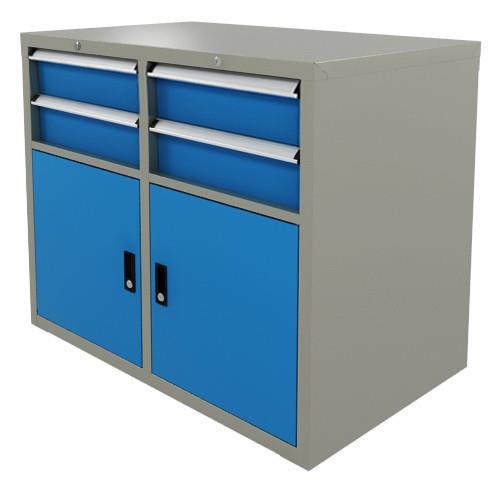
This heavy duty tool cabinet is made of high-quality cold rolled steel. Being durable and sturdy. The blue powder coating finish can prevent from superior scratch and chemical resistance. The top two drawers can be used for the storage of some small tools and the bottom big cabinet can be used to hold large tools. Ball bearing slides are for all the drawers, contributing to smooth and comfortable pulling-out. The tool cabinet has internal locking mechanism to keep the doors locked. And safety catch to prevent the drawers from falling out and anti-tilt mechanism to prevent the opening of more than one drawer at a time. Combine this heavy duty tool cabinet with the matching workbenches, and you’ll have the ultimate tool organizer.
Sanji Technology is a smart equipment manufacturer with complete equipment. SJFRST quality is ”Made in China”. And sell the products around the world. Company business has covered 30 cities and-more than 20 countries and areas. The products widely used in aerospace, military industry, electronic, electric appliance, communication, meter, machine, Tobacco, school, medicine, chemistry, chemical, food, textile, ship, logistics -storage, etc industry.
High holding power anchor has two types. One is stock HHP anchor, like danforth anchor and another one is stockless HHP anchor such as AC-14 anchor. It is widely used for dredging, offshore mooring, fish farm, and yachting operation. Standard or fully balanced type for your ship design. With SS316L material option or with H.D.G. finishing for your multi-purposes. All high holding power anchors provided by YSmarines which is one of the leading suppliers in china for high-quality marine equipment have been approved by ABS, LR, DNV, GL, BV, RINA, BKI, CCS, etc.
Delta Flipper High Holding Power(HHP) Anchor
Delta flipper anchor is a superior high holding power anchor with its easy handling and rapid penetration in different soil conditions and is well known worldwide. The HHP anchor has an open construction for smooth penetration in different kinds of soil and no rotation, which means no decrease of holding capacity and no dragging of the anchor. It is manufactured from high tensile steel. It normally used in the offshore project with high holding power.
High Holding Power (HHP) Danforth Anchor
Danforth anchor is the high holding power anchor associated with Danforth Standard. It is a well-known HHP anchor in the offshore, dredging and shipping sectors. The shank is made of high strength steel and the flukes are strong and wide. Sometimes, it will be required hot-dipped galvanized coating for long protection. The lightweight and compact flat design make it easy to retrieve and relatively easy to store. The anchor can be disassembled for storage and it features an adjustable 32° and 45° shank/fluke angle to improve holding capability in common sea bottoms such as hard sand and soft mud.
AC-14 High Holding Power(HHP) Anchor
AC-14 anchor is a stockless HHP anchor with wide anchor crown, thick and long flukes, and longitudinal ribs. It is available in a self-colored finish or in a galvanized finish. Its design provides excellent weight to performance ratios. The lighter weight which is 25% weight reduction compared to conventional anchors and high holding power makes it good stability and then it is commonly used as the main anchor on large container ships, the car carries and supertankers. It has an excellent performance in a variety of soils.
High Holding Power (HHP) Pool Anchor N Type
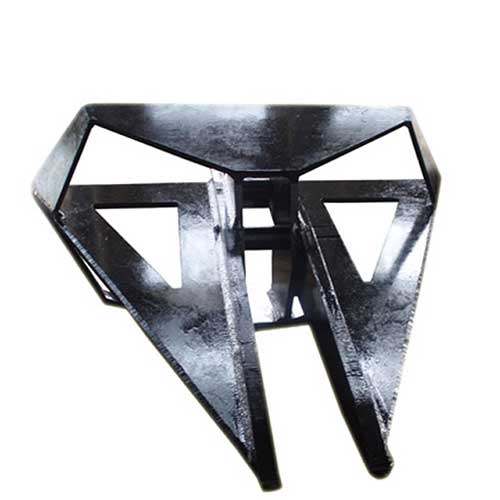
Pool anchor is one type of stockless high holding power anchor. It is used as a bow anchor when sailing. Its weight can be lighter by 25% than standard weight.N-type HHP pool anchor is designed to fit into small anchor pockets on modern ships and the hollow flukes are welded from two plates to create strong anchoring performance under various circumstances. This construction gives the anchor a large resistance against bending forces. The applications of the pool anchor are large yachts, cruise vessels and container vessel ships.
High Holding Power (HHP) Pool Anchor TW Type
Pool anchor TW is one type of stockless high holding power anchor. The TW type pool HHP anchor has more than 2 times holding power than the conventional anchor of the same weight. The anchor has large flat flukes made out of high tensile steel plate material. The thickness varies from 15 mm up to 140 mm depending on the anchor size. It allows a weight reduction of 25% compared to a conventional anchor for the same equipment number It has a fully balanced type and unbalanced type. The fully balanced type always has its flukes in a vertical position while lifting the anchor. The unbalanced type will tip over to one side.