As sustainability continues to influence consumer choices, eco-friendly toilet paper has gained considerable traction. Among the top contenders are bamboo toilet paper and recycled paper alternatives—both offering an environmentally conscious break from conventional toilet tissue made from virgin wood pulp. But which one comes out ahead in terms of sustainability, performance, and overall impact? Let’s break it down.
1. Raw Material Source
Bamboo Toilet Paper:
Bamboo is one of the fastest-growing plants on Earth, reaching maturity in just 3–5 years without the need for replanting, pesticides, or fertilizers. It absorbs more CO₂ and produces more oxygen than traditional trees, making it a highly renewable resource.
Recycled Toilet Paper:
Made from post-consumer waste such as office paper and newspaper, recycled toilet paper repurposes materials that would otherwise end up in landfills. It helps reduce deforestation and lowers the carbon footprint associated with logging and pulping virgin trees.
Verdict: Both options reduce reliance on virgin wood, but bamboo has a regenerative edge due to its rapid growth and low input needs.
It generally has a lower overall carbon footprint because it’s often sourced and manufactured locally. However, the recycling process can involve de-inking and bleaching, which may use environmentally harsh chemicals if not managed properly.
Verdict: Recycled toilet paper often wins in terms of carbon footprint, especially when sourced domestically, but bamboo’s processing is catching up with cleaner, greener methods.
3. Softness and Strength
Bamboo Toilet Paper:
Known for its silky texture and natural strength, bamboo toilet paper often feels softer and more durable than its recycled counterparts. It is less likely to tear and is preferred by those who value comfort.
Recycled Toilet Paper:
While early recycled paper was rough and thin, modern brands have improved softness significantly. However, it may still lag slightly behind bamboo in texture and strength.
Verdict: Bamboo toilet paper typically outperforms in comfort and durability.
4. Biodegradability and Septic Safety
Both bamboo and recycled toilet paper are biodegradable and septic-safe, making them ideal for homes with delicate plumbing or septic systems. They break down quickly and do not contain harsh chemicals that harm sewage ecosystems.
Verdict: It’s a tie—both are excellent for sensitive plumbing systems.
5. Cost and Availability
Bamboo Toilet Paper:
The production of bamboo tissue paper is often more expensive due to import costs, lower availability, and premium branding. However, the price is slowly becoming more competitive as demand grows.
Recycled Toilet Paper:
Usually more affordable and widely available in bulk, especially in large chain stores and online platforms.
Verdict: Recycled toilet paper is more budget-friendly and accessible.
Summary: Which Should You Choose
The choice between bamboo and recycled toilet paper depends on what matters most to you:
Choose bamboo toilet paper if you prioritize luxury, strength, and fast-growing renewable materials.
Opt for recycled paper alternatives if you value affordability, local sourcing, and minimizing landfill waste.
Sport motorcycles capture the hearts of riders who crave speed, sharp handling, and track-worthy performance. From high-revving supersports to agile middleweights, the sportbike category is home to some of the most advanced and exhilarating machines on two wheels. Whether you’re drawn to Japanese precision, Italian flair, or emerging global players, the competition is fierce—and the options are thrilling. Here’s a look at ten of the top sport motorcycle brands leading the way.
Yamaha
Yamaha has long been a dominant force in the sportbike world, largely thanks to its legendary YZF-R lineup. The YZF-R1 and YZF-R6 models are celebrated for their razor-sharp handling, high-revving engines, and race-inspired technology. Yamaha’s extensive involvement in MotoGP has filtered down into its consumer bikes, making them favorites among both amateur racers and weekend thrill-seekers.
Honda
Honda’s CBR series stands out for its ability to blend everyday usability with race-track capability. The CBR1000RR-R Fireblade is a showcase of Honda’s high-tech engineering and racing know-how, while models like the CBR500R and CBR650R offer a more accessible gateway into the world of sport riding. Honda’s reputation for reliability only adds to its appeal.
Kawasaki
Few names are as iconic in the sportbike scene as Kawasaki’s Ninja. From the approachable Ninja 400 to the fierce ZX-10R and the mind-bending, supercharged Ninja H2R, Kawasaki has something for every level of rider. These bikes are known for their aggressive styling and blistering performance, backed by consistent innovation and track success.
Suzuki
Suzuki’s GSX-R series has carved out a strong legacy, particularly in the world of sport racing. Whether it’s the GSX-R600, GSX-R750, or GSX-R1000, Suzuki bikes are known for being lightweight, well-balanced, and immensely fun to ride. The brand emphasizes rider connection and simplicity without compromising performance.
Ducati
Ducati’s Panigale lineup is a celebration of design and performance. The Panigale V2 and V4 models feature powerful engines, elegant yet aggressive styling, and cutting-edge electronics. With its roots deeply planted in world superbike and MotoGP racing, Ducati brings an unmistakable Italian flair that makes its sportbikes as beautiful as they are fast.
BMW Motorrad
BMW brings precision and power to the sportbike world with machines like the S1000RR and M1000RR. These motorcycles are renowned for their intelligent electronics, refined chassis, and ferocious engines. BMW’s blend of performance and technology has earned it a solid reputation among serious sportbike enthusiasts.
Aprilia
Aprilia delivers a pure racing experience with its RSV4 and RS 660 models. These bikes are packed with performance-driven features such as advanced rider aids, lightweight frames, and motorsport-derived engines. Aprilia’s commitment to racing continues to shape its production bikes, offering top-tier performance in a stylish package.
KTM
With its “Ready to Race” mantra, KTM brings an aggressive energy to the sportbike market. The RC 390 and track-focused RC 8C are known for their minimal weight, responsive handling, and no-nonsense performance. KTM sportbikes are ideal for riders who want a visceral, mechanical connection with their machine.
Triumph
Triumph may be better known for its classic bikes, but the Daytona series showcases its sportbike capabilities. The Daytona 660 and the limited-edition Daytona Moto2 765 blend mid-range torque with sleek British aesthetics and track-ready features. Triumph appeals to riders who appreciate a unique blend of style and performance.
VOGE
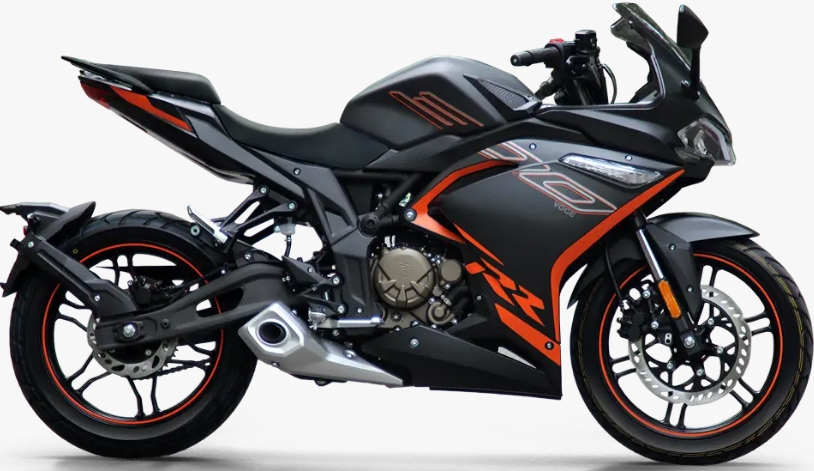
VOGE, a sub-brand of Loncin Motorcycles, is a rising force in the global sportbike scene. With models like the VOGE 500R and VOGE 300RR, the brand is making waves thanks to sharp design, solid build quality, and affordable pricing. VOGE bikes are often praised for offering premium features—like LED lighting and TFT displays—at a lower cost, making them an attractive option for newer riders and budget-conscious enthusiasts.
Summary
The sport motorcycle world is as diverse as it is exciting, offering machines tailored to beginners, weekend warriors, and professional racers alike. Legendary brands like Yamaha, Honda, and Ducati continue to define the standard, while newer players like VOGE are opening up thrilling possibilities for a wider range of riders. Whether you’re hitting the track or carving up a mountain road, these ten brands offer a taste of pure two-wheeled adrenaline.
As sustainability becomes a global priority, bamboo toilet paper has emerged as a popular alternative to traditional wood pulp-based tissue. Not only is it eco-friendly, but it’s also soft, durable, and biodegradable. But how exactly is bamboo transformed from a tall, sturdy grass into the soft toilet paper we use every day? Here’s a look at the fascinating production process behind bamboo toilet papers.
1. Sourcing the Bamboo
The process begins with the careful harvesting of bamboo, primarily from sustainable farms in Asia, particularly in China and Southeast Asia. Unlike hardwood trees, bamboo is a fast-growing grass that can regenerate after harvesting without the need for replanting. It matures in just 3–5 years, making it a renewable and environmentally friendly resource.
Importantly, bamboo tissue paper manufacturers typically use species not consumed by pandas, ensuring that their food supply remains undisturbed.
2. Chopping and Pulping
Once harvested, the bamboo stalks are chopped into small chips. These chips are then subjected to a chemical-free pulping process. Instead of using harsh chemicals like chlorine or bleach, many eco-conscious producers use hydrogen peroxide or oxygen-based bleaching agents, which are less harmful to the environment.
During pulping, the chips are cooked with water and natural enzymes in large digesters to break them down into a fibrous slurry. This pulp is the raw material used to make the paper.
3. Washing and Whitening
The bamboo pulp is washed thoroughly to remove any remaining lignin (a natural component of bamboo that makes it hard). This step ensures that the final paper is soft and gentle on the skin. If whitening is required, it is typically achieved using TCF (Totally Chlorine-Free) processes that maintain environmental integrity.
4. Sheet Formation
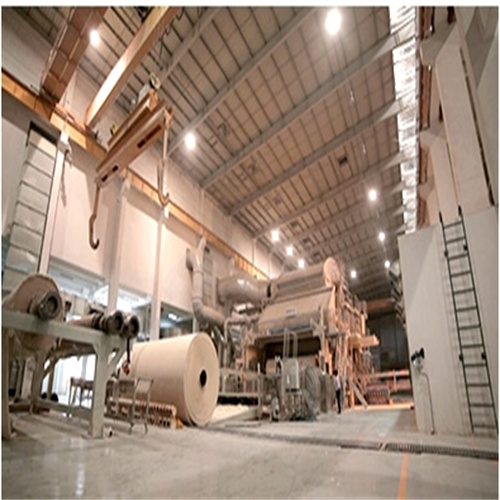
The clean bamboo pulp is diluted with water to form a slurry and then spread onto large mesh screens where water drains away, leaving a thin layer of fibers. This layer is pressed and dried to form continuous sheets of paper.
These sheets are then passed through heated rollers to smoothen and compress them into the desired texture and thickness.
5. Cutting and Rolling
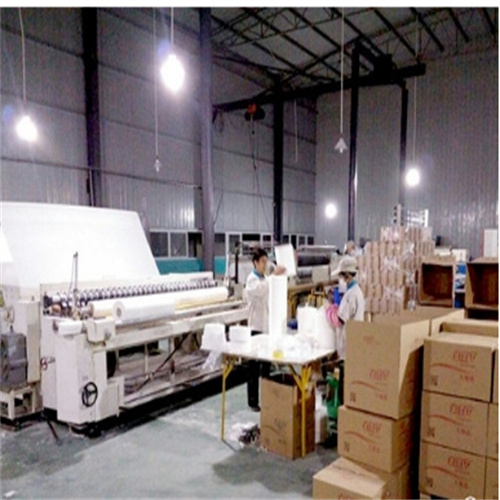
The long sheets of bamboo paper are wound into jumbo rolls. These jumbo rolls are then slit and cut into smaller rolls suitable for home or commercial use. Depending on the brand, they may be two-ply or three-ply for added softness and strength.
6. Packaging
Finally, the rolls are packaged—often in plastic-free, recyclable, or compostable materials. Brands focused on sustainability avoid plastic wrap and instead use paper packaging or reusable boxes.
7. Quality Control and Distribution
Before distribution, the final products go through quality control checks to ensure they meet softness, durability, and hygiene standards. Once approved, they’re ready to be shipped to consumers around the world.
Biodegradable: Breaks down easily without clogging plumbing systems.
Hypoallergenic: Naturally antimicrobial and gentle on sensitive skin.
Low Carbon Footprint: The manufacturing process often has a smaller environmental impact than traditional toilet paper.
Bamboo toilet paper is a testament to how innovation and sustainability can come together to create a product that’s both functional and planet-friendly. As more people seek greener alternatives, understanding how such products are made helps us make more informed and eco-conscious choices.
Toilet paper is one of the most commonly used household items, yet its impact on the environment is often overlooked. As consumers become more eco-conscious, alternative materials like bamboo have emerged as sustainable options to traditional wood pulp toilet paper. But how do they really compare? Let’s break down the differences, benefits, and potential drawbacks of bamboo vs. wood pulp toilet papers.
Often processed using less chlorine and chemicals.
Biodegradable and compostable.
Wood Pulp Toilet Paper:
Requires intensive industrial processing.
Bleaching and chemical treatment are more common.
Can contribute to environmental degradation if not sustainably sourced.
3. Softness and Strength
Bamboo Toilet Paper:
Naturally strong fibers result in durable toilet paper.
Modern production techniques allow for surprisingly soft textures.
May feel slightly firmer than high-end wood pulp paper.
Wood Pulp Toilet Paper:
Known for softness, especially with premium brands using virgin wood fibers.
Delivers a more luxurious feel in many cases.
4. Cost and Availability
Bamboo Toilet Paper:
Generally more expensive due to newer manufacturing processes and lower economies of scale.
May not be as readily available in all markets.
Wood Pulp Toilet Paper:
Widely available and typically less expensive.
More options and price points to choose from.
5. Skin Sensitivity
Bamboo Toilet Paper:
Naturally hypoallergenic and antimicrobial.
Fewer additives and chemicals in many bamboo brands.
Ideal for sensitive skin.
Wood Pulp Toilet Paper:
Some variants contain perfumes, dyes, or bleaching agents.
Can irritate sensitive skin depending on the formulation.
Conclusion: Which Should You Choose?
Choose Bamboo Toilet Paper if sustainability, skin-friendliness, and eco-conscious living are your top priorities. It’s an excellent alternative that aligns with green lifestyle goals.
Choose Wood Pulp Toilet Paper if you’re looking for affordability, widespread availability, and ultra-soft texture — but opt for recycled or FSC-certified products to reduce environmental impact.
In the end, the best choice comes down to your values and budget. For a more planet-friendly bathroom routine, bamboo is clearly a step in the right direction.
As urban mobility continues to evolve, VOGE, the premium sub-brand of China’s Loncin Motor Co., Ltd., is carving a niche in the scooter segment with a stylish and technologically advanced range of scooters designed for modern city life. Known for their commitment to quality and performance, VOGE scooters offer a compelling option for commuters who demand a blend of convenience, comfort, and contemporary aesthetics.
The Rise of VOGE in Urban Mobility
While VOGE motorcycle is best known for its adventure and naked motorcycles, its entry into the scooter market reflects a strategic expansion to meet the growing demand for practical and eco-conscious mobility solutions. In congested cities, where traffic delays and parking challenges are part of daily life, scooters offer a smart, efficient alternative—and VOGE delivers with models that are as functional as they are stylish.
Sleek Design Meets Urban Functionality
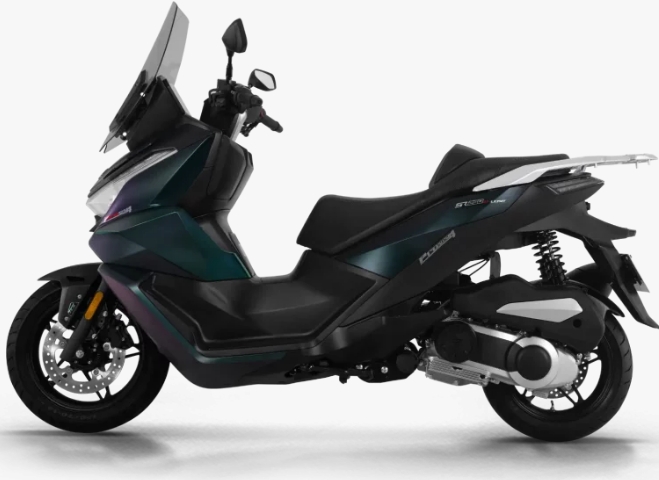
VOGE scooters are characterized by sleek bodywork, clean lines, and modern finishes. Whether parked at a café or gliding through busy streets, these scooters turn heads. VOGE incorporates LED lighting, digital displays, and ergonomic seats to elevate the everyday commuting experience.
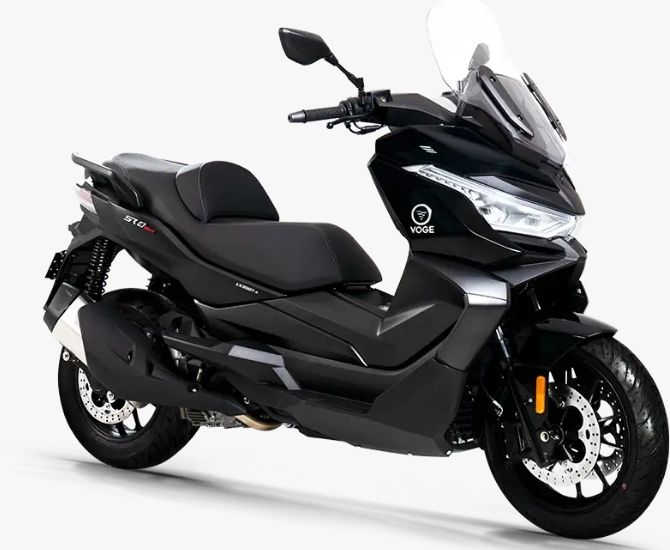
Models such as the VOGE SR4 Max embody this design philosophy. Developed with the collaboration of European engineers, the SR4 Max is positioned as a premium urban scooter that rivals higher-end offerings from Japanese and European competitors. It features a spacious under-seat storage compartment, a high windscreen for comfort, and full LED lighting for increased visibility.
Technology and Performance
VOGE scooters stand out not only for their looks but also for their well-rounded performance and intelligent features. Some key highlights include:
Bosch ABS and Traction Control Systems, providing improved safety under various road conditions.
Keyless Start, allowing riders to start their scooter with a simple press.
Large TFT Instrument Panels, displaying everything from speed and fuel level to mobile phone notifications and Bluetooth connectivity.
Liquid-Cooled Engines, which offer smooth and quiet operation, ideal for urban environments.
The SR4 Max, for instance, comes equipped with a 349cc engine delivering strong mid-range torque, perfect for both inner-city cruising and longer highway stretches.
Comfort and Convenience
Scooters are meant to be practical, and VOGE nails that brief. Generous legroom, plush seating, and optimized suspension systems ensure a smooth ride even over bumpy city streets. The ergonomics are designed for a natural, upright posture, making it ideal for both short trips and extended urban rides.
Additional convenience features include:
USB charging ports, perfect for keeping mobile devices powered.
Large under-seat storage, which can accommodate a full-face helmet or groceries.
Integrated grab handles and footrests for passenger comfort.
Eco-Friendly and Future-Ready
VOGE is also investing in electrification, with electric scooter models reportedly under development. These will combine the brand’s signature design cues with zero-emission technology to meet the rising demand for sustainable transport solutions in urban centers.
A Brand on the Move
As VOGE continues to expand its global footprint, its scooter line offers a strong entry point for new riders and experienced commuters alike. With competitive pricing, European-influenced styling, and a commitment to quality, VOGE scooters are well-positioned to challenge established brands in the urban mobility space.
Conclusion
VOGE scooters are more than just vehicles—they are an extension of a modern, mobile lifestyle. They combine technology, style, and rider-centric features to offer a smart, capable alternative for daily urban travel. For those looking for a reliable and refined way to navigate the city, VOGE scooters are a rising force worth watching.
In recent years, VOGE, a premium motorcycle brand under China’s Loncin Motor Co., Ltd., has been gaining international recognition for its stylish, performance-driven, and competitively priced motorcycles. Known for offering a refined riding experience, VOGE caters to riders looking for a blend of performance, technology, and affordability. With a growing lineup of models across different categories, VOGE is rapidly positioning itself as a serious contender in the mid-to-high-end motorcycle segment.
A Brand with a Purpose
Launched with the mission of creating motorcycles that meet the needs of passionate, style-conscious riders, VOGE integrates advanced engineering with European design inspiration. The brand has formed partnerships with established names like BMW Motorrad for engine development, lending it technical credibility and a boost in global market confidence.
Overview of VOGE’s Model Range
VOGE’s motorcycle lineup spans multiple categories, each tailored to different riding preferences and lifestyles:
1. Naked Bikes
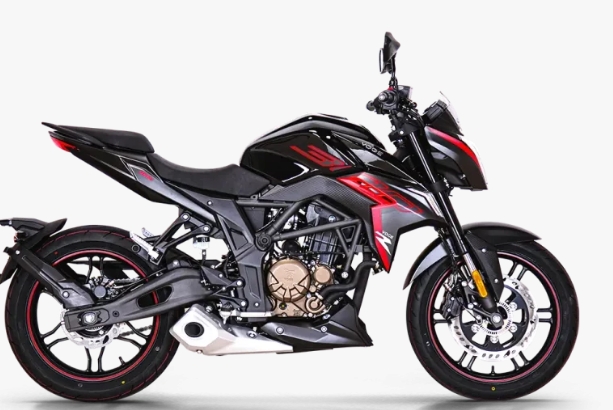
The VOGE naked series emphasizes urban agility and minimalist aesthetics. One of the most well-known models is the VOGE 300R, a lightweight and responsive bike that’s ideal for city commuting. It features sharp lines, a digital LCD dashboard, and a DOHC single-cylinder engine designed for smooth power delivery.
2. Adventure and Touring Bikes
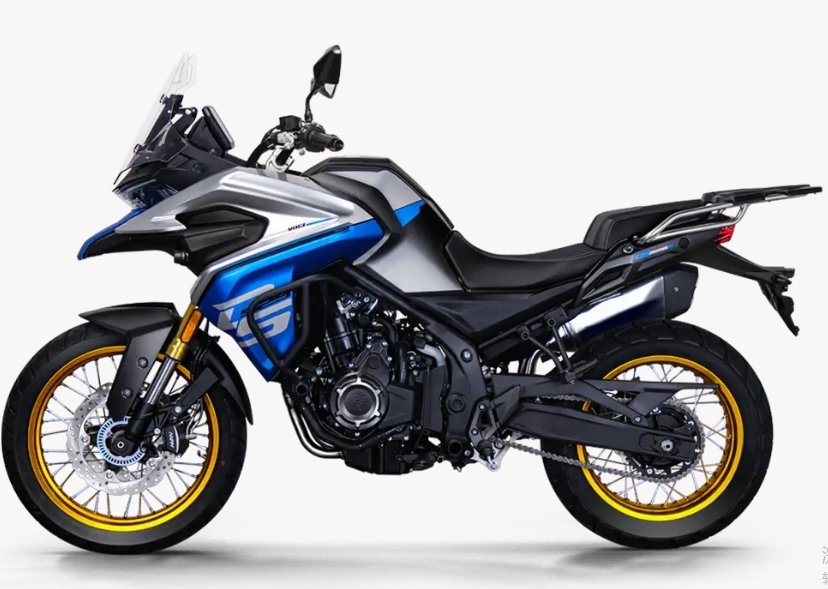
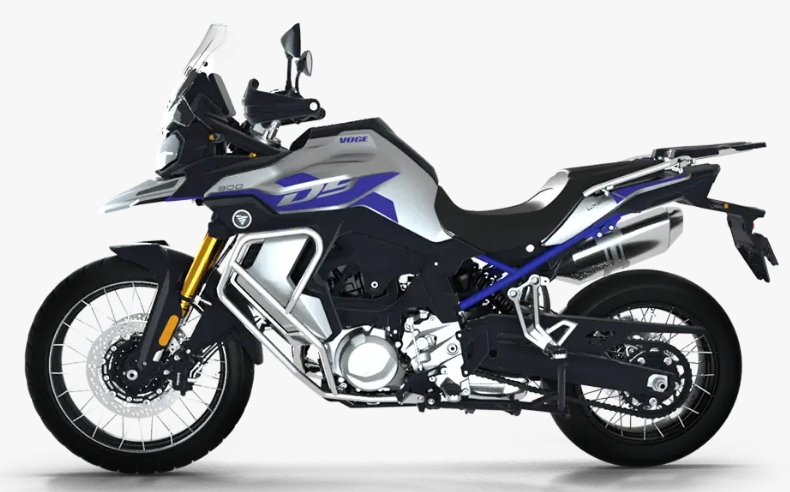
VOGE’s adventure series is engineered for riders who crave exploration. The VOGE DS900X and 650DSX are standout models, equipped with long-travel suspension, upright ergonomics, and robust engines capable of handling both paved roads and off-road conditions. The 650DSX, in particular, features a powerful 652cc engine and a rugged build, making it a popular choice for long-distance touring.
3. Sport Bikes
For enthusiasts looking for more speed and style, VOGE offers sport-oriented models like the VOGE 500R, which combines aggressive design with a parallel-twin engine that delivers impressive mid-range torque. It offers a comfortable riding position without sacrificing performance, making it versatile for both city riding and weekend thrills.
4. Classic and Retro-Inspired Models
The VOGE 300AC blends vintage aesthetics with modern performance. Featuring round headlights, a sculpted tank, and a sleek frame, the 300AC caters to riders who appreciate retro design without compromising on modern functionality. It’s perfect for those who want a stylish yet easy-to-handle machine.
Technology and Features
Across its models, VOGE incorporates high-quality components such as Bosch ABS, KYB suspension, LED lighting, and TFT or LCD displays, offering features that are typically found on higher-priced European or Japanese motorcycles. These elements not only improve performance and safety but also provide an overall premium riding experience.
Global Expansion and Reception
With expanding distribution networks in Europe, South America, and Asia, VOGE has been gradually earning respect among motorcycle communities worldwide. The combination of competitive pricing, refined design, and quality build is proving attractive, especially in markets where value-conscious riders are looking for alternatives to more expensive brands.
Summary
VOGE models are redefining expectations in the mid-range motorcycle segment. With a diverse portfolio that spans urban commuting, long-distance touring, and spirited riding, the brand continues to innovate and win over new fans. As VOGE further expands its global presence, it stands poised to become a household name among riders seeking modern, well-equipped motorcycles without the premium price tag.
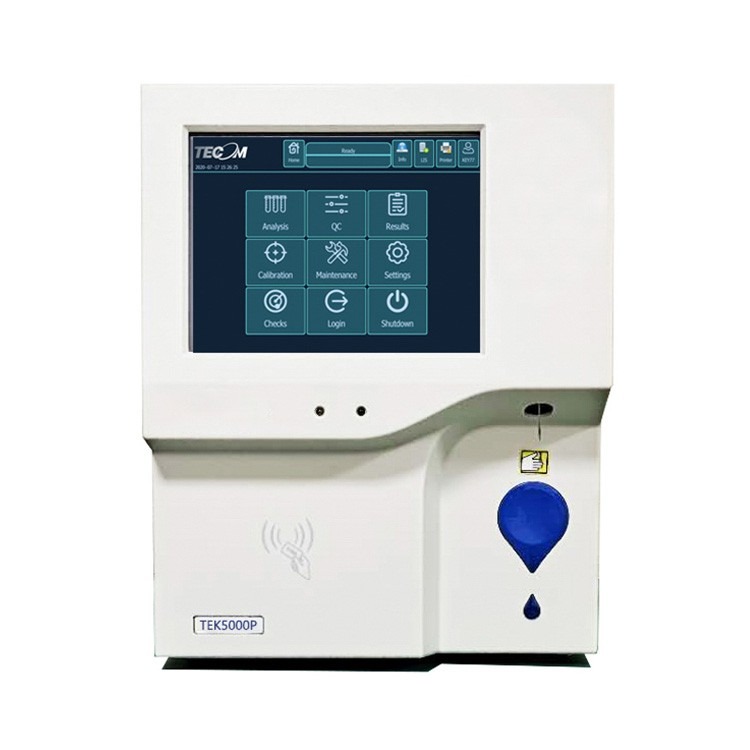
In the field of diagnostic hematology, the auto hematology analyzer plays a critical role in providing rapid and accurate blood cell counts. These devices help in diagnosing various conditions, from anemia to infections and even certain types of cancers. Among the options available, 3-part and 5-part hematology analyzers are the most commonly used. Each has distinct features and applications that make them suitable for different clinical settings. This article explores the differences between the two, helping laboratories and healthcare providers choose the right tool for their needs.
What Is a Hematology Analyzer?
A hematology analyzer is an automated machine used to count and identify blood cells in a sample. It measures key parameters such as white blood cell (WBC) count, red blood cell (RBC) count, hemoglobin, hematocrit, and platelet count. The key distinction between 3-part and 5-part analyzers lies in how they categorize white blood cells.
This classification is based on the size and granularity of the cells, using impedance technology. These analyzers are typically smaller, cost-effective, and require minimal maintenance, making them suitable for small clinics, routine screening, and basic diagnostic purposes.
Advantages:
More affordable than 5-part analyzers
Easier to operate and maintain
Faster results with fewer reagents
Suitable for small labs and general practice
Limitations:
Less detailed WBC differentiation
May miss or misclassify abnormal WBCs or subtle hematological disorders
Not ideal for complex clinical diagnostics or research
These machines use advanced technologies such as flow cytometry, light scattering, and cytochemical staining to achieve greater precision in cell differentiation. 5-part analyzers are typically used in hospitals, research institutions, and hematology specialty labs where deeper diagnostic insights are required.
Advantages:
Provides full WBC differential count
Detects and flags abnormal cells more accurately
Essential for diagnosing blood disorders like leukemia, parasitic infections, and allergies
Better suited for high-throughput laboratories and complex cases
Limitations:
More expensive and complex
Requires skilled personnel for operation and interpretation
Higher reagent consumption and maintenance needs
Which One Should You Choose?
The choice between a 3-part and 5-part hematology analyzer depends on your clinical or laboratory needs:
For routine testing in small clinics or general practice settings, a 3-part analyzer is typically sufficient and cost-effective.
For specialized diagnostics and hospitals dealing with a wide range of hematological conditions, a 5-part analyzer is recommended due to its detailed output and higher diagnostic accuracy.
Final Thoughts
Both 3-part and 5-part auto hematology analyzers are invaluable tools in clinical diagnostics, but they serve different purposes. The 3-part analyzer is ideal for basic and cost-conscious use, while the 5-part analyzer is indispensable for comprehensive blood analysis and specialized care. Understanding their differences can guide laboratories in making the right investment for both clinical effectiveness and operational efficiency.
In a world where personalization and storytelling have become essential tools for brand identity and consumer connection, limited edition custom plush toys have emerged as a creative, meaningful way to engage audiences. These specially designed stuffed toys are no longer just playthings for children—they have evolved into collectible items that represent nostalgia, fandom, and brand loyalty. Their limited availability adds a layer of exclusivity that transforms them into cherished keepsakes.
Blending Creativity with Emotional Connection
What makes limited edition plush toys so powerful is their ability to convey a story or theme through design. Whether modeled after a beloved character, a company mascot, or a campaign icon, these plushies encapsulate emotion in a tangible form. Their softness and expressiveness trigger a sense of comfort, while their uniqueness makes them desirable.
Unlike mass-produced plush toys, custom plush designs allow for full creative freedom. From fabric choices and facial expressions to outfit details and accessory placement, every element can be tailored to fit a specific message or visual identity. This flexibility helps brands create a personal experience that speaks directly to their audience.
The Power of Exclusivity
Exclusivity is a key factor in the growing popularity of these toys. Knowing that a plush toy is part of a limited run—perhaps only a few hundred pieces worldwide—creates a sense of urgency and excitement. Consumers are drawn to the idea of owning something rare and unique, especially when it reflects their interests or values. This scarcity drives demand and often turns these toys into collector’s items.
Many brands and creators also enhance the sense of exclusivity by adding elements such as special packaging, numbered tags, or certificates of authenticity. These details elevate the perceived value of the plush toy, making it more than a simple gift—it becomes a statement piece, a memory, or even a piece of art.
A Versatile Tool for Storytelling and Promotion
Limited edition plush toys are frequently used for more than just decoration. They serve as promotional tools during product launches, entertainment franchise expansions, or charity events. When released in conjunction with a movie, game, or marketing campaign, a plush toy can encapsulate the energy and spirit of that moment.
For companies and organizations, offering a custom plush toy can also strengthen brand recognition. When customers physically interact with a brand mascot or themed character, the emotional impact is deeper and more lasting. Plush toys can also be used as incentives for loyalty programs, special events, or holiday campaigns, making them a memorable part of a brand’s relationship with its audience.
A Growing Space for Collectors and Fans
The collector community surrounding limited edition plush toys continues to grow, fueled by social media and fan-driven content. Collectors often showcase their plushies online, share unboxing experiences, and trade rare items. This active community further adds to the visibility and desirability of limited releases, helping brands expand their reach organically.
It’s not just fans who benefit—artists, designers, and content creators are increasingly collaborating with custom plush manufacturers to bring original concepts to life. These partnerships often result in innovative and imaginative plush designs that reflect both artistic vision and consumer demand.
Summary
Limited edition custom plush toys represent more than a fleeting trend. They embody the intersection of art, branding, emotion, and exclusivity. Whether they’re hugging the shelves of passionate collectors or bringing joy as a one-of-a-kind gift, these plush companions are powerful tools for connection and storytelling.
As industries continue to look for meaningful ways to interact with their audiences, limited edition plush toys stand out not only for their charm but for the memories and value they create and long after the campaign has ended or the event is over.
In the fast-evolving world of product packaging, flexible packaging has emerged as a highly favored solution across various industries, including food, pharmaceuticals, cosmetics, and consumer goods. Its lightweight, durable, and cost-effective nature makes it ideal for both manufacturers and consumers. However, the quality and consistency of printed graphics on flexible packaging play a crucial role in brand recognition, regulatory compliance, and consumer trust. This makes printing inspection a critical step in the production process.
The Importance of Printing Inspection
Flexible packaging often features complex designs, vibrant colors, and variable data such as barcodes, batch numbers, and expiration dates. Any defect in the printing process—be it misregistration, color variation, or smudging—can result in product recalls, damaged brand reputation, or even regulatory fines. Therefore, real-time, accurate printing inspection systems are essential for ensuring consistent quality and catching errors early in the production line.
Common Printing Defects in Flexible Packaging
Color Variations: Deviations in color shades or density that impact the visual appeal and brand standards.
Misregistration: Misalignment of colors or elements, especially in multi-pass printing processes.
Smearing and Smudging: Resulting from improper drying or ink application.
Missing or Incomplete Prints: Due to clogged nozzles, worn-out plates, or material inconsistencies.
Text and Barcode Defects: Blurred or unreadable text and barcodes that hinder logistics or compliance tracking.
Ghosting or Double Impressions: Light shadows or duplicated images caused by mechanical issues or poor tension control.
Technologies Used in Printing Inspection
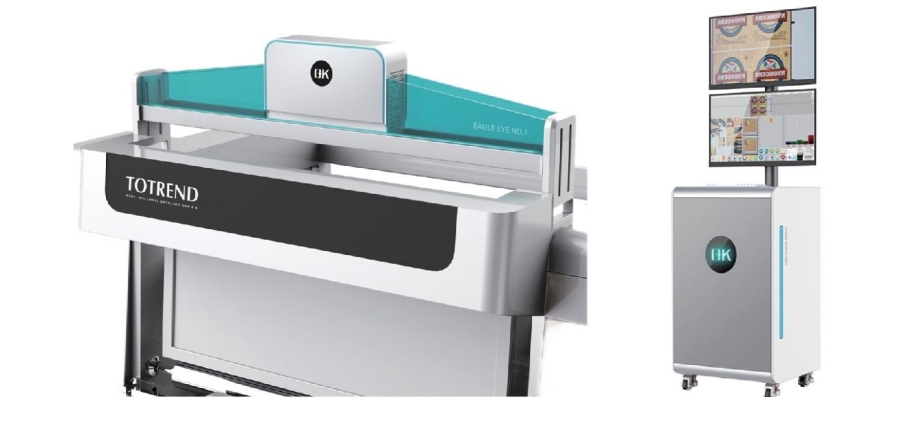
Advanced 100% printing inspection systems use automated vision technology paired with high-speed cameras and intelligent software algorithms. These systems are capable of inspecting 100% of printed surfaces at high speeds without slowing down production. Key technologies include:
Line-scan and area-scan cameras
Machine learning algorithms for pattern recognition
Colorimetry tools for real-time color matching
OCR (Optical Character Recognition) and OCV (Optical Character Verification) for text and data validation
Barcode and QR code readers for tracking and traceability
Integration with Production Lines
Print inspection systems are typically integrated into flexographic, rotogravure, or digital printing presses and slitter-rewinder systems. Integration allows for:
Real-time defect detection
Automatic marking or flagging of defective rolls
Data feedback loops to correct printing parameters
Generation of quality reports for traceability and documentation
Benefits of Automated Inspection in Flexible Packaging
Reduced Waste: Early defect detection helps prevent entire batches from being discarded.
Improved Brand Image: Ensures high-quality output and consistency across all packaging.
Operational Efficiency: Reduces the need for manual inspection, minimizing labor costs and human error.
Regulatory Compliance: Meets industry standards and legal requirements for product labeling and traceability.
Substrate variability (e.g., foil, PET, paper) can affect image quality and inspection sensitivity.
High-speed printing demands robust hardware and optimized software to keep up without performance dips.
Initial investment and calibration require expertise but yield long-term savings and quality assurance.
Summary
As flexible packaging continues to dominate the global packaging industry, printing inspection becomes indispensable. The combination of advanced optics, intelligent algorithms, and seamless production integration ensures packaging meets both visual and regulatory standards. In a competitive market, where packaging is often the first impression, reliable and precise printing inspection is not just a quality measure and it’s a brand safeguard.
Oil recovery is a critical process in the petroleum industry, aimed at extracting crude oil from reservoirs deep beneath the Earth’s surface. With the increasing demand for energy and the limited number of easily accessible oil reserves, the need for more efficient and effective oil recovery methods is greater than ever. Over the years, several techniques have been developed to maximize oil extraction and ensure that as much of the oil is recovered as possible. These methods can generally be classified into primary, secondary, and tertiary (enhanced) recovery techniques.
1. Primary Recovery Method
The primary recovery method relies on the natural pressure within the reservoir to push oil to the surface. This technique is the first and simplest phase of oil extraction, typically used for reservoirs with sufficient natural pressure, such as those with a high gas-to-oil ratio or located in areas with significant water in the reservoir.
Key Mechanism:
The energy for oil recovery comes from the natural pressure in the reservoir, which is either due to the gas cap, water drive, or solution gas.
As the oil is produced, the pressure drops, and the flow rate decreases. In some cases, the recovery factor through primary recovery can be as low as 5-15% of the original oil in place (OOIP).
This method is cost-effective but is limited in the amount of oil that can be recovered.
2. Secondary Recovery Method
Once the pressure from primary recovery declines, secondary recovery methods are employed to maintain or enhance the reservoir pressure. The goal of secondary recovery is to increase the amount of oil extracted by introducing external energy sources into the reservoir, such as water or gas injection.
Water Flooding (Water Injection):
Description: Water flooding is the most commonly used secondary recovery technique. Water is injected into the reservoir through injection wells, which displaces the oil and forces it toward production wells. This method is effective for reservoirs with a homogeneous structure.
Process: Water is injected into the reservoir, pushing the oil toward production wells. The displacement of oil continues as the injected water moves through the reservoir rock, improving recovery rates.
Efficiency: Water flooding can increase oil recovery by around 20-40% of OOIP, but its effectiveness is reduced as the reservoir matures.
Gas Injection:
Description: In some reservoirs, gas injection (such as nitrogen, carbon dioxide, or natural gas) is used to maintain reservoir pressure. This method is particularly useful in reservoirs where water flooding is not as effective.
Process: Gas is injected into the reservoir to help maintain pressure and push the oil towards production wells. Gas injection can also be used to mix with oil, reducing its viscosity and making it easier to flow to the surface.
Efficiency: Gas injection can recover up to 30-50% of the OOIP, depending on the reservoir’s characteristics.
3. Tertiary (Enhanced) Oil Recovery Methods
When primary and secondary recovery methods are no longer efficient or viable, tertiary recovery methods are employed to extract the remaining oil. These enhanced oil recovery (EOR) methods are designed to overcome the physical and chemical challenges associated with the remaining oil in the reservoir. They are more expensive and complex but can significantly increase recovery rates.
Thermal Recovery:
Description: Thermal recovery methods involve injecting heat into the reservoir to reduce the viscosity of heavy crude oil, making it easier to flow to production wells. The most common thermal method is steam injection.
Process: Steam is injected into the reservoir, raising the temperature of the oil and reducing its viscosity. The heat also causes the oil to expand, helping it move more easily through the rock formations.
Efficiency: Thermal recovery methods can recover 30-60% of the remaining oil in heavy oil fields, although they are energy-intensive and can result in higher operational costs.
Chemical Flooding:
Description: Chemical flooding involves injecting a combination of water and chemicals into the reservoir to enhance oil recovery. The chemicals used can include surfactants, polymers, and alkaline solutions, which reduce the surface tension between the oil and reservoir rock, making it easier for the oil to flow.
Process: Surfactants reduce the surface tension of the oil, allowing it to displace more efficiently through the reservoir. Polymers increase the viscosity of the injected water, improving the sweep efficiency of the flooding process.
Efficiency: Chemical flooding can increase recovery by up to 20-40%, but its success depends on the type of reservoir and the chemicals used.
CO2 Injection:
Description: Carbon dioxide (CO2) injection is a form of gas injection but is specifically tailored to dissolve in the oil, reducing its viscosity and improving flowability.
Process: CO2 is injected into the reservoir, where it mixes with the oil, causing the oil to become lighter and more mobile. CO2 can also help to push oil towards production wells through pressure maintenance.
Efficiency: CO2 injection can recover up to 30-50% of the remaining oil, and it is particularly effective in reservoirs with a high potential for CO2 miscibility.
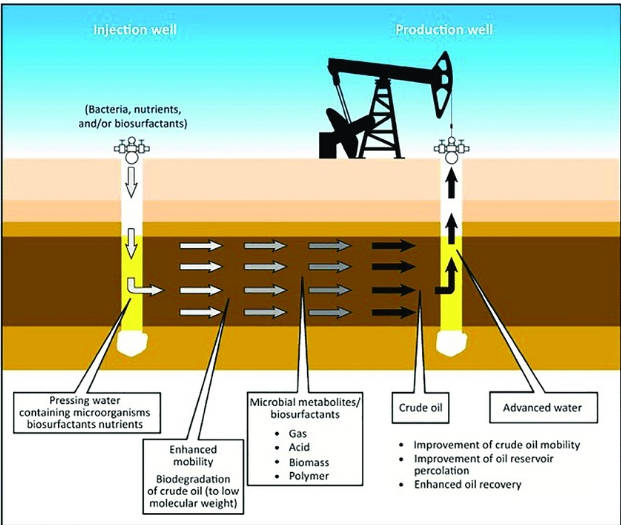
Microbial Enhanced Oil Recovery (MEOR):
Description: MEOR is an innovative method that uses microorganisms to enhance oil recovery. These microbes can alter the properties of the oil or the reservoir rock, improving oil flow and reducing viscosity.
Process: Certain bacteria or microorganisms are introduced into the reservoir. These microbes produce gases, surfactants, or biopolymers that improve the mobility of the oil.
Efficiency: The potential for MEOR to recover additional oil is still being studied, but it offers an environmentally friendly option for enhancing recovery rates, with some studies showing increases of 10-20% in OOIP.
</p
4. Future Trends and Innovations in Oil Recovery
The future of oil recovery is centered on improving the efficiency of existing methods and developing new technologies that can reduce costs and environmental impacts. Some of the promising areas of research include:
Nanotechnology: The use of nanoparticles to enhance oil recovery by altering the properties of the oil or reservoir rock is being explored. Nanoparticles can reduce oil viscosity, improve displacement efficiency, and help unlock oil in unconventional reservoirs.
Low-Impact and Environmentally Friendly Techniques: As environmental concerns grow, the development of methods that minimize environmental impact—such as microbial or chemical-based recovery techniques—is increasingly important.
Artificial Intelligence and Big Data: The application of AI and big data analytics to oil recovery could help optimize injection strategies, monitor reservoir conditions, and improve overall efficiency.
Simulation Technologies in Optimizing Oil Recovery: The oil recovery simulators use advanced computational models to simulate various recovery methods, such as water flooding, gas injection, and enhanced oil recovery (EOR) techniques. By simulating reservoir conditions, fluid dynamics, and the effects of different recovery strategies, operators can predict how oil will flow, assess the efficiency of various techniques, and optimize injection processes. This allows for more informed decision-making, reduces risks, and enhances recovery rates, ultimately leading to cost savings and better resource management in oil fields.
Summary
Oil recovery is an essential part of the petroleum industry, and with the demand for oil continuing to rise, it is crucial to optimize and innovate recovery techniques. The combination of primary, secondary, and tertiary methods ensures that more oil can be extracted from existing reserves, reducing the need for exploration of new fields. As technologies continue to evolve, the efficiency and sustainability of these methods will improve, helping to meet the world’s energy needs while minimizing environmental impacts.










 </p
</p
 China manufacturers