How Web Inspection Systems are Used for Ensuring Printing Quality

In the fast-paced world of printing, maintaining consistent quality while maximizing production speed is a constant challenge. Web inspection systems for ensuring printing quality control have emerged as vital tools across industries such as packaging, labels, newspapers, and flexible electronics. These systems continuously monitor moving materials (webs) for defects in real-time, ensuring that production errors are detected and corrected without costly downtime or waste.

What Is a Web Inspection System?

A web inspection system is an automated system designed to inspect and analyze materials—typically paper, plastic film, or metal foil—as they move through a printing press or converting line. Using high-resolution cameras, advanced lighting, and image processing software, the system captures and evaluates the web for defects such as:

Misregistration

Color variations

Streaks and smudges

Missing prints

Foreign particles

Print voids or blurs

These printing inspection systems operate at high speeds and provide immediate feedback, allowing operators to address issues before they lead to product waste or customer complaints.

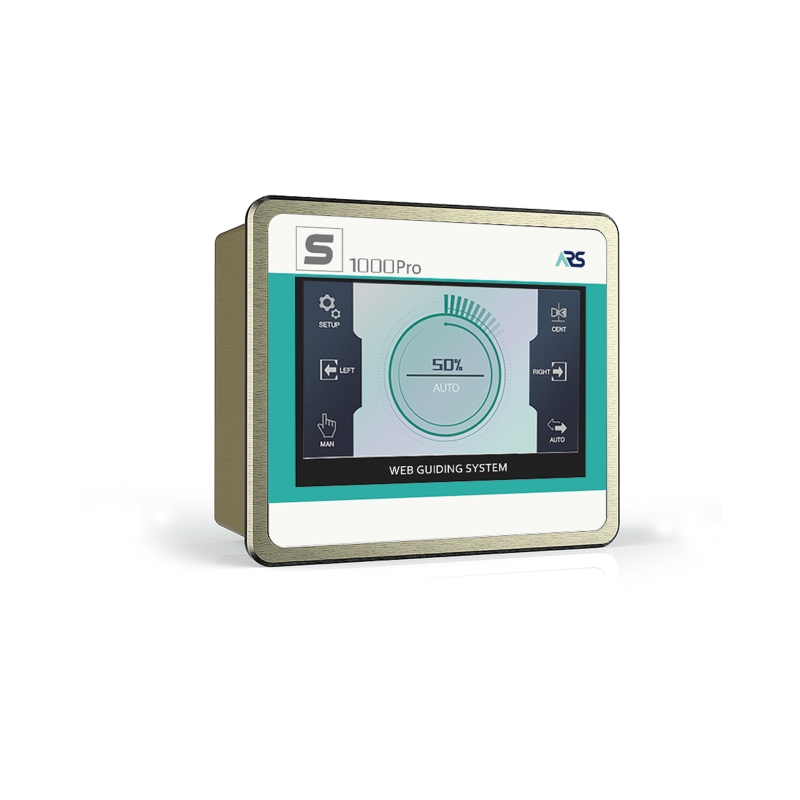
Web Video Inspection System

Key Components of a Web Inspection System

Line-Scan or Area-Scan Cameras: Capture high-resolution images of the moving web at full production speed.

Lighting Systems: Specialized lighting (LED, strobe, backlight) enhances contrast and visibility of specific defect types.

Image Processing Software: Algorithms detect, classify, and log defects automatically.

User Interface (HMI): Displays real-time results and enables operators to adjust system parameters.

Data Logging and Reporting Tools: Store historical data and generate reports for quality audits and continuous improvement.

Benefits of Web Inspection Systems in Printing

Real-Time Quality Assurance: Detects defects instantly and alerts operators, reducing waste and rework.

Enhanced Accuracy: Optical systems can detect minute defects invisible to the human eye.

Higher Productivity: Allows for higher line speeds without sacrificing quality control.

Traceability: Logs defect locations and types for easy reference and compliance.

Cost Savings: Minimizes waste, reprints, and customer returns due to unnoticed printing errors.

OR-D Web Inspection System

Applications in the Printing Industry

Web inspection systems are used across a wide range of printing applications:

Flexible Packaging: Ensuring precise color consistency and registration.

Label Printing: Detecting missing or illegible barcodes, QR codes, or text.

Security Printing: Identifying flaws in sensitive documents like banknotes or certificates.

Newspapers and Magazines: Monitoring print clarity and page alignment in high-speed printing environments.

Types of Defects Detected

Commonly detected defects include:

Ink smears and splashes

Color shift or banding

Paper tears or folds

Ghost printing

Delamination

Out-of-register colors

Some advanced systems also detect micro defects and coating inconsistencies in functional printing applications such as conductive inks or OLED substrates.

6. Integration with Printing Workflows

Advanced 100% inspection systems for print quality are often integrated directly into closed-loop quality control systems, allowing for automatic press adjustments. When a defect is detected, the system can:

Trigger alarms or strobe lights

Mark the defective area on the web

Slow down or halt the press

Adjust ink feed, alignment, or tension systems automatically

Such integration streamlines the printing process and ensures consistent product quality.

Challenges and Considerations

While web inspection systems offer immense value, there are considerations to address:

Lighting and Material Compatibility: Different substrates require tailored lighting solutions.
False Positives/Negatives: Requires fine-tuning algorithms to balance sensitivity and reliability.

Initial Cost: High-quality systems can be capital intensive, but ROI is often rapid.

Training Requirements: Operators and maintenance personnel need proper training to use the system effectively.

Future Trends in Web Inspection

AI-Driven Defect Classification: Machine learning models are increasingly used to recognize and classify defects with higher accuracy.

Edge Computing: Real-time processing at the sensor level reduces latency and increases responsiveness.

Cloud Integration: Enables centralized monitoring of quality across multiple sites.

Augmented Reality (AR) Interfaces: Helping operators visualize defects and suggested corrections in real time.

web video inspection machine

Summary

Web inspection systems have become indispensable tools for quality assurance in modern printing operations. By providing real-time, automated detection of defects, they significantly improve product quality, reduce waste, and boost operational efficiency. As technology advances, these systems are expected to become even more intelligent and integrated, further transforming the standards of printing quality control.

Understanding Automated Drilling Systems: Why Use Simulation Technologies for Optimzing Them

As the oil and gas industry evolves toward safer, more efficient, and cost-effective operations, automated drilling systems have emerged as a transformative technology. These systems combine robotics, sensors, data analytics, and real-time control mechanisms to improve drilling accuracy, reduce human intervention, and optimize rig performance.

What Are Automated Drilling Systems?

Automated drilling systems are integrated technologies that allow drilling operations to be performed with minimal human input. Unlike traditional manual drilling, automated drilling systems utilize advanced control algorithms, machine learning models, and real-time monitoring tools to automate routine and complex drilling tasks. This includes drill bit steering, weight on bit control, pressure regulation, and more.

Automated Drilling Rigs

Key Components of Automated Drilling Systems

Downhole Sensors and Tools: Measure temperature, pressure, formation properties, and directional data.

Surface Control Systems: Interface with rig hardware and software to control pipe handling, fluid circulation, and equipment operation.

Data Analytics Platforms: Process real-time and historical data to predict equipment failures and suggest optimal drilling paths.

Robotics and Actuators: Automate repetitive mechanical operations such as tripping, casing running, and connection handling.

Human-Machine Interfaces (HMIs): Allow operators to supervise and intervene when necessary, typically from remote operation centers.

auto drilling systems

Benefits of Automation in Drilling

Enhanced Safety: By reducing manual labor on rig floors, automated drilling systems help minimize the risk of injuries in high-risk zones.

Increased Efficiency: Drilling times are shortened through real-time optimization, reducing non-productive time (NPT).

Greater Precision: Automated systems maintain consistent parameters, leading to better wellbore quality and reduced formation damage.

Operational Cost Savings: With fewer personnel required and less downtime, automation contributes to long-term financial savings.

Data-Driven Decision Making: Continuous data collection supports better decision-making and predictive maintenance.

4. Key Applications of Automated Drilling

Directional Drilling: Automated drilling systems enables precise trajectory control in horizontal and deviated wells.

Managed Pressure Drilling (MPD): Maintains wellbore pressure automatically to avoid kicks and losses.

Drilling Optimization: Machine learning algorithms dynamically adjust parameters for optimal rate of penetration (ROP).

Remote Rig Operations: Drilling engineers can monitor and control multiple rigs from centralized locations.

5. Challenges and Considerations

Despite the promise of automation, some challenges must be addressed:

High Capital Costs: Initial investment in automated drilling systems technology can be substantial.

Workforce Transition: Workers need training to manage, maintain, and interpret automated drilling systems data.

System Integration: Compatibility between legacy systems and modern automated drilling systems platforms can be complex.

Cybersecurity: With increased connectivity comes the risk of cyber threats to critical infrastructure.

How Simulation Technology is Used for Optimizing Automated Drilling Systems

Oil and gas simulation technologies create virtual replicas of drilling systems and downhole environments. These digital models replicate real-world conditions to test how automated systems respond to various challenges such as high-pressure zones, formation variability, or tool failures. The ability to simulate drilling operations enables engineers to make data-driven decisions and refine control algorithms with precision.

1.Virtual Prototyping and Design Testing

Simulation allows engineers to develop and refine drilling control systems and hardware without the risks and costs of real-world testing. Different configurations of sensors, robotic arms, and control software can be evaluated in virtual scenarios to identify the most effective designs.

2.Drilling Process Optimization

Real-time simulation models are used to evaluate drilling parameters such as:

Weight on bit (WOB)

Rate of penetration (ROP)

Mud flow rate

Bit rotation speed (RPM)

By testing these variables in silico, drilling strategies can be optimized to improve efficiency and reduce wear on equipment.

3.Machine Learning Training Environments

Automated drilling systems rely on machine learning models to make dynamic decisions. Simulation provides a training ground where algorithms can “learn” by running through thousands of drilling scenarios, enabling faster and more robust decision-making in live operations.

4.Human-in-the-Loop Simulations

In complex projects, human operators work alongside automated systems. Simulation platforms allow for testing how human decisions interact with automated responses, improving interface design and training protocols.

5 Well Control and Safety Scenario Training

Advanced simulators mimic unexpected well events (e.g., kicks, loss of circulation), allowing operators to train in emergency response while also evaluating how automated systems handle anomaly detection and response.

Types of Simulation Technologies Used

Dynamic Drilling Simulators – Replicate mechanical and hydraulic behavior of rigs in real time.

Digital Twins – Real-time digital replicas of actual drilling equipment and operations, used for monitoring and forecasting.

Physics-Based Modeling Tools – Simulate fluid dynamics, heat transfer, and mechanical stress in the drilling process.

Integrated Wellbore Simulators – Combine formation properties, wellbore conditions, and tool behavior in a unified environment.

drilling simulator

Summary

Automated drilling systems represent a pivotal shift in the oil and gas sector’s drive toward smarter, safer, and more sustainable operations.

Simulation technology is a powerful enabler for optimizing automated drilling systems in the oil and gas industry. From design and testing to real-time control and training, simulations provide a strategic advantage by reducing risk, improving performance, and accelerating innovation.

A Step-by-Step Guide to Tightening Carriage Bolts Properly

Carriage bolts are a staple in woodworking, construction, and metalwork projects, prized for their smooth, domed heads and square shoulders that resist turning once installed. Although their appearance is simple, tightening carriage bolts properly is crucial for ensuring structural integrity, safety, and long-term durability. This article provides a step-by-step guide and best practices for tightening carriage bolts effectively.

Custom Carriage Bolts

Understanding the Carriage Bolt Design

Carriage bolts, also known as coach bolts, have a unique shape:

A round, domed head with no drive slot.

A square neck directly beneath the head that fits into square holes or bites into softer materials like wood.

A threaded shaft that allows a nut and washer to be applied from the opposite side.

The square neck prevents rotation while tightening the nut, making it important to seat the bolt correctly during installation.

Steps for Tightening Carriage Bolts Effectively

1. Start with Proper Alignment

Before tightening, ensure the bolt is inserted into a clean, well-drilled hole that fits the square neck snugly. For wood applications, a round hole slightly smaller than the square neck can allow the bolt to grip the material as it’s pulled through.

2. Use a Washer Under the Nut

Always place a flat washer between the nut and the surface to distribute pressure evenly and prevent the nut from digging into the material, which can weaken the joint.

3. Secure the Square Neck

As you begin to tighten the nut, the square neck must lock into the material. This typically requires:

Light tapping with a mallet to seat the bolt.

Holding the bolt steady by applying downward pressure to prevent rotation.

If the bolt starts to spin before the neck is fully embedded, remove it and slightly tighten the fit of the hole or use a clamp to force the head flush.

4. Tighten the Nut Gradually

Use a wrench or socket to slowly tighten the nut on the opposite side. Gradual tightening ensures the square neck remains locked and minimizes the risk of damaging the material.

For wood: Stop tightening once the washer is snug against the surface and the bolt head is flush.

For metal: Use a torque wrench for precision, especially in load-bearing applications.

5. Check for Movement

Once tight, gently shake or press the joint to ensure there’s no play or looseness. If the bolt spins, it means the square neck has not seated properly, and adjustments are necessary.

Carriage Bolts

Common Mistakes to Avoid

Over-tightening: Especially in wood, this can cause splitting or crushing of the material.

Undersized holes: These can prevent the square neck from seating properly or damage the material when forced.

No washer: This leads to uneven pressure and surface damage.

Tightening from the bolt head: Carriage bolts are not designed to be turned from the head side.

Custom Carriage Bolt

Tips for Special Materials

Wood: Drill a pilot hole slightly smaller than the square neck to create a tight fit.

Metal: Pre-cut a square hole using a punch or square file for precision fitment.

Composite Materials: Use washers on both sides to protect soft materials from compression.

Summary

Tightening carriage bolts effectively is not just about applying torque—it’s about understanding the bolt’s design, preparing the materials correctly, and using proper tightening techniques. Whether you’re working on a deck, securing metal brackets, or assembling furniture, following these practices ensures a secure, long-lasting connection.

What are the Key Differences Between Cast Steel and Cast Iron Mooring Chocks

Mooring chocks are essential components in the marine industry, guiding and protecting mooring lines as ships are secured to docks or other vessels. These chocks must withstand high tension, abrasion, and extreme marine environments. Two common materials used for mooring chocks are cast steel and cast iron. Although they may appear similar in application, they differ significantly in mechanical properties, durability, and performance. This article explores the critical differences between cast steel and cast iron mooring chocks and helps determine which is better suited for your marine needs.

ISO13713 Mooring Chock

Material Characteristics

Cast steel is an alloy composed primarily of iron and carbon, with small amounts of other elements like manganese or silicon to enhance its mechanical strength. It is known for its toughness, ductility, and high tensile strength. Cast steel offers superior resistance to mechanical stress and is often used in demanding environments that require strength and resilience.

On the other hand, cast iron contains a higher percentage of carbon (typically 2–4%), which gives it a different microstructure. It is easier to cast and machine but tends to be more brittle. Cast iron has good wear resistance and compressive strength but is more prone to cracking under impact or high tension.

Performance Under Load

In mooring operations, marine mooring chocks must bear the loads transferred through mooring lines, especially under rough sea conditions or during vessel maneuvering. Cast steel performs exceptionally well under dynamic loads. Its ductility allows it to deform slightly under stress without cracking, making it ideal for high-load applications such as offshore mooring or large vessel berthing.

Cast iron, by contrast, lacks the elasticity to absorb sudden shocks. If a mooring line is subjected to abrupt tension—due to wind gusts, waves, or vessel movement—cast iron chocks may crack or fracture. This makes them better suited for sheltered or low-impact environments where loads remain more stable.

Durability and Longevity

Durability is a key factor when selecting a mooring chock. Cast steel chocks, while more expensive initially, often offer longer service life due to their superior mechanical properties. They resist deformation, absorb energy during tension surges, and are less likely to suffer from catastrophic failure.

Cast iron chocks are more economical to produce and are widely used in less demanding marine scenarios. However, they may require more frequent replacement or maintenance in environments with high mechanical loads or exposure to corrosive conditions.

Corrosion Resistance and Maintenance

Both cast steel and cast iron are susceptible to corrosion, especially in saltwater environments. Protective coatings such as galvanizing, epoxy painting, or hot-dip treatments are typically applied to extend their lifespan. Cast steel may require more frequent maintenance due to its finer grain structure being more reactive with oxygen, but it also tolerates surface damage better without compromising structural integrity. Cast iron may corrode more slowly, but once surface cracks develop, they can spread rapidly and weaken the entire structure.

mooring chock application

Applications and Use Cases

Cast steel mooring chocks are the preferred choice in high-stress maritime environments such as on large cargo ships, tankers, offshore platforms, and naval vessels. These applications demand high reliability, resistance to deformation, and compliance with international classification standards.

In contrast, cast iron chocks are commonly found in less demanding environments—small marinas, leisure boat docks, or port infrastructure with relatively stable water conditions. Their lower cost and ease of manufacturing make them practical for installations where maximum strength is not critical.

open chock

Summary

Choosing between cast steel and cast iron mooring chocks depends on several factors, including load requirements, environmental exposure, budget, and operational frequency. If long-term performance, safety, and resilience under high stress are your priorities, cast steel is the superior choice. However, for low-load, sheltered, or cost-sensitive installations, cast iron remains a viable and economical option.

Investing in the right material not only enhances mooring safety but also reduces long-term maintenance costs and potential equipment failures—key considerations for every marine operator or port authority.

Choosing the Right Method Between Portable and Bench-top Hardness Testers

Hardness testers are essential tools in quality control, materials research, and production environments. They measure the resistance of a material to deformation, providing critical insights into properties such as wear resistance and strength. Two main categories dominate the field: portable and bench-top hardness testers. Each type has its own strengths and is suited to different use cases depending on the testing environment, the material type, and the required accuracy. This article explores the key differences between the portable and bench-top hardness testers and offers guidance on choosing the best option for your needs.

Understanding Hardness Testing Basics

Before diving into the differences, it’s useful to understand what hardness testers do. They measure material resistance to penetration or indentation under a specific load and time. Common testing methods include:

Rockwell

Brinell

Vickers

Leeb (rebound method, common in portable testers)

Each method has its own standards and is suited for different materials and applications.

Portable and Bench-top Hardness Testers

Portable Hardness Testers: Mobility and Flexibility

Portable hardness testers are compact, lightweight devices designed for on-site testing. They are ideal for situations where moving the test sample is impractical due to size, weight, or location.

Key Features:

Small and lightweight design

Battery-operated with digital display

Typically use rebound (Leeb) or ultrasonic contact impedance (UCI) methods

Quick setup and test time

Advantages:

Ideal for large or stationary components (pipes, gears, welds)

Great for fieldwork, maintenance, or rapid inspections

Easy to use with minimal training

Offers fast results with memory storage and data transfer options

Limitations:

Lower precision than bench-top models

Limited in hardness scales (often Leeb or UCI only)

May be affected by surface roughness or material geometry

Best For: Field engineers, maintenance teams, quality checks on-site, and testing large industrial parts that cannot be transported easily.

Portable Hardness Tester

Bench-top Hardness Testers: Precision and Repeatability

Bench-top hardness testers are stationary machines used in laboratories or quality control departments where high accuracy and compliance with international standards are required.

Rockwell Hardness Tester

Key Features:

Large, rigid frame for stability

Precision load application and control

Supports multiple testing types (Rockwell hardness testers, Brinell hardness testers , Vickers hardness testers, Knoop hardness testers, etc)

Integrated microscope or digital camera (for optical methods)

Advantages:

Highly accurate and repeatable results

Conforms to standardized testing conditions (ISO, ASTM)

Supports a broader range of hardness scales and materials

Better suited for microhardness testing and coated surfaces

Limitations:

Not portable — requires sample preparation and movement

Higher upfront cost

Requires skilled operators for some methods (especially Vickers or Knoop)

Best For: Laboratories, research centers, and production lines where precise, traceable hardness data is required for quality assurance and certification.

Choosing the Right Hardness Tester: Key Considerations

Testing Location

In-field or on-site testing → Portable

Lab-based or factory-floor QC → Bench-top

Accuracy Requirements

High precision, certified results → Bench-top

General hardness indication → Portable

Material Type & Size

Large/heavy components → Portable

Small specimens or polished samples → Bench-top

Testing Standards Compliance

ISO/ASTM standard compliance → Bench-top

Quick checks with tolerable error → Portable

Budget Constraints

Limited budget → Portable (typically more affordable)

Investment in accuracy and versatility → Bench-top

Final Words

Both portable and bench-top hardness testers serve crucial roles in materials testing, each excelling in specific environments. Portable testers are invaluable for fast, in-situ testing of large or immobile parts, while bench-top models provide the precision and compliance needed for detailed laboratory analysis. Understanding your operational context, accuracy needs, and testing standards is key to selecting the right tool for your application.

Exploring Chinese Dual Sport Motorcycles: Why VOGE Become Top Chinese Brands

In recent years, Chinese motorcycle manufacturers have made significant strides in design, performance, and global market presence. Among the fastest-growing segments is the dual sport motorcycle category, prized for its versatility in handling both on-road commuting and off-road adventures. Once dismissed as inferior copies of Japanese models, many Chinese dual sport bikes now showcase advanced engineering, stylish designs, and competitive pricing. At the forefront of this evolution is VOGE, the premium brand under Loncin Motor Co., Ltd., alongside other rising names reshaping perceptions of Chinese motorcycles.

What Are Dual Sport Motorcycles?

Dual sport motorcycles are designed to perform well on both paved roads and rugged terrains. They blend characteristics of off-road dirt bikes (such as suspension travel and ground clearance) with features of street bikes (like lighting, mirrors, and license plate mounts). This category is especially appealing to riders who want a single motorcycle for urban commuting, weekend trail riding, and long-distance exploration.

China’s Rising Dual Sport Market

Historically, Chinese motorcycles focused on low-displacement commuter bikes, but with increased R&D investment and global ambitions, many brands are entering the mid- to high-performance dual sport segment. These bikes offer:

Competitive pricing

Improved reliability

Fuel efficiency

Modern styling

Global support networks (for major brands)

As adventure riding gains popularity worldwide, demand for affordable yet capable dual sport motorcycles has surged — and Chinese manufacturers are stepping up.

VOGE Motorcycles

VOGE is one of the most respected Chinese motorcycle brands aiming to compete directly with Japanese and European offerings in the adventure and dual sport segments. As the premium sub-brand of Loncin, a major engine supplier for BMW Motorrad, VOGE benefits from strong technical partnerships and manufacturing standards.

Key Dual Sport Models from VOGE:

VOGE 300 Rally

Engine: 292cc single-cylinder, liquid-cooled

Power: ~29 hp

Features: Long-travel suspension, high ground clearance, lightweight chassis

Ideal for: Beginners and intermediate riders seeking an affordable ADV-style bike

VOGE 300GY Rally

VOGE 650 DSX

Engine: 652cc single-cylinder (based on proven BMW F650 engine)

Power: ~47 hp

Features: TFT display, switchable ABS, wire-spoke wheels

Ideal for: Adventure riders wanting mid-range power with off-road capability

VOGE 525DSX

Engine: 494cc parallel twin (Honda-inspired architecture)

Power: ~47 hp

Features: Adventure ergonomics, optional aluminum panniers, LED lighting

Ideal for: Commuters and weekend explorers looking for a balance of comfort and trail ability

VOGE DS525X

VOGE models are known for blending performance and premium feel while keeping prices well below their Japanese or European rivals.

Other Notable Chinese Dual Sport Brands

While VOGE leads in quality, other Chinese manufacturers are making waves in the dual sport segment:

Zongshen (Cyclone) – Offers bikes like the RX3 and RX4, with adventure-ready features and global touring support.

Lifan – Produces smaller displacement dual sports aimed at budget-conscious or beginner riders.

Shineray – Known for lightweight trail bikes and rugged simplicity.

Kove Moto (Colove) – An emerging brand gaining traction with rally-style bikes like the Kove 450 Rally, which even competes in the Dakar Rally.

These brands are gaining traction in Southeast Asia, Latin America, Africa, and increasingly, Europe and North America, as dealerships and aftersales networks expand.

Pros and Cons of Chinese Dual Sport Motorcycles

Pros:

Affordable pricing (often 30–50% less than comparable Japanese/European models)

Increasing quality and innovation

Suitable for learners and budget adventure riders

Growing global support and parts availability

Cons:

Perceived reliability (though improving)

Resale value may be lower

Limited dealership networks in some regions

Parts and service may be slower in remote markets

Summary

Chinese dual sport motorcycles, particularly brands like VOGE, are challenging old stereotypes with bold design, solid engineering, and real-world performance. Whether you’re a new rider looking for an affordable entry into adventure riding or an experienced enthusiast seeking a cost-effective second bike, China’s latest offerings are worth serious consideration. As Chinese motorcycle manufacturers continue to refine their craft, the global adventure bike scene is becoming more accessible and diverse than ever before.

Exploring the Various Types of Marine Spotlights: What are Their Differences

Marine spotlights play a critical role in ensuring safe navigation, docking, and night-time operations aboard vessels. From fishing boats and cargo ships to luxury yachts and patrol vessels, the right spotlight enhances visibility in challenging conditions, aids in search and rescue, and improves overall situational awareness. This article explores the primary types of marine spotlights, highlighting their features, use cases, and key differences.

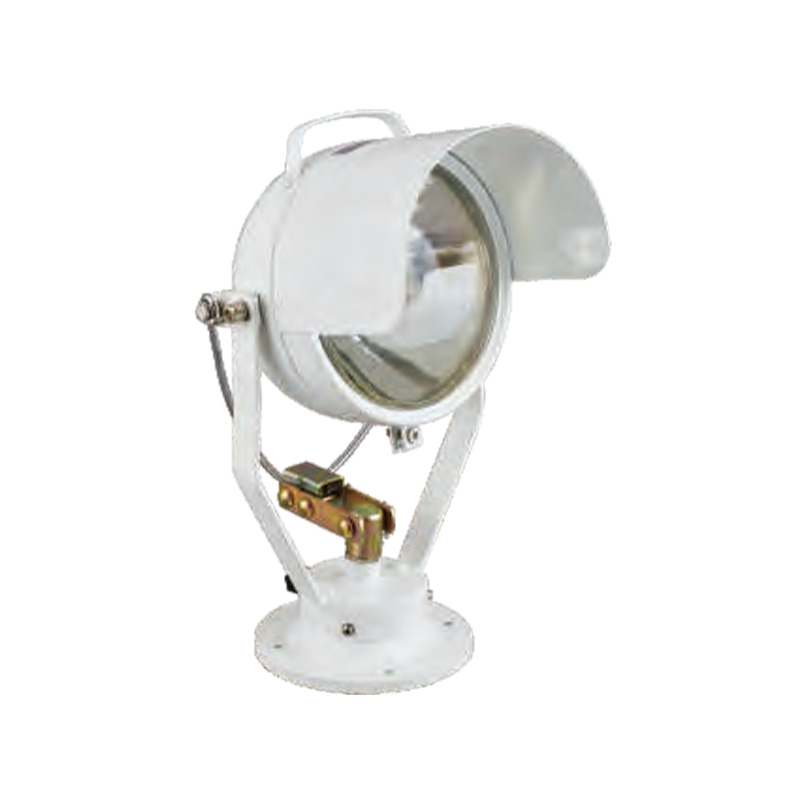
TG19 Marine Spot Light

1. Halogen Marine Spotlights

Halogen spotlights are among the oldest and most widely used types in marine applications. They produce a bright white light and offer a relatively low upfront cost.

Features:

High-intensity illumination

Short warm-up time

Directional beam control

Affordable and easy to replace

Applications:

Ideal for smaller vessels, halogen spotlights are commonly used for docking, interior lighting, and short-range illumination. However, they consume more energy and generate significant heat compared to newer technologies.

2. LED Marine Spotlights

LED marine spotlights have become increasingly popular due to their energy efficiency, long lifespan, and durability.

Features:

Low power consumption

Minimal heat generation

Long operational life (up to 50,000 hours)

Shock and vibration resistance

Compact design with customizable beam angles

Applications:

Used across all vessel sizes, LED spotlights are ideal for navigation, search and rescue, deck lighting, and underwater applications. They are especially beneficial on solar-powered or battery-operated vessels due to their low energy demand.

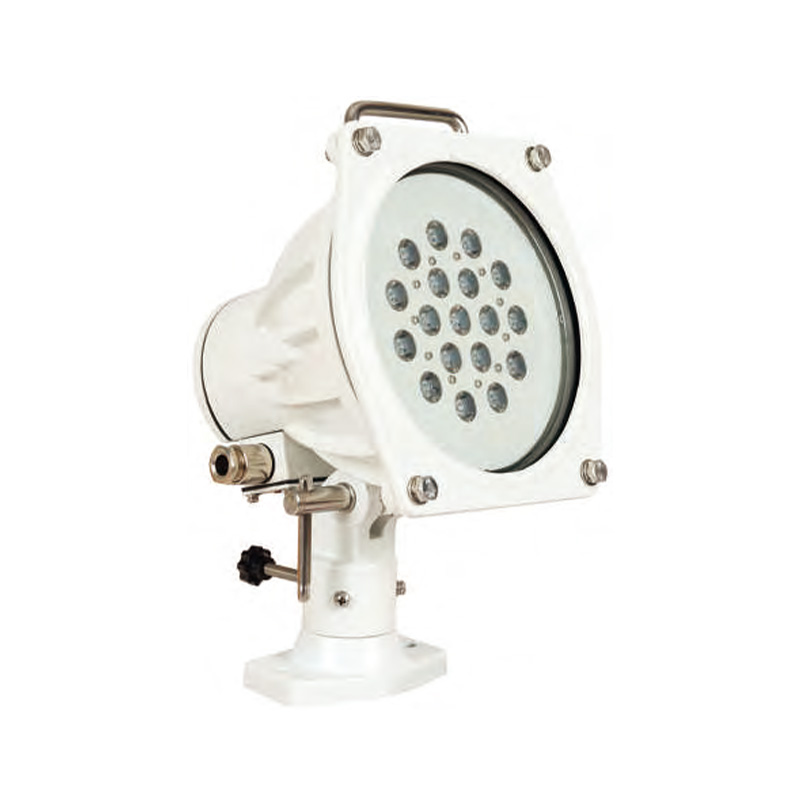
TG8-L Marine LED Spotlight

3. Xenon HID (High-Intensity Discharge) Spotlights

Xenon HID spotlights offer extremely high brightness and long beam throw, making them suitable for professional and military-grade use.

Features:

Intense, daylight-like light

Long-distance illumination

High penetration through fog and haze

Longer lifespan than halogen but shorter than LED

Applications:

These spotlights are preferred for long-range search operations, security patrols, and large commercial vessels that require enhanced visibility in harsh weather or open waters.

4. Remote-Controlled Marine Spotlights

Remote-controlled spotlights add convenience and precision by allowing operators to adjust the beam’s direction and intensity from the helm.

Features:

Wired or wireless control systems

Pan-and-tilt mechanisms

Integration with GPS or radar systems (in advanced models)

Compatibility with various light sources (halogen, LED, HID)

Applications:

Ideal for boats with complex navigation needs or limited crew, remote-controlled spotlights are used in docking, mooring, and surveillance operations.

5. Manually Operated Marine Spotlights

Traditional manually operated spotlights are still in use, especially on smaller boats or where cost efficiency is paramount.

Features:

Simple mechanical controls

Durable and weather-resistant housing

Typically mounted near the helm or flybridge

Applications:

Used for general-purpose lighting on fishing boats, dinghies, and smaller recreational crafts where full automation is unnecessary.

6. Fixed Mount vs. Handheld Marine Spotlights

Marine spotlights are also classified by how they’re mounted:

Fixed-Mount Spotlights: Installed permanently on the vessel, offering stable, powerful lighting. Often come with advanced controls and larger housings.

Handheld Spotlights: Portable units with a handle, often rechargeable or battery-powered. Useful for close inspection, signaling, or backup lighting.

Applications:

Handheld versions are essential tools during emergencies or when lighting flexibility is required. Fixed mounts are suited for routine navigation and task-specific operations.

TG22-L LED Marine Spotlight

Summary

Choosing the right marine spotlight depends on the vessel’s size, the specific marine environment, and the tasks at hand. While halogen spotlights still serve basic needs, LED and HID spotlights dominate for performance and efficiency. Adding remote-control functionality or combining fixed and handheld types can further enhance safety and adaptability at sea. With proper selection and maintenance, marine spotlights serve as a critical component in maritime safety and operational success.

How Different Cultures Shape the Various Kinds of Stuffed Animals

Stuffed animals, often regarded as mere toys or comfort objects, carry deep cultural meanings and diverse roles across the world. From childhood companions to ceremonial gifts and symbolic items, the cultural significance of stuffed animals varies depending on historical, social, and emotional contexts in each region. This article explores how different cultures around the globe value and interpret these soft, plush companions.

Cultures Influencing Custom Plush Toy Designs

1. North America: Comfort, Therapy, and Nostalgia

In the United States and Canada, stuffed animals hold emotional and psychological significance. Often introduced in early childhood, they are considered comforting objects that help children cope with separation anxiety and stressful events. Beyond play, they also serve therapeutic purposes—plush toys are used in hospitals and trauma counseling to provide emotional support.

Culturally, they often evoke nostalgia. Classic characters like the Teddy Bear, derived from President Theodore Roosevelt’s hunting story, are iconic and remain symbolic of innocence and kindness. Plush animals are also widely gifted during holidays such as Valentine’s Day or birthdays, underscoring their sentimental value.

Pop Culture-inspired Custom Plush Toys

2. Japan: Kawaii Culture and Emotional Expression

In Japan, stuffed animals are integral to the cultural concept of “kawaii,” or cuteness. Characters like Hello Kitty, Rilakkuma, and Totoro are more than just toys—they are embodiments of a national aesthetic. Stuffed animals are often used as decor in homes, cars, and even offices, symbolizing a desire for comfort and emotional warmth.

Interestingly, in Japanese culture, people may communicate feelings more openly through gifts of stuffed animals than direct verbal expression. It is not uncommon for adults to own plush companions, and it’s socially accepted to display them prominently as expressions of one’s personality or emotional state.

3. China: Symbolism in Festivals and Relationships

In China, stuffed animals play an important role in celebrations and romantic gestures. They are popular gifts during festivals such as the Lunar New Year, with each year’s zodiac animal often transformed into collectible plush toys. For example, during the Year of the Dragon, plush dragons become highly sought-after gifts.

Stuffed animals are also significant in romantic relationships—gifting a customized large teddy bear is considered a grand romantic gesture, symbolizing affection and a desire for closeness. Moreover, in recent years, plush toys have become trendy among young adults as expressions of love and companionship.

4. Europe: Tradition and Craftsmanship

In parts of Europe, particularly Germany and the UK, stuffed animals have a long history tied to craftsmanship and tradition. Germany is home to Steiff, one of the world’s oldest and most respected plush toy makers. Here, stuffed animals are not only toys but also collector’s items that hold generational value.

In the UK, the classic Teddy Bear has literary significance as well, made famous by characters like Winnie-the-Pooh and Paddington Bear. These plush characters reflect British values of politeness, curiosity, and adventure. As such, stuffed animals are cherished not only by children but also by adults as cultural icons.

5. Africa: Storytelling and Educational Roles

In some African cultures, stuffed animals serve an educational and storytelling role. Locally crafted plush toys often represent indigenous animals and are used to teach children about native wildlife and conservation. For example, plush versions of lions, elephants, and zebras may be incorporated into learning tools or community storytelling practices.

Handmade stuffed animals also support local economies and are sometimes sold as cultural artifacts to tourists. These toys often carry symbolic meaning, reflecting local beliefs, traditions, and the importance of nature in cultural identity.

6. Middle East: Gift-Giving and Modern Trends

While traditional toys once dominated the Middle Eastern market, stuffed animals have increasingly gained popularity due to globalized media and changing social norms. In many countries across the region, plush toys are now common in gift-giving, particularly among youth and during celebrations such as Eid or birthdays.

The symbolic nature of these toys often mirrors that in Western contexts, representing affection, comfort, or companionship. Additionally, international brands and media have introduced beloved characters that have been embraced across the Middle East, integrating them into daily life and family rituals.

7. Latin America: Cultural Fusion and Emotional Bonds

In Latin American countries, stuffed animals are deeply woven into childhood experiences. They are often seen as trusted companions and are integrated into bedtime rituals and playtime. Due to strong family ties in the region, these toys are frequently passed down between generations, enhancing their sentimental value.

Furthermore, religious and spiritual dimensions occasionally influence how stuffed animals are used—some may be blessed or included in traditional festivals as part of family altars or decorations. The mix of indigenous, colonial, and modern influences creates a rich tapestry where stuffed animals represent love, heritage, and continuity.

Stylish Stuffed Animal

Summary

Though soft and unassuming, stuffed animals serve as emotional anchors, cultural storytellers, and symbols of identity across the globe. Whether rooted in kawaii culture, used as comfort tools, or celebrated for craftsmanship and tradition, their significance transcends age, geography, and purpose. Understanding how different regions value these plush companions offers a heartwarming glimpse into shared human needs—affection, memory, and connection.

How to Choose Between Inline and Offline Print Inspection Systems

Print inspection systems are critical for maintaining quality control in industries such as packaging, labeling, and high-volume commercial printing. These systems help detect defects such as misprints, color deviations, smudges, and registration errors before products reach the customer. Among the available technologies, inline and offline print inspection systems serve different purposes and offer distinct advantages. Understanding the differences between inline and offline print inspection systems is essential for choosing the right solution for specific production needs.

What Are Inline Print Inspection Systems?

Inline print inspection systems are integrated directly into the production line and inspect materials in real-time as they are printed. Using high-speed cameras and advanced software, the 100% printing inspection systems monitor the printed substrate for defects continuously. Any issue detected can trigger immediate alerts or automatic machine responses, such as stopping the press or diverting defective materials.

Advantages:

Real-time defect detection: Inline systems can catch problems as they occur, minimizing waste and rework.

Process efficiency: By identifying issues early, these systems prevent large volumes of defective output.

Automation-friendly: Seamless integration with other automated systems enables faster responses to production anomalies.

Cost-effective over time: Reduces waste and downtime, offering long-term cost savings.

precision print inspection system

Limitations:

Installation complexity: Requires integration with existing production lines, which can be costly or complex.

High initial investment: The technology and implementation costs are typically higher than offline systems.

Limited flexibility: Primarily designed for high-speed, high-volume operations; less adaptable to small batch or custom jobs.

What Are Offline Print Inspection Systems?

Offline inspection systems operate separately from the production line. After printing, samples are manually taken and analyzed using dedicated equipment. These systems are often used for detailed, high-resolution examination of specific samples to ensure print quality.

Offline Inspection System for Print lable

Advantages:

High-resolution analysis: Offers deeper analysis of print quality, suitable for precision-critical applications.

Lower cost of entry: Easier and less expensive to implement, particularly for small and medium-sized enterprises.

Flexible inspection options: Suitable for small batch runs, R&D testing, and complex multi-format printing jobs.

Ideal for low-speed operations: Useful where inline inspection isn’t practical due to the production setup or volume.

Limitations:

Delayed detection: Since inspection occurs post-production, defects may only be discovered after multiple defective units are produced.

Manual handling required: Slower and more labor-intensive than inline systems.

Limited coverage: Only sampled products are inspected, meaning undetected defects could slip through.

Choosing Between Inline and Offline Systems

The decision between inline and offline print inspection systems depends on several factors:

Production Volume: High-speed, high-volume lines benefit most from automated inline printing inspection systems, while lower-volume or customized jobs may be better suited to offline inspection.

Budget: Inline systems require more upfront investment but offer long-term savings; offline systems are more affordable initially.

Quality Standards: If every print must meet strict quality standards, inline systems provide more comprehensive coverage.

Flexibility Needs: For product development, short runs, or highly variable formats, offline systems provide needed flexibility.

web video inspection machine

Summary

Both inline and offline print inspection systems play vital roles in maintaining print quality and production efficiency. Inline systems are ideal for continuous, high-volume operations where immediate defect detection is crucial. Offline systems, while slower and more manual, offer flexibility and detailed analysis for specialized or smaller-scale work. Selecting the right system involves balancing factors such as speed, cost, flexibility, and the criticality of defect detection in your workflow.

How to Choose Between Bamboo Kitchen Towels and Regular Kitchen Paper Towels

In today’s world of environmentally conscious choices, the smallest changes can make a big impact. One such change is swapping out traditional paper towels for bamboo kitchen towels. While both are staples in kitchens around the globe, they differ significantly in terms of sustainability, durability, and cost-effectiveness. Understanding the differences between bamboo kitchen towels and regular kitchen paper towels, can help consumers make smarter, greener decisions.

Kitchen Roll

What Are Bamboo Kitchen Towels?

Bamboo kitchen towels are made from the fast-growing bamboo plant, known for its strength and sustainability. These towels are designed to be washed and reused many times, offering a longer life cycle than traditional single-use paper towels. Most bamboo towels are soft, highly absorbent, and biodegradable, making them a popular eco-friendly alternative.

Bamboo Kitchen Paper Towel

How Do Regular Kitchen Paper Towels Compare?

Regular paper towels are typically made from wood pulp, either virgin or recycled. They are designed for single use and then discarded. While they offer convenience and immediate absorption, they also contribute heavily to household waste and require frequent repurchasing.

Sustainability

One of the biggest advantages of bamboo towels lies in their environmental impact. Bamboo grows rapidly without pesticides, making it one of the most renewable resources available. Because bamboo towels are reusable, they significantly reduce the volume of waste produced in a home.

In contrast, regular paper towels lead to deforestation and high water usage in production. Their single-use nature means that households go through roll after roll, contributing to large-scale waste.

Durability and Absorbency

Bamboo tissue papers are known for their durability. A single sheet can often be rinsed and reused dozens of times. Their absorbency is usually higher than that of regular paper towels, making them effective for cleaning up larger spills or more stubborn messes.

Traditional paper towels, while absorbent, tend to break down when saturated and must be replaced frequently during heavy cleaning tasks. They’re convenient, but not designed for reuse.

Cost Over Time

While bamboo towels tend to be more expensive upfront, they offer better long-term value. One roll of bamboo towels can often replace dozens of rolls of conventional paper towels, saving money over time.

On the other hand, regular paper towels may be cheaper to buy in the moment, but the cost adds up with constant repurchasing—especially in busy households.

Health and Safety

Bamboo towels are often made with fewer chemicals and dyes, reducing the potential for skin irritation. They’re naturally hypoallergenic and antimicrobial, which can be a bonus in the kitchen environment.

Regular paper towels may contain bleach, dyes, or other chemical additives used during the manufacturing process. While safe for general use, they may not be the best choice for those with sensitivities or for applications involving food contact.

Bamboo Kitchen Towel

Final Words

Bamboo kitchen towels offer a reusable, sustainable, and high-performing alternative to regular paper towels. For those aiming to reduce household waste and environmental impact, bamboo towels make a compelling case.

Regular kitchen paper towels remain a convenient, readily available option, but they come at the cost of higher long-term expense and ecological footprint. If you’re looking for a smarter, greener solution for your kitchen, bamboo towels are worth the switch.

通过 WordPress.com 设计一个这样的站点
从这里开始