What are the Latest Innovations in Bamboo Pulping Technology

As the global demand for sustainable and eco-friendly materials continues to rise, bamboo has emerged as a promising alternative to wood in the pulp and paper industry. Bamboo is fast-growing, renewable, and has a high cellulose content, making it suitable for pulp production. In recent years, significant advances in bamboo pulping technology have enhanced efficiency, environmental compatibility, and product quality. This article explores the latest developments shaping the future of bamboo pulping.

production of bamboo tissue

1. Enzymatic Pretreatment for Eco-Friendly Processing

Traditional pulping processes often rely on harsh chemicals such as sodium hydroxide and sulfur compounds, which contribute to environmental pollution. Recent advances have focused on enzymatic pretreatment techniques that use cellulases, xylanases, and lignin-degrading enzymes to break down bamboo fibers. This not only reduces the chemical load but also lowers energy consumption and improves pulp yield.

2. Organosolv and Biopulping Methods

Organosolv pulping, which uses organic solvents (like ethanol or acetic acid) to dissolve lignin, has gained attention for its ability to produce high-quality pulp with fewer pollutants. Similarly, biopulping leverages microbial action—typically fungi like Trametes versicolor—to degrade lignin and hemicellulose prior to pulping, making the process more sustainable and energy-efficient.

3. Continuous Pulping Systems for Process Optimization

Advanced bamboo pulping plants are transitioning from batch processes to continuous pulping systems, which allow for improved heat and chemical recovery, consistent quality, and enhanced throughput. Continuous digesters are now being adapted specifically for the unique characteristics of bamboo, such as its high silica content and rigid fiber structure.

4. Advanced Bleaching Techniques

Traditional chlorine-based bleaching methods are being phased out in favor of Elemental Chlorine Free (ECF) and Totally Chlorine Free (TCF) bleaching processes. These methods utilize oxygen, hydrogen peroxide, or ozone to achieve high brightness levels while minimizing the formation of toxic chlorinated compounds.

Production Process of Toilet Paper

5. Nanotechnology Integration

Recent research explores the application of nanotechnology in bamboo pulping, particularly the production of nano-cellulose from bamboo fibers. Nano-cellulose has a wide range of applications, from biodegradable packaging to biomedical materials. Innovations in mechanical and chemical processing are improving the extraction and quality of nano-cellulose from bamboo pulp.

6. Utilization of Bamboo Waste and By-Products

New technologies are being developed to utilize the residual lignin and extractives from bamboo pulping as value-added products. These include bio-based adhesives, composites, and even biofuels, contributing to a more circular and economically viable pulping process.

Bamboo Toilet Paper Supplier

7. Automation and Digital Monitoring

The integration of Industry 4.0 technologies such as IoT sensors, machine learning, and real-time data analytics has enhanced the monitoring and control of bamboo pulping operations. These tools help optimize chemical dosing, temperature control, and process timing, leading to higher efficiency and reduced waste.

Summary

Advances in bamboo pulping technology are transforming the industry by making it more sustainable, efficient, and versatile. From enzymatic and biopulping techniques to digital automation and nanotechnology, these innovations position bamboo as a viable and responsible alternative to wood pulp. As environmental regulations tighten and the demand for green materials grows, continued research and investment in bamboo pulping technology will play a vital role in shaping the future of the pulp and paper industry.

Key Printing Inspection Techniques for Emerging Applications

In the era of smart manufacturing and personalized production, the role of print inspection has evolved dramatically. Traditional quality control measures are no longer sufficient for emerging applications that demand high precision, customization, and compliance with stringent standards. Industries such as pharmaceuticals, flexible electronics, packaging, and security printing are driving innovations in print inspection techniques. This article explores the advanced inspection methods tailored to these emerging applications and highlights their significance in maintaining product quality and operational efficiency.

precision print inspection system

Rise of Emerging Applications

Emerging applications refer to sectors that go beyond conventional commercial printing. These include:

Pharmaceutical Packaging – requiring 100% verification of labels, barcodes, and dosage instructions.

Flexible and Printed Electronics – involving conductive inks and complex layer structures.

Smart Packaging – integrating QR codes, RFID tags, and sensors for traceability.

Security Printing – demanding authentication of invisible inks, holograms, and microtext.

Personalized Consumer Goods – requiring high-speed variable data printing (VDP).

Each of these applications presents unique inspection challenges, such as ultra-fine print resolution, high variability, and need for real-time defect detection.

Advanced Print Inspection Techniques

1. Machine Vision Systems

Modern print inspection relies heavily on machine vision equipped with high-resolution cameras and specialized lighting. These web inspection vision systems detect issues such as:

Smudges and streaks

Missing or incorrect text

Barcode or QR code defects

Misregistration of multi-color prints

OR-D Web Inspection System

AI-powered image recognition further enhances defect classification and reduces false positives.

2. Spectral Imaging and Colorimetric Analysis

For industries where color fidelity is crucial—such as brand packaging or security printing—multispectral and hyperspectral imaging can detect subtle color shifts, UV-visible features, and material inconsistencies.

3. 3D Surface Inspection

In applications like printed electronics, inspection is not limited to the 2D plane. 3D profiling tools such as laser triangulation or confocal microscopy are used to measure ink layer thickness, surface uniformity, and alignment of conductive tracks.

4. OCR/OCV for Variable Data

Optical Character Recognition (OCR) and Optical Character Verification (OCV) play a vital role in checking variable data such as lot numbers, expiry dates, and serial numbers, especially in pharmaceutical and food packaging. These systems validate legibility and correctness in real time.

5. Defect Mapping and Data Analytics

Advanced systems now integrate defect mapping tools that visualize flaw locations across production runs. Coupled with data analytics and Industry 4.0 frameworks, this allows root-cause analysis and predictive maintenance.

Integration with Digital Workflows

Inspection solutions are increasingly integrated with digital printing systems and MES/ERP platforms. This ensures seamless tracking of print quality, automatic rejection of defective items, and generation of compliance reports.

In addition, cloud-based inspection software enables remote monitoring and collaborative quality assurance, essential for distributed production environments.

Challenges and Future Outlook

While the benefits are substantial, several challenges persist:

High initial cost of advanced inspection systems

Managing large volumes of inspection data

Balancing inspection speed with resolution

However, ongoing advancements in AI, edge computing, and deep learning are expected to further refine inspection capabilities. The development of self-learning 100% printing inspection systems will allow real-time adaptation to new designs and materials.

web video inspection machine

Summary

As print applications expand into highly specialized domains, inspection systems must evolve to meet the demand for accuracy, flexibility, and traceability. From machine vision and spectral analysis to AI-driven defect detection, the future of print inspection lies in intelligent, adaptive, and fully integrated systems that support both quality assurance and operational excellence.

How Top Drive Drilling Reshapes Drilling Operations

In the ever-evolving world of oil and gas exploration, efficiency, safety, and precision are the driving forces behind technological advancements. One of the most impactful innovations in modern drilling operations is the top drive system. Traditionally reliant on rotary table and kelly drive systems, the industry has seen a substantial shift with the adoption of top drive drilling. This technology has not only improved operational effectiveness but also reshaped the fundamental approach to drilling deep wells.

What is Top Drive Drilling?

A Top Drive System is a mechanical device mounted on a drilling rig’s derrick or mast. It provides rotational force to the drill string from the top (instead of the traditional bottom approach with a rotary table and kelly), allowing for more continuous and controlled drilling operations.

Top drive units consist of a motor (either electric or hydraulic), a gearbox, and a drive shaft. The system travels vertically along a rail inside the derrick, enabling longer drilling strokes and more automation during connections.

Top Drive Drilling equipment

Key Ways Top Drive Drilling is Reshaping Operations

1. Enhanced Drilling Efficiency

One of the primary advantages of top drive systems is their ability to drill more efficiently than rotary table systems. With top drives, drillers can connect stands of three drill pipes (triples) instead of handling one joint at a time, significantly reducing connection times.

Impact:

Fewer interruptions in drilling operations

Faster tripping in and out of the hole

Reduced non-productive time (NPT)

2. Improved Safety

Safety is a cornerstone of modern drilling practices. Top drive systems drastically improve safety by reducing the manual handling of pipe and minimizing exposure to rotary equipment.

Impact:

Fewer personnel near rotating machinery

Decreased risk of injury during pipe handling

Automated operations reduce human error

3. Better Directional Drilling Capabilities

Top drives offer enhanced torque control and real-time RPM management, which is essential for directional and horizontal drilling. The ability to rotate the drill string while moving downhole allows for continuous circulation and precise well trajectory control.

Impact:

Improved hole accuracy

Greater flexibility in drilling complex well paths

Reduced risk of getting stuck or deviating unintentionally

4. Continuous Circulation

One of the limitations of traditional kelly drive systems is the need to stop circulation when adding a new pipe joint. With a top drive, continuous circulation systems can be integrated to maintain drilling fluid flow during pipe connections.

Impact:

Better hole cleaning

Improved wellbore stability

Reduced formation pressure issues

5. Support for Extended Reach Drilling (ERD)

Extended reach drilling involves drilling wells with long horizontal sections. Top drives make ERD feasible by applying torque more consistently over longer sections of pipe, and by supporting longer stands, reducing the number of connections and potential failure points.

Impact:

Access to reservoirs that are far from the rig site

Minimized environmental footprint through fewer surface installations

Improved well economics

6. Advanced Automation Integration

Modern top drive systems are equipped with digital control interfaces and can integrate seamlessly with rig automation software. This enables features like auto-drilling, torque and drag monitoring, and connection record-keeping.

Impact:

Higher precision and consistency in drilling operations

Enhanced decision-making through real-time data

Reduced operator workload and improved repeatability

7. Reduced Wear and Tear

Rotary tables and kellys can cause uneven wear on drill strings due to inconsistent torque application. Top drives offer uniform torque across the drill string, reducing pipe fatigue and equipment failure.

Impact:

Longer drill string life

Lower maintenance costs

More predictable performance

Top Drive drilling System

Applications and Versatility

Top drive systems are widely used across both onshore and offshore drilling rigs, including:

Jack-up rigs

Semi-submersible rigs

Land rigs

Deepwater drillships

Their ability to work efficiently in harsh environments and high-pressure formations makes them ideal for complex well architectures, including:

High Angle and Horizontal Wells

Multilateral Wells

HPHT (High Pressure High Temperature) formations

Challenges and Considerations

While top drive systems bring numerous advantages, they also come with certain challenges:

High initial capital investment

Maintenance and technical expertise requirements

Rig modifications may be necessary to install a top drive

Despite these, the return on investment (ROI) is typically high due to significant time and cost savings over the course of drilling operations.

Simulation Technologies Used in Top Drive Drilling

1. Drilling Training Simulators (Top Drive-Focused)

Function:

High-fidelity drilling simulators are used to replicate drilling rig environments, especially the interaction with top drive systems. These are vital for training driller crews on:

Pipe handling and tripping with top drives

Managing torque and stick-slip

Troubleshooting real-time faults

Responding to emergency scenarios like stuck pipe or power failure

Benefits:

Reduces on-the-job mistakes

Speeds up learning without risking equipment

Helps operators practice complex operations like directional or ERD (Extended Reach Drilling) techniques

2. Mechanical and Structural Simulation of Top Drive Units

Function:

Simulation tools like finite element analysis (FEA) are used to assess the mechanical strength and structural integrity of top drive components (gearboxes, torque shafts, load beams) under extreme operating conditions.

Key Parameters Simulated:

Torque and axial loads

Thermal expansion and fatigue stress

Shock loads during drilling and tripping

Benefits:

Optimizes design for weight and durability

Enhances safety by predicting component fatigue

Prevents costly downtime from structural failures

3. Real-Time Digital Twin Modeling

Function:

Digital twins are virtual replicas of the top drive system that receive live data from sensors. Top drive simulators models simulate current performance, predict future behavior, and help manage maintenance schedules.

Real-Time Inputs May Include:

RPM and torque readings

Load and vibration data

Motor temperature and lubrication status

Drill pipe movement and downhole conditions

Benefits:

Supports predictive maintenance

Reduces unplanned downtime

Helps operators avoid performance anomalies

Top Drive Simulation Systems

4. Drill String Dynamics and Torsional Simulation

Function:

Software simulates how the drill string behaves under various torque and drag conditions driven by the top drive. These simulations help in:

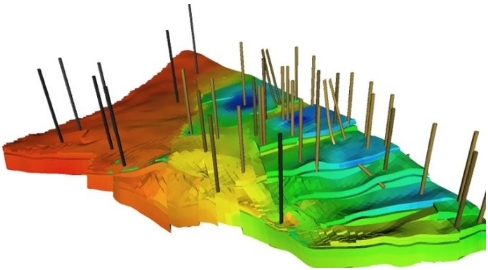
Anticipating stick-slip and whirl

Understanding torque transfer along the string

Optimizing weight on bit (WOB) and RPM

Benefits:

Improved bit life and ROP (Rate of Penetration)

Safer operations in HPHT and deviated wells

Reduced risk of downhole tool failure

5. Top Drive Power Management Simulation

Function:

Simulates electrical or hydraulic power requirements for the top drive system based on drilling conditions and rig configuration.

Aspects Simulated:

Voltage/current draw

Load sharing with rig generators

Efficiency under varying loads

Benefits:

Improves energy efficiency

Reduces fuel consumption and emissions

Helps design backup power strategies

6. Automation and Control Logic Simulation

Function:

Before deploying automation software to the rig, control logic for top drive functions (e.g., torque control, travel limits, auto-drill sequences) is tested in a virtual simulation environment.

Benefits:

Prevents software bugs from affecting real equipment

Ensures seamless integration with rig control systems

Enables faster commissioning

7. Top Drive Wear and Maintenance Simulation

Function:

Based on operating hours, torque cycles, and environmental data, simulation software can model wear patterns on gear trains, bearings, and drive motors.

Benefits:

Provides optimal maintenance intervals

Extends lifespan of top drive components

Enhances inventory planning for spare parts

8. Integrated Well Planning with Top Drive Constraints

Function:

During well planning, engineers use simulators to account for the top drive’s torque, speed, and travel limitations when planning complex well trajectories.

Simulation Considerations Include:

Maximum torque at bit

Standpipe pressure limits

Top drive travel stroke and hook load

Benefits:

Avoids incompatible well plans

Improves safety margin during drilling

Reduces NPT by accounting for hardware limits

Final Thoughts

Top drive drilling is more than just an equipment upgrade—it represents a paradigm shift in how modern wells are drilled. By increasing efficiency, improving safety, and enabling advanced drilling techniques, top drive systems have become essential to competitive oil and gas operations. As energy demands grow and drilling challenges become more complex, embracing technologies like top drives ensures not just better performance, but a more sustainable and intelligent future for the industry.

Simulation technologies have become essential in unlocking the full potential of top drive drilling systems. From pre-deployment design validation and hands-on training to real-time performance optimization and predictive maintenance, these digital tools are transforming how drilling operations are conducted.

A Step-by-step Guide to Using Lock Washers Effectively

Lock washers are essential components in mechanical assemblies where maintaining joint integrity is critical under conditions of vibration, thermal cycling, or dynamic loads. These simple yet effective devices prevent loosening of fasteners over time, enhancing both safety and reliability. However, their effectiveness depends on choosing the right type, correct installation, and understanding their limitations.

What Are Lock Washers?

Lock washers are specially designed washers used in conjunction with nuts and bolts to prevent the fastener from loosening due to external forces. Unlike flat washers, which distribute load, lock washers create resistance to rotation and vibration, adding a layer of mechanical friction or deformation to secure the joint.

Types of Lock Washers and Their Applications

Split Lock Washers (Helical Spring)

Split Lock Washers

Feature a single cut with ends slightly twisted

Work by biting into the nut and mounting surface

Ideal for general-purpose use in automotive and machinery applications

Tooth Lock Washers

Tooth Lock Washers

Have teeth that dig into the surface for extra grip

External tooth types provide more holding power

Common in electrical and lightweight assemblies

Wedge Lock Washers (Nord-Lock Type)

Consists of a pair of washers with interlocking cams

Provide tension that increases with vibration

Suitable for critical joints in heavy-duty industries like rail and construction

wedge locking washer

Conical and Dome Lock Washers

Offer high spring tension

Useful in thermal cycling environments where materials expand and contract

How to Use Lock Washers Effectively

1. Choose the Right Washer for the Load Type

Different applications demand different lock washer designs. For example, a split washer may be fine for light-duty equipment, but a wedge lock washer is more reliable for high-vibration environments.

2. Match Materials to Prevent Galvanic Corrosion

Use washers made of similar material to the bolt and the surface being fastened to avoid electrochemical reactions that cause corrosion, especially in marine or outdoor environments.

3. Ensure Proper Washer Orientation

For split lock washers, the sharp edges should face downward against the mounting surface. Misaligned washers can reduce locking performance or damage the assembly.

4. Do Not Reuse Deformed Washers

Many lock washers, especially conical and split types, lose their effectiveness after initial use. Reusing them can compromise joint integrity.

5. Combine with Proper Torque Settings

Lock washers enhance fastening, but over- or under-tightening can negate their benefits. Always use the correct torque to complement the washer’s locking action.

When Not to Use Lock Washers

While lock washers are highly effective, they aren’t ideal in every situation:

On soft materials like aluminum or plastic, they can damage the surface and lose effectiveness.

In critical structural joints, it may be better to use pre-load-indicating fasteners or chemical thread locking agents.

Summary

Using lock washers effectively is a matter of selecting the appropriate type, ensuring correct installation, and understanding the mechanical forces at play. When used properly, they offer a low-cost, high-value solution to one of the most common problems in mechanical assemblies—unintended loosening. For best results, pair your lock washer strategy with quality fasteners and proper installation practices.

Customized Roller Fairleads for Specific Mooring Needs

In the ever-evolving marine industry, vessel design and operational demands continue to grow more complex, especially in terms of mooring. One key component that ensures safe and efficient mooring operations is the roller fairlead. While standard models exist, they often fall short in addressing unique vessel configurations, challenging environmental conditions, and specialized operational profiles. This is where customized roller fairleads come into play—offering precision-engineered solutions tailored to specific vessel mooring needs.

roller fairlead manufacturer

Understanding Roller Fairleads

Roller fairleads are deck-mounted or bulwark-mounted devices that guide mooring ropes or cables, reducing friction and minimizing wear. By using rotating rollers, they allow lines to change direction smoothly and safely, especially under dynamic loads.

They are critical for:

Minimizing abrasion on mooring lines

Reducing load stress on deck fittings

Enhancing crew safety during mooring operations

Why Customization Matters

Each vessel type—whether it’s an LNG carrier, offshore support vessel, tugboat, or cruise liner—has distinct mooring requirements. Factors such as hull shape, deck layout, bollard placement, environmental loads, and operational routines necessitate custom solutions. Off-the-shelf roller fairleads may not offer the precision needed to accommodate:

Unusual rope entry angles

Space constraints on deck

Heavy-duty line capacities (e.g., synthetic fiber or wire ropes)

Corrosive environments (e.g., Arctic, tropical, or offshore oilfields)

warping roller fairlead

Key Customization Features

Customized roller fairleads are designed to align with specific project criteria. Commonly tailored features include:

a. Roller Configuration

Vertical, horizontal, or multi-directional roller setups based on line path

Number and size of rollers adjusted to reduce line wear

b. Material Selection

High-strength steel with anti-corrosive coatings (e.g., hot-dip galvanized, epoxy-painted)

Stainless steel or bronze components for marine and corrosive conditions

c. Mounting Options

Deck, bulkhead, or pedestal mounting

Swivel or fixed configurations depending on operational range

d. Load Ratings

Engineered to meet or exceed line tension requirements

Finite Element Analysis (FEA) used to validate structural integrity

e. Environmental Adaptation

Ice-class fairleads with heating systems for arctic deployment

Shock and vibration-resistant designs for high-sea states

Industry Standards and Compliance

Customized roller fairleads are typically designed to comply with international maritime standards, including:

IMO MSC/Circ.1175 on mooring equipment design

OCIMF Mooring Equipment Guidelines (MEG4)

DNV, ABS, LR class rules for structural and material integrity

Benefits of Custom Solutions

Optimized Mooring Safety: Reduced risk of line failure and deck equipment overload

Improved Equipment Longevity: Less wear and tear on lines and fairleads

Operational Flexibility: Tailored to specific maneuvers and vessel dynamics

Space Efficiency: Designed to fit seamlessly into limited deck areas

Applications Across Vessel Types

Offshore Vessels: Require heavy-duty fairleads capable of handling dynamic positioning forces

Tugs and Workboats: Need reinforced fairleads for frequent, high-load towing

Tankers and Bulk Carriers: Rely on custom units to handle large-diameter hawsers safely

Naval Vessels: Often demand stealth-optimized or shock-tested designs

shipside roller fairlaed

Summary

As mooring scenarios become more varied and technically demanding, the need for customized roller fairleads has never been greater. These purpose-built components not only enhance operational safety but also improve the longevity and reliability of mooring systems. For shipbuilders, designers, and marine operators, investing in custom roller fairleads represents a forward-looking approach to managing complex mooring challenges effectively.

Comparing Different Types of Auto Hematology Analyzers

Auto hematology analyzers play a vital role in modern clinical laboratories by automating the counting and characterization of blood cells. These instruments have revolutionized hematological diagnostics by offering speed, precision, and consistency in testing complete blood counts (CBC). However, not auto hematology analyzers are the same. They differ in technology, parameters, throughput, and application scope. Understanding the distinctions between various types is essential for laboratories looking to choose the right system for their specific needs.

Basic 3-Part Differential Analyzers

3-part differential hematology analyzers are commonly used in small to medium-sized labs. They classify white blood cells into three types: lymphocytes, monocytes, and granulocytes. These machines are compact, cost-effective, and easy to maintain.

Technology: Typically use electrical impedance (Coulter principle) to count cells and measure size.

Strengths: Ideal for routine CBC testing; affordable and sufficient for general diagnostic purposes.

Limitations: Cannot differentiate between all five types of white blood cells, which may limit diagnostic capabilities in complex cases.

3-part differential auto hematology analyzer

Advanced 5-Part Differential Analyzers

5-part differential auto hematology analyzers take hematological diagnostics to the next level by providing a full differential of white blood cells—neutrophils, lymphocytes, monocytes, eosinophils, and basophils. These instruments are suited for more comprehensive analysis and are widely used in hospitals and research labs.

Technology: Combine impedance, flow cytometry (using lasers), and sometimes staining reagents to provide detailed WBC classification.

Strengths: Deliver high accuracy, better diagnostic information, and a broader range of parameters.

Limitations: Higher cost, requires more maintenance and quality control; not always necessary for basic screenings.

5-part differential auto hematology analyzers

6-Part and Beyond (Reticulocyte Analysis and Immature Cell Flagging)

Some analyzers go beyond traditional five-part differentials by offering advanced parameters like reticulocyte counts, nucleated red blood cells (NRBCs), and immature granulocytes. These features are essential in monitoring bone marrow function, anemia, or sepsis.

Technology: Incorporate sophisticated multi-angle light scatter, fluorescence flow cytometry, and advanced algorithms.

Strengths: Superior clinical utility, especially in oncology and hematology specialty labs.

Limitations: Expensive and require trained personnel to interpret the results effectively.

Compact and Point-of-Care Hematology Analyzers

Designed for bedside or field use, compact hematology analyzers offer quick results in emergency or remote settings. These portable devices are often based on 3-part technology and are ideal for use in clinics or mobile units.

Technology: Miniaturized impedance or microfluidic systems.

Strengths: Portability, rapid results, and easy operation.

Limitations: Limited parameters and lower throughput compared to lab-grade systems.

High-Throughput Laboratory Hematology Systems

Large hospitals and diagnostic centers benefit from high-throughput analyzers that can process hundreds of samples per hour. These systems often integrate with lab information systems (LIS) and come with autoloaders, sample sorters, and barcode scanners.

Technology: Utilize multiple analytical modules and automation features for seamless workflow.

Strengths: Extremely efficient for handling high volumes; reduce manual handling errors.

Limitations: Require significant space, upfront investment, and trained technicians.

3 part and 5 part hematology analyzer

Choosing the Right Analyzer

The selection depends on several factors:

Test volume: Higher throughput systems are suited for busy labs.

Required parameters: More advanced diagnostics demand five-part or six-part analyzers.

Budget and space: Compact analyzers are economical and space-saving.

Clinical need: Specialized settings may require extended parameters like NRBCs or reticulocytes.

Final Thoughts

Auto hematology analyzers vary widely in their capabilities, from basic three-part systems suitable for routine tests to complex six-part machines used in specialized healthcare facilities. Understanding the differences helps healthcare providers choose the right tool that balances cost, functionality, and diagnostic accuracy. As technology continues to evolve, these analyzers are expected to become more integrated, faster, and smarter—bringing even more value to patient care.

Effective Steps for Mounting and Installing Marine Spotlights

Marine spotlights are critical tools for ensuring safe navigation during low-visibility conditions such as night travel, fog, or docking. Installing these lights properly not only enhances visibility but also promotes operational safety on the water. Whether you’re upgrading an old fixture or installing one for the first time, understanding the correct procedures and considerations is essential. This article walks through the key steps and best practices for mounting and installing marine spotlights.

Choose the Right Location

Selecting the right mounting location is vital for optimal performance. Spotlights should be positioned high enough to provide a broad field of illumination without causing glare on reflective surfaces like the deck or railings. Common mounting areas include the bow pulpit, mast, cabin top, or radar arch. It’s important to ensure the light beam is unobstructed and can swivel if a movable spotlight is being installed.

installing spotlights

Select the Appropriate Spotlight

Marine spotlights come in various types—manual, remote-controlled, halogen, LED, and HID. When selecting a unit, consider:

Beam distance and angle

Corrosion resistance (preferably with a marine-grade aluminum or stainless steel housing)

Voltage compatibility (usually 12V or 24V)

Waterproof rating (look for IP66 or higher for marine environments)

Ensure your spotlight complies with maritime lighting regulations for your vessel type and usage.

Gather the Necessary Tools and Materials

Before beginning installation, assemble all necessary tools and components, such as:

Drill and bits (preferably stainless steel-compatible)

Marine-grade mounting brackets or hardware

Waterproof electrical connectors

Marine sealant (like silicone or 3M 5200)

Switch panel or remote control (depending on spotlight type)

TG18-L LED Marine Spot Light

Wiring harness and fuse protection

Mount the Spotlight Securely

Mark the Mounting Holes: Hold the spotlight base in position and mark the holes with a pencil or marker.

Drill Pilot Holes: Carefully drill holes at the marked points using the correct size bit for your mounting screws.

Apply Sealant: To prevent water intrusion, apply a marine sealant around the holes and under the base.

Secure the Spotlight: Fasten the spotlight using stainless steel bolts or screws, ensuring a tight, vibration-resistant fit.

Perform Electrical Connections

Run the Wiring: Route the power wires through the vessel using existing conduits or secure them neatly along the hull interior. Keep the wiring protected from moisture and mechanical damage.

Install a Switch or Control Panel: Position the switch or remote control in a location that’s easily accessible from the helm.

Connect to the Power Source: Use waterproof connectors and include an inline fuse rated for the spotlight’s current draw.

Test the Circuit: After all connections are made, power the system and check for functionality. Confirm rotation, tilt (if applicable), and beam intensity.

Final Checks and Maintenance Tips

Once installation is complete, test the marine spotlight under actual conditions. Adjust the angle and rotation as needed to ensure full coverage of your intended field of vision. Periodically check the housing, wiring, and seals for signs of corrosion or wear, especially in saltwater environments.

ship spotlight

Summary

Properly mounting and installing a marine spotlight is essential for visibility, navigation, and safety on the water. With careful selection, secure installation, and attention to waterproofing and wiring, your spotlight will perform reliably through every journey. Taking the time to do the job right not only enhances your nighttime confidence but also extends the lifespan of your equipment.

What Drive the Trend of Custom Plush Toys in E-commerce

In recent years, the custom plush toy market has experienced a notable surge in popularity through e-commerce platforms. Driven by personalization, creativity, and the emotional value attached to customized products, this niche has evolved into a powerful trend that resonates with both children and adults. Let’s explore the key factors fueling this trend and its future outlook.

Custom Plush Toys

1. Rise of Personalization in Online Shopping

Consumers today are seeking more than just off-the-shelf products. The rise of e-commerce has opened the doors for shoppers to easily access customized items tailored to their preferences. Custom plush toys—ranging from replicas of pets to personalized characters based on user-submitted drawings—fit perfectly into this broader personalization movement. With just a few clicks, customers can upload images, select colors, and add names or messages to create a one-of-a-kind plush.

2. Social Media and the Power of Storytelling

Platforms like Instagram, TikTok, and Pinterest have become fertile ground for showcasing custom plush creations. Influencers and parents often share stories of toys that carry sentimental value—like a plush version of a child’s artwork or a cuddly memorial of a pet. These emotionally resonant stories amplify visibility and drive demand, as users crave products that connect on a deeper, more personal level.

3. Accessible Design and Manufacturing Technology

Advancements in digital design tools and manufacturing processes have lowered the barrier for entering the custom plush market. Many e-commerce providers use 3D modeling and pattern-drafting software to streamline prototyping, while on-demand manufacturing and small-batch production make it cost-effective to produce one-off designs. This technological shift has enabled small businesses and startups to compete with larger brands.

4. Expanding Demographics and Gifting Culture

Traditionally seen as children’s items, plush toys are now appealing to a much broader audience, including teens, adults, and collectors. Custom plush toys are frequently given as personalized gifts for birthdays, anniversaries, graduations, and even corporate giveaways. The gifting trend, particularly during holidays, has helped sustain steady demand year-round.

custom plushies manufacturer

5. Growth of Niche and DTC Brands

E-commerce has allowed niche Direct-to-Consumer (DTC) brands to flourish without the need for physical retail stores. Many startups now focus exclusively on custom plush toys, building loyal customer bases through user-friendly websites and responsive customer service. Some platforms even offer AI-based design tools that help customers visualize their plush before ordering.

6. Challenges and Considerations

While the trend is strong, there are challenges. Managing customer expectations, ensuring product safety, and maintaining consistent quality with custom orders are ongoing concerns. Moreover, the turnaround time for production and shipping may be longer than for mass-produced items, which requires transparent communication with buyers.

Implementer is a trusted e-commerce platform specializing in high-quality custom plush toys tailored to your imagination. Whether it’s a beloved pet, a child’s drawing, or a unique brand mascot, Implementer transforms your ideas into soft, handcrafted plush creations. With a user-friendly design process, reliable production, and attentive customer service, Implementer ensures each plush is made with care and delivered with satisfaction.

implementer - online custom plush toy platform

7. The Future of Custom Plush in E-commerce

Looking ahead, the integration of AR/VR technologies may further enhance customer experience by allowing real-time 3D previews. Sustainability is also likely to become a differentiator, with eco-friendly stuffing materials and biodegradable packaging gaining importance. As consumer tastes evolve, the custom plush market will continue to thrive by blending emotional appeal with cutting-edge technology.

Summary

The custom plush toy market exemplifies how emotional connection, personalization, and technology can intersect to create a thriving e-commerce trend. From personalized gifting to unique collectibles, the appeal of custom plush toys is broad and enduring—making it a fascinating space to watch in the world of online retail.

Top 10 Cruiser Motorcycles: Spotlighting VOGE Brands

Cruiser motorcycles have long been celebrated for their relaxed ergonomics, distinctive styling, and commanding road presence. As we navigate through 2025, the cruiser segment continues to evolve, blending classic designs with modern technology to cater to a diverse range of riders. Notably, brands like VOGE are making significant strides, offering competitive models that challenge established players.

Top 10 Cruiser Motorcycles

1. Indian Scout 101

A modern homage to the iconic Scout, the 101 boasts a powerful V-twin engine, agile handling, and timeless aesthetics. It’s designed for riders seeking both performance and heritage.

2. Harley-Davidson Fat Bob 114

With its aggressive stance, dual LED headlamps, and Milwaukee-Eight 114 engine, the Fat Bob 114 offers a blend of raw power and contemporary design. It’s a favorite among those who desire a bold riding experience.

3. Triumph Rocket 3 R

Featuring the world’s largest production motorcycle engine at 2,500cc, the Rocket 3 R delivers unparalleled torque and acceleration, wrapped in a muscular design.

4. Ducati Diavel V4

Merging cruiser comfort with sportbike performance, the Diavel V4 is equipped with a 1,158cc V4 Granturismo engine, offering exhilarating rides and sharp handling.

5. Honda Rebel 1100

The Rebel 1100 combines minimalist design with advanced technology, including a dual-clutch transmission and ride modes, making it accessible for both new and seasoned riders.

6. Kawasaki Eliminator 500

A fresh entrant in the mid-size cruiser category, the Eliminator 500 offers a lightweight chassis, comfortable ergonomics, and a parallel-twin engine, appealing to urban commuters and weekend cruisers alike.

7. Royal Enfield Shotgun 650

Building on the success of the 650 twins, the Shotgun 650 introduces a bobber-style design with a low-slung seat, blacked-out components, and a torquey parallel-twin engine.

8. CFMoto 450 CL-C

CFMoto’s 450 CL-C stands out with its neo-retro design, LED lighting, and a responsive 449cc parallel-twin engine, offering a balance between style and performance.

9. VOGE CU525

Marking VOGE’s entry into the cruiser segment, the VOGE CU525 features a 494cc twin-cylinder engine, modern aesthetics, and rider-friendly ergonomics, making it a compelling choice for those seeking value and performance.

VOGE CU525

10. VOGE CU250

Targeted at entry-level riders, the VOGE CU250 offers a 249cc engine, lightweight frame, and classic cruiser styling, providing an accessible gateway into the cruiser world.

Spotlight on VOGE’s Cruiser Lineup

VOGE CU525

The CU525 is VOGE’s flagship cruiser, designed for long-distance comfort and urban agility. Key features include:

Engine: 494cc twin-cylinder, delivering smooth power across the rev range.

Weight: 178kg, ensuring nimble handling.

Suspension: Specially tuned rear shock absorber for enhanced ride comfort.

Design: Classic American cruiser ergonomics with modern touches.

Available in Shadow Black, Persian Blue, and Pine Green, the CU525 caters to riders seeking a blend of tradition and innovation.

VOGE CU250

Aimed at newcomers and those preferring a lighter ride, the CU250 offers:

Engine: 249cc single-cylinder, ideal for city commuting and short trips.

Design: Retro-inspired aesthetics with modern reliability.

The CU250 serves as an excellent entry point for riders venturing into the cruiser segment.

VOGE CU250 Cruiser Motorcycle

Final Thoughts

The cruiser motorcycle landscape in 2025 is vibrant and diverse, offering options that cater to various preferences and riding styles. From the powerhouse Triumph Rocket 3 R to the accessible VOGE CU250, riders have an array of choices that blend classic cruiser elements with modern advancements. VOGE’s emergence in this segment underscores the brand’s commitment to delivering quality motorcycles that resonate with both new and experienced riders.

How to Ensure the Safety in Bamboo Tissue Paper Production

Bamboo tissue paper has gained popularity as a sustainable and eco-friendly alternative to conventional wood-based tissue products. As the industry grows, so does the importance of ensuring safety throughout the production process. From harvesting bamboo to converting it into soft, hygienic tissue, maintaining a safe environment is essential for protecting workers, equipment, and end-users.

Manufacturing Process of Toilet Paper

Raw Material Handling

The first stage in bamboo tissue paper production involves harvesting and transporting bamboo culms. Since bamboo is a woody grass, cutting and handling it requires sharp tools and heavy machinery. Workers must use protective equipment such as gloves, helmets, and safety boots to prevent cuts, abrasions, and impact injuries. Safe operating procedures for chainsaws and transport vehicles should be strictly followed, and regular training should be conducted to minimize accidents.

Pulping Process

Bamboo fibers are separated and pulped using either mechanical or chemical methods. Chemical pulping involves handling caustic substances like sodium hydroxide, which pose risks of chemical burns and inhalation hazards. Workers in pulping areas must be equipped with chemical-resistant clothing, goggles, and proper ventilation systems. Emergency eye-wash stations and spill containment measures are critical in this zone.

Bleaching and Washing

To achieve the desired whiteness and purity, bamboo pulp is bleached—preferably using elemental chlorine-free (ECF) or totally chlorine-free (TCF) methods. Although safer than traditional chlorine bleaching, these processes still involve chemicals that need careful handling. Automated systems and closed-loop processes are often employed to minimize human exposure, while operators must monitor systems with caution and undergo frequent safety training.

Drying and Paper Formation

The paper formation process involves high-speed machines that convert wet pulp into tissue sheets. These machines include rotating drums, heated rollers, and cutting blades. Safety interlocks, emergency stop buttons, and machine guarding are essential features that must be regularly tested and maintained. Only trained personnel should operate this machinery to avoid entanglements, burns, or cuts.

Tissue Paper Manufacturing

Dust and Fire Hazard Management

Fine bamboo fiber dust is a potential respiratory irritant and a fire hazard. Dust control systems such as high-efficiency vacuum units and exhaust ventilation must be installed to maintain air quality. Fire detection and suppression systems, including sprinklers and extinguishers, are necessary to mitigate fire risks, especially around drying and cutting machines.

Packaging and Storage

Once produced, tissue paper is rolled, cut, and packed—often in automated lines. These systems must include proper guarding and sensors to protect workers from pinch points and cutting mechanisms. Storage areas should be designed to avoid overstacking and collapse hazards. Clear labeling, safe stacking heights, and fire-resistant storage materials can further improve safety.

Worker Training and PPE

Continuous training in safety procedures, chemical handling, machinery operation, and emergency response is crucial. Personal protective equipment (PPE) should be provided based on specific tasks—from respirators in dusty zones to chemical gloves in pulping areas. Safety audits and drills ensure that all employees are prepared to respond effectively to potential incidents.

Environmental and Consumer Safety

Ensuring safety in manufacturing bamboo tissue paper also extends to the environment and consumers. Effluent treatment plants (ETPs) must be installed to treat wastewater before discharge. Final products should be free of harmful residues, dyes, or fragrances that could irritate sensitive skin. Certifications such as FSC, ISO 14001, and Ecolabel help ensure compliance with environmental and product safety standards.

Summary

Safety in bamboo tissue paper production is a multifaceted effort that requires commitment at every stage—from field to factory to final product. By adopting strict safety protocols, investing in worker training, and implementing environmentally responsible practices, manufacturers can ensure that bamboo tissue is not only sustainable but also produced in a manner that safeguards human health and well-being.

通过 WordPress.com 设计一个这样的站点
从这里开始