5 Key Points You Need to Know about Automatic Tension Controllers

In modern industrial and manufacturing processes, maintaining the right tension in materials like film, paper, textiles, foil, and wire is critical. Inconsistent tension can lead to defects, downtime, and waste. This is where automatic tension controllers come into play. These systems have become essential for ensuring high-quality output and operational efficiency across a range of industries.

What Are Automatic Tension Controllers?

Automatic tension controllers are precision devices designed to maintain constant tension on a moving web or strand of material during processes like unwinding, rewinding, printing, laminating, slitting, and coating. They detect variations in tension and make real-time adjustments to correct them—without the need for manual intervention.

These tension control systems typically consist of a tension sensor (load cell or dancer arm), a controller, and an actuator (such as a brake, clutch, or drive). Together, they form a closed-loop system that continuously monitors and adjusts tension levels as material moves through the machinery.

How Do They Work?

The core principle behind automatic tension control is feedback. Sensors detect the actual tension of the moving material and send data to the controller. The controller compares this feedback to a preset tension setpoint. If there’s a discrepancy, it signals the actuator to increase or decrease tension accordingly. This rapid adjustment helps maintain uniform tension throughout the process.

Depending on the specific application and setup, controllers may operate in open-loop (pre-programmed behavior without feedback) or closed-loop (real-time feedback) configurations. Closed-loop systems offer higher precision and are preferred for demanding applications.

Applications Across Industries

Automatic tension controllers are used in a wide variety of sectors, including:

Printing: To ensure accurate registration and ink application on paper or film.

Packaging: For consistent film tension in forming, filling, and sealing.

Textiles: To prevent stretching, wrinkling, or tearing of fabric.

Battery and electronics: For precise foil and electrode coating processes.

Labeling and converting: Where tight tension control improves die-cutting and placement accuracy.

Advantages of Automatic Tension Controllers

Enhanced Product Quality: Precise tension control helps eliminate material distortions and inconsistencies.

Increased Efficiency: Reduced downtime and fewer manual adjustments mean smoother operations.

Material Savings: Fewer errors translate to less waste.

Versatility: Compatible with various web materials and machine types.

Real-time Adaptability: Adjusts instantly to changes in roll diameter, speed, or material type.

Technological Advancements

Advanced tension controllers are increasingly integrated with digital technologies such as:

Touchscreen interfaces for easy configuration and monitoring.

IoT connectivity for remote diagnostics and predictive maintenance.

AI-based algorithms to optimize performance across different production conditions.

These innovations are pushing the boundaries of what’s possible in terms of precision, adaptability, and user-friendliness.

Summary

Automatic tension controllers are vital components in today’s high-speed, precision-driven production environments. They help maintain consistent quality, reduce waste, and improve process efficiency. As industries continue to demand tighter tolerances and smarter control systems, the role of automatic tension controllers will only grow more important in the future of industrial automation.

The Growing Popularity of Oversized and Miniature Custom Stuffed Animals

Stuffed animals have long been cherished as comforting companions, collectible treasures, and delightful gifts. With advancements in design and manufacturing, the world of plush toys has evolved far beyond standard sizes. Today, oversized and miniature custom stuffed animals are capturing the hearts of consumers, offering new ways to express creativity, emotion, and personality. Whether towering above a child or small enough to sit in a palm, these size extremes bring unique value to the plush toy experience.

Oversized and Miniature Custom Stuffed Animals

The Appeal of Customization

Customization is at the heart of what makes oversized and miniature stuffed animals so special. Consumers can personalize details such as animal type, color, clothing, facial expressions, and even embroider names or special messages. These unique touches make each custom stuffed animal unique, whether it’s designed to replicate a beloved pet, a company mascot, or a whimsical creature born from imagination.

Oversized Stuffed Animals: A Giant Gesture of Love

Oversized stuffed animals, often ranging from 2 to over 6 feet tall, are designed to make a statement. They’re popular as romantic gifts, photo props, promotional items, and sensory-friendly toys for children.

Oversized Custom Stuffed Animal

Why People Love Them:

Visual Impact: Their massive size makes them instantly eye-catching and perfect for memorable moments.

Huggability: With ample softness and volume, they offer comforting physical presence, especially in therapeutic settings.

Great for Displays: They’re often used in storefronts, events, and exhibitions to attract attention or enhance themes.

Challenges to Consider:

Storage: Due to their size, they require ample space.

Shipping Costs: Transporting large plush toys can be costly without vacuum packing or compression.

Durability: Larger customized plush toys may need reinforced stitching and high-quality filling to retain shape and structure.

Miniature Stuffed Animals: Small but Mighty

At the opposite end of the spectrum are miniature stuffed animals, which typically range from 2 to 6 inches in height. These pint-sized plushies are ideal as party favors, collectibles, keychains, or accessories for bags and mobile devices.

Miniature Stuffed Animals

Why People Love Them:

Portability: Easy to carry, gift, or display anywhere.

Affordability: Less material means lower production costs, which translates to more budget-friendly items.

Customization Versatility: Perfect for brand promotions or themed merchandise with mass appeal.

Collectibility: Many people enjoy collecting mini plush toys in various styles or themes.

Production Considerations:

Detailing: Despite their size, miniature plush animals require precise craftsmanship to maintain quality.

Safety: For children, parts like eyes or buttons need to be securely fastened to avoid choking hazards.

Use Cases Across Industries

Both oversized and miniature custom stuffed animals have found a place across industries:

Retail and Merchandising: Brands use plush mascots to increase customer engagement and loyalty.

Education: Teachers and therapists use plush animals to create friendly learning environments.

Events and Promotions: Plush giveaways, from giant event mascots to small souvenirs, boost brand visibility.

Healthcare: Stuffed animals offer emotional support for patients, especially children.

Conclusion

Oversized and miniature custom stuffed animals offer more than just softness—they provide a platform for creativity, emotion, and branding. Whether you’re gifting a giant teddy bear to someone special or designing mini plush toys for a marketing campaign, these plush companions come in sizes to suit every purpose. Their lasting charm lies not only in their form but also in the personal stories they help tell.

Exploring the Types of Toilet Papers: Choosing the Right Type for Your Needs

Toilet paper is a daily essential that many people rarely think twice about—until they’re faced with the growing variety on store shelves. From ultra-soft luxury rolls to eco-friendly options, the different types of toilet papers cater to varying preferences, needs, and environmental concerns. Understanding these options helps consumers make informed choices based on comfort, cost, sustainability, and functionality.

1. Standard Toilet Paper

Standard toilet paper is the most commonly used type found in households and public restrooms. It’s designed for typical daily use and comes in a variety of ply levels (layers of paper). The number of plies affects softness, absorbency, and strength.

1-ply: Thin, budget-friendly, and uses less paper.

2-ply: Offers a balance of comfort and durability.

3-ply and above: Known for luxury softness and extra absorbency.

2. Premium or Luxury Toilet Paper

Premium toilet paper is designed for those who prioritize comfort and softness. It typically features:

Multiple plies (2 to 4 layers)

Quilted or embossed textures

Lotion or aloe infusion for extra softness

Higher price point

This type is popular in hotels and high-end households, though it can be less eco-friendly due to additional processing and packaging.

3. Recycled Toilet Paper

Recycled toilet paper is made from post-consumer recycled content such as newspapers, magazines, or office paper. It avoids the use of virgin tree pulp and helps reduce environmental impact.

Environmentally friendly

May feel slightly rougher than standard paper

Ideal for eco-conscious consumers and green businesses

Recycled Toilet Paper

4. Bamboo Toilet Paper

Bamboo toilet paper is a fast-growing alternative made from bamboo pulp. Bamboo is a renewable resource that grows faster than trees and requires fewer chemicals to process.

Naturally soft and strong

Biodegradable and septic-safe

Popular among sustainable living advocates

Bamboo Toilet Paper

5. Scented and Treated Toilet Paper

Some toilet paper brands add fragrances, lotions, or other treatments to enhance the user experience.

Scented: Often infused in the cardboard core or the paper itself

Treated: Includes lotion, aloe, or vitamin E for soothing sensitive skin

While these options provide extra comfort or fragrance, they may not be suitable for individuals with allergies or sensitive skin.

6. Septic-Safe Toilet Paper

Septic-safe toilet paper is specially designed to break down quickly in water, reducing the risk of clogs in septic systems and RV toilets.

Often 1-ply or 2-ply

Designed to disintegrate rapidly

Ideal for homes with older plumbing or septic tanks

7. Unbleached or Chemical-Free Toilet Paper

This type of toilet paper is processed without harsh chemicals like chlorine, which are often used to whiten paper. Instead, it may have a natural, off-white color.

Free from dyes and perfumes

Safer for sensitive skin

Preferred by environmentally conscious consumers

8. Colored or Printed Toilet Paper (Rare)

Colored or printed toilet paper was more popular in the past but has become rare due to concerns about dyes and chemicals. Some novelty brands still produce it for special events or decoration.

Aesthetic appeal

Not widely available

Potential concerns for sensitive users and plumbing systems

9. Industrial or Commercial Toilet Paper

Used in high-traffic public restrooms, this type comes in large rolls (jumbo rolls) or continuous-feed dispensers. It prioritizes quantity and cost-efficiency over comfort.

Bulk packaging

Often 1-ply

Designed for easy maintenance in public spaces

Toilet Paper

Summary

Choosing the right type of toilet paper involves more than just picking the softest roll on the shelf. Factors like ply count, environmental impact, skin sensitivity, and plumbing compatibility all come into play. Whether you prioritize luxury, sustainability, or practicality, there’s a toilet paper type to suit every need. With more options now than ever, consumers have the power to make choices that align with their values—without compromising on comfort.

How Innovative Technologies Revolutionize Well Intervention Operations

As oil and gas fields mature, well intervention operations play a crucial role in maintaining productivity, extending well life, and optimizing reservoir recovery. With the evolution of digitalization and advanced materials, well intervention technologies have become more efficient, cost-effective, and safer.

Subsea Well Intervention

Key Innovative Technologies for Well Intervention

1. Coiled Tubing (CT) with Real-Time Data Acquisition

Traditional coiled tubing has long been a standard in well intervention. However, the integration of real-time downhole data acquisition systems is a game-changer. Sensors embedded in the coil provide operators with live feedback on pressure, temperature, and flow rates, enabling immediate adjustments and improved decision-making.

Key Benefits:

Minimizes risk of formation damage

Enhances precision in acidizing and cleanout jobs

Reduces non-productive time (NPT)

2. Smart Wireline Tools

Wireline services have evolved into a platform for smart intervention. Today’s wireline tools are equipped with digital sensors and telemetry systems that allow remote monitoring and diagnostics. These tools can perform logging, perforating, and setting packers without pulling out the string.

Key Innovations:

Memory and real-time logging systems

Downhole cameras and acoustic sensors

Wireless-enabled communication

3. Rigless Intervention Systems

In an effort to cut costs and increase mobility, operators are turning to rigless well intervention technologies. Using lightweight hydraulic workover units (HWUs), slickline, and wireline tractors, operators can intervene in subsea and land wells without a traditional rig.

Advantages:

Cost savings on rig mobilization

Fast deployment in remote areas

Minimal environmental footprint

Rigless Well Intervention

4. Fiber Optic Sensing

Distributed Acoustic Sensing (DAS) and Distributed Temperature Sensing (DTS) use fiber optic cables installed in the wellbore to gather continuous data along the entire length of the well.

Applications:

Leak detection

Fracture monitoring

Production profiling

Fiber optic technologies provide unparalleled insight into well conditions, helping teams make proactive intervention decisions.

5. Autonomous Downhole Robots

One of the most futuristic innovations in well intervention is the deployment of robotic tools that can navigate through the wellbore autonomously.

Functions:

Inspect tubing and casing integrity

Remove scale and obstructions

Perform mechanical repairs

These robots are especially useful in high-angle or horizontal wells where traditional tools face limitations.

6. Digital Twin and AI Integration

The digital twin model—a real-time virtual replica of the well—combined with artificial intelligence, allows for predictive maintenance and simulation-based decision-making.

Benefits:

Optimize timing of interventions

Reduce downtime through proactive alerts

Improve reservoir management strategies

AI models learn from historical data to recommend customized intervention plans, enhancing operational success.

7. Advanced Plug and Abandonment (P&A) Solutions

As more wells approach end-of-life, innovative P&A techniques are being developed to seal wells permanently and safely. New materials like bismuth alloys, resins, and expandable barriers replace traditional cement, ensuring long-term integrity.

Emerging Trends:

Laser cutting tools

Resin-based zonal isolation

Non-explosive setting mechanisms

How Simulation Technology is Used for Well Intervention Operations

1. Pre-Job Planning and Risk Assessment

Simulation software enables operators to virtually model the well environment before executing an intervention. By inputting data such as well trajectory, pressure, temperature, and completion details, engineers can simulate various intervention scenarios.

Applications:

Identify potential hazards (e.g., stuck tools, overpressure)

Optimize tool selection and string design

Assess fluid dynamics and compatibility

This allows teams to evaluate risks and develop contingency plans before deploying equipment in the field.

2. Real-Time Job Monitoring and Optimization

Some advanced simulation tools offer real-time integration with downhole data (e.g., from sensors in coiled tubing or wireline tools). These live simulations help operators visualize the current operation and adjust on the fly.

Benefits:

Real-time visualization of tool position and well response

Dynamic updates to intervention models

Immediate decision-making support

This minimizes non-productive time and improves operational control during complex jobs.

3. Training and Competency Development

Simulation technology is also critical for training personnel through realistic, hands-on experiences in a virtual environment. Using well intervention simulators, trainees can perform mock operations without any real-world risk.

Used to Train:

Coiled tubing operators

Wireline and slickline technicians

Snubbing unit operators

Hydraulic workover crews

These simulators provide scenarios involving pressure control, toolstring failures, and well instability, helping develop competence in high-risk situations.

Full Size Coiled Tubing Simulator

4. Tool and Technique Evaluation

Before field deployment, simulation allows for testing and evaluation of new tools or intervention techniques under various well conditions.

Use Cases:

Validating tool configurations and deployment sequences

Testing new chemical formulations for stimulation

Assessing wear and fatigue under extended runs

This enhances tool reliability and reduces trial-and-error costs in real wells.

5. Integration with Digital Twin Models

Simulation software can be integrated into digital twin systems—virtual replicas of physical wells that continuously update with real-time field data. This allows teams to simulate interventions on a live replica of the well, increasing precision in planning and execution.

Advantages:

Simulate impact of intervention on production

Predict outcomes using historical and current data

Coordinate multi-disciplinary teams in a unified digital environment

6. Post-Intervention Analysis and Reporting

After completing an intervention, simulation tools help analyze the effectiveness of the operation and identify areas for improvement.

Post-Job Capabilities:

Replay of operational steps

Evaluation of pressure and flow responses

Root cause analysis of anomalies

This leads to better planning for future interventions and enhanced understanding of well behavior.

Summary

Well intervention is no longer just about fixing problems—it’s about smart, data-driven optimization. From real-time sensing to autonomous robotics and digital twins, these innovations are increasing efficiency, lowering costs, and enhancing safety in today’s complex drilling environments.

Simulation technology offers a comprehensive solution to the complexities of well intervention. From planning and training to execution and analysis, it enhances accuracy, boosts safety, and improves economic outcomes.

Bamboo Toilet Paper vs. Recycled Paper: Which One is Better

As sustainability continues to influence consumer choices, eco-friendly toilet paper has gained considerable traction. Among the top contenders are bamboo toilet paper and recycled paper alternatives—both offering an environmentally conscious break from conventional toilet tissue made from virgin wood pulp. But which one comes out ahead in terms of sustainability, performance, and overall impact? Let’s break it down.

Bamboo Toilet Paper Supplier

1. Raw Material Source

Bamboo Toilet Paper:

Bamboo is one of the fastest-growing plants on Earth, reaching maturity in just 3–5 years without the need for replanting, pesticides, or fertilizers. It absorbs more CO₂ and produces more oxygen than traditional trees, making it a highly renewable resource.

Recycled Toilet Paper:

Made from post-consumer waste such as office paper and newspaper, recycled toilet paper repurposes materials that would otherwise end up in landfills. It helps reduce deforestation and lowers the carbon footprint associated with logging and pulping virgin trees.

Verdict: Both options reduce reliance on virgin wood, but bamboo has a regenerative edge due to its rapid growth and low input needs.

2. Environmental Impact

Bamboo Toilet Paper:

The cultivation and processing of bamboo typically require less water and fewer chemicals compared to traditional wood pulping. However, most bamboo is grown and processed in Asia, which may increase emissions due to long-distance transportation.

Recycled Toilet Paper:

It generally has a lower overall carbon footprint because it’s often sourced and manufactured locally. However, the recycling process can involve de-inking and bleaching, which may use environmentally harsh chemicals if not managed properly.

Verdict: Recycled toilet paper often wins in terms of carbon footprint, especially when sourced domestically, but bamboo’s processing is catching up with cleaner, greener methods.

3. Softness and Strength

Bamboo Toilet Paper:

Known for its silky texture and natural strength, bamboo toilet paper often feels softer and more durable than its recycled counterparts. It is less likely to tear and is preferred by those who value comfort.

Recycled Toilet Paper:

While early recycled paper was rough and thin, modern brands have improved softness significantly. However, it may still lag slightly behind bamboo in texture and strength.

Verdict: Bamboo toilet paper typically outperforms in comfort and durability.

4. Biodegradability and Septic Safety

Both bamboo and recycled toilet paper are biodegradable and septic-safe, making them ideal for homes with delicate plumbing or septic systems. They break down quickly and do not contain harsh chemicals that harm sewage ecosystems.

Verdict: It’s a tie—both are excellent for sensitive plumbing systems.

5. Cost and Availability

Bamboo Toilet Paper:

The production of bamboo tissue paper is often more expensive due to import costs, lower availability, and premium branding. However, the price is slowly becoming more competitive as demand grows.

Recycled Toilet Paper:

Usually more affordable and widely available in bulk, especially in large chain stores and online platforms.

Verdict: Recycled toilet paper is more budget-friendly and accessible.

Summary: Which Should You Choose

The choice between bamboo and recycled toilet paper depends on what matters most to you:

Choose bamboo toilet paper if you prioritize luxury, strength, and fast-growing renewable materials.

Bamboo Toilet Paper

Opt for recycled paper alternatives if you value affordability, local sourcing, and minimizing landfill waste.

What are Top 10 Sport Motorcycle Brands

Sport motorcycles capture the hearts of riders who crave speed, sharp handling, and track-worthy performance. From high-revving supersports to agile middleweights, the sportbike category is home to some of the most advanced and exhilarating machines on two wheels. Whether you’re drawn to Japanese precision, Italian flair, or emerging global players, the competition is fierce—and the options are thrilling. Here’s a look at ten of the top sport motorcycle brands leading the way.

VOGE DS525X

Yamaha

Yamaha has long been a dominant force in the sportbike world, largely thanks to its legendary YZF-R lineup. The YZF-R1 and YZF-R6 models are celebrated for their razor-sharp handling, high-revving engines, and race-inspired technology. Yamaha’s extensive involvement in MotoGP has filtered down into its consumer bikes, making them favorites among both amateur racers and weekend thrill-seekers.

Honda

Honda’s CBR series stands out for its ability to blend everyday usability with race-track capability. The CBR1000RR-R Fireblade is a showcase of Honda’s high-tech engineering and racing know-how, while models like the CBR500R and CBR650R offer a more accessible gateway into the world of sport riding. Honda’s reputation for reliability only adds to its appeal.

Kawasaki

Few names are as iconic in the sportbike scene as Kawasaki’s Ninja. From the approachable Ninja 400 to the fierce ZX-10R and the mind-bending, supercharged Ninja H2R, Kawasaki has something for every level of rider. These bikes are known for their aggressive styling and blistering performance, backed by consistent innovation and track success.

Suzuki

Suzuki’s GSX-R series has carved out a strong legacy, particularly in the world of sport racing. Whether it’s the GSX-R600, GSX-R750, or GSX-R1000, Suzuki bikes are known for being lightweight, well-balanced, and immensely fun to ride. The brand emphasizes rider connection and simplicity without compromising performance.

Ducati

Ducati’s Panigale lineup is a celebration of design and performance. The Panigale V2 and V4 models feature powerful engines, elegant yet aggressive styling, and cutting-edge electronics. With its roots deeply planted in world superbike and MotoGP racing, Ducati brings an unmistakable Italian flair that makes its sportbikes as beautiful as they are fast.

BMW Motorrad

BMW brings precision and power to the sportbike world with machines like the S1000RR and M1000RR. These motorcycles are renowned for their intelligent electronics, refined chassis, and ferocious engines. BMW’s blend of performance and technology has earned it a solid reputation among serious sportbike enthusiasts.

Aprilia

Aprilia delivers a pure racing experience with its RSV4 and RS 660 models. These bikes are packed with performance-driven features such as advanced rider aids, lightweight frames, and motorsport-derived engines. Aprilia’s commitment to racing continues to shape its production bikes, offering top-tier performance in a stylish package.

KTM

With its “Ready to Race” mantra, KTM brings an aggressive energy to the sportbike market. The RC 390 and track-focused RC 8C are known for their minimal weight, responsive handling, and no-nonsense performance. KTM sportbikes are ideal for riders who want a visceral, mechanical connection with their machine.

Triumph

Triumph may be better known for its classic bikes, but the Daytona series showcases its sportbike capabilities. The Daytona 660 and the limited-edition Daytona Moto2 765 blend mid-range torque with sleek British aesthetics and track-ready features. Triumph appeals to riders who appreciate a unique blend of style and performance.

VOGE

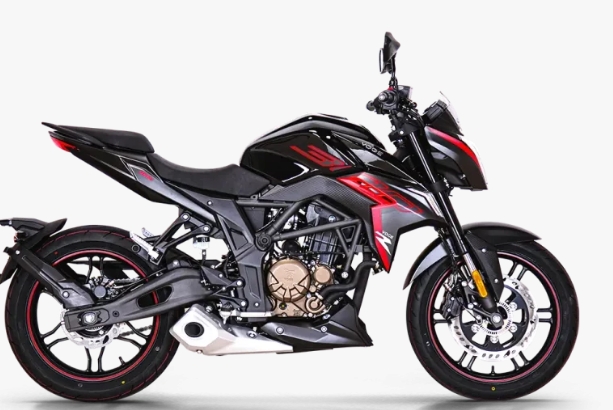
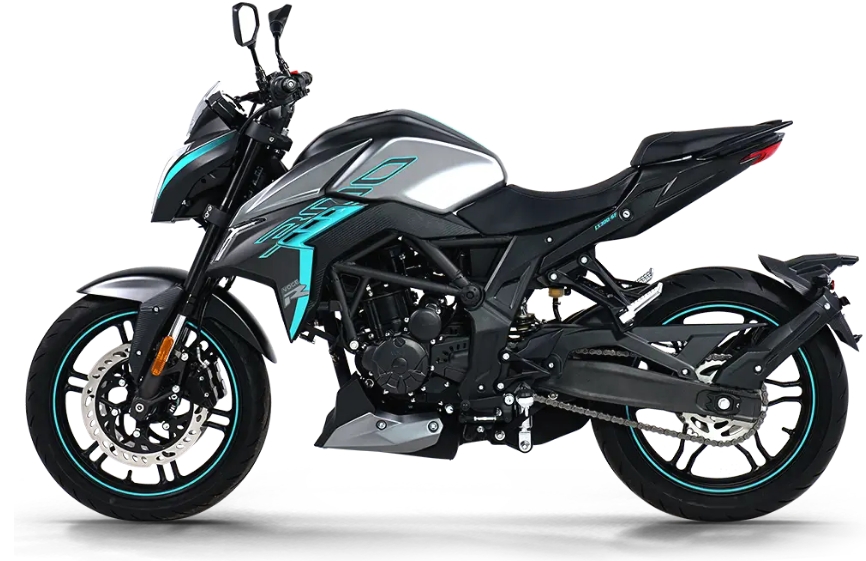
VOGE, a sub-brand of Loncin Motorcycles, is a rising force in the global sportbike scene. With models like the VOGE 500R and VOGE 300RR, the brand is making waves thanks to sharp design, solid build quality, and affordable pricing. VOGE bikes are often praised for offering premium features—like LED lighting and TFT displays—at a lower cost, making them an attractive option for newer riders and budget-conscious enthusiasts.

VOGE 300RR sport motorcycle

Summary

The sport motorcycle world is as diverse as it is exciting, offering machines tailored to beginners, weekend warriors, and professional racers alike. Legendary brands like Yamaha, Honda, and Ducati continue to define the standard, while newer players like VOGE are opening up thrilling possibilities for a wider range of riders. Whether you’re hitting the track or carving up a mountain road, these ten brands offer a taste of pure two-wheeled adrenaline.

What is the Manufacturing Process of Bamboo Toilet Papers

As sustainability becomes a global priority, bamboo toilet paper has emerged as a popular alternative to traditional wood pulp-based tissue. Not only is it eco-friendly, but it’s also soft, durable, and biodegradable. But how exactly is bamboo transformed from a tall, sturdy grass into the soft toilet paper we use every day? Here’s a look at the fascinating production process behind bamboo toilet papers.

Manufacturing of Bamboo Toilet Paper

1. Sourcing the Bamboo

The process begins with the careful harvesting of bamboo, primarily from sustainable farms in Asia, particularly in China and Southeast Asia. Unlike hardwood trees, bamboo is a fast-growing grass that can regenerate after harvesting without the need for replanting. It matures in just 3–5 years, making it a renewable and environmentally friendly resource.

Importantly, bamboo tissue paper manufacturers typically use species not consumed by pandas, ensuring that their food supply remains undisturbed.

2. Chopping and Pulping

Once harvested, the bamboo stalks are chopped into small chips. These chips are then subjected to a chemical-free pulping process. Instead of using harsh chemicals like chlorine or bleach, many eco-conscious producers use hydrogen peroxide or oxygen-based bleaching agents, which are less harmful to the environment.

During pulping, the chips are cooked with water and natural enzymes in large digesters to break them down into a fibrous slurry. This pulp is the raw material used to make the paper.

3. Washing and Whitening

The bamboo pulp is washed thoroughly to remove any remaining lignin (a natural component of bamboo that makes it hard). This step ensures that the final paper is soft and gentle on the skin. If whitening is required, it is typically achieved using TCF (Totally Chlorine-Free) processes that maintain environmental integrity.

4. Sheet Formation

The clean bamboo pulp is diluted with water to form a slurry and then spread onto large mesh screens where water drains away, leaving a thin layer of fibers. This layer is pressed and dried to form continuous sheets of paper.

Bamboo Toilet Paper Supplier

These sheets are then passed through heated rollers to smoothen and compress them into the desired texture and thickness.

5. Cutting and Rolling

The long sheets of bamboo paper are wound into jumbo rolls. These jumbo rolls are then slit and cut into smaller rolls suitable for home or commercial use. Depending on the brand, they may be two-ply or three-ply for added softness and strength.

6. Packaging

Finally, the rolls are packaged—often in plastic-free, recyclable, or compostable materials. Brands focused on sustainability avoid plastic wrap and instead use paper packaging or reusable boxes.

7. Quality Control and Distribution

Before distribution, the final products go through quality control checks to ensure they meet softness, durability, and hygiene standards. Once approved, they’re ready to be shipped to consumers around the world.

Production of Bamboo Toilet Paper

Why Choose Bamboo Toilet Paper?

Eco-Friendly: Bamboo uses less water, grows faster, and requires no pesticides.

Biodegradable: Breaks down easily without clogging plumbing systems.

Hypoallergenic: Naturally antimicrobial and gentle on sensitive skin.

Low Carbon Footprint: The manufacturing process often has a smaller environmental impact than traditional toilet paper.

Bamboo toilet paper is a testament to how innovation and sustainability can come together to create a product that’s both functional and planet-friendly. As more people seek greener alternatives, understanding how such products are made helps us make more informed and eco-conscious choices.

How to Choose Between Bamboo and Wood Pulp Toilet Papers

Toilet paper is one of the most commonly used household items, yet its impact on the environment is often overlooked. As consumers become more eco-conscious, alternative materials like bamboo have emerged as sustainable options to traditional wood pulp toilet paper. But how do they really compare? Let’s break down the differences, benefits, and potential drawbacks of bamboo vs. wood pulp toilet papers.

Bamboo Toilet Paper Supplier

1. Source Material and Sustainability

Bamboo Toilet Paper:

Bamboo is a fast-growing grass that can be harvested in 3–5 years.

Requires less water and no pesticides to grow.

Regenerates quickly without needing replanting, making it highly renewable.

Wood Pulp Toilet Paper:

Derived from hardwood and softwood trees like spruce, fir, or eucalyptus.

Trees take decades to mature.

Logging contributes to deforestation, habitat destruction, and carbon emissions.

2. Environmental Impact

Bamboo Toilet Paper:

Lower carbon footprint due to rapid regrowth and minimal agricultural inputs of bamboo.

Often processed using less chlorine and chemicals.

Biodegradable and compostable.

Wood Pulp Toilet Paper:

Requires intensive industrial processing.

Bleaching and chemical treatment are more common.

Can contribute to environmental degradation if not sustainably sourced.

Bamboo Toilet Tissues

3. Softness and Strength

Bamboo Toilet Paper:

Naturally strong fibers result in durable toilet paper.

Modern production techniques allow for surprisingly soft textures.

May feel slightly firmer than high-end wood pulp paper.

Wood Pulp Toilet Paper:

Known for softness, especially with premium brands using virgin wood fibers.

Delivers a more luxurious feel in many cases.

4. Cost and Availability

Bamboo Toilet Paper:

Generally more expensive due to newer manufacturing processes and lower economies of scale.

May not be as readily available in all markets.

Wood Pulp Toilet Paper:

Widely available and typically less expensive.

More options and price points to choose from.

5. Skin Sensitivity

Bamboo Toilet Paper:

Naturally hypoallergenic and antimicrobial.

Fewer additives and chemicals in many bamboo brands.

Ideal for sensitive skin.

Wood Pulp Toilet Paper:

Some variants contain perfumes, dyes, or bleaching agents.

Can irritate sensitive skin depending on the formulation.

Bamboo Toilet Paper

Conclusion: Which Should You Choose?

Choose Bamboo Toilet Paper if sustainability, skin-friendliness, and eco-conscious living are your top priorities. It’s an excellent alternative that aligns with green lifestyle goals.

Choose Wood Pulp Toilet Paper if you’re looking for affordability, widespread availability, and ultra-soft texture — but opt for recycled or FSC-certified products to reduce environmental impact.

In the end, the best choice comes down to your values and budget. For a more planet-friendly bathroom routine, bamboo is clearly a step in the right direction.

Why VOGE Scooters Become More and More Popular

As urban mobility continues to evolve, VOGE, the premium sub-brand of China’s Loncin Motor Co., Ltd., is carving a niche in the scooter segment with a stylish and technologically advanced range of scooters designed for modern city life. Known for their commitment to quality and performance, VOGE scooters offer a compelling option for commuters who demand a blend of convenience, comfort, and contemporary aesthetics.

The Rise of VOGE in Urban Mobility

While VOGE motorcycle is best known for its adventure and naked motorcycles, its entry into the scooter market reflects a strategic expansion to meet the growing demand for practical and eco-conscious mobility solutions. In congested cities, where traffic delays and parking challenges are part of daily life, scooters offer a smart, efficient alternative—and VOGE delivers with models that are as functional as they are stylish.

Sleek Design Meets Urban Functionality

VOGE scooters are characterized by sleek bodywork, clean lines, and modern finishes. Whether parked at a café or gliding through busy streets, these scooters turn heads. VOGE incorporates LED lighting, digital displays, and ergonomic seats to elevate the everyday commuting experience.

Models such as the VOGE SR4 Max embody this design philosophy. Developed with the collaboration of European engineers, the SR4 Max is positioned as a premium urban scooter that rivals higher-end offerings from Japanese and European competitors. It features a spacious under-seat storage compartment, a high windscreen for comfort, and full LED lighting for increased visibility.

VOGE SR4Max Scooters

Technology and Performance

VOGE scooters stand out not only for their looks but also for their well-rounded performance and intelligent features. Some key highlights include:

Bosch ABS and Traction Control Systems, providing improved safety under various road conditions.

Keyless Start, allowing riders to start their scooter with a simple press.

Large TFT Instrument Panels, displaying everything from speed and fuel level to mobile phone notifications and Bluetooth connectivity.

Liquid-Cooled Engines, which offer smooth and quiet operation, ideal for urban environments.

The SR4 Max, for instance, comes equipped with a 349cc engine delivering strong mid-range torque, perfect for both inner-city cruising and longer highway stretches.

Comfort and Convenience

Scooters are meant to be practical, and VOGE nails that brief. Generous legroom, plush seating, and optimized suspension systems ensure a smooth ride even over bumpy city streets. The ergonomics are designed for a natural, upright posture, making it ideal for both short trips and extended urban rides.

Additional convenience features include:

USB charging ports, perfect for keeping mobile devices powered.

Large under-seat storage, which can accommodate a full-face helmet or groceries.

Integrated grab handles and footrests for passenger comfort.

Eco-Friendly and Future-Ready

VOGE is also investing in electrification, with electric scooter models reportedly under development. These will combine the brand’s signature design cues with zero-emission technology to meet the rising demand for sustainable transport solutions in urban centers.

A Brand on the Move

As VOGE continues to expand its global footprint, its scooter line offers a strong entry point for new riders and experienced commuters alike. With competitive pricing, European-influenced styling, and a commitment to quality, VOGE scooters are well-positioned to challenge established brands in the urban mobility space.

VOGE SR250 GT Scooter

Conclusion

VOGE scooters are more than just vehicles—they are an extension of a modern, mobile lifestyle. They combine technology, style, and rider-centric features to offer a smart, capable alternative for daily urban travel. For those looking for a reliable and refined way to navigate the city, VOGE scooters are a rising force worth watching.

What Do You Know about VOGE Models

In recent years, VOGE, a premium motorcycle brand under China’s Loncin Motor Co., Ltd., has been gaining international recognition for its stylish, performance-driven, and competitively priced motorcycles. Known for offering a refined riding experience, VOGE caters to riders looking for a blend of performance, technology, and affordability. With a growing lineup of models across different categories, VOGE is rapidly positioning itself as a serious contender in the mid-to-high-end motorcycle segment.

VOGE DS525X

A Brand with a Purpose

Launched with the mission of creating motorcycles that meet the needs of passionate, style-conscious riders, VOGE integrates advanced engineering with European design inspiration. The brand has formed partnerships with established names like BMW Motorrad for engine development, lending it technical credibility and a boost in global market confidence.

Overview of VOGE’s Model Range

VOGE’s motorcycle lineup spans multiple categories, each tailored to different riding preferences and lifestyles:

1. Naked Bikes

The VOGE naked series emphasizes urban agility and minimalist aesthetics. One of the most well-known models is the VOGE 300R, a lightweight and responsive bike that’s ideal for city commuting. It features sharp lines, a digital LCD dashboard, and a DOHC single-cylinder engine designed for smooth power delivery.

VOGE 300R

2. Adventure and Touring Bikes

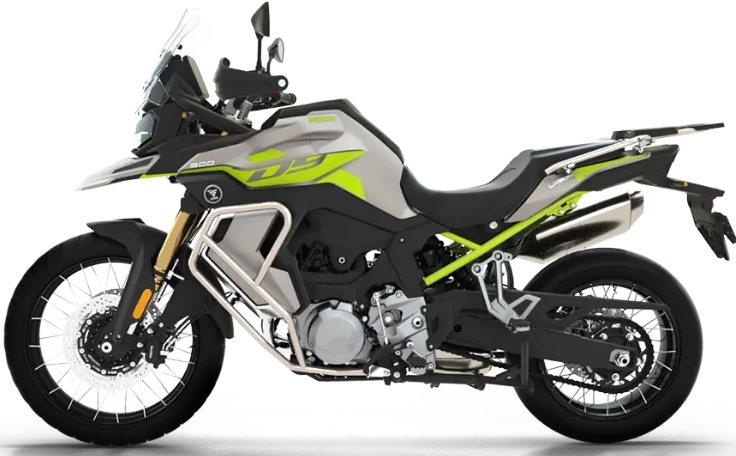
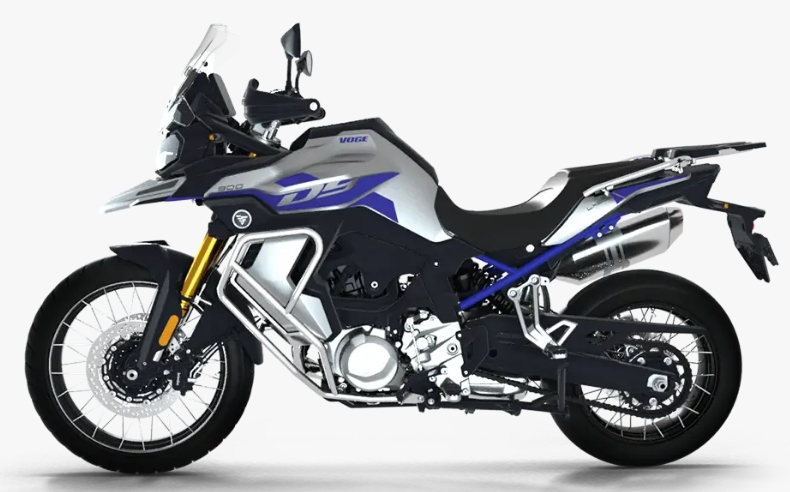
VOGE’s adventure series is engineered for riders who crave exploration. The VOGE DS900X and 650DSX are standout models, equipped with long-travel suspension, upright ergonomics, and robust engines capable of handling both paved roads and off-road conditions. The 650DSX, in particular, features a powerful 652cc engine and a rugged build, making it a popular choice for long-distance touring.

VOGE DS900X

3. Sport Bikes

For enthusiasts looking for more speed and style, VOGE offers sport-oriented models like the VOGE 500R, which combines aggressive design with a parallel-twin engine that delivers impressive mid-range torque. It offers a comfortable riding position without sacrificing performance, making it versatile for both city riding and weekend thrills.

4. Classic and Retro-Inspired Models

The VOGE 300AC blends vintage aesthetics with modern performance. Featuring round headlights, a sculpted tank, and a sleek frame, the 300AC caters to riders who appreciate retro design without compromising on modern functionality. It’s perfect for those who want a stylish yet easy-to-handle machine.

Technology and Features

Across its models, VOGE incorporates high-quality components such as Bosch ABS, KYB suspension, LED lighting, and TFT or LCD displays, offering features that are typically found on higher-priced European or Japanese motorcycles. These elements not only improve performance and safety but also provide an overall premium riding experience.

Global Expansion and Reception

With expanding distribution networks in Europe, South America, and Asia, VOGE has been gradually earning respect among motorcycle communities worldwide. The combination of competitive pricing, refined design, and quality build is proving attractive, especially in markets where value-conscious riders are looking for alternatives to more expensive brands.

Summary

VOGE models are redefining expectations in the mid-range motorcycle segment. With a diverse portfolio that spans urban commuting, long-distance touring, and spirited riding, the brand continues to innovate and win over new fans. As VOGE further expands its global presence, it stands poised to become a household name among riders seeking modern, well-equipped motorcycles without the premium price tag.

通过 WordPress.com 设计一个这样的站点
从这里开始