How Snubbing Units Work in Well Intervention Operations

In the oil and gas industry, maintaining well integrity and optimizing production often requires well intervention — a set of operations carried out on an existing well to repair, stimulate, or modify its performance. Among the various tools and technologies used, snubbing units play a critical role in well intervention operations, especially when dealing with wells under pressure. This article explores what snubbing units are, how they work, and their importance in modern well intervention.

Snubbing Unit Operations

What is a Snubbing Unit?

A snubbing unit is a specialized hydraulic rig that allows operators to insert or remove pipe (tubing, drill pipe, or specialized tools) into a well while it is still under pressure — without killing the well (i.e., without stopping its flow by pumping heavy fluids).

This process is known as snubbing or hydraulic workover.

Snubbing units are designed to handle the challenges of overcoming wellbore pressure while maintaining safety and operational efficiency. They are typically mounted on a truck, trailer, skid, or offshore platform, depending on the application.

Key Components of a Snubbing Unit

A typical snubbing unit includes several critical systems:

Hydraulic jacks: Provide the force needed to push (snub) pipe into or pull it out of the well.

Snubbing basket: A work area where operators control and monitor the intervention.

Slips (traveling and stationary): Mechanical devices that grip the pipe and hold it in place.

Blowout Preventers (BOPs): Ensure well control by sealing around the pipe in case of pressure issues.

Power systems: Usually diesel-driven hydraulic pumps that operate the jacks and BOPs.

Pipe handling systems: Help move pipe in and out of the well safely.

How Snubbing Units Work

The process involves carefully balancing well pressure and pipe weight.

At shallow depths, the pipe tends to be lighter and may need to be forced (snubbed) into the well because the well pressure is pushing back.

At greater depths, the weight of the pipe helps naturally push it down (gravity-assisted).

Steps typically include:

Rigging up the snubbing unit over the wellhead.

Installing BOPs and ensuring well control systems are in place.

Using the hydraulic jacks to push or pull pipe in and out of the well while monitoring pressure and pipe movement closely.

Securing the well with slips and BOPs as pipe is added or removed.

Rigging down once the intervention is complete.

Snubbing Units

Applications of Snubbing Units

Snubbing units are highly versatile and can perform a wide range of well intervention operations, such as:

Well recompletions: Installing new production zones without killing the well.

Tubing repair or replacement: Fixing leaks or damage while the well remains live.

Fishing operations: Retrieving lost tools or pipe sections.

Well stimulation: Running perforating guns or placing fracturing tools under live well conditions.

Underbalanced drilling: Extending lateral sections or side-tracks without overbalancing the reservoir.

Advantages of Using Snubbing Units

Maintaining Reservoir Pressure: Avoids the need to kill the well with heavy fluids, preserving reservoir productivity.

Reduced Formation Damage: Minimizing fluid invasion keeps the reservoir’s natural permeability intact.

Increased Safety: Modern snubbing units come equipped with multiple layers of well control equipment.

Cost-Effective: Especially in offshore or high-value wells, maintaining live well conditions reduces downtime and overall intervention costs.

Flexibility: Suitable for both shallow and deep wells, land, and offshore operations.

Challenges and Considerations

While snubbing offers many advantages, it also presents certain challenges:

Complex Operation: Requires skilled operators and detailed planning.

Well Control Risk: Dealing with live wells demands strict adherence to safety protocols.

Equipment Maintenance: Hydraulic systems and BOPs must be regularly inspected and maintained for reliability.

How Snubbing Simulators are Used for Optimizing Well Intervention

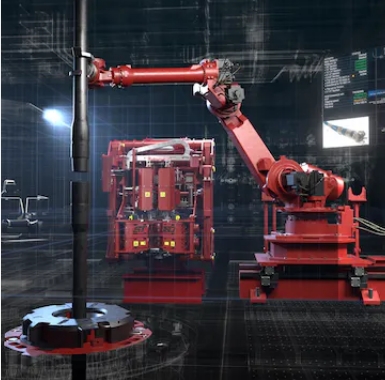
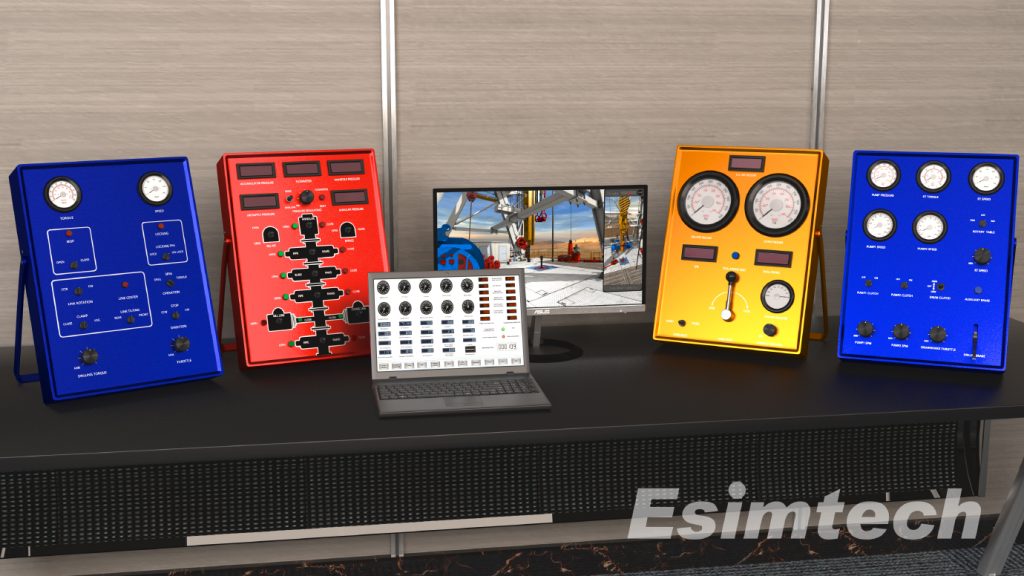
Snubbing simulators are advanced training and planning tools that replicate real-world snubbing operations in a virtual environment. They allow operators and engineers to practice inserting and removing pipe under live well conditions without the risks associated with actual field work. By using simulators, teams can optimize well intervention procedures, improve decision-making, enhance crew coordination, and identify potential hazards before they occur. Additionally, simulators help refine operational strategies, reduce non-productive time (NPT), and ensure safer, more efficient snubbing operations in both land and offshore wells.

full size snubbing simulator

Final Thoughts

Snubbing units are a vital part of the modern well intervention toolkit, enabling operators to work on live wells without sacrificing safety or production. As reservoir management becomes increasingly complex and expensive, the ability to perform interventions without killing the well makes snubbing an indispensable service in maximizing asset value.

With ongoing advancements in automation and safety features, snubbing technology continues to evolve, offering even greater efficiency and reliability for well intervention around the world.

A Step-by-step Guide to Manufacturing Toilet Paper

Toilet paper is a daily essential that most people rarely think twice about. Yet, behind each soft, neatly rolled sheet is a detailed manufacturing process that combines raw material science, precision engineering, and quality control. Let’s take a closer look at how toilet paper is made.

Manufacturing Process of Toilet Paper

1. Raw Materials

The journey begins with the selection of raw materials.

Virgin wood pulp: It comes from softwood and hardwood trees, with softwood fibers giving strength and hardwood fibers adding softness.

Recycled paper: Sourced from post-consumer waste like office paper and newspapers.

Bamboo pulp: Bamboo grows rapidly — up to three feet per day — and requires no replanting, making it one of the most sustainable raw materials. Bamboo fibers are naturally soft, strong, and antibacterial, making them ideal for toilet paper. Bamboo toilet paper breaks down quickly, reducing the burden on sewage systems and landfills.

Water, chemicals (like sodium hydroxide or sodium sulfide), and bleaching agents are also essential in preparing the pulp.

2. Pulping Process

The raw materials are mixed with water and broken down into a slurry through mechanical or chemical pulping methods.

Mechanical pulping physically grinds wood chips into fibers.

Chemical pulping uses chemical solutions to dissolve lignin (the glue that holds wood fibers together), producing a cleaner, softer pulp ideal for high-quality toilet paper.

If recycled paper is used, the pulp goes through a de-inking process to remove ink, adhesives, and other contaminants.

3. Bleaching

Toilet paper is often bright white, which requires bleaching. Bleaching not only whitens the pulp but also softens it.

Modern manufacturers use oxygen-based or elemental chlorine-free (ECF) processes to reduce environmental impact.

4. Sheet Formation

The bleached pulp is diluted with water to form a thin slurry, then spread onto a moving mesh screen called a Fourdrinier machine.

As water drains through the screen, fibers start bonding to form a continuous sheet. This sheet moves through a series of rollers that remove more moisture and flatten the paper.

toilet paper manufacturing process

5. Drying and Creping

The semi-dry sheet is pressed against a large, heated drying cylinder known as a Yankee dryer.

A doctor blade scrapes the sheet off the dryer, creating a slight wrinkle known as creping — a crucial step that adds softness, flexibility, and absorbency to the toilet paper.

6. Rolling and Reeling

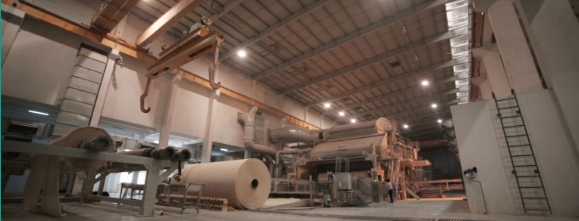
The paper is wound into large, massive rolls called parent rolls. These rolls can be several meters wide and weigh up to several tons.

7. Converting

Parent rolls are moved to a converting machine, where they undergo:

Perforation: Creating small dotted lines that make sheets easy to tear.

Embossing: Pressing patterns into the paper for strength and a softer feel.

Lamination (optional): Gluing multiple plies (layers) together for thickness.

Cutting: Slicing the long rolls into smaller, consumer-sized rolls.

Wrapping: Packaging the finished rolls for shipment.

8. Quality Control

Throughout production of toilet paper, it undergoes rigorous quality control checks, including tests for softness, strength, absorbency, and consistency. Environmental standards are also monitored, especially for companies aiming for eco-friendly certification.

Advacned Manufacturing Equipment for Toilet Paper

Summary

Although it seems simple, manufacturing toilet paper is a sophisticated process that combines natural resources, mechanical expertise, and a commitment to comfort and hygiene. From trees or recycled fibers to the soft roll in your bathroom, every step is carefully designed to meet consumer needs while increasingly considering sustainability.

How VOGE Motorcycle Pricing in Germany and UK

VOGE, a premium motorcycle brand under China’s Loncin Motor Co., has been expanding its presence in Europe, including Germany and the UK, by offering a range of motorcycles that combine modern design, advanced features, and competitive pricing. Their lineup includes models across various categories such as naked bikes, adventure tourers, and scooters, catering to both novice and experienced riders.​

VOGE Motorcycle Pricing in Germany

In Germany, VOGE motorcycles are available through various dealerships and online platforms. Prices can vary based on the model, specifications, and whether the bike is new or used. Below is an overview of some VOGE models and their approximate price ranges:​

VOGE R125 (125cc Naked Bike): This entry-level model is suitable for A1 license holders. Prices for new units are around €3,399, while used models range from €2,350 to €3,100, depending on mileage and condition. ​

VOGE 500R (500cc Naked Bike): A popular choice among A2 license holders, the 500R combines power with agility. New models are priced around €4,999, while used units range between €2,999 and €4,900. ​

VOGE SR4 Max 350 (350cc Scooter): Designed for urban commuting, this scooter offers comfort and performance. New models are priced between €6,699 and €6,999. ​

VOGE SR4Max Scooters

VOGE Motorcycle Pricing in the UK

In the UK, VOGE motorcycles are also gaining popularity. Prices for various models are as follows:​

VOGE R125 (125cc Naked Bike): Ideal for beginners, this model is priced at approximately £1,999 for used units. ​

VOGE DS525X(525cc Adventure Bike): Designed for adventure touring, the DS525X is priced between £5,249 and £5,999, depending on the model year and specifications. ​

VOGE DS525X

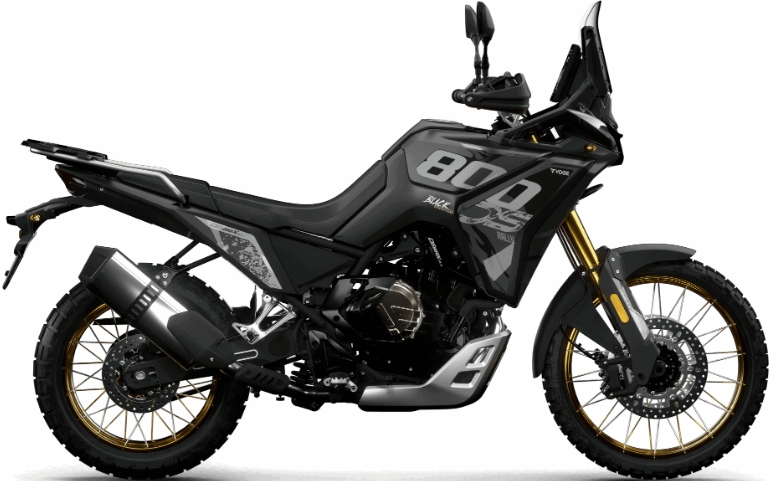
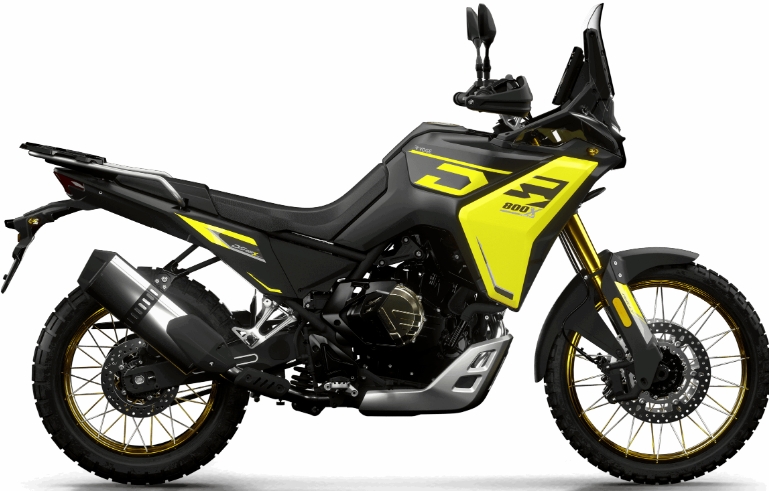
VOGE DS900X (895cc Adventure Bike): As one of the flagship models, the DS900X is equipped for serious touring and adventure riding. Prices range from £8,499 to £9,199, with variations based on model year and included features. ​

VOGE DS900X

Summary

VOGE motorcycles offer a compelling combination of modern design, advanced features, and competitive pricing in both Germany and the UK. Whether you’re a beginner seeking an entry-level bike or an experienced rider looking for a powerful adventure tourer, VOGE’s diverse lineup caters to a wide range of preferences and budgets. For the most accurate and up-to-date pricing, it’s recommended to visit official VOGE dealerships or authorized online platforms in your region.

Understanding Bamboo Tissue Paper Manufacturing

As global awareness of environmental sustainability rises, traditional wood-pulp-based tissue paper is gradually giving way to more eco-friendly alternatives. One such innovation is bamboo tissue paper — a product that combines softness, strength, and sustainability. Behind this green innovation stand a growing number of bamboo tissue paper manufacturers, who are reshaping the future of hygiene and paper goods.

bamboo tissue paper manufacturing

1. Why Bamboo?

Bamboo is often dubbed the “green gold” of the plant world — and for good reason:

Fast Growth: Bamboo can grow up to 3 feet per day, making it one of the fastest-growing plants on Earth.

Low Environmental Impact: It requires less water and no pesticides or fertilizers to thrive.

Carbon Absorption: Bamboo absorbs up to 35% more CO₂ than equivalent stands of trees.

Renewable Resource: Unlike trees that may take 20-30 years to mature, bamboo can be harvested every 3-5 years.

These attributes make bamboo an ideal raw material for tissue production, offering consumers a more environmentally responsible choice.

2. What Sets Bamboo Tissue Paper Apart?

Bamboo tissue paper is known for:

Soft Texture: Comparable to high-end conventional tissue paper.

Durability: Stronger and less likely to tear when wet.

Naturally Hypoallergenic: Ideal for sensitive skin due to the absence of harsh chemicals.

Biodegradable: Breaks down naturally and safely in the environment.

These benefits are driving demand across both household and commercial sectors.

Bamboo Tissue Paper Supplier

Manufacturing Process

The production of bamboo tissue paper typically involves the following stages:

Harvesting: Mature bamboo is cut without damaging root systems.

Pulping: Bamboo is processed into pulp using mechanical and chemical methods, often with chlorine-free bleaching.

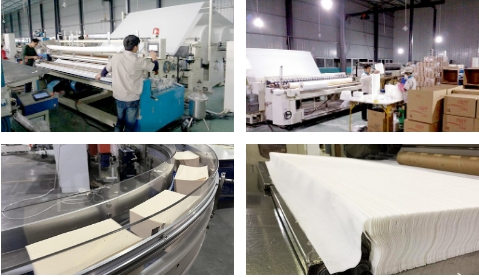
Drying and Rolling: The pulp is dried into sheets and rolled into jumbo rolls.

Converting: These rolls are cut and packaged into toilet paper, tissues, napkins, or paper towels.

Packaging: Most manufacturers offer eco-friendly packaging options, such as recycled cardboard or compostable bags.

Production Bamboo Tissue Papaer

Challenges and Opportunities

While bamboo tissue is gaining popularity, manufacturers face certain hurdles:

Cost of Production: Slightly higher than traditional tissues due to newer infrastructure and supply chain constraints.

Consumer Awareness: Educating consumers about bamboo benefits remains critical.

Supply Chain Complexity: Sourcing and processing bamboo sustainably requires rigorous oversight.

Despite these challenges, the industry is expected to grow significantly, fueled by demand for eco-friendly household goods and corporate sustainability commitments.

The Future of Bamboo Tissue Manufacturing

Innovations in processing technology, government support for green products, and shifting consumer preferences will continue to drive the sector. Many manufacturers are also exploring closed-loop systems, biodegradable additives, and smart packaging as part of their R&D efforts.

Summary

Bamboo tissue paper manufacturers are at the forefront of sustainable living, offering products that are better for the planet without compromising on quality. As more consumers make the switch, these manufacturers are poised to lead a paper revolution — one bamboo fiber at a time.

Effective Steps to Removing a Stud Safely

When it comes to repairs or remodeling, whether in automotive, mechanical, or construction applications, removing a stud safely is often a necessary but challenging task. A stud, which is essentially a bolt or rod embedded in a surface, can become stripped, rusted, broken, or otherwise stuck. Removing it without causing damage to the surrounding materials or threads is crucial to ensuring a clean and professional result. The key to successful stud removal lies in preparation, technique, and patience.

Copper Plated Welding Stud Factory

The Importance of Preparation

Before taking any action, it’s essential to assess the situation carefully. Determining the material the stud is embedded in, its condition, and the surrounding environment will guide your choice of tools and method. For example, a corroded metal stud in an engine block will require a different approach than a threaded rod embedded in wood or drywall. Equally important is understanding whether the stud is flush with the surface, protruding, or broken off inside the hole.

Once the assessment is complete, the first step in almost every case is to apply a penetrating oil. Letting a quality lubricant soak into the threads for at least 10 to 15 minutes can make the difference between a smooth extraction and a nightmare of stripped threads and damaged parts. This step reduces friction and helps to loosen any corrosion or debris binding the stud.

Mechanical Methods for Removal

When the stud is intact and has enough of a protrusion to grab onto, the simplest method involves using locking pliers or a stud extractor tool. Firm, even pressure is necessary—too much force can shear the stud, while too little will allow the tool to slip and damage the stud’s surface. If the stud doesn’t budge, carefully applying heat to the surrounding area (especially in metal-on-metal scenarios) can help by expanding the outer material and freeing the threads.

For studs that are broken off flush or below the surface, more precision is required. A center punch helps create an accurate starting point for drilling. Begin with a small drill bit to create a pilot hole directly in the center of the broken stud. This pilot hole will then guide a larger bit or an extraction tool, such as a screw or bolt extractor. The extractor is gently twisted into the hole in the reverse direction, and with slow, even torque, the stud can usually be backed out cleanly.

Avoiding Damage and Future Problems

One of the biggest risks in stud removal is damaging the internal threads of the component. Using the right size drill bit and extractor is essential. If the threads become damaged during removal, a thread repair kit or a helicoil insert may be needed to restore the original integrity. It’s also advisable to clean the threads with a tap once the stud is removed, ensuring a smooth surface for the replacement fastener.

In construction settings, such as when removing hexagon studs from walls, care must be taken not to compromise the structural integrity of the surrounding frame. This might involve cutting the stud carefully and pulling it out in sections, rather than yanking or prying with force.

Single-ended Hexagon Studs Supplier

The Role of Patience and Precision

Perhaps the most underrated tools in stud removal are patience and precision. Rushing the job increases the likelihood of breaking tools, damaging materials, or injuring yourself. Taking the time to prepare properly, using the correct tools, and working slowly and deliberately will often yield better, safer results.

Flush Head Self-Clinching Studs Supplier

In the end, removing a stud safely isn’t just about muscle—it’s about method. Whether in a mechanic’s garage, a laboratory, or a renovation project, the process calls for the right blend of strategy and skill to ensure success without compromise.

Exploring the Various Types of Medical Refrigerators

Medical refrigerators are critical components in healthcare and laboratory settings, ensuring the safe and effective storage of temperature-sensitive materials such as vaccines, blood, medications, and biological samples. Unlike household refrigerators, medical-grade units are engineered for precision, stability, and compliance with health regulations. Understanding the different types of medical refrigerators helps facilities choose the right solution for their specific needs.

1. Vaccine Refrigerators

Vaccine refrigerators are specifically designed to maintain consistent temperatures, typically between 2°C and 8°C, which is crucial for vaccine efficacy. These refrigerators often feature digital temperature monitoring, alarms for temperature excursions, and backup systems to ensure vaccines remain viable even during power outages. They are widely used in hospitals, clinics, and pharmacies and comply with WHO and CDC guidelines for vaccine storage.

2. Blood Bank Refrigerators

Blood bank refrigerators are built to store blood and blood products at a tightly controlled temperature range of 2°C to 6°C. They are equipped with temperature uniformity features, alarms, and safety systems to ensure the safe preservation of whole blood, plasma, and platelets. These units often include lockable doors and inventory management systems to ensure traceability and prevent cross-contamination.

Blood Bank Refrigerator

3. Pharmacy Refrigerators

Pharmacy refrigerators are used to store temperature-sensitive medications, including insulin, hormones, and biologics. These units are designed to meet the stringent requirements of pharmaceutical storage with features like forced-air cooling, uniform temperature distribution, and temperature logging. Some models come with glass doors for visibility, reducing unnecessary door openings and maintaining internal temperature stability.

2-8℃ Pharmacy Refrigerator

4. Laboratory Refrigerators

Laboratory refrigerators are intended for storing biological samples, reagents, and chemicals that require precise temperature control. Depending on the application, these units can range from general-purpose models to more advanced versions with adjustable shelving, microprocessor controls, and data logging for regulatory compliance. They are commonly used in research institutions, clinical labs, and biotech facilities.

5. Ultra-Low Temperature (ULT) Freezers

Though technically freezers, Ultra-low temperature freezers are essential in medical and scientific environments and often discussed alongside medical refrigerators. They can maintain temperatures as low as -80°C and are used for long-term storage of biological samples, vaccines, and even COVID-19 vaccines like Pfizer’s, which require sub-zero preservation. These units feature specialized insulation and backup power systems to ensure constant performance.

-86℃ Refrigerator

6. Chromatography Refrigerators

These are specialized laboratory refrigerators designed for chromatography applications. They offer features such as built-in electrical outlets for running instruments inside the fridge and maintaining consistent internal conditions to support analytical accuracy. Chromatography refrigerators are used in pharmaceutical labs, environmental testing labs, and food science facilities.

7. Explosion-Proof and Flammable Material Refrigerators

When storing volatile or flammable substances, explosion-proof or flammable material refrigerators are essential. These units are designed to prevent internal sparks and are compliant with OSHA and NFPA standards. They’re commonly used in pharmaceutical manufacturing, forensic labs, and facilities handling solvents or hazardous chemicals.

Summary

Choosing the right type of medical refrigerator depends on the specific requirements of the stored contents, regulatory guidelines, and the operational setting. Each type—whether for vaccines, blood products, or laboratory reagents—is designed with unique features to ensure safety, reliability, and compliance. As technology advances, medical refrigeration continues to evolve, offering smarter controls, remote monitoring, and enhanced energy efficiency to meet the growing demands of modern healthcare and research.

Why Use Bamboo Tissue Paper: Chemical-free and Hypoallergenic Benefits

In a world where sustainability and skin sensitivity are growing concerns, bamboo tissue papers have emerged as a natural alternative to conventional wood-pulp-based tissues. These eco-friendly products not only reduce environmental impact but also offer unique chemical-free and hypoallergenic benefits—making them ideal for people with sensitive skin, allergies, or those seeking healthier lifestyle choices.

Bamboo Toilet Paper

1. Naturally Chemical-Free

Traditional tissue papers are often produced using processes that involve bleaches, dyes, fragrances, and other harsh chemicals to enhance texture, appearance, and scent. While effective for mass production, these additives can leave residues that irritate the skin and cause long-term health issues.

Bamboo tissue paper, by contrast:

Requires minimal processing due to its naturally soft fibers

Is often unbleached or whitened using non-chlorine methods like oxygen or hydrogen peroxide

Contains no added fragrances or dyes, making it safe for use even on the most sensitive areas of the body

This makes bamboo tissue a go-to solution for consumers aiming to avoid chemical exposure in their everyday hygiene products.

2. Hypoallergenic Benefits

Bamboo fibers have natural hypoallergenic properties. They are less likely to cause allergic reactions compared to tissues made with chemical additives or synthetic materials. Here’s why:

Smooth fiber structure: Bamboo pulp has a smoother and rounder fiber shape, which reduces skin irritation and friction

Free of allergens: Bamboo tissue doesn’t retain pollen, dust, or harsh particles during processing, making it ideal for people prone to respiratory or skin allergies

Moisture-wicking: Bamboo is naturally absorbent and helps keep skin dry, reducing the risk of rashes or irritation caused by damp conditions

This makes bamboo tissue papers perfect for:

Babies and toddlers

People with eczema or dermatitis

Those recovering from surgery or skin treatments

Anyone preferring a softer, irritation-free option

Bamboo Toilet Paper

3. Better for the Environment, Better for You

Beyond health benefits, bamboo tissue papers support an eco-conscious lifestyle:

Bamboo is a rapidly renewable resource, growing up to 30 times faster than trees

Requires no pesticides or fertilizers to grow

Has a smaller carbon footprint compared to wood-based products

Is biodegradable and compostable

By switching to bamboo tissue papers, consumers make a choice that’s better for both personal health and the planet.

Bamboo Toilet Paper Supplier

Final Thoughts

Bamboo tissue papers offer a powerful combination of chemical-free purity and hypoallergenic gentleness. Whether you’re looking to avoid harmful substances, protect sensitive skin, or support sustainability, bamboo tissue is a smart, safe, and responsible alternative.

As awareness grows around the impacts of conventional tissue production, bamboo-based products are fast becoming the future of personal hygiene—natural, clean, and kind to both people and the planet.

How Various Types of Mooring Chocks are Used for Different Vessels

In the world of maritime operations, mooring chocks play a vital role in ensuring the safe and efficient berthing of vessels. Often underestimated, these simple yet robust fittings are essential for guiding and protecting mooring lines as they pass through the ship’s hull or bulwark. With different vessel types requiring specific mooring configurations, selecting the right type of chock is crucial to ensure both operational reliability and compliance with international maritime standards.

What Is a Mooring Chock?

A mooring chock is a fixed, typically cast steel or cast ductile iron device designed to lead mooring lines from the vessel’s deck to the berth. It ensures minimal wear and friction on the mooring rope, reduces the risk of damage to the hull, and provides controlled routing of lines during mooring and towing operations.

Common Types of Mooring Chocks

Mooring chocks come in several designs, each suited to specific operational and vessel requirements:

1. Closed Chock

Features: Enclosed design with a rounded inner surface

Applications: Commonly used on large commercial vessels like bulk carriers, tankers, and container ships

Advantages: Provides secure rope guidance, reduces rope jumping

closed chock

2. Open Chocks

Features: U-shaped or open-top designs

Applications: Typically found on smaller vessels, tugboats, and fishing boats

Advantages: Easy to rig and unrig ropes; suitable for quick operations

3. Deck Chocks

Features: Mounted directly on deck

Applications: Found on smaller workboats, pilot boats, and service vessels

Advantages: Compact and ideal for deck-level line handling

4. Bulwark Chocks

Features: Installed on or through the ship’s bulwark

Applications: Frequently used on cargo ships and ferries

Advantages: Guides lines over the edge of the vessel without damaging the structure

5. Roller Chocks

Features: Equipped with rollers to reduce friction

Applications: Used where frequent mooring and line movement occur (e.g., tugboats)

Advantages: Minimizes wear on both lines and chock surfaces

NS2590 mooring chocks

Mooring Chocks for Specific Vessel Types

Mooring chocks are critical components of a vessel’s mooring system, acting as guides that safely lead ropes and wires from the ship to the shore or another vessel. While they may appear as simple fixtures, mooring chocks must be carefully selected and positioned based on the type of vessel, its function, and operational environment. Each vessel class imposes unique requirements that influence the design, size, and location of the chocks.

1. Oil Tankers

Key Requirements:

High-strength mooring chocks to handle large loads

Resistance to corrosion from harsh marine environments

Preferred Chock Types:

Closed chocks (Panama chocks): Ensures rope security and minimizes slippage

Bulwark chocks: Helps guide ropes over vessel’s sides without damaging the structure

Standards:

Often built to comply with OCIMF and IMO regulations due to strict safety demands in the oil industry

2. Container Ships

Key Requirements:

Efficient line management during quick port turnarounds

Chocks designed for high-tension synthetic ropes or wire ropes

Preferred Chock Types:

Closed chocks: Common on both stern and bow to ensure safe mooring during dynamic loading

Deck-mounted chocks: Placed strategically to align with container bay design

Considerations:

Smooth inner surface finish to minimize abrasion on high-load mooring lines

3. Bulk Carriers

Key Requirements:

Chocks capable of withstanding static mooring while at anchor or port

Often require heavy-duty fittings for long mooring durations

Preferred Chock Types:

Closed chocks

Roller chocks (for regions experiencing tidal movements)

Additional Features:

Designed for heavy use with fiber ropes or steel wire in rough environments

4. Tugboats

Key Requirements:

Flexible line handling and resistance to heavy dynamic forces

Compact design for limited deck space

Preferred Chock Types:

Open chocks: Allow for quick rope release and handling

Roller chocks: Minimize friction and line wear during frequent movements

Notes:

Often integrated into towing winch systems or stern fittings

5. Offshore Supply Vessels (OSVs)

Key Requirements:

Operate under dynamic positioning conditions

Require multi-directional mooring capabilities

Preferred Chock Types:

Closed chocks

Deck-mounted chocks with reinforced bases

Engineering Focus:

Materials with high corrosion resistance due to harsh offshore environments

6. Passenger Ferries

Key Requirements:

Smooth, quick mooring in busy terminals

Aesthetic integration with vessel’s structure

Preferred Chock Types:

Deck chocks

Closed chocks with recessed or hidden designs

Safety Consideration:

Chocks must be placed to minimize interference with passenger movements and gangway operations

7. Fishing Vessels

Key Requirements:

Frequent port calls and rugged handling

Low-maintenance, easy-to-access fittings

Preferred Chock Types:

Open chocks

Deck-mounted chocks

Field Insight:

Must allow for rope flexibility during trawling or anchoring operations in harsh seas

DIN81915 Panama Chock

Selection Criteria

When selecting mooring chocks, key factors to consider include:

Rope Type and Diameter – Chock opening must match line size to avoid jamming or slippage.

Mooring Load – Chocks must be tested for expected static and dynamic loads.

Material & Coating – Galvanized or painted cast steel is common; marine-grade stainless steel is used for corrosion-prone environments.

Compliance – Ensure adherence to standards like IMO, ISO 13713, or JIS F 2005.

Summary

Mooring chocks may appear simple, but their role is critical in vessel mooring safety. From massive oil tankers to nimble pilot boats, every vessel type requires chocks tailored to its mooring needs. Understanding the unique characteristics of each chock type and their applications ensures safe, efficient, and long-lasting mooring systems.

Effective Steps to Install Marine Explosion-proof Lights

In the maritime industry, lighting is more than just a convenience and it’s a critical element of safety, navigation, and operational efficiency. When it comes to environments that contain flammable gases, vapors, or combustible dust, ordinary lighting won’t suffice. That’s where marine explosion-proof lights come in.

Installing Explosion-proof Lighting

Engineered to withstand the toughest marine conditions while preventing ignition in hazardous atmospheres, these lights are essential on tankers, oil platforms, and certain cargo vessels. But proper installation is just as crucial as the equipment itself. Here’s what you need to know.

Why Use Explosion-proof Lights on Marine Vessels?

Explosion-proof lights are designed to contain sparks or heat generated within the fixture, preventing ignition of surrounding flammable substances. In marine settings, they’re typically installed in:

Fuel storage areas

Engine rooms

Chemical handling zones

Offshore platforms

Cargo holds with flammable materials

By using these specialized lights, vessel operators minimize the risk of fire or explosion, ensuring compliance with IMO, IECEx, ATEX, and other maritime safety regulations.

Key Considerations Before Installation

Before you begin the installation process of marine explosion-proof lighting, it’s essential to evaluate the following:

1. Hazardous Zone Classification

Know the area’s classification:

Zone 0: Constant explosive atmosphere

Zone 1: Likely presence during normal operations

Zone 2: Rare or short-lived presence of explosive gases

Select lighting certified for the specific zone.

2. Certifications and Standards

Ensure your fixture is certified for marine and explosive environments (e.g., IECEx, ATEX, UL844, or ABS certified). Compatibility with local and international codes is a must.

3. Material Durability

Explosion-proof marine lights should be constructed from corrosion-resistant materials like copper-free aluminum, stainless steel, or polycarbonate to handle saltwater exposure and vibrations.

Installing Explosion-proof Lights

Step-by-Step Installation Guide

Step 1: Safety First

Turn off power supply to the installation area.

Use appropriate PPE (Personal Protective Equipment).

Ensure the area is well-ventilated and free from ignition sources.

Step 2: Mounting the Fixture

Select a secure and vibration-resistant surface.

Use marine-grade bolts and brackets for mounting.

Follow manufacturer guidelines for mounting angle and clearance.

Step 3: Wiring the Light

Use marine-rated explosion-proof cable glands.

Route the cables through sealed conduit to prevent gas ingress.

Ensure proper grounding and sealing of cable entries.

Connect wiring as per the electrical diagram provided by the manufacturer.

Step 4: Sealing and Inspection

Use approved sealants around cable entries.

Tighten all covers and seals properly—never leave access ports or junction boxes open.

Inspect gaskets and flame paths for signs of wear or corrosion.

Step 5: Power-Up and Test

Restore power and perform a functionality check.

Use an insulation resistance tester to verify electrical safety.

Log the installation details for future maintenance reference.

Maintenance Tips for Explosion-proof Lights

Schedule regular inspections for corrosion, loose fittings, and gasket wear.

Clean lenses and housings with non-abrasive, marine-safe cleaners.

Replace seals and gaskets periodically as per manufacturer recommendations.

explosion proof floodlights

Summary

Proper installation of marine explosion-proof lights is essential for both crew safety and compliance with international regulations. By choosing certified fixtures, following correct procedures, and maintaining the lighting system routinely, shipowners can ensure reliable and hazard-free operations—even in the most volatile marine environments.

How Much Do You Know about VOGE Motorcycle

In the evolving world of two-wheelers, VOGE motorcycle has emerged as a dynamic brand offering a refined mix of design, performance, and affordability. As a premium motorcycle division under Loncin Motor Co., Ltd., VOGE is changing perceptions about Chinese motorcycles by focusing on mid-displacement machines packed with modern features and European-inspired styling.

VOGE 300R

The Rise of VOGE

VOGE was launched with a clear mission: to deliver quality mid-range motorcycles that cater to global riders seeking a balance between performance and value. Backed by Loncin’s decades of experience — including engine supply partnerships with major global brands like BMW — VOGE has been built on a foundation of technical expertise and manufacturing excellence.

What Makes VOGE Stand Out?

VOGE motorcycles are designed with a keen eye for both aesthetics and rider needs. Their lineup is defined by:

1. Striking Design Language

With sleek lines, aggressive stances, and a modern-meets-classic vibe, VOGE bikes look as good as they perform. The brand’s design often channels European styling cues, giving them a global appeal.

2. Technology-Focused Engineering

VOGE equips many of its motorcycles with features like:

TFT digital displays

LED lighting systems

Bosch ABS brakes

Slipper clutches

Upside-down front forks (USD)

These features are typically found in higher-end models but come standard on many VOGE bikes, setting them apart in the mid-range market.

3. Comfort and Control

Ergonomically designed seats, smart handlebar positioning, and lightweight frames ensure VOGE motorcycles offer a comfortable and confident riding experience, whether you’re commuting in the city or exploring long routes.

Highlight Models

Some of the most popular VOGE motorcycles include:

VOGE 300R – A stylish, entry-level naked bike perfect for urban riders.

VOGE 500DS – A capable adventure-touring bike with dual-purpose features.

VOGE 300AC – A retro-modern café racer that blends old-school charm with new tech.

VOGE 500AC – A neo-retro roadster ideal for riders who value both power and looks.

VOGE EF40X – An electric motorcycle designed for eco-conscious city dwellers.

VOGE 650DSX – A robust touring bike equipped for rugged journeys, powered by a BMW-derived engine.

Global Expansion and Recognition

VOGE is gaining momentum in markets across Europe, Latin America, Asia, and Africa. With Euro 5-compliant engines and a growing dealership network, the brand is building trust among motorcyclists who want reliable performance without the hefty price tag.

Motorcycle journalists and vloggers have also praised VOGE for its value-for-money offering, refined performance, and stylish finishes, boosting its reputation in an increasingly competitive industry.

Challenges and The Road Ahead

VOGE faces the usual challenges of an emerging brand:

Strengthening global after-sales support

Overcoming brand skepticism in premium markets

Adapting to the electric mobility revolution

To address this, VOGE is:

Expanding its electric vehicle lineup

Investing in smart connectivity features

Enhancing export and service infrastructure

With the right strategy, VOGE is well-positioned to become a top contender in the mid-size motorcycle segment globally.

VOGE EFX40

Summary

VOGE Motorcycle is more than just a new name — it’s a statement of how innovation, design, and value can come together. Whether you’re a first-time rider, a seasoned explorer, or someone looking for a bike that offers style without breaking the bank, VOGE is a brand worth watching — and riding.

通过 WordPress.com 设计一个这样的站点
从这里开始