Why Self-tapping Screws are More and More Widely Used

Self-tapping screws are among the most widely used fasteners in industries ranging from construction and automotive to electronics and household repairs. Their unique design allows them to create their own mating threads in the material, eliminating the need for pre-threaded holes or additional tapping tools. This convenience makes them essential for efficient assembly and secure fastening.

What Are Self-Tapping Screws?

A self-tapping screw is a type of fastener that forms its own internal threads as it is driven into a material. Unlike standard screws, which require a pre-tapped hole, self-tapping screws cut or form threads into the substrate during installation. They are especially effective in metals, plastics, wood, and composites.

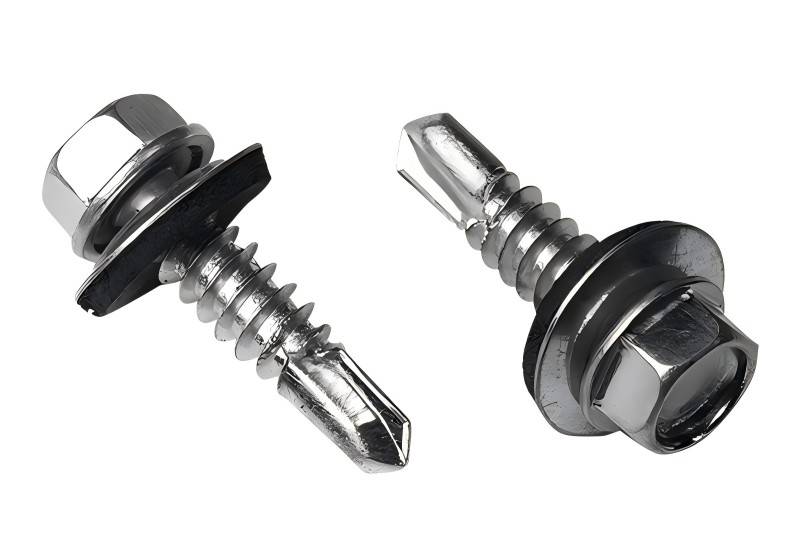
self-tapping screws

Key Features of Self-Tapping Screws

Thread-Cutting Ability – Their sharp threads and pointed tips allow them to cut into materials with minimal effort.

Secure Hold – Once installed, the threads grip tightly, offering excellent resistance to loosening.

Versatility – Suitable for metals, plastics, and softer materials like wood.

Variety of Head Styles – Available in pan head, flat head, hex head, and other styles to fit different applications.

Durability – Often manufactured from hardened steel, stainless steel, or coated with zinc for corrosion resistance.

Types of Self-Tapping Screws

Thread-Forming Screws – Designed to displace material without cutting, often used in plastics to minimize cracking.

Thread-Cutting Screws – Equipped with cutting edges at the tip that remove material to form threads, commonly used in metals.

Self-Drilling Screws – Feature a drill-like tip that eliminates the need for pre-drilling, ideal for sheet metal and structural applications.
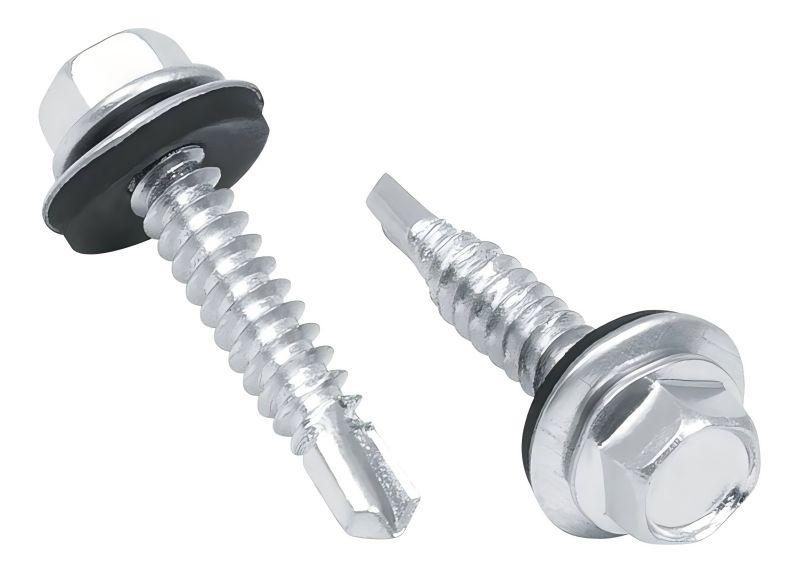
Hexagon Head Self-drilling Screws

Wood Self-Tapping Screws – Optimized for wood fastening, often with coarse threads for stronger grip.

Applications of Self-Tapping Screws

Construction – Used in roofing, metal framing, and drywall installation.

Automotive Industry – Fastening plastic, sheet metal, and interior components.

Electronics – Securing circuit boards and casings without damaging delicate materials.

Furniture Assembly – Easy installation into wood and composite materials.

Household Repairs – Convenient for quick fixes without requiring specialized tools.

Advantages of Using Self-Tapping Screws

Reduced installation time since no pre-tapping is needed.

Strong, reliable fastening with minimal loosening.

Wide availability in various sizes, materials, and head designs.

Cost-effective solution for mass production and DIY projects.

Considerations When Using Self-Tapping Screws

Material Compatibility – Ensure the screw is designed for the substrate (metal, wood, or plastic).

Pilot Hole Requirement – Some applications may still require a pilot hole to prevent material cracking.

Torque Control – Over-tightening can strip the threads or damage the substrate.

Corrosion Resistance – Use zinc-nickel coated screws in outdoor or moisture-prone environments.

Zinc-nickel coated cross hexagon flange self-tapping Screw supplier

Final Thoughts

Self-tapping screws are a versatile, efficient, and reliable fastening solution widely applied across industries. With their ability to form threads during installation, they save time, reduce labor, and provide secure joints in a variety of materials. Whether in large-scale industrial use or small DIY projects, self-tapping screws remain an indispensable component in modern fastening technology.

The Use of XRD in Amorphous and Crystalline Polymers

Polymers exhibit a wide range of structural organizations, from highly ordered crystalline regions to disordered amorphous domains. This duality in structure significantly affects their physical, mechanical, and thermal properties. X-ray diffraction (XRD) has become one of the most powerful techniques to characterize the structural arrangement in polymers, providing critical insights into their crystallinity, molecular packing, and amorphous content.

DW-XRD-Y3500 X-ray Diffractometer

Principles of XRD in Polymers

XRD works by directing X-rays at a polymer sample and detecting the diffraction pattern produced as the rays interact with the material’s atomic arrangement. In crystalline polymers, the ordered packing of chains produces sharp diffraction peaks. In contrast, amorphous polymers lack long-range order, resulting in broad diffuse halos instead of distinct peaks. By analyzing these patterns, researchers can quantify the degree of crystallinity, identify polymorphic structures, and assess orientation in processed polymers.

XRD in Crystalline Polymers

Crystalline polymers, such as polyethylene (PE) and polypropylene (PP), show distinct diffraction peaks that reveal the unit cell parameters and the molecular packing of chains. XRD allows researchers to:

Measure crystallinity – By integrating the crystalline peak areas relative to the amorphous background, the crystallinity percentage can be determined.

Identify polymorphs – Different crystal structures (e.g., α, β, γ forms in polypropylene) can be distinguished.

Study orientation – Fiber and film samples often exhibit preferred orientation of crystallites, which XRD can characterize through pole figure analysis.

These insights are critical in tailoring polymer properties such as tensile strength, barrier behavior, and thermal stability.

Crystalline Polymer Phases

XRD in Amorphous Polymers

Amorphous polymers, such as polystyrene (PS) or polycarbonate (PC), display broad halos in their XRD patterns. Although they lack long-range periodicity, XRD can still provide valuable information:

Short-range order – Even in amorphous states, local packing of polymer chains can be assessed from the position of the broad halo.

Glass transition behavior – Changes in halo position or width upon heating can reflect structural relaxation near the glass transition temperature.

Comparison with semicrystalline systems – By separating the diffuse background from crystalline peaks, XRD aids in quantifying the amorphous fraction in partially crystalline polymers.

Applications in Polymer Science and Industry

The use of XRD in polymers extends across multiple fields:

Polymer development – Determining crystallinity levels helps in designing materials with desired mechanical and optical properties.

Quality control – In industrial production, XRD verifies structural consistency of polymer batches.

Processing optimization – By analyzing crystallization during extrusion, injection molding, or annealing, manufacturers can refine processing conditions.

Nanocomposites and blends – XRD is used to examine the dispersion of nanoparticles and phase separation in polymer blends.

DW XRD Y3000 Model X Ray Diffraction Instrument

Future Perspectives

With advances in synchrotron radiation and time-resolved XRD, researchers can now monitor polymer crystallization in real-time, providing deeper insights into nucleation and growth kinetics. Small-angle X-ray scattering (SAXS), when combined with wide-angle XRD (WAXD), further enhances the ability to study hierarchical structures from nanometer to micrometer scales. Such techniques are opening new pathways for the design of advanced functional polymers.

Summary

XRD remains an indispensable tool in characterizing both amorphous and crystalline polymers. By providing information on crystallinity, polymorphism, molecular orientation, and short-range order, it bridges the gap between structure and performance. As polymers continue to evolve into more complex architectures, XRD will remain at the forefront of polymer research and industrial application.

How to Ensure the Safety of Marine Pilot Chairs

Marine pilot chairs are not only about comfort and ergonomics but also about safety and reliability. Given the demanding nature of maritime operations, these pilot chairs are designed with specialized safety features and certified according to international standards to ensure maximum protection for pilots and crew.

TR-003 Type Pilot Chair

Importance of Safety in Marine Pilot Chairs

Marine pilots spend long hours navigating vessels in dynamic environments. Rough seas, vibrations, and sudden vessel movements can increase the risk of fatigue and injury if seating is not properly designed. Safety-focused pilot chairs minimize these risks by integrating robust engineering, compliance with international regulations, and advanced materials.

Key Safety Features in Marine Pilot Chairs

Shock and Vibration Absorption

Suspension shock absorbing pilot chairs are equipped with dampening systems that absorb shocks from vessel movement, reducing strain on the pilot’s spine and joints.

Suspension Shock Absorbing Pilot Chair

Fire-Resistant Materials

Upholstery and padding are often made from flame-retardant fabrics and foams, complying with the International Maritime Organization (IMO) fire safety requirements.

Non-Slip and Corrosion-Resistant Surfaces

Chairs use marine-grade stainless steel and aluminum with anti-slip coatings, ensuring stability even in wet and salty environments.

Adjustable Restraint Systems

Safety belts and secure locking mechanisms are built into some pilot chairs to keep operators stable during rough seas.

Ergonomic and Fatigue-Reducing Design

Features like lumbar support, adjustable armrests, and swivel functions reduce fatigue, which is a critical safety factor in long navigation shifts.

Anchoring and Stability

Marine pilot chairs are mounted on reinforced pedestals with anti-tip designs, preventing accidents from sudden vessel tilts or impacts.

Certifications and Standards for Marine Pilot Chairs

IMO Compliance

The International Maritime Organization sets safety standards for materials and fire resistance, which marine pilot chairs must meet.

MED (Marine Equipment Directive) Certification

Required in the European Union, MED ensures chairs meet strict safety and environmental standards for maritime use.

Wheelmark Approval

A mark of conformity under the MED, confirming that the pilot chair is tested and approved for use on SOLAS-regulated vessels.

ISO Standards

ISO 7176 (for mechanical strength and stability) and ISO 15085 (fire safety) are commonly referenced in chair design.

Classification Society Approvals

Chairs are often certified by organizations like DNV (Det Norske Veritas), ABS (American Bureau of Shipping), or Lloyd’s Register to ensure compliance with vessel-specific safety requirements.

The Future of Safety in Marine Pilot Chairs

Innovations are moving toward integrating smart safety systems. Features like built-in sensors for posture monitoring, automatic locking during rough conditions, and lightweight yet fire-resistant composite materials are shaping the next generation of pilot chairs.

marine captains seats

Summary

Marine pilot chairs are a vital part of ensuring navigational safety. Their safety features—ranging from shock absorption to fire resistance—are reinforced by strict international certifications. Together, they protect the health of pilots, maintain vessel safety, and ensure compliance with maritime regulations. As technology evolves, marine pilot chairs will continue to combine ergonomics with cutting-edge safety innovations.

Temperature Limitations in Marine Explosion-proof Lighting

Marine environments pose unique challenges for lighting systems, especially in hazardous areas such as oil tankers, offshore platforms, and cargo vessels where explosive gases, vapors, or dust may be present. Explosion-proof lighting plays a vital role in ensuring safety by preventing ignition sources. However, one critical factor that determines its effectiveness and durability is temperature limitation. Understanding these limits is essential for safe operation and for selecting the right marine explosion-proof lighting for specific applications.

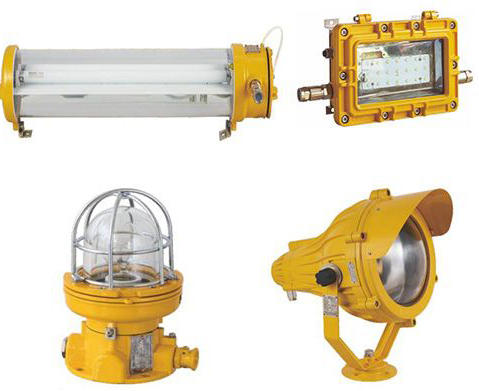
Explosion-proof Lighting for LNG Carriers and Tankers

The Role of Temperature in Explosion-proof Lighting

Explosion-proof lighting is designed to contain sparks or hot surfaces that could ignite flammable atmospheres. The temperature generated by the fixture itself is a crucial safety concern. If the external surface temperature of the lighting exceeds the ignition temperature of nearby gases or vapors, it could trigger an explosion. Thus, marine lighting manufacturers carefully classify and test lighting systems to ensure compliance with thermal safety standards.

Temperature Classification

Explosion-proof lighting is typically rated according to international standards such as IEC, ATEX, or NEC. A key part of this classification is the T-rating (Temperature Code), which specifies the maximum surface temperature a fixture can reach. For example:

T1: Maximum surface temperature 450°C

T3: Maximum surface temperature 200°C

T6: Maximum surface temperature 85°C

Marine operators must match the T-rating of lighting to the lowest ignition temperature of potential flammable substances in the environment.

Environmental Temperature Limitations

Apart from T-ratings, marine explosion-proof lighting also has ambient temperature limitations. These restrictions define the safe range of temperatures in which the fixture can operate without failure or risk of overheating. Typical ambient ranges include:

-20°C to +40°C (standard fixtures)

-40°C to +55°C or higher (heavy-duty marine applications)

Failure to observe these ambient limits may result in reduced lifespan, compromised safety, or sudden failure of lighting equipment.

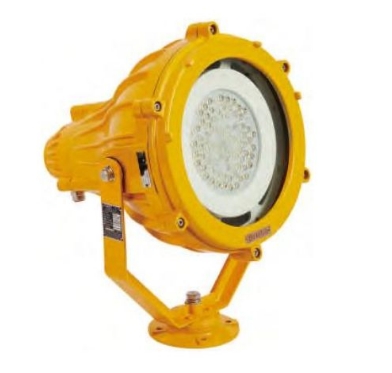
CFT6-explosion-proof-flood-light

Heat Management Challenges in Marine Environments

Confined Spaces: In engine rooms or pump compartments, poor ventilation can cause lights to overheat.

Saltwater Corrosion: Corrosion-resistant housings must balance durability with efficient heat dissipation.

Continuous Operation: Navigation and deck lights often run for long hours, increasing surface heat.

High Ambient Conditions: Tropical climates or enclosed marine spaces can push lights close to their thermal limits.

Best Practices for Managing Temperature Limitations

Proper Fixture Selection: Choose explosion-proof lighting with T-ratings and ambient limits suitable for the specific marine zone.

LED Technology: LED explosion-proof lights generate less heat compared to traditional HID lamps, offering safer operation in hazardous zones.

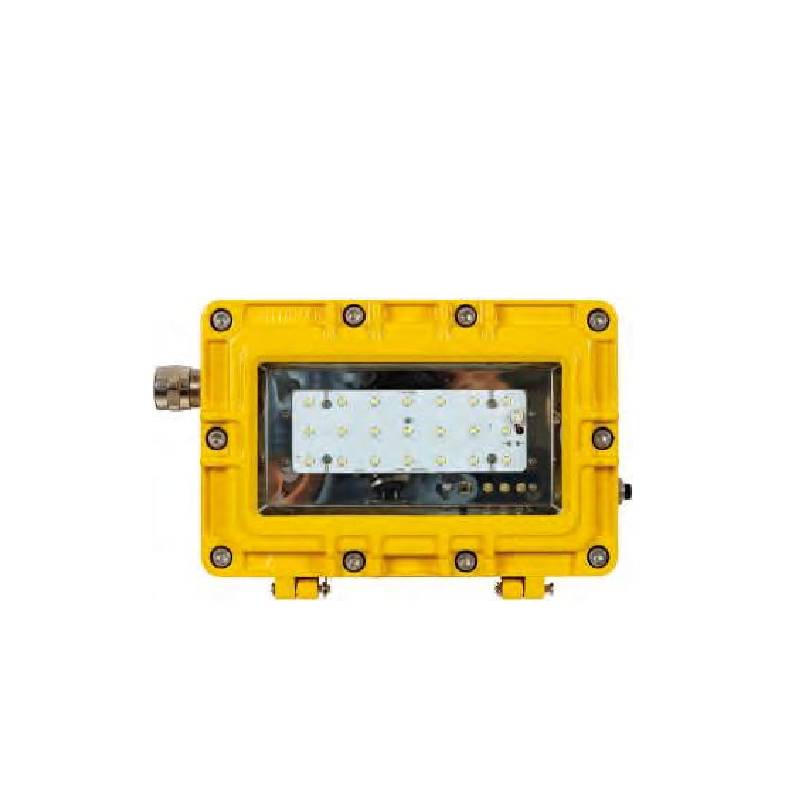
CFD3-D LED Explosion-proof Lighting

Heat Dissipation Design: Ensure fixtures with robust heat sinks and corrosion-resistant materials are used.

Routine Inspections: Regular maintenance helps detect overheating, corrosion, or insulation degradation.

Compliance with Standards: Always follow IECEx, ATEX, or marine-class society certifications to guarantee safe operation.

Final Thoughts

Temperature limitations are a decisive factor in the safe and reliable use of marine explosion-proof lighting. By considering both surface temperature classifications (T-ratings) and ambient operating ranges, marine operators can minimize risks of ignition and equipment failure. With advances in LED technology and thermal management, modern explosion-proof lighting is becoming more efficient, but careful selection and maintenance remain essential to ensure safety in hazardous marine environments.

Why Use Custom Mascots in Events and Promotions

In today’s competitive market, businesses and organizations constantly seek new ways to stand out and connect with audiences. One of the most engaging tools for brand visibility is the use of custom mascots. Whether it’s a corporate event, sports game, trade show, or community promotion, mascots bring a unique, memorable, and interactive element that captures attention and fosters emotional connections.

Custom Mascots for Events

The Role of Custom Mascots in Events

Custom mascots serve as living representations of a brand, company, or cause. Unlike logos or slogans, mascots create an approachable and friendly image that resonates with people of all ages. At events, they attract crowds, encourage participation, and generate excitement. Their presence adds entertainment value, making them ideal for festivals, product launches, school events, and promotional campaigns.

Benefits of Using Custom Mascots in Promotions

Brand Recognition – A custom plush mascot becomes an instantly recognizable face for the brand, reinforcing visual identity and messaging.

Emotional Connection – Mascots evoke positive emotions, making the brand more relatable and approachable.

Audience Engagement – Through photo opportunities, performances, and interactive activities, mascots directly involve audiences in the experience.

Memorability – People are more likely to remember an event where they had a fun and unique encounter with a mascot.

Social Media Amplification – Mascots often go viral on social media as audiences share pictures and videos, extending the promotional reach.

Custom Mascots for Brand Promotions

Designing Effective Custom Mascots

Creating a successful mascot involves more than just a fun costume. Key considerations include:

Brand Identity Alignment – The design must reflect the brand’s values, colors, and personality.

Target Audience Appeal – Whether targeting children, families, or corporate audiences, the mascot’s design and character must suit the audience.

Practicality and Comfort – A mascot costume should allow mobility, visibility, and comfort for the performer.

Distinctiveness – To stand out, the mascot must be unique and easily distinguishable from competitors.

Applications Across Different Events

Sports and Entertainment – Mascots energize fans, lead cheers, and enhance team spirit.

Corporate Promotions – Businesses use mascots for product launches, trade fairs, and brand activations to draw attention and spark curiosity.

Community Events – Mascots can represent causes or public campaigns, making serious messages more accessible.

Educational Settings – Schools and institutions adopt mascots to inspire students and build community identity.

Custom Mascot Supplier

Summary

Custom mascots are powerful tools in events and promotions, combining fun with strategic brand communication. They humanize brands, create lasting impressions, and foster meaningful interactions with audiences. As organizations continue to explore creative marketing strategies, mascots remain a timeless and effective way to bring brands to life.

Effective Strategies for Customizing Print Inspection Systems Adapting to Specific Substrates

In the printing industry, maintaining high-quality output is essential for meeting customer expectations and ensuring brand consistency. However, different substrates—such as paper, plastic films, foils, textiles, and labels—pose unique challenges to inspection systems. A one-size-fits-all solution often fails to provide reliable results. To achieve consistent accuracy, manufacturers are increasingly turning to customized print inspection systems designed to adapt to specific substrate properties.

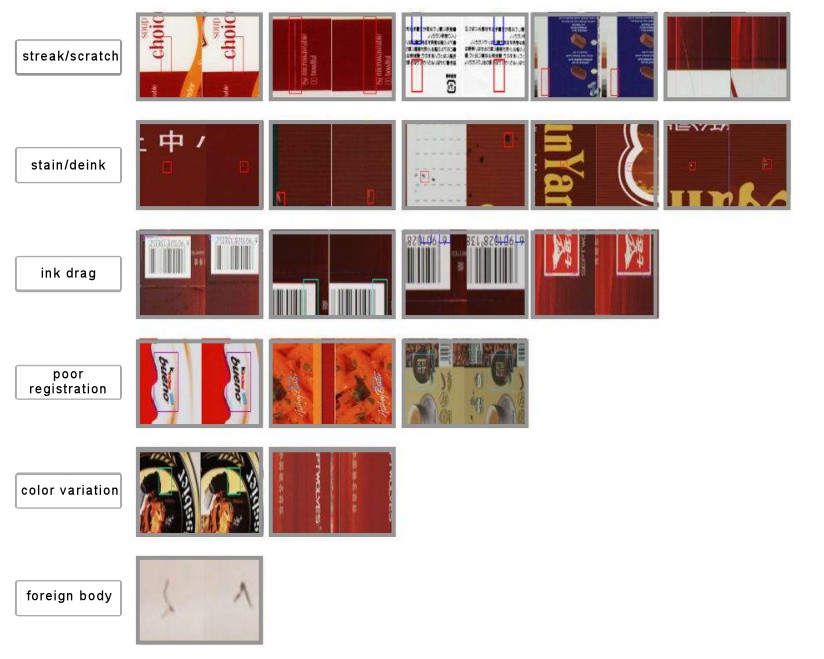
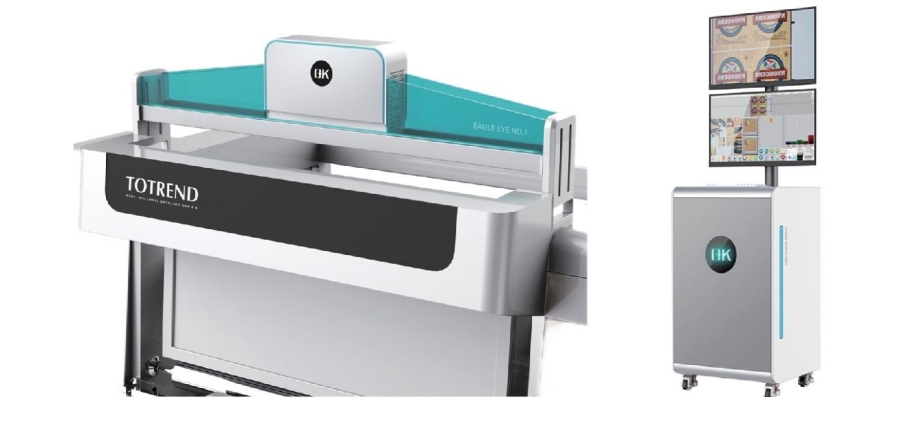
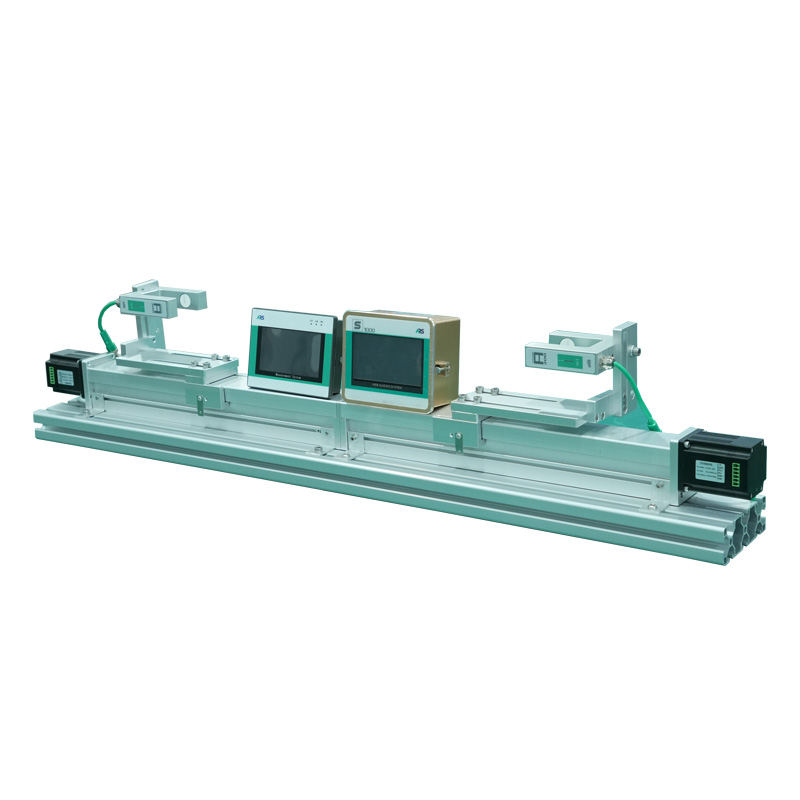
print inspection system

Challenges of Different Substrates in Print Inspection

Paper

Paper substrates can vary in thickness, texture, and reflectivity. Rough or porous surfaces make it difficult to detect fine defects such as misregistration or streaking.

Plastic Films

Transparent or semi-transparent films introduce challenges related to light reflection and transmission. Detecting scratches, bubbles, or color inconsistencies requires advanced optical configurations.

Metal Foils

Foil substrates create strong glare due to high reflectivity. Conventional cameras may miss print defects unless specialized lighting and imaging techniques are employed.

Textiles

The woven or knitted structure of textiles results in irregular surfaces. Inspection systems must differentiate between inherent texture patterns and actual print flaws.

Labels and Packaging

Labels often include a combination of substrates, coatings, and adhesives. Variable shapes and embossing add complexity to accurate inspection.

Print Inspection Systems for Paper Cups

Customization Strategies for Print Inspection Systems

Adaptive Lighting Solutions

Diffuse lighting reduces glare on glossy foils.

Backlighting improves defect detection on transparent films.

Multispectral or UV lighting enhances contrast for substrates with subtle defects.

High-Resolution Cameras

Customizable resolution settings ensure precise inspection across substrates with fine print details.

Line-scan cameras are particularly effective for continuous web substrates like films and paper rolls.

AI and Machine Learning Integration

Algorithms can be trained to recognize defects specific to each substrate, minimizing false alarms.

Adaptive learning allows the system to improve accuracy over time.

Modular Hardware Design

Systems with interchangeable modules allow operators to switch between substrates without extensive recalibration.

Adjustable camera angles and lighting modules accommodate varying surface reflectivity.

Software Customization

The parameters of defect classification can be fine-tuned for substrates with unique patterns, such as textiles.

Data visualization dashboards provide real-time quality analysis tailored to production needs.

Integration with Printing Lines

Customized 100% printing inspection systems can be synchronized with presses to automatically stop production when defects exceed tolerance levels.

Inline correction feedback loops optimize waste reduction.

Benefits of Customizing Print Inspection Systems

Improved Accuracy: Substrate-specific solutions enhance detection rates and reduce false positives.

Operational Flexibility: Printers can switch between substrates with minimal downtime.

Waste Reduction: Early detection prevents defective batches, saving material and costs.

Enhanced Customer Satisfaction: Consistent quality ensures brand protection and compliance with industry standards.

Future-Proofing: Customizable systems adapt to emerging materials and substrates in the printing market.

Print Inspection System for Packaging Bags

Summary

As printing applications diversify across industries like packaging, textiles, and electronics, the demand for customized print inspection systems continues to grow. By tailoring inspection solutions to the unique challenges of each substrate, manufacturers can achieve higher precision, reduce waste, and deliver consistent quality. With the integration of advanced optics, AI-driven analytics, and modular designs, customized systems are setting new standards for reliability and efficiency in modern printing operations.

Understanding Well Control Equipment: Why Use Simulation Technologies

Well control equipment forms the backbone of safety in oil and gas drilling operations. Its primary purpose is to maintain control over the wellbore, prevent formation fluids from entering, and mitigate risks associated with kicks and blowouts. Over time, advancements in equipment design and the adoption of simulation technologies have significantly enhanced well control practices, allowing operators to prepare for emergencies and optimize system performance.

Well Control Equipment

Key Types of Well Control Equipment

Blowout Preventers (BOPs)

BOPs are critical components placed at the wellhead to seal, control, and monitor wells. They include ram-type BOPs, which use steel rams to seal the well, and annular BOPs, which provide flexible sealing around drill pipes or casings.

Choke and Kill Manifolds

These systems regulate wellbore pressure during kicks by allowing controlled circulation of fluids. Choke manifolds help maintain bottom-hole pressure, while kill manifolds are used for pumping heavy drilling fluids to stop the influx.

Mud Circulation System

Drilling mud, circulated through pumps and shale shakers, provides hydrostatic pressure to balance formation pressures. The system also supports kick detection by monitoring mud return volumes.

Accumulator Units

These hydraulic systems provide the energy required to operate BOPs quickly and reliably in emergency situations.

Gas Detectors and Monitoring Systems

Advanced sensors continuously monitor for gas influx, enabling early kick detection and timely well control measures.

Simulation Technologies for Optimizing Well Control Equipment

The integration of simulation technologies has transformed how well control equipment is designed, tested, and used in real operations. Key applications include:

Virtual Training Simulators

Drilling crews can practice kick detection, BOP operation, and choke control in a risk-free virtual environment.

These well control simulators replicate real-world scenarios, improving decision-making speed and accuracy during actual emergencies.

Portable Well Control Simulation System

Digital Twin Models

A digital twin of the well control system enables real-time monitoring and predictive maintenance.

By simulating equipment behavior under varying pressures and flow rates, operators can anticipate potential failures and optimize maintenance schedules.

Computational Fluid Dynamics (CFD) Simulations

CFD models help analyze fluid dynamics within BOPs, choke manifolds, and mud systems.

Engineers can optimize equipment design for pressure resistance, erosion control, and flow efficiency before physical prototypes are built.

Kick Detection Simulations

Algorithms powered by machine learning simulate thousands of well conditions to refine early kick detection systems.

These models enhance sensor calibration and improve alarm accuracy, reducing false positives.

Scenario-Based Drilling Simulations

Complex drilling simulations combine geological models, drilling parameters, and equipment capabilities.

They allow operators to test well control strategies for specific reservoirs, ensuring that equipment is properly sized and configured.

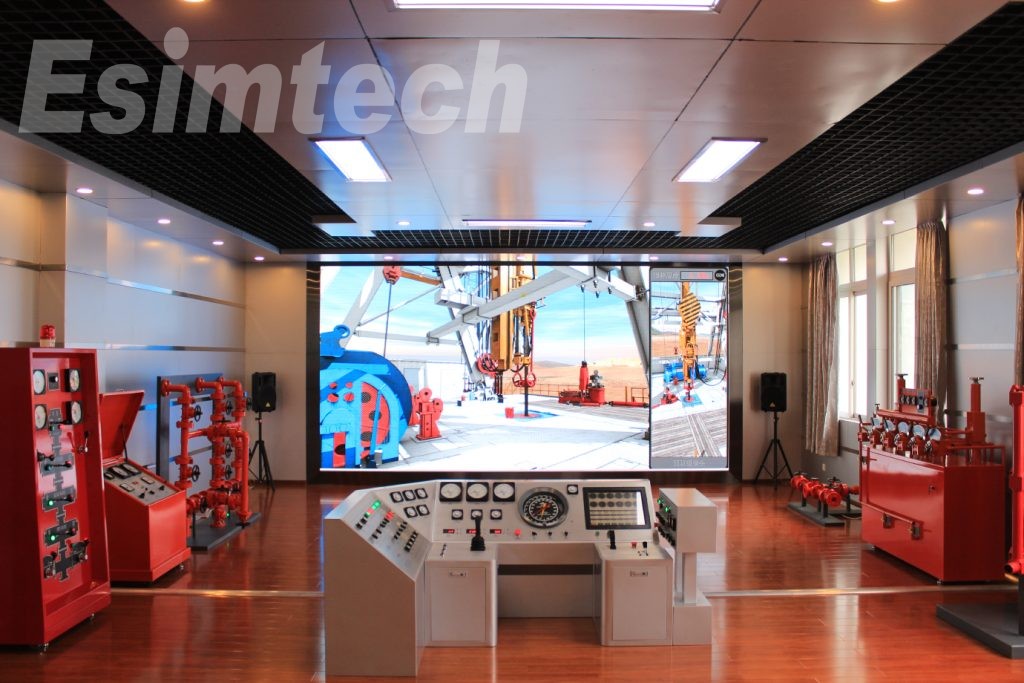
drilling and well control simulation system

Benefits of Simulation in Well Control

Enhanced Safety: Crews gain confidence and readiness through lifelike training exercises.

Cost Efficiency: Issues are identified virtually before expensive real-world equipment modifications.

Design Innovation: Simulation accelerates R&D by testing multiple configurations rapidly.

Operational Reliability: Predictive models ensure well control systems operate effectively under high-stress conditions.

Final Thoughts

Well control equipment remains indispensable for managing risks in drilling operations, from preventing kicks to averting catastrophic blowouts. Today, the adoption of simulation technologies adds a new dimension, optimizing equipment performance, boosting crew competency, and enabling proactive risk management. As the oil and gas industry continues to advance, the integration of smart simulations and digital technologies will define the next era of safer and more efficient well control practices.

VOGE DS625X: the Balance of Power, Control, and Endurance across Diverse Terrains

Adventure motorcycles are built with a mission: to deliver the right balance of power, control, and endurance across diverse terrains. The VOGE DS625X, positioned as a midweight ADV motorcycle, embodies this balance with a powertrain and performance setup that deserves a closer look. From its engine architecture to its chassis dynamics, the DS625X demonstrates how engineering precision translates into reliable real-world performance.

VOGE DS625X ADV

Engine Characteristics: Smooth and Controlled Power

At the heart of the VOGE DS625X lies a single-cylinder, liquid-cooled engine engineered to provide both efficiency and adaptability. Its displacement and tuning allow for responsive torque delivery, particularly in the low-to-mid rev range—an essential trait for off-road riding where control often matters more than sheer horsepower. Riders benefit from a predictable throttle response, enabling smooth acceleration on paved roads and precise traction management on uneven trails.

Torque Delivery and Gearbox Performance

The DS625X is equipped with a six-speed gearbox paired with a slipper clutch, enhancing its usability across different terrains. The gearbox provides versatility: shorter gearing for technical off-road maneuvers and longer ratios for highway cruising. The slipper clutch reduces wheel hop during aggressive downshifts, improving stability on both loose gravel and asphalt. Together, these elements ensure the bike maintains controlled power delivery without sacrificing rider confidence.

Suspension and Stability: Harnessing Power Effectively

Power alone doesn’t define performance—it must be harnessed effectively through the suspension and chassis. The DS625X features long-travel suspension with an inverted front fork and adjustable rear shock. This setup absorbs bumps and obstacles, allowing the engine’s power to be translated into forward momentum rather than lost through instability. The reinforced steel frame complements the suspension, offering rigidity for high-speed stability while maintaining agility for tight off-road turns.

VOGE DS625X ADV Motorcycle

Wheel and Traction Performance

The VOGE DS625X rolls on 21-inch front and 18-inch rear spoked wheels fitted with dual-purpose tires. This configuration enhances both traction and maneuverability, ensuring that the engine’s power can be applied efficiently to surfaces ranging from asphalt to sand or mud. Coupled with dual-channel ABS and traction control, the DS625X optimizes grip and minimizes slip, even in challenging conditions.

Real-World Riding Dynamics

In practice, the DS625X is not about brute horsepower but about usable, adaptable performance. Its powertrain provides enough muscle for spirited highway riding while remaining manageable and confidence-inspiring off-road. The combination of responsive torque, well-matched gearing, and advanced rider aids allows riders to transition seamlessly between city streets, winding backroads, and rugged trails.

VOGE DS625X Motorcycle

Summary

The power performance of VOGE DS625X ADV motorcycle is not simply about raw output, but about how effectively that power is delivered, managed, and applied to the terrain. With its well-engineered engine, precise gearbox, robust suspension, and advanced rider technologies, the DS625X stands as a midweight ADV machine that transforms balanced engineering into dependable performance. For riders seeking both excitement and control, the DS625X offers a compelling power performance package.

Customized Hand Paper Towels as Powerful Brand Tools

Customized branded hand paper towels are one such innovative solution. By merging functionality with subtle marketing, these hand paper towels help businesses enhance their professional image while providing practical value.

N-fold Hand Paper Towel

Why Businesses Choose Customized Branded Hand Paper Towels

Enhanced Brand Visibility

Customized hand towels featuring a company’s logo, slogan, or design keep the brand consistently in front of customers. Whether in hotels, restaurants, offices, or public facilities, they act as a discreet yet powerful branding tool.

Professional Image

Offering branded paper towels signals attention to detail and commitment to customer experience. It elevates the perception of the brand by associating it with cleanliness, quality, and care.

Affordable Marketing Strategy

Compared to other branding methods, custom paper towels are cost-effective. Since they are consumable products used daily, they provide ongoing exposure at a fraction of the price of traditional advertising.

Versatile Applications

From hospitality and food service to healthcare and corporate environments, customized paper towels can be tailored to suit different industries and occasions, including events, conferences, or promotions.

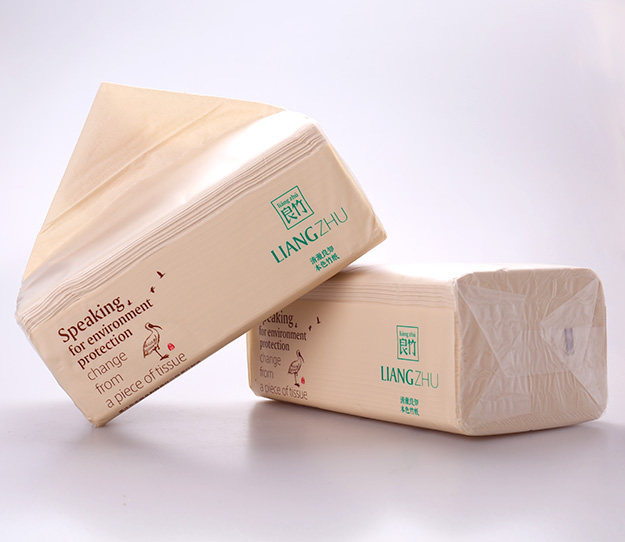
Bamboo Hand Paper Towels

Customization Options

Logo Printing – The most common option, where company logos or slogans are printed directly onto the towel.

Color Variations – Businesses can match towel colors with their brand palette for consistency.

Material Choices – Options range from soft, premium multi-ply towels for luxury settings to eco-friendly bamboo tissue paper for sustainable brands.

Packaging Customization – Beyond the towels themselves, branded packaging further reinforces the corporate identity.

Benefits for Different Industries

Hospitality – Hotels and resorts use branded towels to leave a lasting impression on guests, enhancing the overall experience.

Restaurants & Cafes – Customized towels create a polished, professional atmosphere while keeping hygiene standards high.

Corporate Offices – Companies use them to subtly promote brand culture among employees and visitors.

Events & Trade Shows – Branded towels can double as promotional items, reinforcing the brand message to attendees.

Hand Paper Towels

Sustainability Considerations

Modern consumers are increasingly eco-conscious. Many manufacturers now offer biodegradable, recyclable, and FSC-certified paper towel options. Custom branding on eco-friendly towels demonstrates not only professionalism but also social responsibility, strengthening customer trust and loyalty.

Final Thoughts

Customized branded hand paper towels blend practicality with marketing innovation. They are more than just hygiene products—they are touchpoints that communicate professionalism, care, and brand identity. For businesses aiming to strengthen their brand presence in a subtle yet impactful way, investing in customized paper towels is a cost-effective and versatile strategy that leaves a lasting impression.

Hex Head Bolts vs. Stud Bolts: Choose the Right Type for Your Applications

In industrial applications, fasteners play a crucial role in ensuring the integrity, safety, and performance of structures and machinery. Among the many fastener types, hex head bolts and stud bolts are two of the most commonly used. While both serve the purpose of joining components together, they differ significantly in design, applications, and advantages. Understanding these differences between hex head bolts and stud bolts helps engineers, maintenance teams, and procurement specialists select the most suitable option for specific needs.

hex head Bolts vs stud bolts

1. Design and Structure

Hexagon Head Bolts.

Feature a six-sided (hexagonal) head for easy tightening with a wrench or socket.

Have a threaded shaft with varying lengths.

Typically used with a nut or threaded directly into a tapped hole.

Stud Bolts

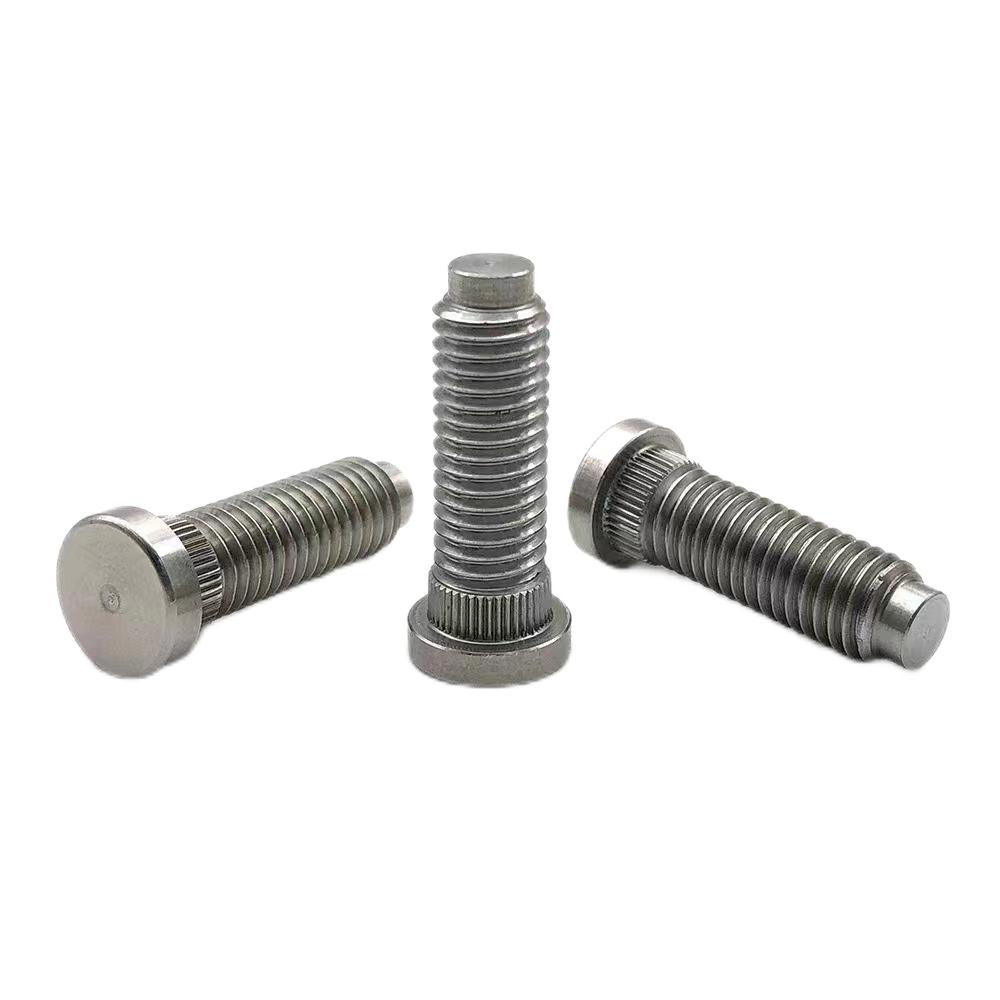
Threaded on both ends or fully threaded along the length.

Lack a head; instead, nuts are used on both sides to secure components.

Often paired with gaskets and flanges in piping systems.

2. Installation and Maintenance

Hex Head Bolts

Quick to install and remove using standard tools.

Suitable for applications requiring frequent assembly and disassembly.

Can be tightened from one side if used in a tapped hole.

Slot Head Hexagon Bolts

Stud Bolts

Installation requires nuts on both ends, making the process more time-consuming.

Once in place, they provide better alignment for flanges and connections.

Preferred in applications where joints need to be opened periodically without disturbing flange alignment.

3. Applications

Hex Head Bolts

Machinery and equipment assembly.

Automotive and construction industries.

Structural connections where quick fastening is needed.

Stud Bolts

High-pressure piping systems.

Petrochemical plants, refineries, and power generation facilities.

Flanged connections requiring secure, leak-proof joints.

4. Strength and Reliability

Hex Head Bolts

Provide adequate strength for most mechanical and structural applications.

Available in a wide range of grades and coatings.

However, may not be ideal for extreme high-pressure environments.

Stud Bolts

Designed to withstand high-pressure and high-temperature conditions.

Evenly distribute load across flanged connections.

Ensure secure sealing, reducing the risk of leaks in critical systems.

5. Cost and Practical Considerations

Hex Head Bolts

Generally less expensive.

Readily available in standard sizes.

Easier for small-scale applications and general repairs.

Stud Bolts

More expensive due to specialized design and materials.

Often manufactured to industry standards such as ASTM A193 or A320.

High tensile PTFE coated Stud Bolts

Long-term benefits in critical systems outweigh higher upfront costs.

Final Thoughts

The choice between hex head bolts and stud bolts depends largely on the application. Hex head bolts are versatile, cost-effective, and suitable for machinery, construction, and general assembly. In contrast, stud bolts are indispensable in demanding environments such as refineries and power plants, where flange connections must remain reliable under extreme conditions. By evaluating factors like installation requirements, load conditions, and operating environments, engineers can make informed decisions to ensure safety, performance, and cost-efficiency.

通过 WordPress.com 设计一个这样的站点
从这里开始