How to Integrate Raman Spectroscopy with Other Spectroscopic Techniques

Raman spectroscopy is a powerful, non-destructive analytical tool widely used to probe the vibrational modes of molecules, offering unique insights into chemical composition and molecular structure. However, when integrated with other spectroscopic techniques, its value multiplies, enabling researchers to build a more complete picture of complex materials and processes. Successful integration requires careful consideration of compatibility, experimental design, and data analysis strategies.

Why Integrate Raman Spectroscopy with Other Techniques

Raman spectrometers provide rich molecular information, but it has limitations, such as fluorescence interference or sensitivity to certain sample types. Combining it with complementary techniques helps:

DTR3000 Raman Spectrometer

Overcome individual technique limitations.

Validate and cross-check findings.

Provide multi-dimensional insights (structural, electronic, vibrational, and chemical).

Enable real-time monitoring in applied fields like pharmaceuticals, materials science, and environmental research.

Common Techniques for Integration

1. Infrared (IR) Spectroscopy

Raman and IR are vibrational spectroscopies but probe different molecular transitions due to distinct selection rules. Integrating them:

Provides complementary vibrational information.

Helps identify functional groups more precisely.

2. UV-Vis Spectroscopy

Coupling Raman with UV-Vis spectroscopy:

Correlates electronic transitions with vibrational modes.

Enhances the understanding of excited-state dynamics.

Supports applications in photophysics, catalysis, and solar cell research.

UV-Vis spectroscopy

3. Fluorescence Spectroscopy

Though fluorescence spectrophotometers often interfere with Raman, controlled integration can be powerful:

Enables simultaneous detection of fluorescent species and molecular vibrations.

Useful in bioimaging and medical diagnostics.

Advanced setups like time-resolved systems help separate fluorescence from Raman signals.

DW-F97 Series Fluorescence Spectrophotometer

4. Nuclear Magnetic Resonance (NMR) Spectroscopy

Raman provides vibrational fingerprints, while NMR delivers structural and dynamic information. Together, they:

Offer detailed molecular-level insights.

Enable in-depth studies of biomolecules and complex mixtures.

Are used in structural biology, pharmaceutical development, and material science.

5. X-ray Spectroscopy (XPS, XRD, XAS)

Pairing Raman with X-ray techniques:

Bridges structural, electronic, and vibrational analysis.

Enhances understanding of crystalline and amorphous materials.

Plays a critical role in catalysis, nanomaterials, and battery research.

Strategies for Integration

1. Instrumental Design

Hybrid Instruments: Modern systems incorporate Raman with IR or fluorescence in one platform.

Coupled Setups: Fiber optics and modular designs allow connection of separate instruments.

Microscopy Platforms: Confocal Raman microscopes can integrate with AFM or SEM for correlative imaging.

2. Synchronization and Control

Time-synchronized acquisition ensures meaningful data correlation.

Shared sample stages and chambers allow simultaneous measurements.

Automation and software control improve reproducibility.

3. Data Analysis Approaches

Multivariate statistical methods (PCA, PLS) merge datasets for interpretation.

Spectral correlation maps reveal hidden relationships between vibrational and electronic properties.

Machine learning enhances data fusion for complex samples.

Key Challenges and Solutions

1. Signal Overlap – Use advanced filters, time-gating, or computational methods to separate signals.

2. Sample Constraints – Choose techniques compatible with the same physical state (solid, liquid, gas).

3. Instrumental Complexity – Modular and user-friendly platforms reduce integration difficulties.

4. Data Management – Adoption of unified databases and data fusion software streamlines analysis.

Future Outlook

As materials and life sciences demand deeper molecular-level understanding, integration of Raman spectroscopy with other techniques will grow. Emerging trends include:

Correlative multimodal imaging for biomedical applications.

In situ and operando studies combining Raman with X-ray or electrochemical methods.

AI-driven data fusion to accelerate discovery in chemistry, energy, and nanotechnology.

Summary

Integrating Raman spectrometers with other spectroscopic techniques expands the analytical horizon by combining complementary strengths. With thoughtful experimental design, advanced hybrid systems, and intelligent data analysis, researchers can unlock a richer, multidimensional understanding of materials and processes. This integrative approach is becoming essential in both fundamental research and industrial innovation.

High-capacity Mooring Bollards: What You Need to Know

In modern ports and terminals, where vessels are increasing in size and cargo handling demands are intensifying, mooring infrastructure plays a vital role in ensuring safety and efficiency. Among the key components of this infrastructure are high-capacity mooring bollards, designed to withstand extreme loads while securely holding vessels in place. These marine mooring bollards provide the strength, durability, and reliability required for berths handling large tankers, container ships, cruise liners, and offshore support vessels.

What are High-capacity Mooring Bollards

Mooring bollards are robust, fixed structures installed on quays, wharves, and jetties, used to tie mooring lines from vessels. High-capacity mooring bollards differ from conventional types by their ability to withstand exceptionally high loads, often exceeding 100 tons of line pull. They are engineered with reinforced materials and innovative designs to accommodate the growing needs of modern shipping.

Application of NS2584 Double Bitt Bollard

Key Features of High-capacity Mooring Bollards

Heavy Load Bearing – Capable of safely handling mooring forces generated by large vessels under harsh environmental conditions.

Durable Construction – Made from cast steel, ductile iron, or high-strength fabricated steel with corrosion-resistant coatings for long service life.

Optimized Geometries – Various Designs of T-head bollards, kidney bollards, double bitt bollards, or single bitt bollards, allow for effective load distribution and multi-line mooring.

High Safety Factors – Built to comply with international standards (e.g., PIANC, BS, or OCIMF guidelines) ensuring reliable performance under peak stress.

Customizable Configurations – Bollards can be tailored to port requirements, considering vessel types, quay layout, and tidal variations.

NS2584 Double Bitt Bollard

Applications in Modern Ports

High-capacity mooring bollards are widely used in:

Oil and LNG Terminals – Handling very large crude carriers (VLCCs) and LNG carriers that exert high mooring forces.

Container Terminals – Accommodating ultra-large container vessels (ULCVs) with higher draft and displacement.

Bulk Cargo Terminals – Ensuring secure mooring of Capesize and Panamax bulk carriers.

Cruise Ship Terminals – Providing stability for mega cruise liners during passenger embarkation and disembarkation.

Offshore and Naval Facilities – Supporting specialized vessels in high-load environments.

Advantages of High-capacity Mooring Bollards

Enhanced Safety – Minimizes the risk of bollard failure and accidents during mooring operations.

Future-proof Design – Accommodates the trend toward larger and heavier vessels.

Low Maintenance – Corrosion-resistant finishes and robust construction extend service life, reducing lifecycle costs.

Operational Flexibility – Ability to handle multiple line angles and loads makes them adaptable for diverse mooring arrangements.

Sustainability Benefits – By reducing the need for frequent replacements, they contribute to environmentally responsible port operations.

Marine Mooring Bollards for Offshore Floating Terminals

Future Outlook

With the maritime industry continuing to expand, the role of high-capacity mooring bollards is set to become even more critical. Future developments are likely to focus on:

Integration with digital monitoring systems for real-time stress analysis and predictive maintenance.

Use of advanced materials, such as composites or high-performance alloys, to improve load-bearing capacity and reduce weight.

Smart port infrastructure, where bollards are part of interconnected systems improving safety, efficiency, and sustainability.

Final Thoughts

High-capacity mooring bollards are indispensable in meeting the demands of today’s maritime operations. They provide the necessary strength, safety, and resilience to secure some of the world’s largest vessels. As ports evolve into smarter and more sustainable hubs, the design and performance of these bollards will continue to advance, reinforcing their role as a cornerstone of modern mooring systems.

What are the Differences Between Narrow and Wide Beam Marine Spotlights

Marine spotlights are essential lighting tools for vessels, providing visibility in dark or low-light conditions. They are used for navigation, search and rescue operations, docking, and detecting potential obstacles. When selecting a marine spotlight, one of the most important factors to consider is the beam angle. Narrow beam and wide beam spotlights each serve distinct purposes, and understanding the differences between narrow and wide beam spotlights helps ensure the right choice for specific marine applications.

What is Beam Angle?

The beam angle refers to the spread of light emitted by the marine spotlight.

Narrow Beam: Typically ranges from 5° to 20°, concentrating light into a tight, long-reaching column.

Wide Beam: Usually ranges from 30° to 120° or more, dispersing light over a broader area at shorter distances.

Narrow Beam Marine Spotlights

Narrow beam spotlights are designed for distance and precision.

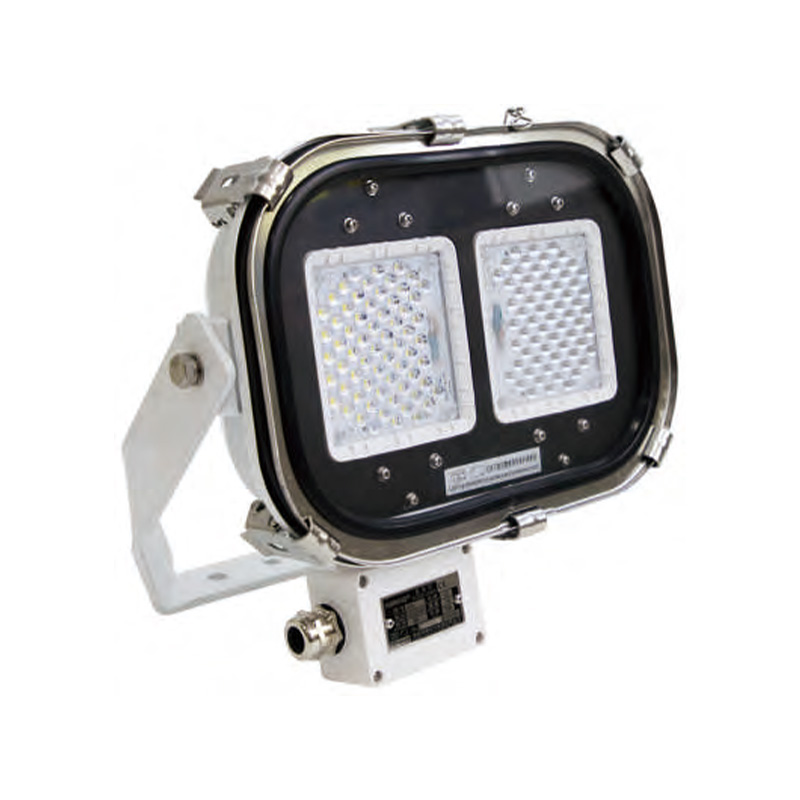
TG8-L Marine LED Spotlight

Advantages:

Longer Illumination Range – The focused beam can reach far ahead, making it ideal for navigation in open waters.

Targeted Visibility – Perfect for spotting buoys, markers, or objects in the distance.

Reduced Light Scatter – Less glare on nearby surfaces, ensuring clarity even in foggy or misty conditions.

Common Applications:

Long-distance navigation at night

Search and rescue operations requiring far-reaching visibility

Identifying hazards or vessels from afar

Wide Beam Marine Spotlights

Wide beam spotlights cover more area but with less reach.

Advantages:

Broad Coverage – Lights up a large section of water or deck space at once.

Improved Situational Awareness – Helps operators see surroundings clearly during docking or close-quarter maneuvers.

Enhanced Safety – Useful for illuminating work areas, fishing decks, or onboard activities.

TG29 LED Marine Spot Light Supplier

Common Applications:

Docking and anchoring at night

Close-range navigation in harbors or marinas

Fishing, deck work, and general onboard use

Choosing Between Narrow and Wide Beam Spotlights

The right choice depends on the vessel’s activities and environment:

Offshore Vessels – Narrow beam spotlights are more effective for long-range visibility.

Fishing Boats – Wide beam spotlights help illuminate working areas.

Recreational Boats – A combination of both provides flexibility for different conditions.

Rescue Vessels – Often use adjustable or dual-beam spotlights for versatility.

TG22-L LED Marine Spotlight

Final Thoughts

Both narrow beam and wide beam marine spotlights play critical roles in enhancing visibility and safety at sea. Narrow beams excel at long-distance precision, while wide beams offer broader coverage for close-range tasks. Many modern marine spotlights even allow adjustable beam angles, giving operators the best of both worlds. Ultimately, choosing the right spotlight depends on the vessel’s purpose, operating environment, and safety requirements.

The Growing Popularity of Custom Athletic Socks

Athletic socks play a bigger role in sports than many people realize. While jerseys and footwear often take the spotlight, socks are essential in providing comfort, protection, and team identity. For sports teams, custom athletic socks not only support performance but also strengthen unity and branding both on and off the field.

Custom Athletic Socks

Importance of Athletic Socks in Sports

Athletic socks are designed to do more than cover the feet. They provide cushioning, moisture-wicking, and support that athletes need during intense activities. High-quality socks reduce the risk of blisters, enhance circulation, and improve comfort when paired with athletic shoes. For competitive sports, the right socks can have a direct impact on performance and recovery.

Why Teams Choose Custom Athletic Socks

Team Identity and Branding – Customized socks featuring team colors, logos, and patterns reinforce a sense of belonging and create a professional, unified look.

Performance Enhancement – Teams can select specialized designs with compression features, arch support, or extra padding tailored to their sport.

Durability – Custom socks are often made with stronger fabrics designed to withstand rigorous training and frequent washing.

Player Morale – Wearing personalized gear makes athletes feel valued and boosts team spirit.

Custom Athletic Socks

Types of Custom Athletic Socks for Teams

Crew Socks – Popular for basketball, volleyball, and soccer; they provide ankle and calf protection.

Knee-High Socks – Favored in sports like baseball, football, and field hockey, offering full leg coverage.

Ankle Socks – Lightweight and ideal for running, tennis, or casual training sessions.

Compression Socks – Designed to improve blood flow and reduce fatigue, suitable for endurance sports.

Key Features to Look for in Custom Socks

Moisture-Wicking Materials – Keep feet dry during long games or training sessions.

Breathability – Mesh panels or lightweight fabric to prevent overheating.

Reinforced Heel and Toe – Ensures longer wear and added comfort.

Custom Fit Options – Different sizes for men, women, and youth athletes.

Design Flexibility – Ability to include logos, mascots, numbers, or motivational messages.

Benefits Beyond the Game

Custom athletic socks are not limited to use on the field. Many teams use them as part of fan merchandise, fundraising efforts, or promotional giveaways. Personalized socks appeal to supporters who want to show pride in their favorite team, making them an effective branding tool.

Manufacturing Details of Custom Athletic Socks

Summary

Custom athletic socks provide the perfect combination of performance, style and team identity. For sports teams, they are more than an accessory and they’re a functional part of athletic gear and a symbol of unity. Whether boosting performance during games or strengthening team spirit, custom socks are an investment that pays off both in play and in pride.

The Decisive Role of Edge Position Control in Web Guiding

In industries such as printing, packaging, textiles, and film production, the precise alignment of continuous material webs is critical for achieving high product quality and minimizing waste. A key technology that ensures accuracy in these processes is edge position control (EPC), a fundamental component of modern web guide systems. By continuously monitoring and adjusting the lateral position of the web, EPC plays a decisive role in improving guiding performance and operational efficiency.

Understanding Edge Position Control

Edge position control is a method used to keep a moving web, such as paper, plastic film, or fabric, accurately aligned as it passes through different processing stages. It relies on sensors to detect the position of the web’s edge and actuators to adjust rollers or guiding devices. The closed-loop feedback system ensures real-time corrections, preventing misalignment that could cause defects such as wrinkles, overlaps, or improper printing.

web guide system

Role of EPC in Web Guiding Systems

Precision Alignment

EPC allows continuous monitoring of the web edge, ensuring precise alignment even at high speeds. This prevents errors that could accumulate over long production runs.

Minimizing Material Waste

By correcting deviations early, EPC reduces the risk of producing defective material, which directly lowers waste and improves cost efficiency.

Supporting High-Speed Operations

Modern production lines operate at extremely high speeds. EPC enables web edge guiding systems to keep up with these demands, maintaining stability without sacrificing accuracy.

Enhancing Product Quality

In applications such as gravure printing, laminating, or coating, even small misalignments can ruin entire batches. EPC ensures consistent quality across all runs.

web guide system with splice table

Key Technologies in Edge Position Control

Web Guide Sensors

Optical sensors: Detect contrast between the web and background.

Ultrasonic sensors: Measure the position of opaque or transparent materials.

Infrared sensors: Effective for non-contact detection with varying web types.

A200 Ultrasonic Edge Web Guide Sensor

Actuators and Motors

Fast-response actuators and servo motors convert sensor signals into precise mechanical adjustments, enabling quick corrections to web position.

Control Algorithms

Advanced algorithms use predictive modeling and adaptive control to optimize corrections, reducing overshoot and improving stability.

Benefits of EPC in Industrial Applications

Reduced Downtime: Automated correction minimizes manual intervention, lowering the chances of stoppages.

Increased Efficiency: With continuous correction, production lines maintain steady operation without frequent adjustments.

Scalability: EPC systems can be integrated with digital controls, making them adaptable to Industry 4.0 environments.

Versatility: Suitable for a wide range of substrates, from thin plastic films to thick textiles.

Future Outlook

The integration of edge position control with digital technologies such as machine learning, IoT connectivity, and predictive maintenance will further enhance web guiding performance. Smart EPC systems may soon be able to self-calibrate, predict alignment deviations, and optimize corrections autonomously, setting new benchmarks for productivity and quality in web handling industries.

The Role of Digital Twins in Well Control

Well control remains one of the most critical aspects of drilling and production operations in the oil and gas industry. Managing unexpected kicks, maintaining wellbore stability, and preventing blowouts are challenges that require precise monitoring and rapid decision-making. The emergence of digital twin technology in well control is transforming how operators approach these challenges, offering real-time insights and predictive capabilities to improve safety, efficiency, and reliability.

Digital Twins

Understanding Digital Twins in the Oil and Gas Context

A digital twin is a virtual replica of a physical asset, system, or process that integrates data from sensors, operational parameters, and predictive models. In drilling operations, digital twins create a dynamic simulation of the wellbore, drilling equipment, and surrounding formations. Unlike static models, they update continuously with live data, enabling real-time comparison between predicted and actual well behavior.

Enhancing Well Control Through Real-Time Monitoring

Digital twins provide a 360-degree view of well conditions, consolidating inputs from pressure sensors, flow meters, and drilling parameters. This allows operators to:

Detect anomalies early, such as pressure fluctuations that could indicate a kick.

Visualize wellbore dynamics in real time, including mud weight, influx potential, and gas migration.

Enable remote teams to collaborate with on-site crews for faster decision-making.

By identifying risks before they escalate, digital twins enhance situational awareness and help operators implement proactive well control measures.

Predictive Well Control and Scenario Simulation

One of the most valuable roles of digital twins is predictive modeling. By simulating multiple well control scenarios, digital twins can forecast potential well control issues under different drilling conditions. For example:

Simulating blowout preventer (BOP) responses under high-pressure influx.

Testing kick tolerance in different mud weight strategies.

Anticipating gas expansion and its effect on annular pressure.

This predictive ability equips crews with pre-planned responses, reducing non-productive time (NPT) and improving emergency preparedness.

Integration with Automated Well Control Systems

As automation expands in drilling operations, digital twins are increasingly integrated with automated well control systems. These systems can use twin-driven insights to trigger alarms or even automatically adjust choke settings, pump rates, or mud properties. This reduces reliance on human reaction time during critical well control events, increasing operational safety.

Training and Knowledge Transfer

Beyond live operations, digital twins serve as training platforms for drilling personnel. Virtual well control scenarios allow crews to practice recognizing kicks, managing influxes, and executing shut-in procedures without the risks of real-world drilling. This drilling simulation training system improves competency, accelerates skill development, and enhances confidence in handling emergencies.

Digital Twins in Oil and Gas industry

Benefits of Digital Twins in Well Control

Improved Safety: Early detection and predictive modeling reduce blowout risks.

Operational Efficiency: Faster decision-making minimizes downtime and delays.

Cost Reduction: Lower non-productive time and fewer well control incidents save millions in drilling costs.

Enhanced Collaboration: Shared digital environments enable better communication between field and remote experts.

Regulatory Compliance: Data-driven documentation improves transparency and audit readiness.

Portable DWell Control Simulation System

Future Outlook

The role of digital twins in well control is set to expand as AI, machine learning, and cloud computing evolve. Future digital twins may incorporate geological uncertainties, automate more aspects of kick detection and response, and even collaborate with robotics for safer well intervention. The convergence of digital technologies will push well control into a new era of resilience, where predictive intelligence and automation work hand-in-hand.

Summary

Digital twins are reshaping well control strategies in the oil and gas industry. By enabling real-time monitoring, predictive simulation, automation, and training, they strengthen both safety and efficiency. As drilling environments become more complex, digital twins will continue to play a pivotal role in ensuring operational resilience and protecting both people and assets.

VOGE DS900X: A Rising Star in the Competitive European ADV Market

The European ADV (Adventure) motorcycle market is among the most competitive and demanding in the world. Dominated by established names and characterized by riders with high expectations, it takes more than power to make an impact—it requires versatility, reliability, and innovative design. Enter the VOGE DS900X, a new contender that brings fresh energy to the mid-to-large displacement ADV segment, aiming to win the trust of riders across Europe.

VOGE DS900X Motorcycle

Designed for Europe’s Diverse Landscapes

Europe offers some of the most diverse riding conditions on earth, from the tight cobblestone streets of historic cities to the sweeping curves of Alpine passes and the rugged trails of the Pyrenees. The VOGE DS900X has been engineered with this versatility in mind. Its robust parallel-twin engine delivers smooth, consistent power for highway stretches while offering the torque necessary for tackling mountain climbs and gravel trails. This balance ensures adaptability to Europe’s mix of road types and terrains.

Engineering Precision Meets Adventure Spirit

Built on a reinforced chassis and equipped with long-travel suspension, the VOGE DS900X is designed to withstand both daily use and demanding off-road excursions. A high ground clearance, spoked wheels, and dual-purpose tires reinforce its adventure DNA, giving it the capability to move seamlessly between paved roads and dirt tracks. For riders who demand precision handling, the suspension system provides stability and responsiveness whether cornering at speed or maneuvering through challenging terrain.

Performance of VOGE DS900X

Technology That Matches Rider Demands

European riders increasingly value advanced technology as part of their riding experience, and the DS900X delivers. A full-color TFT display provides clear, real-time information, while Bluetooth connectivity supports smartphone integration for navigation, music, and calls. Safety systems such as dual-channel ABS, traction control, and selectable riding modes offer reassurance when navigating Europe’s unpredictable weather and road conditions—from slippery cobblestones in rain to icy mountain routes.

Comfort for Long-Distance Touring

Touring across Europe often means covering long distances, and comfort is essential. The DS900X’s ergonomics are designed with endurance in mind. Its upright seating position, wide handlebars, and adjustable windscreen minimize rider fatigue, while a well-padded seat and multiple luggage mounting options make it ideal for extended journeys. Whether riding from Paris to Rome or exploring remote parts of Scandinavia, the DS900X is built to support hours in the saddle.

Bold Styling with a Purpose

European riders are as discerning about style as they are about performance. The DS900X impresses with sharp, modern lines and an aggressive adventure-focused design. LED headlights, protective handguards, and a high-mounted exhaust not only enhance its rugged look but also serve practical purposes for safety and durability. Its striking presence ensures it can hold its own in a market where aesthetics often play a key role in purchase decisions.

VOGE DS900X ADV Motorcycle

Final Thoughts

The VOGE DS900X represents a bold step into one of the most competitive motorcycle markets in the world. With its combination of robust performance, advanced technology, rider comfort, and eye-catching design, it positions itself as a serious contender for European riders seeking a capable and versatile ADV machine. For those ready to look beyond the traditional brands, the DS900X offers an exciting and worthy alternative that is set to make its mark in Europe’s thriving adventure motorcycling scene.

Why Chooose Bulk Buying Toilet Paper

Toilet paper is one of the most essential hygiene products in both residential and commercial settings. With continuous daily use, the cost of toilet paper can quickly add up, especially for businesses, institutions, and large households. This is why bulk solutions have become a practical and cost-effective approach for managing consumption while maintaining quality.

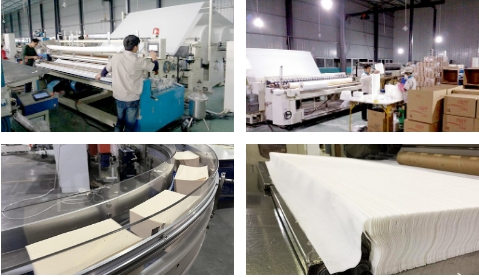
bulk toilet papers

Why Bulk Toilet Paper Solutions Matter

Bulk purchasing of toilet paper provides significant savings compared to buying smaller packs. By reducing the price per roll and minimizing the frequency of reordering, organizations and households can better control their budgets. In addition, cost effective bulk solutions for toilet paper often reduce packaging waste, contributing to more sustainable practices.

Types of Bulk Toilet Paper Options

Standard Bulk Packs

These typically include multiple rolls in larger cases, ideal for families or small offices. They provide an economical balance of affordability and convenience.

Jumbo Roll Toilet Paper (JRT)

Widely used in commercial restrooms, jumbo toilet rolls contain significantly more paper per roll, minimizing the need for frequent replacements. This reduces labor costs and ensures restrooms remain stocked.

Coreless Toilet Paper Rolls

Coreless rolls eliminate the cardboard tube, allowing more paper per roll while reducing waste. They are space-efficient and cost-effective in high-traffic areas.

Multifold and Dispenser-Compatible Paper

For facilities that use dispensers, bulk packs of multifold toilet paper are available. These reduce overuse and are particularly suited for schools, airports, and hospitals.

bulk buying toilet paper

Key Benefits of Bulk Toilet Paper Solutions

Lower Unit Costs – Bulk purchasing reduces the cost per roll, offering substantial long-term savings.

Reduced Maintenance – Larger rolls require fewer changes, decreasing janitorial workload.

Convenience – Having stock in reserve ensures consistent availability, preventing shortages.

Sustainability – Many bulk solutions use recycled materials and less packaging, reducing environmental impact.

Considerations for Choosing Bulk Toilet Paper

Usage Environment – High-traffic public restrooms benefit from jumbo rolls, while households may prefer standard packs.

Quality vs. Quantity – Balance softness and strength with cost efficiency; poor-quality toilet paper can increase usage and overall expense.

Storage Space – Bulk solutions require adequate storage, which should be factored into purchasing decisions.

Dispenser Compatibility – Ensure rolls fit into existing dispensers to avoid additional costs.

bulk buying toilet paper rolls

Future Trends in Bulk Toilet Paper Solutions

With sustainability becoming a priority, manufacturers are focusing on eco-friendly bulk solutions, such as bamboo toilet paper, coreless rolls, and reduced packaging designs. Digital ordering platforms are also streamlining bulk procurement, allowing businesses to automate supply management and track consumption more efficiently.

Final Thoughts

Bulk buying toilet paper offers a practical balance between savings, convenience, and sustainability. Whether for homes, offices, or large facilities, choosing the right bulk option not only reduces costs but also enhances efficiency and environmental responsibility. As consumer demands and eco-conscious practices evolve, bulk toilet paper solutions will continue to play a vital role in hygiene management.

Exploring the Types of Knurled Screws: Choosing the Right Type

Knurled screws are fastening components that feature a textured or patterned head surface, allowing users to tighten or loosen them by hand without requiring additional tools. Their design makes them particularly useful in applications where frequent adjustments, secure grip, and aesthetic finish are important, such as in electronics, machinery, instruments, and furniture. The knurling pattern not only enhances functionality but also improves ergonomics by offering slip resistance.

knurled screws

Common Types of Knurled Screws

1. Based on Knurling Pattern

Straight Knurled Screws

Straight knurled screws have parallel ridges that run vertically around the head. They provide a firm grip and are commonly used when precise alignment and torque control are necessary.

Diamond Knurled Screws

Diamond knurled screws feature a crisscross pattern that resembles small diamonds. This design offers superior grip in all directions, making them the most widely used type for general applications.

Spiral Knurled Screws

Spiral knurled screws have angled ridges that wrap around the head in a spiral form. They combine both grip and aesthetic appeal, often used in high-end equipment or devices that require a sleek finish.

2. Based on Head Shape

Flat Head Knurled Screws

Flat head types provide a large surface area for easy finger tightening. They are frequently used in assemblies where adjustments are required without damaging the surrounding surface.

brass flat knurled head screw

Round Head Knurled Screws

Round head knurled screws are comfortable to handle and often chosen for applications with repeated manual adjustments, such as camera mounts or control panels.

Thumb Screws

Knurled thumb screws are characterized by a large, easy-to-grip head. They are designed for tool-free operation and are common in computer hardware and enclosure systems.

3. Based on Material and Finish

Metal Knurled Screws

Made from stainless steel, brass, or aluminum, these screws provide strength, durability, and corrosion resistance. They are suitable for industrial applications where reliability is critical.

Plastic Knurled Screws

Plastic versions are lightweight, non-conductive, and resistant to chemicals, making them suitable for electronics and laboratory equipment.

Coated or Plated Knurled Screws

To enhance durability and appearance, knurled screws can be zinc-plated, black oxide-coated, or nickel-plated. These finishes improve corrosion resistance and match the aesthetics of the equipment.

Green Zinc Knurled Step Screws

4. Specialized Types

Captive Knurled Screws

These screws are designed to remain attached to panels or equipment even when loosened, preventing loss during maintenance or adjustments.

Insulated Knurled Screws

Equipped with insulating sleeves, they are ideal for electronic assemblies where electrical isolation is required.

Custom Knurled Screws

Depending on the application, knurled screws can be customized in terms of head diameter, knurling pattern, and material to meet specific requirements.

Key Factors to Consider for Choosing the Right Type of Knurled Screws

1. Application Requirements

The purpose of the screw should be the first consideration. For example, electronics often require lightweight, non-conductive screws, while industrial machines demand durable and corrosion-resistant options. Captive knurled screws are preferred in assemblies where the screw must remain attached after loosening.

2. Material Selection

The screw’s material impacts both strength and environmental resistance.

Stainless Steel: Excellent corrosion resistance and durability, ideal for outdoor or industrial use.

Brass: Provides good conductivity and decorative appeal.

Aluminum: Lightweight and corrosion-resistant, suitable for weight-sensitive applications.

Plastic: Non-conductive, lightweight, and resistant to chemicals, commonly used in electronics and laboratory equipment.

3. Finish and Coating

Surface treatments not only improve aesthetics but also enhance performance:

Zinc Plating improves corrosion resistance.

Black Oxide provides a matte finish with mild rust protection.

Nickel Plating enhances both appearance and durability.

4. Environmental Conditions

Consider the operating environment—exposure to moisture, temperature fluctuations, or chemicals can affect performance. For harsh environments, stainless steel or coated versions are more reliable, while controlled lab settings may allow for plastic alternatives.

5. Frequency of Adjustment

If the screw will be adjusted frequently, comfort and grip are crucial. Larger heads with diamond knurling are preferable, while less frequently adjusted screws can use smaller, more compact designs.

6. Safety and Compliance

In industries like electronics, medical devices, or aerospace, screws may need to meet safety standards (e.g., RoHS compliance, insulation requirements, or captive design to prevent loose parts).

Summary

Choosing the right knurled screw involves balancing application demands, grip design, head shape, material properties, finish, and environmental factors. By carefully evaluating these considerations, engineers and users can ensure optimal performance, durability, and ease of use in their specific applications.

What are Common Water Analysis Equipment Used in Laboratories

Water analysis plays a crucial role in environmental monitoring, public health, and industrial quality control. Laboratories tasked with analyzing water samples must select the right equipment to ensure accuracy, reliability, and compliance with standards. Choosing the proper instruments involves considering the type of parameters to be measured, the sensitivity required, and the practical needs of the laboratory.

Water analysis covers a wide range of tests, from basic physical parameters like pH and conductivity to advanced detection of trace contaminants such as heavy metals, pesticides, and organic pollutants. Before investing in equipment, laboratories need to define whether their focus will be on routine testing, regulatory compliance, or advanced research.

Key Equipment for Water Analysis

pH Meters and Conductivity Meters

pH Meters and conductivity meters are fundamental tools for measuring acidity, alkalinity, and dissolved salts. Portable versions are useful for field sampling, while benchtop meters provide higher accuracy for laboratory analysis.

Drawell Benchtop pH Meters

Understanding the Scope of Water Analysis

Spectrophotometers

Widely used for analyzing chemical parameters such as nitrate, phosphate, and chlorine, spectrophotometers provide rapid results and are essential for routine monitoring.

Atomic Absorption Spectroscopy (AAS) and Inductively Coupled Plasma (ICP) Systems

These instruments are indispensable for trace metal analysis. AAS is suitable for laboratories with moderate workloads, while ICP-OES and ICP-MS offer higher sensitivity and multi-element capabilities.

Total Organic Carbon (TOC) Analyzers

TOC analyzers measure organic pollution levels in water, making them vital for environmental labs, wastewater treatment facilities, and pharmaceutical applications.

TOC Analyzer DW DI1500

Chromatography Systems

High-Performance Liquid Chromatography (HPLC) and Gas Chromatography (GC) help detect pesticides, volatile organic compounds, and other complex contaminants. These systems are critical when detailed chemical profiling is required.

DW-K2025 HPLC

Turbidity and Colorimeters

These instruments are used to measure suspended solids and optical clarity. They are essential for both drinking water compliance and industrial water treatment monitoring.

Microbiological Analysis Tools

Equipment such as incubators, autoclaves, and membrane filtration systems are required to detect bacteria, viruses, and other microorganisms in water samples.

Factors to Consider When Choosing Equipment

Accuracy and Sensitivity

The level of precision required depends on regulatory standards and the type of analysis. For example, detecting trace heavy metals demands high-sensitivity instruments like ICP-MS.

Sample Throughput

Laboratories with high testing volumes need automated systems to handle large numbers of samples efficiently, whereas smaller labs may prioritize compact and cost-effective equipment.

Regulatory Compliance

Instruments must meet local and international water quality standards, such as those from the World Health Organization (WHO) or Environmental Protection Agencies.

Ease of Use and Maintenance

User-friendly interfaces, automated calibration, and reliable after-sales support are important for maintaining consistent performance.

Budget and Long-term Investment

Beyond initial purchase costs, laboratories should consider consumables, maintenance, and potential future scalability when choosing equipment.

Future Outlook in Water Analysis Equipment

Advancements in digital technologies are making water analysis faster and more efficient. Portable devices integrated with cloud-based data systems, advanced sensor technologies, and AI-powered analytics are expected to redefine laboratory workflows. Sustainability is also driving innovation, with instruments designed to minimize reagent use and energy consumption.

Summary

Selecting equipment for water analysis requires balancing technical requirements with practical laboratory needs. From simple pH meters to advanced ICP-MS systems, the choice depends on the scope of testing, regulatory demands, and available resources. By carefully evaluating these factors, laboratories can ensure accurate water quality assessments and contribute to environmental protection and public health.

通过 WordPress.com 设计一个这样的站点
从这里开始