In today’s highly competitive manufacturing and packaging industries, label quality has become more important than ever. Labels are not only essential for product identification and branding, but they also carry critical information such as barcodes, expiration dates, ingredients, safety instructions, and tracking data. Even a small printing defect or labeling error can lead to operational disruptions, regulatory issues, product recalls, and damage to brand reputation. To meet increasing quality expectations and maintain production efficiency, manufacturers are turning to advanced web inspection systems for reliable and continuous label inspection.
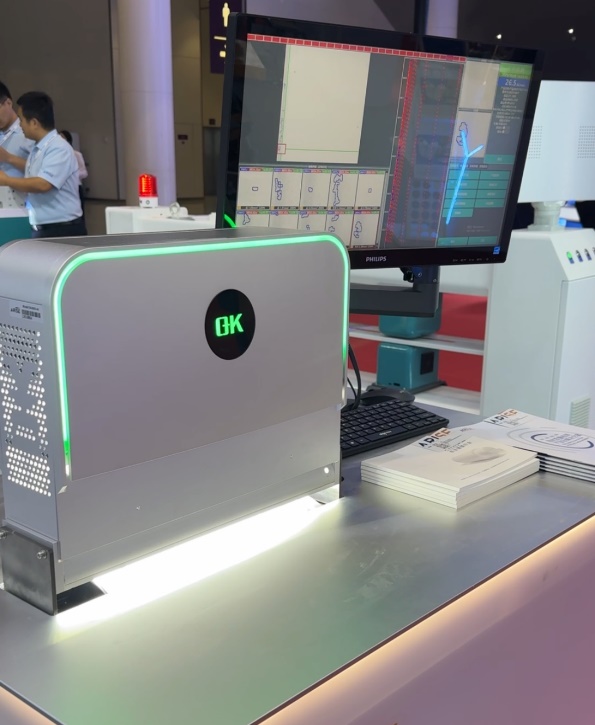
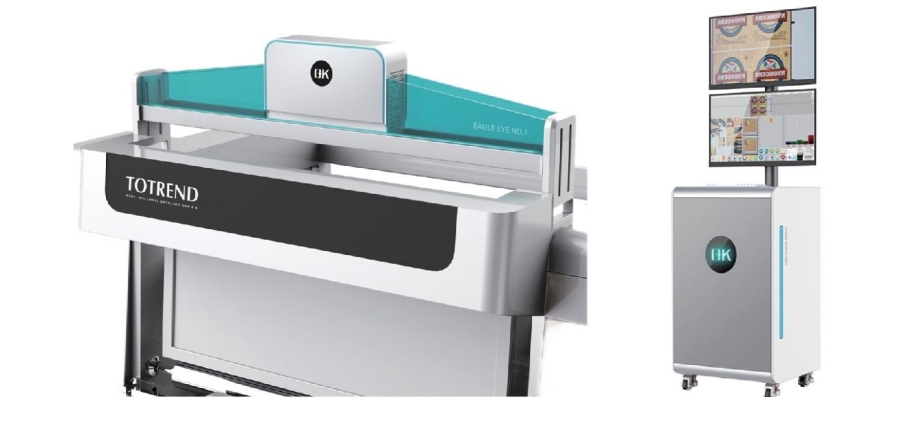
Web inspection systems are automated quality control technologies designed to monitor and inspect labels during the production process. By using high-speed cameras, intelligent software, and advanced imaging technologies, these systems can detect defects in real time and help manufacturers maintain consistent label quality across high-volume production lines.

The Growing Importance of Label Inspection
As production speeds continue to rise, manual inspection methods are becoming less practical and less reliable. Human inspectors may struggle to identify tiny defects or maintain accuracy during long production runs, especially when labels move at extremely high speeds. In industries such as pharmaceuticals, food and beverage, cosmetics, electronics, and logistics, even minor labeling mistakes can create significant risks.
For example, an unreadable barcode can disrupt supply chain operations, while incorrect dosage information on pharmaceutical labels can create serious safety concerns. Similarly, inconsistent label colors or poor print registration can negatively affect product appearance and customer perception. Web inspection systems provide manufacturers with a dependable solution for detecting these issues before defective products reach the market.
How Web Inspection Systems Work
Web inspection systems operate by continuously scanning labels as they move through printing presses, coating machines, laminators, slitters, or packaging equipment. High-resolution cameras capture detailed images of the moving web, while specialized lighting systems enhance image clarity and contrast. The captured images are then analyzed by sophisticated software that compares the labels against predefined quality standards or reference images.
When defects are detected, the lable inspection systems can immediately alert operators or automatically trigger corrective actions. Some advanced systems can even stop the production line to prevent further waste. Because inspection occurs in real time, manufacturers can address problems quickly and minimize the production of defective labels.
Modern systems are capable of inspecting labels at extremely high speeds without sacrificing accuracy. They can identify a wide range of defects, including missing print, color inconsistencies, misregistration, smudges, scratches, wrinkles, barcode errors, and variable data inaccuracies.
Key Technologies Behind Web Inspection Systems
The effectiveness of web inspection systems depends on several advanced technologies working together seamlessly. High-resolution industrial cameras are essential for capturing detailed images of labels, even when production lines operate at high speeds. Depending on the application, manufacturers may use line-scan cameras for continuous inspection or area-scan cameras for specific inspection zones.
Lighting technology also plays a crucial role in inspection accuracy. Proper illumination helps reveal subtle defects that may otherwise go unnoticed. LED lighting systems are widely used because they provide stable brightness, energy efficiency, and long operating life. Specialized lighting configurations can improve the visibility of reflective, transparent, or textured label materials.
Image processing software serves as the core intelligence of the inspection system. The software analyzes image data, compares it with approved standards, and identifies deviations in print quality, color, alignment, and code readability. Advanced algorithms enable the system to distinguish between critical defects and acceptable variations, reducing false alarms and improving operational efficiency.
Artificial intelligence and machine learning technologies are increasingly being integrated into web inspection systems. AI-powered systems can learn from previous inspection data and continuously improve their defect detection capabilities. This allows manufacturers to achieve higher inspection accuracy and adapt more effectively to changing production conditions.
Benefits of Web Inspection Systems for Label Quality
One of the greatest advantages of web inspection systems is their ability to provide continuous and consistent quality monitoring. Unlike manual inspection, automated systems do not suffer from fatigue or reduced attention over time. This leads to more reliable defect detection and improved overall product quality.
Real-time inspection significantly reduces material waste and production costs. Since defects are detected immediately, manufacturers can correct issues before large quantities of defective labels are produced. This minimizes rework, reduces scrap, and improves production efficiency.
Web inspection systems also support regulatory compliance by ensuring that labels contain accurate and readable information. Industries with strict labeling regulations, such as pharmaceuticals and food processing, benefit greatly from automated inspection technologies that help maintain compliance with industry standards.
In addition to improving quality control, these 100% inspection systems enhance customer satisfaction and brand reputation. Consistently high-quality labels contribute to a professional product appearance and improve consumer confidence in the brand.
Applications Across Multiple Industries
Web inspection systems are widely used across various industries where label quality is critical. In the pharmaceutical industry, these systems verify dosage instructions, expiration dates, batch numbers, and serialization codes to ensure patient safety and regulatory compliance. In food and beverage production, inspection systems help manufacturers confirm that nutritional information, allergen warnings, and barcodes are printed accurately.
Cosmetics manufacturers rely on label inspection systems to maintain premium packaging quality and consistent brand presentation. In logistics and warehousing operations, inspection systems verify shipping labels and tracking codes to improve supply chain accuracy. Electronics manufacturers use these technologies to inspect serial numbers, certification marks, and traceability labels on products and components.
Challenges in Label Inspection
Despite their many advantages, web inspection systems also face certain challenges. Inspecting transparent or reflective label materials can be difficult because lighting reflections may interfere with image clarity. Extremely high-speed production environments also require powerful processing capabilities to maintain inspection accuracy without slowing production.
Another challenge involves reducing false defect detections. Overly sensitive systems may identify harmless variations as defects, which can lead to unnecessary production interruptions. Manufacturers must carefully calibrate inspection parameters to balance sensitivity and operational efficiency.
Integration with existing production equipment can also be complex, particularly in older manufacturing facilities. However, advances in system compatibility and industrial automation are making integration increasingly easier and more cost-effective.
Final Words
Web inspection systems have become an essential technology for ensuring label quality in modern manufacturing and packaging operations. By combining advanced imaging technologies, intelligent software, and real-time defect detection, these systems help manufacturers achieve greater consistency, efficiency, and compliance.

