Natural Antibacterial Properties of Bamboo Tissue Paper

One of the lesser-known but highly beneficial characteristics of bamboo tissue paper is its natural antibacterial properties. This feature is not only a selling point for environmentally-conscious consumers but also enhances the hygienic qualities of bamboo tissue, making it a superior choice for personal and household use.

Different Types of Tissue Paper

Understanding Bamboo and Its Antibacterial Properties

Bamboo is a unique plant known for its rapid growth, sustainability and impressive natural resistance to pests. Unlike many other plants, bamboo contains a substance called “bamboo kun,” a natural bio-agent found in the bamboo plant’s fibers. Bamboo kun has natural antibacterial, antifungal, and antimicrobial properties that help the bamboo plant defend itself against harmful bacteria, mold, and insects. This compound is retained even after the bamboo undergoes processing into tissue paper, offering inherent antibacterial benefits to the final product.

Why Bamboo Tissue Paper is Naturally Antibacterial

Bamboo Kun: The bamboo plant’s resilience to pests and pathogens is largely due to bamboo kun. This natural chemical compound, which is present in the bamboo plant’s fibers, helps to protect it from harmful microorganisms. Even after being transformed into tissue paper, the antibacterial properties remain, helping to keep bacteria at bay.

Absence of Chemical Treatments: Many conventional tissue papers are bleached and treated with chemicals, which can strip away any natural antibacterial properties. Bamboo tissue paper, particularly those made from organic bamboo, typically undergoes minimal processing, allowing the plant’s natural antibacterial properties to be preserved.

High Fiber Content: Bamboo is a fibrous plant, which makes its tissue paper inherently strong and durable. These fibers are often packed tightly in the paper, which can make it more difficult for bacteria to penetrate. Additionally, the dense fibers may trap bacteria, reducing the likelihood of bacterial growth.

Benefits of Antibacterial Bamboo Tissue Paper

Hygienic and Safe: The antibacterial properties of bamboo tissue paper help reduce the risk of bacterial transmission, especially in sensitive environments such as bathrooms and kitchens. This makes it a safer alternative for households, particularly those with young children or individuals with compromised immune systems.

Skin-Friendly: Bamboo tissue paper is often softer and gentler than traditional paper products. Its natural antibacterial agents provide an extra layer of protection, making it ideal for sensitive skin. It can be particularly beneficial for people who suffer from irritation or allergic reactions caused by chemicals in conventional paper products.

Sustainability: Bamboo’s natural ability to grow quickly without the need for pesticides or fertilizers makes it an environmentally friendly choice. The plant’s antibacterial properties further reduce the need for chemical additives in manufacturing, promoting a healthier ecosystem.

Longer Shelf Life: Due to its antibacterial properties, bamboo tissue paper is less prone to bacterial growth, even when stored for extended periods. This helps maintain its freshness and quality, ensuring that it remains safe and hygienic for use, unlike some other types of paper products that may develop mold or bacteria over time.

Bamboo Toilet Paper Manufacturer

Applications of Antibacterial Bamboo Tissue Paper

Personal Hygiene: Bamboo tissue paper is often used for toilet paper, facial tissues, and paper towels. Its antibacterial nature offers an added layer of protection for personal hygiene, especially in public restrooms or shared spaces.

Cleaning and Kitchen Use: Bamboo kitchen paper towels are not only strong and absorbent but also naturally resistant to bacteria. This makes them an excellent choice for cleaning tasks in food preparation areas where bacterial contamination is a concern.

Medical and Health Applications: Bamboo tissue paper is also being explored for use in healthcare environments, such as hospitals and clinics. Its antibacterial properties may help reduce the spread of germs and pathogens in these high-risk areas.

Bamboo Kitchen Roll

How to Choose the Best Antibacterial Bamboo Tissue Paper

When selecting bamboo tissue paper for its antibacterial properties, look for products that are certified organic and minimally processed. Some bamboo tissue products may be treated with fragrances or chemicals that could compromise their natural benefits. Opting for unbleached or naturally processed bamboo tissue paper ensures you’re getting the most out of the plant’s antibacterial qualities.

Wrap Up

The natural antibacterial properties of bamboo tissue paper make it an excellent choice for those seeking a more sustainable and hygienic alternative to traditional paper products. With its ability to inhibit bacterial growth, bamboo tissue not only supports a cleaner and safer environment but also offers comfort, strength, and peace of mind.

Why VOGE DS900X Stands Out in the European Adventure Motorcycle Market

The adventure motorcycle segment in Europe has witnessed a surge in demand over the past few years, with riders increasingly seeking machines that can handle both off-road terrains and long-distance touring. Enter the VOGE DS900X, a standout motorcycle that promises to revolutionize the European adventure market with its perfect blend of power, reliability, and innovative features.

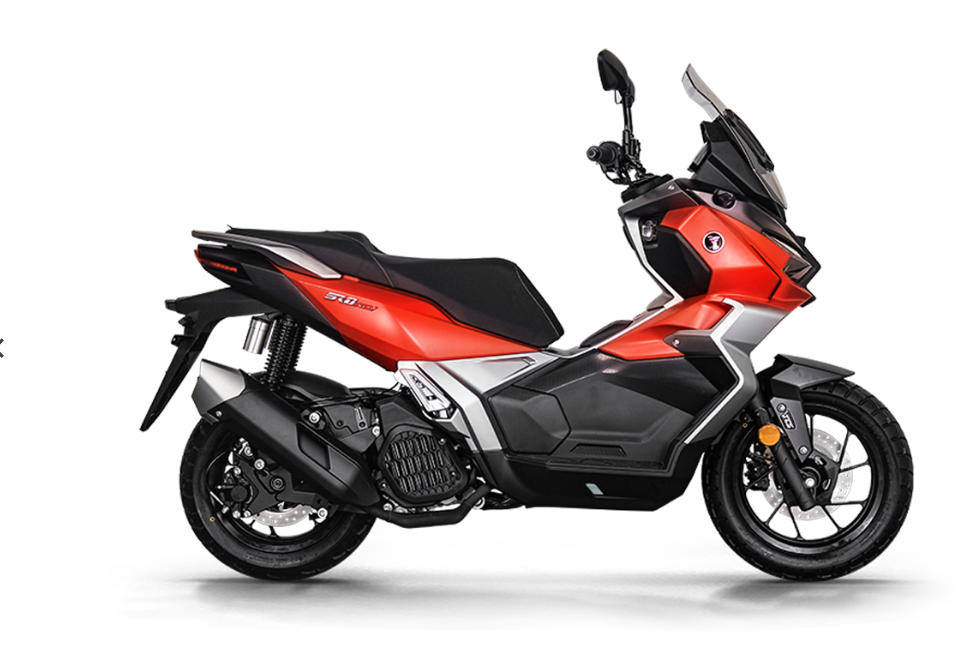
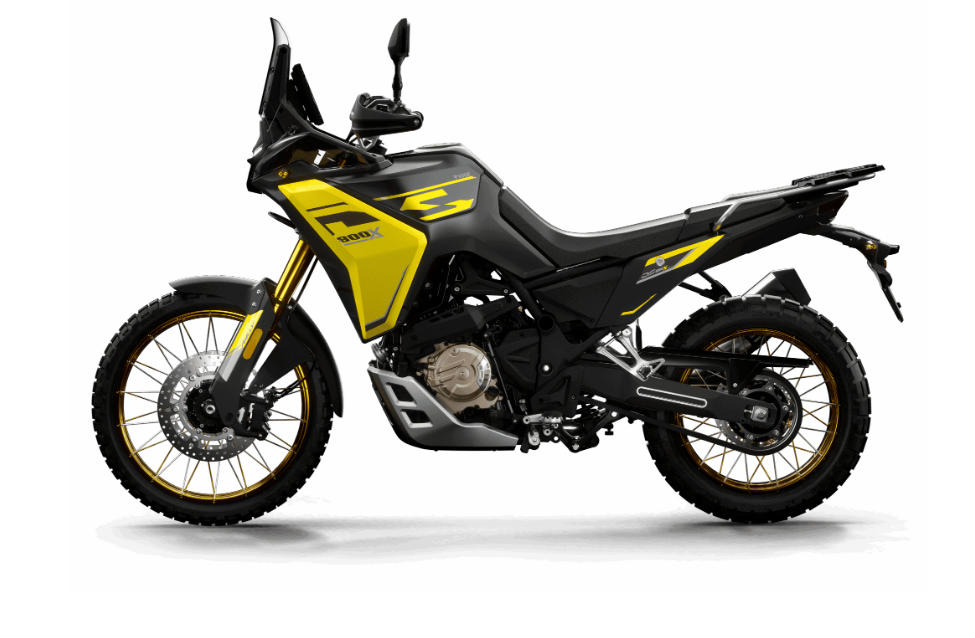
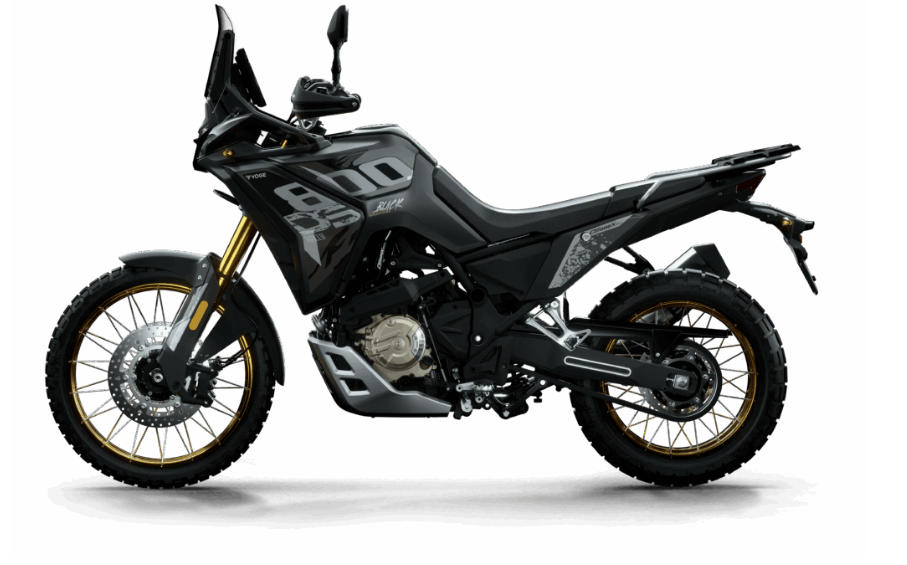
VOGE DS900X Motorcycle

A Powerful Machine for the Adventurous Rider

At the heart of the VOGE DS900X lies a robust 900cc parallel-twin, liquid-cooled engine that offers a blend of performance and reliability, making it a perfect choice for the European adventure enthusiast. With over 90 horsepower and 85 Nm of torque, the DS900X ensures rapid acceleration and ample power, allowing riders to conquer both rugged off-road trails and the fast-paced highways of Europe. Whether it’s steep mountain passes, gravel roads, or smooth highways, the DS900X offers unrivaled performance that European riders demand.

The engine is paired with a 6-speed transmission that offers smooth gear transitions, while the slipper clutch ensures that the rear wheel remains stable during aggressive downshifting. This makes the DS900X an ideal motorcycle for riders who enjoy long-distance touring or tackling challenging trails across diverse European landscapes.

Engineered for Adventure: Design and Durability

The VOGE DS900X isn’t just about power; it’s built to endure tough conditions. The motorcycle features a high-strength steel frame combined with an aluminum swingarm for durability and weight reduction. This structure allows the bike to handle the bumps and stresses of off-road riding while still providing a comfortable, stable ride on tarmac.

Its long-travel suspension system, equipped with adjustable front forks and a rear monoshock, absorbs even the most challenging terrain with ease. The 21-inch front and 17-inch rear wheels, fitted with off-road tires, ensure that the DS900X delivers optimal traction and stability on rough trails. Riders can confidently navigate through the mud, sand, or rocky terrain that is characteristic of Europe’s diverse adventure riding destinations.

Comfort and Control for Long-Distance Touring

Comfort is paramount for any long-distance adventure, and the VOGE DS900X delivers. The ergonomically designed seat is built for comfort on long rides, with plenty of padding and support for riders. Its low seat height of 830mm provides easy access for a wide range of riders, ensuring both comfort and control when riding for extended periods.

The handlebars are also designed to provide an upright riding position, reducing strain on the rider’s back and wrists, making the bike suitable for long-haul touring. European adventure riders will find that the DS900X offers a relaxed yet responsive riding position, perfect for hours of exploration.

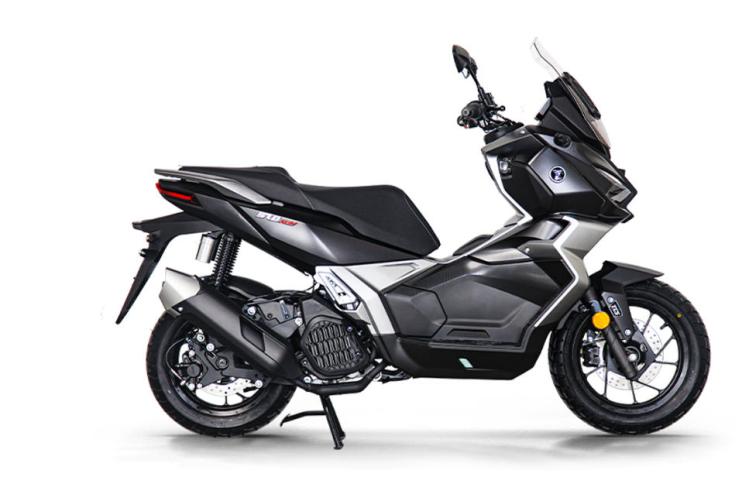
VOGE DS900X

Safety Features for the European Road

Safety is always a top priority, especially when venturing into challenging terrain or navigating busy European streets. The VOGE DS900X comes equipped with dual-channel ABS, which enhances braking performance in wet or slippery conditions. This ensures that riders have maximum control and safety whether they’re crossing slick mountain roads or riding through rain-soaked highways.

Additionally, the traction control system (TCS) optimizes the bike’s performance on various surfaces, preventing wheel slip when accelerating on loose gravel or slippery roads. With these advanced features, the DS900X ensures riders can take on a wide variety of terrains with confidence.

Digital Features for the Connected Rider

Modern-day adventure riders demand more from their motorcycles than just power and handling—they want connectivity and modern features to make their journeys more enjoyable. The VOGE DS900X is equipped with a 7-inch full-color TFT display that provides real-time information on speed, fuel level, gear position, tire pressure, and more. This allows riders to monitor their performance and plan their trips efficiently.

Bluetooth connectivity is another standout feature, allowing riders to pair their smartphones for hands-free calls, music streaming, or navigation. Whether you’re following a route across the Alps or finding the best dirt trails in Spain, the DS900X keeps you connected and in control.

A Growing Presence in Europe

As the European motorcycle market continues to evolve, the demand for versatile adventure motorcycles that can handle both the open road and off-road challenges has never been higher. The VOGE DS900X positions itself as a strong contender in the European adventure motorcycle market, offering exceptional value, performance, and durability.

With its strong engine, robust design, comfort-focused features, and advanced technology, the DS900X is poised to capture the attention of adventure enthusiasts who want a motorcycle capable of handling Europe’s diverse terrain. From the sun-drenched Mediterranean roads to the rugged mountain passes of the Alps, the DS900X is the ultimate companion for any adventure.

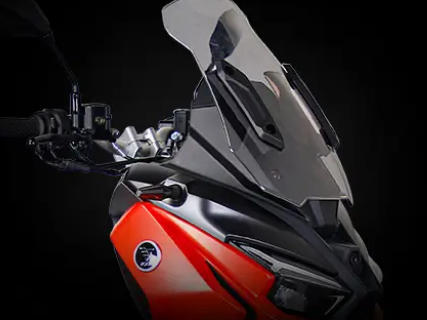
VOGE DS900X Adventure Motorcycle

Summary

The VOGE DS900X ADV motorcycle is a statement of adventure, power, and freedom. Its impressive features, combined with its rugged design and modern technologies, make it a standout in the competitive European adventure motorcycle market. For those who crave the thrill of exploration, the VOGE DS900X offers everything a rider needs to enjoy the journey, whether it’s traversing challenging landscapes or cruising through scenic highways.

Effective Methods to Improve the Reliability of Battery Springs

In battery-powered devices, springs play a crucial role in ensuring efficient energy storage and delivery. These components are responsible for providing the necessary mechanical force to maintain electrical contact and proper alignment within the battery cells. However, battery springs are often subjected to harsh conditions, including vibration, which can impact their reliability and performance over time. Vibration-induced failures, such as loss of contact or spring fatigue, can significantly reduce the efficiency of the battery system and lead to device malfunction or failure. Therefore, improving the reliability of battery springs in vibration conditions in vibration conditions is critical for enhancing the durability and performance of battery-powered devices.

Battery Spring Manufacturer

Understanding the Impact of Vibration on Battery Springs

Vibration in battery-powered devices, especially in automotive, aerospace, and portable electronics applications, exposes battery springs to mechanical stresses that can result in:

Fatigue failure: Repeated vibrations can cause the spring material to weaken and eventually break, leading to loss of mechanical contact within the battery.

Misalignment: Vibrations can disrupt the alignment between the battery terminals and the spring contact points, causing intermittent electrical connections.

Deformation: High-frequency vibrations can lead to permanent deformation of the spring, affecting its performance and potentially leading to short circuits or voltage drops.

Given these risks, it is essential to enhance the spring’s ability to withstand vibration while maintaining its functional integrity over time.

Material Selection

The first step in improving the reliability of battery springs under vibration conditions is choosing the right material. Springs used in battery systems must be made from materials that are not only electrically conductive but also resilient to mechanical stresses caused by vibration. Key materials for battery springs include:

Stainless steel: Known for its high strength, corrosion resistance, and fatigue resistance, stainless steel is a popular choice for battery springs.

Beryllium copper: Offers excellent electrical conductivity combined with good mechanical strength and vibration resistance, making it a preferred material for high-performance battery springs.

Phosphor bronze: This material provides good fatigue resistance and conductivity, making it suitable for applications requiring high reliability under vibration.

By selecting materials with superior fatigue and corrosion resistance, manufacturers can significantly extend the lifespan of battery springs.

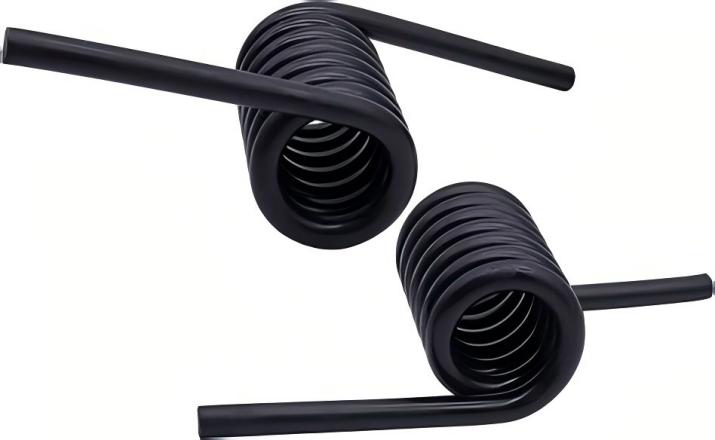
coil battery springs

Optimizing Spring Design

The design of the spring plays a critical role in its ability to withstand vibration. Key considerations include:

Spring geometry: The overall shape, size, and number of coils affect the spring’s ability to resist fatigue under dynamic loading. Springs with optimal coil count, diameter, and pitch can distribute stresses more evenly and reduce localized strain.

Preload: Proper preload (the initial compression or tension applied to the spring) ensures that the spring maintains continuous contact under vibration, reducing the risk of misalignment or electrical disconnection.

Damping mechanisms: Incorporating damping features, such as frictional surfaces or elastic materials, can help absorb and dissipate vibrational energy, preventing excessive stress accumulation.

Innovative design approaches, including using tapered or nested springs, can also help improve the spring’s ability to resist the forces generated by vibration.

Surface Treatment and Coatings

The application of surface treatments and coatings to battery springs can enhance their durability under vibration conditions. Some beneficial surface modifications include:

Shot peening: This process involves bombarding the surface of the spring with small metallic balls to induce compressive residual stress, which can improve the spring’s fatigue resistance.

Coatings: Coatings like zinc, nickel, or titanium nitride can improve corrosion resistance, which is especially important in environments where the spring is exposed to moisture, salts, or other corrosive elements.

Lubrication: Proper lubrication of the spring’s moving components can reduce friction and wear, helping to maintain the spring’s functionality under prolonged vibration conditions.

By applying these treatments, the fatigue resistance and longevity of battery springs can be significantly enhanced.

Battery Spring Manufacturer

Testing and Quality Assurance

To ensure the reliability of battery springs in vibration conditions, thorough testing is essential. Spring manufacturers should perform vibration testing on products under real-world conditions, including varying frequencies and amplitudes that simulate actual operational environments. These tests should be followed by fatigue testing to determine how the spring material and design hold up under repeated loading and unloading cycles.

Additionally, manufacturers should implement strict quality assurance procedures, such as dimensional inspection and material testing, to ensure the springs meet performance standards. Ensuring consistent production quality can prevent failures in the field and improve the overall reliability of battery-powered systems.

Environmental Considerations

Battery-powered devices often operate in diverse environmental conditions, including temperature fluctuations, humidity, and exposure to harsh chemicals. These factors can exacerbate the effects of vibration on battery springs. Therefore, the design of the spring must also account for potential environmental factors. Springs used in extreme environments should be designed with materials that offer resistance to corrosion, temperature extremes, and chemical exposure. Additionally, vibration resistance must be tested across a broad range of environmental conditions to ensure the springs perform reliably in various applications.

Summary

Enhancing the reliability of battery springs in vibration conditions is crucial for ensuring the longevity and performance of battery-powered devices. By selecting appropriate materials, optimizing spring design, applying surface treatments, and conducting rigorous testing, manufacturers can significantly improve the fatigue resistance and stability of battery springs. With these enhancements, battery systems can deliver more reliable and efficient performance, even in the most demanding conditions, leading to better overall device functionality and customer satisfaction.

Continued innovation in spring technology and materials will be essential as battery-powered devices continue to evolve and encounter increasingly complex operational challenges.

XRF vs. ICP-MS: Which Method to Choose for Specific Analysis

When it comes to detecting heavy metals in various samples, particularly environmental, industrial, and food matrices, two of the most commonly used analytical techniques are X-ray fluorescence (XRF) and Inductively Coupled Plasma Mass Spectrometry (ICP-MS). Both methods offer distinct advantages and limitations, making them suitable for different applications. In this article, we will compare these two powerful techniques based on several critical factors, including sensitivity, speed, sample preparation, cost, and the range of detectable elements.

ICP-MS vs. XRF for Heavy Metal Detection

Overview of XRF and ICP-MS

X-ray Fluorescence (XRF) is a non-destructive technique that utilizes the interaction between a sample and X-rays. When X-rays hit the sample, the atoms in the sample emit secondary X-rays (fluorescence) at characteristic energies. By measuring the energy and intensity of these emitted X-rays, the elemental composition of the sample can be determined. XRF is widely used for solid samples, and its strength lies in rapid elemental analysis, especially for elements with high atomic numbers.

Inductively Coupled Plasma Mass Spectrometry (ICP-MS), on the other hand, is a highly sensitive and versatile technique used for detecting trace elements, including heavy metals, at very low concentrations. The sample is first atomized and ionized in a high-temperature plasma, and the ions are then analyzed by mass spectrometry. ICP-MS can detect elements across the periodic table with exceptional sensitivity and is particularly effective for detecting elements at trace and ultra-trace levels.

XRF vs. ICP-MS for Heavy Metal Detection

1. Sensitivity and Detection Limits

One of the key differences between XRF and ICP-MS is their sensitivity.

ICP-MS is renowned for its extremely low detection limits, often in the parts per trillion (ppt) range. This makes it the gold standard for detecting trace elements in environmental monitoring, food testing, and toxicology studies. For heavy metal analysis, ICP-MS can detect concentrations as low as 0.001 µg/L (ppb) or lower.

XRF, while sensitive, is generally not as effective at detecting elements at ultra-low concentrations. The detection limits for XRF are typically in the range of parts per million (ppm), making it more suitable for bulk analysis or when detecting elements at higher concentrations. For example, XRF is typically better suited for detecting concentrations of lead, arsenic, or cadmium in contaminated soils or industrial materials.

2. Sample Preparation and Throughput

XRF is a non-destructive technique that requires minimal to no sample preparation. Solid samples, including powders, soils, and metals, can be analyzed directly. In some cases, samples may need to be homogenized, but overall, XRF is relatively fast and efficient. Because it does not require the use of solvents or reagents, XRF allows for high-throughput analysis and can analyze large numbers of samples quickly, making it ideal for screening purposes or field-based applications.

ICP-MS, while also capable of high-throughput analysis, generally requires more extensive sample preparation. Samples must often be dissolved or digested using acids (such as nitric acid), and this process can take time. Additionally, since ICP-MS requires a liquid sample, it is less suited for direct analysis of solid materials like soils and metals without prior sample preparation. This makes it more labor-intensive compared to XRF.

3. Cost and Operational Considerations

XRF is generally more cost-effective when considering both the equipment and operational costs. XRF instruments can be more affordable, and since sample preparation is minimal, the overall analysis cost per sample tends to be lower. Moreover, the lack of consumables (like gases, reagents, and plasma) means XRF has lower ongoing operational costs.

ICP-MS, on the other hand, involves higher initial equipment costs due to the complexity of the instrumentation. Operational costs are also higher because ICP-MS requires gases, reagents, and frequent maintenance due to the high temperatures involved in plasma generation. The sample preparation for ICP-MS also adds to the cost, especially when large numbers of samples need to be processed.

4. Elemental Coverage and Range of Applications

XRF can detect a wide range of elements, but its effectiveness decreases for lighter elements (like lithium, magnesium, and aluminum) and elements with lower atomic numbers. XRF is particularly suited for analyzing metals, alloys, and soils, making it highly effective in industries like mining, construction, and recycling.

ICP-MS has a broader range of application and can detect virtually any element in the periodic table with high sensitivity, including both light and heavy metals. This makes ICP-MS more versatile for a wide range of applications, including trace analysis of metals in water, food, pharmaceuticals, and biological samples.

5. Precision and Accuracy

ICP-MS offers higher precision and accuracy for quantifying low-level concentrations of heavy metals, especially when dealing with complex matrices. It can provide isotopic analysis, which is particularly useful for studies in environmental science, forensics, and geology.

XRF, while generally accurate for high concentrations, may not offer the same level of precision for low-level concentrations due to its limited sensitivity. In some cases, matrix effects (such as sample homogeneity or the presence of interfering elements) can affect the accuracy of XRF results.

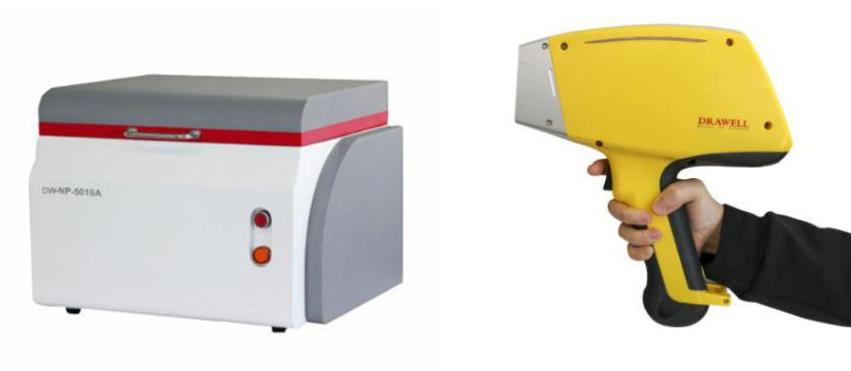
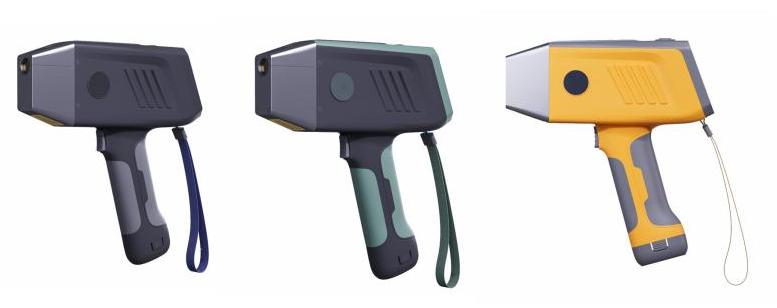
Handheld XRF Analyzers

When to Choose XRF or ICP-MS

Both XRF and ICP-MS have their unique advantages, and the choice between them depends largely on the specific requirements of the analysis:

XRF is best suited for rapid, non-destructive analysis of solid samples, especially when high sample throughput is required. It’s a great tool for screening purposes and for determining the elemental composition of metals, alloys, and soils, especially when the concentration of heavy metals is relatively high.

ICP-MS is the technique of choice for ultra-sensitive detection of trace metals in complex matrices, where detection limits in the ppt range are required. It is indispensable for applications such as environmental monitoring, food safety, and regulatory compliance, where detecting trace amounts of contaminants is critical.

In conclusion, the decision to use XRF or ICP-MS depends on the specific needs of the analysis, including the required sensitivity, the type of sample, the speed of analysis, and the available budget. By understanding the strengths and limitations of each method, users can select the appropriate technique to achieve reliable and accurate results for heavy metal detection.

Custom Anchors for Specific Types of Vessels

Marine anchors are among the most vital components of any vessel, ensuring safety, stability, and control when a ship is stationary at sea or in port. However, not all vessels operate under the same conditions or require identical anchoring performance. This is where custom anchors come into play—designed and engineered to match the unique characteristics, size, and operational environment of specific vessel types.

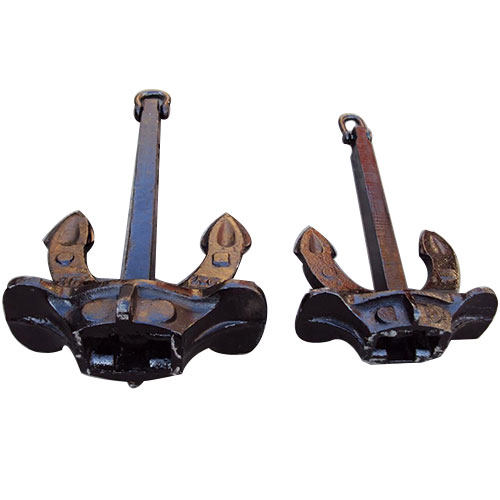
marine anchors

Custom anchors are developed through a careful balance of hydrodynamics, material strength, and deployment efficiency. They consider key parameters such as vessel displacement, hull design, and seabed conditions to achieve optimal holding power. Below are some examples of how anchors are tailored to suit various vessel categories.

1. Cargo and Container Ships

Large commercial vessels such as cargo and container ships require anchors capable of withstanding enormous loads and forces due to their heavy displacement and the dynamic conditions of busy ports. Custom anchors for these ships often feature reinforced flukes and optimized weight distribution to achieve deep penetration in a range of seabed types. High-strength steel alloys are used to handle the tremendous stress during anchoring and retrieval operations, ensuring durability and reliability in demanding conditions.

2. Fishing Vessels

Fishing boats frequently operate in coastal or shallow waters with sandy or muddy seabeds. Custom anchors for these vessels are designed for quick setting and easy retrieval, as frequent anchoring is part of daily operations. Lightweight yet strong materials such as galvanized steel or aluminum alloys are used to minimize drag and allow for manual handling when necessary. Fluke-style or plow-type anchors are often modified to provide reliable holding power on soft seabeds.

3. Yachts and Recreational Boats

In the leisure boating sector, aesthetics and convenience often complement functionality. Custom yacht anchors are designed to blend with the vessel’s appearance while ensuring smooth deployment through specialized bow roller systems. Stainless steel is a common choice for its corrosion resistance and visual appeal. For superyachts, custom anchoring systems may include hydraulic retrieval mechanisms and specialized anchor pockets to maintain a sleek hull profile.

folding anchor

4. Offshore Supply Vessels and Workboats

Offshore service vessels (OSVs) operate in dynamic marine environments where stability and positioning accuracy are critical. Their anchors are custom-engineered to provide maximum holding power in rough seas and variable seabed conditions. High Holding Power (HHP) anchors are often chosen and further customized with fluke geometry optimized for both clay and sand. Some designs also incorporate digital monitoring systems for tension and position tracking during operations.

danforth-anchor

5. Naval and Military Vessels

Custom anchors for naval applications emphasize stealth, rapid deployment, and operational resilience. These anchors are designed to minimize noise and drag while maintaining strong holding capacity under extreme conditions. Advanced materials such as titanium alloys and high-grade composites may be used to reduce magnetic signatures, which is crucial for submarine and stealth ship operations.

6. Offshore Platforms and Floating Structures

Although not traditional vessels, offshore rigs and floating production units also rely on anchoring systems tailored to their massive size and long-term station-keeping needs. Custom anchors such as drag embedment or suction pile types are designed based on geotechnical studies of the seabed, ensuring reliable long-term performance under high tension from mooring lines and ocean currents.

Summary

Custom anchors are more than modified versions of standard designs, they are engineering solutions precisely adapted to the operational realities of each vessel type. From massive cargo carriers to luxury yachts, a well-designed anchor enhances safety, efficiency, and longevity of the vessel. As materials technology and hydrodynamic modeling continue to advance, custom anchors will become even more specialized, supporting the evolving needs of the global maritime industry.

What are Common Installing Problems of Marine Searchlights

Marine searchlights are essential for navigation, safety, and operational visibility, especially in low-light or harsh maritime environments. However, improper installation or oversight during setup can lead to performance issues, safety hazards, and maintenance challenges. Understanding common installation problems of marine searchlights helps ensure reliable operation and long-term durability.

TG3-AN Marine Signal Searchlight

1. Incorrect Positioning and Alignment

One of the most frequent problems during installation is improper positioning of the searchlight. If the light is mounted too low, its beam may reflect off the ship’s deck or railing, causing glare and reduced visibility. Conversely, if it is placed too high or misaligned, the beam may not illuminate the intended area effectively. Ensuring that the searchlight’s horizontal and vertical angles are properly adjusted is critical for optimal illumination and operational safety.

2. Inadequate Electrical Connections

Marine searchlights require stable and corrosion-resistant electrical connections. Poor wiring practices—such as loose terminals, undersized cables, or lack of waterproof connectors—can lead to voltage drops, flickering, or complete power failure. In marine environments, exposure to saltwater and humidity exacerbates corrosion, so it is essential to use marine-grade cables, properly sealed joints, and corrosion-resistant materials.

3. Insufficient Waterproofing and Sealing

Another common problem is inadequate sealing of the searchlight housing and joints. Even minor gaps can allow seawater or moisture to penetrate, leading to short circuits, fogging of lenses, and eventual component failure. Installers must ensure that all gaskets, seals, and mounting points are intact and that the searchlight meets the appropriate IP (Ingress Protection) rating for marine use.

4. Improper Cable Routing and Strain Relief

When cables are not routed correctly, they may rub against sharp edges or moving parts, causing insulation damage and electrical hazards. Additionally, without proper strain relief, vibrations and ship movements can pull on connections, resulting in premature wear or disconnection. Cables should be secured with marine-grade clips, avoiding tight bends and potential pinch points.

installing seachlights

5. Neglecting Grounding and Surge Protection

Marine vessels are exposed to fluctuating electrical conditions and lightning risks. Failure to ground the searchlight properly can result in electrical shocks or equipment damage. Installing adequate surge protection and ensuring that all metallic components are properly grounded helps safeguard both the equipment and crew.

6. Using Incompatible Control Systems

Modern marine searchlights often come with remote control, joystick, or integrated navigation system compatibility. Problems can arise when installers use incompatible control modules or fail to calibrate them correctly. This can cause slow or unresponsive light movement and erratic control behavior. Always ensure the control system matches the searchlight specifications and is configured according to the manufacturer’s instructions.

7. Overlooking Thermal Management

High-intensity searchlights, especially LED searchlights, generate significant heat during operation. Improper ventilation or restricted airflow around the fixture can lead to overheating, reducing the lifespan of the light source and electronic components. Adequate spacing and proper thermal design consideration are vital during installation.

TZ2-A Automatic LED Marine Searchlight Supplier

8. Ignoring Maintenance Access

Some installations make it difficult to access the searchlight for routine maintenance or bulb replacement. Poor accessibility not only complicates servicing but also increases the risk of damage during repairs. During installation, ensure there is enough clearance for inspection and maintenance tasks.

Summary

Installing a marine searchlight requires careful attention to electrical, mechanical, and environmental factors. Most problems arise from overlooking small but critical details such as sealing, grounding, or alignment. By following manufacturer guidelines, using marine-rated materials, and conducting thorough post-installation tests, operators can ensure that their searchlights perform reliably under all sea conditions, enhancing both safety and operational efficiency.

Innovative Ways Custom Plush Toys are being Used

Custom plush toys have evolved far beyond being just cuddly companions for children. These versatile creations now have a wide range of applications across various industries, from marketing and entertainment to education and healthcare. Their creativity and uniqueness have allowed businesses and individuals to leverage custom plush toys for purposes that extend far beyond the traditional gift or toy.

custom plush toy supplier

Here are some creative and innovative ways custom plush toys are being used today:

1. Marketing and Brand Promotion

Custom plush toys have become an effective tool for companies to promote their brands and build lasting customer relationships. By creating plush versions of their logo, mascot, or product, businesses can offer an interactive and engaging promotional item. Brands like Coca-Cola, Disney, and McDonald’s have long used plush toys as part of their marketing campaigns, turning these toys into collectables that attract both children and adults.

Customized Brand Mascots: Many companies design custom plush toys based on their mascot or iconic products. These toys often become beloved symbols of the brand, enhancing recognition and creating a personal connection with consumers.

Custom Plush Toys for Branding

Giveaways and Merchandise: Custom plush toys are also used as giveaways in contests, events, or special promotions. This creates a buzz around a brand and encourages customer loyalty through tangible, fun items.

2. Educational Tools and Learning Aids

In educational settings, custom plush toys can be more than just playful companions. They are used to help engage children in learning through interactive and hands-on activities.

Learning Companions: Plush toys are often used in early childhood education to teach children concepts such as colors, numbers, shapes, and animals. Custom plush toys that represent characters in a classroom story or lesson can help children connect emotionally with the material.v

Therapeutic Plush Toys: Educators and therapists use plush toys for activities that help children work through emotional challenges or improve communication skills. These plush toys can be made to reflect different emotions or social situations, offering children a non-threatening way to explore these topics.

3. Healthcare and Therapeutic Uses

In healthcare settings, custom plush toys have proven to be useful in supporting patients and children dealing with medical procedures, therapies, or emotional issues.

Comfort and Reassurance: For children in hospitals, custom plush toys provide comfort and companionship during long stays. They can be personalized to resemble something familiar to the child, such as a favorite pet or animal, offering a sense of security.

Therapeutic Plush Toys: Some plush toys are designed with specific therapeutic goals in mind. For example, they might be used to assist in physical rehabilitation by encouraging movement or developing fine motor skills. Others might help patients with autism or anxiety disorders to self-soothe or understand social cues better.

4. Personalized Gifts and Special Occasions

Custom plush toys make for extraordinary personalized gifts, especially for special occasions such as birthdays, anniversaries, or weddings. Unlike generic gifts, custom plush toys have the ability to capture a personal connection, making them memorable keepsakes.

Custom Wedding Plush: Some couples commission custom plush toys that resemble the bride and groom, turning them into unique wedding favors or keepsakes for the bridal party and guests.

Celebration Gifts: For birthdays, graduations, or other milestones, a custom plush toy that reflects the recipient’s interests or passions can be a thoughtful and creative way to celebrate.

5. Corporate Gifts and Employee Recognition

Custom plush toys are also popular as corporate gifts. Companies use them to recognize employees’ achievements or celebrate milestones within the company.

Employee Appreciation: A custom plush toy can be given to employees as a token of appreciation, especially for those who have made significant contributions to the company’s success.

Event Souvenirs: Corporate events, conferences, and trade shows often feature custom plush toys as part of the event swag. These branded toys are memorable and provide a lasting connection between the company and its clients or employees.

6. Entertainment and Media Characters

Entertainment companies have long understood the power of plush toys to create lasting emotional connections with audiences. Custom plush toys based on beloved media characters have become a mainstay in merchandising for movies, TV shows, and video games.

Merchandise for Movies and TV Shows: Custom plush toys allow fans to bring home a piece of their favorite movie or TV show. These toys range from representing beloved characters to embodying specific items from the show (like Harry Potter wands or Star Wars lightsabers).

Video Game Collectibles: Fans of video games often collect plush versions of their favorite characters, turning them into both toys and memorabilia. These plush toys can help extend the gaming experience into the real world.

7. Charity and Fundraising

Custom plush toys are often used in charity campaigns and fundraising efforts. Many non-profit organizations collaborate with plush toy manufacturers to create limited-edition toys whose proceeds go towards supporting various causes.

Charity Merchandise: These toys are sold at charity events or online platforms to raise awareness and funds for specific causes. For example, plush toys representing endangered species can raise awareness about conservation efforts.

Emotional Support for Causes: Plush toys related to specific causes or communities, like breast cancer awareness, help raise awareness while offering emotional support to individuals facing challenges.

custom plushies manufacturer

8. Home Decor and Collectibles

Plush toys have also carved out a niche in the world of home decoration and collectibles. They are no longer just for children but have found a place in adult spaces as well.

Decorative Plush: Large, custom plush animals can be used as unique home décor items. These plush creations add a playful, cozy element to bedrooms, living rooms, and offices.

Collectible Items: For some, collecting plush toys has become a hobby. Limited-edition or artist-designed plush toys can become highly sought after, with collectors appreciating their creativity and craftsmanship.

Wrap Up

The creative applications of custom plush toys have expanded in remarkable ways, from marketing and education to healthcare and home decor. With their versatility, these toys are no longer confined to childhood play but have become integral to various industries looking to engage customers, provide comfort, or express individuality. The customization aspect allows businesses and individuals to tailor plush toys to meet specific needs, making them an effective and enduring tool in a world that thrives on creativity and connection. Whether you’re looking to market a brand, support a cause, or simply gift a loved one, custom plush toys offer a unique and lasting solution.

What are the Common Problems During the Operations of Web Guide Systems

Web guide systems are vital components in various industrial applications, particularly in industries such as paper, textile, packaging, and printing. They ensure that webs, such as paper, film, foil, or fabric, are fed into machines and processed without misalignment or tension issues. However, like any complex system, web guide systems are prone to issues that can disrupt production efficiency and lead to costly downtime. Here’s an overview of common problems that can occur with web guide systems and how to troubleshoot them.

Web Guide System

1. Misalignment of the Web

Issue:

One of the most common problems in web guide systems is misalignment, where the web moves off-center during processing. This can lead to uneven processing or even damage to the material.

Causes:

Incorrect sensor calibration

Poor quality of the web material

Roller wear or misalignment

Insufficient tension control

Troubleshooting:

Recalibrate Sensors: Ensure that the web guide sensors are properly calibrated to detect the web’s position accurately.

Check Rollers: Inspect the rollers for signs of wear, misalignment, or damage. Replace or realign rollers if necessary.

Improve Material Quality: If the web material is inconsistent in thickness or width, consider using higher-quality material or adjusting the tension to compensate for the material’s properties.

A200 Ultrasonic Edge Web Guide Sensor

2. Uneven Tension

Issue:

Uneven tension can cause the web to stretch or become slack, leading to defects such as wrinkles or breaks during production.

Causes:

Tension sensors failure

Faulty air supply or pressure issues in pneumatic tension control systems

Inconsistent tension applied by the motor or drive system

Improper tension settings for specific material types

Troubleshooting:

Inspect Tension Control System: Ensure that tension controllers are functioning properly. If the system is pneumatic, check for leaks or faulty pressure regulators.

Check for Proper Calibration: Recalibrate tension sensors according to the material type and the required process tension.

Review Motor Settings: Verify that the motor or drive system is providing consistent tension across the web. Look for any motor wear or irregularities.

tension control system

3. Poor Sensor Response or Signal Interference

Issue:

Web guide systems depend heavily on sensors to monitor the position and tension of the web. If these sensors fail or provide inconsistent signals, the system’s ability to maintain proper alignment and tension is compromised.

Causes:

Sensor misalignment

Electrical interference

Dirty or obstructed sensors

Incorrect sensor type for the application

Troubleshooting:

Clean Sensors: Regularly clean the sensors to remove dust, debris, or material buildup that could affect their performance.

Check Electrical Connections: Inspect wiring and electrical connections for signs of wear, corrosion, or loose connections.

Avoid Interference: Shield sensors from electrical interference by using proper grounding techniques or relocating sensors if necessary.

Verify Sensor Compatibility: Ensure that the sensor type is compatible with the material being processed and the required level of accuracy.

4. Excessive Wear and Tear on Components

Issue:

Web guide systems are subject to wear due to continuous motion, friction, and pressure. Over time, this can lead to component failure, affecting system performance and increasing maintenance costs.

Causes:

Continuous use without proper maintenance

Poor-quality rollers or components

Misalignment causing additional friction

Lack of lubrication or improper lubrication practices

Troubleshooting:

Routine Inspections: Conduct regular inspections of rollers, bearings, and other moving components to detect early signs of wear. Replace worn-out parts promptly.

Lubrication: Ensure that all moving parts are adequately lubricated. Follow manufacturer guidelines for the type and frequency of lubrication required.

Replace Damaged Parts: Replace damaged or worn-out components with high-quality, durable parts designed for industrial applications.

5. Sticking or Slipping of Web Material

Issue:

In some cases, the web material can stick to the rollers or slip out of control, causing misalignment or other defects such as wrinkles, folds, or breaks.

Causes:

Insufficient roller tension or adhesion

Static buildup on the web material

Poor roller surface texture

Improper web material handling

Troubleshooting:

Adjust Roller Tension: Ensure that rollers apply the correct amount of pressure to the web without causing excessive friction that could lead to slippage or sticking.

Anti-Static Solutions: Apply anti-static treatments to the web material to reduce the likelihood of sticking due to static buildup.

Check Roller Surface: Inspect roller surfaces for signs of wear or damage. Smooth or textured roller surfaces may need to be replaced depending on the material being processed.

6. System Overload or Motor Issues

Issue:

An overload in the system can lead to motor failure or overheating, causing system shutdowns or poor performance.

Causes:

Excessive web tension or load

Incorrect motor settings

Failure of drive components or electrical circuits

Overheating due to inadequate ventilation

Troubleshooting:

Check Load Limits: Ensure the system is not being overloaded beyond its rated capacity. Adjust tension and speed settings to ensure the motor is within safe operating limits.

Motor Inspection: Inspect the motor for signs of overheating or damage. Clean the motor regularly and ensure it is adequately ventilated.

Check Electrical Circuits: Inspect the electrical components, including power supplies and drive systems, for signs of malfunction or overloading.

7. Inconsistent or Jerky Motion

Issue:

If the web guide system experiences jerky or inconsistent motion, it can lead to poor web handling, alignment issues, or material damage.

Causes:

Motor or drive system failure

Faulty sensor response

Inconsistent air pressure in pneumatic systems

Poor-quality bearings or drive rollers

Troubleshooting:

Examine Drive System: Inspect the motor and drive system for issues like jerky motion or irregular speed. Replace or adjust any malfunctioning components.

Sensor Calibration: Ensure that the sensors are properly calibrated to provide smooth and consistent feedback to the system.

Check Bearings and Rollers: Ensure that the bearings and rollers are in good condition and free of debris or wear that could cause erratic motion.

Final Thoughts

Web guide systems are essential for smooth and efficient operations in many industrial applications. Regular maintenance, proactive troubleshooting, and a systematic approach to identifying the root causes of issues are critical for ensuring their continued performance. By addressing common issues such as misalignment, tension inconsistency, and sensor malfunctions early, you can reduce downtime, increase production efficiency, and extend the lifespan of your equipment.

VOGE DS900X: Delivering an Unparalleled Riding Experience

For motorcycle enthusiasts who crave both adventure and precision on every ride, the VOGE DS900X stands as the pinnacle of performance, comfort, and technological sophistication. Engineered to conquer diverse terrains with ease and designed to offer the ultimate riding pleasure, the DS900X pushes the boundaries of what an adventure bike can do. Whether you’re navigating winding mountain trails, cruising on highways, or tackling difficult off-road conditions, this motorcycle promises an exceptional experience for riders who demand more.

VOGE DS900X Motorcycle

A Powerhouse Engine for Unmatched Performance

At the heart of the VOGE DS900X lies a 900cc parallel-twin, liquid-cooled engine that delivers an astonishing 95 horsepower and 85 Nm of torque. This powerful engine provides the perfect balance of strength and smoothness, offering a dynamic riding experience across all kinds of surfaces. Whether you’re accelerating on straightaways or climbing steep inclines, the DS900X maintains impressive power output and responsiveness.

The engine is paired with a 6-speed transmission, ensuring smooth gear transitions that make shifting effortless in both urban and rugged environments. Its dual overhead camshaft (DOHC) design enables precise valve timing, ensuring maximum efficiency, while the slipper clutch improves control during rapid deceleration. This performance-focused engine delivers an exceptional ride whether you’re on tarmac or dirt.

Advanced Suspension for Superior Comfort and Control

The VOGE DS900X is designed to handle diverse riding conditions, and its suspension system reflects this adaptability. Equipped with an adjustable KYB long-travel suspension, the DS900X offers optimal performance whether you’re tackling rocky trails or cruising down smooth highways. The front features 48mm inverted forks, while the rear is equipped with a monoshock that provides excellent shock absorption over uneven surfaces.

With 220mm of front wheel travel and 200mm of rear wheel travel, the DS900X ensures riders maintain control even when the going gets tough. The progressive linkage system in the rear helps maintain comfort and stability, making long rides less tiring and more enjoyable. Whether navigating through the wilds or cruising across open roads, the DS900X provides a smooth and comfortable ride.

All-Terrain Confidence with High-Quality Tires and Braking

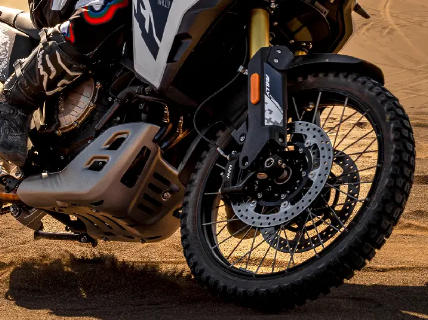
The VOGE DS900X is equipped with 21-inch front wheels and 18-inch rear wheels, shod with high-performance knobby tires designed for superior traction on a wide range of terrains. From wet roads to dry dirt, gravel, and even sand, these tires ensure you stay connected to the ground, providing confidence and stability across diverse landscapes.

Coupled with the tires, the DS900X’s dual-channel ABS braking system ensures optimal braking performance in all conditions. Whether you’re tackling slippery roads, mud, or loose gravel, the advanced braking system provides controlled stops and reduces the risk of wheel lock-up. The addition of traction control (TCS) further enhances safety, enabling riders to adjust the bike’s power output based on different road conditions.

VOGE DS900X Adventure Motorcycle

Smart Features for the Modern Rider

The VOGE DS900X is not just about raw power and off-road prowess. It’s also packed with smart technology to enhance the rider’s experience. The bike features a full-color TFT display that provides real-time information on speed, gear position, fuel levels, and much more. This display is clear, intuitive, and easy to read, even in bright sunlight.

Bluetooth connectivity enables riders to pair their smartphones for navigation, hands-free calls, and music streaming, keeping them connected while on the go. A quick-access USB charging port allows you to charge devices such as GPS or smartphones while riding, ensuring that you’re always prepared for your adventure.

VOGE DS900X ADV Motorcycle

Built for Comfort on Long Rides

The VOGE DS900X is designed to ensure comfort on long trips. The ergonomic riding position offers a relaxed yet controlled stance, while the high-quality seat provides ample cushioning to reduce fatigue on extended journeys. The adjustable windscreen offers customizable wind protection, reducing turbulence and increasing comfort during highway cruising.

For longer expeditions, the DS900X features ample luggage options, including panniers and a top box, allowing you to carry all your gear without compromising performance. Whether you’re going on a multi-day adventure or a weekend getaway, the DS900X is ready for any journey.

Summary

The VOGE DS900X represents the ultimate fusion of power, technology and comfort for adventure riders. Designed to handle a variety of terrains, this motorcycle is perfect for riders who crave the freedom to explore both on and off the beaten path. From exhilarating acceleration to smooth handling and top-notch comfort, the DS900X delivers an unparalleled riding experience.

Every ride on the VOGE DS900X is an opportunity to escape the ordinary and embrace the extraordinary, making it a perfect choice for those who seek more than just a mode of transportation. It’s not just a motorcycle—it’s a ticket to the ultimate adventure.

What are the Latest Innovations in Bamboo Toilet Paper Manufacturing

In recent years, sustainability has become a key driver in consumer products, and the toilet paper industry is no exception. Traditional toilet paper made from virgin wood pulp has significant environmental impacts, including deforestation, water consumption, and high carbon emissions. As a result, bamboo toilet paper has gained traction as an eco-friendly alternative. Bamboo, being a fast-growing and renewable resource, offers numerous environmental benefits, and manufacturers are continuously innovating to improve the efficiency and sustainability of bamboo toilet paper production. This article explores some of the latest manufacturing innovations in bamboo toilet paper.

Manufacturing Process of Bamboo Toilet Paper

1. Sustainable Bamboo Sourcing

One of the most significant innovations in bamboo toilet paper manufacturing is the sustainable sourcing of bamboo. Bamboo is known for its rapid growth rate, with some species growing up to 91 cm (35 inches) per day, making it a highly renewable resource. Unlike trees, bamboo doesn’t require replanting after harvesting since it regenerates naturally.

Improved Bamboo Farming Practices: Sustainable farming practices have been a focus for manufacturers, ensuring that bamboo is cultivated without harming natural ecosystems. Techniques such as agroforestry (growing bamboo alongside other crops) help preserve biodiversity and prevent soil erosion.

Certified Bamboo Sourcing: Many companies now source bamboo from certified sustainable farms, such as those certified by the Forest Stewardship Council (FSC) or Rainforest Alliance. These certifications guarantee that bamboo is grown without harmful pesticides and that land use is responsibly managed.

2. Advanced Pulping and Processing Techniques

The process of turning bamboo into soft, durable toilet paper requires specialized pulping methods. Traditional wood pulp is processed using harsh chemicals, which can be damaging to the environment. In contrast, bamboo pulp is often processed using more eco-friendly methods.

Enzyme-Based Pulping: Some manufacturers have adopted enzyme-based pulping technologies, which use natural enzymes to break down bamboo fibers instead of chemicals. This not only reduces environmental impact but also results in a softer product. Enzyme pulping also requires less water and energy compared to conventional methods.

Mechanical Pulping: Another innovative approach is mechanical pulping, where bamboo fibers are physically separated rather than chemically dissolved. This method reduces the need for bleaching agents and harsh chemicals, resulting in a more eco-friendly production process.

3. Water and Energy Efficiency in Production

Reducing water and energy consumption is a critical aspect of sustainable manufacturing, and bamboo toilet paper producers are making significant strides in this area.

Closed-Loop Water Systems: To minimize water usage, many manufacturers are implementing closed-loop systems where water is recycled throughout the production process. This reduces the amount of fresh water required, which is especially important in areas where water scarcity is a concern.

Solar-Powered Manufacturing: Some bamboo toilet paper companies are integrating renewable energy sources, such as solar power, into their manufacturing facilities. Solar panels help reduce the carbon footprint of the production process and make operations more energy-efficient.

4. Zero-Waste Manufacturing Practices

Zero-waste manufacturing has become a popular concept in the bamboo toilet paper industry. By eliminating or repurposing waste materials, manufacturers can significantly reduce their environmental impact.

Utilizing Bamboo Scraps: Instead of discarding bamboo scraps, innovative manufacturers are finding creative ways to repurpose them. Scraps from the pulping process are often used to make bamboo-based products such as towels, napkins, or even packaging materials.

Eco-Friendly Packaging: Many bamboo paper manufacturers now use biodegradable or recyclable packaging made from recycled paper or plant-based materials. This innovation ensures that the entire product, from the bamboo itself to the outer packaging, remains sustainable.

5. Softness and Strength Through Technology

Bamboo toilet paper is known for being both strong and soft, but ensuring that it meets consumer expectations for comfort and durability while maintaining sustainability can be a challenge. Manufacturers are leveraging new technologies to create products that balance these needs.

Micro-Texturing: Some manufacturers use micro-texturing techniques to improve the softness and absorption properties of bamboo toilet paper. These textures are designed without the use of artificial fragrances or added chemicals, making the paper both eco-friendly and luxurious to the touch.

Three-Ply Bamboo Toilet Paper: To improve the strength and durability of bamboo toilet paper, manufacturers are experimenting with three-ply options. These toilet papers are thick, strong, and capable of providing a premium feel without compromising on the environmental benefits of using bamboo.

Advacned Manufacturing Equipment for Bamboo Toilet Paper

6. Consumer Education and Transparency

Another key innovation in the bamboo toilet paper industry is consumer education and transparency. As eco-consciousness continues to grow, consumers are increasingly seeking information about the products they purchase.

Traceability: Some bamboo toilet paper brands are implementing traceability systems, allowing consumers to trace the origin of the bamboo used in their products. Through QR codes or websites, buyers can verify that the bamboo was sustainably sourced and processed.

Clear Labelling: Transparent labelling practices, including certifications for environmental impact and sustainability, help consumers make informed choices. Brands that can demonstrate their environmental commitment and commitment to social responsibility are winning over eco-conscious buyers.

7. Biodegradability and Compostability

As consumers become more environmentally aware, the biodegradability of toilet paper has become a key consideration. Bamboo toilet paper naturally breaks down faster than traditional paper products made from wood pulp.

Enhanced Biodegradability: Some manufacturers are focused on enhancing the biodegradability of bamboo toilet paper by reducing or eliminating the use of harmful chemicals and bleaches that slow down the decomposition process.

Compostable Toilet Paper: Innovations in compostable bamboo toilet paper have also emerged. These products are specifically designed to break down quickly in composting environments, further reducing the environmental impact of waste disposal.

Bamboo Toilet Paper Manufacturer

Market Trends and Consumer Demand

The demand for bamboo toilet paper is growing, driven by increased awareness of sustainability and environmental concerns. Brands are responding with innovative packaging and product designs to meet this demand.

Subscription Models: Many bamboo toilet paper companies now offer subscription services that allow consumers to receive regular deliveries of their preferred product. This helps reduce packaging waste and ensures a steady supply of eco-friendly toilet paper for consumers.

Bulk Packaging: In response to consumer demand for more sustainable options, some manufacturers are offering bulk packaging options, reducing the amount of plastic and packaging waste associated with individual toilet paper rolls.

Final Thoughts

Bamboo toilet paper represents a promising step toward reducing the environmental impact of one of the most commonly used household products. Manufacturing innovations in bamboo sourcing, processing techniques, water and energy efficiency, and waste reduction are making bamboo toilet paper a more sustainable option for environmentally conscious consumers. As technology continues to improve, the production of bamboo toilet paper will become even more efficient and eco-friendly, further solidifying its place in the growing market for sustainable products.

通过 WordPress.com 设计一个这样的站点
从这里开始