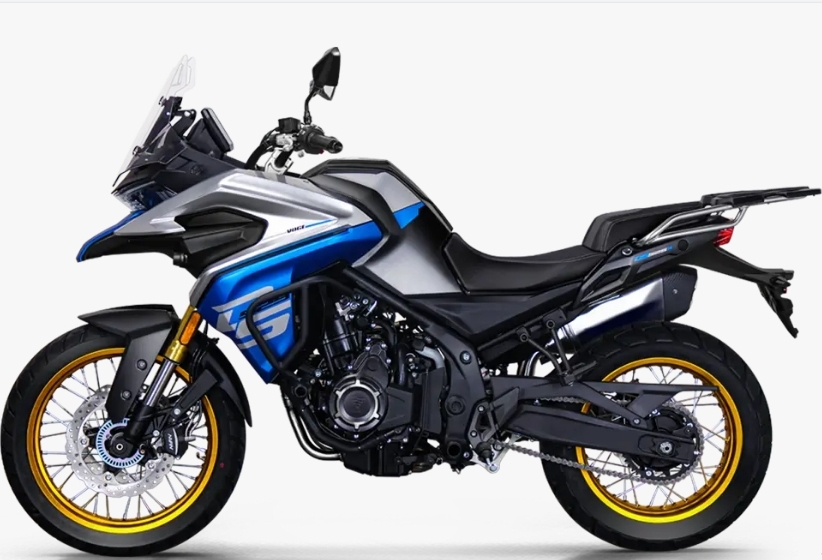
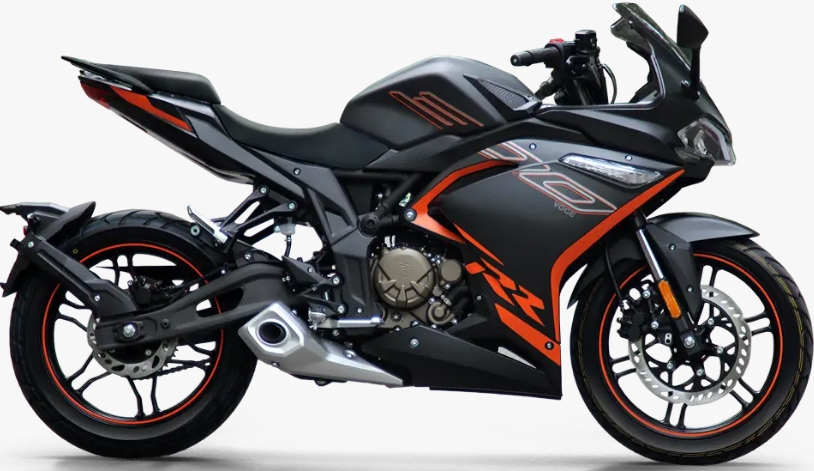
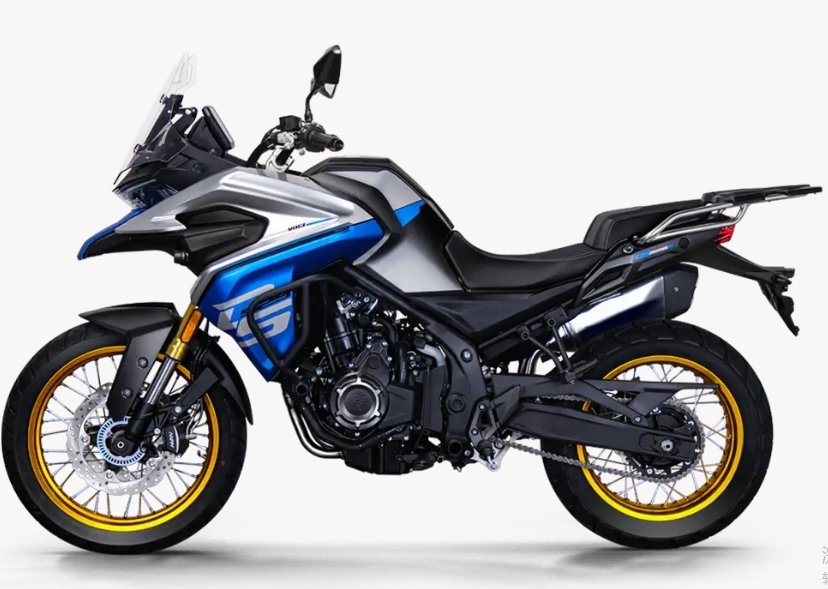
VOGE, a premium motorcycle brand under China’s Loncin Motor Co., has been expanding its presence in Europe, including Germany and the UK, by offering a range of motorcycles that combine modern design, advanced features, and competitive pricing. Their lineup includes models across various categories such as naked bikes, adventure tourers, and scooters, catering to both novice and experienced riders.
VOGE Motorcycle Pricing in Germany
In Germany, VOGE motorcycles are available through various dealerships and online platforms. Prices can vary based on the model, specifications, and whether the bike is new or used. Below is an overview of some VOGE models and their approximate price ranges:
VOGE R125 (125cc Naked Bike): This entry-level model is suitable for A1 license holders. Prices for new units are around €3,399, while used models range from €2,350 to €3,100, depending on mileage and condition.
VOGE 500R (500cc Naked Bike): A popular choice among A2 license holders, the 500R combines power with agility. New models are priced around €4,999, while used units range between €2,999 and €4,900.
VOGE SR4 Max 350 (350cc Scooter): Designed for urban commuting, this scooter offers comfort and performance. New models are priced between €6,699 and €6,999.
VOGE Motorcycle Pricing in the UK
In the UK, VOGE motorcycles are also gaining popularity. Prices for various models are as follows:
VOGE R125 (125cc Naked Bike): Ideal for beginners, this model is priced at approximately £1,999 for used units.
VOGE DS525X(525cc Adventure Bike): Designed for adventure touring, the DS525X is priced between £5,249 and £5,999, depending on the model year and specifications.
VOGE DS900X (895cc Adventure Bike): As one of the flagship models, the DS900X is equipped for serious touring and adventure riding. Prices range from £8,499 to £9,199, with variations based on model year and included features.
Summary
VOGE motorcycles offer a compelling combination of modern design, advanced features, and competitive pricing in both Germany and the UK. Whether you’re a beginner seeking an entry-level bike or an experienced rider looking for a powerful adventure tourer, VOGE’s diverse lineup caters to a wide range of preferences and budgets. For the most accurate and up-to-date pricing, it’s recommended to visit official VOGE dealerships or authorized online platforms in your region.
As global awareness of environmental sustainability rises, traditional wood-pulp-based tissue paper is gradually giving way to more eco-friendly alternatives. One such innovation is bamboo tissue paper — a product that combines softness, strength, and sustainability. Behind this green innovation stand a growing number of bamboo tissue paper manufacturers, who are reshaping the future of hygiene and paper goods.
Despite these challenges, the industry is expected to grow significantly, fueled by demand for eco-friendly household goods and corporate sustainability commitments.
The Future of Bamboo Tissue Manufacturing
Innovations in processing technology, government support for green products, and shifting consumer preferences will continue to drive the sector. Many manufacturers are also exploring closed-loop systems, biodegradable additives, and smart packaging as part of their R&D efforts.
Summary
Bamboo tissue paper manufacturers are at the forefront of sustainable living, offering products that are better for the planet without compromising on quality. As more consumers make the switch, these manufacturers are poised to lead a paper revolution — one bamboo fiber at a time.
When it comes to repairs or remodeling, whether in automotive, mechanical, or construction applications, removing a stud safely is often a necessary but challenging task. A stud, which is essentially a bolt or rod embedded in a surface, can become stripped, rusted, broken, or otherwise stuck. Removing it without causing damage to the surrounding materials or threads is crucial to ensuring a clean and professional result. The key to successful stud removal lies in preparation, technique, and patience.
The Importance of Preparation
Before taking any action, it’s essential to assess the situation carefully. Determining the material the stud is embedded in, its condition, and the surrounding environment will guide your choice of tools and method. For example, a corroded metal stud in an engine block will require a different approach than a threaded rod embedded in wood or drywall. Equally important is understanding whether the stud is flush with the surface, protruding, or broken off inside the hole.
Once the assessment is complete, the first step in almost every case is to apply a penetrating oil. Letting a quality lubricant soak into the threads for at least 10 to 15 minutes can make the difference between a smooth extraction and a nightmare of stripped threads and damaged parts. This step reduces friction and helps to loosen any corrosion or debris binding the stud.
Mechanical Methods for Removal
When the stud is intact and has enough of a protrusion to grab onto, the simplest method involves using locking pliers or a stud extractor tool. Firm, even pressure is necessary—too much force can shear the stud, while too little will allow the tool to slip and damage the stud’s surface. If the stud doesn’t budge, carefully applying heat to the surrounding area (especially in metal-on-metal scenarios) can help by expanding the outer material and freeing the threads.
For studs that are broken off flush or below the surface, more precision is required. A center punch helps create an accurate starting point for drilling. Begin with a small drill bit to create a pilot hole directly in the center of the broken stud. This pilot hole will then guide a larger bit or an extraction tool, such as a screw or bolt extractor. The extractor is gently twisted into the hole in the reverse direction, and with slow, even torque, the stud can usually be backed out cleanly.
Avoiding Damage and Future Problems
One of the biggest risks in stud removal is damaging the internal threads of the component. Using the right size drill bit and extractor is essential. If the threads become damaged during removal, a thread repair kit or a helicoil insert may be needed to restore the original integrity. It’s also advisable to clean the threads with a tap once the stud is removed, ensuring a smooth surface for the replacement fastener.
In construction settings, such as when removing hexagon studs from walls, care must be taken not to compromise the structural integrity of the surrounding frame. This might involve cutting the stud carefully and pulling it out in sections, rather than yanking or prying with force.
The Role of Patience and Precision
Perhaps the most underrated tools in stud removal are patience and precision. Rushing the job increases the likelihood of breaking tools, damaging materials, or injuring yourself. Taking the time to prepare properly, using the correct tools, and working slowly and deliberately will often yield better, safer results.
In the end, removing a stud safely isn’t just about muscle—it’s about method. Whether in a mechanic’s garage, a laboratory, or a renovation project, the process calls for the right blend of strategy and skill to ensure success without compromise.
Medical refrigerators are critical components in healthcare and laboratory settings, ensuring the safe and effective storage of temperature-sensitive materials such as vaccines, blood, medications, and biological samples. Unlike household refrigerators, medical-grade units are engineered for precision, stability, and compliance with health regulations. Understanding the different types of medical refrigerators helps facilities choose the right solution for their specific needs.
1. Vaccine Refrigerators
Vaccine refrigerators are specifically designed to maintain consistent temperatures, typically between 2°C and 8°C, which is crucial for vaccine efficacy. These refrigerators often feature digital temperature monitoring, alarms for temperature excursions, and backup systems to ensure vaccines remain viable even during power outages. They are widely used in hospitals, clinics, and pharmacies and comply with WHO and CDC guidelines for vaccine storage.
2. Blood Bank Refrigerators
Blood bank refrigerators are built to store blood and blood products at a tightly controlled temperature range of 2°C to 6°C. They are equipped with temperature uniformity features, alarms, and safety systems to ensure the safe preservation of whole blood, plasma, and platelets. These units often include lockable doors and inventory management systems to ensure traceability and prevent cross-contamination.
3. Pharmacy Refrigerators
Pharmacy refrigerators are used to store temperature-sensitive medications, including insulin, hormones, and biologics. These units are designed to meet the stringent requirements of pharmaceutical storage with features like forced-air cooling, uniform temperature distribution, and temperature logging. Some models come with glass doors for visibility, reducing unnecessary door openings and maintaining internal temperature stability.
4. Laboratory Refrigerators
Laboratory refrigerators are intended for storing biological samples, reagents, and chemicals that require precise temperature control. Depending on the application, these units can range from general-purpose models to more advanced versions with adjustable shelving, microprocessor controls, and data logging for regulatory compliance. They are commonly used in research institutions, clinical labs, and biotech facilities.
5. Ultra-Low Temperature (ULT) Freezers
Though technically freezers, Ultra-low temperature freezers are essential in medical and scientific environments and often discussed alongside medical refrigerators. They can maintain temperatures as low as -80°C and are used for long-term storage of biological samples, vaccines, and even COVID-19 vaccines like Pfizer’s, which require sub-zero preservation. These units feature specialized insulation and backup power systems to ensure constant performance.
6. Chromatography Refrigerators
These are specialized laboratory refrigerators designed for chromatography applications. They offer features such as built-in electrical outlets for running instruments inside the fridge and maintaining consistent internal conditions to support analytical accuracy. Chromatography refrigerators are used in pharmaceutical labs, environmental testing labs, and food science facilities.
7. Explosion-Proof and Flammable Material Refrigerators
When storing volatile or flammable substances, explosion-proof or flammable material refrigerators are essential. These units are designed to prevent internal sparks and are compliant with OSHA and NFPA standards. They’re commonly used in pharmaceutical manufacturing, forensic labs, and facilities handling solvents or hazardous chemicals.
Summary
Choosing the right type of medical refrigerator depends on the specific requirements of the stored contents, regulatory guidelines, and the operational setting. Each type—whether for vaccines, blood products, or laboratory reagents—is designed with unique features to ensure safety, reliability, and compliance. As technology advances, medical refrigeration continues to evolve, offering smarter controls, remote monitoring, and enhanced energy efficiency to meet the growing demands of modern healthcare and research.
In a world where sustainability and skin sensitivity are growing concerns, bamboo tissue papers have emerged as a natural alternative to conventional wood-pulp-based tissues. These eco-friendly products not only reduce environmental impact but also offer unique chemical-free and hypoallergenic benefits—making them ideal for people with sensitive skin, allergies, or those seeking healthier lifestyle choices.
1. Naturally Chemical-Free
Traditional tissue papers are often produced using processes that involve bleaches, dyes, fragrances, and other harsh chemicals to enhance texture, appearance, and scent. While effective for mass production, these additives can leave residues that irritate the skin and cause long-term health issues.
Requires minimal processing due to its naturally soft fibers
Is often unbleached or whitened using non-chlorine methods like oxygen or hydrogen peroxide
Contains no added fragrances or dyes, making it safe for use even on the most sensitive areas of the body
This makes bamboo tissue a go-to solution for consumers aiming to avoid chemical exposure in their everyday hygiene products.
2. Hypoallergenic Benefits
Bamboo fibers have natural hypoallergenic properties. They are less likely to cause allergic reactions compared to tissues made with chemical additives or synthetic materials. Here’s why:
Smooth fiber structure: Bamboo pulp has a smoother and rounder fiber shape, which reduces skin irritation and friction
Free of allergens: Bamboo tissue doesn’t retain pollen, dust, or harsh particles during processing, making it ideal for people prone to respiratory or skin allergies
Moisture-wicking: Bamboo is naturally absorbent and helps keep skin dry, reducing the risk of rashes or irritation caused by damp conditions
This makes bamboo tissue papers perfect for:
Babies and toddlers
People with eczema or dermatitis
Those recovering from surgery or skin treatments
Anyone preferring a softer, irritation-free option
3. Better for the Environment, Better for You
Beyond health benefits, bamboo tissue papers support an eco-conscious lifestyle:
Has a smaller carbon footprint compared to wood-based products
Is biodegradable and compostable
By switching to bamboo tissue papers, consumers make a choice that’s better for both personal health and the planet.
Final Thoughts
Bamboo tissue papers offer a powerful combination of chemical-free purity and hypoallergenic gentleness. Whether you’re looking to avoid harmful substances, protect sensitive skin, or support sustainability, bamboo tissue is a smart, safe, and responsible alternative.
As awareness grows around the impacts of conventional tissue production, bamboo-based products are fast becoming the future of personal hygiene—natural, clean, and kind to both people and the planet.
In the world of maritime operations, mooring chocks play a vital role in ensuring the safe and efficient berthing of vessels. Often underestimated, these simple yet robust fittings are essential for guiding and protecting mooring lines as they pass through the ship’s hull or bulwark. With different vessel types requiring specific mooring configurations, selecting the right type of chock is crucial to ensure both operational reliability and compliance with international maritime standards.
What Is a Mooring Chock?
A mooring chock is a fixed, typically cast steel or cast ductile iron device designed to lead mooring lines from the vessel’s deck to the berth. It ensures minimal wear and friction on the mooring rope, reduces the risk of damage to the hull, and provides controlled routing of lines during mooring and towing operations.
Common Types of Mooring Chocks
Mooring chocks come in several designs, each suited to specific operational and vessel requirements:
Features: Installed on or through the ship’s bulwark
Applications: Frequently used on cargo ships and ferries
Advantages: Guides lines over the edge of the vessel without damaging the structure
5. Roller Chocks
Features: Equipped with rollers to reduce friction
Applications: Used where frequent mooring and line movement occur (e.g., tugboats)
Advantages: Minimizes wear on both lines and chock surfaces
Mooring Chocks for Specific Vessel Types
Mooring chocks are critical components of a vessel’s mooring system, acting as guides that safely lead ropes and wires from the ship to the shore or another vessel. While they may appear as simple fixtures, mooring chocks must be carefully selected and positioned based on the type of vessel, its function, and operational environment. Each vessel class imposes unique requirements that influence the design, size, and location of the chocks.
1. Oil Tankers
Key Requirements:
High-strength mooring chocks to handle large loads
Resistance to corrosion from harsh marine environments
Preferred Chock Types:
Closed chocks (Panama chocks): Ensures rope security and minimizes slippage
Bulwark chocks: Helps guide ropes over vessel’s sides without damaging the structure
Standards:
Often built to comply with OCIMF and IMO regulations due to strict safety demands in the oil industry
2. Container Ships
Key Requirements:
Efficient line management during quick port turnarounds
Chocks designed for high-tension synthetic ropes or wire ropes
Preferred Chock Types:
Closed chocks: Common on both stern and bow to ensure safe mooring during dynamic loading
Deck-mounted chocks: Placed strategically to align with container bay design
Considerations:
Smooth inner surface finish to minimize abrasion on high-load mooring lines
3. Bulk Carriers
Key Requirements:
Chocks capable of withstanding static mooring while at anchor or port
Often require heavy-duty fittings for long mooring durations
Preferred Chock Types:
Closed chocks
Roller chocks (for regions experiencing tidal movements)
Additional Features:
Designed for heavy use with fiber ropes or steel wire in rough environments
4. Tugboats
Key Requirements:
Flexible line handling and resistance to heavy dynamic forces
Compact design for limited deck space
Preferred Chock Types:
Open chocks: Allow for quick rope release and handling
Roller chocks: Minimize friction and line wear during frequent movements
Notes:
Often integrated into towing winch systems or stern fittings
5. Offshore Supply Vessels (OSVs)
Key Requirements:
Operate under dynamic positioning conditions
Require multi-directional mooring capabilities
Preferred Chock Types:
Closed chocks
Deck-mounted chocks with reinforced bases
Engineering Focus:
Materials with high corrosion resistance due to harsh offshore environments
6. Passenger Ferries
Key Requirements:
Smooth, quick mooring in busy terminals
Aesthetic integration with vessel’s structure
Preferred Chock Types:
Deck chocks
Closed chocks with recessed or hidden designs
Safety Consideration:
Chocks must be placed to minimize interference with passenger movements and gangway operations
7. Fishing Vessels
Key Requirements:
Frequent port calls and rugged handling
Low-maintenance, easy-to-access fittings
Preferred Chock Types:
Open chocks
Deck-mounted chocks
Field Insight:
Must allow for rope flexibility during trawling or anchoring operations in harsh seas
Selection Criteria
When selecting mooring chocks, key factors to consider include:
Rope Type and Diameter – Chock opening must match line size to avoid jamming or slippage.
Mooring Load – Chocks must be tested for expected static and dynamic loads.
Material & Coating – Galvanized or painted cast steel is common; marine-grade stainless steel is used for corrosion-prone environments.
Compliance – Ensure adherence to standards like IMO, ISO 13713, or JIS F 2005.
Summary
Mooring chocks may appear simple, but their role is critical in vessel mooring safety. From massive oil tankers to nimble pilot boats, every vessel type requires chocks tailored to its mooring needs. Understanding the unique characteristics of each chock type and their applications ensures safe, efficient, and long-lasting mooring systems.
In the maritime industry, lighting is more than just a convenience and it’s a critical element of safety, navigation, and operational efficiency. When it comes to environments that contain flammable gases, vapors, or combustible dust, ordinary lighting won’t suffice. That’s where marine explosion-proof lights come in.
Engineered to withstand the toughest marine conditions while preventing ignition in hazardous atmospheres, these lights are essential on tankers, oil platforms, and certain cargo vessels. But proper installation is just as crucial as the equipment itself. Here’s what you need to know.
Why Use Explosion-proof Lights on Marine Vessels?
Explosion-proof lights are designed to contain sparks or heat generated within the fixture, preventing ignition of surrounding flammable substances. In marine settings, they’re typically installed in:
Fuel storage areas
Engine rooms
Chemical handling zones
Offshore platforms
Cargo holds with flammable materials
By using these specialized lights, vessel operators minimize the risk of fire or explosion, ensuring compliance with IMO, IECEx, ATEX, and other maritime safety regulations.
Zone 2: Rare or short-lived presence of explosive gases
Select lighting certified for the specific zone.
2. Certifications and Standards
Ensure your fixture is certified for marine and explosive environments (e.g., IECEx, ATEX, UL844, or ABS certified). Compatibility with local and international codes is a must.
3. Material Durability
Explosion-proof marine lights should be constructed from corrosion-resistant materials like copper-free aluminum, stainless steel, or polycarbonate to handle saltwater exposure and vibrations.
Step-by-Step Installation Guide
Step 1: Safety First
Turn off power supply to the installation area.
Use appropriate PPE (Personal Protective Equipment).
Ensure the area is well-ventilated and free from ignition sources.
Step 2: Mounting the Fixture
Select a secure and vibration-resistant surface.
Use marine-grade bolts and brackets for mounting.
Follow manufacturer guidelines for mounting angle and clearance.
Step 3: Wiring the Light
Use marine-rated explosion-proof cable glands.
Route the cables through sealed conduit to prevent gas ingress.
Ensure proper grounding and sealing of cable entries.
Connect wiring as per the electrical diagram provided by the manufacturer.
Step 4: Sealing and Inspection
Use approved sealants around cable entries.
Tighten all covers and seals properly—never leave access ports or junction boxes open.
Inspect gaskets and flame paths for signs of wear or corrosion.
Step 5: Power-Up and Test
Restore power and perform a functionality check.
Use an insulation resistance tester to verify electrical safety.
Log the installation details for future maintenance reference.
Schedule regular inspections for corrosion, loose fittings, and gasket wear.
Clean lenses and housings with non-abrasive, marine-safe cleaners.
Replace seals and gaskets periodically as per manufacturer recommendations.
Summary
Proper installation of marine explosion-proof lights is essential for both crew safety and compliance with international regulations. By choosing certified fixtures, following correct procedures, and maintaining the lighting system routinely, shipowners can ensure reliable and hazard-free operations—even in the most volatile marine environments.
In the evolving world of two-wheelers, VOGE motorcycle has emerged as a dynamic brand offering a refined mix of design, performance, and affordability. As a premium motorcycle division under Loncin Motor Co., Ltd., VOGE is changing perceptions about Chinese motorcycles by focusing on mid-displacement machines packed with modern features and European-inspired styling.
The Rise of VOGE
VOGE was launched with a clear mission: to deliver quality mid-range motorcycles that cater to global riders seeking a balance between performance and value. Backed by Loncin’s decades of experience — including engine supply partnerships with major global brands like BMW — VOGE has been built on a foundation of technical expertise and manufacturing excellence.
What Makes VOGE Stand Out?
VOGE motorcycles are designed with a keen eye for both aesthetics and rider needs. Their lineup is defined by:
1. Striking Design Language
With sleek lines, aggressive stances, and a modern-meets-classic vibe, VOGE bikes look as good as they perform. The brand’s design often channels European styling cues, giving them a global appeal.
2. Technology-Focused Engineering
VOGE equips many of its motorcycles with features like:
TFT digital displays
LED lighting systems
Bosch ABS brakes
Slipper clutches
Upside-down front forks (USD)
These features are typically found in higher-end models but come standard on many VOGE bikes, setting them apart in the mid-range market.
3. Comfort and Control
Ergonomically designed seats, smart handlebar positioning, and lightweight frames ensure VOGE motorcycles offer a comfortable and confident riding experience, whether you’re commuting in the city or exploring long routes.
Highlight Models
Some of the most popular VOGE motorcycles include:
VOGE 300R – A stylish, entry-level naked bike perfect for urban riders.
VOGE 500DS – A capable adventure-touring bike with dual-purpose features.
VOGE 300AC – A retro-modern café racer that blends old-school charm with new tech.
VOGE 500AC – A neo-retro roadster ideal for riders who value both power and looks.
VOGE EF40X – An electric motorcycle designed for eco-conscious city dwellers.
VOGE 650DSX – A robust touring bike equipped for rugged journeys, powered by a BMW-derived engine.
Global Expansion and Recognition
VOGE is gaining momentum in markets across Europe, Latin America, Asia, and Africa. With Euro 5-compliant engines and a growing dealership network, the brand is building trust among motorcyclists who want reliable performance without the hefty price tag.
Motorcycle journalists and vloggers have also praised VOGE for its value-for-money offering, refined performance, and stylish finishes, boosting its reputation in an increasingly competitive industry.
Challenges and The Road Ahead
VOGE faces the usual challenges of an emerging brand:
Strengthening global after-sales support
Overcoming brand skepticism in premium markets
Adapting to the electric mobility revolution
To address this, VOGE is:
Expanding its electric vehicle lineup
Investing in smart connectivity features
Enhancing export and service infrastructure
With the right strategy, VOGE is well-positioned to become a top contender in the mid-size motorcycle segment globally.
Summary
VOGE Motorcycle is more than just a new name — it’s a statement of how innovation, design, and value can come together. Whether you’re a first-time rider, a seasoned explorer, or someone looking for a bike that offers style without breaking the bank, VOGE is a brand worth watching — and riding.
In modern industrial and manufacturing processes, maintaining the right tension in materials like film, paper, textiles, foil, and wire is critical. Inconsistent tension can lead to defects, downtime, and waste. This is where automatic tension controllers come into play. These systems have become essential for ensuring high-quality output and operational efficiency across a range of industries.
What Are Automatic Tension Controllers?
Automatic tension controllers are precision devices designed to maintain constant tension on a moving web or strand of material during processes like unwinding, rewinding, printing, laminating, slitting, and coating. They detect variations in tension and make real-time adjustments to correct them—without the need for manual intervention.
These tension control systems typically consist of a tension sensor (load cell or dancer arm), a controller, and an actuator (such as a brake, clutch, or drive). Together, they form a closed-loop system that continuously monitors and adjusts tension levels as material moves through the machinery.
How Do They Work?
The core principle behind automatic tension control is feedback. Sensors detect the actual tension of the moving material and send data to the controller. The controller compares this feedback to a preset tension setpoint. If there’s a discrepancy, it signals the actuator to increase or decrease tension accordingly. This rapid adjustment helps maintain uniform tension throughout the process.
Depending on the specific application and setup, controllers may operate in open-loop (pre-programmed behavior without feedback) or closed-loop (real-time feedback) configurations. Closed-loop systems offer higher precision and are preferred for demanding applications.
Applications Across Industries
Automatic tension controllers are used in a wide variety of sectors, including:
Printing: To ensure accurate registration and ink application on paper or film.
Packaging: For consistent film tension in forming, filling, and sealing.
Textiles: To prevent stretching, wrinkling, or tearing of fabric.
Battery and electronics: For precise foil and electrode coating processes.
Labeling and converting: Where tight tension control improves die-cutting and placement accuracy.
Advantages of Automatic Tension Controllers
Enhanced Product Quality: Precise tension control helps eliminate material distortions and inconsistencies.
Increased Efficiency: Reduced downtime and fewer manual adjustments mean smoother operations.
Material Savings: Fewer errors translate to less waste.
Versatility: Compatible with various web materials and machine types.
Real-time Adaptability: Adjusts instantly to changes in roll diameter, speed, or material type.
Touchscreen interfaces for easy configuration and monitoring.
IoT connectivity for remote diagnostics and predictive maintenance.
AI-based algorithms to optimize performance across different production conditions.
These innovations are pushing the boundaries of what’s possible in terms of precision, adaptability, and user-friendliness.
Summary
Automatic tension controllers are vital components in today’s high-speed, precision-driven production environments. They help maintain consistent quality, reduce waste, and improve process efficiency. As industries continue to demand tighter tolerances and smarter control systems, the role of automatic tension controllers will only grow more important in the future of industrial automation.
Stuffed animals have long been cherished as comforting companions, collectible treasures, and delightful gifts. With advancements in design and manufacturing, the world of plush toys has evolved far beyond standard sizes. Today, oversized and miniature custom stuffed animals are capturing the hearts of consumers, offering new ways to express creativity, emotion, and personality. Whether towering above a child or small enough to sit in a palm, these size extremes bring unique value to the plush toy experience.
The Appeal of Customization
Customization is at the heart of what makes oversized and miniature stuffed animals so special. Consumers can personalize details such as animal type, color, clothing, facial expressions, and even embroider names or special messages. These unique touches make each custom stuffed animal unique, whether it’s designed to replicate a beloved pet, a company mascot, or a whimsical creature born from imagination.
Oversized Stuffed Animals: A Giant Gesture of Love
Oversized stuffed animals, often ranging from 2 to over 6 feet tall, are designed to make a statement. They’re popular as romantic gifts, photo props, promotional items, and sensory-friendly toys for children.
Why People Love Them:
Visual Impact: Their massive size makes them instantly eye-catching and perfect for memorable moments.
Huggability: With ample softness and volume, they offer comforting physical presence, especially in therapeutic settings.
Great for Displays: They’re often used in storefronts, events, and exhibitions to attract attention or enhance themes.
Challenges to Consider:
Storage: Due to their size, they require ample space.
Shipping Costs: Transporting large plush toys can be costly without vacuum packing or compression.
Durability: Larger customized plush toys may need reinforced stitching and high-quality filling to retain shape and structure.
Miniature Stuffed Animals: Small but Mighty
At the opposite end of the spectrum are miniature stuffed animals, which typically range from 2 to 6 inches in height. These pint-sized plushies are ideal as party favors, collectibles, keychains, or accessories for bags and mobile devices.
Why People Love Them:
Portability: Easy to carry, gift, or display anywhere.
Affordability: Less material means lower production costs, which translates to more budget-friendly items.
Customization Versatility: Perfect for brand promotions or themed merchandise with mass appeal.
Collectibility: Many people enjoy collecting mini plush toys in various styles or themes.
Production Considerations:
Detailing: Despite their size, miniature plush animals require precise craftsmanship to maintain quality.
Safety: For children, parts like eyes or buttons need to be securely fastened to avoid choking hazards.
Use Cases Across Industries
Both oversized and miniature custom stuffed animals have found a place across industries:
Retail and Merchandising: Brands use plush mascots to increase customer engagement and loyalty.
Education: Teachers and therapists use plush animals to create friendly learning environments.
Events and Promotions: Plush giveaways, from giant event mascots to small souvenirs, boost brand visibility.
Healthcare: Stuffed animals offer emotional support for patients, especially children.
Conclusion
Oversized and miniature custom stuffed animals offer more than just softness—they provide a platform for creativity, emotion, and branding. Whether you’re gifting a giant teddy bear to someone special or designing mini plush toys for a marketing campaign, these plush companions come in sizes to suit every purpose. Their lasting charm lies not only in their form but also in the personal stories they help tell.