The Growing Popularity of Using Custom Mascots in Branding

In today’s visually driven and highly competitive marketplace, custom mascots have emerged as powerful tools for brand recognition, community engagement, and emotional connection. Whether it’s for sports teams, schools, businesses, or events, a well-designed mascot goes far beyond a costume—it becomes a living symbol of a brand’s identity, values, and personality.

The Role of Custom Mascots in Branding

A custom mascot is not just a character and it’s an extension of a brand. Mascots bring human-like warmth and relatability to a business or organization. Unlike logos or slogans, which are static elements, mascots can move, dance, interact, and speak directly to the audience, creating memorable experiences. This makes them particularly effective in marketing campaigns, social media content, and live appearances.

For example, companies like Michelin (with the Michelin Man) and sports teams like the Chicago Bulls (with Benny the Bull) have successfully used mascots to personify their brand and establish a lasting emotional connection with fans and customers.

Custom Mascots for Brand Promotions

Design and Customization

Creating a custom mascot begins with understanding the brand’s core message and target audience. The design process typically involves collaboration between the brand’s marketing team and professional mascot designers. Key considerations include:

Character Concept: Should it be an animal, a person, a fantasy creature, or something abstract? The character must reflect the brand’s tone—fun, serious, friendly, bold, etc.

Color Scheme and Materials: These must align with the brand’s existing palette while also being practical for costume-making.

Functionality: A mascot costume must be wearable, breathable, and safe. Features like cooling fans, adjustable sizing, and washable materials are often built into the final design.

Beyond full-body costumes, custom mascots can also be turned into digital avatars, printed on merchandise, or featured in animations and commercials.

Applications of Custom Mascots

Custom mascots are versatile assets used in a wide range of settings:

Sports and Entertainment: Mascots energize crowds, lead cheers, and entertain audiences at games and events.

Education: Schools use mascots to build spirit, represent values, and create unity among students and faculty.

Corporate Marketing: Businesses use mascots to soften their image, promote products, and build brand loyalty.

Events and Nonprofits: Mascots attract attention at public events, parades, fundraisers, and awareness campaigns.

In each scenario, the mascot serves as an approachable, engaging figure that enhances audience interaction.

Custom Mascots for Events

Digital Evolution and Social Media Impact

With the rise of social media, mascots have found new life online. A mascot can have its own Instagram or TikTok account, sharing behind-the-scenes content, humorous posts, and interactive challenges. This helps brands reach younger, digital-native audiences in a fun and informal way. Animated versions of mascots can also be used in explainer videos, virtual events, and even mobile apps, expanding their influence beyond physical appearances.

Why Invest in a Custom Mascot?

While the cost of designing and producing a custom mascot can be significant, the return on investment is substantial. Mascots create emotional bonds, foster loyalty, and provide a consistent and entertaining brand presence across multiple platforms. They are long-term marketing assets that can evolve with your brand and remain relevant for years.

a custom mascot

Final Thoughts

Custom mascots are more than costumes or characters—they are powerful brand ambassadors that connect with audiences in ways traditional marketing cannot. With thoughtful design, strategic deployment, and engaging storytelling, a custom mascot can become the heart and face of a brand, leaving a lasting impression on everyone it meets. Whether you’re a global corporation or a local school, investing in a custom mascot is a smart move toward building stronger, more personal relationships with your audience.

An Article to Quickly Know VOGE 300RR

The VOGE 300RR is a striking addition to the entry-level sportbike category, designed to deliver performance, style, and practicality at an accessible price. Developed by VOGE, the 300RR showcases the company’s commitment to elevating its engineering and aesthetic standards to compete in global markets. With sharp styling, a responsive engine, and a balanced chassis, the VOGE 300RR offers a compelling package for new riders and enthusiasts alike.

Sport-Inspired Design

The first thing that stands out about the VOGE 300RR is its aggressive styling. Its full fairing, aerodynamic lines, and LED lighting system give it a sharp, race-ready appearance. The bike features a digital instrument cluster that displays essential information clearly, including speed, gear position, fuel level, and more. The split seat design and rear-set foot pegs complete the sporty stance, giving the rider a forward-leaning, performance-oriented posture.

VOGE 300RR sport motorcycle

Engine and Performance

At the heart of the 300RR is a 292cc single-cylinder, liquid-cooled, DOHC engine capable of producing approximately 28 horsepower. This powerplant is paired with a 6-speed manual transmission, offering smooth gear changes and an engaging riding experience. The engine is tuned to deliver usable torque across the mid-range, making it suitable for both urban commuting and spirited rides on twisty roads.

The bike’s top speed of around 150 km/h (93 mph) is respectable for its class, and its responsive throttle and lightweight chassis make it nimble in traffic and stable at higher speeds.

Handling and Ride Comfort

Built on a steel trellis frame, the VOGE 300RR strikes a good balance between rigidity and weight. It comes equipped with upside-down front forks and a mono-shock rear suspension, delivering a stable and composed ride. The suspension is tuned for sporty handling while still offering comfort for daily use.

With front and rear disc brakes supported by dual-channel ABS, the 300RR provides reliable stopping power and enhanced safety, especially in wet or challenging road conditions. The 17-inch wheels with performance-oriented tires offer good grip and cornering ability.

Features and Equipment

Despite its budget-friendly nature, the VOGE 300RR doesn’t skimp on features. Key highlights include:

LED headlight and taillight for better visibility and modern appeal

Fully digital LCD display with real-time information

ABS braking system for enhanced safety

Sport exhaust system that complements its performance character

Lightweight design for maneuverability and fuel efficiency

The combination of these features makes it not only stylish but practical for everyday riders.

VOGE 300RR

Target Market and Appeal

The VOGE 300RR is aimed at beginners looking for their first sportbike, as well as experienced riders who want a lightweight, economical, and fun machine for commuting or weekend rides. With its low seat height and manageable power, it’s accessible to a wide range of riders, including those of smaller stature or less experience.

Additionally, the competitive pricing makes it an attractive option for riders looking to enter the sportbike world without the cost associated with Japanese or European brands.

Summary

The VOGE 300RR stands as a strong contender in the entry-level sportbike segment. With its stylish design, solid performance, and modern features, it punches above its weight in terms of value. As VOGE continues to expand its global presence, the 300RR showcases the brand’s ability to blend affordability with premium appeal, making it a motorcycle worth watching and riding.

Why Choose Custom Bamboo Kitchen Towels

As consumers become increasingly eco-conscious, the demand for sustainable and reusable household products is on the rise. Among these, bamboo kitchen towels have emerged as a popular alternative to traditional paper towels. Brands seeking to align with sustainability trends are turning to custom bamboo kitchen towels as a smart solution for both brand promotion and private labeling. These towels offer functionality, aesthetics, and environmental value—making them ideal for businesses looking to strengthen their green credentials.

What Are Bamboo Kitchen Towels?

Bamboo kitchen towels are made from natural bamboo fibers, known for their durability, softness, and antibacterial properties. Unlike single-use paper towels, bamboo towels are washable and reusable, often lasting for weeks or months, depending on usage.

bamboo kitchen paper towels

Why Choose Custom Bamboo Kitchen Towels?

Eco-Friendly Appeal

Bamboo is a fast-growing, renewable resource that requires no pesticides. Using bamboo towels reduces deforestation and waste associated with disposable paper products.

Custom Branding Opportunities

Brands can add logos, patterns, and color options to the towels or packaging, creating a personalized product that aligns with their identity.

High Consumer Demand

With increasing environmental awareness, consumers are actively seeking reusable household products, making bamboo towels a trending item in the retail and e-commerce space.

Premium Look and Feel

Bamboo towels have a soft, cloth-like texture that feels luxurious, helping brands position themselves in the eco-luxury or wellness markets.

Bamboo Kitchen Rolls

Ideal Use Cases for Brands

Private Label Retail

Supermarkets, home goods stores, and e-commerce sellers can offer these under their own branding.

Corporate Gifting & Eco-Kits

Ideal for corporate gifts or sustainability-focused welcome kits.

Subscription Boxes

A popular item for green lifestyle, zero-waste, or kitchen-themed boxes.

Hospitality and Airbnb Hosts

Enhances the guest experience with a thoughtful, sustainable touch.

Customization Options

Logo Printing or Embroidery

Brands can print or stitch their logo directly onto the towel or outer packaging.

Packaging Design

Kraft paper wraps, cardboard tubes, or eco bags with custom labels add value and shelf appeal.

Towel Size and Ply Options

Choose between single-ply for light use or multi-ply for extra absorbency.

Perforation and Sheet Count

Customize the number of sheets per roll or offer in flat packs.

Fragrance or Treatment Options

Scented towels or antibacterial coatings for niche market appeal.

Benefits for Private Labeling

Low Minimum Order Quantities (MOQs)

Many suppliers offer scalable solutions for small and large businesses.

Fast Product Turnaround

With growing manufacturing hubs, delivery times are improving even for customized products.

Competitive Margins

High perceived value and eco-appeal allow for attractive markups in both online and offline retail.

Partnering with the Right Manufacturer

When sourcing custom bamboo kitchen towels, brands should look for:

Certifications: FSC, OEKO-TEX, or organic bamboo verification

Manufacturing Transparency: Ethical labor practices and quality assurance

Experience in Private Labeling: Proven success with other brands

Custom Design Support: In-house graphic or packaging design assistance

Top manufacturing regions include China, India, and parts of Southeast Asia.

Custom Bamboo Kitchen Towels

Summary

Custom bamboo kitchen towels are more than just a sustainable product—they’re a branding opportunity. For businesses and private labels looking to deliver functional value while promoting environmental responsibility, these towels check every box. With customization options spanning design, packaging, and production scale, they offer flexibility and relevance in today’s green marketplace.

The Use of Web Inspection Systems for Printing Quality Control

In the fast-paced world of printing, quality control is not just a requirement—it’s a competitive advantage. Whether in packaging, labels, security printing, or commercial print, delivering consistently high-quality output is crucial. Web inspection systems for printing operations have become more and more indispensible, offering real-time monitoring and defect detection across high-speed production lines. These systems help reduce waste, boost productivity, and ensure that every print meets stringent quality standards.

What Are Web Inspection Systems?

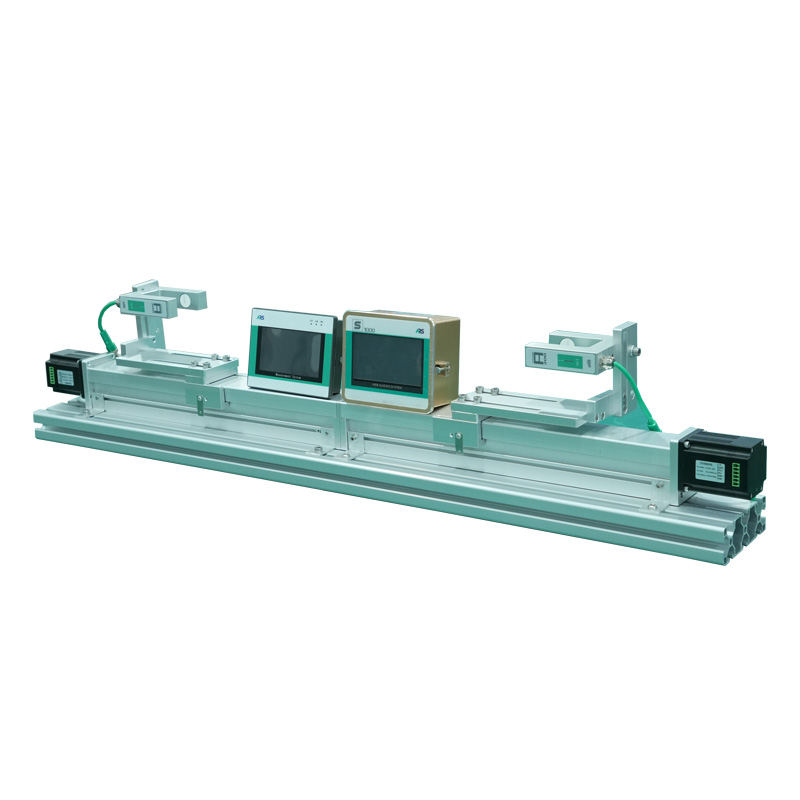
Web inspection systems are automated solutions designed to monitor continuous materials (commonly called “webs”) such as paper, film, foil, or textiles during printing. These printing inspection systems employ high-resolution cameras, lighting, and advanced image processing software to detect and report defects in real-time.

web inspection systems for printing quality

Core Components of Web Inspection Systems

High-Speed Cameras

Capture high-resolution images of the moving web, often with line-scan or area-scan technology for continuous coverage.

Lighting Units

Provide consistent and controlled illumination, crucial for detecting subtle print defects.

Image Processing Software

Uses AI and machine vision algorithms to analyze images, compare them with reference patterns, and flag anomalies.

User Interface & Alarms

Enables operators to view defects, generate reports, and respond to alerts for immediate correction.

Common Print Defects Detected

Color variation

Misregistration

Ink smudges or missing ink

Streaks, scratches, or wrinkles

Repeating defects due to damaged rollers or plates

Barcode or text defects

Print-to-die cut mismatch in packaging

OR-D Web Inspection System

Benefits of Web Inspection Systems in Printing

Real-Time Quality Monitoring

Detects problems instantly, allowing immediate intervention to prevent large-scale waste.

Improved Product Quality

Ensures consistency across long print runs, meeting customer and regulatory requirements.

Cost Reduction

Early detection minimizes reprints, material loss, and labor costs associated with manual inspection.

Data Logging and Reporting

Facilitates root-cause analysis and long-term process improvement through stored defect and performance data.

Increased Efficiency

Reduces manual inspection time, speeds up production, and improves overall operational throughput.

Applications in the Printing Industry

Label and Package Printing: Ensures perfect color, registration, and cut alignment.

Security Printing: Detects micro defects in banknotes, certificates, or stamps.

Commercial Printing: Maintains high standards for marketing materials, books, and catalogs.

Flexible Packaging: Identifies printing and material defects on plastic or foil webs.

Technological Innovations Driving Web Inspection

AI-Powered Defect Classification

100% web inspection systems for printing quality can now distinguish between critical and non-critical defects automatically, reducing false alarms.

4K and HDR Imaging

Offers greater detail and contrast for improved defect visibility.

Cloud Connectivity and IoT Integration

Real-time remote monitoring and predictive maintenance through data analytics.

Modular and Retrofittable Designs

Allow easy integration into existing printing lines.

Choosing the Right System

When selecting a web inspection system, printers should consider:

Web material type and width

Speed of production

Nature of defects to be detected

Required resolution and sensitivity

Integration with existing control systems

Leading manufacturers include BST, AVT (by Esko), Erhardt+Leimer, and ISRA Vision.

precision print inspection system

Final Thoughts

In today’s printing industry, where quality and efficiency are non-negotiable, web inspection systems are indispensable tools. By leveraging advanced imaging and machine learning, these systems ensure that defects are caught early and quality remains high from start to finish. As print technology evolves, web inspection continues to set the standard for smart, automated quality control in printing.

How to Enhance Efficiency of Land Oil Rig Installation Using Simulation Technology

Land oil rig installation is a critical phase in onshore drilling operations. It involves a complex interplay of logistics, engineering, and safety procedures to ensure the rig is correctly assembled and fully operational. As the oil and gas industry continues to embrace digital transformation, simulation technology has emerged as a powerful tool to streamline rig installation processes, minimize risk, and improve workforce readiness.

Land rigs

Key Steps in Land Oil Rig Installation

Site Preparation

The process begins with site selection, followed by clearing, leveling, and the construction of access roads and foundations to support the heavy weight of drilling equipment.

Transportation and Assembly of Rig Components

Rig modules—including the derrick, substructure, mud system, and power units—are transported in parts and assembled onsite using cranes and support vehicles.

Infrastructure Setup

Water, power, fuel supply systems, and data communications are installed to support rig operations.

Drilling System Integration

The rotary table, top drive, mud pumps, blowout preventer (BOP), and control systems are installed and tested.

Safety and Compliance Checks

Before commissioning, the rig undergoes rigorous safety inspections, function tests, and regulatory reviews.

Land oil rig installation

The Use of Simulation Technology in Land Oil Rig Installation

As land-based rig setups become more sophisticated, the margin for error shrinks. Oil and gas simulation technology addresses these challenges through several key applications:

1. Pre-Installation Planning and Virtual Testing

Engineers use 3D simulation models to virtually construct the rig before physical installation.

These digital replicas allow planners to optimize rig layout, identify potential conflicts, and streamline logistics.

Virtual rig-up simulations reduce guesswork and cut installation time.

2. Training of Installation Crews

Simulation-based training platforms help prepare crews for real-world rig assembly.

Trainees interact with immersive environments that mimic rig components, handling procedures, and emergency scenarios.

This approach significantly reduces the learning curve while promoting a culture of safety.

3. Safety Risk Assessment

Land rig installation simulators model various failure scenarios such as equipment malfunctions, structural instability, or human errors.

Teams can practice mitigation strategies in a risk-free environment, improving decision-making under pressure.

4. Logistics and Equipment Handling Optimization

Simulation tools help analyze crane reach, load paths, and truck access to prevent bottlenecks.

Efficient sequencing of component delivery and assembly minimizes downtime.

5. Real-Time Monitoring and Feedback Integration

Some advanced simulations integrate real-time sensor data from the site to adjust the model as the installation progresses.

This creates a dynamic feedback loop for informed decision-making during rig-up.

Land Rig Installation Simulator

Benefits of Simulation Technology

Reduced Installation Time: Streamlining tasks through virtual rehearsal lowers the duration of rig setup.

Improved Safety: Fewer incidents due to better crew preparation and hazard anticipation.

Cost Efficiency: Less rework and fewer delays mean lower installation costs.

Enhanced Communication: Visual simulations aid cross-functional coordination among teams and contractors.

Summary

Land oil rig installation is no longer solely a matter of manpower and heavy machinery—it is increasingly becoming a digital process. Simulation technology offers a powerful edge by enabling thorough planning, hands-on training, and real-time decision support. As the industry strives for safer, faster, and more cost-effective operations, embracing simulation in rig installation is proving to be a critical component of success.

Effective Methods of Removing a Rusted Nut from a Bolt

Rusted nuts and bolts are a common headache in automotive repairs, construction, plumbing, and even DIY projects. When metal is exposed to moisture and air over time, oxidation causes rust, leading to a tight, often immovable bond. Removing a rusted nut from a bolt may seem daunting, but with the right tools and techniques, it can be done efficiently and safely. This article outlines the most effective methods for tackling stubborn rusted nuts and provides essential safety tips to help you get the job done.

rusted nuts

Understanding the Problem

Rust forms when iron reacts with oxygen and water, resulting in iron oxide—a crusty, brittle layer that can cause parts to seize. In a bolted joint, rust can act like a glue, making it nearly impossible to turn the nut with normal force. Applying more torque without proper preparation can damage the bolt or surrounding materials, so it’s important to approach the problem methodically.

Methods for Removing a Rusted Nut

1. Apply Penetrating Oil

Start by spraying a penetrating lubricant like WD-40, Liquid Wrench, or PB Blaster onto the nut and threads. Let it soak for at least 10–15 minutes (or longer for heavily rusted parts). The oil seeps into the tiny gaps, loosening the rust’s grip.

Tip: For severe cases, reapply and let the oil sit overnight.

2. Use Heat

A propane torch or heat gun can expand the metal and break the rust bond. Apply heat directly to the nut (not the bolt) for 30–60 seconds. As the nut expands, the rust breaks loose, making it easier to unscrew.

Caution: Use heat with care, especially around flammable materials. Always wear gloves and eye protection.

3. Tap with a Hammer

Gently tapping the nut with a hammer after applying penetrating oil can help shake the rust loose. Use a wrench or socket to apply moderate force while tapping to encourage movement.

4. Use a Nut Splitter

If the nut refuses to budge and you don’t need to reuse it, a nut splitter is a safe and effective tool. It clamps around the nut and forces a chisel into it, splitting the nut in two without damaging the bolt.

5. Cut It Off

As a last resort, use a hacksaw, angle grinder, or reciprocating saw to cut through the nut. Be careful not to damage the bolt threads, if you plan to reuse it.

Safety Tips

Wear protective gear: Safety glasses and gloves protect you from metal shards, heat, and flying rust particles.

Ventilation is crucial: If you’re using chemicals or applying heat, make sure you’re in a well-ventilated area.

Use the right tools: Wrenches should fit snugly. Avoid adjustable wrenches that may slip and round the nut.

removing rusted nuts

Preventing Future Rust Seizures

Once removed, consider these measures to prevent future rust:

Apply anti-seize lubricant before reassembly.

Use stainless steel or coated hardware in rust-prone environments.

Regularly inspect and maintain fasteners in outdoor or high-moisture settings.

Summary

Removing a rusted nut from a bolt requires patience, the right tools, and a step-by-step approach. Whether using penetrating oils, heat, or more aggressive methods like cutting, it’s important to prioritize safety and prevent damage to surrounding parts. With preparation and care, even the most stubborn rusted fasteners can be removed successfully.

Understaning Portable and Benchtop Dissolved Oxygen Meters: Choosing the Right Type

Dissolved oxygen (DO) meters are essential instruments in industries ranging from environmental monitoring to wastewater treatment and aquaculture. They measure the concentration of oxygen dissolved in a liquid, a critical parameter for assessing water quality and supporting biological processes. When selecting a dissolved oxygen meter, one key decision is whether to use a portable or benchtop model. Both have unique advantages and are suited for different operational needs. This article compares the two to help you determine which is best for your application.

Understanding Portable Dissolved Oxygen Meters

Portable DO meters are compact, battery-operated devices designed for on-site measurements. They are commonly used in fieldwork where flexibility, mobility, and durability are essential.

DO10 Portable DO Meter

Advantages of Portable DO Meters

Mobility: Ideal for environmental fieldwork, aquaculture ponds, and remote locations where lab setups are unavailable.

Rugged Design: Typically built with water-resistant or waterproof casings to withstand outdoor conditions.

User-Friendly: Simplified interfaces for quick readings in dynamic environments.

Battery-Powered: Enables operation without external power sources.

Limitations of Portable DO Meters

Lower Precision: May not offer the same level of accuracy and stability as benchtop units.

Limited Features: Often lack advanced data logging, multi-parameter capabilities, or continuous monitoring.

Sensor Maintenance: Field exposure may lead to faster wear and tear on electrodes or membranes.

Exploring Benchtop Dissolved Oxygen Meters

Benchtop dissolved oxygen meters are designed for laboratory environments, offering advanced features, higher precision, and robust data management capabilities.

benchtop dissolved oxygen meter

Advantages of Benchtop DO Meters

High Accuracy and Stability: Ideal for applications that require precise measurements, such as quality control or scientific research.

Multi-Parameter Functionality: Many models also measure pH, temperature, and conductivity.

Data Logging and Integration: Capable of storing, analyzing, and exporting large volumes of data.

Enhanced Calibration: Supports multiple-point calibration for more reliable results.

Limitations of Benchtop DO Meters

Lack of Portability: Requires a stable power source and indoor setup.

Higher Cost: Typically more expensive due to added functionality and accuracy.

Not Suitable for Harsh Environments: Designed for clean, controlled conditions, limiting their use in the field.

Benchtop DO Meter Display

Choosing the Right Meter for Your Needs

The decision between portable and benchtop DO meters depends on the specific demands of your application:

Choose a Portable DO Meter if you conduct field sampling, environmental monitoring, or on-site water quality checks. It’s perfect for aquaculture operations, lakes, rivers, or wastewater treatment facilities requiring mobility.

Choose a Benchtop DO Meter if you work in a laboratory, research institution, or production facility where precision, advanced analysis, and data integration are vital. It’s ideal for pharmaceutical, beverage, or academic applications.

Final Thoughts

Both portable and benchtop dissolved oxygen meters serve vital roles in water quality assessment, but their effectiveness depends on the context in which they’re used. Portable models offer the convenience and durability needed for fieldwork, while benchtop units provide the accuracy and analytical depth required in controlled environments. Understanding the strengths and limitations of each type ensures you invest in the right tool for reliable and efficient DO measurement.

Best Practices for Maintaining Marine Searchlights Effectively

Marine searchlights play a critical role in navigation, search-and-rescue operations, and nighttime maneuvering on vessels of all sizes. To perform reliably in the demanding conditions at sea—where saltwater, wind, and vibration are constant challenges—these essential tools must be properly maintained. Regular and effective maintaining marine searchlights not only extends the lifespan but also ensures crew safety and operational readiness during low-visibility conditions.

ship searchlight

Why Proper Maintenance Matters

Marine environments are inherently harsh. Salt spray, UV radiation, mechanical shock, and temperature fluctuations can degrade electronic and mechanical components rapidly. A well-maintained marine searchlight ensures:

Consistent illumination performance

Safety during night navigation or emergencies

Prevention of unexpected failures

Compliance with maritime safety regulations

Neglecting maintenance can result in corroded parts, reduced brightness, or complete malfunction when visibility is most critical.

Key Maintenance Practices for Marine Searchlights

1. Regular Cleaning

Salt, dust, and grime can accumulate on the lens and housing, reducing light output and causing corrosion.

Use fresh water and a soft cloth to rinse off salt and contaminants regularly.

Avoid abrasive cleaners; instead, opt for mild marine-safe detergents.

Clean the lens with a lens-safe solution to maintain optical clarity.

2. Inspect for Corrosion and Damage

Frequent visual inspections help identify early signs of deterioration.

Examine mounting brackets, bolts, and exterior casings for rust or cracks.

Check the lens for chips or cloudiness that may affect beam quality.

Look at electrical connections for corrosion or loose wires.

3. Lubricate Moving Parts

Searchlights with manual or motorized rotation and tilt mechanisms need periodic lubrication.

Use marine-grade lubricants on gears and joints.

Ensure all moving parts operate smoothly without grinding or resistance.

4. Test Electrical and Control Systems

Whether manually controlled or integrated with bridge systems, electrical reliability is essential.

Regularly test the on/off switch, focus, tilt, and rotation functions.

Inspect wiring insulation and connectors for wear, moisture intrusion, or corrosion.

Replace blown fuses or worn control switches as needed.

5. Protect Against Moisture Ingress

Waterproof seals and gaskets prevent internal corrosion and short circuits.

Check that all seals are intact and properly seated.

Replace damaged rubber gaskets or cracked housing components.

Ensure cable entries are watertight and strain-relieved.

6. Replace Bulbs or LEDs Promptly

Lighting output can degrade over time, especially with halogen or HID bulbs.

Follow the manufacturer’s guidelines for lamp replacement intervals.

For LED marine searchlights, monitor brightness and replace if output significantly drops.

TZ2-A Automatic LED Marine Searchlight Supplier

Always use manufacturer-approved replacement parts to maintain performance.

Seasonal and Pre-Voyage Maintenance

Before extended voyages or after seasonal lay-up, conduct a thorough inspection:

Test all operational functions.

Verify alignment and adjust beam direction if necessary.

Secure all mounting hardware and ensure no loose components exist.

marine searchlight

Summary

Marine searchlights are indispensable tools for safe and effective vessel operation in low-light conditions. By incorporating a structured maintenance schedule—combining routine cleaning, mechanical inspections, and electrical testing—vessel operators can ensure their searchlights are always ready for critical moments. Proper care not only reduces repair costs and downtime but also enhances the safety and efficiency of marine operations.

How to Choose the Model Between Wholesale and Small-Batch Custom Plush Production for Your Business

When creating custom plush toys, whether for retail, corporate gifting, or promotional events, one of the most important early decisions is choosing between wholesale production and small-batch production. Each model offers distinct benefits and challenges, depending on your goals, budget, timeline, and business scale. Understanding the differences helps businesses make smarter, more sustainable decisions when bringing their plush toy ideas to life.

Understanding Wholesale Plush Production

Wholesale production typically refers to large-volume manufacturing, often starting at several thousand units. It is favored by brands that have established demand, distribution channels, or long-term inventory strategies.

Advantages of Wholesale Production:

Lower Cost per Unit: The more you order, the less each plush toy costs, making it ideal for mass retail or promotional campaigns.

Consistent Quality: Mass production lines are optimized for consistency in shape, color, stitching, and branding.

Global Scalability: Suitable for companies needing large volumes for nationwide or international markets.

Customization Options at Scale: With high minimum order quantities (MOQs), manufacturers often offer extensive customization, including custom fabrics, embroidery, and packaging.

Wholesale Production in Custom Plush Business

Challenges of Wholesale Production:

High Upfront Investment: Bulk orders require significant initial capital, which may be risky for startups or untested products.

Longer Lead Times: Production and shipping may take weeks or months depending on complexity and location.

Storage and Inventory Management: Large orders require warehousing and efficient logistics planning.

Exploring Small-Batch Custom Plush Production

Small-batch production typically involves limited runs, often under 500 units of custom plush toys. It is an ideal choice for independent creators, early-stage brands, or organizations testing the market.

Advantages of Small-Batch Production:

Low Risk: Smaller quantities reduce financial risk and allow for agile decision-making.

Faster Turnaround: With fewer units to produce, timelines from concept to delivery are often shorter.

Flexibility: Brands can refine designs, test markets, or create exclusive editions without overcommitting.

Ideal for Crowdfunding & Events: Perfect for limited campaigns, giveaways, or niche collections.

Challenges of Small-Batch Production:

Higher Cost per Unit: Lower volumes mean manufacturers charge more per plush toy to cover labor and setup.

Limited Customization: Fewer options for custom features or complex designs, especially for very low quantities.

Scaling Constraints: If demand surges, switching to mass production may require renegotiation or changing manufacturers.

Small-batch Production in Custom Plush Business

Choosing the Right Model for Your Business

The right production strategy depends on your unique needs:

If you’re launching a national toy line, running a retail chain, or managing seasonal inventory, wholesale production offers the scale and cost-efficiency required.

If you’re a designer testing prototypes, building a collector brand, or organizing a one-time promotion, small-batch production offers flexibility and creative control.

Some companies start small to validate the product and then transition to wholesale once they confirm market demand. This hybrid approach balances caution with potential for growth.

custom plush toys

Final Thoughts

Both wholesale and small-batch custom plush production have their place in today’s toy manufacturing landscape. The best choice depends on your budget, timeline, market size, and risk tolerance. By aligning production strategy with business goals, brands can deliver plush toys that resonate with audiences—whether it’s thousands at a time or a handful of carefully crafted creations.

Effective Methods for Installing Mooring Bollards in Harsh Environments

Mooring bollards are critical components in marine infrastructure, designed to secure vessels safely at docks, harbors, and terminals. However, installing these fixtures in harsh environments—characterized by extreme weather, corrosive saltwater, strong tidal currents, and heavy mechanical loads—requires specialized planning, materials, and techniques. Ensuring long-term durability and safety under such challenging conditions is essential for both operational efficiency and maritime safety.

mooring bollard manufacturer

Understanding Harsh Environment Challenges

Harsh environments subject mooring systems to intensified mechanical, chemical, and environmental stresses. Key challenges include:

Corrosive exposure: Saltwater, humidity, and air pollutants accelerate material degradation.

High loads and dynamic forces: Large vessels and shifting tides place constant stress on bollards.

Temperature extremes: Both cold and hot climates can affect the performance of mooring hardware and its foundation.

Erosion and seabed instability: Unstable substrates may weaken the anchoring integrity of the installation site.

Selecting the Right Bollard Type

Choosing the correct type of mooring bollard is the foundation for performance in adverse conditions. Common types include:

T-head bollards: Suitable for high-capacity mooring in heavy-duty applications.

Horn bollards: Ideal for smaller vessels or where line angles vary.

Kidney-shaped bollards: Offer secure grip and flexibility for moderate conditions.

Kidney Dock Bollard

In harsh environments, high-capacity bollards made of robust materials like ductile cast iron or forged steel are often preferred due to their strength and durability.

Material and Coating Selection

For long-term resilience, material selection is critical. Preferred materials include:

Marine-grade stainless steel or ductile iron with high tensile strength.

Galvanized coatings, epoxy paints, or polyurethane topcoats to resist corrosion.

Cathodic protection systems (e.g., sacrificial anodes) in highly corrosive settings.

These protective layers guard against corrosion and extend the lifespan of bollards, particularly in tropical or Arctic maritime zones.

Installation Best Practices

Installing mooring bollards in demanding environments requires a thorough approach:

Site assessment: Evaluate soil conditions, tidal forces, and exposure levels before installation.

Reinforced foundations: Use reinforced concrete pedestals or deep-set anchors to secure bollards in unstable ground.

Precision alignment: Ensure accurate placement and anchoring angles to handle anticipated line loads.

Load testing: Perform proof-load tests to verify the bollard’s structural integrity under simulated conditions.

Regular inspections during and after installation are vital to address any structural inconsistencies early.

T head type bollard

Maintenance and Monitoring

Even in the best conditions, regular maintenance is essential; in harsh environments, it becomes indispensable. Key maintenance tasks include:

Routine inspections for corrosion, fatigue cracks, or anchor loosening.

Reapplication of protective coatings when signs of wear appear.

Monitoring systems that track mooring loads and environmental impact over time.

Digital monitoring tools, when integrated with bollard systems, provide real-time data that can prevent failure and optimize service life.

Summary

Installing mooring bollards in harsh environments demands more than standard procedures—it requires high-performance materials, expert engineering, and an ongoing commitment to inspection and maintenance. With the right approach, mooring bollards can withstand extreme conditions and continue to ensure the safety of vessels and port infrastructure for years to come.

通过 WordPress.com 设计一个这样的站点
从这里开始