Why VOGE DS800X Rally is Ideal for Off-road Adventure

For riders who dream of breaking free from the ordinary and venturing into the untamed wilderness, the VOGE DS800X Rally stands as a powerful ally. Built by VOGE, a brand that continues to make its mark in the adventure motorcycle segment, the DS800X Rally is a mid-weight ADV motorcycle designed to inspire confidence and thrill across deserts, mountains, and rugged trails. With its potent engine, durable suspension, and advanced rider-focused technology, this motorcycle is engineered for serious off-road exploration.

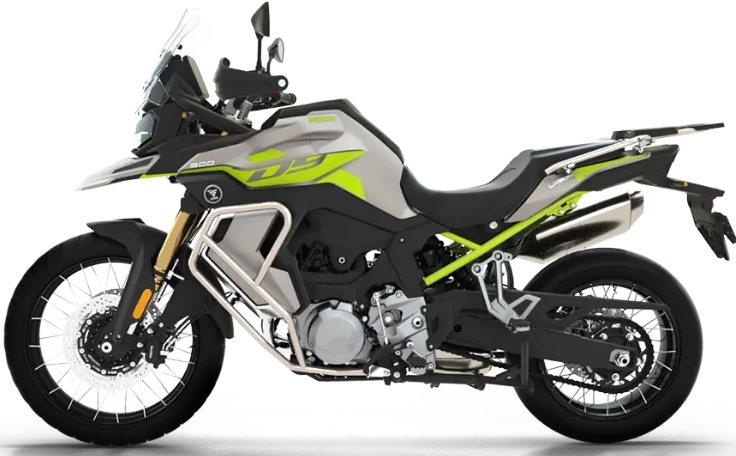
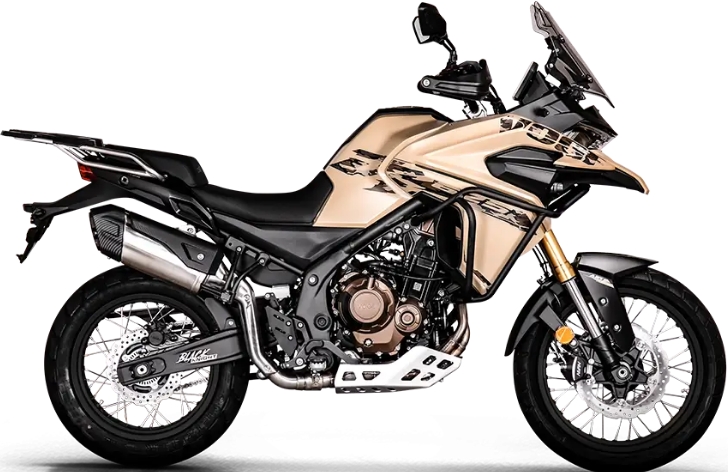
VOGE DS800X Rally

Powertrain Built for Adventure

At the heart of the VOGE DS800X Rally is a 798cc liquid-cooled parallel-twin engine that produces over 90 horsepower, offering the perfect balance of power and control for challenging terrains. Whether you’re powering through steep climbs, maintaining steady speed on gravel roads, or cruising at highway speeds, the engine delivers smooth torque across the rev range. A six-speed gearbox paired with a slipper clutch ensures seamless gear changes, while reducing wheel lock during aggressive downshifts on loose surfaces.

Rugged Suspension and Off-road Readiness

The DS800X Rally is built on a high-strength steel frame with an aluminum swingarm, providing the resilience needed to withstand the shocks and twists of off-road riding. Its long-travel KYB suspension system, fully adjustable at both ends, absorbs bumps, rocks, and ruts with ease. Equipped with 21-inch front and 18-inch rear spoked wheels and all-terrain tires, the motorcycle ensures superior grip and stability on unpredictable surfaces. Generous ground clearance and a reinforced skid plate give riders the confidence to conquer sandy dunes, muddy tracks, or rocky paths without hesitation.

Advanced Technology for Modern Riders

Despite its rugged character, the DS800X Rally integrates modern technology to enhance the riding experience. A full-color TFT display provides essential ride data, while Bluetooth connectivity allows pairing with smartphones for navigation, music, and calls. Dual-channel ABS and switchable traction control adapt the motorcycle’s performance to varying conditions—whether on paved roads or challenging off-road routes—providing riders with both safety and flexibility.

VOGE DS800X Rally Dual Sport Motorcycle

Comfort for Long Journeys

Long-distance off-road adventures require comfort as much as durability. The DS800X Rally offers a wide handlebar and an adjustable windscreen, supporting both upright highway cruising and off-road standing positions. A spacious fuel tank extends range, reducing refueling stops in remote areas. Multiple luggage mounting points and optional panniers make it easy to carry essential gear, further enhancing its touring capability.

Bold and Functional Design

The DS800X Rally is as visually striking as it is functional. Aggressive lines, sharp bodywork, and distinctive LED lighting give it a commanding presence. A high-mounted exhaust improves water fording ability, while handguards and radiator protection shield critical components from flying debris. Every design element underscores its mission: to thrive in demanding off-road conditions.

VOGE DS800X Rally ADV

Final Thoughts

The VOGE DS800X Rally is a gateway to off-road exploration. With its powerful engine, rugged suspension, advanced technology, and rider-focused design, it empowers adventurers to tackle uncharted paths and embrace the unknown. For those who seek the thrill of off-road adventure, the DS800X Rally is more than ready to answer the call.

Sustainable Toilet Paper from Bamboo Fibers

As environmental awareness grows, consumers are seeking eco-friendly alternatives to everyday products. Toilet paper, a necessity in households worldwide, is often overlooked in sustainability discussions. Traditionally made from virgin wood pulp, conventional toilet paper contributes to deforestation and high water consumption. Bamboo toilet paper is emerging as a sustainable solution that balances comfort, hygiene, and environmental responsibility.

Why Bamboo?

Rapid Growth – Bamboo is one of the fastest-growing plants in the world, capable of reaching maturity in just three to five years, compared to decades for traditional trees.

Minimal Resources – It requires little water, no fertilizers, and thrives without pesticides, making it a low-impact raw material.

High Yield – A single acre of bamboo can produce significantly more usable fiber than an acre of trees.

Carbon Absorption – Bamboo absorbs more carbon dioxide and releases more oxygen than many tree species, helping mitigate climate change.

Bamboo Toilet Paper

Environmental Benefits of Bamboo Toilet Paper

Reduced Deforestation – Switching to bamboo fibers helps preserve forests, which play a critical role in biodiversity and carbon storage.

Lower Water Footprint – Bamboo cultivation consumes far less water than hardwood trees used for pulp production.

Biodegradability – Bamboo toilet paper is fully biodegradable and breaks down easily, reducing sewage system strain.

Chemical-Free Options – Many bamboo toilet papers are processed without chlorine bleach or harmful additives, making them safer for both people and the environment.

User Benefits

Softness and Strength – Bamboo fibers produce toilet paper that is both soft and durable, providing comfort without compromising performance.

Hypoallergenic Properties – Naturally antibacterial and hypoallergenic, bamboo toilet paper is suitable for sensitive skin.

Septic-Safe – It dissolves easily, making it safe for septic tanks and plumbing systems.

Bamboo Toilet Tissue Roll

Market Trends and Consumer Shift

Growing consumer demand for eco-friendly household products is driving the expansion of bamboo-based alternatives. Retailers and manufacturers are increasingly offering bamboo toilet paper to meet sustainability goals. As awareness spreads, bamboo toilet paper is expected to capture a larger market share within the hygiene industry.

Challenges to Wider Adoption

Higher Cost – Bamboo toilet paper often costs more than traditional options, which can deter some consumers.

Limited Availability – Not all regions have easy access to bamboo-based products, affecting distribution.

Processing Energy – While bamboo itself is sustainable, processing into paper still requires energy and resources, which must be optimized for true eco-friendliness.

Future Outlook

With continued advancements in eco-friendly manufacturing, tthe production of bamboo toilet paper is becoming more efficient and cost-effective. As sustainability becomes a priority for both consumers and policymakers, bamboo toilet paper is positioned to move from a niche product to a mainstream choice, paving the way for a greener, healthier planet.

Bamboo Toilet Paper Roll

Summary

Bamboo fiber toilet paper represents a sustainable innovation in an everyday necessity. By reducing deforestation, conserving water, and offering a healthier product for consumers, it provides an eco-conscious alternative without sacrificing quality. With increased adoption, bamboo toilet paper has the potential to transform the hygiene industry into a model of sustainability.

Key Innovations in Self-locking Nuts

Self-locking nuts play a critical role in mechanical assemblies by preventing loosening under vibration, thermal cycling, or heavy dynamic loads. Traditionally, these fasteners have relied on friction-based locking mechanisms, but recent advancements in materials science, engineering design, and manufacturing technologies are reshaping their performance, reliability, and applications. Below are the key innovations driving the evolution of self-locking nuts.

All-Metal Prevailing Torque Lock Nuts

1. Advanced Materials and Coatings

Modern self-locking nuts are increasingly manufactured using high-performance alloys, composites, and specialized coatings.

Corrosion-resistant alloys such as stainless steel and titanium extend durability in harsh environments like marine and aerospace.

Dry-film lubricants reduce galling while maintaining locking strength.

Nano-ceramic coatings improve wear resistance and thermal stability.

2. Reusable Locking Mechanisms

A significant innovation lies in developing lock nuts that can withstand multiple tightening and loosening cycles without losing locking effectiveness.

Polymer insert enhancements improve elasticity and extend service life.

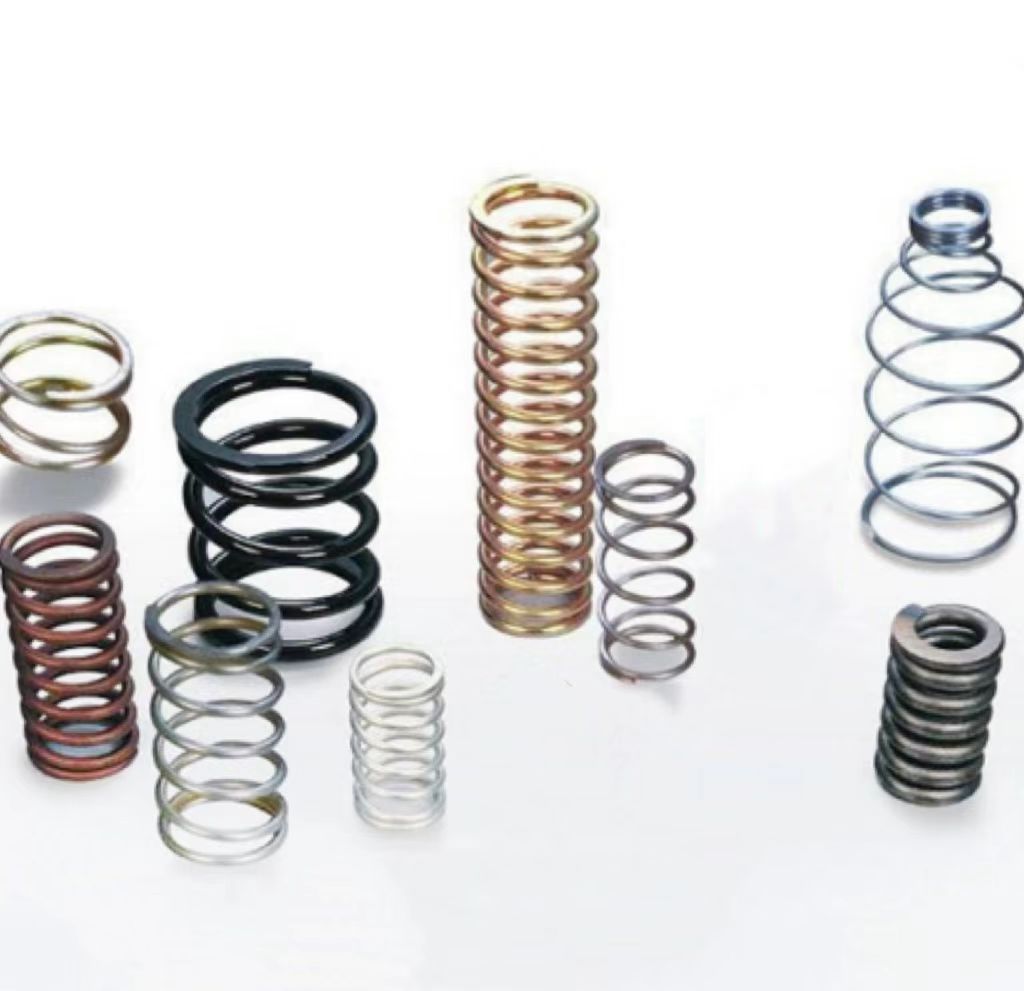
Metal-to-metal locking systems with spring-like elements eliminate the degradation seen in traditional nylon inserts.

Reusability reduces maintenance costs in industries such as automotive and heavy machinery.

self-locking nut

3. Lightweight and Compact Designs

To support modern engineering demands, manufacturers are introducing lightweight, space-saving designs.

Thin-walled self-locking nuts reduce overall assembly weight, which is vital in aerospace and electric vehicles.

Compact locking profiles enable use in confined spaces without compromising safety.

4. Vibration-Resistant Technologies

One of the primary functions of self-locking nuts is vibration resistance, and innovations are advancing this capability.

Wedge-locking technology utilizes tension rather than friction to resist loosening.

Dynamic thread interference designs provide superior performance under continuous vibration.

These improvements are critical in sectors like railways, wind turbines, and military equipment.

5. Smart and Sensor-Integrated Nuts

A frontier innovation is the integration of digital technologies into self-locking fasteners.

Embedded sensors can monitor preload, vibration, and temperature in real time.

Wireless communication systems allow predictive maintenance by alerting operators of potential loosening.

These “smart nuts” are being tested in critical infrastructure and aerospace for enhanced safety assurance.

6. Sustainable Manufacturing and Eco-Friendly Solutions

Sustainability is also shaping innovations in self-locking nuts.

Recyclable polymers are replacing conventional nylon inserts.

Low-energy precision forging reduces carbon footprint during production.

Longer-lasting designs contribute to fewer replacements, lowering material waste.

Nylon Insert Hex Lock Nut Supplier

Summary

Innovations in self-locking nuts are moving far beyond simple friction-based designs. With advancements in materials, reusability, vibration resistance, smart sensing, and sustainability, these essential fasteners are becoming smarter, lighter, and more reliable. As industries such as aerospace, automotive, renewable energy, and construction demand higher safety and efficiency, self-locking nuts will continue to evolve as a cornerstone of secure mechanical assembly.

The Use of Benchtop Centrifuge in Small Laboratories

In modern scientific research and diagnostic facilities, efficiency and space optimization are critical. For small laboratories, where bench space is limited, a benchtop centrifuge offers a compact yet powerful solution for sample separation. These laboratory centrifuges are designed to provide reliable performance without compromising valuable workspace, making them essential for clinical, academic, and industrial laboratories.

What is a Benchtop Centrifuge?

A Benchtop centrifuge is a compact centrifugation device placed directly on the laboratory workbench. It is used to separate fluids, gases, or liquids based on density by spinning samples at high speeds. With various rotor options and speed ranges, benchtop centrifuges can process blood, urine, cell cultures, and other biological or chemical samples efficiently.

TDZ5-WS Benchtop Low-speed Large Capacity Centrifuge

Key Benefits for Small Laboratories

Space-Saving Design

Small laboratories often struggle with limited bench space. A benchtop centrifuge has a compact footprint, allowing laboratories to perform essential sample separation without requiring a large floor-standing machine.

Versatility of Applications

These centrifuges can handle a wide range of tasks, including plasma preparation, DNA/RNA extraction, protein purification, and microbiological studies, making them a versatile tool for multipurpose labs.

User-Friendly Operation

Most benchtop centrifuges are equipped with digital displays, intuitive controls, and pre-programmed settings, which simplify operation even for inexperienced users.

Cost-Effective Solution

Compared to larger centrifuges, benchtop models are more affordable while still delivering accurate and reproducible results, making them ideal for laboratories on a tight budget.

Safety Features

Modern benchtop centrifuges are designed with safety in mind. Features such as imbalance detection, automatic lid locking, and temperature control help ensure secure and reliable operation.

TDL-6MX Intelligent Benchtop Low Speed Refrigerated Centrifuge

Common Applications in Small Laboratories

Clinical Diagnostics – Separation of serum and plasma for blood tests.

Molecular Biology – Extraction and purification of nucleic acids.

Biochemistry – Protein analysis and enzyme studies.

Microbiology – Concentration of microorganisms from cultures.

Environmental Testing – Sediment and particulate analysis in water or soil samples.

Types of Benchtop Centrifuges

Choosing the Right Benchtop Centrifuge

When selecting a benchtop centrifuge for a small laboratory, consider the following factors:

Rotor Type – Fixed-angle rotors for pelleting, or swing-bucket rotors for gradient separation.

Maximum Speed and RCF – Ensure the centrifuge provides sufficient speed for your applications.

Sample Capacity – Match the rotor size to the number and type of tubes commonly used.

Temperature Control – Refrigerated models are ideal for temperature-sensitive samples.

Ease of Maintenance – Simple cleaning and robust construction reduce downtime.

Summary

A benchtop centrifuge is an indispensable tool for small laboratories, combining compact design, reliable performance, and versatility. By choosing the right model, laboratories can enhance their workflow efficiency, improve accuracy in sample processing, and optimize space usage—all without exceeding budget constraints.

Effective Methods to Improve Self-righting in Lifeboats

Self-righting capability is a critical safety feature in modern lifeboats, ensuring that the vessel can automatically return to an upright position after capsizing. This feature significantly enhances survival chances for crew and passengers in extreme marine conditions, where waves, high winds, and sudden impacts can cause overturning. Improving self-righting performance for lifeboats requires advancements in design, materials, and stability systems.

Self-righting Lifeboats

Importance of Self-righting in Lifeboats

Enhanced Safety – Lifeboats that can self-right reduce the risk of entrapment and drowning during emergencies.

Compliance with Standards – International Maritime Organization (IMO) regulations require lifeboats on certain vessels to be self-righting for improved survivability.

Survivor Confidence – A self-righting design reassures crew members and passengers that they are protected in harsh sea states.

Key Strategies to Improve Self-righting

Optimized Hull Design

A rounded or deep-V hull improves buoyancy distribution and promotes automatic rolling back to the upright position.

Wider beam designs can be combined with weight adjustments for better stability.

Ballast Systems

Adding strategically placed ballast, such as weighted keels or low-mounted tanks, lowers the center of gravity.

Modern marine lifeboats use water ballast systems that automatically shift weight to enhance righting moments.

Buoyancy Chambers and Air Pockets

Proper placement of sealed buoyancy chambers on the upper hull ensures lift on the overturned side, forcing the boat upright.

Air-filled canopy structures provide additional buoyancy to counter capsizing forces.

Advanced Canopy and Superstructure Design

Aerodynamic shapes reduce wind overturning forces.

Reinforced, lightweight canopies maintain balance and improve rolling resistance during capsizing.

Use of Lightweight and Strong Materials

Composite materials such as fiberglass-reinforced plastic (FRP) and carbon fiber allow robust yet light structures, improving both buoyancy and stability of FRP lifeboats.

Simulation and Testing Technologies

Computational Fluid Dynamics (CFD) and stability simulations allow engineers to test righting behavior before manufacturing.

Full-scale capsize tests validate performance under real-world conditions.

Totally Enclosed Lifeboat

Future Innovations in Self-righting Lifeboats

Smart Ballast Systems – Using sensors and automated pumps to dynamically adjust ballast for improved stability.

Hybrid Design Approaches – Combining rigid hulls with inflatable stabilizers to increase recovery ability.

I-based Stability Monitoring – Real-time systems that monitor sea conditions and adjust load distribution accordingly.

Energy-efficient Materials – Use of new polymers and composites to improve buoyancy while reducing maintenance.

Advanced Lifeboats

Summary

Improving self-righting in lifeboats is essential for maritime safety, particularly in extreme conditions where overturning risks are high. Through optimized hull design, ballast systems, buoyancy enhancements, and advanced materials, modern lifeboats can achieve superior stability and survivability. Future innovations, including smart technologies and AI-driven stability management, will further enhance the reliability of self-righting systems, ensuring that lifeboats remain a cornerstone of maritime safety.

How Explosion-proof Lighting is Used for LNG Vessels

The maritime industry demands the highest levels of safety, particularly in sectors involving hazardous cargo such as liquefied natural gas (LNG). LNG carriers and tankers operate under strict regulations due to the explosive nature of the gases they transport. One of the critical safety measures in these vessels is the use of marine explosion-proof lighting, which ensures visibility while minimizing ignition risks in hazardous environments.

Importance of Explosion-proof Lighting in LNG Vessels

LNG carriers and tankers operate in environments where flammable vapors may be present. Standard lighting fixtures pose a serious risk of ignition due to sparks, heat, or electrical faults. Explosion-proof lighting is specifically designed to contain any sparks or flames within the fixture, preventing them from igniting surrounding gases. This feature makes it indispensable for ensuring crew safety and compliance with international maritime safety regulations.

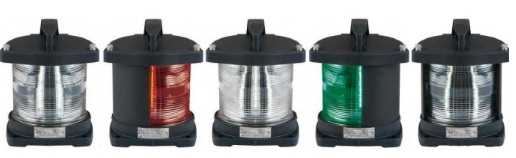
Explosion-proof Lighting for LNG Carriers and Tankers

Design Features of Explosion-proof Lighting

Explosion-proof lighting systems for LNG vessels incorporate specialized engineering to withstand harsh marine and hazardous conditions.

Sealed Enclosures: Fixtures are designed with robust housings that prevent gas ingress, ensuring no flammable vapors can reach ignition points inside the lamp.

Durable Materials: Marine-grade aluminum, stainless steel, or reinforced polycarbonate are commonly used to resist corrosion from seawater and weather exposure.

Temperature Control: Lighting is designed to operate at safe surface temperatures, minimizing the risk of igniting flammable atmospheres.

Shock and Vibration Resistance: Fixtures are built to endure the heavy vibrations and dynamic conditions of LNG carriers and tankers.

Compliance with International Standards

Explosion-proof lighting for LNG vessels must meet stringent certifications to ensure safety in hazardous zones. Standards such as ATEX (Europe), IECEx (International), and UL (North America) provide guidelines for equipment used in explosive atmospheres. Compliance with these certifications ensures that lighting systems can be safely deployed in critical areas such as cargo holds, pump rooms, and deck spaces of LNG carriers.

Benefits Beyond Safety

While safety remains the primary function, explosion-proof lighting also provides operational and economic benefits:

Energy Efficiency: Many advanced LED explosion-proof lights can reduce energy consumption and extend service life.

Reduced Maintenance: Durable designs minimize the need for frequent replacements, an important advantage for vessels at sea.

Improved Visibility: High-lumen output ensures excellent visibility, enhancing crew performance during cargo handling and emergency situations.

Marine Explosion-proof lights for LNG Carriers and Tankers

Future Trends in Explosion-proof Lighting for LNG Carriers

The industry is witnessing a shift toward smarter and more sustainable lighting solutions:

LED and Smart Controls: Advanced LEDs integrated with dimming and remote monitoring capabilities are becoming the standard.

Sustainable Solutions: Increased focus on energy-efficient systems reduces the environmental impact of LNG transportation.

Integration with Automation: Explosion-proof lighting systems may be linked with vessel monitoring systems to provide predictive maintenance alerts.

Summary

Explosion-proof lighting is a cornerstone of safety for LNG carriers and tankers, providing reliable illumination in hazardous environments while minimizing ignition risks. With advancements in LED technology, smart monitoring, and sustainability, these lighting systems are evolving to offer greater efficiency and reliability. As LNG transport continues to expand worldwide, explosion-proof lighting will remain vital in safeguarding vessels, cargo, and crew.

Why Need Low MOQ Plush Toy Manufacturing

In today’s fast-paced market, customization has become a cornerstone of product development. Plush toys, in particular, are no longer limited to mass production for large retail chains. Businesses, startups, and even individual creators are now seeking smaller, more flexible production runs to test ideas, launch limited editions, or cater to niche audiences. This has given rise to low MOQ (Minimum Order Quantity) manufacturing of custom plush toys—a model that bridges creativity and affordability.

What is Low MOQ Manufacturing?

Low MOQ manufacturing refers to the ability to produce products in smaller quantities compared to traditional high-volume production runs. In the plush toy industry, this could mean creating as few as 50 to 200 pieces instead of thousands. This approach makes it easier for smaller businesses, artists, or entrepreneurs to bring their designs to life without being constrained by large order commitments or excessive inventory costs.

Low MOQ Manufacturing of Custom Plush Toys

Benefits of Low MOQ Plush Manufacturing

Lower Financial Risk

With reduced order sizes, businesses avoid tying up capital in massive inventory, minimizing the risk of unsold stock.

Faster Market Testing

Entrepreneurs can test new designs, gauge customer interest, and adjust based on feedback before committing to larger runs.

Flexibility in Design

Low MOQ production enables experimentation with different materials, sizes, and features, making it easier to refine prototypes and explore niche markets.

Accessibility for Small Brands

Independent creators, small retailers, and crowdfunding campaigns can all take advantage of low MOQ manufacturing to launch unique plush collections without requiring large budgets.

Limited Edition Appeal

Smaller production runs create exclusivity, allowing businesses to market plush toys as collectible items and build brand loyalty.

Challenges of Low MOQ Plush Manufacturing

While the benefits are significant, low MOQ production does come with a few challenges:

Higher Per-Unit Cost

Since production is spread over fewer items, the unit price can be higher than bulk manufacturing.

Limited Factory Options

Not all manufacturers are willing to accept small runs, so finding reliable custom plush manufacturers can take time.

Customization Limitations

Some advanced customization techniques in plush toy manufacturing or special fabrics may require higher volumes to be cost-effective.

High-quality Embroidery and Printing for Custom Plush Manufacturing

Applications of Low MOQ Custom Plush Toys

Low MOQ manufacturing has opened opportunities across multiple industries:

Crowdfunding Projects – Creators can offer plush toys as rewards without the burden of large-scale production.

Brand Merchandise – Companies use small plush runs for promotional items or seasonal campaigns.

Art and Design Collectibles – Artists create limited-edition plush toys to showcase their work in physical form.

Special Events and Gifts – Plush toys are produced in small batches for weddings, birthdays, and corporate events.

Niche Retailers – Specialty stores can offer unique plush collections tailored to their target customers.

custom plushies manufacturer

The Future of Low MOQ Plush Toy Manufacturing

As consumer demand shifts toward personalization and exclusivity, low MOQ manufacturing will continue to thrive. Advances in digital design, prototyping, and efficient supply chain management are making small-batch production more accessible than ever. For entrepreneurs, artists, and brands, this trend provides an exciting pathway to bring creativity into the market without overwhelming risks.

How Vision Systems Work for High-speed Printing Inspection

In the printing industry, speed and quality are often in conflict. As presses reach ever higher speeds to meet the demands of packaging, labeling, and commercial printing, the risk of defects and inconsistencies also grows. Vision systems for high-speed printing inspection system have emerged as a transformative solution, enabling real-time monitoring and defect detection to ensure consistent print quality without slowing down production.

Vision Systems

The Role of Vision Systems in Printing

Vision systems use high-resolution cameras, lighting, and intelligent image processing algorithms to monitor printed materials at production speed. They detect imperfections such as misregistration, color deviations, streaks, smears, or missing prints, ensuring that defective products are identified immediately. These web vision inspection systems during printing operations go beyond traditional manual inspections, providing accuracy, repeatability, and the ability to handle massive volumes of data.

Key Technologies Behind Vision Systems

High-speed Cameras – Equipped with global or line-scan sensors, they capture detailed images of printed material at press speeds exceeding hundreds of meters per minute.

Illumination Systems – Optimized lighting, such as LED strobes or coaxial light sources, highlights fine defects in ink, substrate, or alignment.

Image Processing Software – Advanced algorithms analyze captured images in real time, comparing them against reference standards for quick decision-making.

Artificial Intelligence (AI) and Machine Learning – AI enhances defect classification, reduces false alarms, and adapts inspection systems to complex patterns or variable designs.

Integration with Press Controls – Automated rejection systems and feedback loops enable immediate correction, minimizing waste and downtime.

printing quality inspection system

Applications in High-speed Printing

Packaging and Labels – Vision systems detect color inconsistencies, missing texts, or barcode errors in high-volume packaging runs.

Security Printing – In applications such as banknotes and brand protection, vision systems ensure micro-texts, holograms, and fine features are accurately printed.

Commercial Printing – For newspapers, catalogs, and magazines, they maintain consistency in large-scale continuous printing.

Flexible Materials – In film and foil printing, systems monitor distortion or registration shifts caused by substrate stretching.

Benefits of Vision Systems in High-speed Printing

Defect Detection at Production Speed – Ensures that even subtle defects are caught before products reach customers.

Reduction of Waste – Early identification of errors reduces wasted materials and rework.

Enhanced Productivity – Continuous, automated inspection prevents unnecessary press stops.

Improved Quality Assurance – Provides traceability and detailed reports for compliance and customer assurance.

Cost-effectiveness – Long-term savings from reduced manual labor, fewer rejects, and optimized press operation.

precision print inspection system

Future Directions

The next generation of vision systems in printing will integrate more deeply with Industry 4.0 technologies. Predictive analytics will allow printers to forecast and prevent defects before they occur, while cloud-based systems will enable remote monitoring and centralized quality management. Additionally, enhanced AI-driven recognition will further reduce false positives and expand the system’s ability to inspect complex, dynamic designs.

Summary

Vision systems in high-speed printing inspection are redefining quality control standards in the printing industry. By combining advanced optics, intelligent software, and seamless integration with printing equipment, these systems provide real-time assurance of print quality, reduce waste, and support the industry’s increasing demands for speed and precision. As technology evolves, vision 100% print inspection systems will continue to be indispensable for ensuring accuracy and reliability in high-volume printing operations.
How to Ensure Oil and Gas Transportation Safety

The oil and gas industry plays a vital role in powering global economies, but transporting these resources involves significant safety risks. Pipelines, tankers, rail, and trucks are the primary means of transporting crude oil, natural gas, and refined products. Each method carries its own hazards, ranging from environmental threats to worker safety concerns. Ensuring robust oil and gas transportation safety is therefore essential to protect lives, the environment, and infrastructure.

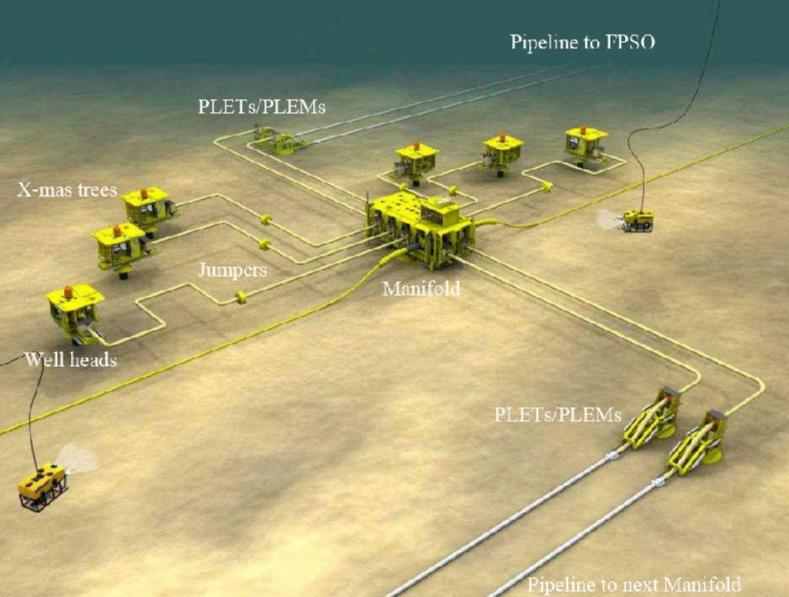
Oil and Gas Transportation Leak Detection

Key Risks in Oil and Gas Transportation

Pipeline Leaks and Ruptures

Pipelines are considered one of the safest transport methods, yet aging infrastructure, corrosion, or mechanical failures can lead to leaks and catastrophic ruptures.

Maritime Accidents

Oil tankers remain crucial in international trade, but they pose risks such as collisions, grounding, and oil spills, which can devastate marine ecosystems.

Rail and Truck Incidents

Transporting oil and gas by rail or truck is flexible but comes with higher accident rates, including derailments, rollovers, and fire hazards.

Security Threats

Sabotage, theft, and terrorist attacks on oil and gas transport infrastructure pose additional safety concerns, particularly in politically unstable regions.

Environmental Hazards

Even small leaks can cause long-term damage to soil, water, and ecosystems, making prevention and rapid response essential.

Safety Measures and Best Practices

Strict Regulatory Frameworks

International and national regulations require stringent inspection, monitoring, and reporting standards to maintain safety in oil and gas transport.

Advanced Monitoring Technologies

Leak detection systems, drones, and real-time data analytics help operators detect anomalies and act quickly before accidents escalate.

Maintenance and Inspection Programs

Regular integrity assessments of pipelines, vehicles, and tankers reduce the risk of equipment failure.

Emergency Preparedness

Companies must have comprehensive response plans, including spill containment, evacuation procedures, and coordination with local authorities.

Workforce Training

Skilled personnel trained in handling emergencies and routine operations are critical to ensuring transportation safety.

The Role of Simulators in Enhancing Oil and Gas Transportation Safety

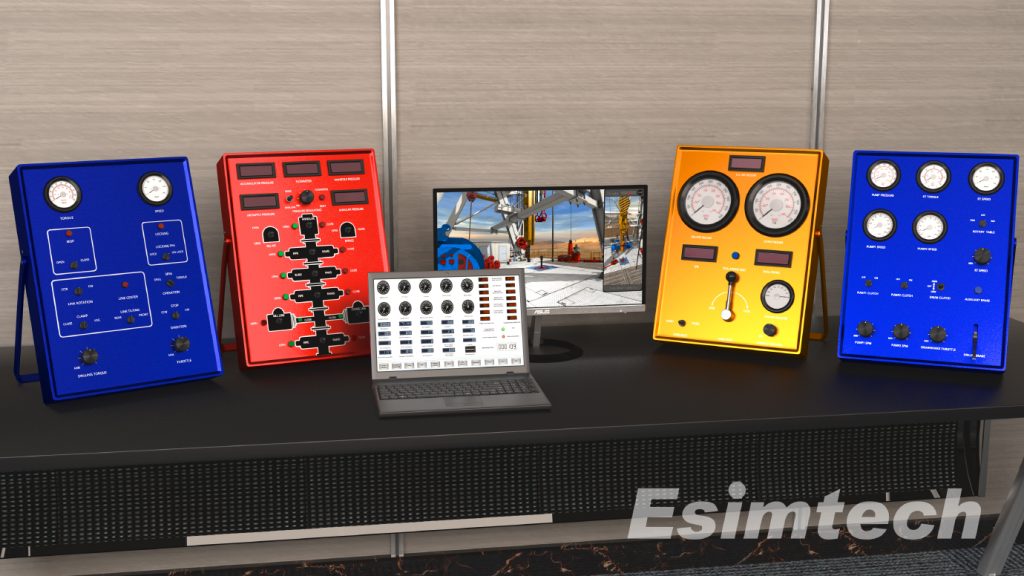
Refined oil LED dynamic flow indication of the Oil and Gas Gathering and Transportation Simulator

One of the most impactful advancements in transportation safety is the use of simulation technology. Oil and gas transportation simulators replicate real-world conditions in a controlled environment, allowing operators to practice responding to emergencies without the associated risks.

Pipeline Operation Simulators

Operators can train on detecting pressure changes, leak scenarios, and equipment failures, improving their ability to respond effectively and prevent accidents.

Marine and Tanker Simulators

Ship captains and crew use simulators to practice navigation in congested waters, emergency maneuvers, collision avoidance, and oil spill response.

Truck and Rail Simulators

Drivers and rail operators can undergo training on handling hazardous cargo, managing vehicle stability, and responding to fire or derailment scenarios.

Emergency Response Simulators

Emergency training simulators allow safety teams to model complex responses, such as containing spills or extinguishing fires, improving real-world preparedness.

Virtual Reality (VR) Training

Immersive VR simulations enhance situational awareness and provide hands-on experience for workers in handling hazardous transport situations.

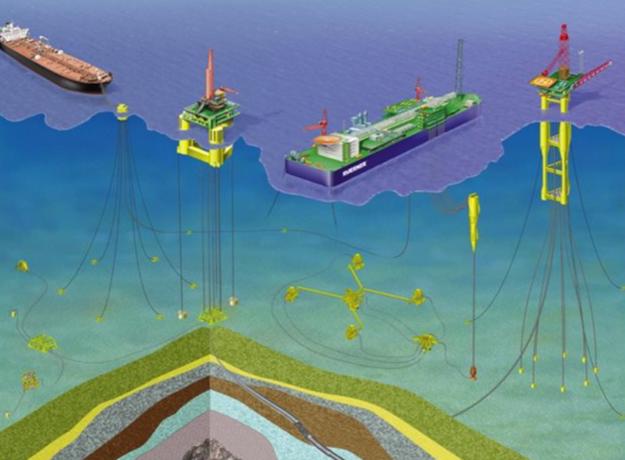
Oil and Gas Transportation

Future Outlook

As oil and gas transportation continues to expand, the integration of advanced safety technologies and simulation training will be critical. Artificial intelligence, predictive analytics, and digital twins are emerging tools that, combined with simulator-based training, will help minimize risks and strengthen industry resilience.

Summary

Oil and gas transportation safety is a multifaceted challenge that demands robust infrastructure, strict regulations, advanced monitoring, and skilled personnel. Among these measures, simulation training has emerged as a transformative tool, equipping operators and workers with the skills to prevent accidents and respond effectively when they occur. By combining technology, regulation, and training, the industry can achieve safer and more sustainable transportation of vital energy resources.

VOGE CU250:A Stylish Cruiser for Urban Riders

The motorcycle industry has been seeing a steady rise in demand for mid and small-displacement cruisers, especially among younger riders and those seeking a balance of style, comfort, and practicality. The VOGE CU250, produced by Chinese manufacturer VOGE, is a model that embodies these qualities, combining modern cruiser aesthetics with reliable performance and user-friendly engineering.

Modern Cruiser Design with Classic Elements

The CU250 adopts a design philosophy that blends classic cruiser DNA with modern refinements. It features a low-slung frame, a comfortable saddle, and forward-set footpegs that offer a relaxed riding posture. Its sculpted fuel tank, bold LED lighting, and stylish alloy wheels give it a premium look, appealing to urban riders who value both function and aesthetics.

Smooth and Efficient Engine

At the heart of the VOGE CU250 is a 250cc single-cylinder engine, tuned to deliver smooth power and excellent fuel efficiency. This makes it an ideal choice for daily commuting as well as weekend rides. The engine strikes a balance between responsive performance for city traffic and a calm cruising character for open roads. Its accessible powerband ensures that both novice and experienced riders can enjoy it with confidence.

Rider Comfort and Practicality

Comfort is a priority in the CU250’s design. The low seat height makes it easy to handle, even for shorter riders, while the ergonomics reduce fatigue during longer rides. VOGE has also paid attention to vibration control, ensuring that the ride remains smooth and enjoyable. Practical features such as digital instrumentation and ample lighting enhance convenience and safety for everyday use.

VOGE CU250 Cruiser Motorcycle

Advanced Components for Confidence

The CU250 is equipped with front and rear disc brakes with ABS, providing dependable stopping power. Its suspension setup, with telescopic forks at the front and twin shock absorbers at the rear, is tuned for stability and comfort over both smooth city roads and less forgiving surfaces. These components make the bike agile enough for traffic yet stable enough for longer cruising.

Affordable Entry into the Cruiser Lifestyle

One of the CU250’s strongest appeals is its affordability without compromising quality. It offers riders an accessible entry point into the cruiser category, making it a great option for those who want the style and feel of a larger cruiser but in a manageable, economical package.

Summary

The VOGE CU250 is more than just a small-displacement cruiser—it’s a statement of style and freedom tailored for urban explorers and new riders. With its comfortable ergonomics, reliable performance, and modern design, it opens the door to the cruiser lifestyle without overwhelming the rider. Whether navigating city streets or enjoying a relaxed weekend ride, the CU250 delivers confidence and enjoyment every time.

通过 WordPress.com 设计一个这样的站点
从这里开始