Why Integrate Microwave Digestion Systems with Different Analytical Instruments

Microwave digestion systems have become indispensable in modern laboratories for preparing samples for elemental and chemical analysis. By rapidly breaking down complex matrices through controlled temperature and pressure, these systems produce clear, homogeneous solutions suitable for precise detection. The next step, integrating microwave digestion systems with various analytical instruments, maximizes accuracy, efficiency, and data reliability in analytical workflows.

TANK 40 Microwave Digestion Workstation

The Role of Microwave Digestion in Analytical Workflows

Microwave digestion serves as a pre-treatment process that dissolves solid, semi-solid, or organic samples into a liquid form compatible with instrumental analysis. It ensures complete decomposition of materials, minimizing matrix effects and improving detection limits. This integration is crucial for obtaining reproducible and accurate analytical results, especially in trace element and environmental testing.

Integration with Inductively Coupled Plasma Optical Emission Spectrometry (ICP-OES)

ICP-OES is one of the most common instruments used after microwave digestion. The digested sample solution can be directly introduced into the plasma for multi-element detection.

Advantages: Fast analysis, wide dynamic range, and good precision.

Integration Benefits: Microwave digestion ensures complete dissolution of elements, reducing interference and matrix-related signal suppression.

Typical Applications: Analysis of metals in soil, wastewater, food, and pharmaceuticals.

Integration with Inductively Coupled Plasma Mass Spectrometry (ICP-MS)

ICP-MS requires extremely clean and completely digested samples to achieve ultra-trace detection. Microwave digestion systems are ideal for producing contamination-free digests suitable for this technique.

ICP-MS DW-SUPEC7000 Inductively Coupled Plasma Mass Spectrometer Manufacturers

Advantages: Sub-parts-per-billion detection, isotopic ratio analysis.

Integration Benefits: Minimizes contamination risk, improves sensitivity and reproducibility.

Typical Applications: Trace heavy metal detection in biological, geological, and environmental samples.

Integration with Atomic Absorption Spectroscopy (AAS)

When combined with Atomic Absorption Spectroscopy, microwave digestion ensures that solid and complex matrices are properly dissolved for accurate metal quantification.

Single Beam AAS and Double Beam AAS

Advantages: Cost-effective and selective detection of metals.

Integration Benefits: Enhanced digestion consistency improves the reliability of AAS calibration and measurement.

Typical Applications: Routine analysis of food, soil, and industrial effluents.

Integration with UV-Visible Spectrophotometry

For spectrophotometric analysis, especially in chemical and environmental testing, microwave digestion prepares clear solutions that eliminate turbidity and matrix interferences.

Advantages: Simple and rapid detection for specific analytes.

Integration Benefits: Ensures chemical homogeneity, allowing accurate optical measurements.

Typical Applications: Phosphate, nitrate, or organic compound analysis in water samples.

Integration with X-ray Fluorescence (XRF) and X-ray Diffraction (XRD)

Though XRF and XRD are primarily used for solid samples, microwave digestion can be part of a hybrid workflow for validating elemental compositions obtained through these techniques.

Advantages: Non-destructive elemental and structural analysis.

Integration Benefits: Allows cross-validation between digested solution analysis and solid-phase characterization.

Typical Applications: Mineral and material composition verification.

Benefits of Integrated Analytical Systems

Integrating microwave digestion systems with analytical instruments brings several key benefits:

Higher Accuracy: Uniform digestion reduces matrix effects and analytical errors.

Improved Efficiency: Automated workflows shorten sample preparation and analysis time.

Enhanced Safety: Closed-vessel digestion minimizes acid exposure and contamination.

Data Consistency: Cross-platform integration supports traceability and reproducibility.

Summary

Integrating microwave digestion systems with analytical instruments such as ICP-OES, ICP-MS, and AAS revolutionizes elemental analysis by enhancing precision, efficiency, and safety. As laboratory technologies continue to evolve toward digital and automated solutions, seamless integration will remain a cornerstone of reliable and high-performance analytical processes.

The Role of Lightweight Life Rafts in Small Vessels

Safety at sea is paramount, and for small vessels such as fishing boats, sailboats, and recreational craft, having an appropriate life raft can make the difference between survival and disaster. In recent years, lightweight life rafts have become increasingly popular due to their compact design, ease of deployment, and reliable performance. These rafts are specifically engineered to provide maximum safety while minimizing weight and storage requirements, an essential consideration for small vessels with limited space and load capacity.

emergency inflatable life raft

The Importance of Lightweight Life Rafts for Small Vessels

Small vessels often operate with restricted deck space and stringent weight limitations. Traditional heavy-duty life rafts, while robust, can be cumbersome and difficult to handle during emergencies. Lightweight life rafts address these issues by combining advanced materials and innovative design features to ensure quick deployment and stability at sea.

Their compact size allows for easy storage in confined areas, such as under seats or in dedicated deck lockers, without compromising vessel balance. Furthermore, the reduced weight makes manual handling easier for one or two people—a crucial advantage during sudden emergencies or rough weather conditions.

Materials and Construction

Modern inflatable life rafts are constructed using high-strength, low-weight materials such as polyurethane-coated nylon or hypalon fabrics. These materials offer excellent resistance to UV radiation, saltwater corrosion, and abrasion, ensuring durability even in challenging marine environments.

The buoyancy tubes are often divided into multiple chambers, providing redundancy in case of puncture. Floors are typically insulated to protect occupants from cold shock and hypothermia, while canopy options can shield survivors from sun, rain, and wind exposure.

davit launched liferaft

Key Features and Design Innovations

Manufacturers of lightweight life rafts are focusing on enhancing safety without adding bulk. Some notable features include:

Automatic Inflation Systems – Utilizing CO₂ cylinders and hydrostatic release units, the raft can inflate within seconds of deployment, minimizing human effort.

Compact Valise or Container Options – Depending on vessel type, rafts can be packed in soft valises for small recreational boats or in hard containers for deck mounting.

Self-righting Capability – Advanced self-inflating Life Rafts ensure the raft automatically turns upright if capsized.

Throw-over Self-Inflating Life Raft

Emergency Survival Equipment – Many rafts come pre-equipped with essential gear such as paddles, signaling mirrors, sea anchors, first-aid kits, and emergency rations.

Thermal Protection and Canopies – Some lightweight rafts include reflective linings and canopies to retain heat and provide environmental protection.

Advantages of Lightweight Life Rafts

Lightweight life rafts provide several advantages for small vessel owners:

Ease of Deployment: Quick to launch and inflate, reducing response time during emergencies.

Portability: Simple to transport, install, and repack after inspection or servicing.

Space Efficiency: Takes up minimal storage space on board.

Compliance: Meets international safety standards such as SOLAS or ISO 9650 for small craft.

Cost-Effectiveness: Generally more affordable to maintain and service compared to larger, heavier life rafts.

Applications in the Marine Industry

These rafts are ideal for:

Recreational Boats – Compact and user-friendly for leisure sailors and yacht owners.

Fishing Vessels – Lightweight construction makes them suitable for coastal or inshore fishing operations.

Patrol and Work Boats – Offers reliable emergency safety for small operational craft.

Tenders and Dinghies – Easily stowable in smaller auxiliary boats for larger vessels.

Maintenance and Inspection

Despite their convenience, lightweight life rafts require regular maintenance to ensure readiness. Owners should follow manufacturer guidelines for periodic servicing, typically every one to three years, depending on the type and certification. Inspections usually involve checking inflation mechanisms, fabric integrity, and emergency supplies. Proper servicing guarantees long-term reliability and compliance with maritime safety regulations.

Summary

Lightweight life rafts represent a critical advancement in maritime safety technology for small vessels. Their balance of portability, reliability, and protection makes them indispensable for modern seafarers. Whether for leisure sailing, fishing, or professional use, equipping a small vessel with a well-maintained lightweight life raft ensures preparedness and peace of mind in the unpredictable marine environment.

Exploring the Common Used Types of Marine Carbin Lighting

Lighting plays a crucial role in ensuring safety, comfort, and functionality aboard any vessel. In marine environments, cabin lighting must withstand harsh conditions such as vibration, humidity, and salt corrosion while providing adequate illumination for various activities. Different types of marine cabin lighting are designed to meet diverse needs—from general lighting to specialized task illumination. Below is an overview of the main types of marine cabin lighting commonly used on boats and ships.

1. Overhead Lights

Overhead lights, often mounted on the ceiling, are the most common type of marine cabin lighting. They provide uniform illumination throughout the cabin and are typically used for general lighting purposes. Modern marine overhead lights use LED technology, offering high brightness, low energy consumption, and long service life. Many are also equipped with dimmable controls to adjust the brightness according to different moods or activities.

TG23-JL Overhead Floodlight

2. Reading and Task Lights

Reading or task lights are designed to provide focused lighting for specific areas, such as navigation desks, bunks, or workstations. These lights usually feature adjustable arms or swivel heads, allowing users to direct the light precisely where needed. LED task lights are popular because they produce minimal heat, making them safe for confined cabin spaces.

3. Ambient and Decorative Lighting

Ambient lighting enhances the overall atmosphere within the cabin, creating a relaxing and pleasant environment. This type of lighting often includes LED strip lights installed under cabinets, around furniture, or along stair edges. In luxury yachts and passenger vessels, color-changing RGB LEDs are used for mood lighting to create various visual effects.

4. Night Lights

Night lights are essential for maintaining visibility during nighttime without disturbing sleep or impairing night vision. These lights typically emit a soft red or blue glow and are installed along walkways, near doors, or in sleeping quarters. Their low-intensity illumination allows safe movement around the cabin while preserving the eyes’ adaptation to darkness.

5. Courtesy and Step Lights

Courtesy lights are small fixtures placed near steps, corridors, and entryways to enhance safety and visibility in low-light conditions. They are often water-resistant and energy-efficient, designed to withstand marine environments. Step lights, a subset of courtesy lighting, illuminate stair treads or deck edges, helping prevent accidents on board.

6. Chart and Navigation Table Lights

Navigation stations require precise and glare-free lighting for reading maps and instruments. Chart lights are designed to provide concentrated illumination over a limited area, often featuring adjustable brightness and color temperature. Many models include a red-light mode to maintain night vision while navigating after dark.

LED Marine Chart Light

7. Emergency and Safety Lights

Emergency lights are critical for safety during power outages or emergency situations. These lights are typically battery-powered or connected to an independent power circuit. They automatically activate when the main power fails, ensuring visibility for safe evacuation. Some systems include exit indicators and low-level path lighting to guide passengers.

8. Accent Lighting

Accent lighting highlights specific design elements or functional areas within the cabin, such as artwork, control panels, or storage compartments. It contributes both to aesthetic appeal and functional visibility, especially in modern yacht interiors where style is as important as utility.

Marine Accent Lighting

Summary

Selecting the right type of marine cabin lighting involves balancing functionality, efficiency, and design aesthetics. LED technology has revolutionized marine lighting systems, offering durability, energy savings, and versatility in illumination options. From bright overhead fixtures to subtle ambient lights, each type of lighting enhances onboard safety, usability, and comfort—ensuring that life at sea remains both efficient and enjoyable.

What are Common Used Types of Keychains

Keychains are everyday essentials that keep keys organized while also serving as stylish accessories or collectibles. From functional designs to decorative pieces, keychains come in countless varieties that cater to different preferences, materials, and uses. Below is an overview of the most popular types of keychains available today.

1. Metal Keychains

Metal keychains are prized for their strength, durability, and elegant appearance. Typically made from stainless steel, brass, or zinc alloy, they are ideal for long-term use. Metal keychains often feature engravings, logos, or polished finishes, making them popular as promotional gifts or luxury accessories. Their solid build ensures they withstand frequent handling and daily wear.

Custom Metal Keychain

2. Acrylic Keychains

Acrylic keychains are among the most popular and versatile styles today. Made from transparent or colored acrylic material, they allow for vibrant printing of images, designs, and artwork on both sides. Because they can be laser-cut into custom shapes, acrylic keychains are widely used for character merchandise, brand promotions, and personal gifts. They are lightweight, affordable, and have a glossy, modern look that makes them appealing to all ages.

Custom Acrylic Keychain

3. Plush Keychains

Plush keychains combine softness with charm. Made from fabric and stuffed materials, these mini plush toys are attached to key rings or clips. Popular among children and collectors, plush keychains often feature animals, cartoon characters, or cute mascots. They are also used by brands to promote products or as limited-edition collectibles. Besides decoration, plush keychains add a touch of personality and fun to bags, backpacks, or car keys.

Custom Plush Keychain Manufacturer

4. Leather Keychains

Leather keychains exude sophistication and durability. Crafted from genuine or synthetic leather, they often feature embossed logos or initials, making them excellent choices for personalized gifts or corporate branding. Their smooth texture and timeless design appeal to those seeking a minimalist yet classy accessory. Over time, the leather develops a unique patina, enhancing its charm.

5. Rubber or Silicone Keychains

Rubber and silicone keychains are flexible, colorful, and ideal for creative designs. Their soft, waterproof nature makes them perfect for outdoor use. Commonly molded into shapes of mascots, logos, or popular figures, these keychains are frequently used for promotional campaigns or themed merchandise.

6. Wooden Keychains

Wooden keychains are environmentally friendly and aesthetically pleasing. They can be carved, engraved, or laser-cut into intricate shapes and personalized designs. Their natural texture gives them a warm, rustic appeal, making them popular as handcrafted gifts or eco-conscious souvenirs.

7. Fabric and Woven Keychains

Fabric keychains, often made from nylon, polyester, or cotton, are lightweight and versatile. They can feature embroidered logos, printed text, or designs, and are commonly used as travel or sports accessories. Woven keychains such as lanyards or key straps are particularly practical for attaching to bags, ID cards, or small tools.

8. LED Keychains

LED keychains integrate a small light source, providing practical illumination in dark environments. They are ideal for everyday carry, outdoor use, or emergency situations. Some LED keychains come with fun color-changing lights or decorative elements, combining utility with style.

9. Bottle Opener Keychains

These multifunctional keychains are popular for their practicality. Made mostly of metal, they include a built-in bottle opener—handy for parties, camping, or everyday use. They are also commonly used as branded promotional giveaways due to their high utility and visibility.

10. Smart Keychains

Smart keychains represent the modern evolution of this classic accessory. Equipped with Bluetooth or GPS tracking, they help users locate misplaced keys through mobile apps. Some even include NFC chips or voice-activated features. Devices like Tile or Apple AirTag have made smart keychains a must-have for those who value convenience and connectivity.

11. Personalized and Souvenir Keychains

Personalized keychains allow for customization with names, initials, or photos, making them meaningful gifts or keepsakes. Souvenir keychains, on the other hand, often represent cities, landmarks, or events—serving as reminders of travel and memorable experiences.

Final Thoughts

From practical metal or smart keychains to cute plush and artistic acrylic designs, keychains come in a vast array of materials and styles to fit every taste and purpose. Whether used for function, fashion, or sentiment, keychains have evolved into personal accessories that express individuality and creativity while keeping essentials close at hand.

Why Vision Systems are More and More Widely Used in Printing Inspection

In the modern printing industry, maintaining accuracy, quality, and efficiency in high-speed production environments is a growing challenge. Vision systems have become an indispensable solution for ensuring consistent print quality, detecting defects in real time, and enhancing overall process control. These systems integrate advanced imaging technologies with intelligent algorithms to perform continuous and precise inspections at remarkable speeds.

Overview of Vision Systems in Printing Inspection

Vision systems in printing inspection are automated image analysis tools that capture, process, and evaluate printed materials at high speeds. The printing inspection systems use high-resolution cameras, LED lighting, and sophisticated software to inspect every printed item, ensuring that colors, patterns, barcodes, and text meet the defined quality standards.

In high-speed printing, where thousands of prints are produced per minute, these systems enable instant error detection—something impossible through manual inspection.

OR-D Web Inspection System

Key Components of Vision Systems

A typical high-speed web inspection vision system for printing quality includes:

High-speed Cameras: Capture detailed images of the printed substrate even at extreme line speeds.

Lighting Units: Provide uniform illumination to enhance contrast and reveal printing defects clearly.

Image Processing Software: Uses algorithms to analyze captured images and compare them to the reference standard.

Control and Feedback Module: Automatically triggers corrections or alarms when deviations are detected.

User Interface: Displays inspection results, allowing operators to review defects and optimize performance.

Together, these components create a robust inspection mechanism capable of detecting issues like color deviation, misalignment, missing print, and smudges in real time.

Print Inspection System for Packaging Bags

How Vision Systems Work in High-speed Environments

The process begins when the printed material passes beneath the vision system’s camera array. The cameras take high-speed snapshots of the moving substrate, often synchronized with the printing press’s movement to avoid motion blur. The captured images are then analyzed by the system’s software, which compares each print with a master template.

When defects such as streaks, registration errors, or ink splashes are detected, the system can instantly flag the print, mark it for rejection, or alert the operator. In more advanced setups, feedback loops are integrated to automatically adjust press parameters, minimizing waste and improving consistency.

Advantages of Using Vision Systems in High-speed Printing

Enhanced Quality Control: Detects the smallest defects invisible to the naked eye.

Reduced Waste: Early error detection prevents large batches of defective prints.

Increased Efficiency: Continuous monitoring enables stable high-speed production with minimal downtime.

Comprehensive Data Collection: Vision systems record inspection data, supporting traceability and process optimization.

Cost-effectiveness: Automation reduces the need for manual inspection, cutting labor costs and material losses.

Applications Across Printing Industries

Vision inspection systems are widely used in various printing applications, such as:

Packaging and Label Printing: The 100% print inspection systems for lable detection ensure accurate text, color, and barcode verification.

Security Printing: The vision inspection systems detect micro-printing and authentication pattern irregularities.

Commercial Printing: The print quality inspection machine maintain image consistency and preventing registration errors.

Electronic Printing: The printing vision system inspect conductive ink layers and alignment accuracy in printed electronics.

Their versatility and adaptability make them valuable across multiple sectors where precision and brand integrity are essential.

print inspection system

Technological Innovations in Vision Inspection

Recent advancements have significantly improved the performance and intelligence of vision systems:

AI-based Image Recognition: Machine learning enables automatic classification and adaptive defect detection.

3D Inspection: Provides depth analysis for embossing, raised prints, or textured surfaces.

Multispectral Imaging: Enhances inspection accuracy by analyzing different wavelength bands.

Edge Computing: Allows for real-time processing directly on the production line, reducing latency.

These innovations continue to push the boundaries of what’s possible in high-speed print inspection.

Future Outlook

As printing technologies evolve toward higher speeds and greater customization, vision systems will become even more critical. Integration with IoT-enabled presses, cloud analytics, and predictive maintenance will turn them into central elements of smart printing factories. The future of print inspection lies in full automation, self-learning algorithms, and seamless process control that ensures zero-defect production.

Summary

Vision systems in high-speed printing inspection represent the convergence of imaging, automation, and artificial intelligence. They not only ensure superior print quality and operational efficiency but also enable data-driven production control. As the printing industry embraces digital transformation, the role of vision systems will continue to expand—driving productivity, sustainability, and precision to new heights.

Why Reservoir Simulation Software is Widely Used in the Oil and Gas Industry

In the complex world of oil and gas exploration and production, accurate prediction of reservoir performance is crucial. Reservoir simulation software has become an indispensable tool for understanding subsurface behavior, optimizing production strategies, and reducing uncertainties in reservoir management. By combining advanced physics, geological modeling, and numerical computation, this software enables engineers to visualize and forecast how hydrocarbons will flow over time under different conditions.

Understanding Reservoir Simulation

Reservoir simulation involves the use of mathematical models to represent the physical and chemical processes occurring within a petroleum reservoir. These processes include fluid flow, pressure variations, temperature changes, and interactions between oil, gas, and water phases. Simulation software uses this data to create a virtual model that mimics the behavior of the reservoir under various production scenarios.

The simulation process starts with geological and geophysical data, which form the basis of the static reservoir model. This model is then coupled with dynamic data such as well production rates and pressure histories to generate a dynamic simulation that can predict reservoir performance.

Software for Reservoir Simulations

Core Functions of Reservoir Simulation Software

Reservoir Characterization

Simulation software integrates seismic data, core samples, and well logs to construct a detailed geological model. This helps in understanding the reservoir structure, porosity, and permeability distribution.

Flow Modeling

It uses advanced algorithms to simulate multiphase fluid flow (oil, gas, and water) through porous media. This allows engineers to study the movement of hydrocarbons under different pressure and temperature conditions.

Production Forecasting

The software enables prediction of future production rates under different development strategies, helping operators plan enhanced oil recovery (EOR) techniques, infill drilling, and field development plans.

Scenario Analysis and Optimization

Engineers can simulate various drilling scenarios, such as changes in injection rates, drilling new wells, or modifying production strategies—to find the optimal approach for maximizing recovery.

Types of Reservoir Simulation Models

Reservoir simulators are typically categorized based on their dimensionality and scope:

Black Oil Models – These simulate the flow of oil, gas, and water using simplified relationships, ideal for conventional reservoirs.

Compositional Models – Used when fluid composition significantly affects reservoir performance, especially in gas condensate and volatile oil reservoirs.

Thermal Models – Applied in heavy oil reservoirs where temperature-dependent processes like steam injection or combustion are involved.

Dual-Porosity and Dual-Permeability Models – Designed for fractured reservoirs where flow occurs in both the rock matrix and fractures.

Reservoir Simulation Software

Benefits of Reservoir Simulation Software

Reservoir simulation software provides a wide range of benefits for exploration and production companies:

Enhanced Decision-Making – Engineers gain a clearer understanding of reservoir dynamics, allowing for more accurate and cost-effective field development plans.

mproved Recovery Efficiency – By testing different recovery techniques virtually, operators can identify methods that maximize hydrocarbon extraction.

Reduced Operational Risk – Simulation reduces the need for trial-and-error field operations, minimizing economic and environmental risks.

Cost Optimization – It helps in evaluating economic trade-offs before implementing costly drilling or recovery projects.

Sustainability Support – Optimized production and reduced wastage contribute to more sustainable resource management.

Reservoir Simulation Software Display

Future Trends in Reservoir Simulation

The next generation of reservoir simulation software is being transformed by digitalization and computational advancements. Key trends include:

AI and Machine Learning Integration – Enhancing predictive accuracy and automating model calibration.

Cloud Computing – Enabling real-time collaboration and scalable computational power for large simulations.

Coupled Surface-Subsurface Models – Integrating surface network modeling with reservoir simulation for end-to-end optimization.

Uncertainty Quantification and Probabilistic Modeling – Providing more reliable forecasts under variable reservoir conditions.

Digital Twin Technology – Creating live digital replicas of reservoirs to monitor and optimize production dynamically.

Summary

Reservoir simulation software plays a pivotal role in the oil and gas industry, bridging the gap between geological interpretation and production strategy. As energy companies face increasing pressure to optimize resources, reduce costs, and minimize environmental impact, the adoption of intelligent and integrated reservoir simulation solutions is accelerating. With ongoing advancements in computing and AI, the future of reservoir simulation promises even greater precision, efficiency, and sustainability in hydrocarbon recovery.

VOGE DS800X Rally: ADV Motorcycle with rally DNA and Strong Value

In the ever-evolving world of adventure bikes, the VOGE DS800X Rally has stirred quite the buzz. Positioned as a mid-weight ADV machine with serious off-road intentions, it comes loaded with specs that punch above its price point. Below is a deep dive into what makes the DS800X Rally both intriguing—and potentially game-changing.

A New Contender in the ADV Arena

VOGE, a brand under the Chinese manufacturer Loncin, has been steadily expanding its presence in the adventure/motorcycling market. The DS800X Rally is their bold entry into the so-called “rally” or “raid-inspired” segment—more aggressive, more off-road capable, and more feature-rich than a standard adventure bike.

What’s remarkable is how VOGE is packaging high-end features at a competitive price. In the UK, the DS800X Rally’s launch price is set at £6,999 + £200 OTR.

Let’s peel back the layers and examine the core specs and features that justify the buzz.

VOGE DS800X Rally

Heart & Powertrain

Engine type: 798 cc, liquid-cooled, DOHC, 8 valves, parallel-twin

Power output: 93.8 hp (≈ 70 kW) @ 9,000 rpm

Torque: 81 N·m @ 6,500 rpm

Transmission: 6-speed with hydraulic slipper clutch

Firing order/character: The motor uses a 270° firing interval

This engine places the DS800X Rally directly in the competitive mid-weight ADV category—enough grunt for highway cruising, but with enough flexibility for off-road torque.

Chassis, Suspension & Geometry

Frame & Swingarm: Double-cradle steel frame with cast-aluminum swingarm

Front suspension: KYB 43 mm inverted forks, fully adjustable, 200 mm travel

Rear suspension: KYB monoshock with preload and damping adjustments, 190 mm travel

Ground clearance: 220 mm

Wheelbase & dimensions: 1,576 mm wheelbase; overall size 2,380 × 915 × 1,450 mm

Wet weight: 213 kg (net / ready to ride)

These numbers suggest the Rally is built to handle rough terrain while retaining on-road manners. Its suspension travel is generous for this segment, and the ground clearance is very competitive.

VOGE DS800X Rally ADV

Wheels, Tires & Brakes

Wheels: Spoked (cross) wheels with tubeless setup — 21″ front, 18″ rear

Tires: Pirelli Scorpion Rally STR — designed to straddle between road and trail use

Brakes (front): Dual 298 mm discs + four-piston radial Nissin calipers with ABS

Brake (rear): Single 240 mm disc + Nissin caliper

ABS/electronics: Dual-channel ABS and traction control (TCS), both of which can be switched off or modulated for off-road usage

Other aids: Tyre pressure monitoring (TPMS), riding modes, switchable ABS behavior, etc.

This setup gives the DS800X Rally a balanced approach: confident stopping for road work, with flexibility to dial out ABS aids when dirt calling.

Electronics, Comfort & Features

What sets the Rally apart are the features that are often optional on rivals:

Instrument cluster: 7-inch full color TFT display, portrait orientation

Connectivity: Bluetooth / smartphone pairing, USB-A & USB-C ports

Heated grips & heated seat: Fitted as standard

1080p dash camera: Integrated forward-facing camera with audio recording, stored via microSD (fitted under seat)

LED lighting: Full LED headlight, tail, indicators, and additional DRL / spot lights

Auxiliary hardware: Engine bars, bash plate/skid plate, handguards, foldable mirrors (vertical folding)

Switch gear & controls: Backlit controls, mode toggles, etc.

These extras push the VOGE DS800X Rally closer to premium offerings; VOGE seems to aim at giving “full spec out of the box” rather than making riders choose expensive options later.

Real-World Impressions & Caveats

From early test rides and media coverage, some patterns emerge:

What’s working well:

The suspension feel is praised: absorbing harsh terrain while maintaining composure on the road.

Ergonomics strike a good balance: comfortable for seated touring, while still practical when standing on off-road stretches.

Some reported quirks or limitations:

Throttle sensitivity: On dirt sections, small inputs can translate into abrupt power delivery. Riders suggest a need for delicate throttle control or slightly altered mapping.

ABS behavior off-road: Even when ABS is active only at the front, its programming still feels road-biased, sometimes interfering with braking in loose terrain.

As with many debut machines, long-term reliability, parts availability, and servicing remain unproven at the time of writing.

Off-roading tire of VOGE DS800X Rally

Summary

The VOGE DS800X Rally is more than just a concept or marketing buzz machine. On paper and in early rides, it delivers an impressive bundle: a robust mid-size powerplant, serious suspension geometry, and a stacked feature set rarely seen at its price. It’s not without areas of refinement, especially in throttle response and ABS tuning off-road—but for riders seeking an ADV bike with rally DNA and strong value, it stands out.

Why Use Quick-drying Designs for Hand Paper Towels

Hand paper towels are an essential hygiene product in public restrooms, healthcare facilities, restaurants, and households. One of the key performance factors in their effectiveness is how quickly they can dry hands. Quick-drying designs in hand paper towels not only improve user satisfaction but also enhance hygiene and reduce environmental impact.

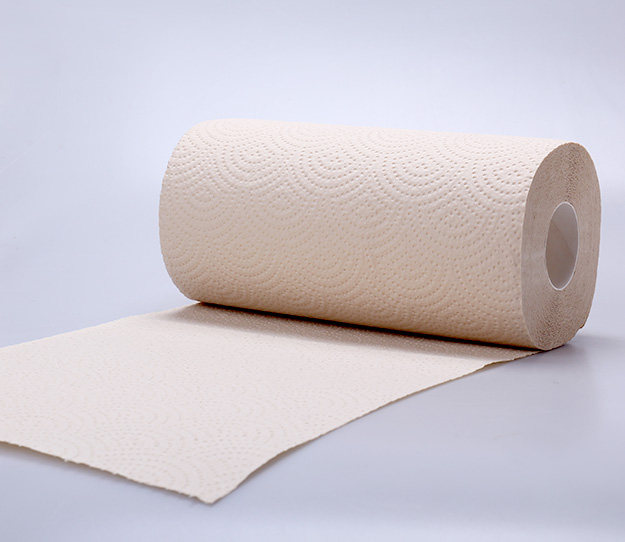
Quick-drying Design in Hand Paper Towel

Importance of Quick-drying Designs

Hygiene and Health

Faster drying reduces the risk of bacteria transfer, as damp hands can spread microorganisms more easily. Quick-drying paper towels promote better sanitation compared to slower-drying options.

User Comfort

People prefer towels that dry hands effectively with fewer sheets. Quick-drying designs minimize the need for repeated use, saving time and providing a cleaner, more convenient experience.

Cost and Environmental Efficiency

When paper towels dry hands efficiently, users consume fewer sheets. This not only reduces costs for businesses but also lowers paper waste, contributing to sustainability goals.

Hand Paper Towels

Design Innovations in Quick-drying Paper Towels

Fiber Composition

Advanced blends of virgin and recycled fibers are engineered for higher absorbency. Fibers are treated or structured to wick moisture quickly, pulling water away from the skin in seconds.

Embossing Patterns

Unique embossing designs increase surface area, improving both absorbency and texture. Patterns like honeycomb, wave, or quilted embossing enhance the towel’s ability to trap and distribute water.

Layered Constructions

Multi-ply or hybrid ply paper towels balance softness and strength with superior absorption. Some designs feature a rapid-absorbing top layer and a durable backing layer to prevent tearing.

Air-drying and Creping Techniques

Manufacturing processes for paper towels, such as Through-Air Drying (TAD) and micro-creping improve porosity and absorbency speed. These techniques create bulkier, more absorbent sheets that remain strong when wet.

Eco-focused Coatings and Additives

Some quick-drying towels integrate natural additives or biodegradable coatings that enhance absorbency without compromising recyclability or compostability.

N-fold Hand Paper Towel

Applications of Quick-drying Towels

Public Facilities: Airports, schools, and shopping centers benefit from efficient hand-drying solutions to reduce restroom congestion.

Healthcare: Hospitals and clinics rely on hygienic, fast-drying paper towels to minimize cross-contamination risks.

Food Service: Restaurants require quick-drying paper towels to ensure staff and customers maintain high standards of cleanliness.

Home Use: Families appreciate the convenience of fast-drying towels for everyday hygiene.

Future Outlook

The demand for quick-drying paper towels is expected to grow alongside heightened awareness of hygiene and sustainability. Future innovations will likely focus on:

Biodegradable yet high-performance bamboo fibers for eco-friendliness.

Smart embossing technologies optimized for maximum absorption with minimal material use.

Hybrid drying solutions, combining disposable towels with air-assisted dispensers for faster, greener hand drying.

Quick-drying designs in hand paper towels represent a balance between hygiene, user convenience, cost efficiency, and sustainability. By focusing on fiber science, manufacturing innovations, and eco-conscious development, manufacturers continue to enhance the effectiveness of one of the most widely used hygiene products worldwide.

Why Self-tapping Screws are More and More Widely Used

Self-tapping screws are among the most widely used fasteners in industries ranging from construction and automotive to electronics and household repairs. Their unique design allows them to create their own mating threads in the material, eliminating the need for pre-threaded holes or additional tapping tools. This convenience makes them essential for efficient assembly and secure fastening.

What Are Self-Tapping Screws?

A self-tapping screw is a type of fastener that forms its own internal threads as it is driven into a material. Unlike standard screws, which require a pre-tapped hole, self-tapping screws cut or form threads into the substrate during installation. They are especially effective in metals, plastics, wood, and composites.

self-tapping screws

Key Features of Self-Tapping Screws

Thread-Cutting Ability – Their sharp threads and pointed tips allow them to cut into materials with minimal effort.

Secure Hold – Once installed, the threads grip tightly, offering excellent resistance to loosening.

Versatility – Suitable for metals, plastics, and softer materials like wood.

Variety of Head Styles – Available in pan head, flat head, hex head, and other styles to fit different applications.

Durability – Often manufactured from hardened steel, stainless steel, or coated with zinc for corrosion resistance.

Types of Self-Tapping Screws

Thread-Forming Screws – Designed to displace material without cutting, often used in plastics to minimize cracking.

Thread-Cutting Screws – Equipped with cutting edges at the tip that remove material to form threads, commonly used in metals.

Self-Drilling Screws – Feature a drill-like tip that eliminates the need for pre-drilling, ideal for sheet metal and structural applications.

Hexagon Head Self-drilling Screws

Wood Self-Tapping Screws – Optimized for wood fastening, often with coarse threads for stronger grip.

Applications of Self-Tapping Screws

Construction – Used in roofing, metal framing, and drywall installation.

Automotive Industry – Fastening plastic, sheet metal, and interior components.

Electronics – Securing circuit boards and casings without damaging delicate materials.

Furniture Assembly – Easy installation into wood and composite materials.

Household Repairs – Convenient for quick fixes without requiring specialized tools.

Advantages of Using Self-Tapping Screws

Reduced installation time since no pre-tapping is needed.

Strong, reliable fastening with minimal loosening.

Wide availability in various sizes, materials, and head designs.

Cost-effective solution for mass production and DIY projects.

Considerations When Using Self-Tapping Screws

Material Compatibility – Ensure the screw is designed for the substrate (metal, wood, or plastic).

Pilot Hole Requirement – Some applications may still require a pilot hole to prevent material cracking.

Torque Control – Over-tightening can strip the threads or damage the substrate.

Corrosion Resistance – Use zinc-nickel coated screws in outdoor or moisture-prone environments.

Zinc-nickel coated cross hexagon flange self-tapping Screw supplier

Final Thoughts

Self-tapping screws are a versatile, efficient, and reliable fastening solution widely applied across industries. With their ability to form threads during installation, they save time, reduce labor, and provide secure joints in a variety of materials. Whether in large-scale industrial use or small DIY projects, self-tapping screws remain an indispensable component in modern fastening technology.

The Use of XRD in Amorphous and Crystalline Polymers

Polymers exhibit a wide range of structural organizations, from highly ordered crystalline regions to disordered amorphous domains. This duality in structure significantly affects their physical, mechanical, and thermal properties. X-ray diffraction (XRD) has become one of the most powerful techniques to characterize the structural arrangement in polymers, providing critical insights into their crystallinity, molecular packing, and amorphous content.

DW-XRD-Y3500 X-ray Diffractometer

Principles of XRD in Polymers

XRD works by directing X-rays at a polymer sample and detecting the diffraction pattern produced as the rays interact with the material’s atomic arrangement. In crystalline polymers, the ordered packing of chains produces sharp diffraction peaks. In contrast, amorphous polymers lack long-range order, resulting in broad diffuse halos instead of distinct peaks. By analyzing these patterns, researchers can quantify the degree of crystallinity, identify polymorphic structures, and assess orientation in processed polymers.

XRD in Crystalline Polymers

Crystalline polymers, such as polyethylene (PE) and polypropylene (PP), show distinct diffraction peaks that reveal the unit cell parameters and the molecular packing of chains. XRD allows researchers to:

Measure crystallinity – By integrating the crystalline peak areas relative to the amorphous background, the crystallinity percentage can be determined.

Identify polymorphs – Different crystal structures (e.g., α, β, γ forms in polypropylene) can be distinguished.

Study orientation – Fiber and film samples often exhibit preferred orientation of crystallites, which XRD can characterize through pole figure analysis.

These insights are critical in tailoring polymer properties such as tensile strength, barrier behavior, and thermal stability.

Crystalline Polymer Phases

XRD in Amorphous Polymers

Amorphous polymers, such as polystyrene (PS) or polycarbonate (PC), display broad halos in their XRD patterns. Although they lack long-range periodicity, XRD can still provide valuable information:

Short-range order – Even in amorphous states, local packing of polymer chains can be assessed from the position of the broad halo.

Glass transition behavior – Changes in halo position or width upon heating can reflect structural relaxation near the glass transition temperature.

Comparison with semicrystalline systems – By separating the diffuse background from crystalline peaks, XRD aids in quantifying the amorphous fraction in partially crystalline polymers.

Applications in Polymer Science and Industry

The use of XRD in polymers extends across multiple fields:

Polymer development – Determining crystallinity levels helps in designing materials with desired mechanical and optical properties.

Quality control – In industrial production, XRD verifies structural consistency of polymer batches.

Processing optimization – By analyzing crystallization during extrusion, injection molding, or annealing, manufacturers can refine processing conditions.

Nanocomposites and blends – XRD is used to examine the dispersion of nanoparticles and phase separation in polymer blends.

DW XRD Y3000 Model X Ray Diffraction Instrument

Future Perspectives

With advances in synchrotron radiation and time-resolved XRD, researchers can now monitor polymer crystallization in real-time, providing deeper insights into nucleation and growth kinetics. Small-angle X-ray scattering (SAXS), when combined with wide-angle XRD (WAXD), further enhances the ability to study hierarchical structures from nanometer to micrometer scales. Such techniques are opening new pathways for the design of advanced functional polymers.

Summary

XRD remains an indispensable tool in characterizing both amorphous and crystalline polymers. By providing information on crystallinity, polymorphism, molecular orientation, and short-range order, it bridges the gap between structure and performance. As polymers continue to evolve into more complex architectures, XRD will remain at the forefront of polymer research and industrial application.

通过 WordPress.com 设计一个这样的站点
从这里开始