5 Key Points to Understanding A Centering Web Guide System

In industries such as printing, packaging, textiles, and battery manufacturing, the accurate positioning of moving materials—commonly known as webs—is essential. Whether it’s a roll of paper, film, foil, or fabric, even the slightest misalignment can result in material waste, machine downtime, and product defects. This is where the centering web guide system becomes an indispensable solution, designed specifically to keep the web centered as it moves through various processing stages.

S1000 Pro Type Centering Web Guide System

What Is a Centering Web Guide System?

A Centering Web Guide System is a type of automatic web alignment system that detects and corrects the lateral position of a web, keeping it aligned to a predetermined centerline. Unlike edge-guiding or line-following systems, which track the web’s edge or printed mark, the centering guide adjusts the web so that it is symmetrical around the center axis of the process line.

This system is especially useful in processes where bilateral symmetry is critical, such as laminating, slitting, or coating applications.

Key Components of a Centering Web Guide System

Sensors: Photoelectric, ultrasonic, infrared, or CCD cameras are used to detect the actual position of the web. Dual web guiding sensors placed on each side measure deviations from the center.

Controller: The web guide controller receives input from the sensors and calculates the necessary corrections. It sends signals to actuators or motors to realign the web.

Actuators: Typically, stepper motors or hydraulic/pneumatic cylinders are used to move the guide mechanism and keep the web centered.

Guide Mechanism: This may include pivoting frames, shifting rollers, or moving tables that physically adjust the web path to maintain center alignment.

controller of S1000 Pro Type Centering Web Guide System

How It Works

As the web passes through the guide system, the sensors continuously monitor the material’s position. If the web begins to drift off the centerline, the controller detects this deviation and sends correction commands to the actuators. The guide mechanism then adjusts the web path, bringing the material back to its centered position. This feedback loop ensures constant, real-time alignment with high accuracy.

Advantages of Centering Web Guide Systems

Improved Product Quality: Keeps web materials aligned, reducing defects in processes like laminating, printing, or slitting.

Reduced Waste: Minimizes material loss due to misalignment, helping lower production costs.

Higher Throughput: Allows faster line speeds with less need for manual intervention.

Consistent Symmetry: Crucial for products that require center-based accuracy, such as multilayer laminates or symmetrical packaging.

Automation Integration: Can be seamlessly integrated into fully automated production lines with centralized control systems.

Applications Across Industries

Flexible Packaging: For centering plastic film rolls during printing or lamination.

Textile Manufacturing: To ensure symmetrical coating or embossing.

Lithium Battery Production: Maintaining alignment during electrode coating or stacking.

Labeling and Wrapping: For consistent wrapping and sealing of products.

Paper Converting: Ensures centered printing or cutting in high-speed roll-to-roll applications.

Component of S1000 Pro Type Centering Web Guide System

Final Thoughts

The Centering Web Guide System plays a pivotal role in modern web-handling environments by maintaining precise material alignment. Its ability to continuously monitor and adjust web position improves operational efficiency, reduces waste, and guarantees product consistency. As industries increasingly rely on automation and precision, centering web guide systems are not just a convenience—they are a necessity for quality-driven production lines.

Exploring the Types of Marine Searchlights: How to Choose

Marine searchlights play a vital role in ensuring safety, navigation, and operational efficiency at sea. Whether mounted on commercial ships, naval vessels, fishing boats, or rescue craft, these powerful lights are designed to cut through darkness, fog, and harsh weather conditions. With various models tailored to different maritime applications, understanding the types of marine searchlights is essential for selecting the right one based on vessel size, operational needs, and environmental conditions.

TG3-AN Marine Signal Searchlight

Halogen Searchlights

Halogen searchlights have been a long-standing standard in marine lighting due to their affordability and reliability. These lights produce bright, white illumination and are widely used on small to medium-sized vessels. While they offer good performance, halogen bulbs have a shorter lifespan and higher energy consumption compared to modern alternatives. They are best suited for tasks requiring intermittent use rather than continuous operation.

Xenon Searchlights

Xenon searchlights provide an extremely powerful beam with high intensity and long range, making them ideal for large ships and critical maritime operations such as search and rescue or military patrol. The xenon arc lamp produces a bright white-blue light that can penetrate fog and darkness effectively. Although more expensive and requiring specialized components, xenon lights are favored where visibility over long distances is crucial.

LED Searchlights

LED (Light Emitting Diode) searchlights represent the most energy-efficient and long-lasting option available today. These LED searchlights have rapidly gained popularity due to their low power consumption, durability, and minimal maintenance. LED searchlights offer precise beam control, variable brightness, and instant on/off capability, making them ideal for both continuous use and emergency scenarios. They are suitable for vessels of all sizes, including modern commercial fleets and advanced patrol boats.

TZ2-A Automatic LED Marine Searchlight

Infrared (IR) Searchlights

Infrared searchlights are designed for use in conjunction with night vision systems. While they are invisible to the naked eye, they allow cameras and night vision goggles to see in total darkness. These lights are often used in surveillance, security, and military applications where covert operations are required. IR searchlights are typically mounted on naval vessels, coast guard ships, or high-security private yachts.

Remote-Controlled Searchlights

Remote-controlled marine searchlights can be adjusted in direction and beam intensity from a control panel located on the bridge or through wireless systems. These lights enhance convenience and operational safety, especially in rough weather or during nighttime navigation. Many remote-controlled units now integrate LED or xenon technology and offer features such as programmable sweep patterns or auto-park functions.

Wireless Remote Control LED Searchlight

Manually Operated Searchlights

Though less advanced, manually operated searchlights remain relevant for small vessels or applications where simplicity and cost-effectiveness are key. They are often mounted on a swivel base and require physical positioning. These are commonly found on fishing boats, recreational vessels, and backup systems on larger ships.

Choosing the Right Searchlight

Selecting the appropriate marine searchlight depends on several factors, including the size of the vessel, range requirements, power availability, and intended use. For example, a fishing trawler operating in dense fog may benefit from a xenon searchlight, while a patrol boat requiring high efficiency and long service life might opt for LED. In high-risk or security-sensitive missions, infrared or remote-controlled searchlights can provide superior operational advantages.

Summary

Marine searchlights are indispensable tools that serve as the eyes of vessels navigating dark and unpredictable waters. With a range of technologies and functionalities available—halogen, xenon, LED, IR, remote-controlled, and manual—operators can find a solution tailored to their unique maritime environment. As lighting technologies evolve, marine searchlights continue to enhance safety, visibility, and mission success at sea.

Effective Steps for Installing Cage Nuts

Cage nuts are essential fasteners used in server racks, equipment enclosures, and mounting frames to securely attach hardware while allowing easy adjustments. These nuts consist of a square nut housed in a spring steel cage, which clips into square mounting holes. Their primary advantage is their ability to accommodate different thread types while providing a secure grip for screws.

Cage Nuts

Proper installation of cage nuts ensures stable equipment mounting, reduces damage risks, and allows for easy replacement. Whether you’re assembling a server rack, industrial cabinet, or telecom enclosure, following the correct installation process is crucial for a reliable setup.

Why Use Cage Nuts?

Cage nuts offer several benefits over traditional threaded holes:

Flexibility: They allow different screw types (e.g., M6, M8, 10-32, or 12-24) to be used in universal square holes.

Replaceability: Damaged nuts can be swapped out without replacing the entire rack.

Stronger Grip: The floating nut design provides better alignment and secures heavy equipment firmly.

Vibration Resistance: The cage structure helps absorb vibrations, reducing the risk of screws loosening over time.

Cage Nut Manufacturer</p

Tools and Materials Required

Before installing cage nuts, gather the following:

Cage nuts (correct size for your rack and screws)

Cage nut insertion tool (optional but recommended for ease of installation)

Flathead screwdriver or pliers (if no tool is available)

Appropriate screws for your mounting application

How to Install Cage Nuts

1. Identify the Correct Mounting Holes

Locate the square holes in the rack or mounting frame where the equipment will be installed. Ensure they align with your hardware’s mounting points.

2. Position the Cage Nut

Hold the cage nut with the nut section facing outward and the spring tabs positioned inside the square hole.

3. Insert One Side First

Using your fingers or a cage nut tool, insert one side of the nut’s cage tabs into the hole first.

4. Compress and Snap Into Place

Press the opposite side of the cage nut’s tabs inward while pushing it into the hole. The spring tension will hold the nut firmly in place. If you’re using a cage nut tool, hook the nut, squeeze the handles, and press it into the hole for easier installation.

5. Check for Stability

Ensure the nut is securely clipped in place by gently pulling on it. The nut should stay fixed without moving or coming loose.

Custom Cage Nuts

Tips for Easier Installation

Use a cage nut tool to prevent hand injuries and reduce installation effort.

Wear gloves when handling cage nuts to avoid pinched fingers.

Plan equipment positioning before installing nuts to reduce unnecessary adjustments.

Choose the correct size for your rack (commonly M6 for server racks, 10-32 for telecom racks).

Final Words

Installing cage nuts correctly ensures secure, flexible, and durable hardware mounting in server racks and enclosures. Using the right tools and following proper techniques makes the process safe and efficient. Whether setting up IT infrastructure, industrial equipment, or audio-visual systems, cage nuts provide a reliable fastening solution that enhances rack stability and longevity.

What are Different Types of Lab Mixers: How to Choose the Right Type

Lab mixers are fundamental tools used in scientific research, pharmaceuticals, chemical processing, and material testing to ensure consistent and uniform mixing of liquids, powders, and other substances. These mixers play a crucial role in preparing solutions, emulsions, suspensions, and other mixtures required for various analytical and experimental procedures. With a range of designs and functionalities, selecting the right lab mixer depends on mixing speed, viscosity, volume capacity, and specific application requirements.

The Importance of Lab Mixers in Scientific Research

Laboratory experiments and industrial processes often require precise and controlled mixing to achieve the desired reaction, solubility, or consistency. Lab mixers are designed to meet these needs by providing efficient blending, agitation, and homogenization of different materials.

In fields such as biotechnology, pharmaceuticals, chemistry, and food science, reliable mixing is essential for:

Sample preparation for analytical testing

Chemical synthesis and reaction processes

Homogenization of biological samples

Dissolution of powders into liquids

Development of stable emulsions and suspensions

The right lab mixer ensures that materials are mixed thoroughly and reproducibly, leading to accurate and repeatable experimental results.

Types of Lab Mixers and Their Applications

Lab mixers come in various types, each suited to different applications and material properties. The choice of mixer depends on factors such as viscosity, sample volume, and the type of mixing required.

1. Magnetic Stirrers

Magnetic stirrers use a rotating magnetic field to spin a stir bar placed inside a liquid sample. They are ideal for low-viscosity liquids and small-volume applications.

LED Digital Magnetic Hotplate Stirrer MS7-H550-S

Common applications: Dissolving solutes, gentle mixing of aqueous solutions, temperature-controlled mixing when used with a hotplate.

2. Overhead Stirrers

Overhead stirrers are powerful mixers that use mechanical impellers to mix larger volumes and higher-viscosity substances.

Overhead Stirrer

Common applications: Polymer mixing, chemical synthesis, paint and ink formulation, biological suspensions.

3. Vortex Mixers

Vortex mixers create a circular motion in a small liquid volume, commonly used for quick sample mixing in test tubes and vials.

Common applications: Cell culture preparation, DNA/RNA sample mixing, protein dissolution.

Types of Vortex Mixers

4. Shakers and Rockers

Shakers and rockers use orbital, linear, or tilting motions to mix multiple samples simultaneously.

Common applications: Blood sample mixing, gel staining, enzyme reactions, microbiological culture preparation.

5. Homogenizers

Homogenizers apply high shear forces to break down particles or cell structures, producing uniform suspensions or emulsions.

Common applications: Tissue homogenization, emulsification, drug formulation, nanoparticle synthesis.

6. Ultrasonic Mixers

Ultrasonic mixers use high-frequency sound waves to break down particles and disperse substances uniformly.

Common applications: Cell disruption, nanoparticle dispersion, degassing of liquids.

Key Factors to Consider When Choosing a Lab Mixer

Selecting the right lab mixer depends on several factors that impact mixing efficiency, sample integrity, and overall experimental success.

1. Sample Volume and Viscosity

Small-volume, low-viscosity samples require magnetic stirrers or vortex mixers.

Large-volume, high-viscosity samples are better suited for overhead stirrers or homogenizers.

2. Mixing Speed and Control

Adjustable speed control is essential for applications requiring precise mixing, such as chemical synthesis or biological sample preparation.

Variable speed options allow flexibility in different mixing processes.

3. Temperature Requirements

Some experiments require heat-controlled mixing, making hotplate stirrers or temperature-controlled shakers ideal choices.

If heat-sensitive samples are involved, low-heat generating mixers like overhead stirrers are preferred.

4. Compatibility with Different Vessels

Consider the type of container being used (beakers, test tubes, flasks) to select a mixer with appropriate compatibility.

Some mixers, like vortex mixers and shakers, are designed for multi-sample processing.

5. Application-Specific Requirements

For cell culture and microbiology, gentle mixers like rockers and orbital shakers prevent cell damage.

In chemical research, high-power homogenizers and ultrasonic mixers help achieve consistent sample dispersion.

Advancements in Lab Mixer Technology

Modern lab mixers are equipped with digital controls, programmable mixing modes, and automation features to enhance efficiency and reproducibility. Some key advancements include:

Digital speed control and LCD displays for precise settings.

Programmable mixing cycles for consistent results.

Wireless and remote control for integration into automated laboratory workflows.

Improved motor technology for silent, energy-efficient operation.

Summay

Lab mixers are essential tools for precise and efficient sample preparation across various scientific and industrial applications. Choosing the right mixer involves evaluating sample properties, mixing requirements, and control options to ensure optimal performance. With advancements in digital technology and automation, modern lab mixers are now more versatile, reliable, and efficient, making them indispensable in research and production laboratories.

The Vital Role of Marine Anchor Winches in Harsh Weather Conditions

Marine anchor winches play a vital role in ensuring that vessels are securely moored and able to withstand the challenging forces of the ocean. These marine anchor winches must be particularly reliable in harsh weather conditionss, where waves, strong currents, and heavy winds present significant operational challenges. Whether for commercial shipping, offshore platforms, or recreational vessels, the ability of an anchor winch to perform reliably in such environments is crucial for ensuring the safety of both the vessel and its crew.

Marine Anchor Winch

The Role of Anchor Winches in Harsh Weather

Anchor winches are mechanical devices used to raise and lower anchors, essential for a vessel’s mooring process. These winches handle the critical task of securing the vessel in position during periods of inactivity or when the vessel is stationary for extended periods. In harsh weather conditions, such as storms or turbulent seas, the forces acting on the vessel increase dramatically, which can place significant stress on the anchor system.

Marine anchor winches must be robust, durable, and designed to perform under these challenging circumstances, allowing the vessel to stay securely anchored. Their function is critical in preventing accidents, ensuring crew safety, and safeguarding the vessel from drifting or uncontrolled movement due to external environmental conditions.

Key Features of Anchor Winches for Harsh Weather Conditions

To perform effectively in tough weather, anchor winches must incorporate a variety of features and engineering innovations. Below are some of the most important attributes:

1. Heavy-Duty Construction

In harsh weather, anchor winches are exposed to extreme mechanical loads, including high winds, waves, and the weight of the anchor chain. As a result, these winches must be built from high-quality, corrosion-resistant materials, such as marine-grade steel or stainless steel, to ensure they can withstand the continuous stress and environmental exposure.

Additionally, the design must be compact and robust, allowing the winch to remain functional even under the highest mechanical forces. Reinforced gears and motors ensure reliable operation, even in challenging conditions.

2. Automatic Tension Control

In rough seas, an anchor winch with automatic tension control can make a significant difference. This feature ensures that the winch adjusts the load on the anchor chain to maintain optimal anchor tension, preventing over-tightening or slack, which could otherwise lead to dangerous situations.

By adjusting the tension automatically, these winches help to maintain a stable hold on the anchor during changing sea conditions, minimizing the risk of anchor dragging or equipment failure.

3. High Wind and Wave Resistance

Marine environments are often characterized by unpredictable and powerful wind and wave forces. In such conditions, anchor winches must operate reliably, even when the vessel is subject to rolling and pitching.

To handle these situations, anchor winches are equipped with powerful electric or hydraulic motors capable of delivering consistent performance regardless of weather conditions. Hydraulic systems, in particular, offer superior power and are less affected by extreme temperatures, making them ideal for demanding marine environments.

4. Durable Braking Systems

In stormy conditions, wind and wave forces can suddenly change, requiring rapid adjustments to the anchor. To prevent the anchor chain from slipping or breaking loose, anchor winches are equipped with durable braking systems that provide high levels of friction and resistance.

These winches often feature fail-safe systems that can lock the anchor chain in place, even in extreme conditions, ensuring that the vessel remains securely moored during a storm or high tide.

5. Resistance to Corrosion and Fouling

Marine environments are particularly harsh on equipment, with saltwater corrosion and marine fouling being constant concerns. Therefore, anchor winches designed for these conditions must feature anti-corrosion coatings and designs that resist saltwater exposure. This ensures that the winch’s moving parts remain functional and free of buildup, even in long-term use in corrosive environments.

Furthermore, modern winches often incorporate self-cleaning features to remove debris and fouling from the drum and chain, which reduces wear and tear on the system.

Marine Anchor Winch

Types of Anchor Winches for Harsh Weather

Various types of anchor winches are available, each suited for different vessels and operational needs in harsh weather conditions. Some of the most common types include:

1. Electric Anchor Winches

Electric anchor winches are commonly used in medium-sized vessels and yachts. They offer the convenience of easy installation, minimal maintenance, and can provide the necessary force to operate under harsh weather conditions. These winches are typically designed with redundant electrical systems to ensure that they can function continuously, even if one part of the system fails.

Electric Lifeboat Winch

2. Hydraulic Anchor Winches

Hydraulic anchor winches are often preferred in larger vessels or offshore platforms due to their ability to generate significant power and endure tough conditions. Hydraulic systems offer superior tension control and can function well in high-load applications. Additionally, hydraulic anchor winches are often less susceptible to the harsh environmental conditions that would affect electric systems, making them an excellent choice for offshore and deep-sea operations.

3. Manual Anchor Winches

While less common in larger vessels, manual anchor winches are still used in smaller boats or for emergency applications. These winches are operated by hand or foot power, making them a good option for situations where power systems may fail. While manual winches may not be as efficient in extreme weather, they still offer a reliable backup system for anchoring.

Final Thoughts

In the marine industry, having a reliable anchor winch capable of operating in harsh weather conditions is essential for the safety of both the vessel and its crew. The right winch, designed with the necessary features such as heavy-duty construction, automatic tension control, high wind resistance, and corrosion resistance, can significantly improve the ability to safely anchor the vessel under tough environmental conditions.

Whether it’s a large offshore platform or a smaller commercial ship, investing in high-quality marine anchor winches that are engineered for extreme weather is crucial for ensuring operational safety and preventing costly accidents or downtime. By choosing the appropriate winch type and understanding its features, vessel operators can ensure secure mooring, even in the most challenging sea conditions.

What is Oil and Gas Safety Training: 4 Key Points to Know Quickly

The oil and gas industry is one of the most hazardous sectors, requiring stringent safety measures to protect workers, equipment, and the environment. With operations involving high-pressure systems, flammable materials, and extreme working conditions, effective oil and gas safety training is essential to prevent accidents, injuries, and environmental damage. Proper safety training not only ensures regulatory compliance but also enhances operational efficiency and fosters a culture of safety across the industry.

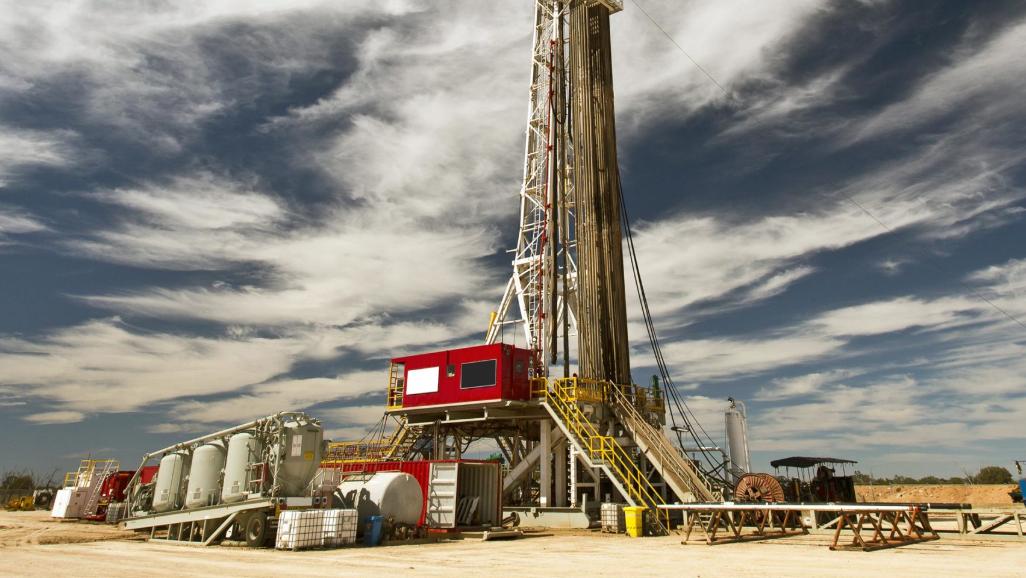
oil and gas exploration

The Importance of Safety Training in the Oil and Gas Industry

Oil and gas operations take place in diverse and often high-risk environments, including offshore rigs, drilling sites, refineries, and transportation facilities. Workers face potential hazards such as explosions, toxic gas exposure, equipment malfunctions, and extreme weather conditions. Safety training equips personnel with the knowledge and skills needed to identify risks, respond effectively to emergencies, and adhere to industry best practices.

Additionally, regulatory bodies such as OSHA (Occupational Safety and Health Administration), API (American Petroleum Institute), and IOGP (International Association of Oil & Gas Producers) set strict safety guidelines that companies must follow. Compliance with these regulations helps reduce workplace incidents, prevent legal consequences, and maintain the industry’s reputation.

Key Components of Oil and Gas Safety Training

Effective safety training programs cover a wide range of topics, ensuring that workers are prepared for potential risks. Some of the most critical components include:

1. Hazard Identification and Risk Assessment

Workers must be able to recognize common hazards, including fire risks, gas leaks, confined spaces, and equipment failures. Understanding risk assessment techniques allows employees to take preventive measures before accidents occur.

2. Personal Protective Equipment (PPE) Usage

Proper use of PPE, such as flame-resistant clothing, helmets, gloves, safety goggles, and gas detectors, is essential in minimizing injury risks. Training ensures that workers select the right protective gear for specific tasks and maintain it properly.

3. Emergency Response and Fire Safety

Given the high risk of fires and explosions, employees must be trained in fire prevention, evacuation procedures, and emergency response protocols. This includes fire extinguisher operation, fire suppression system usage, and mustering drills.

4. Working at Heights and Fall Protection

Many oil and gas operations involve working on elevated platforms, derricks, and scaffolding. Safety training includes proper harness usage, fall arrest systems, and procedures for preventing falls.

5. Confined Space Entry Training

Oil and gas facilities often contain confined spaces, such as storage tanks and pipelines, where toxic gases or low oxygen levels pose serious risks. Workers learn how to assess atmospheric conditions, use ventilation equipment, and follow entry/exit protocols.

6. Hydrogen Sulfide (H₂S) Safety Training

H₂S is a highly toxic and deadly gas commonly found in oil and gas operations. Employees receive training on gas detection, safe work practices, respiratory protection, and emergency response procedures to minimize exposure risks.

7. Lockout/Tagout (LOTO) Procedures

To prevent accidental equipment startup during maintenance, workers must follow LOTO procedures to safely isolate energy sources. Training ensures they understand how to properly lock out hazardous equipment before performing repairs.

8. Safe Lifting and Material Handling

Handling heavy pipes, machinery, and drilling equipment requires proper lifting techniques to prevent injuries. Training includes crane and hoist safety, load securing, and manual handling best practices.

9. Driving and Transportation Safety

Many oil and gas workers operate heavy vehicles and transport hazardous materials. Safety training covers defensive driving, fatigue management, and regulations for transporting flammable substances.

10. Environmental Protection and Spill Response

To minimize environmental impact, employees receive training on oil spill containment, hazardous waste management, and pollution control measures. This ensures compliance with environmental regulations and protects ecosystems.

Types of Safety Training Programs

Oil and gas companies implement various training methods to ensure workers receive comprehensive and practical safety education:

Classroom Training: In-person courses led by industry experts covering theoretical safety principles, regulations, and case studies.

Hands-On Drills: Practical exercises that simulate real-world drilling scenarios, such as fire drills, confined space rescues, and equipment operation.

Drilling Emergency Exercise Simulation Training System

Online Training Modules: Digital courses that provide flexible learning opportunities for workers in remote locations.

Virtual Reality (VR) Training: Advanced VR simulations allow workers to experience hazardous situations in a safe, controlled environment.

On-the-Job Training: New employees undergo mentorship and supervised training to learn safety protocols in actual work environments.

VR Emergency Training Simulator

The Benefits of Oil and Gas Safety Training

Investing in robust safety training programs provides multiple benefits, including:

Reduction in Workplace Accidents: Proper training helps identify risks and prevent injuries, leading to fewer incidents.

Regulatory Compliance: Adhering to safety standards ensures that companies avoid fines, shutdowns, and legal issues.

Increased Productivity: A well-trained workforce operates more efficiently, minimizing downtime caused by accidents.

Enhanced Workforce Confidence: Employees who feel safe are more confident and engaged in their tasks.

Lower Insurance and Compensation Costs: Fewer accidents result in reduced insurance claims and compensation payouts.

Final Thoughts

Oil and gas safety training is a critical component of risk management in an industry known for its hazardous conditions. By equipping workers with the necessary knowledge and skills, companies can prevent accidents, protect lives, and maintain regulatory compliance. As technology evolves, incorporating VR simulations, digital learning platforms, and hands-on training ensures that employees receive effective, up-to-date safety education. A commitment to safety not only safeguards workers but also enhances overall operational efficiency, making it a fundamental priority for every oil and gas company.

What are Effective Methods for Sanitizing Stuffed Animals

Stuffed animals are beloved companions for children and adults alike. Over time, they can accumulate dirt, bacteria, and allergens, making proper sanitization essential for maintaining hygiene. Whether they are frequently hugged, taken outdoors, or have been exposed to spills, keeping stuffed animals clean ensures their longevity and safety. Here’s a comprehensive guide on how to properly sanitize stuffed animals while preserving their softness and shape.

Custom Stuffed Animals Bulk

Understanding the Importance of Sanitization

Regularly sanitizing stuffed animals helps eliminate dust, bacteria, and allergens, which can cause allergies or skin irritation, especially in young children. Plush toys that are shared among children or taken outside are more susceptible to germs and should be cleaned more frequently. Additionally, if a child has been sick, disinfecting their stuffed toys can prevent the spread of illness.

Methods for Sanitizing Stuffed Animals

Machine Washing for Deep Cleaning

Most stuffed animals can be safely cleaned in a washing machine, but it’s important to check the manufacturer’s care instructions first. If the toy is machine washable, place it inside a mesh laundry bag or pillowcase to protect delicate details like embroidered eyes, noses, or decorative stitching. Use a gentle cycle with cold or lukewarm water and a mild detergent to avoid damaging the fabric.

For extra sanitization, adding a cup of white vinegar to the rinse cycle can help kill bacteria and remove odors naturally. After washing, allow the stuffed animal to air dry or use a low-heat setting in a dryer, preferably with a few dry towels to help absorb moisture and maintain the toy’s shape.

Hand Washing for Delicate Plush Toys

If the stuffed animal is too fragile for machine washing, hand washing is a safer alternative. Fill a basin with lukewarm water and add a small amount of mild detergent. Gently submerge the stuffed animal, using a soft cloth or sponge to scrub away dirt, focusing on stained areas. Rinse thoroughly with clean water to remove soap residue.

To disinfect without harsh chemicals, mix a solution of water and white vinegar or baking soda. Apply it gently with a cloth and let the toy air dry completely before use.

Spot Cleaning for Quick Sanitization

For lightly soiled plush toys or those with electronic components, spot cleaning is the best method. Use a damp cloth with a small amount of mild detergent to wipe down the surface, being careful not to over-wet the fabric. A solution of equal parts water and rubbing alcohol can also be used to sanitize specific areas. Allow the toy to dry thoroughly before handling.

cleaning plush toys

Using Steam for Natural Disinfection

Steam cleaning is an excellent way to kill germs and dust mites without chemicals. A handheld steam cleaner can be used to sanitize the surface of plush toys, effectively eliminating bacteria and odors. Hold the steamer a few inches away and avoid excessive moisture to prevent damage to the stuffing. Let the toy air dry completely after steaming.

Freezing Method to Kill Germs

For stuffed animals that cannot be washed, freezing is an effective method to kill dust mites and bacteria. Seal the plush toy inside a plastic bag and place it in the freezer for at least 24 hours. This method is particularly useful for allergy sufferers, as it helps reduce allergens without the need for washing. After freezing, allow the toy to return to room temperature before use.

Additional Tips for Maintaining Cleanliness

Regular Dusting: Lightly vacuuming plush toys with a soft brush attachment can remove dust and prevent buildup.

Sunlight Exposure: Placing stuffed animals in indirect sunlight for a few hours can help naturally deodorize them.

Disinfecting with Wipes: Antibacterial wipes can be used for quick cleaning between washes, especially for toys handled frequently.

Clean Stuffed Animals

Summary

Keeping stuffed animals sanitized not only extends their lifespan but also ensures they remain safe for cuddling. Whether through washing, steaming, or freezing, using the right cleaning method helps maintain their softness and durability. Regular sanitization is especially important for children’s health, reducing allergens and germs while preserving their favorite plush companions.

How to Implement Tension Control for Variable Web Widths

In web processing industries such as printing, packaging, textiles, and converting, maintaining precise tension control is crucial for ensuring product quality and operational efficiency. When dealing with variable web widths, the challenge becomes even more complex, as changes in material width impact tension dynamics. Implementing effective tension control strategies is essential to prevent defects such as wrinkles, web breaks, misalignment, and inconsistent material properties.

Understanding the Challenges of Tension Control in Variable Web Widths

The primary challenge in tension control across variable web widths is that as the width of the material changes, so do the forces acting on it. Wider webs require more force to maintain stability, while narrower webs are more prone to slack or over-tensioning. Additional factors influencing tension variations include:

Material Properties: Different materials, such as paper, film, foil, and textiles, exhibit distinct stretching, shrinking, and elasticity characteristics.

Roll Diameter Changes: As the material is unwound or rewound, the roll diameter affects tension distribution.

Speed Variations: Fluctuations in line speed introduce uneven tension if not properly controlled.

Environmental Conditions: Humidity and temperature variations can cause expansion or contraction of the web, leading to tension inconsistencies.

Key Strategies for Effective Tension Control

1. Adaptive Tension Control Systems

Modern closed-loop tension control systems adjust tension dynamically based on real-time sensor feedback. These tension control systems use load cells, tension sensors, or ultrasonic sensors to measure web tension and automatically correct fluctuations.

T1000 web tension controller

2. Zoned Tension Control for Multi-Width Operations

For processes handling multiple web widths, using independent tension control zones ensures that each section of the web maintains the correct tension. This is particularly useful in slitting or multi-web applications where sections of varying widths must be controlled separately.

3. Precision Dancer Roll Mechanisms

Dancer rolls act as mechanical buffers that absorb tension variations by adjusting their position in response to changes in web movement. These are especially effective in applications with frequent web width adjustments, as they help stabilize fluctuations in real-time.

4. Tension-Controlled Brake and Clutch Systems

Using pneumatic, magnetic, or servo-driven brakes and clutches on unwinding and rewinding stations helps maintain constant tension, even when the web width varies. These systems automatically adjust torque based on sensor input.

5. Load Cell-Based Tension Monitoring

Load cells provide accurate tension measurements by detecting force changes as the web moves through rollers. Integrating load cells with automated tension controllers enables real-time adjustments to maintain optimal tension levels.

display interface of automatic tension controller

6. Edge-Guiding Systems for Alignment

Variable web widths can cause misalignment, leading to uneven tension distribution. Web edge guiding systems ensure proper tracking, reducing the risk of web shifts that could create tension inconsistencies.

web edge guide system

7. Material-Specific Tension Profiles

Different materials require unique tension profiles. Implementing pre-programmed tension settings based on material characteristics allows operators to switch between web widths without extensive manual adjustments.

Benefits of Optimized Tension Control for Variable Web Widths

Improved Product Quality: Consistent tension prevents defects such as wrinkles, stretching, and misalignment.

Reduced Waste and Downtime: Minimizing web breaks and misfeeds leads to greater efficiency.

Enhanced Machine Performance: Equipment experiences less wear and tear when tension is properly managed.

Increased Production Flexibility: Automated tension control enables rapid changes between different web widths without manual intervention.

Final Thoughts

Effective tension control for variable web widths requires advanced sensor-based systems, adaptive braking and clutch mechanisms, precision rollers, and material-specific settings. By implementing these strategies, industries can maintain consistent product quality, reduce material waste, and optimize production efficiency, even when handling complex web width variations.

Best Practices for Extending the Service Life of Marine Searchlights

Marine searchlights play a critical role in ensuring safe navigation, search-and-rescue operations, and vessel security. However, the harsh marine environment, including saltwater exposure, humidity, and temperature fluctuations, can significantly impact their performance and longevity. Proper maintenance, material selection, and operational best practices can help extend the service life of marine searchlights, ensuring optimal functionality for years to come.

Wireless Remote Control LED Searchlight

1. Choosing Durable and Corrosion-Resistant Materials

The longevity of a marine searchlight heavily depends on its construction materials. Marine environments expose equipment to saltwater, which accelerates corrosion. Using corrosion-resistant materials such as stainless steel, anodized aluminum, and marine-grade plastics helps enhance durability. Additionally, protective coatings and surface treatments, such as anti-corrosion paints or powder coatings, further shield the searchlight from environmental damage.

2. Implementing Effective Waterproofing Measures

Moisture intrusion is a primary cause of electrical failure in marine searchlights. Ensuring that the searchlight has a high IP (Ingress Protection) rating, such as IP66 or IP67, protects internal components from water and dust penetration. Sealed gaskets, rubber O-rings, and properly insulated wiring further improve waterproofing and reduce the risk of electrical short circuits caused by water exposure.

3. Performing Regular Maintenance and Inspections

Routine maintenance is essential to prolonging the service life of marine searchlights. Regularly inspect the housing for signs of corrosion, cracks, or wear. Cleaning lenses and reflectors prevents the accumulation of salt deposits and debris, which can reduce light intensity and clarity. Lubricating moving parts, such as rotation mechanisms, ensures smooth operation and prevents mechanical wear. Additionally, checking electrical connections for corrosion or loose wiring helps prevent malfunctions.

4. Optimizing Heat Dissipation and Ventilation

Overheating can shorten the lifespan of marine searchlights, especially high-powered LED and halogen models. Proper heat dissipation mechanisms, such as heat sinks, ventilation slots, and thermal management coatings, help regulate temperature and prevent premature damage to internal components. Installing searchlights in well-ventilated areas further reduces the risk of heat buildup.

5. Using Energy-Efficient Lighting Technology

Upgrading to LED marine searchlights can significantly enhance longevity compared to traditional halogen or incandescent bulbs. LEDs generate less heat, consume less power, and have a longer lifespan, often exceeding 50,000 hours of operation. Additionally, LED searchlights offer superior illumination and withstand vibrations and shocks better than filament-based lighting.

6. Protecting Against Vibration and Mechanical Shock

Marine searchlights are often exposed to vibrations due to engine operation, rough seas, and vessel movement. Excessive vibrations can loosen internal connections and reduce lifespan. Shock-absorbing mounts, reinforced brackets, and vibration-resistant electrical components help minimize the impact of mechanical stress. Securely fastening the searchlight to a stable mounting platform prevents unnecessary movement.

7. Ensuring Proper Power Supply and Surge Protection

Electrical fluctuations and power surges can damage searchlight circuits and reduce performance. Using voltage regulators, surge protectors, and properly rated power supplies helps prevent damage from unstable electrical inputs. Ensuring the vessel’s electrical system is well-maintained and grounded also minimizes the risk of sudden failures.

8. Storing Searchlights Properly When Not in Use

When marine searchlights are not in use, especially in off-season periods, proper storage can extend their lifespan. Keeping them covered with protective casings or weatherproof enclosures prevents dust, moisture, and UV exposure. If the searchlight is detachable, storing it in a dry, temperature-controlled environment reduces the risk of long-term degradation.

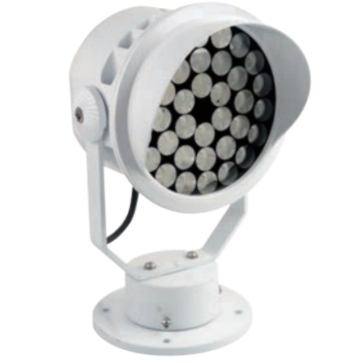
marine searchlight

Summay

Prolonging the service life of marine searchlights requires a combination of durable materials, effective waterproofing, regular maintenance, heat management, and energy-efficient technology. By implementing these best practices, vessel operators can ensure their searchlights remain in optimal working condition, providing reliable illumination and enhancing maritime safety.

How to Effectively Use Washers in Screw Installation

Washers play a critical role in screw installation, improving stability, load distribution, and overall fastening reliability. Whether used in construction, machinery, automotive applications, or household projects, washers prevent loosening, reduce surface damage, and enhance the longevity of fastened joints. By selecting the right type of washer and understanding its function, engineers and technicians can optimize fastening performance in various applications.

Functions of Washers in Screw Installation

The primary function of a washer is to distribute the load of a screw or bolt over a larger surface area. Without a washer, the concentrated force from the screw head can cause material deformation, especially in softer surfaces such as wood, plastic, or aluminum. Additionally, washers help prevent fastener loosening due to vibrations, corrosion, or thermal expansion, ensuring long-term stability.

Types of Washers and Their Applications

Flat Washers

Flat washers are the most commonly used type and serve as a simple spacer between the screw head and the material surface. They help distribute pressure evenly and prevent damage to the workpiece. These washers are widely used in general construction, plumbing, and machinery assembly.

Flat washers

Spring Washers

Also known as lock washers, spring washers provide resistance against loosening caused by vibrations or dynamic loads. Spring washers come in various designs, including split, wave, and Belleville types, each offering different levels of tension to secure screws in place. They are commonly found in automotive and industrial applications.

spring washers supplier

Fender Washers

These washers have a larger outer diameter compared to standard flat washers, allowing them to provide additional support for fasteners in soft or thin materials. They are useful in applications where increased load distribution is needed, such as in sheet metal fabrication.

Spherical Washers

Designed to compensate for misalignment between fastening surfaces, spherical washers are used in precision engineering and structural applications. They allow for proper load transfer even when screw holes are not perfectly aligned.

spherical washers

Sealing Washers

These washers include a rubber or elastomer layer that prevents leaks in applications involving fluids or gases. Sealing washers are essential in plumbing, automotive fuel systems, and pressure vessels.

Best Practices for Using Washers in Screw Installation

To maximize the effectiveness of washers, proper installation techniques must be followed. First, selecting the correct washer type based on the material, load conditions, and environmental factors is crucial. For applications subject to high vibrations, using lock washers or a combination of flat and spring washers can improve fastening security.

Additionally, ensuring proper torque application when tightening screws is essential. Over-tightening can deform the washer and reduce its effectiveness, while under-tightening may lead to loosening over time. Using a torque wrench can help achieve the optimal balance.

In corrosive environments, selecting washers made of stainless steel, brass, or other corrosion-resistant materials can extend the lifespan of the fastening assembly. Coated washers, such as zinc-plated or galvanized types, provide additional protection against rust and oxidation.

Conclusion

Washers are a simple yet indispensable component in screw installations, enhancing strength, stability, and durability. By choosing the right washer type and following best practices in installation, users can prevent fastener failures, minimize wear and tear, and ensure the long-term performance of mechanical assemblies. Whether in industrial machinery, construction, or household applications, the strategic use of washers significantly improves fastening reliability and efficiency.

通过 WordPress.com 设计一个这样的站点
从这里开始