Fixed vs. Adjustable Spotlights in Marine Environments:Which Type to Choose

Lighting is essential in marine environments, where visibility plays a crucial role in safety, navigation, and operational efficiency. Spotlights, in particular, provide focused illumination that helps vessels maneuver in low-light conditions, locate objects in the water, and enhance onboard activities. When selecting a marine spotlight, the choice often comes down to fixed or adjustable models. Each type serves a distinct purpose, offering advantages that depend on the specific requirements of a vessel and its operational environment.

marine LED spotlight

Understanding Fixed Marine Spotlights

Fixed spotlights are designed to provide consistent, stationary illumination. Once installed, they remain in a set position, directing light to a predetermined area without the ability to change the angle or focus dynamically. This makes them highly reliable, as they have fewer moving parts that could wear down over time. Their durability makes them well-suited for extreme marine conditions, where exposure to saltwater, wind, and vibrations can cause mechanical components to degrade.

One of the primary applications of fixed marine spotlights is illuminating specific zones on a vessel, such as decks, work areas, or navigational points. They are also commonly used for security purposes, providing continuous light over key areas to improve safety. Since they maintain a steady beam in one direction, they are particularly effective for marking hazards or highlighting fixed locations that require constant visibility.

Exploring Adjustable Marine Spotlights

Adjustable marine spotlights offer flexibility by allowing users to change the direction and focus of the light beam as needed. These spotlights can be manually adjusted or operated remotely, depending on the design. Many modern adjustable spotlights come with wireless or joystick controls, enabling easy maneuverability without requiring direct access to the light itself.

adjustable marine spotlight

One of the key advantages of adjustable spotlights is their ability to provide dynamic illumination. This is particularly useful for navigation and docking, where a vessel’s lighting needs can change depending on conditions. In search-and-rescue operations, adjustable spotlights can be used to scan large areas quickly, increasing the chances of locating objects or individuals in distress. Similarly, for fishing applications, these spotlights can be repositioned to target specific areas where marine life is present.

Choosing the Right Spotlight for Marine Use

Selecting between fixed and adjustable spotlights depends on several factors, including the intended use, control requirements, and environmental conditions. Fixed spotlights are ideal for situations where a constant, reliable light source is needed, such as illuminating decks or marking specific points on a vessel. Their robust construction ensures long-term performance with minimal maintenance.

In contrast, adjustable spotlights are the preferred choice when flexibility and directional control are required. Vessels that frequently navigate through challenging conditions, such as those operating in search-and-rescue missions or fishing at night, benefit from the adaptability of an adjustable spotlight. The ability to change the beam direction on demand provides enhanced visibility and operational efficiency.

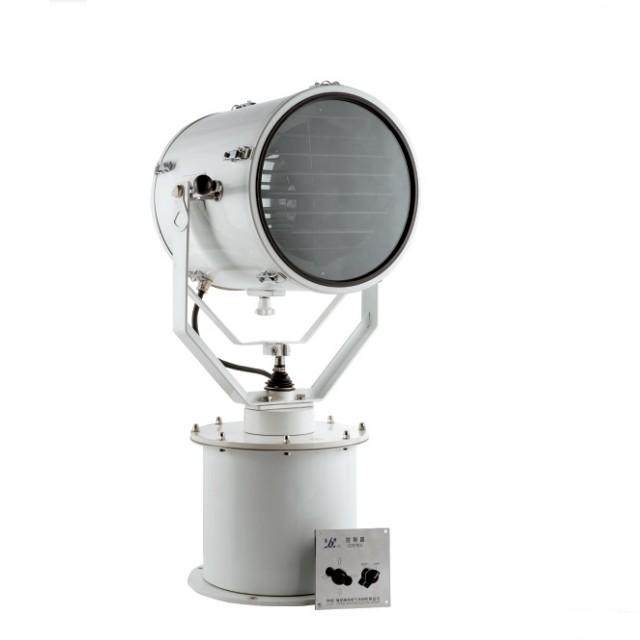
TG19 Marine Spot Light

Conclusion

Both fixed and adjustable spotlights play important roles in marine environments, offering unique benefits depending on their application. Fixed spotlights provide stability and durability, making them ideal for consistent illumination, while adjustable spotlights offer versatility and enhanced control for dynamic lighting needs. By understanding the differences between the two, vessel operators can make informed decisions to ensure safety, efficiency, and optimal visibility on the water.

How to Properly Place Washers in Bolted Connections

Washers are essential components in bolted connections, helping distribute loads, reduce friction, and prevent damage to surfaces. However, proper washer placement is crucial for ensuring a secure and long-lasting connection. Understanding where washers go on bolts and their specific functions can improve fastening reliability in industrial, construction, and mechanical applications.

Wedge locking anti-loosening double washer

Where to Place Washers on Bolts

1. Between the Bolt Head and the Surface

In most applications, a washer is placed directly under the bolt head before inserting the bolt into the material. This helps in:

Distributing the load evenly to prevent surface damage.

Reducing friction between the bolt head and the surface.

Providing a smoother tightening process, especially in high-torque applications.

2. Between the Nut and the Surface

A washer is also commonly placed between the nut and the surface being fastened. This placement serves to:

Protect the material from damage caused by nut rotation.

Improve load distribution, reducing stress concentration.

Enhance the grip of the nut, preventing loosening due to vibrations.

3. Both Under the Bolt Head and Under the Nut

In critical applications, washers are used on both sides of the bolted connection—under the bolt head and under the nut. This is recommended when:

The materials being fastened are soft or prone to deformation.

High vibration or movement might cause the bolt to loosen.

The load needs to be evenly distributed across both surfaces.

spring washers supplier

Types of Washers and Their Placement

Flat Washers – Used under either the bolt head or the nut to distribute force and protect surfaces.

Lock Washers – Typically placed under the nut to prevent loosening due to vibrations.

Spring Washers – Installed under the nut or bolt head to apply tension and maintain tightness.

Spherical Washers – Used in misalignment applications to ensure proper force distribution.

Fender Washers – Placed under the bolt head when securing thin materials to prevent damage.

flat washers supplier

Summary

Proper washer placement enhances the stability and reliability of bolted connections. In most cases, washers go under the bolt head, the nut, or both, depending on the application’s requirements. By selecting the right type of washer and ensuring correct positioning, fasteners can maintain strength, resist loosening, and protect surfaces from damage, ultimately improving the performance of mechanical assemblies.

Understanding the Various Types of Lab Drying Equipment: Which Type to Choose

Lab drying equipment is essential for removing moisture or solvents from samples in scientific, pharmaceutical, and industrial laboratories. These devices help ensure accurate experimental results, improve sample stability, and facilitate material preparation. Depending on the drying method and application, laboratories use various types of drying equipment to achieve precise and controlled drying conditions.

Types of Lab Drying Equipment

1. Laboratory Ovens

Laboratory ovens are widely used for drying, sterilizing, and curing applications. They operate by circulating heated air around the samples, promoting uniform drying. Different types of lab ovens include:

Gravity Convection Ovens – Suitable for gentle drying processes with minimal airflow.

Forced Air Convection Ovens – Utilize fans to distribute heat evenly, ensuring faster drying.

Vacuum Drying Ovens – Remove moisture at lower temperatures, ideal for heat-sensitive samples.

Vacuum Drying Ovens

2. Vacuum Dryers

Vacuum drying systems lower the boiling point of liquids by reducing pressure, allowing moisture removal at lower temperatures. These are crucial for drying heat-sensitive materials, including pharmaceuticals, biological samples, and delicate chemicals.

3. Freeze Dryers (Lyophilizers)

Laboratory freeze dryers use sublimation to remove moisture from frozen samples under a vacuum. This method preserves the structural integrity and biological activity of sensitive materials such as enzymes, proteins, and pharmaceuticals.

freeze dryers

4. Desiccators

Desiccators are sealed containers that use drying agents (desiccants) like silica gel to absorb moisture from samples. They are ideal for storing hygroscopic materials and protecting moisture-sensitive substances.

5. Spray Dryers

Spray dryers rapidly dry liquid samples by atomizing them into fine droplets and exposing them to hot air. This technique is commonly used in food and pharmaceutical industries for producing powdered materials like milk powder and drug formulations.

6. Infrared Dryers

Infrared drying ovens use electromagnetic radiation to heat samples directly, accelerating the drying process. They are often used in material testing and rapid drying applications.

Infrared Fast Drying Oven

Key Considerations for Choosing Lab Drying Equipment

Type of Material – Heat-sensitive materials require vacuum or freeze dryers, while general drying can be performed in convection ovens.

Temperature Control – Equipment with precise temperature settings ensures reproducibility in drying processes.

Drying Speed – Forced air ovens and infrared dryers offer faster drying, whereas vacuum and freeze drying take longer but are more suitable for sensitive samples.

Sample Volume – Large-scale drying requires spacious lab ovens or spray dryers, while desiccators and small vacuum dryers suit small samples.

Energy Efficiency – Choosing equipment with efficient heating and insulation reduces operational costs.

Applications of Lab Drying Equipment

Pharmaceutical Industry: Drying active pharmaceutical ingredients (APIs) and lyophilization of vaccines.

Food and Beverage Industry: Spray drying for powdered food products like coffee and milk.

Chemical Analysis: Removing solvents from chemical samples before analysis.

Material Science: Drying coatings, adhesives, and polymers in research and development.

Biotechnology: Freeze drying of biological samples, including DNA and proteins.

Wrap Up

Lab drying equipment plays a vital role in scientific and industrial applications by ensuring moisture removal under controlled conditions. The choice of drying equipment depends on factors such as sample sensitivity, drying speed, and required precision. Whether for routine drying or specialized applications like freeze drying, having the right lab drying system enhances efficiency, accuracy, and sample integrity in laboratory processes.

Exploring the Stuffed Animals Market

The stuffed animals market is a thriving segment within the global toy and gift industry, appealing to consumers of all ages. From teddy bears to custom-designed plush characters, stuffed animals hold sentimental and emotional value for children and adults alike. The market has evolved significantly, driven by factors such as technological advancements, customization trends, and increasing consumer interest in sustainable and high-quality materials.

Miniature Stuffed Animals

Market Growth and Consumer Demand

The global stuffed animals market has witnessed steady growth, fueled by rising disposable incomes, the popularity of licensed character merchandise, and the demand for personalized plush toys. Parents and caregivers continue to purchase stuffed animals as comfort toys for children, while collectors and gift buyers also contribute to the market’s expansion. Additionally, stuffed animals are widely used in promotional campaigns, making them a valuable branding tool for businesses.

With the rise of e-commerce, purchasing plush toys has become more convenient than ever. Online platforms offer a vast selection, enabling consumers to browse and customize their purchases from anywhere. The ability to customize stuffed animals with names, messages, and unique designs has further boosted market appeal, especially for special occasions such as birthdays, anniversaries, and holidays.

Key Trends Shaping the Stuffed Animals Industry

One of the major trends in the stuffed animals market is the growing demand for eco-friendly products. Consumers are increasingly looking for plush toys made from sustainable materials such as organic cotton, recycled polyester, and plant-based dyes. This shift aligns with the broader movement toward environmentally conscious purchasing decisions.

Another trend is the integration of technology into plush toys. Some custom plush manufacturers are incorporating interactive features, such as sound modules, motion sensors, and app connectivity, to create a more engaging experience. Educational stuffed animals with voice assistance and storytelling capabilities are particularly popular among parents who seek toys that combine comfort with learning.

Customization is also playing a significant role in market growth. Many brands now offer options for designing unique stuffed animals based on personal preferences or custom drawings, catering to a niche but steadily growing segment of buyers who value individuality in their purchases.

Oversized and Miniature Custom Stuffed Animals

Challenges in the Stuffed Animals Market

Despite its positive growth trajectory, the stuffed animals market faces challenges such as fluctuating raw material costs and competition from digital entertainment options. The rising costs of fabric, stuffing materials, and labor can impact pricing and profit margins for manufacturers. Additionally, with the increasing availability of digital and interactive toys, traditional stuffed animals must continuously innovate to maintain consumer interest.

Counterfeit and low-quality plush toys also pose a problem, as they can affect brand reputation and consumer trust. Ensuring compliance with safety regulations and high-quality manufacturing standards is crucial for businesses aiming to succeed in this competitive market.

Future Outlook of the Stuffed Animals Market

Looking ahead, the stuffed animals market is expected to continue expanding, driven by innovations in materials, design, and technology. The emphasis on sustainability will likely lead to greater adoption of biodegradable and recycled materials in plush toy production. Meanwhile, advancements in AI and smart features could further enhance the appeal of stuffed animals, making them more interactive and multifunctional.

As consumer preferences shift toward personalized and eco-conscious products, manufacturers and retailers must adapt their strategies to stay competitive. Companies that prioritize quality, safety, and innovation while leveraging digital platforms for sales and marketing will be well-positioned for long-term success in the stuffed animals industry.

Custom Stuffed Animals Bulk

Wrap Up

The stuffed animals market remains a dynamic and growing industry, with strong consumer demand and evolving trends shaping its future. As sustainability, customization, and technological enhancements become more prominent, businesses in this sector must embrace innovation to stay relevant. Whether as childhood companions, collector’s items, or promotional products, stuffed animals continue to hold a special place in the hearts of consumers worldwide.

Effective Tension Control Methods for Small-scale Production

Tension control is a crucial aspect of many manufacturing processes, particularly in industries that handle materials such as paper, film, textiles, metal foil, and wires. In small-scale production, maintaining consistent material tension is essential for ensuring product quality, minimizing waste, and preventing mechanical failures. Unlike large-scale production, where advanced automation systems regulate tension precisely, small-scale operations often require cost-effective and adaptable solutions to achieve stable tension control.

Tension Control in Metal Coil Processing

The Role of Tension Control in Small-Scale Manufacturing

Tension control plays a fundamental role in maintaining uniformity during production. Poor tension management can lead to material stretching, wrinkling, misalignment, or even breakage, resulting in defects and production delays. Whether in printing, laminating, coating, or slitting processes, stable tension ensures that materials move smoothly through rollers, reducing inconsistencies and maintaining high-quality output.

Small-scale manufacturers must find ways to achieve effective tension control without the high costs associated with fully automated industrial systems. By implementing the right techniques, they can improve precision while maintaining operational efficiency.

Common Tension Control Methods for Small-Scale Production

There are several approaches to managing tension in small-scale production, each with varying degrees of complexity and automation. Manual tension control, often achieved using mechanical brakes or clutches, is a low-cost option where operators make adjustments based on visual inspection and experience. While simple, this method requires constant monitoring and may not always provide the accuracy needed for delicate materials.

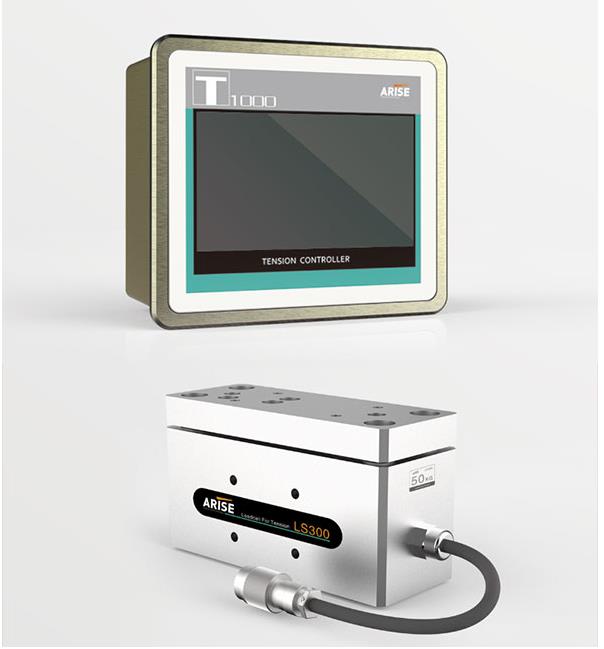
Semi-automatic systems incorporate tension sensors such as load cells or dancer rolls, which measure real-time tension and adjust force accordingly. These systems offer improved control compared to manual methods while still being affordable for small-scale operations. Advanced tension control systems, including closed-loop feedback systems, continuously monitor tension levels and make real-time corrections, ensuring consistent material handling with minimal operator intervention.

LS300 through-axis tension sensor

Challenges in Tension Control for Small-Scale Operations

Implementing effective tension control in small-scale production presents several challenges. Budget constraints often limit access to high-end automated systems, forcing manufacturers to rely on more manual or semi-automated solutions. Additionally, material variability—such as differences in thickness, elasticity, or surface properties—can make it difficult to maintain consistent tension throughout the production process. Operators must also account for external factors like humidity, temperature changes, and machine wear, which can affect tension stability.

Innovations and Future Trends in Small-Scale Tension Control

Technological advancements are making precision tension control more accessible to small-scale manufacturers. Compact, sensor-based tension monitoring systems are becoming more affordable, allowing operators to achieve better accuracy without significant investment. The integration of IoT-enabled devices enables remote monitoring and real-time adjustments, improving process control and reducing material waste. Additionally, smart software solutions that analyze tension variations and predict maintenance needs are helping small manufacturers optimize production efficiency.

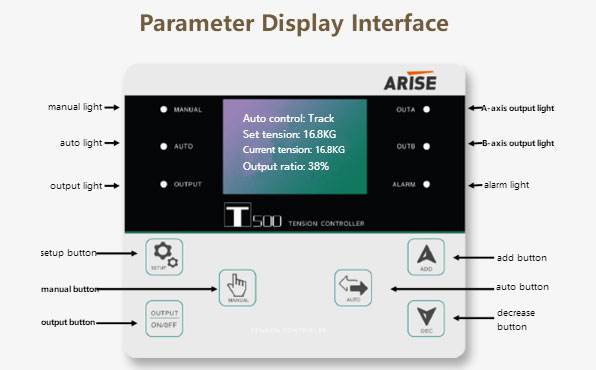
T1000 web tension controller

Summary

Tension control is a vital component of small-scale production, ensuring high-quality output, minimizing material waste, and preventing mechanical issues. While small manufacturers may not have access to high-end industrial automation, they can achieve effective tension control through a combination of manual adjustments, semi-automatic systems, and emerging digital technologies. By adopting the right tension management strategies, small-scale operations can enhance their efficiency, improve product consistency, and remain competitive in the manufacturing industry.

What are Relief Wells

A relief well is a secondary well drilled to control an uncontrolled blowout in an oil or gas well. Blowouts occur when pressure control systems fail, allowing hydrocarbons to escape uncontrollably. Relief wells play a crucial role in stopping these incidents by intercepting the original wellbore and injecting heavy fluids or cement to restore stability. This method has been instrumental in mitigating some of the most severe oil spill disasters, including the Deepwater Horizon spill.

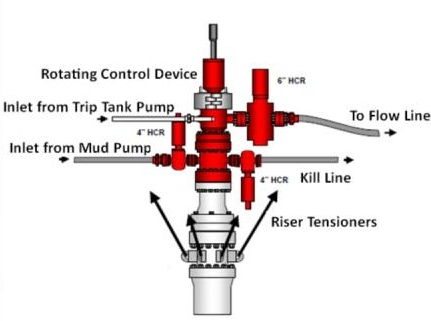
Relief Well

The Purpose and Function of a Relief Well

Relief wells serve as an emergency response mechanism when conventional blowout preventers and other safety measures fail. Their primary function is to regain control over the well by counteracting excessive pressure and sealing the damaged borehole. The relief well is drilled at an angle to intersect the compromised well, allowing engineers to introduce high-density drilling mud to balance the pressure. Once the flow of oil or gas is stopped, cement is injected to permanently seal the well.

The Process of Drilling a Relief Well

Drilling a relief well requires detailed planning and advanced engineering techniques. Engineers begin by analyzing the location and depth of the blowout well, using sophisticated mapping and tracking technologies. Once the relief well trajectory is determined, directional drilling techniques guide the drill bit to intersect the target wellbore. This process demands extreme precision, as even minor deviations can delay successful interception.

When the relief well reaches its intended depth, heavy drilling fluids are pumped in to suppress the uncontrolled pressure. These fluids effectively neutralize the flow of hydrocarbons, preventing further leaks. After stabilizing the pressure, engineers inject cement into the well to create a permanent seal. This ensures that the well remains safely closed, preventing future risks.

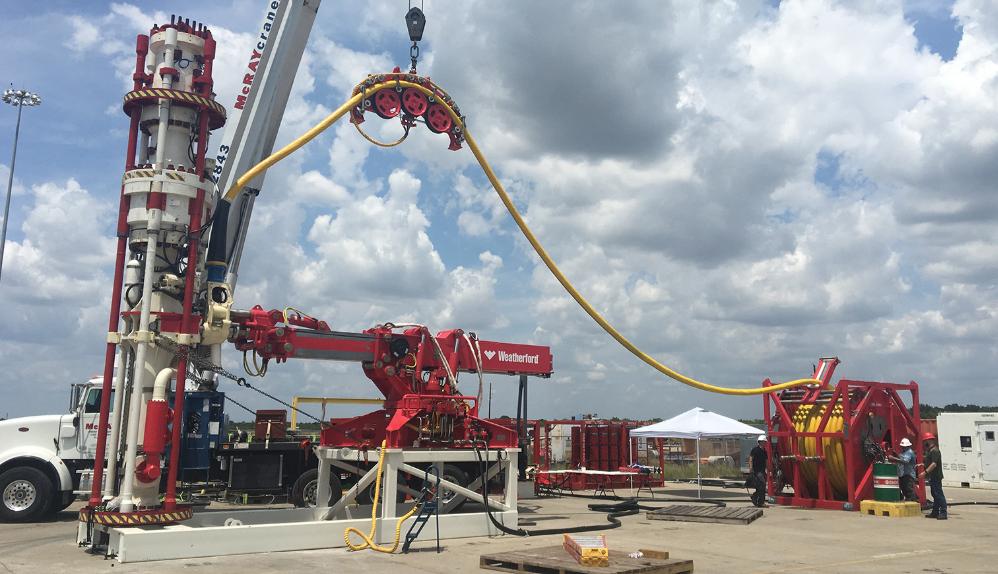
Relief well drilling

Challenges in Relief Well Operations

Drilling a relief well presents significant technical and logistical challenges. The process is highly complex, requiring specialized expertise and cutting-edge technology. Factors such as extreme well depth, high-pressure environments, and unpredictable geological conditions can complicate operations. Additionally, the time required to drill a relief well can vary, with some projects taking weeks or even months to complete. The financial costs of these operations are also considerable, as they involve expensive materials, advanced equipment, and skilled personnel.

Despite these challenges, relief wells remain one of the most effective solutions for managing blowouts. The continuous development of advanced drilling techniques and real-time monitoring technologies has improved the efficiency and accuracy of relief well operations.

The Importance of Relief Wells in Oil and Gas Operations

Relief wells are an essential safety measure in the oil and gas industry. They provide a reliable method for regaining control of blowout wells, minimizing environmental damage, and protecting human lives. In addition to their role in emergency response, relief wells have influenced regulatory standards, prompting stricter safety requirements for offshore and onshore drilling operations.

How Simulation Technologies Used for a Relief Well

Simulation technologies are used in planning and executing relief well operations by providing accurate modeling of underground conditions and well trajectories. Advanced drilling simulations help engineers predict pressure dynamics, optimize wellbore interception, and test different scenarios before actual drilling begins. Real-time monitoring systems, combined with simulations, allow for adjustments during the drilling process to improve precision and efficiency. By reducing uncertainties and minimizing risks, simulation technologies enhance the safety and effectiveness of relief well interventions, ensuring better control over blowouts and minimizing environmental impact.

drilling simulation system

While advancements in well control technology have significantly reduced the occurrence of blowouts, relief wells remain a critical part of industry contingency planning. Their ability to stop uncontrolled hydrocarbon releases ensures that oil and gas operations can be conducted responsibly and safely.

How to Choose the Right Material for Injection Molding Process

Injection molding is a widely used manufacturing process that allows for high-volume production of complex plastic parts with excellent precision. The success of an injection-molded product largely depends on selecting the right material. The choice of material affects the product’s durability, strength, flexibility, and overall performance. Factors such as mechanical properties, thermal resistance, chemical resistance, and cost must be considered to ensure optimal results.

injection molding parts supplier

Key Factors in Material Selection

1. Mechanical Properties

Different applications require varying levels of strength, toughness, and flexibility. Materials such as polycarbonate (PC) and acrylonitrile butadiene styrene (ABS) offer excellent impact resistance, while polypropylene (PP) is more flexible and lightweight. The choice depends on whether the product needs to withstand high stress, wear, or repetitive motion.

2. Thermal Stability

The material should be able to withstand the operating temperature of the intended application. For high-temperature environments, polyetheretherketone (PEEK) or polyphenylene sulfide (PPS) are suitable choices. In contrast, lower-temperature applications may use materials like polystyrene (PS) or polyethylene (PE).

3. Chemical Resistance

If the injection molded part will be exposed to chemicals, solvents, or moisture, selecting a material with high chemical resistance is essential. Materials like polyvinyl chloride (PVC) and fluoropolymers offer excellent resistance to corrosion and chemical degradation, making them ideal for medical, automotive, and industrial applications.

different injection molding parts

4. Dimensional Stability

Certain applications require tight tolerances and minimal shrinkage after molding. Materials such as polyoxymethylene (POM) and glass-filled nylon maintain their shape and structural integrity over time, reducing warping and deformation.

5. Aesthetic and Surface Finish

The final appearance of the product is also a critical consideration. Some materials, like acrylic (PMMA), provide high transparency and a glossy finish, making them suitable for optical applications. Textured or matte finishes can be achieved with materials like ABS or polycarbonate blends.

6. Environmental Considerations

Sustainability is becoming a major focus in material selection. Many manufacturers are opting for biodegradable or recycled plastics, such as polylactic acid (PLA) or post-consumer recycled (PCR) plastics. These options help reduce environmental impact while maintaining product performance.

7. Cost-effectiveness

Material cost is a major factor in high-volume production. While high-performance polymers like PEEK offer superior properties, they are significantly more expensive than common plastics like polypropylene (PP) or polyethylene (PE). Balancing performance requirements with budget constraints is essential.

Common Materials Used in Injection Molding

Polypropylene (PP): Lightweight, flexible, and cost-effective; used in packaging, automotive parts, and consumer goods.

Acrylonitrile Butadiene Styrene (ABS): Strong, impact-resistant, and easy to mold; ideal for automotive and electronics applications.

Polycarbonate (PC): High impact resistance and optical clarity; used in safety glasses, lenses, and electronic casings.

Nylon (PA): Durable, wear-resistant, and suitable for mechanical components and gears.

Polystyrene (PS): Low cost and easy to process; commonly used in disposable containers and packaging.

Polyoxymethylene (POM): High dimensional stability and low friction; used in precision mechanical parts.

Polyvinyl Chloride (PVC): Excellent chemical resistance; used in plumbing, medical tubing, and electrical components.

Polylactic Acid (PLA): A biodegradable plastic used for eco-friendly packaging and medical applications.

KENENG Injection Molding Part

Wrap Up

Choosing the right material for injection molding is crucial to ensuring product quality, durability, and cost-efficiency. By evaluating factors such as mechanical properties, thermal resistance, chemical exposure, and environmental impact, manufacturers can select the best material for their specific application. With advancements in material science, new options continue to emerge, offering improved performance and sustainability for a wide range of industries.

What are Different Types of Sterilization Equipment for Labs: Choosing the Right Type

Sterilization is a fundamental process in laboratory environments, ensuring that equipment, instruments, and biological materials remain free from harmful microorganisms. Whether in medical, pharmaceutical, microbiology, or research labs, effective sterilization prevents contamination, maintains experimental integrity, and safeguards personnel. With various sterilization methods available, selecting the right sterilization equipment for labs depends on factors such as material compatibility, sterilization efficiency, and regulatory compliance.

vertical autoclaves

Importance of Sterilization in Laboratories

Laboratories handle sensitive biological materials, chemicals, and medical instruments that require stringent contamination control. Without proper sterilization, residual microorganisms can compromise research accuracy, endanger patient safety in clinical settings, and lead to cross-contamination in pharmaceutical production. By implementing reliable sterilization protocols, labs can maintain a controlled environment where experiments and procedures yield reproducible and uncontaminated results.

Types of Sterilization Equipment

1. Autoclaves (Steam Sterilizers)

Autoclaves are among the most widely used sterilization devices in laboratories. They use high-pressure steam at temperatures exceeding 121°C to destroy bacteria, viruses, fungi, and spores. This method is highly effective and commonly used for sterilizing glassware, surgical instruments, culture media, and biohazardous waste. Autoclaves come in various sizes, from small benchtop units to large industrial models, catering to different laboratory demands.

2. Dry Heat Sterilizers (Hot Air Ovens)

Unlike autoclaves, dry heat sterilizers use heated air at temperatures between 160°C and 180°C to kill microorganisms. This method is particularly suitable for materials that cannot tolerate moisture, such as powders, oils, and metal instruments. Although dry heat sterilization takes longer than steam sterilization, it is highly effective in destroying heat-resistant spores.

3. Gas Sterilizers (Ethylene Oxide – EtO)

Ethylene oxide (EtO) gas sterilization is a low-temperature process ideal for heat- and moisture-sensitive materials, including plastic instruments, electronics, and medical devices. EtO penetrates deep into materials, effectively killing all microorganisms. However, due to its toxicity, proper aeration is required to remove any residual gas before using the sterilized items. This method is commonly used in pharmaceutical and medical laboratories.

4. Hydrogen Peroxide Plasma Sterilizers

This advanced sterilization technology combines vaporized hydrogen peroxide with plasma to sterilize delicate instruments without leaving harmful residues. The process is conducted at low temperatures, making it suitable for heat-sensitive equipment such as optical instruments and electronic devices. Hydrogen peroxide plasma sterilization is widely used in hospitals and high-tech research facilities.

5. Ultraviolet (UV) Sterilizers

UV sterilization systems use short-wavelength UV-C light to disinfect surfaces, tools, and even air. UV radiation disrupts microbial DNA, preventing replication and effectively eliminating contaminants. While UV sterilization does not replace traditional sterilization methods for critical instruments, it is highly effective for quick disinfection in biosafety cabinets, cleanrooms, and laboratory water treatment systems.

6. Chemical Sterilization (Peracetic Acid and Disinfectants)

Chemical sterilization involves using liquid disinfectants such as peracetic acid, chlorine dioxide, or glutaraldehyde to sterilize heat-sensitive instruments and surfaces. These chemicals are particularly useful in medical and pharmaceutical laboratories where autoclaving or dry heat sterilization is impractical. Proper handling and ventilation are necessary to minimize exposure risks.

7. Radiation Sterilization (Gamma and Electron Beam)

Radiation sterilization employs gamma rays or electron beams to sterilize disposable lab items, including syringes, Petri dishes, and medical implants. This method is highly effective for mass sterilization without the use of heat or moisture. Commonly used in pharmaceutical and biotechnological applications, radiation sterilization ensures deep penetration and microbial elimination.

DW-B series Vertical autoclaves

Factors to Consider When Choosing Sterilization Equipment

Selecting the right sterilization equipment depends on multiple factors, including material compatibility, sterilization cycle time, and regulatory requirements. Laboratories must evaluate whether the equipment can handle specific materials without causing damage or altering their chemical properties. Additionally, sterilization efficiency must align with laboratory workflow, ensuring timely processing of instruments and samples.

Compliance with safety standards and guidelines, such as those established by the Centers for Disease Control and Prevention (CDC) and Good Laboratory Practices (GLP), is crucial. Labs working with biohazardous materials must adhere to biosafety protocols to prevent environmental contamination and workplace hazards.

The Future of Laboratory Sterilization

Advancements in sterilization technology continue to enhance efficiency, reduce processing times, and improve environmental sustainability. The integration of automated sterilization systems with digital monitoring ensures precise control over sterilization cycles, minimizing human error and increasing reliability. Innovations such as low-temperature vaporized hydrogen peroxide systems and plasma-based sterilization offer promising solutions for delicate and heat-sensitive materials.

DW-280A High Pressure Portable Autoclave

As laboratories strive for higher levels of contamination control, sterilization equipment remains a vital investment for maintaining safety, research integrity, and regulatory compliance. Whether through steam, dry heat, chemical, or UV methods, choosing the appropriate sterilization technology ensures that laboratories operate with the highest standards of hygiene and precision.

Retrofitting Navigation Lights in Marine Environments

In the maritime industry, navigation lights play a critical role in ensuring vessel visibility, communication, and safety at sea. Over time, aging lighting systems may become inefficient, less reliable, or non-compliant with modern regulatory standards. Retrofitting navigation lights presents a cost-effective and technologically advanced solution to improve performance without the need for complete system overhauls. With advancements in LED technology and durable marine-grade materials, ship operators can enhance safety, reduce maintenance costs, and increase energy efficiency through strategic lighting upgrades.

 LED Double-deck Navigation Signal Light

The Need for Retrofitting in Marine Navigation Lights

As international maritime regulations evolve, vessels must comply with stricter standards regarding navigation lighting performance, visibility, and efficiency. Older incandescent or halogen-based lighting systems are often energy-intensive, prone to failure, and require frequent bulb replacements. Retrofitting allows vessels to upgrade their lighting infrastructure while maintaining compliance with regulatory bodies such as the International Maritime Organization (IMO) and the International Regulations for Preventing Collisions at Sea (COLREGs).

Beyond compliance, modern marine navigation lights offer significant advantages in durability and operational reliability. Traditional lighting systems struggle to withstand the harsh marine environment, where constant exposure to saltwater, UV radiation, and extreme weather conditions accelerates degradation. Retrofitted navigation lights, particularly those utilizing LED technology, are designed to endure these challenges, providing enhanced longevity and consistent performance.

Technological Advancements in Retrofit Navigation Lights

The shift toward LED-based navigation lights has transformed the efficiency and sustainability of maritime lighting systems. LED navigation lights consume significantly less energy than conventional bulbs, leading to lower power consumption and extended battery life for vessels that rely on onboard electrical systems. The extended lifespan of LED lights, often exceeding 50,000 operational hours, reduces the frequency of maintenance and replacement, making them a more practical choice for long-term use.

In addition to energy efficiency, retrofit navigation lights feature improved sealing and corrosion-resistant materials that enhance durability in maritime environments. Marine-grade aluminum, stainless steel, and polycarbonate casings help protect against saltwater exposure, preventing premature failures and ensuring consistent illumination. Some retrofit solutions also incorporate intelligent lighting controls, allowing for automated dimming, brightness adjustments, and remote monitoring to optimize visibility and safety.

CXH-21P Single-deck Navigation Signal Light Supplier

Challenges and Considerations in Retrofitting

While retrofitting navigation lights offers substantial benefits, vessel operators must consider compatibility with existing electrical systems and mounting structures. Different vessels operate on varying voltage requirements, typically 12V, 24V, or 110V, which necessitates careful selection of retrofit lighting components. Ensuring proper wiring, positioning, and integration with onboard control systems is essential for seamless operation and regulatory adherence.

Visibility and color compliance are also critical factors when selecting retrofit navigation lights. Maritime regulations dictate specific positioning and brightness levels for different light types, such as red port-side lights, green starboard-side lights, and white masthead or stern lights. Retrofitting must align with these standards to maintain proper signal clarity and avoid navigational hazards.

The Long-Term Benefits of Retrofitting Navigation Lights

Upgrading to modern navigation lights not only enhances operational efficiency but also contributes to environmental sustainability. The lower energy consumption of LED technology reduces the carbon footprint of vessels, supporting eco-friendly maritime initiatives. Additionally, the reduced need for frequent replacements decreases material waste, making retrofitting an environmentally responsible choice.

From a financial perspective, shipowners benefit from long-term cost savings through lower energy usage, decreased maintenance expenses, and reduced downtime due to lighting failures. With safety, efficiency, and sustainability at the forefront of maritime operations, retrofitting navigation lights has become an essential strategy for vessel modernization.

LED marine navigation lights

As the maritime industry continues to embrace technological advancements, the adoption of retrofit navigation lighting solutions will play a vital role in ensuring compliance, reducing operational costs, and enhancing overall safety at sea.

The Great Influence of Pop Culture on Custom Plush Toy Design

Custom plush toys have evolved beyond traditional teddy bears and stuffed animals to become highly personalized, collectible, and culturally relevant products. A significant factor driving this transformation is pop culture, which includes movies, TV shows, anime, video games, social media trends, and even internet memes. The influence of these pop cultural elements has reshaped how plush toys are designed.

Pop Culture-inspired Custom Plush Toys

How Pop Culture Shapes Plush Toy Designs

1. Movie and TV Characters Inspiring Plush Creations

Popular films and TV shows play a major role in defining toy trends. Animated movies from studios like Disney, Pixar, and DreamWorks often lead to a surge in demand for plush toys modeled after beloved characters. Similarly, hit TV series—especially those in fantasy, sci-fi, or children’s entertainment—drive the need for officially licensed plush versions of fan-favorite characters.

For example, Baby Yoda (Grogu) from The Mandalorian became an instant cultural icon, leading to high demand for plush toys replicating its adorable design.

2. The Rise of Anime and Video Game-Inspired Plushies

Anime and gaming culture have had a profound impact on plush toy design. Characters from franchises like Pokémon, One Piece, and Demon Slayer are frequently transformed into collectible plushies due to their massive fan followings.

Similarly, video game-inspired plush toys, such as those based on characters from Super Mario, Minecraft, and Among Us, appeal to gamers who want tangible representations of their favorite virtual icons. The appeal lies in emotional attachment, as fans love bringing these characters into the real world in the form of soft, huggable collectibles.

3. Internet Memes and Social Media Trends Fueling Plush Innovation

The internet has revolutionized how trends emerge, with memes and viral sensations becoming major sources of inspiration for plush toys. Characters like the Doge meme, Shrek, or Cheems have found their way into plush toy designs due to their widespread online appeal.

Additionally, TikTok trends and YouTube influencers have driven demand for unique plush toy designs, from reversible plushies that express different moods to limited-edition influencer-branded plush toys.

The Influence of Pop Culture on Custom Plush Toy Designs

4. Crossover Collaborations and Limited-Edition Collectibles

Pop culture collaborations between brands, artists, and entertainment franchises have led to exclusive plush toy designs. Companies frequently partner with movies, music artists, and fashion brands to release limited-edition plush toys that cater to collectors.

For example, luxury fashion houses collaborating with cartoon or anime franchises—like Gucci’s partnership with Doraemon—showcase how plush toys have become high-end collectibles.

The Market Demand for Pop Culture Plush Toys

The emotional connection between fans and their favorite pop culture icons has fueled an expanding market for custom plush toys. Limited releases, fan engagement, and nostalgia-driven designs keep demand high. Some key factors influencing the market include:

Nostalgia Appeal – Adults who grew up with certain franchises often seek plush collectibles from their childhood.

Fandom-Driven Demand – Fans of movies, games, and anime actively seek out merchandise to express their passion.

Customization & Personalization – Many manufacturers now offer custom plush services, allowing fans to personalize their plushies based on trending characters.

custom plushies manufacturer

Summary

Pop culture continues to be a powerful force in shaping the world of custom plush toys. Whether driven by blockbuster movies, viral internet trends, or gaming fandoms, plush toy designs are constantly evolving to reflect cultural phenomena. As media and entertainment continue to influence consumer behavior, the plush toy industry will likely see even more creative and innovative designs inspired by pop culture.

通过 WordPress.com 设计一个这样的站点
从这里开始