What is Managed Pressure Drilling: 4 Key Points You Need to Know

Managed Pressure Drilling (MPD) is a modern drilling technique that provides precise control over wellbore pressure, allowing operators to navigate complex formations while minimizing risks associated with pressure fluctuations. Unlike conventional drilling, MPD drilling continuously adjusts the pressure profile to maintain stability, preventing costly issues such as kicks, blowouts, and fluid losses. This approach has become essential in drilling environments where narrow pressure windows and challenging reservoir conditions make traditional methods inefficient or unsafe.

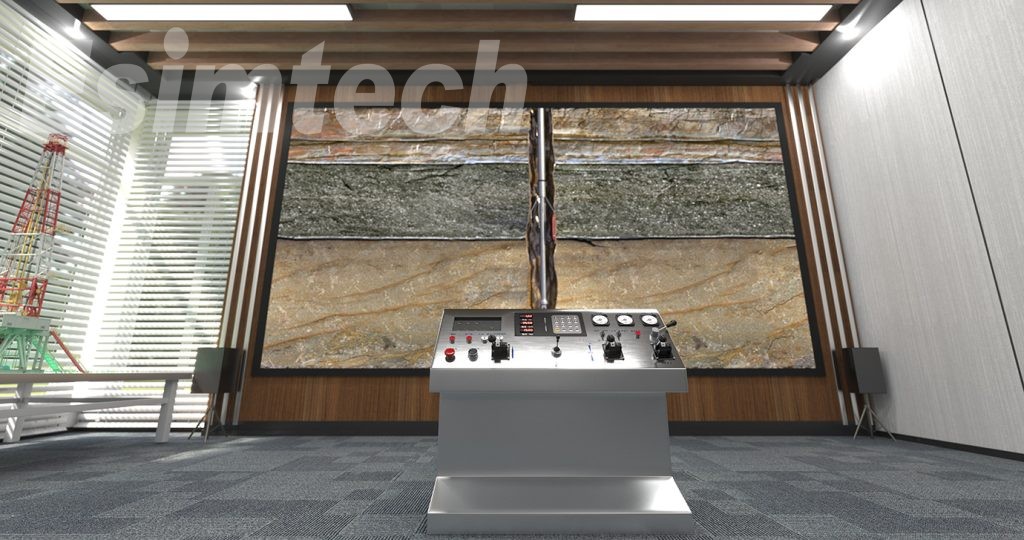
managed pressure system

The Principles of Managed Pressure Drilling

At the core of Managed Pressure Drilling is the ability to regulate wellbore pressure in real time, ensuring a balance between formation and hydrostatic pressures. By using specialized equipment such as rotating control devices (RCDs) and automated choke systems, MPD enables drillers to respond dynamically to changes in subsurface conditions. Unlike conventional drilling, where the hydrostatic pressure of the drilling fluid is relied upon for well control, MPD allows for greater flexibility in adjusting backpressure to maintain an optimal drilling environment. This capability is particularly beneficial when dealing with highly variable formations, depleted reservoirs, or high-pressure, high-temperature (HPHT) wells.

Advantages of Using Managed Pressure Drilling

One of the key benefits of MPD is its ability to improve well control by reducing the risk of kicks and blowouts. Traditional drilling methods often struggle in formations with unstable pressure zones, leading to costly well control incidents. MPD mitigates these risks by providing a continuous monitoring and adjustment system that prevents sudden pressure surges. This enhances safety while also reducing the need for non-productive time (NPT) caused by pressure-related complications.

Another significant advantage of MPD is its ability to minimize fluid losses in fragile formations. When drilling through depleted reservoirs or fractured zones, conventional drilling often leads to lost circulation, where drilling fluid seeps into the formation instead of returning to the surface. MPD optimizes the pressure profile to prevent such losses, improving drilling efficiency and reducing overall fluid costs. Additionally, by enabling faster and more precise drilling, MPD enhances operational performance, reducing the time and expense required to reach target depths.

Key Technologies Enabling Managed Pressure Drilling

The successful implementation of MPD relies on advanced technologies that enable real-time pressure control and monitoring. A rotating control device (RCD) is a critical component, sealing the annulus while allowing drill pipe movement. This provides the necessary containment to regulate pressure efficiently. The automated choke system works in conjunction with the RCD, making precise adjustments to surface backpressure based on real-time data from downhole sensors.

Other essential MPD drilling technologies include Coriolis flow meters, which measure drilling fluid returns to detect anomalies, and surface control systems that integrate data analytics and automation. These technologies work together to create a seamless pressure management system that enhances drilling accuracy and wellbore stability. With the rise of digitalization in the oil and gas industry, MPD systems are increasingly incorporating artificial intelligence and machine learning algorithms to predict and adjust drilling conditions in real time, further optimizing performance.

components of MPD drilling

Challenges and Future Prospects of MPD

Despite its numerous benefits, MPD presents challenges that must be addressed for widespread adoption. The initial costs of MPD equipment and training can be higher than conventional drilling, making it less accessible for some operators. Additionally, the complexity of MPD operations requires a highly skilled workforce capable of managing automated systems and interpreting real-time data effectively. However, as the industry continues to innovate, automation and AI-driven decision-making are expected to simplify MPD processes, making them more cost-effective and accessible.

Managed Pressure Drilling Training

Looking ahead, MPD is set to play an even greater role in offshore and deepwater drilling, where extreme pressure conditions require precise wellbore control. The integration of MPD with drilling simulation systems, remote monitoring systems, and automated well control solutions will further enhance its effectiveness. As oil and gas exploration pushes into more challenging environments, MPD will remain a critical technology for ensuring safety, efficiency, and sustainability in drilling operations.

DIY Stuffed Animals Expressing Your Creativity

Creating your own stuffed animals is a rewarding and enjoyable DIY project that allows you to customize adorable plush toys to your liking. Whether you’re making them as gifts, keepsakes, or for personal enjoyment, DIY stuffed animals provide a fun way to express creativity while developing sewing and crafting skills. With the right materials, techniques, and a bit of patience, you can bring your unique plush designs to life.

Miniature Stuffed Animals

Choosing Materials for Your DIY Stuffed Animal

The first step in making a stuffed animal is selecting the right materials. The fabric you choose will determine the texture and durability of your plush toy. Fleece, felt, minky, and cotton are popular choices due to their softness and ease of sewing. Additionally, you’ll need:

Stuffing material such as polyester fiberfill or cotton to give the toy its shape.

Needle and thread or a sewing machine for stitching the fabric together.

Felt or embroidery thread for adding details like eyes, noses, and mouths.

Fabric glue or hot glue for non-sewing alternatives.

Patterns (store-bought or homemade) to guide your design.

DIY Stuffed Animals

Designing and Cutting Your Pattern

Before you start sewing, create or choose a pattern for your custom stuffed animal. Beginners can find free printable patterns online, while more experienced crafters can sketch their own designs. Keep the pattern simple at first—basic shapes like bears, bunnies, or cats are great starting points. Once you have your pattern, trace it onto the fabric and carefully cut out the pieces, ensuring symmetry for a balanced final product.

Sewing and Assembling the Plush Toy

Once the fabric pieces are cut, it’s time to sew them together. For a seamless look, stitch the fabric with the right sides facing each other and leave a small opening for stuffing. Hand stitching with a backstitch or using a sewing machine are both viable methods. If you prefer a no-sew approach, fabric glue can hold seams together, but it may not be as durable.

After sewing, gently turn the fabric inside out so that the seams are hidden. Then, carefully fill the toy with stuffing, distributing it evenly to create a soft yet firm feel. Once satisfied with the shape, close the opening using a ladder stitch (for hand-sewing) to create a seamless finish.

Adding Details and Personalization

Personalizing your stuffed animal makes it truly unique. Consider adding embroidered facial features, fabric paint, or safety eyes for extra charm. Accessories like bows, scarves, or miniature clothing can further enhance the look. For a special touch, you can even add a small scent sachet or sound module inside the stuffing to make the customized plush toy more interactive.

DIY Stuffed Pigs

Summary

Making DIY stuffed animals is a delightful and fulfilling activity that allows for endless creativity. With a few simple materials and techniques, anyone can create personalized plush companions. Whether you’re crafting for yourself, gifting a handmade toy, or teaching children the joys of sewing, this DIY project brings warmth, creativity, and fun to all ages.

The Role of Wireless Web Guide Systems in Accurate Material Alignment

In industries such as printing, packaging, textiles, and converting, maintaining precise material alignment is crucial for efficiency and product quality. Web guide systems play a vital role in ensuring that materials like paper, plastic, or fabric stay correctly positioned during high-speed processing. Traditionally, these systems relied on wired connections for sensor input and actuator control. However, advancements in wireless technology have introduced wireless web guide systems, offering greater flexibility, reduced maintenance, and improved operational efficiency.

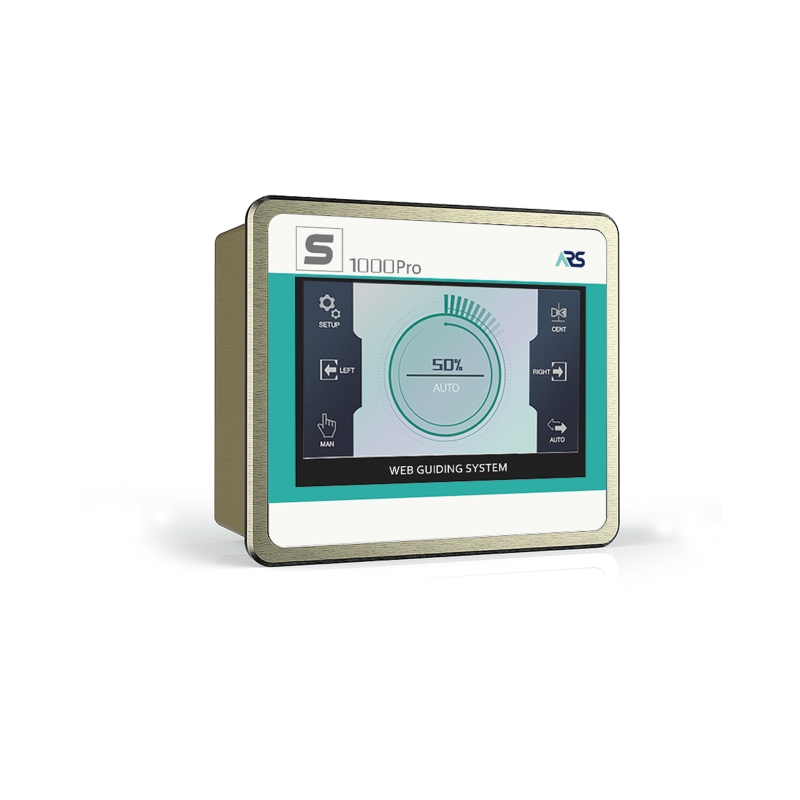
W500 Web Guide System

How Wireless Web Guide Systems Work

Wireless web guide systems function by using sensors, controllers, and actuators that communicate without physical wiring. Optical or ultrasonic sensors detect the web’s position and send signals to a wireless control unit, which processes the data and directs electromechanical actuators to make real-time corrections. This ensures that the material remains aligned even at high speeds, reducing errors and minimizing waste.

By eliminating the need for complex wiring, the web guide systems improve installation flexibility and allow for easier integration into existing production lines. Wireless communication protocols, such as Bluetooth, Wi-Fi, and proprietary industrial RF technologies, enable seamless and reliable data transmission between components.

Key Advantages of Wireless Web Guide Systems

One of the primary benefits of wireless web guide systems is enhanced operational flexibility. Without the constraints of wired connections, manufacturers can reposition equipment and adapt to different production layouts more easily. This is particularly beneficial in modular and automated production environments, where quick adjustments are necessary.

Another advantage is reduced maintenance and downtime. Traditional wired systems are prone to cable wear, disconnections, and signal interference due to movement and environmental conditions. Wireless technology eliminates these vulnerabilities, leading to lower maintenance costs and improved reliability.

Wireless web guide systems also contribute to higher efficiency and precision. Advanced web guiding sensors and faster data processing ensure real-time adjustments with minimal lag, maintaining consistent material alignment and reducing waste. This is particularly important in industries where even minor misalignments can result in costly material loss or defective products.

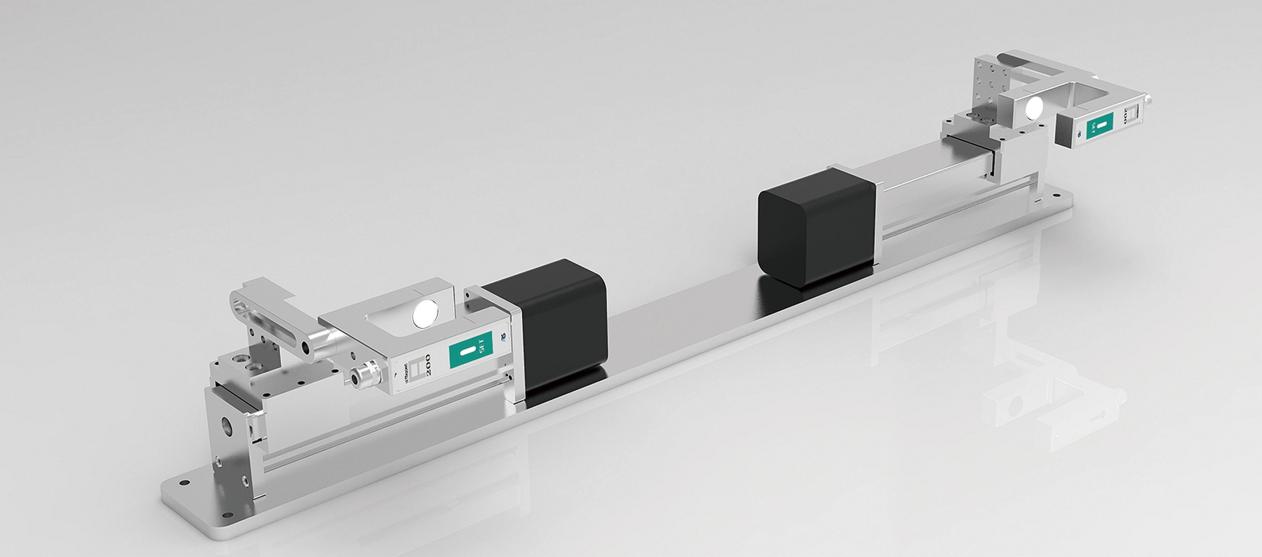
A200 Ultrasonic Edge Web Guide Sensor

Applications of Wireless Web Guide Systems

Wireless web guide systems are used in a wide range of industries that require precise material handling. In the printing industry, they help maintain accurate alignment of paper and film, preventing misprints and ensuring high-quality output. Flexible packaging and label manufacturing also benefit from wireless web guide systems, as they improve material positioning in high-speed production lines.

In the textile industry, wireless web guiding is essential for maintaining consistent fabric alignment during weaving, dyeing, and finishing processes. The battery and electronics industries use web guide systems to handle delicate materials such as thin foils and electrode sheets in lithium-ion battery production, where precision is critical.

Future Trends and Innovations

The future of wireless web guide systems is being shaped by Industry 4.0 and smart automation. Integration with IoT (Internet of Things) platforms allows real-time monitoring and data analytics, improving predictive maintenance and process optimization. Machine learning algorithms are also being developed to enhance web guide accuracy by continuously adapting to material variations and process conditions.

As wireless technologies continue to evolve, we can expect greater connectivity, improved sensor accuracy, and enhanced energy efficiency in web guiding systems. These innovations will further enhance productivity and sustainability across various industries.

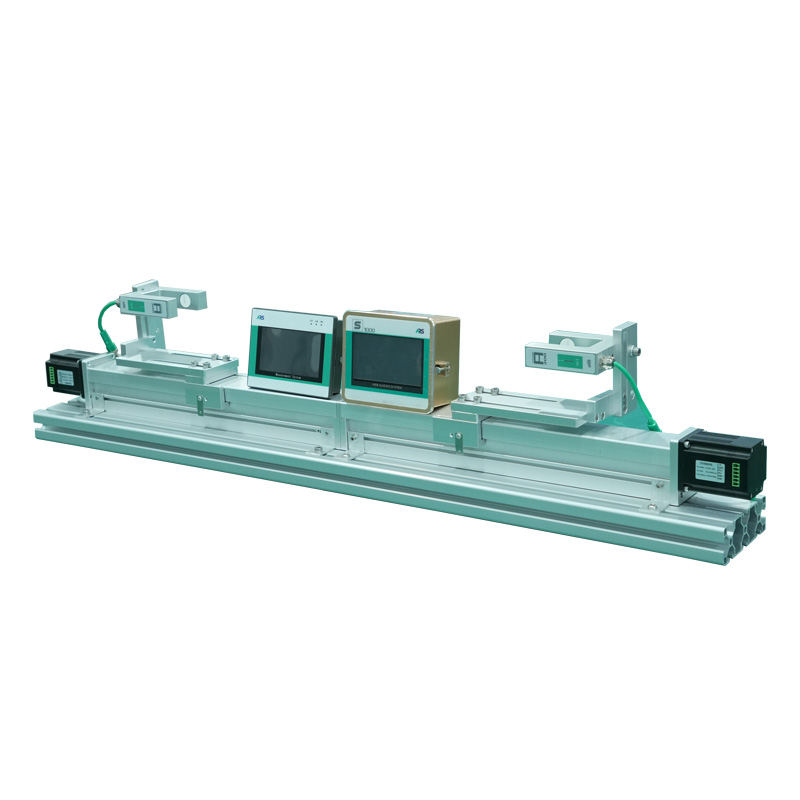
web guide system with splice table

Summary

Wireless web guide systems represent a significant advancement in material alignment technology. By eliminating wired constraints, they offer increased flexibility, reduced maintenance, and higher precision in industrial applications. As more industries embrace wireless automation, web guiding systems will continue to evolve, paving the way for smarter, more efficient manufacturing processes.

Effective Methods of Enhancing the Safety of Explosion-proof Lights in Marine Environments

Marine environments present extreme conditions that demand highly reliable and durable lighting solutions. Explosion-proof lighting is a critical component in offshore platforms, oil tankers, and fuel storage facilities, where the risk of igniting flammable gases or vapors is high. Ensuring the safety of explosion-proof lighting systems requires advancements in technology, materials, and regulatory compliance to prevent accidents and maintain efficient operations.

CFT6-explosion-proof-flood-light

Challenges of Explosion-Proof Lighting in Marine Environments

The combination of saltwater exposure, extreme temperatures, high humidity, and flammable atmospheres makes marine applications particularly challenging for lighting systems. Corrosion is a primary concern, as constant exposure to moisture and salt accelerates the deterioration of fixtures, leading to electrical failures. Additionally, the presence of volatile gases in oil drilling and transport areas increases the risk of explosions, requiring lighting systems designed to contain sparks or heat emissions that could ignite a fire.

Mechanical stress from strong ocean currents, high winds, and vibrations on ships or offshore platforms further complicates the reliability of explosion-proof lighting. Without proper reinforcement, fixtures may become loose or damaged, reducing their effectiveness and increasing safety hazards. Temperature fluctuations, ranging from sub-zero conditions in Arctic waters to extreme heat near the equator, also impact the longevity and performance of lighting systems, necessitating robust designs that can function in diverse climates.

Technological Advancements in Explosion-Proof Lighting

Recent innovations have significantly improved the safety and efficiency of explosion-proof lighting in marine environments. The adoption of LED technology has revolutionized lighting solutions, offering lower heat output, longer lifespan, and higher energy efficiency compared to traditional incandescent or HID lamps. LED explosion-proof lights reduce the risk of overheating and ignition while providing better illumination in hazardous locations.

explosion proof led lights

Advancements in materials have also played a crucial role in enhancing durability. Marine-grade stainless steel, aluminum alloys, and specialized coatings protect fixtures from corrosion, extending their operational lifespan even in the harshest conditions. Sealed and enclosed designs, often rated IP66 to IP68, prevent water ingress and ensure reliable performance.

Smart control systems are further improving the safety of explosion-proof lighting. Wireless monitoring and automated diagnostics allow operators to remotely detect faults, reducing the need for manual inspections in hazardous areas. Emergency lighting integration and real-time alerts enable faster response times in case of malfunctions, enhancing overall safety.

Regulatory Compliance and Safety Standards

Marine explosion-proof lighting must comply with strict international standards to ensure safety and reliability. Certifications such as ATEX (Europe), IECEx (global), and UL 844 (USA) define the necessary protection levels for hazardous locations. Additionally, marine classification societies like DNV, ABS, and Lloyd’s Register provide specific approvals for lighting equipment used in offshore applications.

Routine maintenance and inspection are essential to maintaining compliance and preventing failures. Operators must conduct regular checks for corrosion, loose connections, and potential hazards that could compromise the lighting system’s effectiveness. Advanced sensor technologies and predictive maintenance tools are being increasingly adopted to streamline these processes and reduce the risk of unexpected failures.

explosion proof flood light

Final Thoughts

Enhancing the safety of explosion-proof lighting in marine environments requires a multifaceted approach that includes technological innovation, durable materials, and adherence to safety regulations. The transition to LED technology, the use of corrosion-resistant materials, and the integration of smart monitoring systems are all contributing to improved reliability and efficiency. As the maritime and offshore industries continue to evolve, further advancements in lighting technology will play a crucial role in ensuring safer and more sustainable operations in hazardous environments.

Understanding Common Types of Materials Used for Nuts

Nuts are essential fasteners used in various industries, from construction and automotive to aerospace and electronics. The choice of material for nuts plays a crucial role in determining their strength, corrosion resistance, temperature tolerance, and overall performance. Selecting the right nut material ensures the reliability and longevity of assemblies under different working conditions.

Different materials of hex nuts

Common Materials Used for Nuts

1. Steel Nuts

Steel is one of the most widely used materials for nuts due to its high strength and affordability. Different types of steel are used depending on the application:

Carbon Steel Nuts – These are standard nuts used in general-purpose applications. They offer good strength but may require coatings such as zinc plating to prevent rust.

Alloy Steel Nuts – Alloyed with elements such as chromium and molybdenum, these nuts provide superior strength and hardness, making them ideal for high-stress environments.

Stainless Steel Nuts – Known for their excellent corrosion resistance, stainless steel nuts are widely used in marine, food processing, and chemical industries. Common grades include 304 and 316 stainless steel, with 316 offering superior resistance to harsh environments.

2. Brass Nuts

Brass nuts are corrosion-resistant and non-magnetic, making them suitable for electrical and plumbing applications. Their golden appearance also makes them a popular choice for decorative uses. However, brass has lower strength compared to steel, limiting its use in heavy-duty applications.

3. Aluminum Nuts

Aluminum nuts are lightweight and resistant to corrosion, making them ideal for aerospace, automotive, and marine applications. They have good thermal and electrical conductivity but are not as strong as steel, so they are typically used in applications where weight reduction is a priority.

4. Titanium Nuts

Titanium nuts offer an excellent combination of strength, corrosion resistance, and lightweight properties. They are commonly used in aerospace, medical implants, and high-performance automotive applications. While highly durable, titanium nuts are more expensive than steel and aluminum options.

5. Nylon and Plastic Nuts

For non-conductive and lightweight applications, nylon nuts or plastic nuts are commonly used. These materials provide good resistance to chemicals and moisture but have lower mechanical strength than metal nuts. They are often found in electronics, medical equipment, and light-duty fastening applications.

6. Bronze and Copper Nuts

Bronze and copper nuts are used for their corrosion resistance and conductivity. Bronze nuts are commonly found in marine applications due to their resistance to saltwater, while copper nuts are often used in electrical connections.

Silicon bronze hexagon nut

Factors to Consider When Choosing Nut Materials

Strength Requirements: High-stress applications require strong materials like alloy steel or titanium.

Corrosion Resistance: For outdoor, marine, or chemical environments, stainless steel, brass, or bronze are better choices.

Weight Considerations: Aluminum and titanium are preferred for weight-sensitive applications.

Electrical and Thermal Conductivity: Brass, copper, and aluminum are suitable for electrical applications.

Cost: Standard steel nuts are the most cost-effective, while titanium and specialty materials are more expensive but offer unique advantages.

Summary

Selecting the right nut material is essential for ensuring durability, performance, and safety in different applications. Whether choosing steel for its strength, brass for its corrosion resistance, or titanium for its lightweight properties, understanding material characteristics helps in making the best choice for any fastening requirement.

Understanding the Different Types of Density Measurement Instruments in Laboratories

Density measurement plays a crucial role in laboratory research and industrial applications. Whether analyzing the purity of substances, ensuring quality control in manufacturing, or conducting scientific experiments, accurate density measurements are essential. Laboratories rely on specialized density measurement instruments to achieve precision and repeatability in their results.

The Importance of Density Measurement in Laboratories

Density, defined as mass per unit volume, is a fundamental property of materials. It helps determine composition, purity, and consistency in various substances, from liquids and gases to solids. In laboratory settings, density measurement is widely used in fields such as pharmaceuticals, petrochemicals, food and beverage testing, and material science. The ability to measure density accurately enables researchers and manufacturers to maintain high-quality standards and optimize production processes.

Types of Density Measurement Instruments

Several types of instruments are used in laboratories to measure density, each tailored for specific materials and applications.

1. Digital Density Meters

Digital density meters use oscillating U-tube technology to measure the density of liquids with high precision. These instruments are widely used in pharmaceutical, chemical, and beverage industries due to their accuracy, ease of use, and fast results. Many digital density meters also feature temperature compensation, ensuring reliable measurements under varying conditions.

density meter

2. Hydrometers

Hydrometers are traditional instruments used for measuring the density or specific gravity of liquids. They consist of a calibrated glass tube with a weighted bulb that floats at a level corresponding to the liquid’s density. Although simple and cost-effective, hydrometers require manual reading and are less precise compared to digital alternatives.

3. Pycnometers

Pycnometers are glass containers used to determine the density of solids and liquids by measuring their mass and volume. These instruments are particularly useful for measuring the density of powders, granular materials, and irregularly shaped solids. Pycnometers provide highly accurate results but require meticulous handling to avoid errors.

4. Gas Pycnometers

Gas pycnometers measure the density of solids using gas displacement techniques. By analyzing the volume of gas displaced by a solid sample, these instruments provide accurate density measurements, even for porous materials. They are commonly used in materials science and pharmaceutical applications.

5. Hydrostatic Balances

Hydrostatic balances determine the density of solids and liquids by comparing their weights in air and in a liquid of known density. This precision analytical balance is useful for measuring the density of irregularly shaped objects and is widely used in quality control laboratories.

Analytical Balance

Applications of Density Measurement Instruments

Density measurement instruments serve various industries and research fields, including:

Pharmaceutical Industry: Ensuring correct formulation and concentration of drugs.

Petrochemical Industry: Measuring fuel density to assess quality and compliance with standards.

Food and Beverage Industry: Determining the density of beverages, oils, and dairy products for consistency and quality control.

Material Science: Characterizing polymers, ceramics, and metals based on their density properties.

Environmental Studies: Monitoring the density of wastewater and other industrial effluents to assess pollution levels.

Choosing the Right Density Measurement Instrument

Selecting the appropriate density measurement instrument depends on factors such as the type of material being analyzed, required precision, and laboratory workflow. Digital density meters offer high accuracy and automation, while traditional methods like hydrometers and pycnometers are more cost-effective for routine analysis. Gas pycnometers and hydrostatic balances provide specialized solutions for unique applications.

Density Meter Display

Conclusion

Density measurement instruments play a vital role in laboratory analysis, ensuring accurate material characterization across multiple industries. Advances in digital technology have improved the precision and efficiency of these instruments, making density measurement faster and more reliable than ever before. As laboratories continue to demand high-quality data, investing in the right density measurement instrument remains crucial for achieving consistent and reproducible results.

Why Custom Plush Toys for Adults Become Popular

Plush toys have evolved far beyond childhood companions, becoming a beloved part of adult life. Custom plush toys, in particular, have gained significant popularity among adults, offering a personalized touch that reflects individual tastes, emotions, and creativity. Whether for relaxation, sentimental value, collecting, or branding, these plush creations cater to a wide range of adult interests and needs.

Custom Plush Toy for Adults

Why Adults Love Custom Plush Toys

The appeal of plush toys for adults lies in their ability to provide comfort, nostalgia, and personalization. Many people associate plush toys with childhood memories, making them a source of emotional reassurance. A custom plush can also represent a favorite pet, a fictional character, or a personal design, allowing adults to create something truly meaningful.

Types of Custom Plush Toys for Adults

Custom plush toys for adults come in a variety of styles, catering to different tastes, interests, and purposes. From sentimental keepsakes to collectible figures, these plush creations offer both emotional comfort and aesthetic appeal. Here are some of the most popular types of custom plush toys for adults:

1. Personalized Pet Plushies

Many adults commission plush replicas of their beloved pets. These custom plushies are designed to resemble real animals with detailed fur patterns, embroidered features, and even custom accessories. They serve as sentimental keepsakes, especially for those who want to remember a cherished pet.

2. Character and Fandom Plushies

Custom plush toys based on favorite anime, movie, video game, or comic book characters are highly popular among fans. Many adults collect limited-edition or artist-designed plushies to display or use as comfort items. These plush toys allow fans to bring their favorite fictional characters to life in a soft, huggable form.

3. Emotional Support and Therapeutic Plushies

Some custom plush toys are designed specifically for stress relief and emotional support. Weighted plushies, aromatherapy-infused plush toys, and extra-soft, textured plushies help reduce anxiety and provide comfort. Many adults use them for relaxation, sleep aid, or as a soothing presence during stressful situations.

4. Custom Memory Plush Toys

Memory plushies are created from sentimental fabrics such as old clothing, blankets, or baby clothes. These plush toys hold deep emotional value, preserving special memories in a tangible and huggable form. They are often commissioned in memory of loved ones, making them a deeply personal keepsake.

5. Oversized Plush Cushions and Body Pillows

Larger plush toys, such as oversized stuffed animals or plush body pillows, serve both comfort and decorative purposes. Some plush pillows are designed with ergonomic support, making them perfect for relaxation or sleeping. Many adults use them as cozy companions for reading, watching TV, or lounging.

Plush Bears for Adults

6. Fantasy and Mythical Creature Plushies

For those with a love for fantasy, custom plush toys in the form of dragons, unicorns, and other mythical creatures are a popular choice. These plush toys often feature intricate embroidery, special fabrics, and unique designs that cater to fantasy lovers and collectors.

7. Corporate and Promotional Plushies

Businesses use custom plush toys as branding tools, creating plush mascots or promotional giveaways. These plush toys help companies connect with customers in a fun and memorable way. Some brands also sell limited-edition plush toys as part of their merchandise lineup.

8. Handmade and Artist-Designed Plushies

Many independent artists and plush makers create one-of-a-kind, handmade plush toys. These custom-designed plushies are often more detailed, unique, and made with high-quality materials. Collectors and plush enthusiasts value these handmade creations for their craftsmanship and originality.

9. Interactive and Sound-Enabled Plush Toys

Some custom plush toys are designed with interactive features such as voice recordings, sound effects, or motion sensors. These plush toys can play comforting messages, mimic pet sounds, or feature voice recordings from loved ones, adding a special touch to their sentimental value.

10. Themed Seasonal and Holiday Plushies

Custom plush toys designed for holidays or special occasions, such as Halloween, Christmas, or Valentine’s Day, make great gifts. Many adults enjoy seasonal plush toys as decorative pieces or as part of their holiday traditions.

Custom Plushies for Business and Branding

Businesses have also tapped into the potential of custom plush toys for marketing and branding purposes. Companies create plush mascots or promotional plush giveaways to build customer loyalty and brand recognition. Personalized plush merchandise serves as a memorable and engaging way to connect with consumers.

Plush Animals for Adults

A Growing Trend with Lasting Appeal

As the demand for personalized and comforting items continues to grow, custom plush toys for adults are becoming more than just a trend. They represent creativity, emotional connection, and a means of self-expression. Whether as a nostalgic reminder of childhood, a cherished keepsake, or a stylish décor piece, custom plush toys are proving that they are not just for kids. Instead, they have become a meaningful and versatile part of adult life, bringing comfort, joy, and a touch of whimsy to people of all ages.

Key Technologies for Inspecting Complex Graphics in Packaging Printing

In the competitive world of packaging, the visual appeal of a product can make or break its success. Complex graphics, intricate designs, and vibrant colors are often used to capture consumer attention and convey brand identity. However, achieving flawless printing of these complex graphics is no small feat. The process requires advanced inspection techniques to ensure precision, consistency, and quality. This article explores the challenges of inspecting complex graphics in packaging printing, the technologies used to address these challenges, and the importance of maintaining high standards in the packaging industry.

The Importance of Complex Graphics in Packaging

Packaging is more than just a protective shell for products; it is a powerful marketing tool. Complex graphics, such as detailed illustrations, gradients, and fine text, play a crucial role in creating a memorable brand experience. These elements help differentiate products on crowded shelves, communicate essential information, and evoke emotional connections with consumers. However, even the smallest printing defect—such as misregistration, color inconsistency, or blurry images—can undermine the effectiveness of the packaging and damage the brand’s reputation.

precision print inspection system

Challenges in Inspecting Complex Graphics

Inspecting complex graphics in packaging printing presents several challenges:

High Precision Requirements: Complex designs often include fine details and tight tolerances, making it difficult to detect minor defects.

Color Consistency: Achieving consistent color reproduction across different batches and materials is critical but challenging, especially with intricate designs.

Substrate Variability: Packaging materials, such as paper, plastic, and metal, have different surface properties that can affect print quality.

Speed and Efficiency: Packaging printing often involves high-speed production lines, requiring inspection systems that can keep up without compromising accuracy.

Defect Diversity: Defects can range from color shifts and misalignment to scratches, streaks, and missing elements, each requiring specific detection methods.

OR-D Web Inspection System

Advanced Inspection Technologies

To address these challenges, the packaging industry has adopted advanced pringing inspection systems that combine high-resolution imaging, artificial intelligence (AI), and automation. These tools enable manufacturers to detect and correct defects in real time, ensuring consistent quality throughout the production process.

1. Automated Optical Inspection (AOI) Systems

Automated web inspetion systems for print quality use high-resolution cameras and sophisticated software to capture and analyze images of printed graphics. These systems can detect defects such as misregistration, color variations, and print inconsistencies with remarkable accuracy. By integrating AOI systems into production lines, manufacturers can identify and address issues immediately, reducing waste and improving efficiency.

2. Color Measurement and Management

Color consistency is critical for complex graphics, and advanced color measurement tools, such as spectrophotometers, are used to ensure accurate color reproduction. These devices measure color values across the printed material and compare them to predefined standards. Additionally, color management software helps maintain consistency across different printing processes and substrates.

3. Artificial Intelligence and Machine Learning

AI and machine learning algorithms are increasingly being used to enhance inspection systems. These technologies can analyze vast amounts of data to identify patterns and predict potential defects. For example, AI-powered systems can learn to recognize subtle defects that may be missed by traditional inspection methods, improving overall accuracy and reliability.

4. 3D Surface Inspection

For packaging with embossed or textured graphics, 3D surface inspection systems are used to detect defects such as uneven surfaces, scratches, or dents. These systems use advanced imaging techniques to create detailed 3D models of the packaging surface, allowing for precise defect detection.

5. Real-Time Monitoring and Feedback

Modern inspection systems are integrated with real-time monitoring and feedback mechanisms. This allows operators to make immediate adjustments to the printing process, ensuring that defects are corrected before they escalate. Real-time data also provides valuable insights into production trends, enabling continuous improvement.

The Role of Human Expertise

While advanced technologies play a crucial role in inspecting complex graphics, human expertise remains indispensable. Skilled operators and quality control professionals are needed to interpret data, make informed decisions, and fine-tune inspection systems. Additionally, human inspectors are often required to evaluate subjective aspects of print quality, such as aesthetic appeal and brand consistency.

Benefits of Effective Inspection

Investing in advanced inspection technologies for complex graphics offers several benefits:

Enhanced Brand Reputation: Flawless packaging reinforces brand credibility and consumer trust.

Reduced Waste: Early defect detection minimizes material waste and rework, lowering production costs.

Improved Efficiency: Automated inspection systems streamline the production process, reducing downtime and increasing throughput.

Regulatory Compliance: High-quality packaging ensures compliance with industry standards and regulations.

Customer Satisfaction: Consistent print quality enhances the overall consumer experience, leading to higher customer satisfaction and loyalty.

Future Trends in Packaging Inspection

As the packaging industry continues to evolve, inspection technologies are expected to become even more sophisticated. Emerging trends include:

Integration with Digital Printing: As digital printing gains popularity, inspection systems will need to adapt to the unique challenges of this technology, such as variable data printing and shorter print runs.

Augmented Reality (AR): AR tools could be used to overlay digital images onto physical packaging, enabling real-time comparison and defect detection.

Sustainability Focus: Inspection systems will play a key role in supporting sustainable packaging initiatives by ensuring efficient use of materials and reducing waste.

web video inspection machine

Conclusion

Inspecting complex graphics in packaging printing is a critical step in delivering high-quality products that meet consumer expectations and brand standards. By leveraging advanced inspection technologies, manufacturers can overcome the challenges of complex designs, achieve consistent print quality, and maintain a competitive edge in the market. As the industry continues to innovate, the integration of cutting-edge tools and human expertise will ensure that packaging remains a powerful driver of brand success.

What is Subsea Well Intervention

The global demand for energy continues to rise, driving the oil and gas industry to explore and produce hydrocarbons in increasingly challenging environments. Subsea well intervention has emerged as a critical component of offshore operations, enabling operators to maintain, repair, and optimize subsea wells without the need for costly and time-intensive rig-based interventions. This article explores the importance of subsea well intervention, the technologies involved, and its role in ensuring the longevity and efficiency of offshore oil and gas production.

What is Subsea Well Intervention?

Subsea well intervention refers to the process of accessing and performing operations on subsea wells, which are located on the ocean floor, often at depths of thousands of meters. These interventions are necessary to address issues such as declining production, equipment malfunctions, or the need to enhance recovery rates. Unlike traditional methods that require a full-scale drilling rig, subsea well intervention utilizes specialized vessels, tools, and remotely operated vehicles (ROVs) to perform tasks efficiently and cost-effectively.

Testing Subsea Well Intervention

The Importance of Subsea Well Intervention

As offshore oil and gas fields mature, maintaining production levels becomes increasingly challenging. Subsea well intervention plays a vital role in:

Maximizing Production: By performing interventions such as scale removal, sand control, or re-perforation, operators can restore or enhance production rates from existing wells.

Extending Field Life: Regular maintenance and repairs can prolong the operational life of subsea wells, delaying the need for costly decommissioning.

Reducing Costs: Subsea well intervention is often more cost-effective than traditional rig-based methods, as it requires less equipment and shorter operational timelines.

Ensuring Safety and Environmental Protection: Timely interventions can prevent leaks, blowouts, or other incidents that could harm the environment or endanger personnel.

Key Technologies in Subsea Well Intervention

The success of subsea well intervention relies on advanced technologies and equipment designed to operate in the harsh conditions of the deep sea. Some of the key technologies include:

Light Well Intervention Vessels (LWIVs): These specialized vessels are equipped with heave-compensated cranes, ROVs, and intervention riser systems, allowing them to perform a wide range of tasks without the need for a drilling rig.

Remotely Operated Vehicles (ROVs): ROVs are essential for inspecting, maintaining, and repairing subsea equipment. They are equipped with cameras, manipulator arms, and specialized tools to perform precise operations.

Intervention Risers: These risers provide a conduit between the vessel and the subsea well, enabling the deployment of tools, fluids, and equipment.

Downhole Tools: Advanced tools such as electric line (e-line) and coiled tubing systems are used to perform tasks like logging, perforating, and well cleanouts.

Subsea Control Systems: These systems allow operators to monitor and control subsea equipment remotely, ensuring safe and efficient operations.

Subsea Well Intervention

Types of Subsea Well Interventions

Subsea well interventions can be broadly categorized into two types:

Light Interventions: These are less complex operations that do not require heavy equipment or extensive modifications to the well. Examples include routine inspections, data logging, and minor repairs.

Heavy Interventions: These involve more extensive work, such as replacing damaged equipment, performing major repairs, or sidetracking the well to access new reservoirs. Heavy interventions often require the use of a rig or specialized vessels.

Challenges in Subsea Well Intervention

Despite its advantages, subsea well intervention is not without challenges. The deepwater environment presents unique difficulties, including high pressure, low temperatures, and limited visibility. Additionally, the complexity of subsea infrastructure requires highly skilled personnel and precise planning. Operators must also navigate regulatory requirements and environmental considerations to ensure compliance and minimize risks.

Simulation Technologies in Subsea Well Intervention

Simulation technologies provide a virtual environment where subsea well intervention scenarios can be tested and refined. These tools allow engineers and operators to replicate real-world conditions, assess potential challenges, and develop effective strategies to address them. By simulating various aspects of an intervention, from equipment deployment to well control, teams can identify risks, optimize workflows, and ensure that operations are conducted safely and efficiently.

1. Virtual Reality and 3D Modeling

One of the most significant advancements in simulation technology is the use of virtual reality (VR) and 3D modeling. These tools create immersive, high-fidelity representations of subsea environments, enabling operators to visualize and interact with subsea infrastructure in real time. For example, 3D models of wellheads, pipelines, and subsea trees can be used to plan intervention procedures, identify potential obstacles, and test the compatibility of tools and equipment. VR simulations also provide a platform for training personnel, allowing them to practice complex tasks in a risk-free environment.

2. Dynamic Simulation for Well Control

Well control is a critical aspect of subsea well intervention, as any loss of control can lead to catastrophic consequences. Dynamic simulation tools are used to model the behavior of fluids and pressures within the wellbore during intervention operations. These well control simulations help engineers predict how the well will respond to various actions, such as fluid injection or tool deployment, and develop strategies to maintain well integrity. By simulating worst-case scenarios, such as blowouts or equipment failures, operators can prepare contingency plans and ensure that they are equipped to handle emergencies.

3. ROV and Tool Deployment Simulations

Remotely operated vehicles (ROVs) and specialized tools are essential for performing subsea well interventions. Simulation technologies are used to model the deployment and operation of these systems, taking into account factors such as water currents, equipment limitations, and subsea terrain. By simulating ROV missions, operators can optimize tool paths, minimize downtime, and reduce the risk of equipment damage. These simulations also provide valuable insights into the performance of ROVs under different conditions, enabling operators to select the most suitable equipment for each intervention.

4.Training and Competency Development

Simulation technologies play a crucial role in training personnel for subsea well intervention operations. High-fidelity simulators replicate the controls, interfaces, and conditions of subsea equipment, allowing trainees to gain hands-on experience without the risks associated with live operations. These training programs cover a wide range of scenarios, from routine maintenance to emergency response, ensuring that personnel are prepared for any situation. By improving competency and confidence, simulation-based training enhances the overall safety and efficiency of subsea well interventions.

5. Reducing Costs and Improving Decision-Making

The use of simulation technologies in subsea well intervention can significantly reduce costs by minimizing the need for physical testing and trial-and-error approaches. By identifying potential issues and optimizing procedures in a virtual environment, operators can avoid costly delays and equipment failures during actual operations. Additionally, simulation tools provide valuable data and insights that support informed decision-making, enabling operators to select the most effective strategies and technologies for each intervention.

Full Size Coiled Tubing Simulator

The Future of Subsea Well Intervention

As the oil and gas industry continues to push the boundaries of offshore exploration, subsea well intervention will play an increasingly important role. Advances in robotics, automation, and data analytics are expected to further enhance the efficiency and safety of these operations. For example, the development of autonomous underwater vehicles (AUVs) and artificial intelligence (AI)-powered diagnostic tools could revolutionize how subsea wells are monitored and maintained. Moreover, the growing focus on sustainability is driving innovation in subsea well intervention. Techniques such as subsea well decommissioning and the use of environmentally friendly fluids are becoming more prevalent, aligning with the industry’s commitment to reducing its environmental footprint.

Summary

Subsea well intervention is a critical enabler of offshore oil and gas production, offering a cost-effective and efficient solution for maintaining and optimizing subsea wells. As technology continues to evolve, the capabilities of subsea well intervention will expand, ensuring that operators can meet the world’s energy demands while minimizing environmental impact. By investing in advanced technologies and skilled personnel, the industry can unlock the full potential of subsea resources and secure a sustainable energy future.

How to Prolong the Life of Deck Machinery

Deck machinery is essential in the operation and safety of ships, offshore platforms, and other marine structures. Equipment such as winches, windlasses, cranes, and mooring systems must function reliably in harsh marine environments. Proper maintenance and strategic upgrades can significantly extend the lifespan of deck machinery, reducing downtime and operational costs.

Deck Machinery in Marine Operations

1. Regular Inspection and Preventive Maintenance

Routine inspections help identify early signs of wear and tear before they escalate into serious failures. A preventive maintenance schedule should include:

Visual Checks: Identifying corrosion, cracks, and leaks.

Lubrication: Ensuring moving parts operate smoothly and do not seize up.

Fastener Inspection: Tightening bolts and connections to prevent misalignment.

Hydraulic and Pneumatic System Checks: Detecting leaks or pressure losses.

2. Corrosion Protection Strategies

The marine environment exposes deck machinery to saltwater, humidity, and extreme weather conditions, making corrosion a major threat. Effective corrosion control measures include:

Protective Coatings: Using high-quality marine-grade paints and anti-corrosion coatings.

Cathodic Protection: Installing sacrificial anodes or impressed current systems.

Regular Cleaning: Removing salt deposits and contaminants that accelerate corrosion.

Marine Windlass

3. Proper Lubrication and Seal Management

Friction and exposure to harsh conditions can degrade bearings, gears, and other moving parts. To enhance longevity:

Use lubricants suited for marine environments, ensuring compatibility with machinery.

Replace worn-out seals to prevent water ingress into sensitive components.

Monitor lubrication schedules to prevent overuse or underuse, both of which can harm equipment.

4. Alignment and Load Management

Misalignment and excessive loads can cause deck machinery to fail prematurely. Best practices include:

Ensuring proper alignment of shafts, gears, and pulleys.

Avoiding overloading by adhering to manufacturer-specified load limits.

Utilizing shock-absorbing mounts and dampers to reduce vibrations and mechanical stress.

5. Upgrading Outdated Components

As technology advances, older deck machinery components may become inefficient or prone to failure. Consider:

Retrofitting machinery with modern control systems for improved performance.

Upgrading electrical and hydraulic components for energy efficiency.

Implementing remote monitoring and diagnostics to detect early signs of failure.

6. Operator Training and Best Practices

Proper operation of deck machinery minimizes unnecessary stress and extends its service life. Training personnel on:

Correct start-up and shutdown procedures.

Safe load handling techniques.

Emergency response and troubleshooting procedures.

Marine Anchor Winch

7. Spare Parts Management and Emergency Repairs

Having essential spare parts readily available ensures quick repairs and reduces downtime. A proactive approach includes:

Maintaining an inventory of critical components.

Establishing supplier relationships for fast part replacements.

Conducting periodic performance tests to preemptively replace aging parts.

Summary

Prolonging the life of deck machinery requires a combination of proactive maintenance, corrosion prevention, proper lubrication, and training. Investing in these strategies improves reliability, reduces operational costs, and enhances safety on deck. By implementing these best practices for maintaining deck machinery, marine operators can ensure that their equipment remains in peak condition, even in the most challenging environments.

通过 WordPress.com 设计一个这样的站点
从这里开始