Quality Control in the Manufacturing of Custom Plush Toys

The global demand for custom plush toys continues to grow across various sectors—from promotional merchandise and collector items to personalized gifts and licensed characters. In this competitive market, quality control plays a critical role in ensuring customer satisfaction, brand reputation, and compliance with international safety standards. Quality assurance in custom plush toy production is not a one-time check but a comprehensive, multi-stage process that begins with design and ends with post-production evaluation.

Quality Control for Custom Plush Toy Manufacturing

Design and Prototype Verification

Quality control begins at the conceptual stage. The design blueprint is reviewed to ensure that it meets client specifications and feasibility for mass production. Material selection is a vital part of this phase. The softness, colorfastness, and durability of fabrics are carefully considered, especially for toys intended for children. A prototype or sample is then produced and undergoes internal and client review. This helps identify any discrepancies in shape, size, stitching, or facial expressions before bulk production begins.

Sourcing high-quality materials is a pillar of consistent manufacturing. All incoming fabrics, threads, fillers, buttons, zippers, and other components are subjected to inspection. Tests are performed to ensure:

Colorfastness to prevent dye bleeding

Tear resistance to maintain structural integrity

Hypoallergenic and non-toxic standards especially for child-safe certification

Compliance with global standards like EN71, ASTM F963, and CPSIA

Some factories utilize spectrophotometers and tensile testers to verify these characteristics before approving material batches for use.

In-Line Production Monitoring

Rather than waiting until the end of the manufacturing cycle, many custom plush toy manufacturers integrate in-line inspections during critical phases such as cutting, sewing, stuffing, and final assembly. Trained quality inspectors examine:

Uniformity in shape and dimension

Stitching strength and neatness

Proper alignment of eyes, ears, limbs, and decorative features

Accurate logo embroidery or printing

Appropriate stuffing distribution for softness and balance

Random sampling helps identify process drift early and reduces the number of defective final products.

Quality Control for Plush Toy Manufacturing

Final Product Inspection

Before packaging and shipping, each plush toy undergoes a thorough final quality inspection. This includes:

Visual inspection for cosmetic flaws

Functional testing (e.g., sound chip activation, movable parts)

Safety testing for choking hazards (e.g., pull test on small parts)

Metal detection to ensure no needles or broken components remain inside

Odor testing to rule out chemical residues

Defective toys are either repaired, reworked, or discarded depending on severity.

Packaging and Labeling Accuracy

Packaging is more than aesthetics—it reflects brand image and compliance. Each plush toy is checked for:

Correct hangtags, labels, and instruction inserts

Proper sealing and barcode placement

Accurate packaging per order (e.g., single-unit, bundle, display box)

Suffocation warnings on plastic packaging for safety

Post-Production and Feedback Loop

After shipping, reputable manufacturers encourage client feedback. Any reported defects or customer complaints are analyzed to improve future batches. Periodic audits and internal training help refine the QC process over time.

Wholesale Production in Custom Plush Business

Summary

Custom plush toy manufacturing demands meticulous attention to detail at every stage to ensure quality, safety, and customer satisfaction. A robust quality control system not only reduces the risk of product recalls or rejections but also enhances brand trust and long-term business growth. Manufacturers who invest in comprehensive QC protocols are better positioned to deliver plush toys that are not only cute and cuddly but also safe and durable.

What You Should Know about VOGE DS900X

The VOGE  DS900X is a game-changing mid‑weight adventure motorcycle from the Chinese manufacturer VOGE brand, debuting in Europe and beyond with high-end tech, robust components, and a pricing strategy that challenges long-established rivals.

Engine & Performance

Powertrain: An 895 cc parallel‑twin, liquid‑cooled DOHC motor with a 270° crank, delivering 70 kW at 8,250 rpm and 95 Nm of torque at 6,000 rpm—essentially the same unit used in BMW’s F 900 series.

Transmission: 6-speed gearbox with slipper clutch and a bi-directional quick-shifter. Four ride modes—Sport, Road/Economy, Rain, and Enduro—manage throttle response, traction control, and ABS behaviour.

Real-world ride: Reviewed as having a smooth, torquey delivery ideal for both highways and twisty roads, though low-speed throttle in Sport may feel jumpy.

Chassis & Suspension

Frame & Swingarm: Steel perimeter frame with a lightweight asymmetrical aluminium swingarm

Suspension: Fully adjustable KYB kit, a preload/damping-adjustable rear mono-shock. Roughly 190–200 mm travel front and rear

Brakes & Wheels: 21″ front and 17″ rear tubeless Pirelli Scorpion tires on spoked rims. Brembo brakes (305 mm dual front, 265 mm single rear) with Bosch dual-channel ABS and traction control

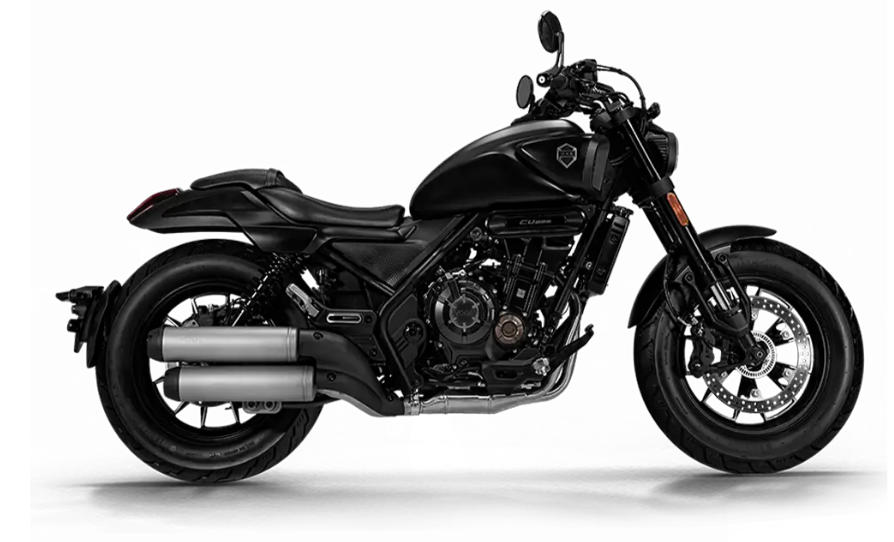
VOGE DS900X Motorcycle

Electronics & Gear

Display & Connectivity: 7″ full-colour TFT with tyre pressure monitoring, USB-A/C ports, 12 V socket, keyless start, and cruise control

Extras as standard: Heated grips and seat, handguards, centre stand, crash bars, front dash‑cam, fog/cornering lights, blind‑spot radar, and metal panniers (removable liners)

Dimensions & Practicality

Size & Weight: 2,325 × 940 × 1,420 mm; 1,580 mm wheelbase; 825 mm seat height; approximately 215–238 kg dry, depending on spec

Fuel Range: 17 L tank; note that the display lacks a “range‑to‑empty” readout

Ride Impressions & Feedback

Riding: Praised for highway comfort, twisty-road agility, and balanced handling—even in mild off-road conditions; cruise control and heated amenities enhance touring comfort .

Build Quality: High-spec components from Brembo, Bosch, KYB and Pirelli elevate its credibility. Touches like cheap switchgear and aggressive quick-shifter sensitivity show it isn’t fully refined yet.

Value: Competitively pricing, with a comprehensive kit out of the box, significantly undercutting rivals like BMW or Triumph in spec-to-price ratio.

VOGE DS900X

Final Thoughts

The VOGE DS900X redefines the mid-size adventure bike segment by delivering a fully-loaded package—premium hardware, comfort tech, and capable performance—at a price point previously unheard of. While a few finesse issues remain, they’re overshadowed by its robust touring credentials and BMW-level components.

If you’re open to being an early adopter and value bang for the buck, the DS900X offers irresistible appeal. It’s a bold statement: Chinese motorcycles have arrived on the global stage, and VOGE is leading the charge.

The Growing Custom Demands for Toilet Paper Manufacturing

Toilet paper, a seemingly simple hygiene product, has evolved beyond its basic function. As market dynamics shift and consumer expectations grow more specific, toilet paper manufacturers are facing an increasing number of custom demands—from product features and packaging to sustainable practices and private labeling. These custom requirements are reshaping production strategies, machinery configurations, and supply chain practices.

Advacned Manufacturing Equipment for Toilet Paper

Softness, Strength, and Absorbency

Consumers are no longer satisfied with “standard” tissue products. Instead, they are looking for:

Ultra-soft or velvet-touch textures for premium comfort

High strength and durability, especially in wet conditions

Increased absorbency to minimize usage and reduce waste

To meet these preferences, manufacturers must carefully select raw materials (virgin pulp vs. recycled), optimize fiber blending, and fine-tune embossing and lamination techniques.

Customized Sheet Size and Roll Dimensions

Different markets require tailored product dimensions:

Jumbo rolls for commercial and institutional use (e.g., airports, hospitals)

Compact rolls for space-saving in urban households

Longer rolls with higher sheet count to reduce the frequency of replacement

Interfold or single-sheet formats for touch-free dispensers

Manufacturers must invest in flexible converting lines to handle various roll sizes and packaging configurations.

Eco-Friendly and Sustainable Products

Sustainability has become a driving force in tissue product purchasing decisions:

Recycled paper, bamboo toilet paper and FSC-certified toilet paper is increasingly demanded.

Bamboo Toilet Paper

Plastic-free or biodegradable packaging options are requested by eco-conscious consumers.

Carbon-neutral production processes and water-saving technologies are being emphasized by global retailers.

Tissue manufacturers must adjust sourcing, processing, and certifications to align with these sustainability goals.

Private Label and OEM Customization

Retailers and e-commerce brands are actively seeking:

Custom branding and packaging design (colors, labels, wrappers)

Exclusive formulas or scent-infused tissues

Tailored packaging formats such as 4, 6, 9, or 12-roll bundles.

Multi-language labeling for international markets.

To support private labeling efficiently, manufacturers need agile production planning, digital print capabilities, and strong coordination between design and operations teams.

Antibacterial, Fragrance-Infused, and Skin-Safe Additives

In niche and premium segments, customers demand functional enhancements:

Aloe vera or vitamin E-infused tissues for skin comfort.

Antibacterial formulations for public hygiene concerns.

Lightly scented or fragrance-free options for allergy-prone users.

Manufacturing these specialized products requires controlled chemical dosing systems, allergen-free environments, and rigorous dermatological testing protocols.

Smart Packaging and Supply Chain Integration

Custom demands also extend to how toilet paper is delivered and tracked:

Barcode and QR code integration for smart inventory systems

Shelf-ready packaging (SRP) for easy retail display

E-commerce-friendly packs optimized for shipping and unboxing

Custom palletization and logistics labeling for efficient distribution

Advanced ERP integration and modular packaging lines help fulfill these logistics-driven custom requests.

toilet paper manufacturing process

Regulatory and Regional Compliance

Manufacturers targeting global markets must navigate:

Different roll size standards (e.g., European vs. North American)

Local regulations on recyclability and product labeling

Import/export documentation and certifications

Adapting production to comply with regional regulations ensures smooth market entry and customer trust.

Summary

The future of toilet paper manufacturing is increasingly customized. Whether addressing comfort preferences, environmental values, or branding requirements, manufacturers must be agile, innovative, and responsive. By investing in flexible production lines, sustainable materials, and customer-focused R&D, producers can meet the growing diversity of custom demands and strengthen their competitive edge in this essential consumer goods sector.

What are New Printing Inspection Techniques for Innovative Applications

In today’s rapidly evolving print industry, quality assurance has become more critical than ever—particularly in sectors embracing innovative materials, microprinting, and variable data. As printing expands into advanced packaging, flexible electronics, biomedical devices, and security documents, traditional inspection methods are being challenged. New printing inspection systems are emerging to meet these demands, combining precision, automation, and adaptability.

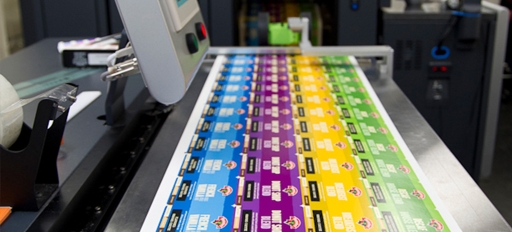
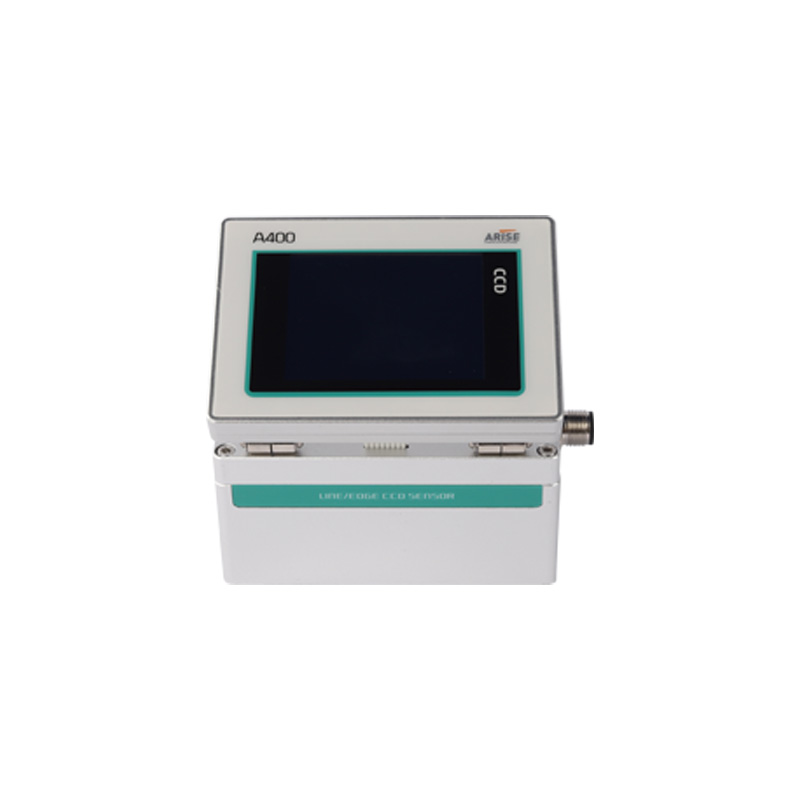
precision print inspection system

Why Emerging Applications Require Advanced Inspection

Emerging printing applications—such as printed electronics, anti-counterfeiting features, personalized packaging, and functional inks—often demand:

Micron-level precision

Real-time defect detection

Inspection of complex substrates

High-speed throughput with zero defects

Unlike conventional print quality checks, these sectors cannot tolerate the slightest deviation without risking performance, compliance, or brand integrity.

Key Printing Inspection Techniques for Emerging Applications

1. Line Scan and Area Scan Camera Systems

Modern inspection relies heavily on high-resolution industrial cameras:

Line Scan Cameras are ideal for continuous media like labels and web packaging. They capture data one line at a time at high speeds and are commonly used in roll-to-roll processes.

Area Scan Cameras are better for discrete items like printed circuit boards or folded cartons, offering detailed 2D imaging.

Both types integrate with lighting systems to enhance detection of defects such as registration errors, ink smudges, or missing print.

2. Spectral and Color Inspection

Emerging applications often require tight color tolerances, especially in brand packaging and security printing.

Spectrophotometers and colorimeters monitor delta E values in real-time to ensure brand consistency.

Multispectral or hyperspectral imaging allows the detection of invisible inks, security features, and subtle material inconsistencies.

3. AI-Powered Defect Recognition

Artificial Intelligence (AI) is revolutionizing defect detection:

Adaptive learning systems recognize acceptable tolerances for various print patterns and automatically reject abnormal deviations.

AI algorithms can distinguish between printing errors and background noise, reducing false positives in high-speed inspection.

4. 3D Surface Inspection and Metrology

In printed electronics and bio-printing, surface topology is crucial:

Laser triangulation and fringe projection techniques create 3D maps to measure thickness, uniformity, and layering accuracy.

Enables detection of insufficient ink deposition, uneven printing, and clogged nozzles.

5. Variable Data Verification (VDV)

Applications involving personalized packaging, barcodes, or serialized security features require 100% inspection of unique content:

Optical Character Recognition (OCR) and Optical Character Verification (OCV) validate text, numbers, and codes on the fly.

1D/2D barcode inspection ensures readability and accuracy of QR codes, Data Matrix, and UPC formats.

6. UV and IR Inspection

Many functional or security prints use inks only visible under UV or IR light:

UV cameras detect features like invisible barcodes, watermarks, or security inks.

IR imaging is used for heat-sensitive or conductive inks used in smart labels and printed circuits.

Integration with Industry 4.0 and Smart Factories

Cutting-edge 100% printing inspection systems are increasingly integrated with MES (Manufacturing Execution Systems) and ERP software. This enables:

Real-time data logging

Predictive maintenance alerts

Automated rejection of defective materials

Centralized dashboard monitoring across production lines

100% Printing Inspection System

Applications Driving Inspection Innovation

Printed Electronics – Tracks accuracy of circuit paths, material deposition, and contact integrity.

Pharmaceutical Packaging – Verifies serialization, tamper-evident labels, and human-readable codes.

Flexible Packaging – Detects print defects on stretchable substrates at high speeds.

Anti-Counterfeiting and Security Printing – Confirms presence and accuracy of microtext, holographic overlays, and variable data.

Bioprinting and Medical Labels – Ensures precise deposition of biological materials or regulatory symbols.

Innovative Vision Printing Inspection System

Summary

As printing expands beyond ink on paper into smart, secure, and functional products, inspection techniques must evolve in tandem. Advanced imaging, real-time analytics, and AI-driven algorithms are essential for achieving the precision and reliability required in emerging applications. By adopting these modern inspection systems, manufacturers not only improve quality but also enhance compliance, reduce waste, and future-proof their operations in an increasingly complex market.

5 Key Ponints to Understanding Reservoir Simulation Quickly

Reservoir simulation is a powerful and indispensable tool in the oil and gas industry, used to predict the behavior of hydrocarbons in underground reservoirs. It allows engineers and geoscientists to model complex physical processes and make informed decisions about exploration, development, and production strategies. As the industry moves toward more data-driven and sustainable practices, reservoir simulation plays an even more critical role in optimizing recovery while minimizing cost and environmental impact.

What is Reservoir Simulation?

Reservoir simulation involves the use of mathematical models to represent the flow of fluids—typically oil, gas, and water—through porous rock formations in subsurface reservoirs. These oil annd gas simulation technology uses data from geological, petrophysical, and engineering studies to replicate how fluids move over time under various production scenarios.

The simulation models are typically run using specialized software such as Eclipse, CMG, or tNavigator, which can process large datasets and solve complex fluid flow equations in three dimensions.

Reservoir Simulation

Core Components of Reservoir Simulation

Geological Model

A static model of the reservoir built using seismic interpretation, well logs, core samples, and mapping of stratigraphy and structure.

Fluid Properties

Includes phase behavior, viscosity, density, and other thermodynamic properties of oil, gas, and water under reservoir conditions.

Rock Properties

Porosity, permeability, and relative permeability curves that dictate how fluids flow through the rock matrix.

Initial and Boundary Conditions

Defines the original pressure, saturation, and fluid contacts, as well as external constraints like aquifers or no-flow boundaries.

Well Configurations and Operational Strategies

Models various scenarios such as water flooding, gas injection, or enhanced oil recovery (EOR) methods to study their effects.

Reservoir Simulation

Types of Reservoir Simulations

Black Oil Model

Simplified model used for reservoirs where gas and oil do not interchange significantly under pressure changes.

Compositional Model

More advanced, accounting for multiple hydrocarbon components and their phase changes—crucial for gas condensate and volatile oil reservoirs.

Thermal Simulation

Used for heavy oil and bitumen, particularly when applying steam injection or other heat-based recovery processes.

Fractured Reservoir Modeling

Simulates flow through naturally fractured formations using dual-porosity or dual-permeability approaches.

Benefits of Reservoir Simulation

Improved Field Development Planning

Simulation helps assess the potential of various development plans and optimize well placement and spacing.

Enhanced Recovery Forecasts

By testing multiple EOR methods virtually, operators can maximize recovery and economic returns.

Risk Reduction

Simulations reduce uncertainty in field performance, especially in complex or high-stakes reservoirs.

Real-Time Decision Making

With modern simulation tools and real-time data integration, field operations can be adjusted dynamically.

Innovations and Trends

High-Performance Computing (HPC)

Parallel processing and cloud computing allow larger, more detailed models to be run faster and more frequently.

Machine Learning Integration

AI techniques are being used to accelerate simulation runs and analyze outcomes for pattern recognition and anomaly detection.

Digital Twin Technology

Creating a real-time digital replica of the reservoir using integrated sensors and simulations for proactive management.

Uncertainty Quantification and History Matching

Advanced techniques such as ensemble methods and probabilistic simulations to improve the reliability of forecasts.

Carbon Capture and Storage (CCS) Simulation

Modeling the injection and long-term behavior of CO₂ in geological formations for climate mitigation purposes.

reservoir modeling

Summary

Reservoir simulation is no longer just a planning tool—it’s a cornerstone of modern petroleum engineering. By leveraging advanced modeling techniques, real-time data, and AI, companies can better understand reservoir behavior, reduce uncertainty, and make more efficient and sustainable production decisions. As the energy sector evolves, simulation will continue to expand its role in carbon management, energy transition, and digital transformation.

6 Key Points to Know VOGE 300R Quickly

The VOGE 300R stands out as a well-balanced, entry-level sport motorcycle crafted by a premium motorcycle brand in China, VOGE. Combining modern design, sporty performance, and rider-friendly ergonomics, the 300R has gained popularity among beginner riders and urban commuters seeking a reliable yet stylish two-wheeler. Whether you’re just getting into motorcycling or looking for an efficient daily ride, the VOGE 300R offers an appealing mix of power, technology, and affordability.

Engine and Performance

At the heart of the VOGE 300R lies a 292cc, single-cylinder, liquid-cooled, four-stroke engine. This powerplant delivers around 29 horsepower at 8,500 rpm and 25 Nm of torque at 7,000 rpm, providing smooth acceleration and responsive throttle control.

Fuel injection system ensures consistent power delivery and better fuel economy.

Six-speed transmission allows smooth gear shifting, making it versatile for both city and highway riding.

Top speed of around 130–140 km/h (80–87 mph), offering ample speed for urban use and weekend touring.

Chassis and Suspension

The VOGE 300R features a robust yet lightweight steel frame that contributes to stable handling and agile maneuvering. It’s equipped with:

Upside-down (USD) front forks, which provide enhanced stability and better response.

Rear monoshock suspension for added comfort over bumps and uneven terrain.

Disc brakes on both front and rear wheels, often accompanied by dual-channel ABS, ensuring safety under hard braking.

VOGE 300R

Design and Aesthetics

The VOGE 300R showcases a sleek and aggressive streetfighter design, characterized by:

Sharp body lines, a muscular fuel tank, and a minimalist tail section.

Full LED lighting, including the headlight, tail light, and turn indicators.

Digital LCD instrument cluster displaying speed, RPM, gear position, fuel level, and trip information in a clear format.

Its aggressive stance and premium detailing make it look like a much more expensive motorcycle.

Ergonomics and Comfort

Despite its sporty appearance, the 300R is engineered with rider comfort in mind:

A moderate seat height (~795 mm) makes it accessible to most riders.

Upright handlebars and footpeg positioning offer a comfortable riding posture, even over long distances.

Lightweight construction (~150–160 kg curb weight) makes it easy to handle for new riders.

Technology and Features

The VOGE 300R comes with several modern features that enhance the riding experience:

Digital dashboard with backlighting

ABS (Anti-lock Braking System) for improved braking safety

LED indicators and hazard switch

Optional USB charging port for gadgets on the go

Affordability and Value

One of the most attractive features of the VOGE 300R is its price point. Compared to Japanese or European models in the same category, the 300R offers excellent value for money without compromising on core performance or features. It appeals especially to younger riders or budget-conscious motorcyclists looking for a modern, feature-rich bike.

VOGE 300R motorcycle

Summary

The VOGE 300R is a compelling option in the entry-level sport motorcycle segment, offering a stylish design, reliable performance, and high-end features at an accessible price. With its balance of power, comfort, and modern aesthetics, it caters perfectly to urban commuters, weekend riders, and beginner motorcyclists. As VOGE continues to establish itself globally, the 300R proves that high quality doesn’t always have to come with a high price tag.

The Chemical-free Properties of Bamboo Tissue Papers

As environmental consciousness grows and consumers become more aware of the ingredients in everyday products, bamboo tissue papers have emerged as a sustainable and chemical-free alternative to conventional wood-pulp tissues. Known for their natural origin and minimal processing, bamboo tissues provide both eco-friendly benefits and health safety, making them an increasingly popular choice for households, hospitality, and healthcare sectors.

What Does “Chemical-Free” Really Mean in Bamboo Tissue Papers?

“Chemical-free” refers to the absence of harsh or harmful chemicals during the manufacturing process. Traditional tissue papers often involve bleaching agents like chlorine, artificial fragrances, dyes, and softeners. In contrast, bamboo tissues avoid or significantly reduce the use of these substances. Many bamboo tissue brands opt for:

Unbleached or Elemental Chlorine-Free (ECF) processes

No added dyes or perfumes

No optical brighteners or formaldehyde-based softeners

Bamboo Toilet Paper Roll

Key Chemical-free Properties

1. Natural Antibacterial Properties

Bamboo naturally contains a bio-agent called “bamboo kun,” which gives the plant its antimicrobial and antifungal properties. These characteristics are retained to some extent in bamboo tissue papers, reducing the risk of bacterial contamination—especially important for facial tissues and sanitary applications.

2. Hypoallergenic and Skin-Friendly

Because bamboo tissue papers are free from synthetic chemicals and fragrances, they are less likely to cause irritation, allergies, or skin rashes. This makes them especially suitable for:

Babies and children

People with sensitive skin or eczema

Medical or cosmetic use

3. No Chlorine-Based Bleaching

Chlorine-based bleaching can produce toxic compounds such as dioxins, which are harmful to human health and the environment. Many bamboo tissue products are either TCF (Totally Chlorine-Free) or PCF (Process Chlorine-Free), ensuring the paper remains safe for both users and ecosystems.

4. Biodegradable and Compostable

Without chemical additives, bamboo tissues break down more naturally in the environment. They are 100% biodegradable and compostable, contributing to a circular economy and reducing landfill waste.

Bamboo Toilet Paper

5. Sustainable Production Process

Bamboo grows rapidly without the need for fertilizers or pesticides, making it a sustainable raw material. Its cultivation and processing into tissue paper require less water and fewer chemical inputs than wood pulp, aligning with eco-conscious manufacturing principles.

6. Safe for Everyday Use

The absence of chemicals in bamboo tissues means they are safe for a variety of uses, including:

Toilet paper

Kitchen towels

Facial tissues

Baby wipes

This makes them a versatile option for families seeking a safer and more natural hygiene product.

Bamboo Toilet Paper Supplier

Summary

The chemical-free properties of bamboo tissue papers make them a standout choice for consumers prioritizing health, environmental responsibility, and sustainability. By choosing bamboo tissues, users reduce exposure to potentially harmful substances while supporting an industry that values eco-friendly practices and renewable resources. As awareness continues to grow, bamboo tissue papers are likely to become a mainstay in households committed to a greener lifestyle.

Exploring the Types of Rivets: Choosing the Right Type

Rivets are permanent mechanical fasteners widely used in industries such as construction, automotive, aerospace, and manufacturing. These fasteners are essential when components need to be joined securely, especially when welding or adhesives are not feasible. Understanding the different types of rivets is crucial for selecting the appropriate fastener based on material, strength requirements, and application environment.

1. Solid Rivets

Solid rivets are among the oldest and most reliable types. They consist of a smooth cylindrical shaft with a head on one end and are installed by deforming the tail end using a hammer or rivet gun.

Applications: Aircraft construction, bridges, heavy-duty equipment.

Advantages: Strong, permanent, and vibration-resistant.

Limitations: Requires access to both sides of the workpiece for installation.

2. Pop Rivets

Pop rivets are designed for situations where only one side of the material is accessible. They consist of a hollow rivet body and a mandrel, which is pulled during installation to deform the rivet and form a secure joint.

Applications: Automotive panels, appliances, electronics enclosures.

Advantages: Easy to install, ideal for closed structures.

Limitations: Generally not as strong as solid rivets.

pop rivets

3. Tubular Rivets

Tubular rivets have a partially or fully hollow shank. The hollow portion allows for easier deformation, making them suitable for soft materials.

Types:

Full Tubular Rivets: Completely hollow; used in light-duty applications.

Semi-Tubular Rivets: Partially hollow; provide a balance between strength and ease of installation.

Applications: Leather goods, plastic assemblies, light metalwork.

Advantages: Easy to install, cost-effective.

Limitations: Lower strength compared to solid rivets.

4. Split Rivets

Split rivets have a split tail that folds outward when hammered into place. These are best suited for soft or fibrous materials.

Applications: Wood, leather, plastic.

Advantages: Simple design, easy to install.

Limitations: Low strength, not suitable for high-stress environments.

split rivets

5. Drive Rivets

Drive rivets have a short mandrel that is driven into the rivet body, causing it to expand and grip the material.

Applications: Sheet metal, signage, lightweight enclosures.

Advantages: Quick installation with basic tools.

Limitations: Suitable only for soft materials and low-load applications.

Drive Rivets

6. Flush Rivets (Countersunk Rivets)

These rivets are designed to sit flush with the surface after installation, reducing drag or creating a smooth appearance.

Applications: Aerospace, automotive, and architectural designs.

Advantages: Aesthetic appeal and aerodynamic benefits.

Limitations: Requires precision countersinking of the workpiece.

7. Self-Piercing Rivets

Self-piercing rivets can fasten two or more layers of material without pre-drilling. They pierce the top layer and flare out in the lower layer.

Applications: Automotive assemblies, aluminum components.

Advantages: No need for pre-drilled holes, fast processing time.

Limitations: Typically used for soft or ductile materials.

Key Factors to Consider for Choosing the Right Type of Rivets

Choosing the right type of rivet is essential to ensure structural integrity, performance, and long-term durability of a joint. With various types of rivets available, from solid and blind rivets to specialized options like self-piercing and tubular rivets, selecting the appropriate one depends on a number of critical factors.

1. Material of the Workpieces

Reason: Rivets must be compatible with the materials being joined to avoid galvanic corrosion and ensure proper deformation during installation.

Tip: Match rivet material with the workpiece (e.g., aluminum rivets for aluminum sheets, stainless steel rivets for corrosion resistance).

2. Load Requirements

Reason: The strength and durability needed in a joint determine whether a heavy-duty or light-duty rivet should be used.

Tip: Use solid rivets for high-load and vibration-prone applications; choose tubular or blind rivets for light-duty needs.

3. Accessibility of the Joint

Reason: Installation method is dictated by whether access is available to one or both sides of the materials being fastened.

Tip: Use blind rivets when only one side is accessible; use solid or semi-tubular rivets when both sides can be reached.

4. Environmental Conditions

Reason: Exposure to moisture, chemicals, or extreme temperatures can affect rivet performance and longevity.

Tip: Select corrosion-resistant materials such as stainless steel or coated rivets for harsh environments.

5. Thickness and Type of Materials

Reason: Rivets must be able to penetrate and securely fasten materials of varying thickness and hardness.

Tip: Use self-piercing rivets for layered or dissimilar material assemblies without pre-drilling; choose rivets of appropriate length and diameter based on grip range.

6. Vibration and Movement

Reason: Joints exposed to regular movement or vibration need rivets that won’t loosen or fatigue over time.

Tip: Solid rivets or specialized locking blind rivets are preferred in high-vibration applications (e.g., aerospace, automotive).

7. Appearance and Finish

Reason: In some applications, the finished look of the rivet matters (e.g., in consumer goods or architectural details).

Tip: Use flush (countersunk) rivets for a smooth surface or colored rivets for matching aesthetics.

8. Installation Method and Equipment

Reason: Some rivets require special tools or machinery, while others can be installed manually.

Tip: For simple, quick installations, consider pop rivets or drive rivets. For production lines, automated rivet guns may justify using solid or self-piercing rivets.

9. Cost and Production Volume

Reason: The budget and scale of the project may influence rivet choice.

Tip: For high-volume applications, consider cost-effective rivets that allow for fast, efficient assembly.

10. Reparability and Inspection

Reason: Some applications may require future disassembly or regular inspection.

Tip: Choose rivets that can be drilled out cleanly if future maintenance is expected.

Summary

Choosing the right type of rivet is critical for ensuring structural integrity, ease of installation, and durability of a project. Whether you need the strength of solid rivets for heavy machinery or the convenience of blind rivets for tight spaces, understanding these types helps professionals make informed fastening decisions.

Understanding the Working of Conductivity Meters

Conductivity meters are essential instruments, including 2 types of portable conductivity meters and benchtop conductivity meters, used to measure the electrical conductivity of a solution, which is a direct indication of the concentration of ions present. These meters are widely applied in industries such as water treatment, environmental monitoring, chemical manufacturing, and food and beverage production. Understanding how conductivity meters work helps in effectively utilizing them for quality control and analytical purposes.

EC100T Benchtop Conductivity Meter touch Screen

What is Electrical Conductivity?

Electrical conductivity is the ability of a solution to conduct an electric current, primarily due to the presence of dissolved ions such as sodium (Na⁺), chloride (Cl⁻), calcium (Ca²⁺), and sulfate (SO₄²⁻). The more ions present, the higher the conductivity. It is measured in units like microsiemens per centimeter (µS/cm) or millisiemens per centimeter (mS/cm).

Basic Components of a Conductivity Meter

Electrode or Sensor – Typically made of platinum or graphite and immersed in the solution to sense ionic activity.

Measuring Circuit – Applies an alternating current to the electrodes and measures the resulting current.

Temperature Sensor – Compensates for changes in temperature, which can affect conductivity readings.

Display Unit – Shows the conductivity reading, often in real time.

Working Principle of Conductivity Meters

The operation of a conductivity meter is based on Ohm’s Law and the principles of electrochemistry. Here’s how it works:

Immersion of Electrodes

The sensor with two electrodes is immersed in the liquid sample. The electrodes are placed at a fixed distance from each other.

Portable Conductivity Meters

Application of Alternating Current (AC)

An AC voltage is applied across the electrodes to avoid electrolysis and buildup of deposits. This AC current causes ions in the solution to move between the electrodes.

Current Flow and Measurement

The ions carry electric current through the solution. The meter measures the resulting current and calculates the conductance (G), which is the inverse of resistance (R):

Conductivity Calculation

The measured conductance is multiplied by the cell constant (K)—which depends on the geometry of the electrode setup—to obtain the conductivity:

Temperature Compensation

Since conductivity is temperature-sensitive, the built-in temperature sensor adjusts the final reading to a standard temperature, typically 25°C, using correction algorithms.

Types of Conductivity Sensors

Contacting Electrodes

These are two or four electrodes in direct contact with the sample. Best for low-to-medium conductivity solutions.

Inductive (Toroidal) Sensors

Use magnetic fields to induce current in the solution. Ideal for high conductivity or corrosive samples, as they are non-contact.

Applications of Conductivity Meters

Water Quality Testing – Monitoring drinking water, wastewater, and industrial effluent.

Environmental Monitoring – Measuring the salinity of lakes, rivers, and oceans.

Industrial Processes – Controlling chemical concentrations in manufacturing.

Food and Beverage Industry – Ensuring consistent composition of products and process water.

Pharmaceuticals – Validating water purity and cleanliness of production systems.

Conductivity Meters Display

Summary

Conductivity meters offer a fast, reliable, and simple way to measure the ionic content of solutions. By understanding their working principle—based on ion mobility and electrical response—users can accurately monitor and control chemical and water quality in a wide range of applications. Advances in sensor design and digital technology continue to improve the accuracy, durability, and versatility of modern conductivity meters.

How to Install and Replacement Rubber Fenders Efficiently

Rubber fenders are critical components in marine and port infrastructure, protecting vessels and docking structures from impact damage during berthing. With increasing global trade and vessel traffic, the need for quick installation and replacement of rubber fenders has become a priority for port operators, shipyards, and offshore facilities. This article explores the latest techniques, materials, and innovations that enable faster, safer, and more efficient rubber fender installation and replacement.

Installation of Rubber Fenders

Why Fast Installation and Replacement Matters

1. Minimizing Port Downtime

Ports and terminals lose revenue during berth downtime.

Rapid fender replacement ensures continuous operations without delays.

2. Safety and Risk Reduction

Worn or damaged fenders increase collision risks.

Quick replacement prevents structural damage to vessels and quays.

3. Cost Efficiency

Faster installation reduces labor costs and equipment rental time.

Prefabricated and modular fender systems cut replacement time.

4. Compliance with Modern Vessel Sizes

Larger ships (e.g., mega-container vessels) require stronger, more resilient fenders.

Quick upgrades ensure ports meet new safety standards.

Key Techniques for Rapid Fender Installation & Replacement

1. Modular Fender Systems

Pre-assembled units with standardized brackets for easy swapping.

Bolted connections instead of welding, reducing installation time.

2. Lightweight & High-Performance Materials

Advanced rubber compounds (e.g., SBR, EPDM, or hybrid blends) for durability.

Foam-filled fenders for easier handling and faster mounting.

3. Innovative Mounting Solutions

Quick-release brackets for fast removal and replacement.

Adjustable tension systems to accommodate different berthing conditions.

4. Use of Hydraulic & Robotic Assistance

Hydraulic lifting systems for positioning heavy fenders.

Robotic arms in shipyards for precision placement.

5. Pre-Installation Testing & Preparation

3D scanning of docking areas for perfect fender alignment.

Installing Rubber Fenders

Pre-installation load testing to ensure optimal performance.

Challenges & Solutions in Fast Fender Replacement

Structural and Installation Challenges

One of the primary obstacles in rapid fender replacement is the sheer size and weight of modern rubber fender systems. As vessels grow larger, fenders must correspondingly increase in dimension and energy absorption capacity, making them extremely heavy and difficult to maneuver. This weight issue is compounded when working in tidal zones or underwater where visibility and accessibility are limited.

The solution lies in adopting innovative materials and design approaches. Many rubber fender manufacturers are now producing lightweight composite fenders that maintain high energy absorption while reducing weight by 20-30%. Foam-filled fender cores offer another alternative, providing buoyancy that makes handling easier. For particularly challenging installations, segmented fender designs allow for piece-by-piece assembly, eliminating the need to maneuver single massive components.

Corrosion and Material Degradation

Marine environments present constant challenges with corrosion, particularly for the metal components of fender systems. Traditional steel brackets and fixings often deteriorate rapidly, leading to difficult disassembly when replacement is needed. The rubber itself faces degradation from ozone, UV exposure, and repeated compression cycles.

Advanced material solutions are addressing these issues. Stainless steel mounting systems, while more expensive initially, prove cost-effective over time by eliminating corrosion-related replacement difficulties. For the rubber components, new compound formulations incorporating EPDM and other synthetic rubbers dramatically improve resistance to environmental factors. Some manufacturers are even introducing sacrificial wear panels that can be replaced separately from the main fender body.

Alignment and Positioning Difficulties

Precise alignment is crucial for proper fender performance, yet achieving this quickly during replacement operations is notoriously challenging. Traditional methods relying on manual measurements often lead to misalignment, requiring time-consuming adjustments.

Modern solutions employ laser alignment systems and digital templating to ensure perfect positioning. Some ports have implemented RFID tagging systems where each fender’s optimal position is digitally mapped, allowing replacement crews to quickly verify placement. Robotic positioning arms, while a significant investment, can place multi-ton fenders with millimeter precision in a fraction of the time required by manual methods.

Weather and Environmental Constraints

Marine construction is always at the mercy of weather conditions, with high winds, waves, and tidal flows frequently delaying fender replacement operations. Working in splash zones presents additional safety concerns for crews.

Innovative approaches include the use of temporary dry dock systems that create protected work environments even in tidal areas. Some ports schedule major fender work during seasonal weather windows, maintaining a stock of pre-assembled replacement units to maximize productivity during these periods. For emergency replacements, specialized quick-set adhesives and fast-curing grouts allow work to proceed in less-than-ideal conditions.

Cost and Logistics Pressures

The financial implications of berth downtime create intense pressure to minimize replacement time, yet budget constraints often limit access to ideal equipment and materials. Many ports struggle with inadequate storage space for spare fenders, leading to delays when replacements are needed.

Strategic solutions include establishing regional fender pools where multiple ports share a common inventory of replacement units. Modular fender systems with interchangeable components reduce the need for complete replacements. Some operators are implementing predictive maintenance programs using strain gauges and wear sensors to schedule replacements during planned maintenance windows rather than emergency scenarios.

Safety Considerations

Rapid replacement procedures must not compromise worker safety, yet the desire for speed can sometimes conflict with safety protocols. Working with heavy components in dynamic marine environments presents numerous hazards.

The industry response has been the development of integrated safety systems. Self-locking mounting mechanisms allow secure installation without workers needing to be in the danger zone during final positioning. Remote monitoring systems enable supervisors to oversee the entire operation from a safe location. Increased use of simulation software allows crews to practice complex replacement procedures in virtual environments before attempting them in the field.

Quickly Installing Rubber Fenders

Summary

The demand for rapid installation and replacement of rubber fenders is growing as ports and marine facilities seek to maximize efficiency and safety. By adopting modular designs, lightweight materials, and advanced mounting techniques, operators can significantly reduce downtime and maintenance costs.

Investing in innovative fender technologies ensures ports remain competitive in an era of increasing vessel sizes and stricter safety regulations.

通过 WordPress.com 设计一个这样的站点
从这里开始