A Comparative Analysis of Cone and Cylindrical Rubber Fenders

Rubber fenders play a crucial role in maritime infrastructure, protecting vessels and docks from impact damage during berthing operations. Among the various types available, cone and cylindrical rubber fenders are two of the most commonly used. While both serve the same primary purpose—absorbing kinetic energy and minimizing structural damage—their designs and performance characteristics differ significantly. This article offers a comparative overview of cone and cylindrical rubber fenders to help stakeholders choose the most suitable solution for their marine applications.

Understanding Cylindrical Rubber Fenders

Cylindrical rubber fenders are the oldest and most widely used type of marine fender. As the name suggests, these fenders feature a simple cylindrical shape, typically installed horizontally or vertically along quay walls or on vessels.

cylindrical rubber fender

Key Characteristics:

Simple design and easy installation

Available in a wide range of diameters and lengths

Uniform stress distribution under compression

Cost-effective and durable in moderate berthing conditions

Applications:

Cylindrical fenders are best suited for:

Small to medium-sized vessels

Inland ports and harbors

Tugboats and workboats

Understanding Cone Rubber Fenders

Cone rubber fenders are a more modern and high-performance evolution of cell fender technology. Their design features a wide base, a tapered body, and a narrow top—resembling a cone—which offers superior deflection and energy absorption.

super cone rubber fender

Key Characteristics:

High energy absorption-to-reaction force ratio

Excellent stability even under high shear forces

Suitable for high tidal variations and larger berthing angles

Long service life with low maintenance

Applications:

Cone fenders are ideal for:

Large container ships, tankers, and Ro-Ro vessels

Heavy-duty ports and high-energy berthing environments

Terminals with demanding tidal conditions

Key Differences Between Cone vs. Cylindrical Rubber Fenders

1. Design Structure

Cone rubber fenders feature a modern conical shape with a broad base and tapered body. This geometry enhances stability and distributes stress evenly under compression. In contrast, cylindrical rubber fenders have a simple tube-like shape that has been used for decades in marine applications. While less sophisticated, this design allows easy adaptation to various vessel and dock configurations.

2. Energy Absorption Capability

One of the standout advantages of cone fenders is their ability to absorb high levels of kinetic energy while maintaining low reaction forces. This makes them ideal for large vessels with significant impact potential. Cylindrical fenders offer moderate energy absorption, which is sufficient for smaller ships but may be inadequate for high-tonnage berthing operations.

3. Performance Under Pressure

Cone fenders maintain structural stability and effectiveness even under high shear forces and during angular berthing. Their design also compensates for large tidal variations. Cylindrical fenders, though reliable in standard conditions, tend to deform more under intense pressure and are less suitable for complex docking scenarios.

4. Installation and Maintenance

Cylindrical fenders are relatively easy to install and can be fitted horizontally or vertically, making them popular for basic applications. Cone fenders, however, require more engineering precision and robust mounting systems due to their advanced performance features. Despite this, cone fenders tend to have lower maintenance needs over time.

5. Cost Considerations

From a budget perspective, cylindrical fenders offer a lower upfront investment, making them attractive for small to medium ports. Cone fenders, while more expensive initially, offer a better return on investment in high-traffic or high-impact zones due to their extended service life and reduced maintenance costs.

6. Best-Fit Applications

Cone rubber fenders are well-suited for modern terminals, especially those serving container ships, oil tankers, and Ro-Ro vessels. Their performance is optimized for high-energy environments. Cylindrical fenders, on the other hand, are ideal for small ports, tugboats, barges, and workboats where the berthing force is comparatively low.

Applications Of Cylindrical Rubber Fender

Final Words

The choice between cone and cylindrical rubber fenders depends largely on the operational demands of your port or vessel. Cylindrical fenders are ideal for general-purpose and low-impact applications, offering a cost-effective and reliable solution. In contrast, cone fenders are better suited for high-performance environments, where vessels are larger and the need for superior energy absorption and structural protection is paramount.

What are Wave Washers

Wave washers, also known as wave spring washers, are a type of spring washer designed with a unique wavy pattern that allows them to compress under load. Their ability to maintain tension and absorb axial forces makes them an essential component in many mechanical and industrial applications. This article explores the fundamentals of wave washers, including their function, construction, and common uses.

Wave Washers Manufacturer

What Is a Wave Washer?

A wave washer is a thin, metal washer with a wavy shape that allows it to act like a spring. Typically made from spring steel, stainless steel, or other high-strength alloys, wave washers exert a pre-load and maintain a load or tension between two surfaces. Unlike flat washers, which primarily provide spacing or surface protection, wave washers contribute elastic force to the assembly.

How Do Wave Washers Work?

The “wave” in the washer structure compresses under force, creating a spring-like action. This flexibility helps maintain load even as components expand or contract due to temperature changes or wear. The amount of force a wave washer can exert depends on factors such as material, thickness, number of waves, and overall diameter.

Advantages of Wave Washers

Space Efficiency: They offer spring functionality in a compact, axial space compared to coil or disc springs.

Vibration Damping: The spring action helps absorb shock and vibration, improving system stability.

Compensation for Tolerances: They compensate for thermal expansion, contraction, and slight misalignments between components.

Maintaining Load: They provide consistent pressure to keep bolts or assemblies tight over time.

Wave Washers Supplier

Common Applications of Wave Washers

Wave washers are used in a wide range of applications across industries, including:

Electronics: To maintain tension in circuit board assemblies.

Automotive: In steering systems, transmissions, and electric motors.

Aerospace: Where lightweight, high-performance components are necessary.

Medical Devices: In small devices that require precise, reliable pressure.

General Machinery: For reducing vibration and ensuring joint integrity.

Selecting the Right Wave Washer

When choosing a wave washer, consider the following:

Material: Stainless steel for corrosion resistance; carbon steel for high strength.

Load Requirements: Match the washer’s spring force to the needs of the application.

Number of Waves: More waves can provide greater deflection but may reduce force.

Size and Thickness: Must fit the assembly without interfering with other parts.

Wave Washers

Final Thoughts

Wave washers may seem like a small and simple component, but their role in maintaining assembly integrity and absorbing mechanical stress is vital. Their ability to deliver spring force in tight spaces makes them ideal for modern compact and high-performance machinery. Understanding how to select and use wave washers effectively can significantly enhance the reliability and durability of your designs.

What are Reusable Bamboo Kitchen Towels

Reusable bamboo kitchen towels are absorbent sheets made from bamboo fibers, typically designed to resemble traditional paper towels but with a key difference and they can be washed and reused dozens of times. Bamboo, known for its fast growth and low environmental impact, serves as a sustainable raw material that’s both biodegradable and highly renewable.

Bamboo Kitchen Paper Towel

Key Benefits

1. Eco-Friendly and Sustainable

Bamboo grows rapidly with minimal water, requires no pesticides, and regenerates naturally. Switching to bamboo towels reduces dependence on tree-based paper products, thereby helping to conserve forests.

2. Highly Absorbent and Durable

Unlike standard paper towels that tear easily when wet, bamboo kitchen towels are significantly more absorbent and tough. A single sheet can handle heavy-duty spills, greasy messes, or drying dishes without falling apart.

3. Reusability

Most reusable bamboo towels can be machine-washed up to 80–100 times per sheet, dramatically reducing household waste and the need for frequent repurchasing.

4. Cost-Effective

While bamboo towels may have a higher upfront cost, their long lifespan makes them more economical over time compared to single-use paper towels.

5. Naturally Antibacterial

Bamboo fibers contain natural antibacterial agents, making them a hygienic choice for cleaning surfaces in kitchens and bathrooms.

Bamboo Ample Kitchen Roll

Popular Uses

Wiping kitchen counters and stovetops

Cleaning up food spills and liquids

Drying fruits, vegetables, and dishes

Polishing glass and stainless steel

Dusting electronics and furniture

Some versions are also suitable for personal care tasks, such as drying hands or removing makeup.

Bamboo Kitchen Paper Towel

How to Care for Bamboo Towels

To maximize the lifespan of reusable bamboo towels:

Rinse after each use and hang to dry

Machine wash in cold water without bleach or fabric softeners

Air dry or tumble dry on low heat

Store in a clean, dry place

Avoid washing with heavily soiled items to maintain towel integrity.

Environmental Impact

According to studies, switching to reusable bamboo kitchen towels could prevent hundreds of rolls of paper towels from ending up in landfills each year — per household. This simple change can significantly reduce your kitchen’s carbon footprint and contribute to a cleaner planet.

Summary

Reusable bamboo kitchen towels are more than just a trend — they represent a practical step toward sustainable living. Offering strength, reusability, and eco-conscious production, bamboo towels are an ideal replacement for wasteful paper products. Whether you’re cleaning up a spill or polishing glassware, bamboo towels are proving that going green doesn’t mean sacrificing convenience.

What are the Most Common Types of Laboratory Heating Equipment

Laboratory heating equipment plays a vital role in conducting experiments, chemical reactions, and sample processing. These devices are essential for maintaining precise temperatures, ensuring safety, and improving efficiency in laboratories ranging from academic research to pharmaceutical manufacturing. This article explores the most common types of laboratory heating equipment, their features, and applications.

1. Hot Plate

Description:

A hot plate is a flat, heated surface used for warming or boiling liquids in beakers or flasks.

Key Features:

Adjustable temperature control

Magnetic stirrer functionality in some models

Compact and easy to clean

Common Applications:

Heating chemical solutions

Stirring and maintaining reaction mixtures

Sample digestion

2. Heating Mantle

Description:

Heating mantles are designed to uniformly heat round-bottom flasks without open flames.

Key Features:

Provides even heating

Safe for flammable substances

Ideal for organic synthesis

Common Applications:

Distillation

Reflux reactions

Evaporation of solvents

3. Bunsen Burner

Description:

A traditional laboratory gas burner producing a single open flame, fueled by gas.

Key Features:

Simple and reliable

High-temperature capability

Manual control of air and gas mixture

Common Applications:

Sterilization of tools

Combustion reactions

Heating small glassware

4. Laboratory Oven

Description:

Laboratory ovens are insulated heating chambers used for drying, sterilizing, or baking.

Key Features:

Temperature uniformity

Digital temperature controllers

Forced air or gravity convection models

Common Applications:

Drying glassware

Curing samples

Removing moisture from solids

5. Water Bath

Description:

A Water Bath heats samples in water at constant temperature, ideal for gentle heating.

Key Features:

Uniform heating

Over-temperature protection

Options for shaking or circulating

Common Applications:

Incubating cell cultures

Thawing samples

Enzyme reactions

Thermostat Water Bath

6. Dry Bath (Block Heater)

Description:

Dry baths use metal blocks to heat microtubes or vials without water.

Key Features:

Digital temperature control

Multiple block formats

Quick heat-up time

Common Applications:

DNA amplification

Enzyme assays

Sample incubation

Mini Dry Bath Incubator

7. Muffle Furnace

Description:

A high-temperature muffle furnace with insulated chambers for ashing and heat treatment.

Key Features:

Can reach temperatures over 1000°C

Programmable temperature profiles

Durable refractory lining

Common Applications:

Combustion analysis

Materials testing

Ceramic and metal processing

Muffle Furnace Products

Final Thoughts

Choosing the right laboratory heating equipment depends on the specific application, temperature range, and sample type. Whether it’s the precision of a digital dry bath, the simplicity of a Bunsen burner, or the high heat of a muffle furnace, understanding each tool’s strengths ensures safe and effective experimentation. Modern advancements also offer energy efficiency and digital control, enhancing both accuracy and convenience in today’s labs.

What are the Requirements for Marine Searchlights Passing through the Suez Canal

Navigating the Suez Canal, one of the world’s most critical maritime corridors, demands strict adherence to safety and operational standards. Among the many equipment requirements for vessels transiting the canal, marine searchlights play a vital role. These powerful lighting systems are essential for nighttime navigation, maneuvering in narrow channels, and ensuring safe passage through complex traffic conditions. To meet the unique challenges of the Suez Canal, specific requirements for marine searchlights in the Suez Canal have been established.

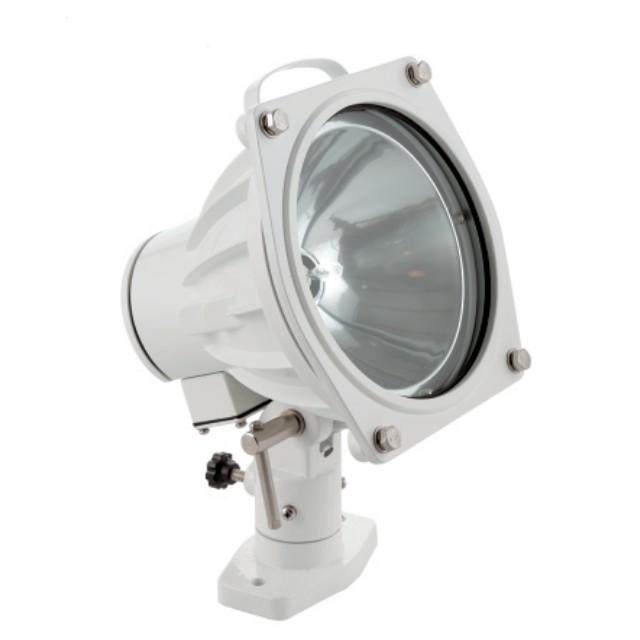
marine searchlight

The Importance of Marine Searchlights in the Suez Canal

The Suez Canal operates 24 hours a day, and to maintain the continuous flow of maritime traffic, vessels must often navigate during the night or in conditions of poor visibility. Given the narrowness of the canal, the density of ship movements, and the need for precise maneuvering, marine searchlights are crucial for ensuring that ships can see and be seen clearly.

Proper marine searchlights allow for the illumination of channel markers, banks, other vessels, and any potential obstacles along the route. They also provide a vital communication tool between ships and canal authorities, particularly during emergencies or in low-visibility situations.

Specific Requirements for Marine Searchlights

The Suez Canal Authority has established detailed requirements for the type, power, and arrangement of searchlights aboard vessels. These requirements are designed to enhance operational safety and ensure uniformity across the diverse fleet of ships transiting the canal.

Marine searchlights must be installed at a sufficient height to provide unobstructed beams across the forward path of the vessel. Typically, vessels are required to have two powerful electric searchlights positioned symmetrically on both port and starboard sides, ensuring complete coverage. The minimum luminous intensity for each searchlight is usually defined, with power levels commonly exceeding 1,000 watts, depending on the vessel’s size and type.

The searchlights for Passing Suez Canal must be capable of emitting a steady, powerful white beam that can illuminate objects at a significant distance ahead of the vessel. The beam should be adjustable in both horizontal and vertical directions to allow precise aiming, helping operators respond quickly to different navigation needs. Remote control operation from the bridge is often mandated, allowing shipmasters and pilots to direct the searchlights without delay or physical obstruction.

The robustness of the searchlights is also an important consideration. They must be built to withstand harsh marine environments, including saltwater corrosion, strong winds, and vibration. Housing materials typically include marine-grade aluminum or stainless steel, combined with toughened glass lenses and weather-sealed electrical components to ensure consistent performance under all conditions.

Marine Searchlight for Passing SUEZ Canal

Compliance and Inspection

Before a vessel enters the Suez Canal, it is subject to inspection by SCA officials. As part of this inspection, the functionality and adequacy of the marine searchlights are checked. Non-compliance can result in delays, additional fees, or even denial of transit. Ship operators must ensure that their searchlights are fully operational, properly installed, and meet the specified performance standards before arriving at the canal.

Routine maintenance, including checking the alignment, cleaning the lenses, testing the motors, and verifying the brightness of the beam, is essential for ensuring compliance. It is also advisable to carry spare parts, such as bulbs and fuses, onboard to quickly address any malfunctions that might occur during the passage.

TG3-AN Marine Signal Searchlight

Conclusion

Marine searchlights are a critical safety requirement for vessels transiting the Suez Canal, playing an indispensable role in nighttime navigation and emergency operations. The Suez Canal Authority’s strict guidelines regarding their installation, power, control, and maintenance reflect the high stakes involved in managing one of the world’s busiest and most strategically important waterways. Shipowners and operators must prioritize compliance with these requirements to ensure a smooth, safe, and uninterrupted passage through the canal.

Why Custom Plush Toys for Pets Become Popular

As pet ownership continues to grow worldwide, so does the demand for high-quality, thoughtfully designed pet products. Among these, plush toys hold a special place. They provide not only entertainment but also comfort, mental stimulation, and emotional bonding opportunities for pets. While generic plush toys are widely available, custom plush toys designed specifically for pets are becoming increasingly popular, offering a tailored approach that considers the unique needs, behaviors, and preferences of different animals.

Push Toys for Pets

Understanding the Importance of Custom Plush Toys for Pets

Pets, much like humans, have individual personalities, habits, and sensitivities. A one-size-fits-all toy often fails to meet these diverse needs. Custom plush toys are designed with specific considerations in mind, including the pet’s size, chewing habits, play style, and even any special needs they may have. Whether it’s a dog who loves rugged tugging games or a cat who prefers soft, lightweight toys for batting, customization allows for better engagement, greater safety, and longer-lasting enjoyment.

Key Features of Well-Designed Custom Plush Toys

Durability is one of the most important aspects when designing plush toys for pets. Unlike plush toys made for humans, pet toys must endure chewing, biting, and rough handling. Reinforced stitching, double-layer fabrics, and non-toxic, pet-safe materials are critical design elements that ensure the toy can withstand heavy use without posing a risk to the animal.

Another important feature is the choice of materials. Pets interact with toys using their mouths and claws, so plush fabrics must be both durable and safe. Soft, high-quality fabrics like reinforced fleece, canvas, and heavy-duty cotton blends are commonly used. Additionally, the internal stuffing material must be non-toxic and securely enclosed to prevent ingestion if the toy gets damaged.

Interactive elements such as squeakers, crinkle paper, or hidden treat pockets can also be integrated into custom plush designs to enhance engagement. However, for pets prone to aggressive chewing, designers often avoid adding small parts that could easily break off and become choking hazards.

Plush Toys Designed for Pets

Customization Options for Pets and Owners

Customization doesn’t just involve functionality; it also caters to aesthetics and personal preference. Pet owners increasingly request plush toys that reflect their pets’ personalities or match their home decor. Some custom plush toys are even modeled after the pet itself—a miniature stuffed version of a beloved dog or cat, providing both a plaything and a sentimental keepsake.

Customization can also extend to special needs pets. For example, toys can be designed with softer textures for senior dogs with dental issues, larger sizes for giant breed dogs, or lightweight designs for small or less active pets. Personalized embroidery, color choices, and even the inclusion of a pet’s name add an extra layer of individuality to the final product.

Custom Plush Toys Designed for Pets

The Growing Market for Custom Plush Toys

The custom pet toy market has expanded rapidly, driven by a growing culture of treating pets as full family members. Pet owners are willing to invest in high-quality, personalized products that promote their pets’ well-being and happiness. Small businesses, artisans, and larger pet brands are increasingly offering custom plush toy services, recognizing the value of providing unique, tailor-made options that resonate emotionally with pet owners.

Moreover, custom plush toys are often seen as ideal gifts for pet birthdays, holidays, or as part of welcome-home packages for newly adopted pets. They also serve a therapeutic role for pets suffering from separation anxiety or recovering from illness, providing comfort and familiarity.

Final Words

Custom plush toys designed for pets represent much more than a luxury—they fulfill real needs for comfort, engagement, and safety. By focusing on individual preferences, behaviors, and requirements, these toys offer a better experience for pets and peace of mind for owners. As the bond between humans and their pets continues to deepen, the demand for thoughtful, customized products like plush toys will only continue to grow, highlighting the importance of creativity, quality, and care in their design and production.

How Web Guide Systems are Used in Packaging Industry

In the fast-paced packaging industry, precision, efficiency, and consistency are critical to maintaining quality and meeting production demands. Web guide systems play a fundamental role in achieving these goals by ensuring the accurate alignment of flexible materials—such as paper, film, foil, and textiles—during manufacturing processes. As packaging designs become increasingly complex and materials more diverse, the importance of advanced web guiding solutions continues to grow.

W500 Web Guide System

What Are Web Guiding Systems?

Web guiding systems are automated systems designed to monitor and correct the lateral position of a moving web (continuous roll of material) to prevent misalignment. They detect deviations from a preset path and make real-time adjustments to keep the web properly aligned throughout the production process. Core components typically include sensors, controllers, actuators, and guide mechanisms.

Why Web Guiding Systems Are Essential in Packaging

Improved Product Quality

Proper alignment ensures that printing, coating, laminating, and cutting operations are carried out with high precision, resulting in superior product quality and minimal defects.

Reduced Waste and Downtime

Misalignments can lead to material wastage and frequent machine stops for adjustments. Web guiding systems minimize these issues, contributing to a leaner, more cost-effective production process.

Higher Throughput

By maintaining perfect alignment even at high speeds, web guiding systems enable manufacturers to increase production rates without sacrificing quality.

Support for Diverse Materials

Modern packaging requires the use of various flexible materials. Web guiding systems are adaptable to different textures, thicknesses, and material properties, making them essential for versatile packaging operations.

Key Technologies Used in Web Guiding Systems

Edge Sensors and Line Sensors

Edge guide sensors detect the position of the web edge or printed line using ultrasonic, infrared, or optical technologies. They provide continuous feedback to the controller.

A200 Ultrasonic Edge Web Guide Sensor

Controllers

Advanced web guide controllers process sensor data and calculate necessary corrections instantly. They also allow operators to set parameters such as web width, offset, and sensitivity.

s800 web guide controller

Actuators

Actuators—whether pneumatic, hydraulic, or electromechanical—physically adjust the web’s path by moving rollers or steering guides.

Steering Frames and Pivot Guides

These mechanical elements reposition the web laterally to correct any drift detected by the system.

Digital Integration

Many modern systems integrate with centralized control systems via Industry 4.0 protocols, allowing for remote monitoring, predictive maintenance, and data analytics to optimize production further.

Applications in Packaging Production

Web guiding systems are widely used in many stages of packaging production. In printing processes, they ensure that colors, graphics, and registration marks align accurately, maintaining the brand’s image and meeting strict regulatory requirements. During laminating and coating, they guarantee that multiple layers of material are precisely combined, enhancing product durability and appearance. In slitting and rewinding, proper alignment is crucial for producing rolls with straight edges and uniform dimensions, ready for downstream use or final packaging.

Technological Advancements

Modern web guiding systems have evolved significantly, integrating advanced technologies to meet the increasing demands of the packaging industry. Today’s systems feature digital controllers with touchscreen interfaces, making them easier to operate and configure. Smart sensors provide higher accuracy and greater adaptability to different materials and environmental conditions. Additionally, connectivity options enable remote monitoring and integration with centralized plant control systems, contributing to predictive maintenance strategies and overall production optimization. Some cutting-edge systems even incorporate machine learning algorithms, allowing them to predict web behavior and make preemptive corrections.

Benefits for the Packaging Industry

By investing in reliable web guiding systems, packaging manufacturers can realize numerous benefits. Improved product quality, reduced material waste, increased production speeds, and minimized downtime are among the most notable advantages. Furthermore, with growing emphasis on sustainable manufacturing practices, web guiding systems play a role in conserving resources by reducing defects and scrap rates.

Final Thoughts

Web guiding systems have become indispensable in the modern packaging industry. As customer demands evolve and production lines become faster and more complex, the ability to maintain precise web alignment is no longer optional—it is a necessity. By leveraging advanced web guiding technologies, packaging companies can enhance their production capabilities, improve product quality, and position themselves for greater success in a highly competitive marketplace.

How VOGE Become a Premium Chinese Motorcycle Brand

VOGE, established in 2018, is the high-end motorcycle brand of Loncin Motor Co., Ltd., a prominent Chinese manufacturer known for its extensive experience in producing engines and motorcycles. Launched at the 15th Chongqing International Motorcycle Trade Exhibition, VOGE aims to cater to the luxury medium-capacity motorcycle segment, offering models that combine advanced technology with competitive pricing.

VOGE R125

Brand Overview

As a subsidiary of Loncin, VOGE benefits from its parent company’s technical expertise and manufacturing capabilities. Loncin has a history of collaboration with international brands, including producing engines and components for BMW Motorrad. This partnership has equipped Loncin with the knowledge and skills to develop high-quality motorcycles under the VOGE brand. ​

Product Lineup

VOGE offers a diverse range of motorcycles designed to meet various riding preferences:​

Sport Bikes: Models like the RR660S and RR525 cater to riders seeking performance and agility.​

Naked Bikes: The 300R and R125 provide a minimalist design with responsive handling.​

Dual Sport/Adventure: The DS900X and DS525X are built for versatility, suitable for both on-road and off-road adventures.​

Cruisers: The CU525 offers a relaxed riding experience with classic cruiser styling.​

Scooters: Models like the SR4Max and SR125/180ADV are designed for urban commuting.​

Electric Motorcycles: The EF40X represents VOGE’s entry into the electric vehicle market. ​

VOGE CU525

Global Expansion

Initially focused on the Chinese market, VOGE has expanded its presence internationally. The brand has established a foothold in Europe, with models available in countries like the UK and across the Benelux region. VOGE’s motorcycles are also present in markets throughout South America and Africa, reflecting the company’s commitment to global growth. ​

Quality and Innovation

VOGE emphasizes the use of premium components in its motorcycles, incorporating parts from reputable suppliers such as Nissin brakes, KYB suspension, and Bosch ABS systems. This focus on quality ensures that VOGE’s motorcycles meet international standards and offer reliable performance. ​

VOGE DS900X

Summary

VOGE represents a significant step forward for Chinese motorcycle manufacturing, combining Loncin’s industrial strength with a commitment to quality and innovation. As the brand continues to expand globally, it offers riders around the world access to high-performance motorcycles at competitive prices.

How Snubbing Units Work in Well Intervention Operations

In the oil and gas industry, maintaining well integrity and optimizing production often requires well intervention — a set of operations carried out on an existing well to repair, stimulate, or modify its performance. Among the various tools and technologies used, snubbing units play a critical role in well intervention operations, especially when dealing with wells under pressure. This article explores what snubbing units are, how they work, and their importance in modern well intervention.

Snubbing Unit Operations

What is a Snubbing Unit?

A snubbing unit is a specialized hydraulic rig that allows operators to insert or remove pipe (tubing, drill pipe, or specialized tools) into a well while it is still under pressure — without killing the well (i.e., without stopping its flow by pumping heavy fluids).

This process is known as snubbing or hydraulic workover.

Snubbing units are designed to handle the challenges of overcoming wellbore pressure while maintaining safety and operational efficiency. They are typically mounted on a truck, trailer, skid, or offshore platform, depending on the application.

Key Components of a Snubbing Unit

A typical snubbing unit includes several critical systems:

Hydraulic jacks: Provide the force needed to push (snub) pipe into or pull it out of the well.

Snubbing basket: A work area where operators control and monitor the intervention.

Slips (traveling and stationary): Mechanical devices that grip the pipe and hold it in place.

Blowout Preventers (BOPs): Ensure well control by sealing around the pipe in case of pressure issues.

Power systems: Usually diesel-driven hydraulic pumps that operate the jacks and BOPs.

Pipe handling systems: Help move pipe in and out of the well safely.

How Snubbing Units Work

The process involves carefully balancing well pressure and pipe weight.

At shallow depths, the pipe tends to be lighter and may need to be forced (snubbed) into the well because the well pressure is pushing back.

At greater depths, the weight of the pipe helps naturally push it down (gravity-assisted).

Steps typically include:

Rigging up the snubbing unit over the wellhead.

Installing BOPs and ensuring well control systems are in place.

Using the hydraulic jacks to push or pull pipe in and out of the well while monitoring pressure and pipe movement closely.

Securing the well with slips and BOPs as pipe is added or removed.

Rigging down once the intervention is complete.

Snubbing Units

Applications of Snubbing Units

Snubbing units are highly versatile and can perform a wide range of well intervention operations, such as:

Well recompletions: Installing new production zones without killing the well.

Tubing repair or replacement: Fixing leaks or damage while the well remains live.

Fishing operations: Retrieving lost tools or pipe sections.

Well stimulation: Running perforating guns or placing fracturing tools under live well conditions.

Underbalanced drilling: Extending lateral sections or side-tracks without overbalancing the reservoir.

Advantages of Using Snubbing Units

Maintaining Reservoir Pressure: Avoids the need to kill the well with heavy fluids, preserving reservoir productivity.

Reduced Formation Damage: Minimizing fluid invasion keeps the reservoir’s natural permeability intact.

Increased Safety: Modern snubbing units come equipped with multiple layers of well control equipment.

Cost-Effective: Especially in offshore or high-value wells, maintaining live well conditions reduces downtime and overall intervention costs.

Flexibility: Suitable for both shallow and deep wells, land, and offshore operations.

Challenges and Considerations

While snubbing offers many advantages, it also presents certain challenges:

Complex Operation: Requires skilled operators and detailed planning.

Well Control Risk: Dealing with live wells demands strict adherence to safety protocols.

Equipment Maintenance: Hydraulic systems and BOPs must be regularly inspected and maintained for reliability.

How Snubbing Simulators are Used for Optimizing Well Intervention

Snubbing simulators are advanced training and planning tools that replicate real-world snubbing operations in a virtual environment. They allow operators and engineers to practice inserting and removing pipe under live well conditions without the risks associated with actual field work. By using simulators, teams can optimize well intervention procedures, improve decision-making, enhance crew coordination, and identify potential hazards before they occur. Additionally, simulators help refine operational strategies, reduce non-productive time (NPT), and ensure safer, more efficient snubbing operations in both land and offshore wells.

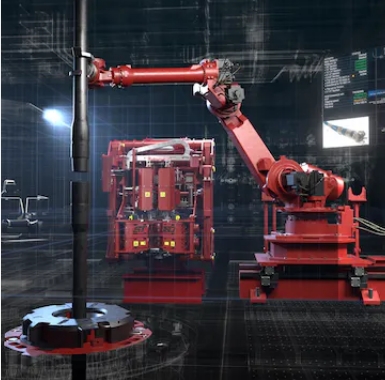
full size snubbing simulator

Final Thoughts

Snubbing units are a vital part of the modern well intervention toolkit, enabling operators to work on live wells without sacrificing safety or production. As reservoir management becomes increasingly complex and expensive, the ability to perform interventions without killing the well makes snubbing an indispensable service in maximizing asset value.

With ongoing advancements in automation and safety features, snubbing technology continues to evolve, offering even greater efficiency and reliability for well intervention around the world.

A Step-by-step Guide to Manufacturing Toilet Paper

Toilet paper is a daily essential that most people rarely think twice about. Yet, behind each soft, neatly rolled sheet is a detailed manufacturing process that combines raw material science, precision engineering, and quality control. Let’s take a closer look at how toilet paper is made.

Manufacturing Process of Toilet Paper

1. Raw Materials

The journey begins with the selection of raw materials.

Virgin wood pulp: It comes from softwood and hardwood trees, with softwood fibers giving strength and hardwood fibers adding softness.

Recycled paper: Sourced from post-consumer waste like office paper and newspapers.

Bamboo pulp: Bamboo grows rapidly — up to three feet per day — and requires no replanting, making it one of the most sustainable raw materials. Bamboo fibers are naturally soft, strong, and antibacterial, making them ideal for toilet paper. Bamboo toilet paper breaks down quickly, reducing the burden on sewage systems and landfills.

Water, chemicals (like sodium hydroxide or sodium sulfide), and bleaching agents are also essential in preparing the pulp.

2. Pulping Process

The raw materials are mixed with water and broken down into a slurry through mechanical or chemical pulping methods.

Mechanical pulping physically grinds wood chips into fibers.

Chemical pulping uses chemical solutions to dissolve lignin (the glue that holds wood fibers together), producing a cleaner, softer pulp ideal for high-quality toilet paper.

If recycled paper is used, the pulp goes through a de-inking process to remove ink, adhesives, and other contaminants.

3. Bleaching

Toilet paper is often bright white, which requires bleaching. Bleaching not only whitens the pulp but also softens it.

Modern manufacturers use oxygen-based or elemental chlorine-free (ECF) processes to reduce environmental impact.

4. Sheet Formation

The bleached pulp is diluted with water to form a thin slurry, then spread onto a moving mesh screen called a Fourdrinier machine.

As water drains through the screen, fibers start bonding to form a continuous sheet. This sheet moves through a series of rollers that remove more moisture and flatten the paper.

toilet paper manufacturing process

5. Drying and Creping

The semi-dry sheet is pressed against a large, heated drying cylinder known as a Yankee dryer.

A doctor blade scrapes the sheet off the dryer, creating a slight wrinkle known as creping — a crucial step that adds softness, flexibility, and absorbency to the toilet paper.

6. Rolling and Reeling

The paper is wound into large, massive rolls called parent rolls. These rolls can be several meters wide and weigh up to several tons.

7. Converting

Parent rolls are moved to a converting machine, where they undergo:

Perforation: Creating small dotted lines that make sheets easy to tear.

Embossing: Pressing patterns into the paper for strength and a softer feel.

Lamination (optional): Gluing multiple plies (layers) together for thickness.

Cutting: Slicing the long rolls into smaller, consumer-sized rolls.

Wrapping: Packaging the finished rolls for shipment.

8. Quality Control

Throughout production of toilet paper, it undergoes rigorous quality control checks, including tests for softness, strength, absorbency, and consistency. Environmental standards are also monitored, especially for companies aiming for eco-friendly certification.

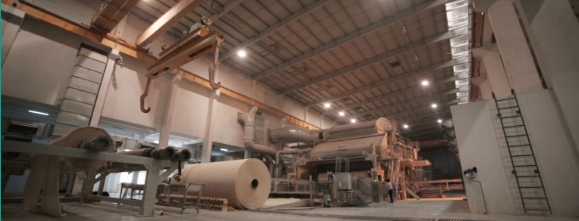
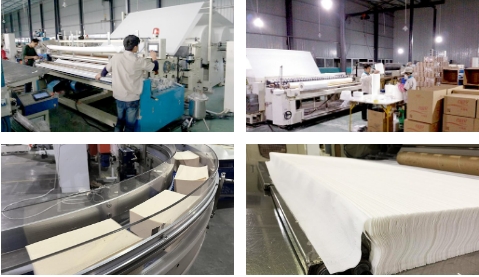
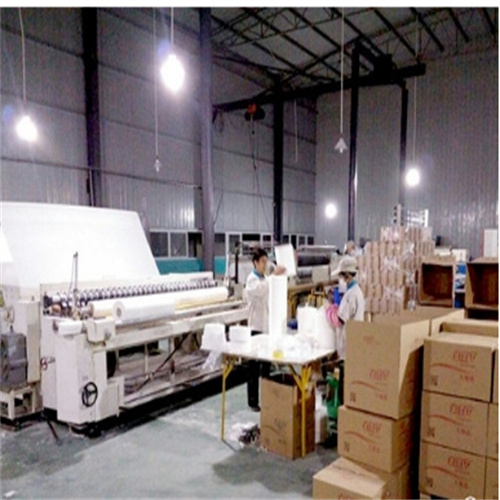
Advacned Manufacturing Equipment for Toilet Paper

Summary

Although it seems simple, manufacturing toilet paper is a sophisticated process that combines natural resources, mechanical expertise, and a commitment to comfort and hygiene. From trees or recycled fibers to the soft roll in your bathroom, every step is carefully designed to meet consumer needs while increasingly considering sustainability.

通过 WordPress.com 设计一个这样的站点
从这里开始