The Growing Use of Custom Plush Toys for Branding

In today’s saturated marketplace, brands constantly seek fresh and memorable ways to connect with their audience. One increasingly popular and emotionally resonant method is the use of custom plush toys for branding. Far from being just children’s playthings, these soft creations serve as effective promotional assets, capable of enhancing brand recognition, loyalty, and engagement.

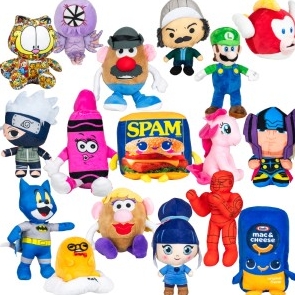
Custom Plush Toys for Branding

Why Plush Toys Work for Branding

Plush toys are universally loved. They evoke feelings of warmth, nostalgia, and comfort—attributes that any brand would be proud to be associated with. When designed uniquely and tailored to a brand’s identity, they become more than just merchandise; they transform into brand ambassadors.

Key benefits include:

Emotional Connection: Plush toys foster instant emotional appeal, helping consumers associate your brand with comfort and positivity.

Long-Term Presence: Unlike paper flyers or digital ads, a well-made plush toy stays with customers, often for years.

Viral Potential: Quirky, cute, or themed plush characters are highly shareable on social media, expanding reach organically.

Broad Appeal: Plush toys resonate not only with children but also with collectors, fans, and adults seeking sentimental value.

Customization Options

Custom plush toys offer extensive design flexibility. Brands can tailor nearly every aspect to reflect their identity:

Character Design: From mascots to anthropomorphic objects, the toy can embody the brand’s essence.

Size and Material: Ranging from palm-sized keychains to large display plushies, and using materials like ultra-soft velour, recycled polyester, or organic cotton.

Brand Elements: Logos, slogans, color schemes, and packaging can be fully integrated into the plush toy design.

Interactive Features: Some plush toys can include sound modules, scent, or RFID chips for smart interaction in promotional campaigns.

Plush Toys for Branding

Branding Applications

Custom plush toys are not limited to giveaways at tradeshows. Their versatility enables use in:

Product Launches – Accompanying a new product with a themed plush toy can make launches more engaging.

Retail Merchandising – Selling or gifting plush characters as part of a product bundle encourages sales and loyalty.

Corporate Gifting – A branded plush in a gift box can leave a lasting impression on clients and partners.

Charity Campaigns – Toys can be tied to cause marketing, with proceeds supporting charitable work—boosting brand image and goodwill.

Pop Culture Collaborations – For entertainment and gaming brands, plush figures of characters are sought-after collectibles.

Case Studies

Fast Food Chains: Many global brands like McDonald’s or KFC use limited-edition plush toys in kids’ meals to create demand.

Theme Parks: Plush mascots tied to attractions create emotional souvenirs and encourage repeat visits.

Tech Startups: SaaS and fintech firms are increasingly using plush toys shaped like app mascots or icons for fun, geeky swag.

Custom Mascots for Brand Promotions

Choosing the Right Manufacturer

Selecting a reliable custom plush toy manufacturer is critical to brand success. Consider:

Quality Assurance: Materials, stitching, and safety standards should meet international regulations (e.g., EN71, ASTM).

Design Capabilities: From 2D sketches to 3D prototyping, a good supplier should support creative vision.

Low MOQ Options: For startups or niche campaigns, working with manufacturers who accept small orders is beneficial.

Global Fulfillment: Efficient delivery and packaging can support online campaigns or international brand rollouts.

Final Thoughts

Custom plush toys blend marketing savvy with emotional storytelling. When executed well, they can turn a casual customer into a brand loyalist. Whether it’s through cuddly mascots, collectible figures, or themed companions, plush toys represent a powerful tactile touchpoint in an increasingly digital world.

For brands seeking authentic, memorable engagement, it might be time to think soft, because branding doesn’t always need to be loud to be effective.

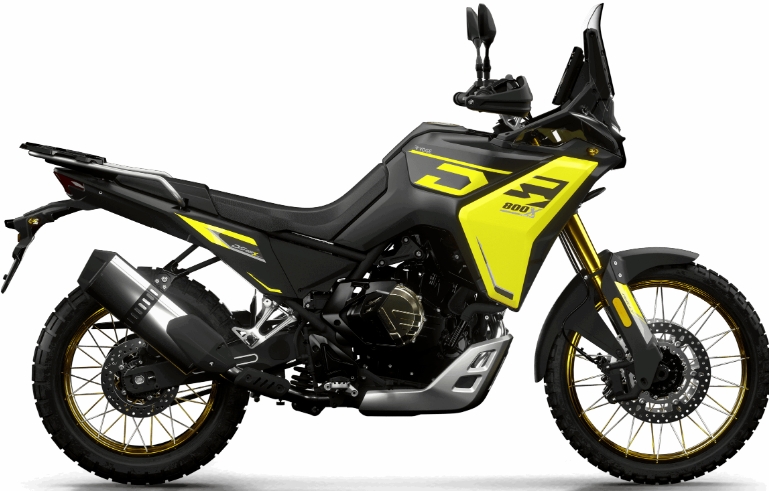
VOGE DS525X: Performance Adventure Bike with Affordable Prices

The VOGE DS525X is turning heads in the adventure motorcycling world—a feature-packed, middleweight touring bike that punches well above its price. Here’s a full deep dive into what makes it a standout ride.

VOGE DS525X Motorcycle

Specs & Core Engineering

Engine: 494 cc liquid-cooled parallel-twin (DOHC, 8‑valve), ~47 hp at 8,500 rpm, 50 N·m torque at 7,000 rpm

Transmission: 6‑speed, slipper clutch for smooth downshifts

Frame & Suspension:

Tubular truss steel frame

41 mm KYB upside-down front forks and KYB rear shock, both adjustable, offering ~170 mm travel

Brakes & Wheels:

Dual 298 mm front discs and 240 mm rear disc (Nissin), with switchable Bosch ABS and TCS

Key Dimensions:

Seat height: 810 mm (adjustable to 830 mm)

Ground clearance: 200 mm

Wet weight: ~190–206 kg (varies with equipment)

Fuel tank: 18 L, top speed approx. 160 km/h

Feature-Rich Equipment

The VOGE DS525X truly shines with its list of standard goodies:

Full LED lighting, DRLs, and auxiliary lights

7″ colour LCD display: Bluetooth, navigation, tyre pressure, ride modes, plus a forward-facing 1080p camera

Adjustable windscreen, brush guards, centre stand, luggage rack, USB/12V ports—all included

Slipper clutch, selectable traction control and ABS for enhanced safety

Put simply: it offers more features than many competitors without adding to the price tag.

Ride & Handling Impressions

Engine: Strong mid-range punch, friendly but occasionally raw, and slightly more eager than Honda NX500

Chassis & Suspension: KYB setup and Metzeler tyres offer composed cornering and confidence on rough roads

Brakes: Occasionally “dead-feeling” rear brake noted, though performance is acceptable

Ergonomics & Build: Roomy feel, high-end finish, though some vibrations under 3,000 rpm—improving over time

Reasons to Consider

Exceptional spec at the price point – features like ABS/TCS, camera, luggage rack come as standard

Reputable components – KYB, Nissin, Metzeler set-up boosts confidence

Strong value proposition – a fully equipped adventure bike for the cost of mid-range rivals

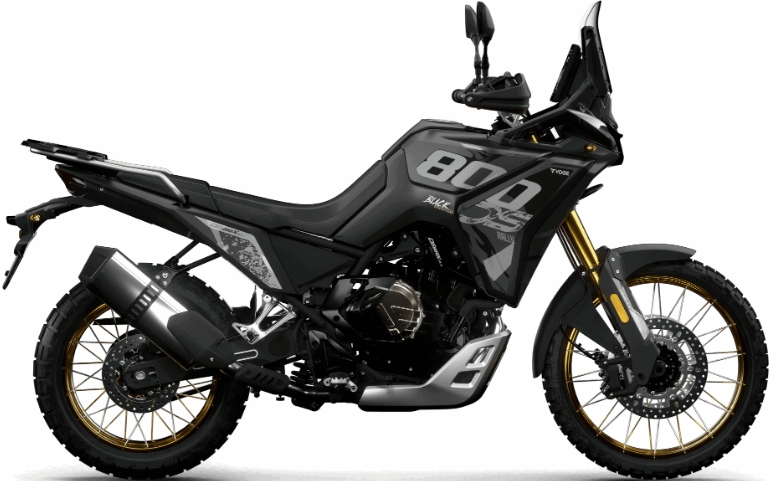
VOGE DS525X

Considerations

Slight brake feel issues; may not be as refined as Japanese bikes

Brand-new model—Manufactured by VOGE which is one of the leading chinese motorcycle manufacturers, ensuring long-term reliability

Minor vibrations at lower RPMs—Though they settle down after break-in

Final Take

The VOGE DS525X makes a compelling case as a budget-conscious adventure bike that spares no features. If you’re seeking an affordable, well-equipped motorcycle without sacrificing core performance or style, this model demands strong consideration. It may not yet have the brand loyalty, but in terms of bang-for-buck, few bikes can compete.

Why Use Plastic-free Packaging in Bamboo Toilet Paper

In the global pursuit of sustainability, bamboo toilet paper has gained significant traction as an eco-friendly alternative to traditional wood-based tissue products. However, the environmental benefits of bamboo paper can be undermined if it’s wrapped in plastic packaging. This has led to a growing movement toward plastic-free packaging, which complements the eco-conscious nature of bamboo toilet paper and helps reduce overall waste.

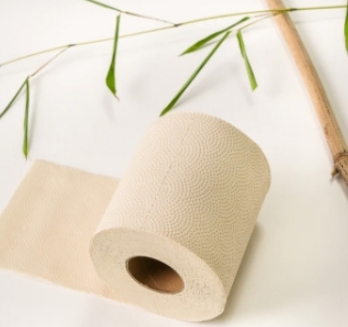
Bamboo Toilet Tissues

Why Plastic-Free Packaging Matters

Plastic pollution is one of the most pressing environmental challenges of our time. Single-use plastics, including those used in packaging, contribute heavily to landfill waste and ocean contamination. Even biodegradable bamboo toilet paper loses its green appeal if wrapped in non-recyclable plastic.

Adopting plastic-free packaging enhances the environmental credentials of bamboo toilet paper by:

Reducing plastic waste at the consumer level.

Improving recyclability and compostability of the overall product.

Aligning with consumer values, particularly for those seeking zero-waste and low-impact lifestyles.

Promoting circular economy practices, where packaging can return to nature without harming ecosystems.

Bamboo Toilet Paper

Common Plastic-Free Packaging Materials

Bamboo toilet paper manufacturers are increasingly turning to innovative and sustainable packaging materials, such as:

Recycled Kraft Paper – Durable, biodegradable, and recyclable, kraft paper offers a rustic yet effective solution for roll wrapping and outer packaging.

Compostable Plant-Based Films – Derived from cornstarch or other plant materials, these transparent wraps break down under composting conditions.

Cardboard Boxes – Ideal for bulk packaging, cardboard is sturdy, widely recyclable, and customizable for branding.

Paper Tape and Glue – Even the smallest components, like sealing materials, are being replaced with non-plastic alternatives to maintain the plastic-free integrity.

Innovations and Trends in Eco Packaging

As demand grows for sustainable household products, bamboo tissue paper manufacturers are innovating in several ways:

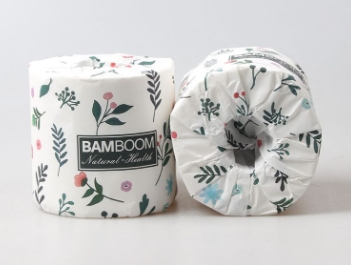
Individually wrapped rolls using printed recycled paper that is both hygienic and eco-friendly.

Reusable packaging concepts, such as fabric wraps or refillable dispensers.

Minimalist packaging that uses fewer materials while maintaining product protection and shelf appeal.

Some companies also go a step further by adopting carbon-neutral shipping, using soy-based inks, and encouraging customers to reuse packaging before disposal.

Benefits for Brands and Consumers

The shift to plastic-free packaging is not only an environmental win but also a marketing advantage. Brands that adopt sustainable packaging:

Gain consumer trust and loyalty among eco-conscious buyers.

Meet increasing regulatory pressures around plastic reduction and environmental responsibility.

Differentiate themselves in a competitive market by demonstrating commitment to environmental ethics.

Consumers, in turn, benefit from a cleaner conscience, knowing that their purchase supports a healthier planet.

Packaging of Bamboo Toilet Paper

Summary

Plastic-free packaging in bamboo toilet paper represents a logical and necessary extension of sustainability in the personal care space. By eliminating plastic from the entire lifecycle of the product—from raw material to disposal—brands can truly deliver on the promise of a greener, more responsible future. As awareness and demand grow, plastic-free packaging is set to become the new standard, not just an option, in eco-friendly household products.

What are Effective Tension Control Strategies for Variable Web Widths

In web-based manufacturing processes—such as printing, coating, laminating, or packaging—tension control is a critical factor that directly impacts product quality, material usage, and machine performance. However, maintaining precise tension becomes increasingly challenging when web widths vary dynamically during production. Variable web widths may occur due to format changes, slitting operations, or multi-lane processing. Without proper control, they can lead to defects such as wrinkling, stretching, breakage, and misalignment.

This article explores the challenges and best practices for effective tension control when dealing with variable web widths, including modern technologies and control strategies that help ensure smooth and consistent operation.

Understanding the Challenges of Variable Web Widths

When the width of a web changes, several parameters are affected:

Web stiffness and mass per unit width vary, altering the mechanical dynamics.

Edge guiding requirements shift, impacting lateral alignment and tension uniformity.

Roller contact and nip pressures change, potentially leading to uneven tension distribution across the web.

These challenges become even more pronounced when web width changes mid-run or when different products are processed on the same line.

Effective Strategies for Tension Control Dealing with Variable Web Widths

1. Use of Load Cells Across Multiple Points

One effective solution is the deployment of multiple load cells or tension sensors across the width of the web. This allows for:

LS200 seated tension sensors

Zone-specific tension monitoring to detect inconsistencies.

Compensation for non-uniform tension profiles across wide webs or multiple lanes.

Real-time feedback for closed-loop tension control systems.

Advanced systems can interpolate sensor data to detect web edge slack or tight zones and apply corrective actions dynamically.

T1000 web tension controller

2. Adaptive Control Algorithms

Traditional PID (Proportional-Integral-Derivative) controllers may not respond efficiently to changing web widths. Instead, model-based or adaptive control algorithms are increasingly used, offering:

Real-time adjustments to tension setpoints based on width changes.

Compensation for inertia and drag variations caused by differing web masses.

Integration with vision systems to detect width in real-time.

These adaptive systems use input from sensors or width detection modules to recalibrate torque and braking force precisely, minimizing overcorrection or lag.

3. Edge Guiding and Web Tracking Systems

As width varies, maintaining proper web alignment is vital to prevent edge tension buildup or lateral drift. Modern web guide systems integrate:

Infrared or ultrasonic sensors to detect web position.

Pivot frame or steering roller mechanisms to reposition the web.

Integration with width variation sensors to auto-adjust guidance zones.

Some systems include intelligent tracking algorithms that can recognize different product lanes and apply customized guidance rules for each.

Web Guide System

4. Taper Tension Control for Roll Diameter and Width

When working with variable widths, especially during winding/unwinding, taper tension control becomes critical. It involves:

Gradually reducing the tension as the roll diameter increases.

Adjusting the taper slope based on the web width to avoid excessive stress at the core or edges.

This technique helps maintain uniform tightness throughout the roll and prevents telescoping or core crushing.

5. Servo-Driven Rolls and Individual Lane Control

For high-precision operations, especially with multi-lane slitting or converting, servo-driven rollers allow for:

Independent lane control with specific tension and speed settings.

On-the-fly adaptation to web width shifts or lane stoppages.

Reduced waste and downtime due to targeted tension control rather than line-wide adjustments.

This modular control strategy is especially useful in packaging or label production with frequent SKU changes.

6. Simulation and Digital Twin Integration

Advanced manufacturers are leveraging digital twins and simulation tools to model tension behavior across variable web widths before actual production. Benefits include:

Predictive adjustment recommendations for machine settings.

Stress testing new web formats without risking material.

Identifying potential tension spikes or slack zones across transitions.

Summary

Maintaining effective tension control amid variable web widths demands a combination of smart sensing, adaptive control, and precision mechanics. Whether through load cell arrays, servo systems, or predictive simulations, manufacturers can now handle dynamic web width variations without compromising quality or efficiency. Investing in these technologies and strategies enables greater flexibility, especially in industries with short production runs, high customization, or multi-format workflows. As web processing evolves, so too must our approach to managing its most critical parameter—tension.

How to Implement Snubbing Units Effectively

In the modern oil and gas industry, snubbing operations, where pipe is run into or pulled out of a live well under pressure, play a critical role in maintaining well integrity while maximizing safety and efficiency. However, these operations carry significant risks due to the complexity and high-pressure environments involved. Implementing snubbing units effectively requires not only the right hardware and experienced personnel but also advanced tools like snubbing simulators that enhance training, planning, and operational readiness.

1. Understand the Operational Requirements

Effective implementation begins with a clear understanding of the specific requirements of the well. This includes:

Wellbore pressure and temperature conditions

Type of intervention (e.g., fishing, milling, or workover)

Pipe sizes, lengths, and snubbing forces required

BOP configuration and rig compatibility

Accurate assessment ensures the selection of the right type of snubbing unit—hydraulic or mechanical, rig-assisted or standalone—and its proper configuration.

Snubbing Units

2. Select the Appropriate Snubbing Unit

The chosen snubbing unit should be tailored to:

Well depth and pressure

Rig site conditions (land, offshore, platform)

Mobility and deployment speed needs

For high-pressure wells, heavy-duty hydraulic snubbing units with adequate ram and annular preventers are essential. Ensure the unit has built-in redundancy and complies with API standards.

3. Integrate Snubbing Simulator for Personnel Training

A crucial step in effective implementation is realistic simulation training. Snubbing simulators replicate field conditions and allow crews to:

full size snubbing simulator

Practice well control procedures and snub/pull pipe operations

Learn force balance principles in vertical and deviated wells

Respond to simulated emergency scenarios without risk

Simulators help reduce human error, enhance coordination among crew members, and allow operators to train for rare or dangerous scenarios in a controlled setting.

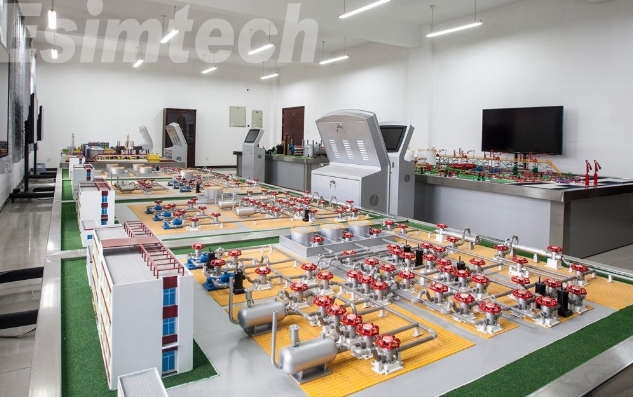
Advanced snubbing simulators, like those developed by Esimtech and other industry leaders, include:

Interactive 3D environments

Real-time feedback on force application and pressure behavior

Integration with real data from previous operations

Portable Snubbing Simulator

4. Develop Standardized Operating Procedures (SOPs)

Implementing clear and comprehensive SOPs ensures consistency and safety. These should be developed in conjunction with insights from both field operations and simulator feedback.

Key SOP components include:

Equipment checklists

Step-by-step snubbing sequences

Emergency response protocols

Communication and hand signals

5. Conduct Pre-Job Planning and Risk Assessment

Prior to deployment, detailed job safety analysis (JSA) and hazard identification (HAZID) should be carried out. Simulators can support pre-job planning by running scenarios and predicting potential failure points or inefficiencies.

6. Ensure Real-Time Monitoring and Data Logging

Effective implementation continues through the operation with real-time monitoring. Parameters to track include:

Hydraulic pressure

Pipe movement and load

Wellhead pressure

Annular and ram BOP function

Modern snubbing units come equipped with digital monitoring tools that can integrate simulator data to predict mechanical fatigue or stress points during the operation.

7. Post-Operation Review and Continuous Improvement

After the operation, conduct a thorough review involving:

Simulator replays of critical operation phases

Equipment performance analysis

Crew debriefings and feedback collection

Use this information to improve future training modules, update SOPs, and identify knowledge gaps. Simulation logs can serve as valuable documentation for internal auditing and compliance verification.

Summary

Successfully implementing snubbing units in oil and gas operations demands more than just equipment. By integrating snubbing simulators into training, planning, and execution phases, operators can significantly reduce risks, increase efficiency, and ensure the crew is well-prepared for complex well interventions. With simulation technology as a backbone of the strategy, snubbing becomes not only safer but also a smarter and more controlled process.

What are Common Materials for Coil Compression Springs: How to Choose

Coil compression springs are among the most widely used mechanical components across various industries, including automotive, aerospace, medical devices, electronics, and heavy machinery. They are designed to absorb compressive forces and return to their original shape when the load is removed. The performance, durability, and reliability of these springs are highly dependent on the material used in their construction. Choosing the right material for coil compression springs is crucial to meet operational demands such as load capacity, environmental conditions, fatigue resistance, and temperature stability.

Coil Compression Spring

Importance of Material Selection

The material used in coil compression springs determines key characteristics such as strength, elasticity, corrosion resistance, temperature tolerance, and lifespan. Poor material selection can lead to early spring failure, reduced efficiency, or even safety risks in critical applications. Therefore, understanding the properties of available materials is essential to optimizing spring design and functionality.

Common Materials for Coil Compression Springs

1. Music Wire (High-Carbon Steel)

Music wire is a high-tensile, cold-drawn steel wire known for its excellent tensile strength and fatigue life. It is widely used for static and dynamic applications where consistent performance under repeated loading is required.

Pros: High tensile strength, cost-effective, excellent fatigue resistance.

Cons: Limited corrosion resistance, not suitable for high-temperature applications.

Typical Use: Automotive parts, industrial machinery, general-purpose springs.

2. Stainless Steel

Stainless steel, particularly grades like 302, 304, and 316, is known for its excellent corrosion resistance and moderate strength. It is suitable for applications where moisture, chemicals, or salt exposure is a concern.

Pros: Corrosion-resistant, non-magnetic (depending on grade), suitable for clean or humid environments.

Cons: Lower tensile strength than music wire, can be more expensive.

Typical Use: Medical equipment, food processing machinery, marine applications.

3. Phosphor Bronze

Phosphor bronze is an alloy of copper, tin, and phosphorus that offers good corrosion resistance and electrical conductivity, making it a preferred choice in electrical and electronic applications.

Pros: Good wear and corrosion resistance, excellent conductivity.

Cons: Lower mechanical strength compared to steel.

Typical Use: Electrical contacts, sensors, switch mechanisms.

4. Beryllium Copper

Beryllium copper combines high strength with excellent electrical conductivity and corrosion resistance. It also performs well in high-fatigue applications and explosive environments due to its non-sparking properties.

Pros: High strength, non-magnetic, good corrosion and fatigue resistance.

Cons: Expensive, contains toxic elements in raw form (safe when processed).

Typical Use: Aerospace, electronics, defense.

5. Chrome Silicon Steel

Chrome silicon steel is a high-performance alloy designed for high-stress and high-temperature environments. It offers excellent fatigue and impact resistance, making it ideal for heavy-duty applications.

Pros: High strength, excellent fatigue and shock resistance, withstands elevated temperatures.

Cons: Requires precise heat treatment, less corrosion resistance.

Typical Use: Automotive suspension systems, aircraft landing gear, high-load mechanisms.

6. Inconel (Nickel-Chromium Alloy)

Inconel alloys, especially Inconel X-750, are designed for extreme environments where high temperature, oxidation, and corrosion resistance are crucial.

Pros: Excellent performance in high-temperature and corrosive environments.

Cons: Very expensive, challenging to machine and form.

Typical Use: Jet engines, nuclear reactors, oil and gas applications.

Oval Coiled Compression Spring

Factors to Consider When Choosing Spring Material

Operating Environment: Exposure to moisture, chemicals, or saltwater may require corrosion-resistant materials like stainless steel or phosphor bronze.

Temperature Range: High-temperature applications demand materials such as Inconel or chrome silicon for coiled compression spring.

Load and Stress Requirements: Heavily loaded springs need materials with high tensile strength and fatigue resistance.

Cost Constraints: Budget limitations may favor music wire or standard stainless steel.

Electrical Conductivity: Applications involving electrical current benefit from materials like beryllium copper or phosphor bronze.

Certifications and Regulations: Industries like aerospace or medical may require specific material certifications and traceability.

Coil Compression Spring Supplier

Summary

Material selection is a fundamental aspect of the design of coiled compression spring that directly affects performance, lifespan, and safety. With options ranging from economical music wire to advanced alloys like Inconel, engineers must carefully assess the operating conditions and functional requirements of each application. By selecting the appropriate spring material, manufacturers can ensure reliable performance, minimize maintenance costs, and enhance overall system efficiency.

Key Differences Between Dry Baths and Water Baths in Laboratory Settings

In modern laboratories, precise temperature control is essential for a wide range of experimental procedures. Two of the most commonly used devices for heating samples are dry baths and water baths. While both serve the purpose of maintaining stable temperatures, their design, operation, and suitability vary significantly depending on the application. This article explores the key differences between dry baths and water baths, highlighting their respective advantages, limitations, and ideal use cases in laboratory settings.

Understanding the Basics

A water bath uses heated water to transfer thermal energy to samples. Samples are typically placed in sealed tubes or containers and immersed in a tank filled with water, which is maintained at a set temperature using an internal heating element and thermostat.

A dry bath, on the other hand, uses a metal block with precisely machined wells to hold tubes. The block is electrically heated, providing direct contact-based heating to the sample containers without the need for any liquid medium.

Dry Bath Incubator

Temperature Range and Precision

Water baths are generally suitable for low to moderate temperature ranges, typically up to 100°C (boiling point of water), though some models include a lid and external circulation to slightly exceed this limit. They offer even temperature distribution, especially when the water is stirred or circulated.

Dry baths often provide a wider and more precise temperature range, sometimes up to 150°C or more. The direct contact between the metal block and sample tubes allows for faster temperature ramping and tighter control, making dry baths a better choice for applications requiring high precision or elevated temperatures.

Contamination and Maintenance

One of the main differences lies in cleanliness and maintenance. Water baths, by nature, require regular cleaning to prevent algae, microbial growth, and mineral buildup. The presence of water also poses a risk of sample contamination, especially if tubes are not properly sealed.

Dry baths eliminate these concerns as they do not involve any liquid. They are generally easier to clean and maintain, and there is no risk of spillage or cross-contamination, making them ideal for sensitive applications such as DNA amplification or protein incubation.

Sample Compatibility and Flexibility

Water baths offer more flexibility with container types and shapes. Since samples are immersed, researchers can use various vessels such as flasks, beakers, or bottles. This makes water baths suitable for large-volume or irregularly shaped samples.

Dry baths, however, are limited to the sizes and shapes of the available block inserts, which are typically designed for standard microcentrifuge tubes or PCR tubes. However, modern dry baths often feature interchangeable blocks, allowing labs to adapt to different tube formats, albeit with some constraints.

Applications and Use Cases

Water Baths are commonly used for:

Thawing or warming reagents

Incubating cell cultures

Enzyme reactions at moderate temperatures

Maintaining temperature during chemical reactions

Drawell Water Baths

Dry Baths are ideal for:

PCR sample preparation

Enzyme activation or inactivation

Incubation of nucleic acid or protein samples

Heat shock treatments in molecular biology

Portability and Energy Efficiency

Dry baths are typically more compact and portable than water baths, which require a reservoir and often a lid. They also use less energy and heat up more quickly due to the absence of water mass.

Summary: Key Differences at a Glance (Without Using a Chart)

Dry baths and water baths differ significantly in how they heat samples, their precision, and their suitability for various lab applications. A dry bath uses a heated metal block to warm samples through direct contact, offering higher temperature ranges—often up to 150°C—and greater precision. In contrast, a water bath heats samples through immersion in warm water and typically operates up to 100°C, with excellent uniformity, especially when stirred.

Maintenance requirements also vary. Water baths need regular cleaning to prevent microbial growth and mineral buildup, while dry baths are easier to maintain and pose less risk of contamination since no liquid is involved. When it comes to compatibility, water baths are more flexible, accommodating various vessel shapes and sizes like flasks and beakers, whereas dry baths are limited to tube sizes that match the block insert.

Dry baths are generally more compact, portable, and energy-efficient, heating up faster than water baths. They’re ideal for precise molecular biology applications, while water baths are better suited for general-purpose laboratory tasks such as incubating cultures or enzyme reactions.

Thermostat Water Baths

Final Thoughts

Both dry baths and water baths are indispensable tools in laboratory environments, each with its unique advantages. Water baths excel in versatility and are ideal for general-purpose applications, while dry baths offer cleaner, faster, and more precise heating—especially in molecular biology and sensitive biochemical workflows. Choosing between the two depends on the specific needs of the experiment, the type of samples involved, and the desired level of temperature control. In many modern labs, having both systems available ensures maximum flexibility and efficiency in sample preparation and processing.

Effective Use of Custom High Holding Power Anchors for Specific Applications

In the demanding world of marine and offshore engineering, anchoring systems must offer not only strength but reliability in highly variable environments. High Holding Power (HHP) anchors are specifically designed to provide superior holding capacity compared to conventional anchors of the same weight. When tailored for specific applications, custom HHP anchors become essential tools in ensuring vessel and structure stability in unique operational conditions. This article explores the role of custom HHP anchors, their design considerations, and where they are most effectively used.

Why Choose Custom High Holding Power Anchors?

Standard anchors are effective under general conditions, but when faced with challenging seabeds, extreme weather, or project-specific constraints, a custom HHP anchor becomes necessary. Customization allows engineers to modify the anchor’s geometry, materials, and weight distribution to optimize holding power based on factors like soil type, load requirements, and deployment method.

Custom HHP anchors also allow integration with remote or automated deployment systems, corrosion-resistant coatings for long-term use, and features that support reusability in temporary installations.

high holding power anchor

Key Design Considerations

When developing a custom HHP anchor, several critical factors must be analyzed:

Seabed Composition: Different seabeds—such as clay, sand, gravel, or silt—respond differently to anchor shapes. Custom fluke angles and surface areas can dramatically increase performance in specific seabed types.

Load Conditions: Custom anchors are engineered to withstand anticipated loads from vessels, floating platforms, or subsea structures. Designers adjust the anchor’s geometry and weight accordingly to ensure secure holding.

Anchor Type: Whether it’s a drag embedment anchor, vertical load anchor, or suction pile anchor, the chosen high holding power anchor type depends on the application. Customization fine-tunes these base types for optimal performance.

Deployment Method: The anchor must be designed for compatibility with the vessel or equipment used for deployment. For remote or automated systems, special fittings and release mechanisms may be integrated.

Material and Coating Selection: For extended use or harsh environments, high-strength steels with anti-corrosive coatings or galvanization are often selected to ensure longevity.

Common Applications of Custom HHP Anchors

1. Offshore Oil and Gas Platforms

Custom HHP anchors provide reliable mooring for semi-submersibles, jack-up rigs, and floating production systems. These anchors must resist large horizontal and vertical loads in harsh ocean conditions.

2. Floating Wind Turbines

With the expansion of offshore wind farms, anchors must handle dynamic loading while remaining lightweight and eco-friendly. Custom designs help meet strict environmental and engineering standards.

3. Marine Construction Projects

Temporary mooring systems for barges, cranes, and pontoons often require anchors that can be installed and retrieved efficiently without sacrificing holding power.

4. Aquaculture Installations

Fish farms and underwater cages need stable mooring in often shallow but dynamic coastal environments. Custom HHP anchors are designed for easy handling, minimal seabed disruption, and strong lateral resistance.

5. Naval and Defense Applications

Military vessels and underwater detection equipment require compact but powerful anchoring systems that can be deployed quickly and hold securely under stealth or tactical operations.

high holding power anchor

Advantages of Customization

Performance Optimization: Tailored anchors offer better holding power per unit weight.

Cost Efficiency: Custom anchors reduce the need for over-sizing and excess material.

Deployment Flexibility: Adapted for specific equipment or vessel configurations.

Environmental Compatibility: Designed to minimize seabed disturbance.

Long-Term Durability: Materials and coatings suited to project lifespan and conditions.

TW type pool HHP anchor

Summary

Custom high holding power anchors are critical in ensuring safe, efficient, and reliable anchoring across a variety of specialized marine and offshore applications. By considering environmental conditions, structural demands, and deployment logistics, customized anchor solutions provide unmatched security and adaptability. As offshore operations expand and evolve, the need for precisely engineered HHP anchors will only continue to grow—ensuring stability, safety, and sustainability beneath the surface.

The Use of Wireless Remote Controlled Marine Searchlights

In today’s maritime industry, reliable and flexible lighting plays a critical role in ensuring operational safety and navigation precision—especially during low-visibility conditions. Wireless remote-controlled marine searchlights have emerged as a powerful solution, combining intense illumination with the convenience of remote operation. From fishing boats and ferries to coast guard patrol vessels and luxury yachts, these advanced marine searchlights are transforming how marine professionals approach visibility challenges on water.

What Are Wireless Remote-Controlled Marine Searchlights?

Wireless remote-controlled marine searchlights are high-intensity lighting devices mounted on vessels that can be controlled via a wireless remote unit, often from the bridge or deck. Unlike traditional manual spotlights or wired control systems, these searchlights allow operators to pan, tilt, and adjust the beam direction and intensity from a distance—without physical wiring constraints.

Most systems use radio frequency (RF) or infrared (IR) communication to transmit control signals, offering real-time directional adjustment with minimal delay. Some advanced models even include Bluetooth, Wi-Fi, or app-based smartphone control, pushing the boundaries of functionality.

Wireless Remote Control LED Searchlight

Key Features and Capabilities

360° Rotation and Multi-Axis Tilt

Operators can scan the surrounding area effortlessly with full horizontal rotation and vertical tilt, enabling comprehensive coverage.

High-Intensity LED or Halogen Bulbs

These wireless remote control LED searchlights often feature powerful LED beams (sometimes exceeding 200,000 candela), offering long-range visibility with low power consumption and long service life.

Weather-Resistant Construction

Built with IP66–IP68-rated materials, these lights are sealed against saltwater, rain, and corrosion, ensuring reliable operation in harsh marine environments.

Programmable Beam Patterns

Some systems allow beam width and strobe settings to be adjusted remotely for signaling, search, or rescue operations.

Multiple Control Points

Systems can be controlled from several locations using multiple remotes or control consoles—a critical advantage on large or multi-deck vessels.

Preset Memory and Auto-Homing

Premium models include preset aiming positions and home return functions, improving speed and efficiency during repetitive tasks.

SD-3 Wireless Remote Controlled LED Searchlight

Applications in Marine Operations

Navigation Assistance: Enhances visibility when approaching docks, navigating narrow channels, or avoiding floating debris.

Search and Rescue (SAR): Facilitates quick scanning and illumination of large areas during emergencies or man-overboard situations.

Security and Surveillance: Allows discreet observation of surrounding areas in potentially hostile or high-risk waters.

Fishing and Trawling: Illuminates gear deployment zones or surface activity during night operations.

Recreational Use: Offers convenience and safety for private boats and yachts when docking or anchoring at night.

Advantages of Wireless Control

Ease of Installation: No long wiring harnesses needed—simplifies integration even on retrofitted vessels.

Operational Flexibility: Allows single-person operation from any location within range, including handheld remotes and helm-mounted units.

Reduced Maintenance Risk: Less physical wiring means fewer corrosion-prone electrical points and lower maintenance needs.

Enhanced Safety: Operators can remain under cover or at a safer location while directing the beam during hazardous tasks.

Things to Consider Before Purchasing

Range and Signal Strength: Ensure the wireless control range suits the vessel size and layout. Metal hulls may impact signal strength—look for dual antenna or boosted systems if needed.

Mounting Location: Opt for elevated positions that avoid shadows or obstructions, and allow a clear line of sight for rotation.

Power Source: Check voltage compatibility (12V/24V/AC) and current draw, especially on smaller vessels with limited power supply.

Regulatory Compliance: Confirm that the searchlight meets IMO or coastal authority standards for marine safety equipment.

Summary

Wireless remote-controlled marine searchlights represent a significant step forward in maritime lighting solutions. By combining powerful illumination, directional precision, and remote convenience, they enhance safety, efficiency, and usability across a wide range of marine applications. As vessel operators seek smarter, more flexible tools for night operations, these searchlights stand out as indispensable assets on modern waters. Whether you’re navigating commercial waters or enjoying a night cruise, a wireless marine searchlight ensures you’re never left in the dark.

Best Practices for Embroidering on a Stuffed Animal

Embroidering on a stuffed animal is a creative and heartfelt way to personalize a gift or add artistic flair to a plush toy. Whether you’re stitching a child’s name on a teddy bear’s paw or embellishing a bunny’s ear with a sweet message, embroidery transforms a mass-produced toy into a treasured keepsake. With a little patience and the right tools, even beginners can master this charming craft.

Why Embroider on a Stuffed Animal?

Embroidering on a plush toy adds uniqueness and emotional value. Custom embroidered stuffed animals are perfect for:

Birth announcements

Holiday gifts

Wedding or proposal keepsakes

Brand promotions

Memorial tributes

Unlike printed tags or stickers, embroidery offers a durable, tactile, and timeless personalization that doesn’t fade or peel.

Embroider on a Stuffed Animal

Choosing the Right Stuffed Animal

Not all plush toys are created equal when it comes to embroidery. Choose a stuffed animal that:

Has a smooth, stable surface (short-pile fur is easier to work with)

Includes areas with minimal stuffing (like ears, paws, or bellies)

Can be flattened or opened up for stitching

Has a removable stuffing insert (if using a machine embroidery hoop)

Popular choices include teddy bears, bunnies, elephants, and dogs with floppy limbs or large ears.

Hand Embroidery vs. Machine Embroidery

You can embroider a stuffed animal by hand or with an embroidery machine, depending on your tools and design complexity.

Hand embroidery allows for free-form creativity and flexibility. It’s ideal for small names, hearts, or simple messages on curved surfaces like paws or tails.

Machine embroidery offers speed and precision. It’s best for detailed logos or longer text, but may require unstuffing and re-stuffing the animal for hoop access.

Tools You’ll Need

Embroidery thread (cotton or polyester)

Embroidery needle (sharp with a large eye)

Embroidery stabilizer (tear-away or water-soluble, especially for machine embroidery)

Embroidery hoop (optional but helpful for flattening the surface)

Fabric marking pen or chalk

Small scissors or thread snips

Pins or clips

Common Issues and Solutions for Embroidering on Stuffed Animals

Steps for Hand Embroidering on a Stuffed Animal

Choose and prepare your design

Decide what you want to stitch (e.g., a name, date, heart). Lightly mark the placement using a washable fabric pen.

Stabilize the area

Slide a piece of stabilizer behind the fabric if possible. This helps prevent puckering.

Thread your needle

Use 2–3 strands of embroidery floss for fine details. Tie a small knot at the end.

Start stitching

Use simple stitches like backstitch, satin stitch, or chain stitch. Begin from the underside and work slowly to avoid puckering or pulling the fabric.

Secure and finish

Tie off the thread securely and hide the knot inside the toy. Trim any excess.

Miniature Stuffed Animals

Tips for Success

Practice first on a scrap piece of felt or plush to test stitch spacing and tension.

Work gently—plush fabric can stretch or shift.

Keep it small—large designs are harder to manage on curved surfaces.

Use contrasting threads to make your design pop, or choose subtle colors for a softer look.

When to Consider Professional Help

If you’re creating embroidered stuffed animals for retail or bulk gifting, it may be worth partnering with a custom plush manufacturer or embroidery service with machine embroidery capabilities. They can help ensure consistency, durability, and production efficiency.

Summary

Embroidering on a stuffed animal is a wonderful way to infuse personality, emotion, and creativity into a beloved plush. Whether it’s a single name for a newborn or a message stitched into a wedding bear, the handmade element adds warmth that no machine alone can replicate. With the right tools and a bit of care, you can turn any stuffed animal into a one-of-a-kind companion filled with meaning and charm.

通过 WordPress.com 设计一个这样的站点
从这里开始