What are the Key Differences Betwwen Inline and Offline Print Inspection Systems

In the high-stakes world of printing—whether for packaging, labels, security documents, or commercial applications—print quality inspection is critical. Defects such as color deviations, misalignments, smudging, or missing elements can lead to product recalls, customer dissatisfaction, and significant financial losses. To mitigate these risks, printers rely on printing inspection systems, broadly classified into two categories: inline and offline.

This article explores the key differences, advantages, limitations, and ideal use cases for each system.

precision print inspection system

What Is a Print Inspection System?

A print inspection system is a technology solution used to automatically detect and classify defects in printed materials. These automated automated web inspection systems for printing quality adopt high-resolution cameras, lighting, and software algorithms to monitor print quality against predefined standards. The main distinction lies in when and where the inspection occurs:

Inline systems inspect during the printing process.

Offline systems inspect after printing is completed.

Inline Print Inspection Systems

1. Definition

Inline systems are integrated directly into the printing press or converting line. They perform real-time inspection of the material as it passes through the machine.

2. Features and Benefits

Real-Time Defect Detection: Defects are detected instantly, allowing for immediate corrective actions.

Reduction in Waste: Early detection helps minimize defective output and reduce material waste.

Process Optimization: Operators can use feedback to adjust press settings on the fly.

Automation-Friendly: Ideal for high-speed, continuous production environments.

3. Limitations

Higher Initial Cost: Integration with the press and real-time capabilities make inline systems more expensive upfront.

Complex Installation: Requires careful alignment and calibration with the printing equipment.

Limited Flexibility: Typically dedicated to a specific press or production line.

4. Ideal Applications

High-speed label or packaging printing

Pharmaceutical and security printing

Any environment where real-time quality assurance is critical

Offline Print Inspection Systems

1. Definition

Offline systems are standalone units used to inspect printed samples after they come off the press. Inspection can be manual or semi-automated and typically involves feeding printed sheets or rolls into a separate machine.

2. Features and Benefits

Flexibility: Can be used with multiple print jobs or presses.

Lower Cost: Less expensive than inline systems; ideal for small or medium print runs.

Post-Production Analysis: Useful for detailed defect analysis and batch quality checks.

Offline Inspection System for Print lable

3. Limitations

Delayed Feedback: Defects are discovered after the fact, which may result in more waste.

Labor-Intensive: Often requires manual handling of printed samples.

Not Suitable for 100% Inspection: Offline systems are generally used for sampling rather than full inspection.

4. Ideal Applications

Short-run commercial print jobs

R&D or prototype evaluations

Quality audits and batch inspection

Inline vs. Offline: Key Differences at a Glance

1. Timing of Inspection

Inline systems perform inspection during the printing process, enabling real-time monitoring and correction. Offline systems, in contrast, inspect the printed material after the printing is complete, often in a separate quality control area.

2. Feedback Speed

Inline systems provide instant feedback, allowing operators to detect and resolve issues immediately. Offline systems offer delayed feedback, which means problems are only identified after printing, potentially leading to more waste.

3. System Integration

Inline inspection is built directly into the printing press or converting line, requiring technical setup and alignment. Offline inspection is completely separate from the printing equipment and functions as an independent unit.

4. Flexibility

Offline systems are more flexible since they can be used across different machines and print jobs. Inline systems are less adaptable, often tailored to a specific press or production line.

5. Cost

Inline systems generally require a higher initial investment due to their advanced real-time capabilities and integration. Offline systems are usually more affordable and suitable for businesses with tighter budgets.

6. Automation Level

Inline systems are highly automated, making them ideal for high-speed, continuous production environments. Offline systems often involve manual or semi-automated handling, which is more labor-intensive.

7. Inspection Coverage

Inline inspection adopts 100% print inspection systems for every printed unit on the production line. Offline inspection is usually sampling-based, examining only selected portions of the print run.

100% printing inspection systems

8. Ideal Applications

Inline systems are best suited for high-volume, high-speed production where quality control must happen in real time. Offline systems are ideal for short-run jobs, detailed post-run analysis, or when flexibility across various jobs is required.

Choosing the Right System

The choice between inline and offline inspection depends on several factors:

Production Volume: High-speed environments benefit from inline systems.

Cost Sensitivity: Offline systems are better suited for budget-conscious operations.

Quality Requirements: If 100% inspection is required, inline is the only practical choice.

Flexibility Needs: Offline systems are advantageous for varied jobs and sample-based QA.

In some cases, hybrid approaches are used—inline systems for critical real-time inspection, supported by offline systems for detailed analysis and regulatory documentation.

Final Thoughts

Both inline and offline print inspection systems serve essential roles in maintaining print quality, each with distinct advantages. Inline systems are indispensable in high-speed, automated environments where real-time control is vital. Meanwhile, offline systems offer flexibility, cost-efficiency, and detailed inspection for smaller-scale or specialized jobs.

Understanding the strengths and limitations of each system helps printers make informed decisions that balance quality control, operational efficiency, and cost-effectiveness in today’s competitive marketplace.

Common Oil and Gas Drilling Methods: Why Use Simulations for Optimizing Them

Oil and gas drilling is a complex and capital-intensive process that involves the use of various techniques to extract hydrocarbons from beneath the Earth’s surface. As global demand for energy continues to grow, the oil and gas industry constantly seeks more efficient, safer, and environmentally friendly drilling methods. Among the latest advancements is the use of simulation technologies to optimize operations and reduce risks.

drilling systems</p

Overview of Oil and Gas Drilling Methods

1. Conventional Vertical Drilling

This is the most traditional method, where a well is drilled straight down to the reservoir. It’s still widely used for shallow and easily accessible reservoirs but is less effective in complex geological formations.

2. Directional Drilling

Directional drilling allows the drill bit to be steered in various directions. This method is useful for reaching targets that are not directly below the drilling rig, such as reservoirs under populated or environmentally sensitive areas.

3. Horizontal Drilling

An advanced form of directional drilling, this method involves drilling vertically to a certain depth and then turning the drill bit horizontally. It’s particularly effective in shale formations and enhances reservoir contact, boosting production.

4. Extended Reach Drilling (ERD)

ERD drilling enables access to oil and gas reserves that are far from the drilling location, sometimes several kilometers away. It is commonly used in offshore operations to reach multiple targets from a single platform.

5. Coiled Tubing Drilling

This method uses a continuous length of small-diameter steel pipe wound on a spool. It’s particularly useful for well interventions and re-entry drilling where traditional rigs are less practical.

6. Managed Pressure Drilling (MPD)

MPD involves the precise control of the annular pressure profile throughout the wellbore. It allows for drilling in difficult formations by managing the pressure environment to prevent kicks and blowouts.

Simulation Technologies for Optimizing Drilling Methods

Modern drilling operations benefit significantly from simulation technologies that help optimize well design, reduce non-productive time, and improve safety. These technologies play a crucial role in planning, training, and real-time decision-making.

1. Drilling Process Simulations

Advanced software platforms simulate the entire drilling process—from rig setup to bit interaction with various rock types. These drilling simulation systems help engineers test different drilling parameters (e.g., weight on bit, rotary speed, mud flow) to identify the most effective strategies.

Portable Drilling Well Control Simulation Systems

2. Geomechanical Modeling

Simulation tools can model subsurface stress and pore pressure environments. This helps in choosing the best well trajectory and casing program to avoid formation damage, wellbore collapse, or lost circulation.

3. Real-Time Drilling Simulations

Using real-time data from downhole sensors, simulation platforms can model the current state of the wellbore and predict upcoming issues. This enables timely adjustments in drilling parameters to prevent equipment failure or formation damage.

4. Training and Operational Simulators

Oil drilling rig training simulators replicate actual rig environments for training purposes. These tools are used to prepare drilling crews for emergency scenarios, complex procedures, and new drilling technologies without real-world risks.

drilling training simulation system

5. Cost and Risk Optimization

By running multiple drilling scenarios in a virtual environment, operators can compare outcomes in terms of cost, time, and safety. This helps in selecting the optimal method for each specific well and geological setting.

Future Trends

The integration of Artificial Intelligence (AI) and Machine Learning (ML) into drilling simulations is expected to revolutionize the industry further. Predictive analytics will enhance decision-making, and digital twins of wells will allow continuous optimization throughout the well lifecycle.

Additionally, increased emphasis on sustainability and environmental impact is driving simulation tools to include carbon footprint estimations and energy efficiency metrics in their analysis.

Summary

The evolution of oil and gas drilling methods—from conventional vertical drilling to sophisticated managed pressure and extended reach techniques—reflects the industry’s push for greater efficiency and precision. Simulation technologies have become indispensable tools for optimizing these drilling methods. They not only reduce operational risks and costs but also support safer, faster, and more sustainable hydrocarbon extraction. As the energy sector continues to embrace digital transformation, simulation will play an even more prominent role in the future of drilling.

Why Use Wedge Locking Washers for Preventing Bolt Loosening

In mechanical assemblies where vibration, dynamic loads, or thermal expansion are present, the integrity of fasteners is critical. One of the most common and potentially hazardous issues in such environments is the loosening of bolts. While conventional methods like spring washers, nylon inserts, or adhesives offer limited effectiveness over time, wedge locking washers have emerged as a superior solution. Designed to maintain tension and resist rotational loosening, wedge locking washers are widely used in industries that demand reliable and maintenance-free bolted joints.

wedge locking washer

How Wedge Locking Washers Work

Wedge locking washers consist of a pair of washers with cams on one side and radial teeth on the other. The cam sides are placed face to face, and the radial teeth grip the mating surfaces of the bolt head and the substrate. When the bolt is tightened, the radial teeth embed into the contact surfaces to prevent rotation. The key feature lies in the cam angle, which is greater than the thread pitch of the bolt. When subjected to vibration or dynamic load, any rotational movement forces the cam surfaces to ride up against each other, generating a clamping force that increases with loosening torque—effectively locking the bolt in place.

Applications Across Industries

Wedge locking washers are used across a variety of sectors where bolt loosening can lead to performance failure or safety hazards. These include:

Automotive and heavy machinery: to secure engine components, suspension systems, and high-load joints.

Railway and transportation: where vibration and shock are continuous concerns.

Wind and energy: especially in turbine structures exposed to varying stresses.

Construction and civil engineering: in bridges, steel frameworks, and earthquake-resistant structures.

Aerospace: for critical fasteners in high-vibration environments.

Advantages of Wedge Locking Washers

The effectiveness of wedge locking washers lies in their unique design and mechanical functionality. Key benefits include:

Vibration resistance: They maintain bolt tension and prevent rotation even under extreme vibrational loads.

Reusability: Unlike adhesives or nylon inserts, these washers can be reused multiple times without degradation.

Ease of installation: They require no special tools or procedures and are compatible with standard bolts and nuts.

Secure clamping: The locking action increases as the bolt tries to loosen, making it a self-reinforcing system.

Reliable performance: Proven in independent tests and certified for use in critical environments, including military and transport sectors.

Wedge locking anti-loosening double washer

Considerations and Limitations

While wedge locking washers offer exceptional security, some considerations are necessary:

They may require a flat bearing surface for proper function.

In applications with soft materials like aluminum, surface hardening or load-spreading washers may be needed.

Higher initial cost compared to standard washers, though offset by reduced maintenance and downtime.

wedge locking washer supplier

Summary

Wedge locking washers represent a dependable solution to one of the most persistent problems in mechanical fastening: bolt loosening. Their innovative cam and tooth design ensures that bolts remain secure under vibration, shock, and thermal variation. As a result, they are becoming the go-to choice for engineers seeking safety, durability, and maintenance-free performance in bolted connections. Whether in industrial machines or critical infrastructure, wedge locking washers help keep systems secure and operations running smoothly.

What are the Common Types of Cooling Machines Used in Laboratories

Temperature control is crucial in laboratories to ensure the accuracy, reliability, and safety of experiments, sample preservation, and equipment performance. Various cooling machines are designed to serve distinct roles in lab environments, from storing sensitive biological samples to supporting high-precision instruments. This article provides a comprehensive overview of the most common types of cooling machines used in laboratories, highlighting their functions, features, and typical applications.

1. Laboratory Refrigerators

Purpose: To store temperature-sensitive materials at a stable, above-freezing temperature (usually between 2°C to 8°C).

Common Uses:

Vaccines and medications

Reagents and chemical solutions

Biological samples

Features:

Digital temperature control

Alarm systems for temperature fluctuations

Glass or solid doors

Optional lock mechanisms for security

2-8℃ Pharmacy Refrigerator

2. Laboratory Freezers

Purpose: To preserve biological materials and chemicals at sub-zero temperatures, ranging from -10°C to -86°C depending on the model.

Types:

Standard Freezers (-10°C to -25°C): General lab use

Low-Temperature Freezers (-40°C): For long-term storage

Ultra-Low Temperature Freezers (-80°C to -86°C): For storing DNA, RNA, enzymes, and cell cultures

-86℃ Refrigerator

Features:

Dual-compressor systems (in ULT freezers)

Insulated chambers

Safety alarms and backup power compatibility

3. Circulating Chillers (Recirculating Chillers)

Purpose: To dissipate heat from laboratory instruments by providing a steady flow of temperature-controlled coolant.

Common Uses:

Spectrometers

Lasers

Rotary evaporators

Reaction vessels

Features:

Digital temperature control with narrow tolerance

High cooling capacity and stability

Eco-friendly refrigerants

Closed-loop systems to prevent contamination

4. Cooling Incubators

Purpose: To maintain a controlled environment for microbiological, biochemical, and pharmaceutical studies at or below room temperature.

Common Uses:

Incubation of temperature-sensitive organisms

Controlled enzymatic reactions

Stability testing

Features:

Wide temperature range (typically 5°C to 60°C)

Uniform temperature distribution

Interior lighting (for photostimulation studies)

Optional CO₂ and humidity control

5. Cold Traps

Purpose: To condense vapors and protect vacuum pumps during distillation or evaporation processes.

Common Uses:

Freeze-drying systems

Rotary evaporators

Vacuum distillations

Features:

Low temperature operation (as low as -50°C or lower)

Glass or stainless-steel design

Connection ports for integration with vacuum systems

6. Water Baths with Cooling Function

Purpose: Water baths are used to maintain samples at a constant temperature, including below room temperature using integrated cooling mechanisms.

Common Uses:

Enzyme reactions

Sample thawing and cooling

Quality control testing

Features:

Temperature range typically 0°C to 100°C

Stainless steel chambers

Digital controls with timers and alarms

Drawell Water Baths

7. Thermoelectric Coolers (Peltier-Based Systems)

Purpose: To cool or maintain samples at precise temperatures using solid-state thermoelectric modules.

Common Uses:

Portable sample storage

Point-of-care diagnostics

Niche lab applications

Features:

Compact and energy-efficient

Low noise

No refrigerant or moving parts

Summary

Choosing the right cooling machine for a laboratory depends on the specific application, required temperature range, and sensitivity of stored materials or supported equipment. Whether it’s ultra-low temperature freezers for genetic samples or chillers for analytical instruments, the right cooling solution ensures safe, consistent, and efficient laboratory operations.

Understanding the Differences Between Explosion-proof Floodlights and Spotlights

In hazardous environments where flammable gases, vapors, or dust are present, lighting must be both effective and safe. Explosion-proof lighting fixtures are essential in these areas to prevent the ignition of explosive materials. Among the most commonly used explosion-proof lighting types are floodlights and spotlights. While both serve critical functions, their design, illumination characteristics, and ideal applications differ significantly. This article explores the differences between explosion-proof floodlights and explosion-proof spotlights to help industries choose the right solution for their needs.

Basic Definition

Explosion-proof floodlights are designed to provide wide-area illumination. They are typically used to light up large spaces such as refineries, warehouses, and offshore platforms.

CFT6 explosion-proof flood light

Explosion-proof Spotlights, on the other hand, produce a focused, narrow beam of light. They are used to illuminate specific areas or objects, making them ideal for task lighting in hazardous zones.

Light Distribution

Floodlights: Disperse light over a broad area with a wide beam angle (usually over 90 degrees). They reduce shadows and ensure even lighting across a space.

Spotlights: Emit a concentrated beam with a narrow angle (typically under 45 degrees). This beam reaches longer distances and is better for highlighting small areas or equipment.

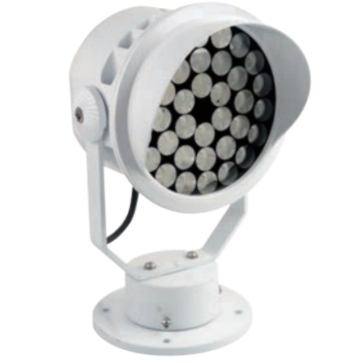
LED Explosion-proof Spotlight

Typical Applications

Explosion-proof Floodlights are used in:

Petrochemical plants

Outdoor storage yards

Loading docks

Tunnels

Open-pit mines

Explosion-proof Spotlights are used in:

Industrial inspections

Machinery maintenance

Pipeline or structural highlighting

Elevated platforms

Confined hazardous zones

Mounting and Design

Floodlights are generally mounted on walls, poles, or ceilings to provide general lighting across large spaces. They often feature adjustable brackets for angle customization.

Spotlights are commonly mounted on articulated arms, tripods, or equipment frames, allowing precision aiming at a specific object or area.

Power and Efficiency

Both floodlights and spotlights are available in LED and conventional bulb options, but modern systems largely favor LEDs for their energy efficiency, longevity, and lower heat output. Spotlights may use lower wattage due to their focused nature, whereas floodlights typically require more power for widespread illumination.

Compliance and Safety Standards

Explosion-proof floodlights and spotlights must comply with stringent safety regulations such as:

ATEX (Europe)

IECEx

UL844 (North America)

NEC Class I, Division 1/2 or Zone 1/2

explosion-proof flood light

These certifications ensure that the lighting fixtures will not become an ignition source in flammable environments.

Choosing the Right Fixture

The choice between explosion-proof floodlight vs. explosion-proof spotlight depends on:

The size of the area to be illuminated

Whether general or task-specific lighting is needed

The mounting environment

Required visibility range

For example, a large oil processing yard would benefit more from explosion-proof floodlights, whereas a technician inspecting a motor in a confined space would require an explosion-proof spotlight.

Summary

Explosion-proof floodlights and spotlights both play crucial roles in hazardous environments, but they are not interchangeable. Understanding their core differences in beam spread, applications, and installation requirements ensures optimal lighting performance and safety. Whether illuminating a wide industrial zone or focusing on precision work in a flammable area, selecting the right explosion-proof lighting is vital for both operational efficiency and worker safety.

A Step-by-Step Guide to Making Weighted Stuffed Animals

Weighted stuffed animals have gained popularity in recent years for their soothing and therapeutic benefits. Originally used in sensory therapy, these cuddly companions are now appreciated by a broader audience for the comfort and calm they can provide. Whether you’re a parent, a DIY enthusiast, or someone seeking a natural way to reduce stress, making your own weighted stuffed animal can be both a rewarding and enjoyable project.

Understanding Weighted Stuffed Animals

A weighted stuffed animal is similar to a traditional plush toy but includes an internal filling that gives it added weight. This weight provides gentle pressure that can have a calming effect on the nervous system, similar to a weighted blanket. These stuffed animals are commonly used by individuals with autism, anxiety, ADHD, or sensory processing disorders, but they are also enjoyed by anyone looking for a soothing tactile experience.

weighted stuffed animals

Materials You Will Need

To create a weighted stuffed animal, you’ll need the following:

A plush animal or a pattern to make one from scratch

Strong sewing materials (thread, needle or sewing machine)

Durable fabric (if making from scratch)

Weighted filler (such as poly pellets, glass beads, or dried beans)

Polyester stuffing or cotton fiberfill

Optional: scented materials like dried lavender for extra sensory benefit

weighted stuffed animals for children

Step-by-Step Guide

1. Choose or Create Your Plush Toy

You can start with a store-bought stuffed animal that has a hidden seam or create one from a pattern using soft, durable fabric. If you’re repurposing a toy, make sure it has enough space to accommodate the weighted filler.

2. Open a Seam

Carefully open a seam on the plush toy, preferably on the back or bottom, where it won’t be visible when resealed.

3. Add Weight Securely

Divide the weighted material into small fabric bags or pouches to distribute the weight evenly. This also prevents the filler from shifting too much. Insert the weighted bags inside the toy and cushion them with stuffing to maintain the shape and softness.

4. Reseal the Toy

Sew the seam shut securely using strong thread and a tight stitch to ensure the filler doesn’t leak. A double stitch or reinforced closure is often recommended.

5. Test and Adjust

Hold the plush toy to ensure the weight feels balanced and comfortable. Adjust the distribution if needed.

Benefits of Weighted Stuffed Animals

Calming Effect: The gentle pressure can lower cortisol levels and encourage relaxation.

Sleep Aid: They can help some individuals fall asleep faster and sleep more soundly.

Focus and Attention: Especially useful for children with attention difficulties, they can provide comfort and grounding during tasks.

Portable Comfort: Unlike larger weighted items, stuffed animals are easy to carry and travel-friendly.

Safety Considerations

Ensure all seams are secure to prevent choking hazards, especially if the toy is intended for a child. Avoid using materials that can attract pests or degrade easily, like rice or sand, for long-term use. Always supervise young children with weighted toys and consult a healthcare professional if using for therapeutic reasons.

weighted stuffed animals for sleeping

Final Thoughts

Making a weighted stuffed animal is a creative and heartwarming project that combines the charm of plush toys with the science of deep-pressure stimulation. Whether used for emotional support, sensory therapy, or just a cozy companion, these weighted friends offer comfort with every cuddle.

A Comparative Analysis of Vertical and Horizontal Roller Fairleads

In marine and offshore applications, roller fairleads are essential components used to guide mooring lines, towing cables, or anchor chains, minimizing friction and wear as these lines pass over deck fittings or hull structures. Fairleads improve operational safety and prolong the life of the ropes and chains. Among the different types of roller fairleads, vertical and horizontal roller fairleads are the most common, each suited to specific scenarios and vessel configurations. This article compares the two types in terms of design, application, benefits, and limitations.

ISO13742 Roller Fairlead

1. Design and Configuration

Vertical Roller Fairleads

These fairleads are equipped with vertically positioned rollers, allowing lines to pass horizontally across the deck. They typically consist of one or more vertical rollers fixed between strong side frames. This configuration is ideal for guiding lines that need lateral movement.

Horizontal Roller Fairleads

In contrast, horizontal roller fairleads use horizontally aligned rollers to guide lines that come from above or below, allowing vertical movement. These fairleads are commonly used when lines must be redirected from a high bollard or winch to a lower attachment point or vice versa.

horizontal guide sheave

2. Applications

Vertical Roller Fairleads

Mooring and towing operations where lateral line guidance is required

Ports and harbor vessels

Tugboats and workboats that require sideward movement of cables

Offshore platforms for managing flexible risers or hoses

Horizontal Roller Fairleads

Anchor chain guidance and vertical line redirection

Deep-sea mooring systems

Winch systems with elevated drums

Vertical cable tensioning or retrieval systems on offshore support vessels

3. Advantages

Vertical Roller Fairleads

Efficient in managing side loads on the lines.

Vertical roller fairleads are ideal for tight quarters where space for lateral cable movement is needed.

Helps prevent tangling and reduces wear on horizontal cable runs.

vertical guide sheave

Horizontal Roller Fairleads

Suitable for directing vertical loads, reducing wear on high-strain lines.

Provides smooth redirection from vertical to horizontal alignment.

Commonly used in anchoring systems where line angle changes are steep.

4. Limitations

Vertical Roller Fairleads

Not ideal for vertical redirection of lines.

Less effective in systems with strong vertical tension or weight from the line.

Horizontal Roller Fairleads

Cannot accommodate sharp horizontal turns.

May occupy more vertical space, which can be a constraint on smaller vessels.

5. Material and Maintenance Considerations

Both vertical and horizontal roller fairleads are typically constructed from high-strength steel or ductile cast iron, with corrosion-resistant coatings for marine environments. Roller surfaces may be lined with bronze or nylon to reduce abrasion.

Regular maintenance is crucial for both types:

Lubrication of roller bearings

Inspection for wear, corrosion, and deformation

Replacement of damaged rollers or pins to ensure smooth operation

Choosing the Right Fairlead Type

The choice between vertical and horizontal roller fairleads should be guided by:

Direction of line movement (lateral vs. vertical)

Load capacity and tension angles

Available space for installation

Specific operation such as anchoring, mooring, or towing

In many complex systems, a combination of both types may be used to manage multidirectional forces effectively.

Final Thoughts

Vertical and horizontal roller fairleads serve distinct but complementary roles in marine and offshore operations. Understanding their differences helps engineers and operators select the right component for safer, more efficient line handling. As vessels and mooring technologies evolve, fairlead design will continue to be a critical element in ensuring mechanical integrity and operational reliability.

How Much Do You Know about VOGE RR660S

The VOGE RR660S marks a significant milestone for the Chinese motorcycle manufacturer, introducing its first inline-four sportbike to the market. Unveiled at CIMA Motor 2024, this 2025 model aims to challenge established midweight sportbikes by offering high-end features at a competitive price point.

Engine and Performance

At the heart of the RR660S lies a 662.8cc liquid-cooled inline-four engine, delivering 99 horsepower at 11,500 rpm and 64 Nm of torque at 10,000 rpm. This engine, developed in-house by VOGE, is notable for its compact design—10% narrower and 2–3 kg lighter than comparable units—enhancing the bike’s agility.

The RR660S boasts impressive performance metrics, accelerating from 0 to 100 km/h in just 3.5 seconds and reaching a top speed of 235 km/h. A six-speed manual transmission with a quickshifter facilitates seamless gear changes, particularly beneficial for spirited riding.

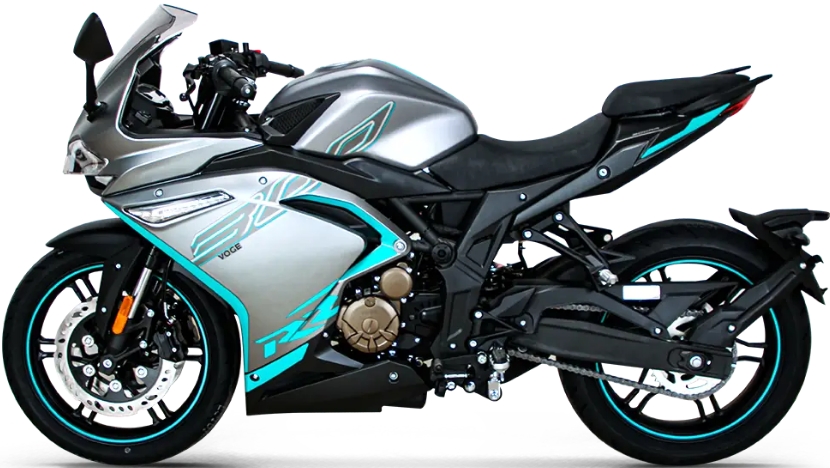
VOGE RR660S sport motorcycle

Chassis and Suspension

The motorcycle features a steel frame complemented by an aluminum swingarm, balancing rigidity and weight. Suspension duties are handled by a 43mm inverted front fork and a preload-adjustable rear monoshock, both supplied by KYB, ensuring responsive handling and ride comfort.

Braking is managed by dual 298mm front discs with Brembo four-piston radial calipers and a single 240mm rear disc with a Nissin caliper. The bike is equipped with ABS and traction control systems, enhancing safety and control under various riding conditions.

Electronics and Rider Aids

The RR660S sport motorcycle comes with a suite of electronic features, including dual riding modes (Normal and Sport), a color TFT display with smartphone connectivity, and a quickshifter for upshifts. Additional aids include ABS, traction control, and a beginner mode that limits speed and engine output during the initial break-in period.

A unique feature is the variable exhaust system, allowing riders to switch between two distinct exhaust notes, catering to different riding environments and personal preferences.

VOGE RR660S

Ergonomics and Customization

To accommodate a wide range of riders, the RR660S offers adjustable ergonomics: seat height can be set at 780mm, 810mm, or 830mm; footpegs have 10 adjustable positions; and the handlebars can be fine-tuned for height and angle.

The bike’s design includes aerodynamic winglets that contribute to downforce at higher speeds, enhancing stability. Full LED lighting and a distinctive fairing design give the RR660S a modern and aggressive appearance.

Market Position and Availability

The RR660S motorcycle offers a compelling value proposition in the midweight sportbike segment. While currently available in China, VOGE has established a European dealer network, indicating potential future availability in Europe.

Summary

The VOGE RR660S emerges as a noteworthy contender in the midweight sportbike category, combining performance, advanced features, and affordability. Its introduction signifies VOGE’s commitment to expanding its presence in the global motorcycle market, offering riders an exciting new option that doesn’t compromise on quality or performance.

What are the Latest Innovations in Bamboo Pulping Technology

As the global demand for sustainable and eco-friendly materials continues to rise, bamboo has emerged as a promising alternative to wood in the pulp and paper industry. Bamboo is fast-growing, renewable, and has a high cellulose content, making it suitable for pulp production. In recent years, significant advances in bamboo pulping technology have enhanced efficiency, environmental compatibility, and product quality. This article explores the latest developments shaping the future of bamboo pulping.

production of bamboo tissue

1. Enzymatic Pretreatment for Eco-Friendly Processing

Traditional pulping processes often rely on harsh chemicals such as sodium hydroxide and sulfur compounds, which contribute to environmental pollution. Recent advances have focused on enzymatic pretreatment techniques that use cellulases, xylanases, and lignin-degrading enzymes to break down bamboo fibers. This not only reduces the chemical load but also lowers energy consumption and improves pulp yield.

2. Organosolv and Biopulping Methods

Organosolv pulping, which uses organic solvents (like ethanol or acetic acid) to dissolve lignin, has gained attention for its ability to produce high-quality pulp with fewer pollutants. Similarly, biopulping leverages microbial action—typically fungi like Trametes versicolor—to degrade lignin and hemicellulose prior to pulping, making the process more sustainable and energy-efficient.

3. Continuous Pulping Systems for Process Optimization

Advanced bamboo pulping plants are transitioning from batch processes to continuous pulping systems, which allow for improved heat and chemical recovery, consistent quality, and enhanced throughput. Continuous digesters are now being adapted specifically for the unique characteristics of bamboo, such as its high silica content and rigid fiber structure.

4. Advanced Bleaching Techniques

Traditional chlorine-based bleaching methods are being phased out in favor of Elemental Chlorine Free (ECF) and Totally Chlorine Free (TCF) bleaching processes. These methods utilize oxygen, hydrogen peroxide, or ozone to achieve high brightness levels while minimizing the formation of toxic chlorinated compounds.

Production Process of Toilet Paper

5. Nanotechnology Integration

Recent research explores the application of nanotechnology in bamboo pulping, particularly the production of nano-cellulose from bamboo fibers. Nano-cellulose has a wide range of applications, from biodegradable packaging to biomedical materials. Innovations in mechanical and chemical processing are improving the extraction and quality of nano-cellulose from bamboo pulp.

6. Utilization of Bamboo Waste and By-Products

New technologies are being developed to utilize the residual lignin and extractives from bamboo pulping as value-added products. These include bio-based adhesives, composites, and even biofuels, contributing to a more circular and economically viable pulping process.

Bamboo Toilet Paper Supplier

7. Automation and Digital Monitoring

The integration of Industry 4.0 technologies such as IoT sensors, machine learning, and real-time data analytics has enhanced the monitoring and control of bamboo pulping operations. These tools help optimize chemical dosing, temperature control, and process timing, leading to higher efficiency and reduced waste.

Summary

Advances in bamboo pulping technology are transforming the industry by making it more sustainable, efficient, and versatile. From enzymatic and biopulping techniques to digital automation and nanotechnology, these innovations position bamboo as a viable and responsible alternative to wood pulp. As environmental regulations tighten and the demand for green materials grows, continued research and investment in bamboo pulping technology will play a vital role in shaping the future of the pulp and paper industry.

Key Printing Inspection Techniques for Emerging Applications

In the era of smart manufacturing and personalized production, the role of print inspection has evolved dramatically. Traditional quality control measures are no longer sufficient for emerging applications that demand high precision, customization, and compliance with stringent standards. Industries such as pharmaceuticals, flexible electronics, packaging, and security printing are driving innovations in print inspection techniques. This article explores the advanced inspection methods tailored to these emerging applications and highlights their significance in maintaining product quality and operational efficiency.

precision print inspection system

Rise of Emerging Applications

Emerging applications refer to sectors that go beyond conventional commercial printing. These include:

Pharmaceutical Packaging – requiring 100% verification of labels, barcodes, and dosage instructions.

Flexible and Printed Electronics – involving conductive inks and complex layer structures.

Smart Packaging – integrating QR codes, RFID tags, and sensors for traceability.

Security Printing – demanding authentication of invisible inks, holograms, and microtext.

Personalized Consumer Goods – requiring high-speed variable data printing (VDP).

Each of these applications presents unique inspection challenges, such as ultra-fine print resolution, high variability, and need for real-time defect detection.

Advanced Print Inspection Techniques

1. Machine Vision Systems

Modern print inspection relies heavily on machine vision equipped with high-resolution cameras and specialized lighting. These web inspection vision systems detect issues such as:

Smudges and streaks

Missing or incorrect text

Barcode or QR code defects

Misregistration of multi-color prints

OR-D Web Inspection System

AI-powered image recognition further enhances defect classification and reduces false positives.

2. Spectral Imaging and Colorimetric Analysis

For industries where color fidelity is crucial—such as brand packaging or security printing—multispectral and hyperspectral imaging can detect subtle color shifts, UV-visible features, and material inconsistencies.

3. 3D Surface Inspection

In applications like printed electronics, inspection is not limited to the 2D plane. 3D profiling tools such as laser triangulation or confocal microscopy are used to measure ink layer thickness, surface uniformity, and alignment of conductive tracks.

4. OCR/OCV for Variable Data

Optical Character Recognition (OCR) and Optical Character Verification (OCV) play a vital role in checking variable data such as lot numbers, expiry dates, and serial numbers, especially in pharmaceutical and food packaging. These systems validate legibility and correctness in real time.

5. Defect Mapping and Data Analytics

Advanced systems now integrate defect mapping tools that visualize flaw locations across production runs. Coupled with data analytics and Industry 4.0 frameworks, this allows root-cause analysis and predictive maintenance.

Integration with Digital Workflows

Inspection solutions are increasingly integrated with digital printing systems and MES/ERP platforms. This ensures seamless tracking of print quality, automatic rejection of defective items, and generation of compliance reports.

In addition, cloud-based inspection software enables remote monitoring and collaborative quality assurance, essential for distributed production environments.

Challenges and Future Outlook

While the benefits are substantial, several challenges persist:

High initial cost of advanced inspection systems

Managing large volumes of inspection data

Balancing inspection speed with resolution

However, ongoing advancements in AI, edge computing, and deep learning are expected to further refine inspection capabilities. The development of self-learning 100% printing inspection systems will allow real-time adaptation to new designs and materials.

web video inspection machine

Summary

As print applications expand into highly specialized domains, inspection systems must evolve to meet the demand for accuracy, flexibility, and traceability. From machine vision and spectral analysis to AI-driven defect detection, the future of print inspection lies in intelligent, adaptive, and fully integrated systems that support both quality assurance and operational excellence.

通过 WordPress.com 设计一个这样的站点
从这里开始