Laminar flow cabinets, commonly used in laboratory settings, provide a clean and sterile environment by ensuring unidirectional airflow. These cabinets are crucial in preventing contamination of sensitive processes or experiments. They work by drawing in air, filtering it through HEPA (High-Efficiency Particulate Air) filters, and then discharging the purified air in a specific direction. While there are several types of laminar flow cabinets, the two most common are vertical laminar flow cabinets and horizontal laminar flow cabinets. Understanding the differences between the two can help labs make the right choice based on their needs.
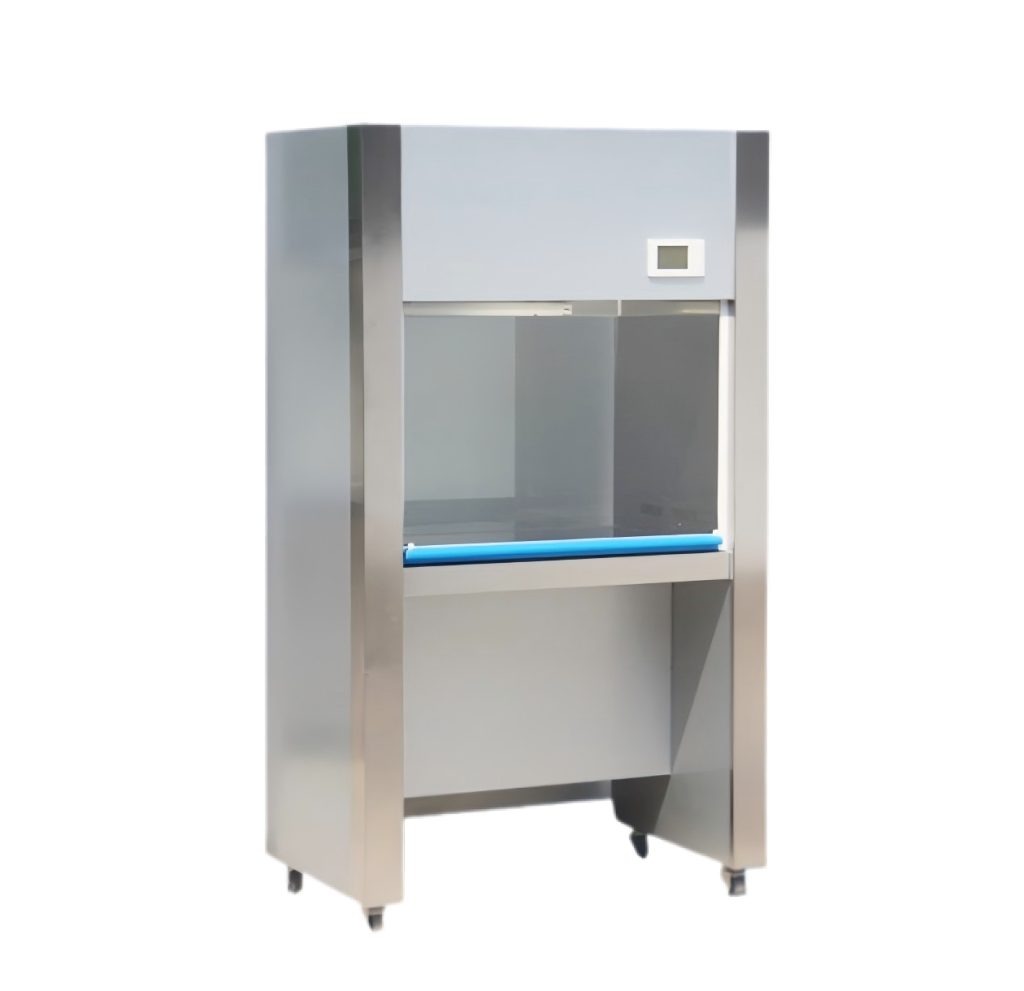
1. Design and Airflow Direction
Vertical Laminar Flow Cabinets:
In these cabinets, air flows from the top of the unit downwards through a HEPA filter and is discharged through the work surface. This vertical airflow creates a barrier that prevents particles from entering the workspace. The air is directed downward, which means that it is particularly effective for protecting the product from airborne contaminants.
Horizontal Laminar Flow Cabinets:
In horizontal laminar flow cabinets, the airflow moves from the rear of the cabinet toward the user. The filtered air flows horizontally across the workspace and is discharged through the front. This design ensures that contaminants are kept away from the work surface, while also protecting the user from exposure to airborne particles.
2. Applications and Use Cases
Vertical Laminar Flow Cabinets:
These cabinets are most commonly used in situations where biological safety is critical. For example, they are often used in microbiology, cell culture, and pharmaceutical laboratories. The downward airflow provides an extra layer of protection to delicate samples, such as tissue cultures, that might be sensitive to contamination from external sources.
Horizontal Laminar Flow Cabinets:
These cabinets are typically used in laboratories where products or materials need protection from contamination, but where user protection is not as much of a concern. They are commonly used in applications such as electronics assembly, material testing, and pharmaceutical preparation. The horizontal airflow can also be beneficial when working with large or bulky items that may obstruct vertical airflow.
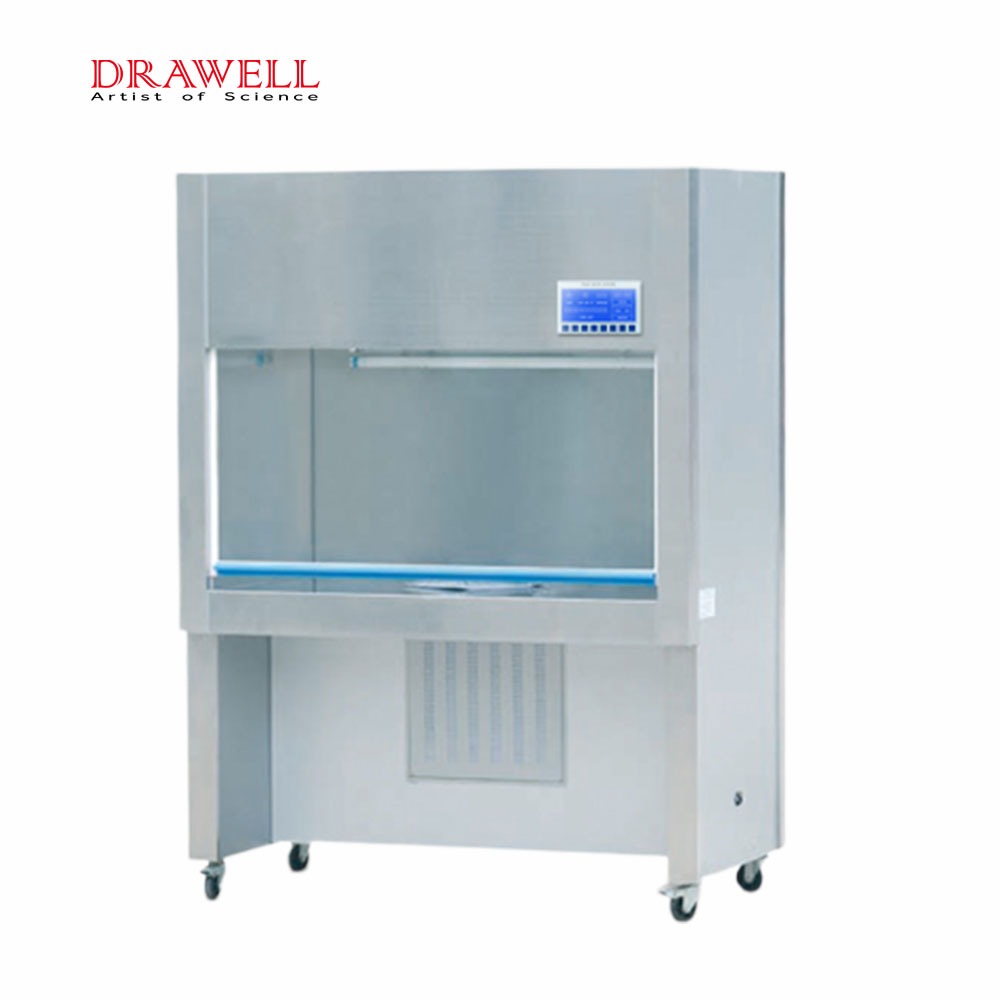
3. User Protection
Vertical Laminar Flow Cabinets:
The design of vertical flow cabinets ensures that the user is protected from potential contaminants. Air flows downward, ensuring any contaminants that may be in the environment do not affect the workspace or fall onto the sample. However, while the cabinet protects the user from the environment, it is less suited for applications where contaminants might originate from the user’s side (like handling of volatile chemicals).
Horizontal Laminar Flow Cabinets:
In horizontal flow cabinets, the airflow is directed toward the user. While this provides excellent protection for the work surface, it does not provide as much protection to the user, especially when handling biohazardous materials or hazardous chemicals. Therefore, these cabinets should be used with caution when handling dangerous substances.
4. Space and Accessibility
Vertical Laminar Flow Cabinets:
Vertical laminar flow cabinets usually require more headspace due to the downward airflow. However, they provide better workspace accessibility from the sides, making them ideal for delicate work with small tools or containers that require a controlled environment.
Horizontal Laminar Flow Cabinets:
Horizontal flow cabinets often offer a wider working surface, providing more room for larger materials or equipment. This makes them well-suited for tasks that require larger working areas. However, the user has to be cautious when working with large items that might block or disrupt the airflow.
5. Size and Cost Considerations
Vertical Laminar Flow Cabinets:
Due to their design and additional protective features, vertical laminar flow cabinets are typically more expensive. They also tend to have a taller structure, which may require more vertical space in the laboratory.
Horizontal Laminar Flow Cabinets:
Horizontal flow cabinets generally take up less vertical space, which might be advantageous for laboratories with limited height. They can also be less expensive than their vertical counterparts because the design is more straightforward.
6. Contamination Control
Vertical Laminar Flow Cabinets:
The downward airflow in vertical laminar flow cabinets provides excellent protection from airborne contaminants. Since air flows vertically, the contaminants are directed away from the work area. This can be particularly important when working with sterile equipment or highly sensitive biological samples.
Horizontal Laminar Flow Cabinets:
Horizontal laminar flow cabinets provide similar protection from contamination but are typically more focused on safeguarding the materials on the work surface. The horizontal airflow may not be as effective in preventing contamination from materials or equipment placed above the work area.
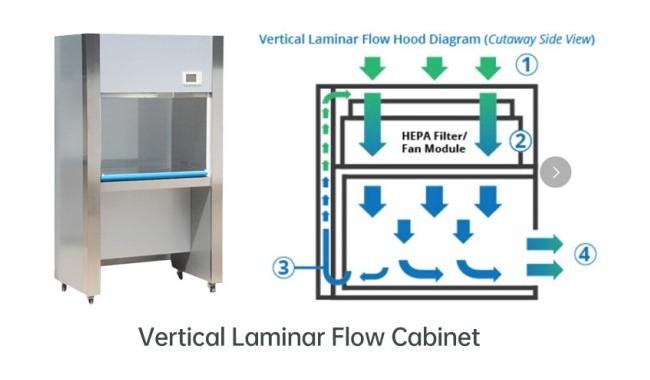
Summary: Which One to Choose?
The choice between vertical and horizontal laminar flow cabinets largely depends on the specific requirements of the laboratory:
Vertical laminar flow cabinets are ideal for biological applications where sample protection is paramount, especially in situations where the integrity of the workspace and user safety is critical.
Horizontal laminar flow cabinets are more suited for industrial, electronics, and pharmaceutical applications where the user doesn’t need as much protection, and the workspace needs to accommodate larger materials or equipment.
Ultimately, the decision should be guided by the type of work being conducted, the size of the workspace, and the level of contamination control required.




















 China manufacturers