Understanding IP Ratings in Marine Searchlights

In the harsh and unpredictable marine environment, durability and reliability are crucial for every piece of equipment, especially marine searchlights. Among the key factors that determine the ruggedness and functionality of these lights is the Ingress Protection (IP) rating. IP ratings provide a standardized measure of how well a device is protected against solids (like dust) and liquids (like water). For marine searchlights, choosing the right IP rating ensures operational reliability in challenging conditions. This article delves into the importance of IP ratings in marine searchlights and how they influence safety, performance, and longevity.

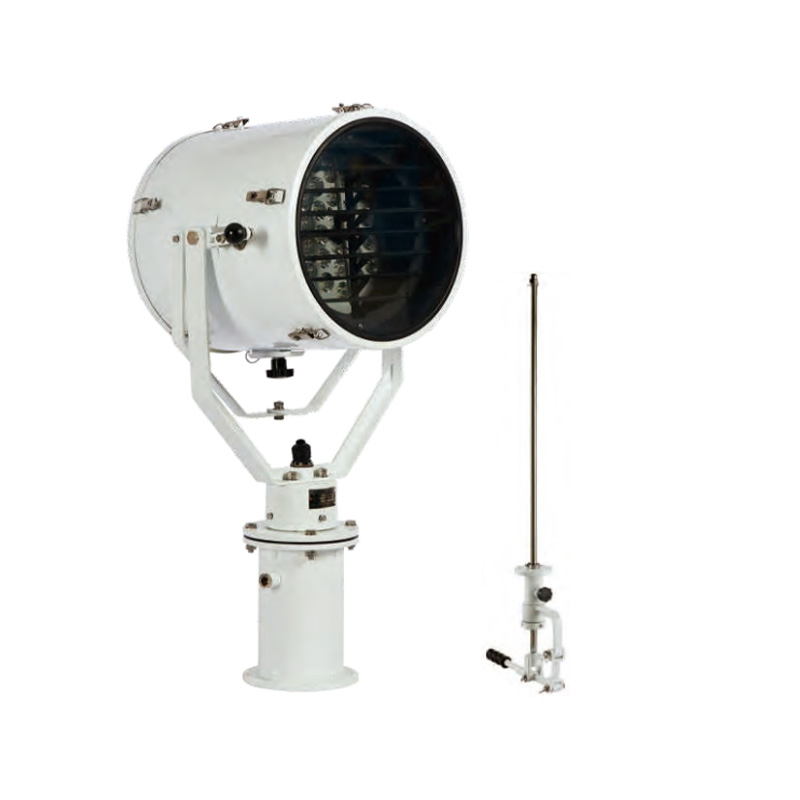
IP65 Marine Searchlight

What Is an IP Rating

An IP rating, or Ingress Protection rating, is defined by the international standard IEC 60529. It consists of two digits:

The first digit (0–6) indicates protection against solid particles (e.g., dust or debris).

The second digit (0–9) denotes protection against liquids, particularly water.

For example, an IP66 rating means:

6: Completely dust-tight.

6: Protected against powerful water jets.

Understanding IP Ratings

Why IP Ratings Matter in Marine Searchlights

Marine environments subject searchlights to extreme conditions, including:

Salt spray and sea fog

Heavy rain and water spray

High humidity and corrosion risk

Continuous vibration and movement

In such situations, a high IP rating ensures that the searchlight remains functional and safe, regardless of weather or wave conditions.

Common IP Ratings for Marine Searchlights

Several IP ratings are commonly seen in marine searchlights, each offering different levels of protection suited to specific applications:

IP65 searchlights are dust-tight and protected against low-pressure water jets from any direction. They are often used in general-purpose marine environments, such as inside covered areas or on vessels that operate in relatively calm waters.

IP66 searchlights provide the same level of dust protection as IP65 but with higher water resistance, capable of withstanding strong water jets. These are ideal for exposed deck installations or vessels frequently navigating through harsh weather and sea spray.

IP67 searchlights offer full dust protection and can handle temporary immersion in water up to one meter deep. This makes them suitable for installations where occasional submersion or heavy splashing is expected, such as on small crafts or in flood-prone zones.

IP68 searchlights are designed for continuous immersion in water under specified conditions. These are typically used in highly demanding marine environments, including underwater lighting or vessels with extreme exposure to moisture.

IP69K searchlights offer the highest level of protection, guarding against dust ingress and high-pressure, high-temperature water jets. These are typically reserved for military, rescue, or industrial marine applications where durability under extreme stress is essential.

Each of these ratings plays a key role in determining how well a marine searchlight can perform and survive in various conditions at sea. Selecting the right one ensures longevity, reliability, and safety.

Key Benefits of High IP Ratings in Marine Applications

a. Enhanced Durability

High IP-rated searchlights resist corrosion, saltwater intrusion, and mechanical damage, extending service life of the search lights.

b. Increased Safety

Preventing water or dust ingress reduces the risk of short circuits or light failures, improving crew safety during navigation and emergency operations.

c. Reduced Maintenance

Sealed, high-IP-rated units require less frequent cleaning, sealing, and inspection, lowering overall maintenance costs.

d. Consistent Performance

With better protection, marine searchlights deliver consistent brightness and focus, even during storms or rough sea conditions.

How to Choose the Right IP Rating for Your Marine Searchlight

When selecting a marine searchlight, consider the operational environment:

Open Decks or Exposed Areas: IP66 or higher to handle strong water jets and salt spray.

Pilot Houses or Protected Zones: IP65 may be sufficient.

Submersion or Frequent Dousing: IP67 or IP68 is ideal for high-risk exposure.

Military or Rescue Operations: IP69K for the highest reliability under intense conditions.

marine searchlight

Summary

IP ratings are more than just technical specifications—they’re essential indicators of a marine searchlight’s ability to endure the rigors of life at sea. Choosing a searchlight with an appropriate IP rating ensures not only longer operational life but also safer navigation and effective response in critical moments. Whether you’re outfitting a commercial vessel, a patrol boat, or a luxury yacht, understanding IP ratings will help you make informed decisions for reliable marine illumination.

How Low MOQ Manufacturing Transform Custom Plush Manufacturing

In the evolving landscape of toy manufacturing, low MOQ (Minimum Order Quantity) production has revolutionized custom plush toys. Traditionally, businesses looking to bring unique plush toy designs to life were often burdened by large order minimums, high upfront costs, and limited flexibility. However, with the rise of low MOQ manufacturing, small businesses, startups, and individual creators can now access professional-grade plush production without needing to place bulk orders. Here’s a closer look at how this shift is transforming the industry.

Low MOQ Manufacturing of Custom Plush Toys

What is Low MOQ Manufacturing

Low MOQ manufacturing refers to the ability to produce products, in this case plush toys, with a relatively small minimum quantity—often starting as low as 50 or even 100 units. This stands in contrast to traditional custom plush toy manufacturers that may require 500 to 1000 units per order. The flexibility in order size allows more creators to enter the market without excessive financial risk.

Benefits of Low MOQ for Custom Plush Toys

a. Accessibility for Startups and Creators

Small brands, indie toy designers, and crowdfunding campaigns can now develop unique plush designs without needing massive upfront investments. Low MOQ gives them the opportunity to test the market with smaller batches.

b. Faster Time to Market

With smaller orders, production and delivery timelines are often shorter. This accelerates product launches and makes it easier to respond to seasonal trends or customer feedback.

c. Reduced Inventory Costs

Producing fewer units means lower storage and warehousing costs. Businesses can avoid overproduction and minimize waste.

d. Easier Product Iteration

Low MOQ allows companies to test and refine designs before committing to large-scale production. It’s a valuable strategy for improving product-market fit.

e. Custom Branding Opportunities

Many low MOQ manufacturers offer additional services such as custom tags, packaging, and embroidery—even for small runs—helping smaller brands present a polished and professional product.

custom plushies manufacturer

Who Benefits from Low MOQ Plush Manufacturing?

E-commerce sellers launching new toy lines

Nonprofits or event organizers creating mascots or giveaway items

Content creators and influencers offering branded merchandise

Small toy startups testing designs before scaling up

Kickstarter and crowdfunding campaigns with limited budgets

Challenges and Considerations

While low MOQ brings many advantages, there are still important factors to keep in mind:

Slightly higher per-unit costs compared to bulk production

Design limitations may exist, especially with complex features or materials

Custom plush manufacturer selection is crucial—some may cut corners to offset smaller orders

Communication and sampling must be handled carefully to ensure the final product matches the vision

How to Get Started with Low MOQ Plush Manufacturing

a. Choose a Reputable Manufacturer

Look for manufacturers that specialize in custom plush with low MOQ policies and positive client feedback. Ask to see previous work or request samples.

b. Finalize Your Design

Prepare your plush toy concept with detailed sketches or 3D models, including fabric types, colors, sizes, and branding elements.

c. Request a Prototype

Before full production, have a sample made. This ensures accuracy and helps refine the final look.

d. Confirm MOQ and Pricing Details

Understand the full cost breakdown, including mold/setup fees, unit price, and shipping.

e. Plan for Scalability

If your design proves successful, work with the manufacturer to scale up future orders efficiently.

custom plush toy supplier

Summary

Low MOQ manufacturing of custom plush toys is breaking down barriers and opening doors for creators and small businesses worldwide. It empowers innovation, lowers risk, and promotes sustainability through smaller, more manageable production runs. Whether you’re launching your first plush product or testing new market ideas, low MOQ options make it easier than ever to bring your vision to life, one soft, huggable creation at a time.

100% Automated Printing Inspection Systems: What You Need to Know

In the fast-paced world of commercial and industrial printing, even the smallest print defect can lead to costly rework, customer dissatisfaction, or compliance failures. This is where 100% automated printing inspection systems play a transformative role. These systems are designed to monitor and analyze every single printed item in real time, ensuring flawless output across high-speed production lines. From packaging and labels to security printing and pharmaceutical inserts, automated inspection ensures that quality is never compromised.

What Are 100% Automated Printing Inspection Systems

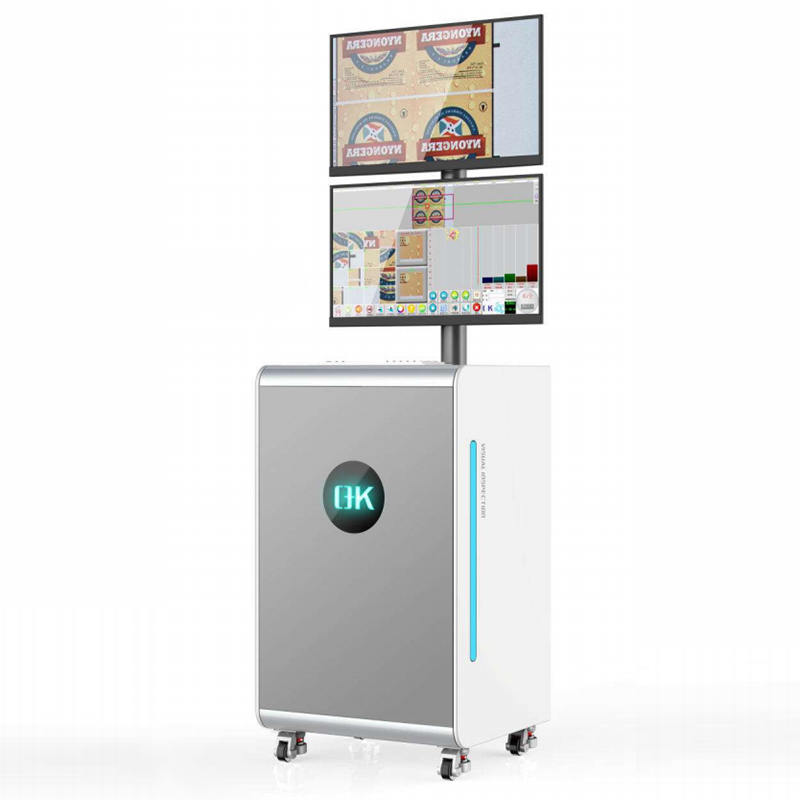
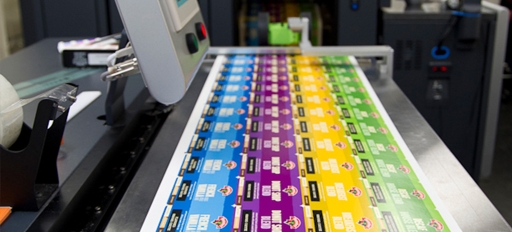
100% automated printing inspection systems are vision-based solutions that use high-resolution cameras and advanced image processing software to inspect the entire print area of each item — not just samples — at production speed. Unlike manual or sampling inspections, which might miss intermittent or small defects, these systems scan every product and flag any deviation from pre-defined quality parameters.

100% printing inspection system

Core Technologies Behind These Systems

High-Speed Line Scan or Area Cameras: These capture continuous or discrete images of printed material as it moves down the line.

LED Illumination Systems: Uniform lighting is essential to detect color shifts, registration errors, and surface defects accurately.

Image Processing Software: Advanced algorithms analyze print elements like text, barcodes, colors, and graphic layouts against a reference image.

Real-Time Defect Classification: The print inspection system can distinguish between critical, tolerable, and non-relevant defects, minimizing unnecessary rejections.

Feedback Loops: Integration with printers or rewinders allows the system to pause or stop production automatically when a defect is found.

100% print inspection system work

Key Capabilities

Color Variation Detection: Identifies even subtle color shifts that are invisible to the human eye.

Print Registration Checks: Ensures accurate alignment of different color layers or print elements.

Missing/Extra Text or Graphics: Detects omissions or misprints instantly.

Barcode and QR Code Verification: Confirms readability and data accuracy.

Surface Defect Recognition: Spots smudges, streaks, and substrate anomalies.

Benefits of 100% Automated Inspection Systems

Improved Product Quality: Continuous inspection ensures that every printed piece meets stringent quality standards.

Reduced Waste and Rework: Defects are caught early, minimizing material loss and post-process corrections.

Increased Productivity: Real-time inspection eliminates manual quality checks, allowing uninterrupted, high-speed operation.

Regulatory Compliance: Essential for industries like pharmaceuticals and food packaging, where traceability and zero-defect tolerances are mandatory.

Cost Savings: Over time, reduced downtime, fewer rejected batches, and improved customer satisfaction lead to substantial ROI.

precision 100% print inspection system

Applications Across Industries

100% automated printing inspection systems are widely used across various sectors, each with its own set of quality assurance challenges. In the packaging industry, they are essential for inspecting folding cartons, flexible packaging, and corrugated boxes to ensure brand consistency and readability of product information. In the pharmaceutical sector, these systems play a critical role in verifying blister packs, labels, and informational inserts—where any misprint could lead to serious health risks or regulatory violations.

The security printing industry relies heavily on automated web inspection vision systems to maintain the integrity of high-value documents like passports, banknotes, and anti-counterfeiting labels. Even the slightest flaw in these applications can compromise security or authenticity. In commercial printing, including magazines, brochures, and marketing materials, inspection systems help maintain color accuracy and sharp image quality, which are key to brand perception.

For label printing, whether for cosmetics, beverages, or logistics, these systems ensure barcode readability, correct positioning, and consistent print quality—helping to prevent issues in supply chains and retail operations. Ultimately, these systems enhance operational efficiency and uphold compliance standards across all printing disciplines.

Future Outlook

As printing technology advances, so too will the capabilities of automated inspection systems. AI and machine learning are being integrated to make defect detection smarter and more adaptive. Cloud-based reporting and analytics platforms are enabling remote quality monitoring and predictive maintenance. Moreover, seamless integration with ERP and MES systems is turning these inspection units into vital components of smart factories.

Summary

100% automated printing inspection systems are no longer a luxury—they are a necessity for any print operation aiming for high efficiency, consistency, and customer satisfaction. By ensuring defect-free output in real time, these systems safeguard brand reputation and enable companies to meet the ever-rising demands of modern production environments.

Why Use Top Drive Simulators for Enhancing Drilling Efficiency

Top drive drilling systems have significantly transformed the oil and gas industry by replacing traditional rotary table and kelly drive systems. Offering improved torque control, safer operations, and enhanced directional drilling capabilities, top drives are now a mainstay on modern rigs. However, optimizing the full potential of these systems requires a comprehensive approach—one that increasingly includes the use of advanced simulation tools such as top drive simulators.

The Evolution of Top Drive Drilling

Top drive drilling technology is designed to streamline drilling operations by allowing continuous rotation of the drill string, even during connections. This reduces the need for manual handling and facilitates faster, safer, and more precise drilling. Compared to kelly drives, top drives allow for:

Greater operational safety through automated pipe handling

Increased rate of penetration (ROP) due to constant rotation

Improved directional drilling control

Reduced risk of stuck pipe and non-productive time (NPT)

However, to fully exploit these advantages, especially in complex well profiles or deep formations, operators must focus on operational efficiency, decision-making speed, and workforce readiness—areas where top drive simulators play a crucial role.

The Role of Top Drive Simulators in Improving Efficiency

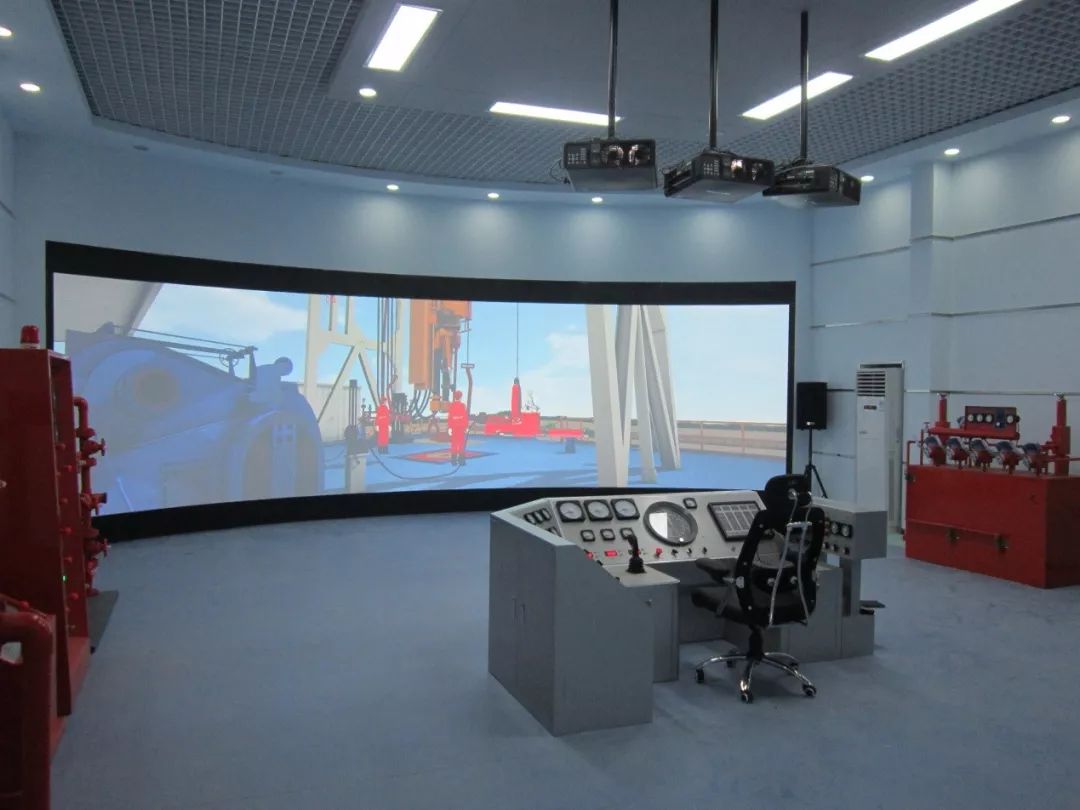
Top drive simulators are high-fidelity training and evaluation systems that replicate the actual behavior of a top drive system in a controlled virtual environment. These simulators are critical in enhancing both crew competence and equipment utilization. Their use contributes to drilling efficiency in several ways:

Top Drive Simulation Systems

1. Realistic Training without Risk

Operators can be trained on real-life scenarios—like torque spikes, stuck pipe incidents, or pressure changes—without exposing the rig or personnel to danger. This means that drillers can react faster and more appropriately when these events occur in real operations.

2. Accelerated Learning Curve

New crews can gain operational experience with top drives more quickly and thoroughly. This is especially important in regions facing a shortage of skilled rig personnel or high turnover rates. The ability to practice repeatedly improves muscle memory and confidence.

3. Optimized Drilling Parameters

Drilling simulation systems allow engineers and supervisors to test and refine operating parameters—such as RPM, torque, and weight-on-bit—before implementation. This contributes to more efficient drilling strategies and fewer unplanned events.

4. Pre-Operational Testing

Drilling plans can be virtually executed in the simulator to identify potential inefficiencies or high-risk zones. This proactive approach helps reduce downtime, improve well planning, and boost performance KPIs like ROP and well delivery time.

top drive simulation system

Integrating Simulators into Drilling Operations

Leading operators and training institutions are increasingly integrating top drive simulators into both their onboarding programs and continuous improvement workflows. Some companies combine simulator training with data analytics and machine learning to create digital twin models of the rig, enabling predictive maintenance and performance forecasting.

In addition, simulators are valuable for:

Developing emergency response drills

Certifying personnel for specific rig types

Conducting post-incident reviews and performance audits

Future Outlook: Simulators in the Era of Smart Drilling

As the industry shifts toward digital oilfields and smart drilling, the integration of top drive simulators with real-time data systems will deepen. With the help of AI and cloud computing, simulators could offer adaptive training that reacts to actual rig performance, creating a feedback loop between simulation and field execution.

In the near future, remote VR-based simulators and mobile-compatible platforms may also become more common, supporting offshore teams and enabling faster knowledge transfer across multinational operations.

graphic program running interface of top drive simulator

Summary

Enhancing drilling efficiency in top drive drilling is not just about hardware upgrades—it’s about maximizing the human and digital interface with the system. Top drive simulators provide a dynamic, risk-free environment to train crews, test strategies, and refine operations. By incorporating these tools into daily workflows and strategic planning, operators can significantly reduce non-productive time, lower operational risks, and deliver wells faster and more economically.

VOGE SR16 is an Ideal Choice for the Urban Commuter

In the increasingly crowded landscape of urban transportation, the VOGE SR16 stands out as a compact, intelligent, and stylish mobility solution. Designed for commuters, young riders, and city dwellers alike, this modern scooter blends sleek design, user-friendly features, and dependable performance into one well-rounded package.

Design

The SR16 is crafted by Chinese motorcycle brand VOGE, features sharp, aerodynamic lines that reflect a dynamic urban attitude. Its compact frame and lightweight construction make it highly maneuverable in tight city traffic, while a low seat height ensures accessibility for riders of all sizes. LED lighting, a distinctive headlight shape, and bold color options all contribute to a visually modern and appealing design.

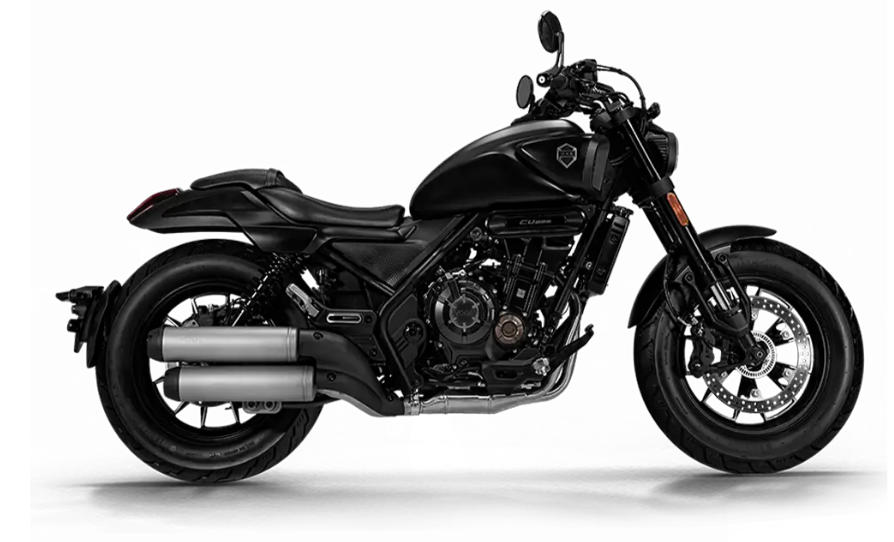
VOGE SR16

Performance

At its core, the SR16 is powered by a responsive 160cc single-cylinder engine paired with a CVT automatic transmission. This setup is tuned for quick acceleration and smooth power delivery—ideal for short trips, daily commuting, or weekend cruising. It offers impressive fuel efficiency without compromising on agility, allowing riders to navigate urban environments with confidence and ease.

VOGE SR16 scooter

Technology

The SR16 incorporates practical smart tech that enhances the riding experience. A full-color LCD display keeps all essential information clear and visible. Riders benefit from keyless start, a USB charging port for mobile devices, and all-around LED lighting for improved visibility and safety. These features elevate convenience, making every ride seamless and efficient.

Comfort and Safety

Riding comfort is assured with a well-cushioned seat and a finely tuned suspension system that absorbs city bumps and uneven pavement. The SR16 is also equipped with disc brakes on both wheels, supported by an optional Combined Braking System (CBS), which improves braking stability—especially beneficial for new riders or wet-road conditions.

Summary

The VOGE SR16 is more than just a scoote and it’s a thoughtfully crafted urban companion. Its combination of sleek design, practical performance, and smart features makes it an excellent choice for modern riders seeking reliability and convenience. Whether you’re commuting to work, running errands, or enjoying a spontaneous ride through the city, the SR16 offers a smooth, safe, and stylish way to move through your day.

Biodegradability Testing Standards in Bamboo Toilet Paper

As the demand for eco-friendly alternatives continues to rise, bamboo toilet paper has emerged as a leading sustainable choice for consumers seeking to reduce their environmental footprint. However, the environmental benefits of bamboo toilet paper are not solely determined by its raw material source. An equally critical factor is its biodegradability—how well the product breaks down in natural environments without leaving harmful residues. To ensure environmental claims are valid and verifiable, biodegradability testing must adhere to recognized international standards.

Bamboo Toilet Paper

Importance of Biodegradability in Bamboo Toilet Paper

Biodegradability refers to the ability of a material to decompose naturally by microorganisms, such as bacteria and fungi, into water, carbon dioxide, and biomass. For bamboo toilet paper, this property is essential because it determines:

Whether the product will safely break down in septic systems and composting environments.

The extent of its contribution to landfill waste.

Its potential environmental impact on aquatic and terrestrial ecosystems.

Proper testing and certification assure consumers and regulatory bodies that the product meets sustainability claims.

Bamboo Toilet Paper Roll

Key International Biodegradability Testing Standards

To evaluate biodegradability of bamboo toilet paper, several international testing standards are applied. These standards are usually based on laboratory simulation of natural environments (soil, water, compost), and include:

1. ISO 14855 – Biodegradability Under Controlled Composting Conditions

This test simulates aerobic composting environments. The bamboo toilet paper sample is mixed with compost and monitored for the evolution of carbon dioxide. A high CO₂ yield compared to a reference material (like cellulose) indicates good biodegradability.

2. ASTM D6400 – Compostability in Municipal and Industrial Composting Facilities

Although focused more on plastics, ASTM D6400 is also applied to paper products. It includes disintegration, biodegradation, and eco-toxicity components, ensuring the bamboo toilet paper:

Breaks down into small pieces within 90 days.

Converts to CO₂ within 180 days.

Leaves no toxic residues.

3. EN 13432 – Packaging Requirements for Compostability

A widely used European standard, EN 13432 is applicable to all biodegradable packaging materials, including bamboo-based tissue products. It evaluates:

Chemical composition (heavy metals, volatile matter).

Biodegradation (must achieve >90% conversion to CO₂ within 6 months).

Disintegration (physical breakdown).

Environmental safety of residues.

4. OECD 301 Series – Ready Biodegradability in Aqueous Environments

These tests are relevant for toilet paper flushed into sewage systems. They evaluate biodegradation in water using microbial inoculums and measuring CO₂ or oxygen demand over 28 days.

Industry Certifications Based on These Standards

Bamboo paper manufacturers often pursue third-party certifications to demonstrate compliance with biodegradability standards:

OK Compost / OK Compost Home (TÜV Austria): Indicates the product meets EN 13432 or similar standards in industrial or home composting.

USDA Certified Biobased Product: While not a direct biodegradability test, it complements testing by validating renewable content.

FSC Certification: Though focused on sustainable sourcing, it is often accompanied by environmental safety standards, including biodegradability testing.

Challenges and Considerations

Additives and Residues: Some bamboo toilet papers include softeners, dyes, or fragrances that may affect biodegradation.

Septic System Compatibility: Standards don’t always simulate septic environments directly. Special testing for “septic-safe” claims may be needed.

Microplastic Risk: Bamboo toilet paper typically contains no plastics, but contamination during processing can impact test results.

Certifications of Bamboo Toilet Papers

Summary

Biodegradability is a cornerstone of bamboo toilet paper’s environmental appeal, but this value is only meaningful if it is backed by standardized testing and certification. Standards such as ISO 14855, ASTM D6400, and EN 13432 provide a framework for verifying that bamboo toilet paper truly returns to nature safely. As consumers become more informed and regulatory scrutiny increases, adherence to these biodegradability testing standards will be vital for manufacturers aiming to build trust and credibility in the eco-conscious marketplace.

The Use of Rivets in Aircraft Construction

Aircraft construction demands materials and fastening techniques that combine strength, reliability, and lightweight performance. One of the most time-tested and essential components in this field is the rivet. Rivets are permanent mechanical fasteners used to join sheets of metal and other structural parts. They have been a cornerstone of aerospace engineering for over a century and continue to play a crucial role in both commercial and military aircraft today.

different types of rivets

Why Rivets Are Used in Aircraft

High Strength-to-Weight Ratio

Aircraft components require fasteners that can handle extreme stress without adding excessive weight. Rivets, especially those made of aluminum alloys or titanium, offer high tensile strength while remaining lightweight.

Durability Under Stress

Aircraft undergo constant vibrations, pressure changes, and aerodynamic forces. Riveted joints distribute stress uniformly and can withstand fatigue over long flight cycles.

Permanent Bonding

Unlike bolts or screws that can loosen over time, rivets form a permanent joint that doesn’t rely on threads, locking mechanisms, or adhesives. Once installed, a rivet is extremely secure.

Compatibility with Thin Materials

Rivets are ideal for joining thin sheets of metal, such as aluminum skin panels used in aircraft fuselages and wings, without distorting the material.

Types of Rivets Used in Aircraft

Solid Rivets

The most common type, solid rivets consist of a head and a tail. They are inserted through pre-drilled holes and deformed with a rivet gun or hydraulic press to form a second head. These are used extensively in primary structural components.

Half Round Head Solid Aluminum Rivets

Blind Rivets (Pop Rivets)

Designed for use when only one side of the structure is accessible, pop rivets are essential for enclosed areas like wing sections and fuselage skins.

blind rivets

Flush Rivets (Countersunk Rivets)

Used on external surfaces, flush rivets reduce aerodynamic drag by sitting flush with the aircraft’s skin. These are critical in maintaining aerodynamic efficiency.

Friction Lock and Huck Rivets

These specialized rivets are used in high-load areas where vibration resistance and long-term durability are essential.

Installation Process

Aircraft rivet installation is a precision task that requires skilled technicians and careful quality control:

Drilling and Deburring: Holes are drilled to exact tolerances and cleaned to remove burrs.

Rivet Insertion and Setting: The rivet is inserted and formed using a pneumatic rivet gun and bucking bar.

Inspection: Riveted joints are inspected visually and with non-destructive testing (NDT) to ensure no cracks, gaps, or defects.

Applications in Aircraft Construction

Fuselage Assembly: Rivets join the skin panels to the underlying frame and stringers.

Wing Construction: High-strength rivets hold wing skins, ribs, and spars together.

Tail Section and Control Surfaces: Rivets ensure the stability of elevators, rudders, and ailerons.

Interior Structures: Lighter rivets are used in non-load-bearing assemblies such as seating and paneling.

Advantages Over Welding and Bolting

No Heat-Affected Zones: Unlike welding, riveting doesn’t alter the metallurgical properties of the surrounding material.

Easier Inspection and Maintenance: Rivets provide visible indicators of structural integrity and can be replaced if needed.

Faster and Safer for Large Assemblies: Riveting is scalable for assembly lines and reduces the potential for human error compared to welding.

Future Outlook

Although composite materials and adhesive bonding are increasingly used in modern aircraft, rivets still dominate metallic structures, especially in critical load-bearing areas. Future trends include:

Automation of rivet installation using robotic arms

Development of corrosion-resistant and fatigue-proof rivet materials

Hybrid joining methods combining rivets with advanced adhesives for enhanced durability

Final Thoughts

The use of rivets in aircraft construction remains a testament to their unmatched reliability, simplicity, and structural strength. From historic aircraft like the Douglas DC-3 to cutting-edge jets, rivets have proven themselves indispensable in aviation. Even as new materials and technologies emerge, the rivet continues to secure its place at the core of aerospace manufacturing.

The Vital Role of Precision Melting Point Apparatus in Modern Laboratories

In scientific research and industrial quality control, understanding the thermal behavior of materials is essential. The melting point is a fundamental physical property that provides critical insight into a substance’s purity, identity, and stability. A precision melting point apparatus is an advanced analytical instrument specifically designed to measure the exact temperature at which a substance transitions from solid to liquid with exceptional accuracy and repeatability.

What Is a Precision Melting Point Apparatus?

A precision melting point apparatus is a laboratory instrument that determines the melting point of a compound with fine temperature control and high-resolution optical detection. Unlike manual methods using simple capillary tubes and heating blocks, precision systems feature automated heating ramps, digital temperature sensors, real-time video observation, and software algorithms to detect the first signs of melting.

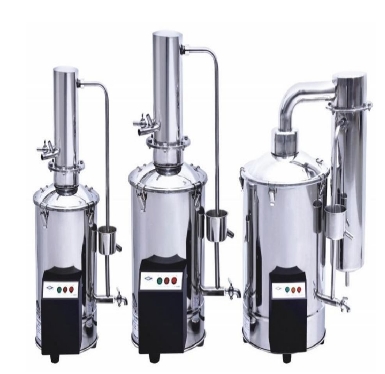
Automatic Melting Point Meter

Key Features

High Temperature Accuracy and Stability

Precision melting point meters are equipped with platinum resistance thermometers (PRTs) or thermocouples that provide temperature readings with an accuracy as tight as ±0.1°C. This ensures reliable results, especially in pharmaceutical and chemical industries where slight deviations can affect compliance.

Automated Video Detection

Modern systems include a built-in camera and LED illumination to monitor the substance during the heating process. Advanced image recognition detects the onset and completion of melting, reducing operator subjectivity.

Programmable Heating Ramps

Users can set custom heating rates, typically between 0.1°C/min to 10°C/min, which is crucial for analyzing substances with broad or narrow melting ranges.

Multi-Sample Capability

Many instruments support simultaneous analysis of multiple capillaries, increasing throughput and reducing the need for repeat experiments.

Data Recording and Connectivity

Precision instruments record temperature data, melting range, and sample images. Many include USB or LAN connectivity for exporting results and integrating with Laboratory Information Management Systems (LIMS).

Applications Across Industries

Pharmaceuticals: Ensures batch-to-batch consistency and detects polymorphic transitions in APIs (active pharmaceutical ingredients).

Chemicals and Petrochemicals: Identifies contaminants or alterations in formulation based on melting point shifts.

Food Industry: Assesses the purity of fats and waxes, such as cocoa butter and beeswax.

Academia and Research: Provides a teaching and validation tool for chemical structure-property relationships.

Advantages of Using a Precision Melting Point Apparatus

Greater Reproducibility: Automatic melting point meter reduces operator-induced variability.

Enhanced Efficiency: Simultaneous sample testing and fast heating reduce lab time.

Regulatory Compliance: Suitable for GMP, GLP, and pharmacopeial standards (USP, EP, JP).

Minimal Sample Waste: Only a few milligrams of the sample are needed for testing.

JH40 JH60 Automatic Melting Point Meter

Future Innovations

As the demand for faster, smarter lab instruments grows, future developments in precision melting point apparatus are expected to include:

Integration with AI for real-time anomaly detection

Touchscreen UIs with multilingual support

Cloud-based data storage and analysis tools

Portable models for field testing in remote environments

Drawell Video Melting Point Meter

Summary

A Precision Melting Point Apparatus is a vital instrument in any modern laboratory concerned with material characterization, purity assessment, and quality control. Its ability to deliver highly accurate, reliable, and repeatable results not only enhances productivity but also ensures that products meet stringent industry and regulatory standards. With ongoing innovations, these instruments continue to evolve into smarter, more connected tools that push the boundaries of analytical excellence.

What are Key Technologies for Noise-reducing Marine Windows

In modern marine engineering, comfort and safety are no longer optional luxuries and they are necessities. Among the many environmental challenges onboard ships, noise pollution is one of the most persistent, affecting both crew performance and passenger well-being. One critical but often overlooked area of innovation in combating this issue is the use of noise-reducing technologies in marine windows. These advanced solutions contribute significantly to a quieter, safer, and more comfortable marine environment.

Marine Windows

The Importance of Noise Reduction in Marine Environments

Noise levels on vessels—especially in engine rooms, near propulsion systems, and during docking—can exceed safe exposure limits. Chronic exposure to high decibel levels may lead to:

Hearing loss and fatigue among crew members

Reduced communication clarity, especially in emergency situations

Sleep disruption and increased stress levels

Lower overall comfort and passenger satisfaction

Marine windows, while essential for visibility and natural light, are also vulnerable points where noise can penetrate. To mitigate this, engineers are turning to specialized acoustic glazing and frame systems designed for marine use.

Key Noise-reducing Technologies in Marine Windows

Laminated Acoustic Glass

Laminated glass consists of two or more layers of glass bonded with special acoustic interlayers, such as polyvinyl butyral (PVB) or acoustic PVB. This construction dampens sound vibrations by disrupting the transmission of sound waves through the glass.

Reduces mid to high-frequency noise (e.g., voices, engine hum)

Maintains visibility, safety, and UV protection

Laminated Acoustic Glass in Marine Windows

Double and Triple Glazing

Multi-pane systems with air or inert gas-filled cavities significantly reduce sound transmission. The use of differently thick glass layers further disrupts varying sound frequencies, making the system more effective across a broad noise spectrum.

Argon or krypton gas fillings improve thermal and acoustic insulation

Desiccant materials prevent moisture build-up inside the panes

Resilient Framing Systems

Even with high-performance glass, poor framing can undermine acoustic insulation. Noise-reducing marine windows use:

Vibration-damping mounting systems

Acoustic gaskets and seals to prevent airborne sound leakage

Corrosion-resistant aluminum or composite frames engineered to minimize structure-borne noise

Floating Frame Designs

Advanced systems use a decoupled or floating frame, where the window is isolated from the vessel’s structural vibrations using elastomeric or rubber mounts. This reduces transmission of low-frequency structure-borne noise from the hull.

Smart Window Films

Retrofit solutions like acoustic window films can be applied to existing glass to enhance soundproofing. These films are lightweight and can also add thermal and UV protection.

Application Areas of Noise-reducing Marine Windows

Noise-reducing marine windows play a crucial role across a variety of vessel types and onboard zones where controlling sound levels is essential for health, performance, and comfort.

1. Crew Cabins and Living Quarters

In crew accommodation areas, maintaining a quiet atmosphere is vital to ensure proper rest and recovery during off-duty hours. Noise-reducing windows help block external sounds from engines, machinery, and turbulent waters, creating a more restful environment and minimizing fatigue-related risks.

2. Passenger Ferries and Luxury Yachts

Onboard comfort is a top priority for commercial passenger vessels and private yachts. Installing sound-insulated windows enhances the travel experience by reducing ambient noise from engines, wind, and waves. This leads to a more relaxing and enjoyable voyage for guests.

3. Engine Control Rooms and Technical Spaces

Windows in engine control rooms are often located near high-noise zones. Acoustic glazing ensures that operators can monitor external systems visually without being exposed to harmful sound levels, improving concentration, communication, and overall safety.

4. Navigation Bridges and Command Centers

The bridge is a critical zone for vessel operation where situational awareness and focus are paramount. Noise-reducing windows help minimize auditory distractions from environmental and mechanical sources, enabling the crew to make precise decisions under pressure.

5. Cruise Ship Guest Cabins and Suites

In premium hospitality areas on cruise ships, guests expect hotel-like serenity. Noise-reducing windows are a key feature in delivering that experience, especially in cabins located near engine rooms, loading decks, or entertainment venues.

6. Offshore Platforms and Research Vessels

In specialized maritime environments like oil platforms or marine research ships, acoustic comfort improves crew productivity during long deployments. Quiet indoor environments supported by acoustic windows help reduce stress and cognitive fatigue during extended operations.

Popular Shapes of Marine Windows

Challenges in Implementing Noise-reducing Marine Windows

Despite their clear advantages, the implementation of noise-reducing marine windows comes with several technical and operational challenges that must be addressed during vessel design or retrofitting.

1. Added Weight and Structural Impact

Noise-reducing windows often incorporate multiple layers of laminated glass or double/triple glazing systems. These constructions can significantly increase the weight of the window assemblies, which may impact the vessel’s structural load distribution and fuel efficiency. Marine architects must carefully consider load-bearing limitations and balance acoustic benefits with the vessel’s overall performance.

2. Space Constraints in Retrofitting

On existing vessels, available wall and frame depth can be limited, posing difficulties when retrofitting thicker or more complex noise-reducing window systems. Designers must find innovative solutions that maintain performance without requiring extensive structural modifications, especially in confined areas like cabins or bridge wings.

3. Harsh Marine Environmental Exposure

Marine environments expose windows to saltwater, high humidity, UV radiation, and temperature extremes. Materials used in noise-reducing marine window systems, particularly acoustic interlayers, seals, and frames—must be highly resistant to corrosion and degradation to ensure long-term performance. Achieving this without compromising acoustic properties can be technically demanding.

4. Balancing Visibility, Safety, and Acoustics

Marine windows must meet strict safety requirements, including fire resistance, impact tolerance, and optical clarity. Integrating noise-reducing features without sacrificing these essential characteristics requires advanced engineering and often results in higher production costs.

5. Maintenance and Lifecycle Costs

Acoustic glazing systems are more complex and may require specialized materials or maintenance routines. Over time, the performance of seals and interlayers can degrade, especially in extreme climates. Ensuring longevity while maintaining cost-efficiency is a continual challenge for shipowners and operators.

6. Regulatory Compliance and Certification

Noise-reducing marine windows must comply with both acoustic performance standards and maritime safety regulations (such as SOLAS, ISO, or class society rules). Achieving certification for new window technologies can be a time-consuming and costly process, particularly when tailored to niche vessel types or specialized environments.

Future Innovations in Marine Acoustic Glazing

As marine vessels become more advanced and passenger expectations rise, future trends in noise-reducing marine windows include:

Active noise-cancelling glass, using embedded vibration-canceling technology

Smart dynamic windows that adjust acoustic insulation based on ambient noise

Integration with HVAC and lighting controls for holistic comfort solutions

Recyclable and eco-friendly acoustic materials for sustainable shipbuilding

Summary

Noise-reducing technologies in marine windows are transforming onboard environments by offering greater comfort, safety, and operational efficiency. Through the use of laminated glass, advanced glazing systems, smart framing, and innovative materials, modern marine windows are no longer passive elements—they are active contributors to acoustic control and onboard well-being. As these technologies continue to evolve, they promise a quieter and more enjoyable future for all who live and work at sea.

Explosion-proof Emergency and Exit Lighting Solutions for Marine Environments

In marine environments, whether on offshore oil platforms, chemical tankers, or naval vessels, ensuring the safety of personnel during emergencies is paramount. One of the most critical safety systems in such settings is explosion-proof emergency and exit lighting. These marine explosion-proof lighting systems are specifically engineered to function reliably in hazardous environments that pose risks of fire or explosion due to the presence of flammable gases, vapors, or combustible dust.

The Need for Explosion-proof Lighting in Marine Environments

Marine operations often occur in classified hazardous zones, especially in sectors like offshore oil and gas, chemical transport, or military logistics. In the event of an emergency such as fire, gas leak, power outage, or hull breach, visibility is essential for safe evacuation. Standard lighting systems may fail or even pose ignition risks in these conditions. This is where explosion-proof emergency and exit lighting plays a life-saving role.

Core Features of Explosion-proof Emergency and Exit Lighting

Intrinsically Safe Design

These explosion-proof emergency lights are constructed to contain any internal sparks or flames that could ignite hazardous atmospheres. Housings are typically made from corrosion-resistant materials such as marine-grade aluminum or polycarbonate.

CFD14 Explosion-proof Fire Emergency Light

Ingress Protection and Corrosion Resistance

Marine environments are prone to moisture, saltwater exposure, and extreme weather. Explosion-proof lights are sealed to IP66 or higher standards and resist corrosion from salt spray and chemicals.

Battery Backup Functionality

In emergencies where main power fails, integrated battery backup systems provide uninterrupted lighting for extended durations—typically between 90 minutes and 3 hours.

High Visibility with LED Technology

Modern systems use high-lumen, low-wattage LEDs with directional optics to ensure effective visibility in smoke-filled or dark conditions. LED explosion-proof exit lights often include photoluminescent or high-contrast text for clarity.

explosion-proof LED emergency exit lighting

ATEX and IECEx Certifications

For use in Zone 1 and Zone 2 hazardous areas, these lights meet stringent international standards such as ATEX, IECEx, and UL844.

Common Applications in Marine Settings

Offshore Oil Rigs

Pathways, helidecks, and accommodation modules are equipped with explosion-proof exit signs and emergency floodlights.

Chemical and LNG Carriers

Tanker corridors, control rooms, and engine compartments require lighting that can withstand gas-laden atmospheres.

Naval and Research Vessels

Used in enclosed engine rooms and ammunition storage areas where flammable substances may be present.

Floating Production Units (FPSO)

Emergency lighting is critical in areas such as control rooms, crew quarters, and escape routes.

Key Considerations in System Design

Zoning Requirements

Lighting must be selected based on the hazard classification zone (e.g., Zone 0, 1, or 2), which dictates the risk level and construction requirements.

Mounting Options

Explosion-proof lights are available in wall-mounted, ceiling-mounted, and recessed configurations depending on vessel structure.

Autonomy and Maintenance

Systems must offer long autonomy with minimal maintenance due to the difficulty of frequent inspections in remote marine environments.

Smart Monitoring Integration

Advanced models feature self-testing mechanisms, wireless communication, and integration with vessel-wide emergency systems for real-time fault detection.

Future Trends and Technological Advancements

IoT-Enabled Monitoring

Explosion-proof lights are being integrated into marine IoT ecosystems, allowing predictive maintenance and real-time diagnostics.

Lightweight Composite Housings

Use of carbon-fiber reinforced polymers for reduced weight while maintaining durability.

Energy Efficiency and Solar Backup

Adoption of ultra-low power LEDs and solar-assisted battery systems to reduce energy consumption on green vessels.

Customizable Signage

Modular systems that allow for multilingual or dynamic direction displays to support international crews and changing ship configurations.

explosion-proof flood-lights

Summary

Explosion-proof emergency and exit lighting is a cornerstone of marine safety infrastructure. With increasing focus on offshore safety and stricter global regulations, these solutions are evolving to deliver robust, intelligent, and energy-efficient performance even in the most hazardous marine conditions. Choosing the right lighting system not only ensures regulatory compliance but, more importantly, safeguards lives during critical moments at sea.

通过 WordPress.com 设计一个这样的站点
从这里开始