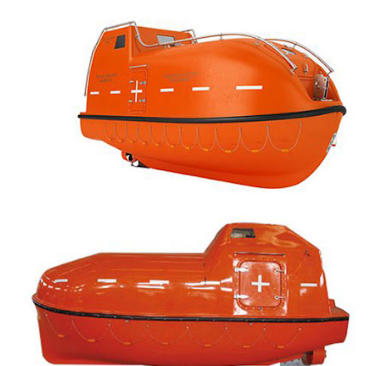
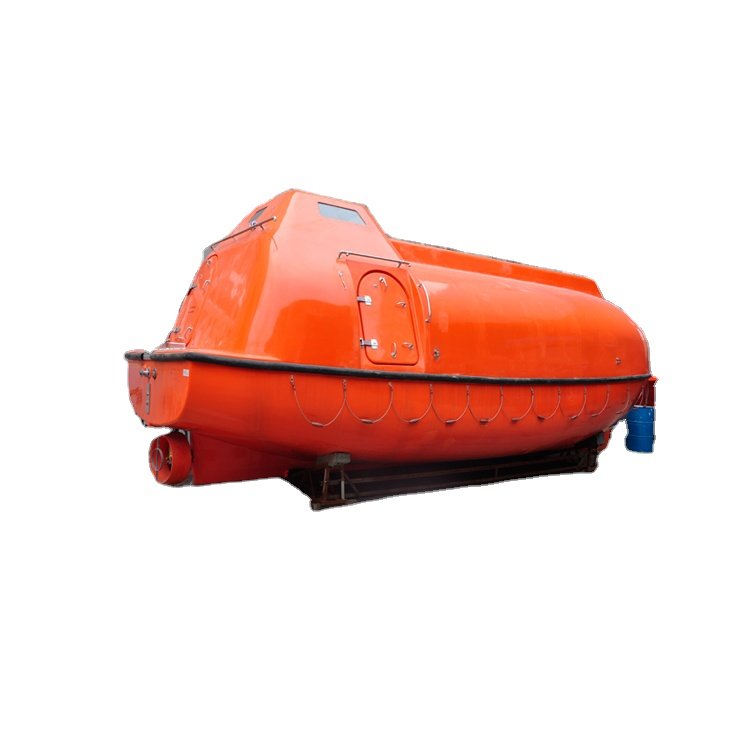
Lifeboats are critical life-saving appliances on ships, offshore platforms, and other marine environments, designed to ensure crew and passenger survival during emergencies at sea. With maritime safety regulations becoming increasingly stringent and operational conditions often unpredictable, enhancing lifeboat safety has become a top priority for shipowners, operators, and regulatory bodies alike.
Importance of Lifeboat Safety
The effectiveness of marine lifeboats can mean the difference between life and death in emergencies such as vessel collisions, fires, grounding, or sinking. Ensuring their safety involves not only robust design and manufacturing but also continuous inspection, maintenance, and crew preparedness. Any failure in these aspects can severely compromise evacuation efficiency and endanger lives.
Advances in Lifeboat Design and Materials
Modern lifeboats now incorporate advanced materials such as fiber-reinforced plastics (FRP) for improved strength-to-weight ratios and enhanced resistance to corrosion. Streamlined hull designs improve stability in rough seas, while shock-absorbing seating and reinforced canopy structures provide better occupant protection from impact, weather, and heat exposure.
Integration of Safety Technologies
Technological advancements are significantly improving lifeboat safety. Features like automated release systems, GPS-enabled emergency position-indicating radio beacons (EPIRBs), radar reflectors, and high-visibility LED lighting improve detection and rescue coordination. Additionally, enhanced propulsion systems, including low-maintenance diesel engines and electric drive units, allow for more reliable maneuvering in adverse conditions.
Regulatory Compliance and Inspection
International conventions, particularly the International Convention for the Safety of Life at Sea (SOLAS), set strict requirements for lifeboat construction, launching, and maintenance. Regular inspections, load tests, and launching drills are essential to verify operational readiness. Many maritime authorities are also adopting stricter oversight on on-load release mechanisms to prevent accidental release incidents.
Crew Training and Drills
Even the most advanced lifeboat cannot ensure safety without trained operators. Realistic crew training, including simulated rough-sea launches, emergency repairs, and navigation exercises, is vital for efficient deployment. Increasingly, virtual reality (VR) and simulator-based training tools are being used to allow crews to practice emergency responses without real-world risk.
Future Outlook
The future of lifeboat safety is moving toward greater automation, predictive maintenance using IoT sensors, and integration with ship-wide safety management systems. These developments aim to minimize human error, increase readiness, and reduce evacuation times, thereby enhancing survival prospects in maritime emergencies.
Safe and efficient navigation at sea depends on the ability to identify vessels, determine their direction of movement, and avoid collisions—especially in low-visibility conditions such as nighttime operations or dense fog. Marine navigation lights play a central role in achieving this by providing clear, standardized visual signals that communicate a vessel’s type, size, and operational status to other mariners. Advances in lighting technology have further enhanced their performance, making them indispensable for modern maritime safety.
The Role of Marine Navigation Lights in Low Visibility
During nighttime or in foggy conditions, visual cues from the horizon, shorelines, and other vessels are often diminished or completely obscured. Navigation lights serve as a universal language at sea, using specific colors, light patterns, and placements to convey vital information. Red and green sidelights indicate the port and starboard sides of a vessel, while white masthead and stern lights define its length and direction of travel. Special lights, such as yellow towing lights or all-round red and green signals for fishing vessels, provide further detail on a vessel’s activity and restrictions.
These lights are regulated by the International Regulations for Preventing Collisions at Sea (COLREGs), ensuring that all mariners interpret them consistently regardless of nationality or vessel type. Compliance with these regulations is crucial for preventing accidents in challenging visibility conditions.
Enhancements in Nighttime Navigation
Modern marine navigation lights are increasingly adopting LED technology, which offers several benefits over traditional incandescent bulbs. LED navigation lights provide brighter, more consistent illumination, making them visible at greater distances. Their lower power consumption is especially valuable for smaller vessels or those relying on battery power. Furthermore, LEDs have a significantly longer lifespan, reducing maintenance needs and ensuring lights remain operational for extended periods at sea.
Advanced optics and precision lens designs have also improved light beam focus, enhancing the visibility of navigation lights without causing glare. In some systems, smart controls allow automatic adjustment of light intensity based on ambient conditions, further improving nighttime visibility.
Overcoming Challenges in Foggy Conditions
Fog presents unique navigation challenges because it scatters light and reduces visibility to just a few meters in severe cases. To address this, modern navigation lights are designed with high-intensity output and optimized wavelengths to penetrate mist more effectively. Certain vessels supplement visual signals with sound signals, such as foghorns, in compliance with COLREGs requirements, creating a multi-sensory approach to collision avoidance.
Some cutting-edge navigation systems integrate lights with radar reflectors and AIS (Automatic Identification System) transponders, ensuring that even if visual signals are compromised, other vessels can detect and identify the ship through electronic means.
Reliability and Durability in Harsh Marine Environments
Marine navigation lights must endure saltwater corrosion, temperature extremes, and continuous vibration. Marine lighting manufacturers now use high-grade materials, sealed housings, and shock-resistant designs to ensure consistent performance. IP-rated waterproofing and anti-fog lens coatings further safeguard light clarity in adverse weather. These advancements are particularly critical for long voyages where maintenance opportunities are limited.
The Future of Marine Navigation Lighting
Emerging trends point toward integration with smart ship systems. Future navigation lights may be part of centralized monitoring networks that alert the crew to failures in real time or automatically switch to backup units if a primary light malfunctions. Combined with satellite-based navigation aids and autonomous vessel technologies, these innovations promise even greater safety during nighttime and fog navigation.
Summary
Marine navigation lights remain a cornerstone of maritime safety, enabling vessels to communicate their presence and status clearly, even when darkness or fog obscures natural visibility. With advancements in LED efficiency, optical design, and system integration, today’s navigation lights offer unmatched performance, reliability, and adaptability. As technology continues to evolve, these lights will play an even greater role in ensuring safe passage for vessels of all sizes in challenging low-visibility conditions.
Weighted stuffed animals are gaining widespread popularity for their unique ability to provide both emotional comfort and sensory support. Unlike standard plush toys, these soft companions are designed with internal weights, often made from glass beads, plastic pellets, or metal shot, to deliver a gentle, calming pressure that mimics deep touch stimulation. When crafted as custom stuffed animals, the plush toys not only serve therapeutic purposes but also become meaningful, personalized tools for children, adults, and those with sensory sensitivities.
What Is a Custom Weighted Stuffed Animal?
A custom weighted stuffed animal is a plush toy that is tailored to a customer’s specific preferences in terms of size, shape, character design, weight, and materials. These toys are typically filled with a combination of soft stuffing and weighted material distributed throughout the body or concentrated in specific areas like the arms, legs, or torso. The weight is chosen based on the intended user’s size and sensory needs, making each toy a uniquely comforting item.
Whether it’s a favorite animal design, a character from a child’s imagination, or a plush replica of a beloved pet, custom weighted stuffed animals go beyond mass-produced options to reflect individual preferences and therapeutic goals.
Why Choose a Weighted Stuffed Animal?
Weighted plush toys are widely recognized for their calming and grounding effects. They are especially beneficial for individuals with autism spectrum disorder (ASD), ADHD, anxiety, or sensory processing disorders. The deep pressure provided by the weight can help regulate the nervous system, reduce stress, and improve focus and sleep.
For children, a weighted stuffed animal offers a sense of security and routine, especially during transitions or stressful situations. For adults, it can serve as a subtle, comforting tool during long work hours, travel, or nighttime rest.
The Advantages of Going Custom
Opting for a custom weighted stuffed animal enhances the therapeutic and emotional value of the toy. Customization allows the user or caregiver to select:
The Ideal Weight: Based on personal comfort or therapeutic guidelines (commonly 5–10% of body weight).
The Perfect Design: From animal type to specific colors, textures, and embroidered features.
Targeted Weight Distribution: Some may prefer more weight in the body for lap use, while others may want evenly distributed weight for hugging or sleeping.
Sensory-Friendly Fabrics: Options such as ultra-soft minky, smooth cotton, or textured fleece can match individual tactile preferences.
Personal Touches: Names, messages, or symbols can be added to reinforce emotional attachment and support.
This level of personalization is especially valuable for therapy settings, special education programs, or gifting purposes where a standard plush toy may not offer the same level of connection or effectiveness.
Safety and Durability Considerations
Because weighted stuffed animals are used closely and often by children or individuals with special needs, safety is a top priority. Custom plush manufacturers typically design these toys with reinforced seams, securely enclosed weight compartments, and washable covers. Non-toxic, hypoallergenic materials are preferred to ensure the toy is both durable and safe over time.
It’s also important to consult guidelines or occupational therapists when selecting weight levels for young users, as excessive weight can be uncomfortable or counterproductive.
Applications Beyond Therapy
While weighted stuffed animals are highly effective in therapeutic contexts, they are also appreciated more broadly for their comforting properties. Parents use them for calming bedtime routines, students rely on them during study sessions, and travelers find them helpful in reducing anxiety on flights or long car rides. They are also meaningful gifts for people recovering from grief, illness, or trauma—offering both physical comfort and emotional connection.
Final Thoughts
A custom weighted stuffed animal blends the benefits of sensory support with the warmth of personalization. These unique plush toys are more than just soft companions—they are therapeutic tools, comforting friends, and cherished keepsakes. Whether designed to support a child’s sensory needs or to offer comfort to an anxious adult, a custom weighted stuffed animal brings both emotional relief and creative expression to those who need it most.
In web handling systems used in industries such as printing, packaging, textiles, film, and battery manufacturing, precise control over the lateral position of the moving web is essential. Even minor misalignments can lead to defects, wasted material, and increased downtime. Edge Position Control (EPC) systems play a vital role in addressing these challenges by ensuring the web stays correctly aligned throughout the production process. By improving web guiding performance, EPC systems contribute directly to higher quality output, better process efficiency, and lower operational costs.
Understanding Edge Position Control
Edge Position Control refers to a method of guiding the web material based on its edge location. Web edge guide sytems use sensors to detect the position of the web edge and actuators to correct its path when deviation occurs. Unlike centerline guiding systems, which maintain the web along a fixed center reference, EPC systems focus on one or both edges to maintain consistent lateral alignment.
This approach is particularly useful for applications where the edge of the material must be precisely aligned with downstream processes, such as slitting, folding, or printing. It’s especially effective in processes involving materials with variable widths or where maintaining edge consistency is critical to product performance or aesthetics.
How EPC Improves Web Guiding Performance
The main advantage of EPC lies in its ability to dynamically correct deviations in real time. Webs are subject to many sources of disturbance during unwinding, processing, and rewinding—such as reel misalignment, tension variations, or roller inconsistencies. An EPC system continuously monitors the edge position and sends feedback to a guiding actuator, which adjusts the position of rollers or guides to bring the web back into alignment.
This closed-loop feedback mechanism ensures that the web remains consistently aligned, even in high-speed or multi-layer processes. As a result, production lines can run faster and with greater reliability, minimizing waste and rework caused by poor web tracking.
Key Components of an EPC System
An effective EPC system typically includes three core components: edge sensors, a controller, and a guiding actuator.
Edge Guide Sensors: These are responsible for detecting the position of the web edge. Common sensor technologies include infrared, ultrasonic, and CCD (Charge-Coupled Device) cameras, each suited to different material types and environmental conditions.
Controller: The web guide controller processes the input from the sensors and determines the corrective action needed. It calculates the deviation and commands the actuator accordingly, often using PID (Proportional-Integral-Derivative) control logic for smooth and stable response.
Actuator or Guide Mechanism: This device physically adjusts the web’s path. It may be an offset pivot guide, steering frame, or linear actuator, depending on the system’s design and requirements.
Benefits of EPC in Web Handling Systems
Edge Position Control enhances web guiding performance in several critical ways:
Higher Product Quality: EPC maintains precise edge alignment, which is essential for tight tolerances in printing, coating, or laminating operations. This reduces defects such as misregistration, uneven coating, or off-cut edges.
Reduced Material Waste: By keeping the web consistently aligned, EPC minimizes edge trimming and scrap due to misalignment. This directly improves material yield and cost efficiency.
Increased Process Speed: With reliable edge tracking, manufacturers can run production lines at higher speeds without compromising accuracy or stability.
Compatibility with Diverse Materials: EPC systems are adaptable to various web materials, including paper, film, foil, fabric, and nonwoven composites. Sensor selection can be tailored to suit transparent, opaque, reflective, or porous webs.
Lower Downtime: Automated correction of misalignments reduces the need for manual adjustments and unplanned stoppages, boosting overall equipment efficiency (OEE).
Applications and Industry Use
Edge Position Control is widely applied in industries that require continuous processing of rolled or sheeted materials. In flexible packaging, EPC ensures accurate registration of printed graphics and die cuts. In the textile and nonwovens sectors, it helps maintain alignment during winding and rewinding. Battery and electronics manufacturers use EPC for precise electrode coating and lamination alignment, where even micrometer-level errors can impact performance.
Summary
Edge Position Control is a foundational element of modern web guiding systems, offering a reliable and responsive solution to lateral alignment challenges. By integrating high-precision sensors, intelligent control algorithms, and robust actuators, EPC enhances web handling performance across a broad range of industries. As demand for higher quality, faster production, and tighter tolerances continues to grow, EPC remains a key technology for achieving process optimization and consistent product excellence.
Snubbing operations, also known as hydraulic workover operations, are a vital well intervention technique used in offshore oil and gas environments. This process allows for the insertion or removal of tubulars in a well under pressure, without killing the well or using conventional drilling rigs. As offshore exploration moves into more complex and deeper waters, the demand for precise, efficient, and safe snubbing operations has grown significantly. To meet these evolving challenges, offshore operators are increasingly turning to snubbing simulators as a critical tool for optimizing performance, improving safety, and reducing operational downtime.
Understanding Snubbing Operations in Offshore Settings
In offshore wells, snubbing is employed during various stages such as maintenance, well completion, and recompletion, as well as in pressure control scenarios. The technique involves using hydraulic force to push pipe into or pull pipe out of a live well, overcoming the wellbore pressure.
Key characteristics of offshore snubbing include:
High-pressure well environments
Limited platform space
Logistical constraints
Enhanced safety requirements
Because of these challenges, precise control of the snubbing unit and coordination among the crew is essential to prevent equipment failure or well control incidents.
Benefits and Challenges of Offshore Snubbing
Benefits:
Maintains well pressure: Avoids costly killing and restarting of the well.
Minimizes formation damage: Especially important in high-value offshore reservoirs.
Reduces downtime: Quick intervention without dismantling the production setup.
Adaptability: Useful for various interventions including fishing, milling, and plugging.
Complex logistics in transporting and setting up snubbing units
Role of Snubbing Simulators in Offshore Environments
Snubbing simulators have become essential for training and planning in offshore operations. These advanced systems replicate real-world snubbing scenarios and environmental variables to enhance operational readiness.
Key Applications of Snubbing Simulators:
Training and Certification: Simulators provide a realistic and risk-free environment for training snubbing operators and supervisors. Personnel can practice emergency scenarios, equipment failure response, and standard operating procedures without exposure to danger.
Operational Planning: Simulations allow engineers to test specific intervention plans based on well conditions, pipe specifications, and pressure profiles—optimizing decision-making before mobilization.
Performance Optimization: Simulators track key performance metrics such as force application, snub speed, and well pressure response, allowing crews to refine techniques and reduce non-productive time.
Scenario Testing: Offshore-specific conditions such as dynamic rig motion, limited visibility, and high-pressure gas zones can be modeled to prepare teams for unexpected challenges.
Integration with real well data and offshore platform layouts
Feedback systems for performance scoring and analytics
These tools are often used alongside other well control and intervention simulators to provide a comprehensive training ecosystem for offshore operations.
Operational and Safety Improvements Through Simulation
By integrating simulation into offshore snubbing workflows, operators have reported measurable benefits:
Improved crew competency and confidence
Reduction in equipment handling errors
Better risk assessment and mitigation planning
Higher operational efficiency and cost control
In high-stakes offshore environments, these improvements contribute not only to better economics but also to the protection of human life and the marine environment.
Summary
Snubbing operations in offshore environments play a pivotal role in maintaining well integrity and enhancing production. However, their inherent risks and logistical challenges demand high precision and crew preparedness. The adoption of snubbing simulators represents a transformative approach, equipping teams with the skills and insights required to navigate complex scenarios with confidence. As simulation technologies continue to advance, they are set to become even more central to the success and safety of offshore snubbing interventions.
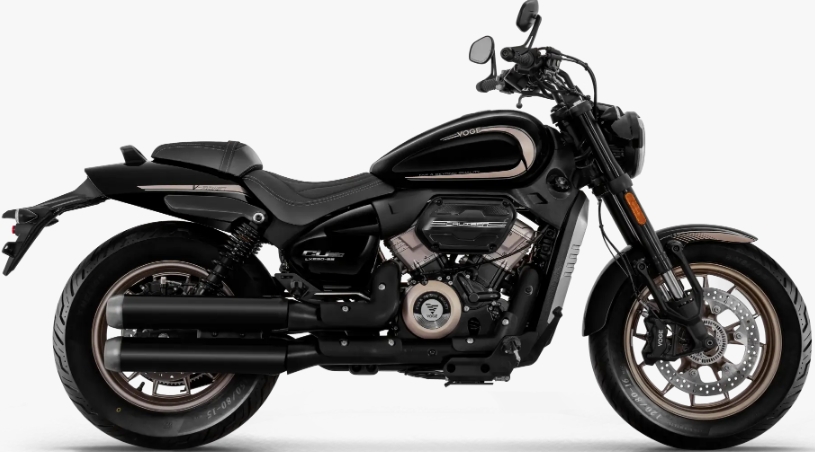
In the ever-evolving landscape of urban mobility, where performance meets personality, the VOGE CU625 emerges as a bold statement. The cruiser motorcycle is crafted by Chinese motorcycle brand VOGE. With its commanding presence, smooth engine performance, and cruiser-inspired design, the CU625 is designed for riders who crave both comfort and road presence on every ride. Whether you’re navigating downtown streets or heading out for a relaxed weekend cruise, the CU625 delivers an experience that blends style, substance, and satisfaction.
Striking Cruiser Design
The VOGE CU625 draws immediate attention with its low-slung silhouette, muscular lines, and aggressive cruiser stance. From its wide handlebars and sculpted fuel tank to the deep-seat design and blacked-out components, every element is crafted to radiate strength and style. The full-LED lighting system, including a circular headlamp and signature tail light, adds a modern touch to its classic cruiser look.
Refined Powertrain Performance
At the heart of the CU625 lies a single-cylinder, liquid-cooled 625cc engine engineered for strong low-end torque and smooth acceleration. The power delivery is well-suited for urban environments, offering instant response and confident overtakes. Whether cruising at low RPMs or opening up on longer rides, the engine provides a balance of power and efficiency that’s ideal for daily use and weekend enjoyment alike.
Comfort-Focused Ergonomics
Long commutes or short city hops, the CU625 is built with comfort in mind. The low seat height, forward-set foot pegs, and relaxed riding posture minimize rider fatigue, while the plush seat ensures a comfortable ride for both the rider and passenger. VOGE’s attention to ergonomics means that you can ride longer and further without compromise.
Intelligent Features and Connectivity
Modern riders expect more from their machines, and the CU625 delivers. The full-color TFT display provides real-time information in a clear, intuitive format. USB charging, smart key ignition, and Bluetooth connectivity add convenience, keeping you connected and informed without distraction. It’s a ride that feels as advanced as it looks.
Confident Handling and Braking
Riding the CU625 inspires confidence thanks to its rigid frame, wide tires, and upgraded suspension system. The combination of telescopic forks and twin rear shocks offers excellent road feedback and stability. Equipped with dual disc brakes and ABS, the CU625 ensures controlled stops and reliable performance in varied traffic and road conditions.
Ideal for Modern Urban Riders
Whether you’re a seasoned rider or someone upgrading to a more powerful machine, the VOGE CU625 is tailored for those who want to stand out without shouting. It’s the perfect fusion of urban practicality and cruiser charisma, making it an ideal companion for those who seek everyday usability with weekend adventure potential.
Final Thoughts
With eye-catching design, well-rounded performance, and modern tech integration, the VOGE CU625 sets a new benchmark in the mid-sized cruiser segment. For riders who value individuality, comfort, and everyday usability, the CU625 is more than a mode of transport—it’s a ride to be proud of.
Bamboo kitchen towels have emerged as a sustainable and eco-friendly alternative to conventional cotton or paper-based kitchen cloths. Beyond their environmental appeal, these towels are gaining recognition for their natural antibacterial properties, which make them particularly suited for maintaining cleanliness and hygiene in food preparation areas. This article explores the science behind the antibacterial qualities of Bamboo kitchen towels and how they contribute to a healthier kitchen environment.
The Natural Antibacterial Agent in Bamboo: Bamboo Kun
One of the key reasons bamboo towels exhibit antibacterial behavior is the presence of a bio-agent known as bamboo kun. This substance is naturally found in bamboo fibers and is believed to protect the plant from pest infestations and microbial attacks in its native environment. Unlike synthetic antimicrobial treatments, bamboo kun is intrinsic to the fiber itself, allowing the antibacterial properties to persist even after multiple washes (especially in minimally processed bamboo fabrics).
Several laboratory studies have supported the antibacterial capabilities of bamboo textiles. Tests have shown that bamboo fabric can inhibit the growth of bacteria such as Staphylococcus aureus and Escherichia coli. In controlled environments, bacterial colonies exposed to bamboo fabrics showed significantly reduced growth compared to those exposed to cotton or polyester. This indicates that bamboo towels can actively reduce microbial contamination on kitchen surfaces and utensils.
Benefits in the Kitchen Environment
The antibacterial nature of bamboo kitchen towels offers several practical advantages:
Odor resistance: By limiting bacterial growth, bamboo towels stay fresher for longer and resist unpleasant smells.
Improved hygiene: They reduce the likelihood of cross-contamination between food items, surfaces, and hands.
Gentle yet effective: Bamboo fibers are naturally soft and non-abrasive, making them ideal for delicate surfaces like non-stick pans or polished countertops.
Durability and Sustainability
In addition to their hygienic benefits, bamboo kitchen towels are highly durable and biodegradable, aligning with the growing consumer demand for sustainable kitchen products. The rapid regrowth of bamboo (some species grow up to 3 feet a day) ensures a low environmental footprint. Furthermore, bamboo farming typically requires no pesticides or chemical fertilizers, which means that its antibacterial properties are achieved with minimal environmental intervention.
Considerations and Limitations
While bamboo paper towels do possess natural antibacterial properties, it’s important to acknowledge that:
Processing matters: Highly processed bamboo textiles, such as those made through chemical-intensive rayon processes, may lose some of the natural antibacterial effects.
Not a substitute for cleaning agents: Bamboo towels help suppress bacteria but are not a replacement for regular cleaning and disinfecting routines.
Summary
Bamboo kitchen towels offer an innovative and health-conscious solution to traditional cleaning materials. With their natural antibacterial properties, enhanced freshness, and eco-friendly credentials, they represent a step forward in sustainable kitchen hygiene. As more consumers become aware of the dual benefits of cleanliness and environmental responsibility, bamboo towels are set to become a staple in modern kitchens around the world.
Homogenization is a critical process used in various industries—such as pharmaceuticals, food and beverage, cosmetics, and biotechnology—to reduce particle size, improve product stability, and ensure uniform dispersion of components. Two widely adopted technologies for achieving efficient homogenization are ultrasonic homogenizers and high-pressure homogenizers. While both serve similar purposes, they operate on different principles and offer distinct advantages depending on the application.
What Is an Ultrasonic Homogenizer?
Ultrasonic homogenizers use high-frequency sound waves to create cavitation in liquids. Cavitation refers to the formation, growth, and implosive collapse of microscopic bubbles, which generate intense shear forces and micro-jets. These forces break down particles, disrupt cells, and promote thorough mixing at the microscopic level.
Key Features:
Operates at ultrasonic frequencies (typically 20–40 kHz).
Ideal for small to medium-volume processing.
Effective for cell disruption, nanoparticle dispersion, and emulsification.
Offers precise control over energy input.
What Is a High-Pressure Homogenizer?
A high-pressure homogenizer forces a liquid or suspension through a narrow valve at very high pressure, often ranging from 100 to 2000 bar (or even higher). As the liquid passes through the homogenizing valve, it experiences extreme turbulence, cavitation, and shear forces, resulting in reduced particle sizes and uniform mixtures.
Key Features:
Operates at high pressures (100–2000+ bar).
Designed for continuous, large-scale processing.
Excellent for emulsifying immiscible liquids and breaking down complex structures.
Delivers consistent results for high-throughput applications.
Main Differences Between Ultrasonic and High-Pressure Homogenizers
1. Working Principle
Ultrasonic homogenizers use acoustic cavitation to break particles apart, while high-pressure homogenizers rely on mechanical shear and impact forces created by forcing liquid through a small orifice at high pressure.
2. Equipment Design
Ultrasonic systems are typically compact and consist of a generator and probe (horn). High-pressure homogenizers are more complex and include a high-pressure pump and homogenizing valve assembly.
3. Volume and Throughput
Ultrasonic homogenizers are better suited for small to medium batches, such as lab-scale or pilot-scale applications. High-pressure homogenizers are built for large-scale continuous processing, making them ideal for industrial production.
4. Application Focus
Ultrasonic systems excel at cell disruption, nanoparticle dispersion, and deagglomeration. High-pressure homogenizers are preferred for emulsions, suspensions, and viscous formulations, especially when consistent results are critical at scale.
5. Particle Size Reduction
Both methods achieve fine particle sizes, but high-pressure homogenizers often deliver narrower particle size distributions, which is crucial for high-end emulsions and drug delivery systems.
6. Cost and Maintenance
Ultrasonic homogenizers are generally lower in cost and easier to maintain. High-pressure systems are more expensive and require more maintenance due to their high-stress operating conditions.
Applications Comparison
In the pharmaceutical industry, ultrasonic homogenizers are commonly used for applications such as cell lysis, DNA shearing, and dispersing nanoparticles in research and small-batch formulations. They are particularly effective for disrupting biological cells and creating fine dispersions for laboratory studies. High-pressure homogenizers, on the other hand, are preferred for larger-scale pharmaceutical manufacturing, including the preparation of stable drug emulsions, vaccine formulations, and nanosuspensions that demand precise and consistent particle size reduction.
In the food and beverage sector, ultrasonic homogenizers are suitable for tasks like flavor extraction, dispersing ingredients in small batches, and emulsifying specialty products on a limited scale. In contrast, high-pressure homogenizers are the standard equipment for large-scale production processes such as milk homogenization, fruit juice stabilization, and the creation of smooth, stable sauces and dressings, where continuous operation and product consistency are critical.
In cosmetic manufacturing, ultrasonic homogenizers are typically used in research and development for formulating and testing emulsions, serums, and lotions on a small scale. They are useful for trial batches and adjusting ingredient interactions. However, for commercial-scale production of creams, emulsions, and other viscous cosmetic products, high-pressure homogenizers are more suitable due to their ability to produce uniform, stable textures in large volumes.
In biotechnology applications, ultrasonic homogenizers are favored for disrupting microbial or mammalian cells to release intracellular components, as well as for fragmenting genetic material in laboratory protocols. High-pressure homogenizers are more commonly used in large-scale fermentation processes where the breakdown of biomass or cell walls needs to be consistent and efficient across high volumes.
In the field of nanotechnology, ultrasonic homogenizers are often applied in the early stages of research for deagglomerating nanoparticles and producing uniform dispersions. However, when it comes to producing nanoemulsions or nanosuspensions at industrial scale, high-pressure homogenizers are the preferred choice due to their ability to consistently achieve extremely fine particle size distributions and ensure product uniformity across batches.
Choosing the Right Technology
Choose Ultrasonic Homogenizers if:
You are working with small to medium batch sizes.
Your application involves delicate biological samples or requires controlled energy input.
You need a cost-effective and compact solution.
ou are focusing on R&D or pilot-scale production.
Choose High-Pressure Homogenizers if:
You need to process large volumes continuously.
Your product requires high stability and consistent quality.
You are producing industrial-grade emulsions or suspensions.
You operate in a highly regulated or high-throughput environment.
Summary
Both ultrasonic and high-pressure homogenizers offer powerful solutions for homogenizing, emulsifying, and dispersing materials, but they cater to different scales, budgets, and performance requirements. Ultrasonic homogenizers are ideal for precision work, smaller batches, and cost-effective processing, while high-pressure homogenizers are the go-to choice for large-scale, consistent, and high-performance homogenization. Understanding the strengths and limitations of each helps ensure optimal process efficiency and product quality.
Springs are essential mechanical components used in various applications to store and release energy, absorb shocks, or maintain force between contacting surfaces. Among the many types of springs available, volute springs and conical springs are two distinct varieties that serve specialized functions depending on the design requirements. Understanding the differences, advantages, and typical uses of volute and conical springs can help in selecting the right spring for a given application.
What Are Volute Springs?
Volute springs are a kind of compression springs formed from a strip of metal coiled into a conical or spiral shape resembling a cone or a tapered helix. Unlike traditional cylindrical coil springs, volute springs have a variable diameter along their length.
Key Characteristics:
Shape: Typically a conical or spiral coil formed from a flat strip of metal.
Load Handling: Designed primarily for heavy-duty compression loads.
Deflection: Can handle large deflections without permanent deformation.
Stacking Ability: Coils nest inside each other when compressed, reducing solid height significantly.
Energy Storage: Capable of storing large amounts of energy in a compact space.
Common Applications:
Heavy machinery shock absorbers.
Railway buffers.
Vehicle suspension systems.
Industrial presses and heavy load cushioning.
What Are Conical Springs?
Conical springs are helical springs with a conical shape, meaning the coil diameter tapers from a larger diameter at one end to a smaller diameter at the other. They are also sometimes called tapered springs.
Key Characteristics:
Shape: Helical coil with a tapered diameter.
Load Handling: Used in compression with variable spring rates.
Deflection: Provides more linear or progressive spring rate compared to cylindrical springs.
Solid Height: Coils can nest when compressed, allowing shorter solid height.
Spring Rate: Changes as the spring compresses due to coil nesting.
Common Applications:
Electrical switches and contacts.
Vibration isolators.
Load balancing mechanisms.
Applications requiring progressive force characteristics.
Differences Between Volute and Conical Springs
Volute springs and conical springs differ primarily in their shape, material form, load capacity, and performance characteristics.
Volute springs are made from a flat strip of metal that is coiled into a conical or spiral shape. This unique shape allows the coils to nest tightly inside each other when compressed, enabling the spring to handle very heavy loads and large deflections while maintaining a compact solid height. They are especially suited for applications involving heavy-duty shock absorption, such as in railway buffers or vehicle suspensions. However, their manufacturing process is more complex compared to conical springs.
Conical springs, on the other hand, are formed from round wire coiled into a tapered helix, where the diameter gradually decreases from one end to the other. This design gives conical springs a progressive spring rate, meaning the force required to compress the spring increases as it compresses. While conical springs can also nest their coils to reduce solid height, they generally handle moderate to heavy loads rather than the extreme loads suited for volute springs. They are often used in applications like electrical contacts or vibration isolators, where a smooth, progressive force response is beneficial. Conical springs are easier and less costly to manufacture compared to volute springs.
Advantages and Disadvantages
Volute Springs
Advantages:
Very compact when compressed due to coil nesting.
Can absorb very high loads and large deflections.
Durable under heavy shock loading.
Disadvantages:
More complex and costly to manufacture.
Less common in light-duty applications.
Conical Springs
Advantages:
Progressive spring rate provides smoother load response.
Compact solid height compared to cylindrical springs.
Easier to manufacture than volute springs.
Disadvantages:
Limited maximum load capacity compared to volute springs.
Less effective in very heavy-duty shock absorption.
How to Choose Between Volute and Conical Springs?
The choice depends primarily on the application’s load requirements, available space, and desired spring characteristics.
Choose Volute Springs if:
The application involves heavy loads or shocks.
Large deflection with minimal solid height is critical.
Durability under harsh conditions is required.
Choose Conical Springs if:
Progressive spring force is desired.
Moderate loads and compactness are required.
Cost and ease of manufacturing are considerations.
Summary
Both volute springs and conical springs offer unique advantages tailored to different engineering needs. Volute springs excel in heavy-duty, high-load, and large deflection scenarios, while conical springs provide progressive force characteristics and compactness for moderate load applications. Understanding their design differences and performance traits is key to optimizing spring selection for any mechanical system.
Life rafts are a critical piece of safety equipment on vessels, offshore platforms, and aircraft, designed to provide emergency flotation and shelter in the event of abandonment. Given their vital role in saving lives, ensuring that life rafts remain reliable and functional throughout their service life is paramount. Extending the service life of life rafts not only enhances safety but also reduces replacement costs and logistical burdens. This article explores key strategies and best practices to maximize the lifespan of life rafts.
Regular Inspections and Servicing
The cornerstone of extending the service life of life rafts is a rigorous and scheduled inspection and maintenance program. Most manufacturers and maritime safety authorities recommend servicing life rafts every 12 months, or more frequently in harsh environments.
During servicing, qualified technicians should:
Check for fabric degradation such as tears, punctures, and UV damage.
Inspect inflation systems including gas cylinders, valves, and hoses for leaks or corrosion.
Verify the condition of all survival equipment contained within the raft, such as flares, rations, and signaling devices.
Test manual inflation devices and automatic activation mechanisms.
Repack the raft properly according to manufacturer specifications.
Regular maintenance helps identify early signs of wear or damage that could jeopardize raft performance, allowing timely repairs that prevent the raft from becoming unusable.
Proper Storage Conditions
How and where life rafts are stored significantly affects their longevity. Key considerations include:
Avoiding Exposure to UV and Extreme Temperatures: Prolonged exposure to sunlight can degrade raft fabrics and coatings, while extreme heat or cold can affect the elasticity and integrity of materials.
Dry Storage: Moisture and humidity promote mold, mildew, and corrosion of metal components.
Protection from Physical Damage: Life rafts should be stored in designated containers or lockers that shield them from accidental impacts, chemical spills, or abrasion.
Implementing controlled storage environments, such as shaded, well-ventilated, and temperature-moderated spaces, can substantially reduce premature aging.
Careful Handling and Deployment Drills
Even the best-maintained life raft can be damaged by improper handling. Training crew members on correct handling techniques during loading, deployment drills, and inspections is crucial.
Avoid dragging rafts across rough surfaces.
Use designated lifting points to prevent tearing.
Conduct regular deployment drills to ensure familiarity with operation without causing accidental damage.
Proper handling minimizes wear and tear, contributing to longer service life.
Using Quality Materials and Upgrades
When repairing or replacing parts of life rafts, using manufacturer-approved or high-quality materials ensures compatibility and durability. Technological advances have introduced more UV-resistant fabrics, corrosion-proof fittings, and improved inflation systems that can be retrofitted to existing rafts.
Investing in such upgrades can extend operational reliability and service life.
Monitoring and Documentation
Keeping detailed records of inspection dates, maintenance activities, repairs, and any incidents involving the life raft provides valuable insight for lifecycle management. This documentation helps in:
Scheduling timely servicing.
Tracking parts replacements.
Complying with maritime regulations.
Planning for end-of-life replacement proactively rather than reactively.
Digital tracking tools and lifecycle management software are increasingly used in fleet operations to optimize maintenance schedules and asset utilization.
Summary
Extending the service life of life rafts is a multifaceted effort involving regular maintenance, careful storage and handling, use of quality materials, and diligent record-keeping. These practices not only ensure compliance with safety regulations but most importantly maintain the readiness and reliability of life rafts when lives depend on them. By investing time and resources in proper care, shipowners and operators can maximize safety while reducing operational costs over the long term.