Why Choose Sustainable Bamboo Toilet Paper

As environmental awareness continues to grow, consumers and manufacturers alike are seeking alternatives to traditional products that put less strain on the planet’s resources. One such innovation is toilet paper made from bamboo fibers—a sustainable option that balances performance, comfort, and ecological responsibility.

Why Bamboo

Bamboo is one of the fastest-growing plants in the world, with some species capable of growing up to one meter per day. Unlike hardwood trees used in conventional toilet paper, bamboo can be harvested within three to five years without the need for replanting, since it regenerates naturally from its root system. This makes bamboo a renewable and resilient raw material for paper production.

Environmental Benefits

Reduced Deforestation: Switching to bamboo toilet paper helps conserve forests and biodiversity by decreasing demand for traditional wood pulp.

Lower Carbon Footprint: Bamboo absorbs more carbon dioxide and releases more oxygen compared to most trees, making it a climate-friendly choice.

Less Water and Pesticide Use: Bamboo generally requires minimal irrigation and no chemical pesticides, which reduces agricultural impact.

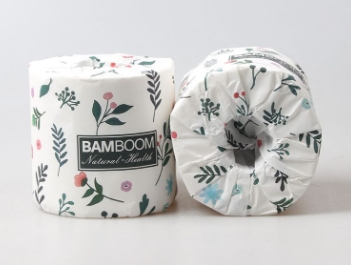
Bamboo Toilet Paper

Performance and Comfort

Bamboo toilet paper is not only sustainable but also functional:

Softness: Bamboo fibers are naturally smooth, producing a gentle feel suitable for sensitive skin.

Strength: Despite being soft, bamboo toilet paper tends to be stronger and more durable than many tree-based alternatives.

Absorbency: Bamboo fibers can hold more water, enhancing the performance of each sheet.

Health and Safety Considerations

Many bamboo toilet papers are free from harsh chemicals such as chlorine bleach, dyes, and fragrances. This makes them a safer option for people with allergies or sensitive skin while also reducing chemical pollution in wastewater.

Market Growth and Consumer Trends

With the rise of eco-conscious lifestyles, bamboo toilet paper is becoming increasingly popular across global markets. Companies are offering recycled packaging, plastic-free rolls, and carbon-neutral shipping to further enhance sustainability. The growing demand highlights a shift in consumer priorities toward products that align with environmental values.

bamboo toilet paper

Challenges and Future Outlook

While bamboo toilet paper offers clear benefits, there are challenges to overcome:

Cost: Bamboo tissue paper is often more expensive than traditional tissue paper, though prices are gradually decreasing as production scales.

Supply Chains: Global sourcing of bamboo requires sustainable farming practices and efficient logistics to maintain its eco-friendly promise.

Consumer Awareness: Educating consumers about the true impact of their choices will be essential to encourage widespread adoption.

Looking ahead, innovations in processing technology, local bamboo cultivation, and circular economy models may further improve the sustainability and accessibility of bamboo toilet paper.

Bamboo Toilet Paper Roll

Summary

Sustainable toilet paper made from bamboo fibers represents a step forward in reducing environmental impact without sacrificing comfort or quality. By choosing bamboo-based alternatives, individuals and businesses can support forest conservation, lower carbon emissions, and embrace a more responsible approach to everyday essentials.

Effective Methods for Using Rivets Without a Gun

Rivets are one of the oldest and most reliable fasteners for joining metal, leather, fabric, and other materials. While rivet guns are the most common tools for installing rivets quickly, not everyone has one on hand. Fortunately, you can still use rivets effectively without a gun by employing a few alternative methods.

different tyes of rivets

Understanding Rivets

Rivets consist of two main parts:

The rivet body (shaft) – which passes through the materials.

The rivet head – which holds the material in place once the tail end is deformed.

The basic principle of riveting is to insert the rivet into a hole and then deform the tail end to create a second head, locking the materials together.

Tools You Will Need

Instead of a rivet gun, you can use:

A hammer

A punch, chisel, or steel rod (to help shape the rivet)

A hard surface such as an anvil or sturdy metal block

A drill (to make the rivet hole if needed)

Protective gear (gloves and safety glasses)

Rivets Installation Tools

Step-by-Step Guide to Riveting without a Gun

Step 1: Drill the Hole

Mark and drill a hole through the materials you want to join.

Ensure the hole size matches the rivet diameter.

Step 2: Insert the Rivet

Place the rivet through the aligned holes so that the head sits on the visible side.

Step 3: Support the Rivet Head

Place the rivet head on a firm metal surface (like an anvil or vise). This prevents movement and ensures the rivet head doesn’t get damaged.

Step 4: Form the Tail End

Using a hammer and punch/steel rod, strike the protruding rivet tail.

Gradually flatten and spread the tail end until it forms a mushroom shape, locking the rivet securely.

Step 5: Secure and Finish

Continue hammering gently to round out and smooth the deformed rivet end.

Check the joint to ensure it is tight and well-formed.

Alternative Methods

Pop Rivets with Improvised Tool – Instead of a rivet gun, you can use a nut and bolt with washers to manually pull the mandrel of a pop rivet through.

pop rivets

Compression Method – For softer materials like leather or fabric, rivets can be compressed with pliers or a bench vise.

Specialized Rivet Sets – In leatherworking, rivet setters (small hand tools) are often used with a hammer instead of a gun.

Safety Tips

Always wear protective glasses when hammering metal.

Ensure the materials are clamped or secured to prevent slipping.

Start with gentle taps before applying stronger hammer blows.

Summary

Using rivets without a gun requires a bit more time and patience, but it is entirely achievable with simple tools like a hammer, punch, and an anvil or hard surface. Whether you are working with metal, leather, or other materials, understanding the basics of how rivets work allows you to improvise and create durable, lasting joints without specialized equipment.

A Comparative Analysis of Vertical and Horizontal Autoclaves

Autoclaves play a vital role in sterilization across laboratories, medical facilities, and industrial applications. By using pressurized steam at high temperatures, they eliminate microorganisms and ensure contamination-free equipment and materials. Among the different types of autoclaves, vertical autoclaves and horizontal autoclaves are the most commonly used. Each has unique designs, benefits, and applications, making it important to understand the differences when selecting the right system.

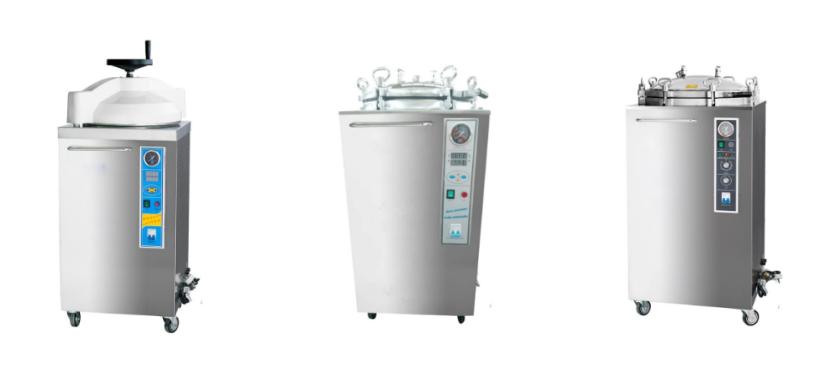
vertical autoclaves

1. Design and Loading Style

Vertical Autoclaves: These autoclaves are compact, with a top-loading design. Samples, glassware, and instruments are placed vertically into the chamber. This design is often compared to a large pressure cooker.

Horizontal Autoclaves: These feature a front-loading design, similar to an oven. The chamber is larger, allowing items to be loaded on trays or trolleys horizontally.

2. Capacity and Space Requirements

Vertical Autoclaves: Generally smaller, making them suitable for limited spaces. Their volume typically ranges from a few liters up to around 150 liters, ideal for laboratories with moderate sterilization needs.

Horizontal Autoclaves: Designed for larger volumes, often reaching several hundred liters. They are bulkier and require more installation space, making them suitable for hospitals, research institutes, and industries with high sterilization demand.

3. Ease of Use

Vertical Autoclaves: Require manual lifting and loading from the top. This may be less ergonomic when dealing with heavy loads but is manageable for small-scale applications.

Horizontal Autoclaves: Front-loading trays or trolleys make them easier to use, especially for handling large or heavy materials. They also allow for more organized placement of instruments.

horizontal autoclave

4. Sterilization Efficiency

Vertical Autoclaves: Effective for liquids, culture media, and small equipment. Their compact design ensures quick heating but may have uneven steam distribution when overloaded.

Horizontal Autoclaves: Offer uniform steam circulation due to their larger, well-engineered chambers. They are more efficient for large batches and bulky instruments, ensuring thorough sterilization.

5. Applications

Vertical Autoclaves: Commonly used in microbiology labs, small hospitals, educational institutions, and research facilities where space is limited and sterilization needs are moderate.

Horizontal Autoclaves: Widely used in pharmaceutical industries, large hospitals, food processing units, and research centers requiring frequent and large-scale sterilization.

6. Cost Considerations

Vertical Autoclaves: More affordable, both in terms of purchase and maintenance, making them cost-effective for small laboratories.

Horizontal Autoclaves: More expensive due to their larger size, advanced control systems, and installation requirements, but they provide higher throughput and efficiency.

DW B series vertical autoclaves

Final Thoughts

The choice between vertical and horizontal autoclaves depends largely on the scale of operation, available space, and the type of materials to be sterilized. Vertical autoclaves are ideal for smaller laboratories and facilities with limited space, while horizontal autoclaves are the preferred choice for large-scale operations requiring efficiency and high-volume sterilization. Understanding these differences ensures the right balance between cost, efficiency, and usability.

How to Design Marine Searchlights Under Freezing Conditions

Marine searchlights are vital in navigation, rescue operations, and vessel safety. However, designing searchlights that can reliably operate in low temperature environments—such as Arctic waters or high-latitude winter conditions—requires special consideration. In such settings, extreme cold, ice formation, and reduced daylight hours challenge both performance and durability. This article outlines key design principles for creating marine searchlights that excel under freezing conditions.

Marine Searchlights Under Freezing Conditions

Material Selection for Cold Resistance

The structural materials of a marine searchlight must withstand repeated exposure to sub-zero temperatures without becoming brittle or deformed.

Aluminum alloys with high impact resistance are often preferred for housings, as they combine strength with corrosion resistance.

Marine-grade stainless steel components are essential for critical parts that face both saltwater corrosion and thermal stress.

Impact-resistant polycarbonate or specially treated glass should be used for lenses to prevent cracking in extreme cold.

Optimized Optical Performance in Cold Weather

Low temperatures can cause frost and ice accumulation on lenses, reducing light output. Design measures to address this include:

Built-in lens heating elements to prevent frost and condensation.

Anti-ice coatings that reduce the adhesion of snow and ice.

Optical designs that minimize thermal distortion, ensuring beam accuracy despite temperature fluctuations.

Electrical System Adaptations for Low Temperatures

Cold weather affects electrical efficiency and component reliability. Searchlights for such environments should feature:

Low-temperature-rated wiring and insulation to prevent cracking and loss of flexibility.

Sealed connectors and moisture barriers to avoid water ingress and subsequent freezing.

Cold-start capability in power supply units to ensure immediate operation even after prolonged exposure to freezing conditions.

SD-5A LED Searchlight

Sealing and IP Protection

Moisture ingress can quickly lead to freezing damage. Searchlights must maintain a high Ingress Protection (IP) rating—typically IP66 or above.

Double-seal gaskets help block snow, ice, and salt spray.

Ventilation systems with hydrophobic membranes allow pressure equalization while preventing moisture entry.

Thermal Management

While preventing overheating is common in electronics, in low temperatures, retaining and evenly distributing heat becomes equally important.

Self-regulating heating systems can maintain an optimal operating temperature inside the housing.

Heat generated by the light source (especially for LED searchlights) can be directed towards the lens to aid in defrosting.

TG3-L LED Signal Searchlight

Control Systems for Harsh Conditions

Operators in cold climates often wear gloves, so controls should be large, tactile, and easy to use.

Heated control panels prevent freezing of switches.

Remote control operation from inside the vessel helps avoid unnecessary exposure to extreme cold.

Durability Testing for Polar Conditions

Before deployment, marine searchlights intended for low temperature use should undergo:

Thermal cycling tests to evaluate performance during repeated temperature shifts.

Salt fog and ice impact testing to simulate real-world maritime winter conditions.

Shock and vibration resistance testing, as ice navigation often involves hull vibrations and impacts.

Summary

Designing marine searchlights under freezing conditions requires a balance between mechanical resilience, optical clarity, and electrical reliability. By selecting cold-resistant materials, integrating frost prevention systems, ensuring moisture-proof sealing, and performing rigorous environmental testing, manufacturers can deliver searchlights that maintain full performance even in the harshest polar seas. The result is enhanced safety, visibility, and operational readiness for vessels navigating challenging winter waters.

Key Trends Shaping the Future Market of Custom Stuffed Animals

Custom stuffed animals have evolved far beyond simple toys. Today, they serve as personalized keepsakes, brand mascots, therapeutic tools, and creative marketing products. As consumer preferences shift toward personalization, sustainability, and emotional connection, the custom plush industry is witnessing a wave of innovation. Below are the key trends shaping the market of custom stuffed animals.

Custom Stuffed Animal

1. Personalization and Storytelling

Modern consumers are increasingly drawn to products that reflect their personality, memories, or values. Custom stuffed animals are being designed with unique colors, clothing, embroidery, and accessories that tell a story—whether it’s a child’s drawing turned into a 3D plush, a pet recreated in huggable form, or a character from a brand’s narrative. This trend aligns with the growing demand for one-of-a-kind items in the gifting and memorabilia sectors.

2. Sustainable and Eco-Friendly Materials

With heightened awareness about environmental impact, manufacturers are shifting toward recycled fabrics, organic cotton, plant-based dyes, and biodegradable stuffing. Eco-conscious consumers now actively seek plush products that are safe for children and gentle on the planet. Brands are even labeling plush toys with sustainability certifications to highlight their green credentials.

3. Expansion into Corporate and Promotional Use

Businesses are using custom stuffed animals as unique promotional items, brand mascots, or giveaways for events. These plush designs often feature company colors, logos, or slogans, creating memorable marketing tools. This trend has extended into sectors like sports, tourism, and retail, where mascots and collectible plush characters boost engagement.

4. Emotional Wellness and Therapeutic Applications

Custom plush toys are being incorporated into therapeutic settings, including hospitals, counseling centers, and elderly care facilities. Weighted stuffed animals, for example, provide comfort for anxiety and sensory needs, while plush replicas of pets offer emotional support for those dealing with loss or separation.

Miniature Custom Stuffed Animals

5. Digital Integration and Interactive Features

Technology is influencing plush design through QR codes, NFC tags, or embedded sound modules. Customers can scan a code to hear a personalized message, access a digital story, or unlock interactive games. This blend of tactile comfort and digital experience is particularly appealing to younger generations.

6. Artistic Collaborations and Limited Editions

Collaborations between custom plush manufacturers and artists, influencers, or popular franchises are creating collectible, limited-edition stuffed animals. These special releases often become highly sought-after items, blending art, fashion, and fandom into the plush world.

Miniature Custom Stuffed Animal Supplier

Summary

The custom stuffed animal industry is moving toward deeper personalization, eco-conscious manufacturing, and multifunctional uses. Whether as cherished gifts, marketing tools, or therapeutic companions, these trends highlight the adaptability and enduring appeal of plush creations. In a world that values both individuality and connection, custom stuffed animals are more than just toys—they’re personalized symbols of warmth, memory, and identity.

Effective Methods to Customize Print Inspection Systems for Different Substrates

In today’s printing industry, quality control is no longer a competitive advantage and it is a necessity. As packaging, labels, and specialty print products diversify, printers are working with an ever-wider range of substrates, from paper and cardboard to plastics, foils, and textiles. Each substrate presents unique visual and mechanical challenges, requiring printing inspection systems to be tailored for optimal detection and accuracy.

The Importance of Substrate-Specific Customization

Different substrates possess distinct surface textures, reflectivity levels, absorption rates, and colors, all of which affect how defects appear under inspection. A system designed for uncoated paper might struggle with glare on metallic foil, while a setup tuned for glossy plastic could miss subtle flaws on a matte cardboard surface. Customization ensures that the inspection system’s hardware, lighting, and software algorithms align with the substrate’s characteristics.

precision print inspection system

Key Factors Influencing Customization

1. Surface Reflectivity and Finish

Reflective substrates such as metallic foils and glossy films require specialized lighting arrangements, such as diffuse or coaxial illumination, to minimize glare and highlight imperfections.

2. Material Texture and Porosity

Substrates like kraft paper or textured card can create noise in captured images. Tailored image processing algorithms can filter out surface irregularities while focusing on true defects.

3. Color Variability

When printing on pre-colored or patterned materials, calibration is necessary to differentiate between design elements and actual printing errors.

4. Dimensional Stability

Some substrates expand, shrink, or distort under heat and humidity during printing. Inspection systems may need adaptive alignment features to track image position dynamically.

Hardware Adaptations for Different Substrates

Customizing the physical setup is often the first step. This may include:

Specialized Lighting – Using multi-angle LEDs for textured substrates or infrared illumination for transparent films.

High-Resolution Cameras – Essential for detailed inspection on fine patterns or microtext.

Adjustable Mounting – Enabling rapid changes in camera angle and focus for different materials.

Software and Algorithm Optimization

Even the best hardware can fall short without intelligent software customization. Advanced 100% inspection systems for print quality offer:

Adaptive Thresholding – Dynamically adjusting sensitivity to account for substrate variability.

Defect Classification – Training algorithms to distinguish between acceptable substrate variations and true defects.

Color Management – Ensuring precise shade recognition even when substrates have their own base color.

100% inspection system

Industry Applications

Packaging: Detecting print misregistration on flexible films.

Labels: Spotting missing text or smudging on high-gloss adhesive paper.

Security Printing: Ensuring microtext accuracy on polymer banknotes.

Decorative Printing: Inspecting patterns on textured wallpapers.

Digital Label Printing

Looking Ahead

As substrate innovations continue—biodegradable films, smart packaging materials, and hybrid laminates—the demand for adaptable web inspection systems during printing operations will grow. Manufacturers are increasingly integrating AI-driven recognition, multi-spectral imaging, and machine learning models that can be retrained as new substrates emerge.

Summary

Customizing printing inspection systems for different substrates is essential for achieving consistent quality across diverse materials. By fine-tuning both hardware and software to suit the specific challenges of each substrate, printers can maintain high detection accuracy, reduce waste, and meet the stringent demands of the competitive printing market.

Oil and Gas Simulation: What You Need to Know

Oil and gas simulation refers to the use of advanced computational models, physics-based algorithms, and data-driven techniques to replicate real-world processes in exploration, drilling, production, transportation, and refining. By creating virtual environments, simulation allows engineers and decision-makers to analyze complex systems, test operational strategies, and predict outcomes—without incurring the cost and risk of physical trials.

The Role of Simulation in the Oil and Gas Value Chain

Oil and gas projects involve high capital expenditure, environmental risks, and operational uncertainty. Simulation bridges the gap between theoretical design and real-world execution by enabling:

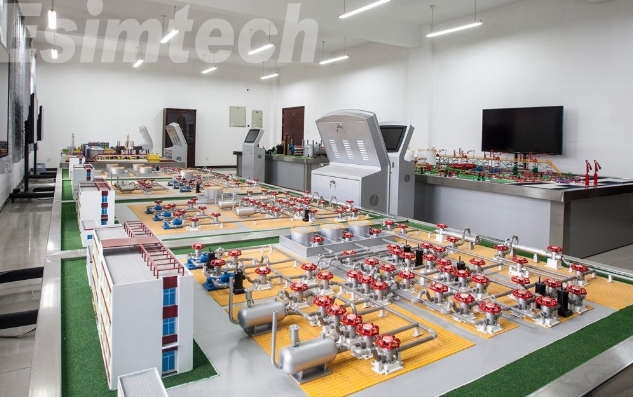
oil and gas simulation

Exploration and Reservoir Modeling – Geoscientists use 3D and 4D reservoir simulations to predict fluid flow, pressure changes, and recovery rates under different production strategies.

Drilling Optimization – Virtual drilling simulations replicate downhole conditions, allowing operators to evaluate bit selection, mud circulation, and well trajectory before starting actual drilling.

Production Forecasting – Oil and gas production simulations help in planning well completions, artificial lift systems, and field development phases.

Pipeline and Transportation Analysis – Flow assurance models simulate temperature, pressure, and multiphase flow behavior to prevent blockages or hydrate formation in pipelines.

Refining and Process Control – Process simulation software models refinery units such as distillation towers or catalytic crackers, optimizing throughput and product yield.

Cyberchair Drilling Simulator

Key Types of Oil and Gas Simulation

Reservoir Simulation – Models rock properties, fluid behavior, and recovery methods for optimal hydrocarbon extraction.

Well Control Simulation – Trains crews to respond to blowouts, kicks, and pressure anomalies using immersive, real-time scenarios.

Flow Assurance Simulation – Predicts issues like wax deposition or hydrate formation in subsea pipelines.

Process Simulation – Optimizes chemical and thermal processes in refineries and gas plants.

Logistics and Supply Chain Simulation – Improves scheduling, inventory management, and vessel routing in oil and gas logistics.

Benefits of Using Simulation in Oil and Gas

Risk Reduction – Identifies hazards and operational inefficiencies before implementation.

Cost Savings – Reduces non-productive time (NPT) and avoids expensive trial-and-error in the field.

Faster Decision-Making – Provides real-time predictive insights for operational adjustments.

Enhanced Training – Offers a safe, repeatable, and controlled environment for workforce skill development.

Sustainability and Compliance – Helps meet environmental regulations by testing eco-friendly operational scenarios virtually.

Digital Technologies Driving Modern Simulation

Advancements in oil and gas simulation are increasingly tied to Industry 4.0 innovations, including:

Artificial Intelligence (AI) and Machine Learning (ML) for predictive modeling.

High-Performance Computing (HPC) for large-scale simulations of complex reservoirs.

Virtual Reality (VR) and Augmented Reality (AR) for immersive training.

Cloud-Based Simulation Platforms for global collaboration and faster scalability.

Real-Time Data Integration from IoT sensors for adaptive simulation updates.

Gas Production Simulation

Final Thoughts

The next generation of oil and gas simulations will be more real-time, data-driven, and predictive. As decarbonization pressures grow, simulation will also focus on optimizing carbon capture, utilization, and storage (CCUS) projects, enhancing renewable integration in oil and gas operations, and minimizing environmental impact while maintaining profitability.

VOGE CU525: A Balance of Style, Comfort, and Usability

In the mid-displacement cruiser segment, competition is heating up—and the VOGE CU525 is making waves with its blend of classic cruiser DNA and modern engineering. Introduced in 2024, this 494cc machine targets riders who want a stylish, comfortable, and capable motorcycle for both relaxed city rides and long-distance cruising. As the premium brand of Loncin, VOGE has infused the CU525 with a level of finish and refinement that challenges established global players.

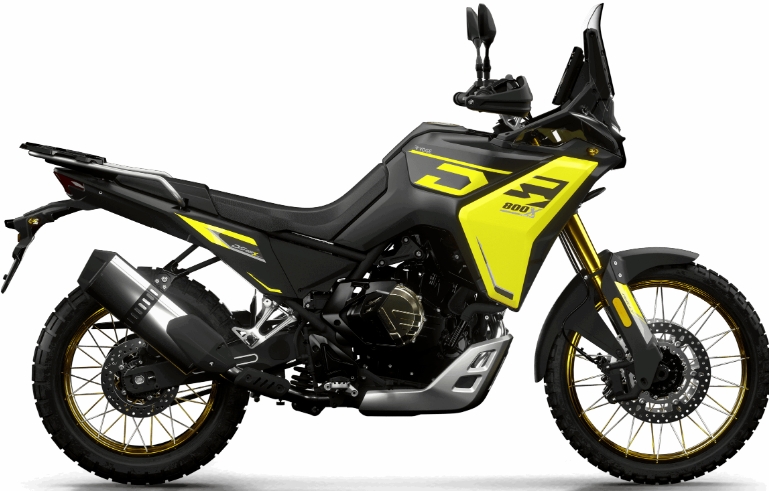
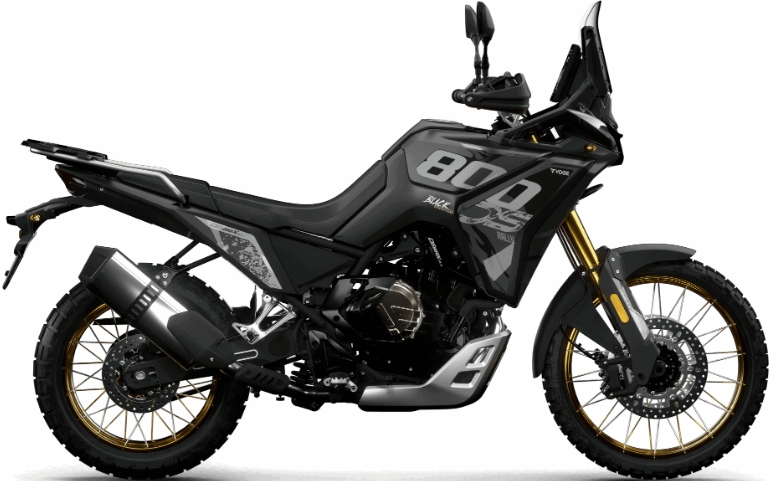
VOGE CU525

Striking Design with Cruiser Essence

The VOGE CU525 immediately stands out with its low-slung stance, elongated wheelbase, and sweeping body lines. Its design takes cues from classic American cruisers, but with a sharper, contemporary twist—featuring a sculpted fuel tank, blacked-out components, and premium paint finishes.

LED lighting front and rear not only adds to its modern look but also ensures excellent visibility. The wide handlebar and forward-set foot controls enhance the laid-back riding posture, making it ideal for those long, unhurried journeys.

Performance-Oriented 494cc Twin

At the heart of the CU525 is a 494cc liquid-cooled, parallel-twin engine, tuned for smooth power delivery and abundant mid-range torque—perfect for urban streets and open highways alike. Producing around 47 horsepower, it offers a balance between spirited acceleration and fuel efficiency.

A six-speed transmission ensures effortless gear changes, while the low-RPM pull gives the CU525 the kind of relaxed cruising experience riders expect from the segment. Its engine characteristics are equally suited to solo weekend getaways and two-up touring.

Comfort and Touring Readiness

The CU525’s ergonomics cater to all-day comfort. The well-padded, low seat height allows riders of varying sizes to plant their feet firmly on the ground, while the suspension setup—telescopic fork in front and twin shock absorbers at the rear—absorbs bumps with composure.

Practical touring touches include:

Generous pillion seat and grab handles

Optional saddlebags for luggage

A fuel tank sized for extended riding ranges

These features make it an inviting option for riders who want both style and long-distance capability.

VOGE CU525 Cruiser Motorcycle

Technology and Safety Features

While the CU525 channels cruiser nostalgia, it doesn’t skimp on modern technology. A full-color TFT display provides essential riding data at a glance, and supports smartphone connectivity for navigation, music, and call management.

Safety comes courtesy of dual-channel ABS, disc brakes on both wheels, and high-grip tires that deliver stability in varied conditions. The combination of a rigid frame and well-calibrated suspension results in predictable handling, whether in city traffic or sweeping rural roads.

Built for Style and Substance

From its blacked-out engine casings to the minimalistic yet premium chrome accents, every detail of the CU525 has been considered. It is as much about turning heads at a café stop as it is about eating up miles on the highway.

VOGE has also ensured that the build quality matches its upscale image, with precise welds, quality finishes, and components that promise durability.

VOGE CU525 Motorcycle

Summary

The VOGE CU525 is more than a mid-displacement cruiser—it’s a statement. It blends retro-cruiser styling with modern reliability, offering a compelling choice for riders who want an accessible yet sophisticated machine. For those seeking a balance of style, comfort, and real-world usability, the CU525 is ready to take the spotlight.

Whether cruising through city streets or chasing sunsets on the open road, the VOGE CU525 invites riders to slow down, enjoy the journey, and ride with confidence.

Challenges in Global Supply Chains for Bamboo Tissue Paper

Bamboo tissue paper has gained popularity worldwide as an eco-friendly alternative to conventional wood pulp tissue. Its fast-growing and renewable nature makes bamboo an attractive raw material for sustainable hygiene products. However, while demand continues to rise, the global supply chain for bamboo tissue paper faces a series of challenges that impact production efficiency, cost stability, and market growth.

Bamboo Toilet Paper Supplier

Raw Material Sourcing and Regional Concentration

Bamboo cultivation is geographically concentrated, with the majority of commercial supply coming from countries such as China, India, and parts of Southeast Asia. This heavy reliance on a few regions creates supply chain vulnerabilities. Weather disruptions, regional policy changes, or local labor shortages can quickly influence availability and pricing of raw bamboo. Additionally, expanding cultivation to new regions faces obstacles such as climate adaptability and land-use competition.

Processing and Manufacturing Constraints

Turning bamboo stalks into soft, high-quality tissue paper involves specialized pulping and processing technologies. Not all tissue paper mills are equipped to handle bamboo fiber, requiring costly upgrades or dedicated facilities. This limits production capacity in many regions and can result in higher production costs. Moreover, the pulping process must be carefully managed to maintain the environmental benefits of bamboo by minimizing chemical use and water consumption.

Logistics and Transportation Bottlenecks

Supply chains of bamboo tissue paper often span long distances between bamboo-growing regions, processing mills, and end markets. Transportation disruptions—whether due to port congestion, global shipping delays, or rising fuel costs—can lead to shortages or inconsistent delivery times. Since bamboo tissue paper is a relatively lightweight but bulky product, shipping costs can significantly impact its competitiveness, especially in distant markets.

Quality Consistency and Standardization

Maintaining consistent quality across batches is essential for consumer acceptance. Differences in bamboo species, harvest timing, and processing methods can result in variations in softness, strength, or color of the tissue paper. Lack of universal industry standards for bamboo tissue products can make it harder for brands to assure customers of uniform quality across markets.

Bamboo Toilet Paper

Market Competition and Price Pressures

Although demand for sustainable tissue products is growing, bamboo tissue competes with recycled paper and sustainably sourced wood pulp tissue, which may have more established supply networks. The higher costs associated with bamboo processing and transport can make it challenging to match the pricing of these alternatives, especially in price-sensitive markets.

Environmental and Certification Challenges

Consumers increasingly expect eco-friendly products to come with credible certifications such as FSC (Forest Stewardship Council) or other sustainability labels. Obtaining and maintaining such certifications requires strict adherence to environmental and labor standards, which can add to operational costs. Additionally, ensuring that every stage of the supply chain—from bamboo harvesting to packaging—is genuinely sustainable can be complex and resource-intensive.

Bamboo Kitchen Paper Towel

Summary

While bamboo tissue paper offers a promising path toward a more sustainable paper industry, its global supply chain must overcome several hurdles to meet growing demand efficiently and affordably. Addressing challenges in raw material sourcing, processing capacity, transportation logistics, quality control, and sustainability verification will be crucial for ensuring the product’s long-term success in international markets. As technology improves and supply chains become more diversified, bamboo tissue paper could move from niche eco-product to a mainstream household staple worldwide.

Key Differences Between Stainless Steel and Plastic Water Distillers

Water distillers are valued for their ability to remove a wide range of contaminants, providing high-purity water for drinking, laboratory use, or specific industrial applications. One of the most important considerations when choosing a water distiller is the construction material—most commonly stainless steel or plastic. While both have their place, understanding their differences in durability, safety, performance, and maintenance can help you make an informed choice.

Water Distiller

Durability and Longevity

Stainless steel water distillers are well-known for their robust construction. Stainless steel is resistant to corrosion, high temperatures, and physical wear, making it ideal for long-term use. A well-maintained stainless steel unit can last for many years, even in high-demand environments such as laboratories or commercial facilities.

Plastic water distillers, on the other hand, often have a shorter lifespan. While high-quality, food-grade plastics can be durable enough for household use, they are generally more prone to cracking, discoloration, and warping when exposed to prolonged heat and UV light. This makes them less suitable for heavy-duty or continuous operation.

Water Purity and Safety

Both stainless steel and plastic distillers are effective water purification systems when designed with proper engineering. However, material choice can influence safety concerns. Stainless steel does not leach chemicals into water, even at high temperatures, ensuring consistent purity.

Plastic distillers require careful selection of materials. Only food-grade, BPA-free plastics should be used to avoid chemical leaching during the distillation process. While high-quality plastics can be safe, prolonged heat exposure may still increase the risk of microplastic release over time.

Heat Resistance and Performance

Distillation involves boiling water and condensing steam—processes that expose the equipment to high temperatures. Stainless steel handles heat without deforming or degrading, ensuring stable operation and efficiency over time. This makes it preferable for continuous distillation cycles.

Tower Electric Heating Stainless Steel Water Distiller

Plastic components are generally more heat-sensitive. While they can be designed to withstand boiling water, repeated heating and cooling cycles can cause gradual weakening, potentially impacting performance and sealing integrity.

Maintenance and Cleaning

Stainless steel surfaces are relatively easy to clean, resist scaling, and can withstand scrubbing or chemical cleaning agents without damage. This makes them a practical choice for users who value low-maintenance operation.

Plastic distillers require gentler cleaning methods to avoid scratching or degrading the material. Harsh abrasives or strong chemicals can damage the surface, leading to bacterial growth or decreased efficiency.

Cost Considerations

Plastic water distillers are generally less expensive upfront, making them attractive for budget-conscious buyers or occasional use. However, their shorter lifespan and potential need for replacement may result in higher costs over time.

Plastic Water Distillers

Stainless steel distillers usually cost more initially, but their durability and long service life often make them more economical in the long run, especially for frequent or high-volume use.

Summary

The choice between stainless steel and plastic water distillers depends largely on your priorities. If you require long-lasting durability, superior heat resistance, and consistent purity, stainless steel is the better investment. For occasional home use where budget is the primary concern, a high-quality food-grade plastic distiller can be a practical option—provided it is maintained properly. Ultimately, understanding your usage needs and weighing cost against longevity will lead to the best decision.

通过 WordPress.com 设计一个这样的站点
从这里开始