As the maritime industry continues to embrace digital transformation, navigation simulators have become essential tools for training, operational planning, and safety improvement. Modern ships operate in increasingly complex environments that require navigators to possess strong technical skills, situational awareness, and sound decision-making abilities. Navigation simulators provide a realistic and controlled environment where maritime professionals can develop these competencies without the risks associated with real-world operations. By recreating vessel behavior, environmental conditions, and bridge equipment, these systems play a vital role in preparing crews for both routine and challenging situations at sea.
Understanding Navigation Simulators
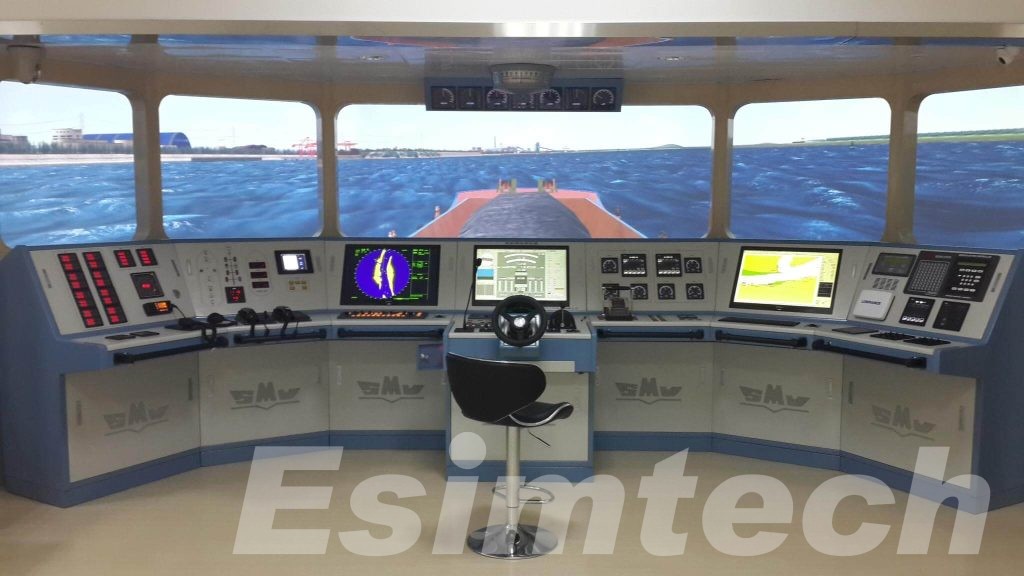
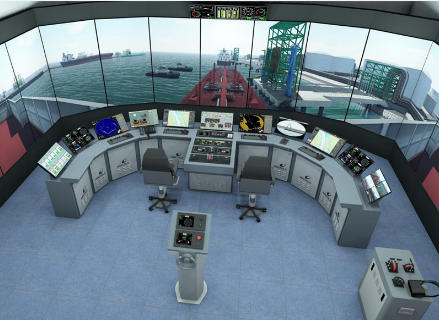
Navigation simulators are advanced computer-based systems designed to replicate the operation of ships and maritime navigation equipment. These simulators reproduce realistic bridge environments, allowing trainees to experience vessel handling, route planning, collision avoidance, and emergency management under a wide range of conditions. Depending on the training objectives, navigation simulators can range from desktop systems used for basic instruction to full-mission bridge simulators that accurately mimic the layout and functionality of an actual vessel’s bridge.
The realism of modern navigation simulators enables users to interact with navigation instruments, monitor vessel performance, and respond to changing environmental factors just as they would during real voyages.
The Importance of Navigation Simulators in Maritime Training
Effective maritime training requires practical experience, but obtaining such experience on operational vessels can be costly, time-consuming, and sometimes risky. Navigation simulators address these challenges by creating safe learning environments where trainees can practice repeatedly and gain confidence before operating real ships.
Through simulation-based training, mariners can encounter a variety of scenarios that may occur infrequently in actual operations, such as severe weather conditions, congested waterways, equipment malfunctions, and emergency situations. This exposure helps develop critical thinking and enhances the ability to make informed decisions under pressure.
In addition, simulators support competency-based education by allowing instructors to evaluate performance objectively and identify areas requiring improvement.
Key Technologies Behind Modern Navigation Simulators
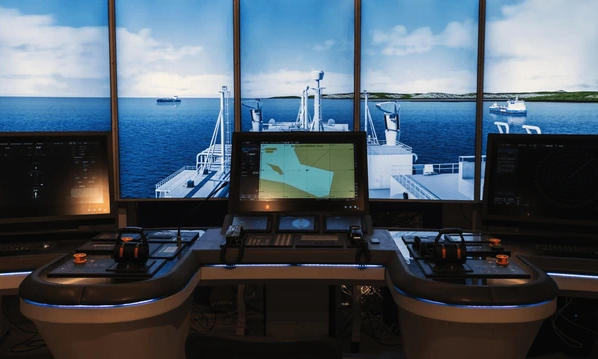
The effectiveness of navigation simulators depends largely on the technologies integrated into their design. Sophisticated vessel dynamics models accurately reproduce ship movements under varying operational and environmental conditions. Advanced graphics engines generate highly realistic visual scenes that include coastlines, ports, vessels, and navigational aids.
Modern systems also simulate the functionality of onboard equipment such as radar, GPS, AIS, and Electronic Chart Display and Information Systems. These integrated technologies allow trainees to develop familiarity with the instruments they will use during actual maritime operations.
Recent developments in computing power have further enhanced simulation realism, enabling more accurate environmental modeling and real-time interaction with complex maritime scenarios.
Applications Beyond Crew Training
While crew training remains the primary use of navigation simulators, their applications extend well beyond maritime education. Port authorities frequently use simulators to evaluate harbor designs, navigational channels, and traffic management systems before implementing infrastructure projects. By simulating vessel movements within proposed layouts, planners can identify potential safety concerns and optimize operational efficiency.
Shipping companies also use navigation simulators for operational planning and risk assessment. Complex maneuvers, such as entering unfamiliar ports or navigating restricted waterways, can be tested and analyzed before actual voyages take place. This capability helps reduce operational risks and improve voyage planning.
Additionally, simulators are increasingly used for research and development, allowing engineers and maritime organizations to evaluate new navigation technologies and vessel designs under realistic operating conditions.
Benefits of Navigation Simulators for Maritime Safety
One of the most significant advantages of navigation simulators is their contribution to maritime safety. Human error remains a major factor in many maritime incidents, and simulation training helps reduce this risk by improving operator competence and confidence.
Because simulators allow trainees to experience hazardous situations without real-world consequences, they provide valuable opportunities to practice emergency procedures and crisis management techniques. Mariners can learn how to respond effectively to equipment failures, adverse weather conditions, collision threats, and other challenging scenarios.
The ability to repeatedly train under controlled conditions ensures that critical skills are reinforced, ultimately leading to safer vessel operations and improved crew performance.
Emerging Trends in Navigation Simulation
The field of navigation simulation continues to evolve rapidly as new technologies become available. Artificial intelligence is being incorporated into simulator platforms to create more dynamic and adaptive training scenarios. These intelligent systems can modify exercises based on trainee performance, providing personalized learning experiences.
Virtual reality and augmented reality technologies are also expanding the possibilities of maritime simulation. These immersive solutions enhance realism and engagement while providing additional training flexibility.
Furthermore, cloud-based simulation systems are enabling remote training and collaborative exercises among participants located in different geographical regions. This development is helping maritime organizations improve training accessibility and reduce operational costs.
As autonomous and remotely operated vessels become more common, navigation simulators are expected to play an increasingly important role in validating technologies and preparing operators for future maritime operations.
Summary
Navigation simulators have transformed the way maritime professionals are trained and how navigational challenges are analyzed. By providing realistic, safe, and cost-effective environments for learning and operational assessment, these systems contribute significantly to improving maritime safety and efficiency. Their applications extend from crew training and certification to port planning, research, and technology development.
As advancements in artificial intelligence, virtual reality, and autonomous shipping continue to shape the maritime industry, navigation simulators will remain at the forefront of innovation, helping prepare the next generation of maritime professionals for increasingly complex operational environments.

