Effective Methods of Tightening Bolts without A Torque Wrench

Properly tightening bolts to their specified torque is crucial for ensuring structural integrity, preventing leaks, and avoiding component damage. While a torque wrench is the gold standard for precision tightening, there are situations where it may not be available. In such cases, alternative methods can be used to achieve a close approximation of the desired torque.

This article outlines effective techniques and best practices for tightening bolts without a torque wrench.

Understanding Bolt Torque Requirements

Before proceeding, it’s important to know the following:

Bolt Size and Material: Bolt torque specifications vary based on bolt dimensions and the material being fastened.

Application and Load: Some applications, like engine assembly or pressure vessel sealing, demand tighter tolerances.

Lubrication Factor: Whether the bolt is dry or lubricated significantly impacts the torque required.

bolt torque wrench

Common Techniques for Approximate Torque Tightening

When a torque wrench is unavailable, the following methods can help achieve near-accurate results:

1. The Hand-Tight Method

Steps:

Tighten the bolt using a standard wrench or socket by hand until snug.

Apply additional force in small increments, using consistent effort.

Factors to Consider:

Use a calibrated sense of “tightness” based on experience.

Avoid overtightening, especially for smaller bolts.

2. Mark-and-Turn Method (Angle Tightening)

Steps:

Hand-tighten the bolt until snug.

Use a protractor or mark the bolt and its mating surface.

Turn the bolt by a specified angle (e.g., 90° or 120°) based on the bolt grade and size.

Applications: Often used in automotive and machinery assembly where torque-angle specifications are provided.

3. Lever-Length Technique

Steps:

Measure the length of your wrench handle.

Apply force to the handle, estimating the pressure needed to achieve the required torque.

Estimation Example:

A 12-inch wrench handle with 20 pounds of force applied at the end generates 20 foot-pounds of torque.

Recommended torque for bolts

Tools to Aid Precision

Several inexpensive tools can improve the accuracy of these methods:

Spring Scales: Attach a spring scale to the wrench handle to measure the force applied.

Torque Sticks: Use these in conjunction with impact drivers for a consistent torque application.

Printed Torque Conversion Charts: Reference charts for specific bolt sizes and materials.

Practical Considerations

Uniform Tightening: When tightening multiple bolts, use a crisscross or star pattern to ensure even pressure distribution.

Avoid Over-Tightening: Excessive force can strip threads or damage components.

Frequent Rechecks: Periodically check bolts after initial tightening, especially in high-vibration environments.

Limitations of Non-Torque Wrench Methods

Accuracy Variance: These methods rely on estimation and may not meet strict torque specifications.

Complex Assemblies: For critical components, such as engine heads or structural bolts, use a torque wrench whenever possible.

Potential for Human Error: Variations in hand strength and perception can lead to inconsistencies.

When to Seek Professional Tools

While these methods can suffice in non-critical applications, certain scenarios demand precision:

High-pressure systems or load-bearing structures.

Aerospace, automotive, or industrial settings with strict compliance requirements.

Projects requiring consistent and repeatable results.

Bolts For Vehicle Assembly

Conclusion

Tightening bolts without a torque wrench is feasible using alternative techniques such as the hand-tight method, angle tightening, or lever-length estimation. While these methods may not match the precision of a torque wrench, they can provide satisfactory results for non-critical applications. Always prioritize safety and consider investing in a torque wrench for accurate and reliable bolt tightening in the long term.

A Comprehensive Guide to Installing Deep-water Marine Anchors

Deep-water marine anchors are critical components for securing vessels, offshore structures, and floating systems in challenging marine environments. Proper installation ensures safety, stability, and operational efficiency. This guide provides an overview of the essential steps, considerations, and technologies involved in installing deep-water marine anchors.

installing deep-water anchor

Types of Deep-Water Anchors

Understanding the types of marine anchors available is crucial for selecting the appropriate one for your project:

Drag Embedment Anchors (DEA): Suitable for soft seabeds and designed to burrow into the seabed under tension.

Vertical Load Anchors (VLA): Ideal for mooring in deep waters with high vertical loading.

Suction Pile Anchors: Used for deep-sea applications, requiring specialized installation equipment.

Dynamic Positioning Anchors: Deployed for temporary anchoring of mobile offshore units.

Pre-Installation Planning

Site Survey: Conduct a comprehensive seabed survey to assess soil conditions, bathymetry, and any potential hazards.

Anchor Design and Load Analysis: Analyze environmental forces such as currents, wind, and wave action to determine the anchor size, type, and placement.

Logistics and Equipment: Ensure that all necessary equipment, including anchor handling vessels (AHVs), remotely operated vehicles (ROVs), and monitoring systems, are available and operational.

Installation Steps

Deployment:

Position the AHV or deployment vessel directly above the target site.

Lower the anchor using a chain or cable, ensuring controlled descent to avoid tangling or misalignment.

Positioning:

Use GPS and acoustic positioning systems to guide the anchor to its precise location.

Deploy ROVs for real-time visual confirmation of placement.

Embedding:

Drag or embed the anchor into the seabed using tension applied through the mooring line.

For suction pile anchors, use a pump system to create negative pressure, securing the anchor into the seabed.

Tensioning: Test the mooring lines by applying tension to ensure the anchor is secure and capable of withstanding design loads.

deep water marine anchor

Post-Installation Verification

Load Testing: Apply a simulated load to verify that the anchor can handle the expected forces.

Monitoring: Install sensors to monitor tension, tilt, and seabed conditions over time.

Documentation: Record installation parameters, including depth, location, and environmental conditions, for future reference.

Challenges and Solutions

Extreme Depths: Use advanced ROVs and acoustic systems for precision in depths exceeding 1,000 meters.

Harsh Environments: Opt for corrosion-resistant materials for marine anchors and specialized coatings to ensure long-term durability.

Dynamic Seabed Conditions: Regularly monitor and maintain anchor systems to adapt to shifting seabeds or sediment accumulation.

Innovations in Anchor Installation

Automated Deployment Systems: Reduce human intervention and increase accuracy using AI-driven deployment tools.

Advanced Seabed Imaging: Leverage 3D sonar mapping for precise site analysis and anchor positioning.

Real-Time Data Integration: Use IoT-enabled devices to monitor environmental changes and anchor performance in real time.

deep water anchoring

Conclusion

Proper installation of deep-water marine anchors is essential for the safety and stability of marine operations. By combining careful planning, modern technology, and regular monitoring, operators can ensure the long-term success of anchoring systems in even the most challenging environments.

A Detailed Exploration of the Key Regulations Governing Marine Lighting

Marine lighting plays a critical role in ensuring the safety of vessels, passengers, and crew, while also maintaining compliance with international and regional maritime laws. Adherence to these regulations is essential for proper navigation, accident prevention, and seamless communication between vessels. Below is an exploration of the key regulations governing marine lighting.

CXH-21P Single-deck Navigation Signal Light Supplier

International Regulations for Preventing Collisions at Sea (COLREGs)

The International Maritime Organization (IMO) established the COLREGs to provide universal standards for navigation lights and signals. Key aspects include:

Navigation Lights: Vessels must display specific marine navigation lights based on their size, type, and operational status (e.g., anchored, underway, or towing).

Light Characteristics: These include visibility ranges, color (e.g., white, red, green), and positioning to ensure proper identification by other vessels.

Specific Scenarios: Special lighting requirements exist for fishing vessels, sailing ships, and restricted maneuverability scenarios.

International Electrotechnical Commission (IEC) Standards

IEC sets technical standards for marine lighting equipment to ensure reliability and durability in harsh maritime environments.

Ingress Protection (IP) Ratings: Defines the water and dust resistance of lighting fixtures.

Performance Standards: Includes guidelines for luminous intensity, power consumption, and thermal resistance.

Classification Society Requirements

Leading classification societies such as ABS, DNV, and Lloyd’s Register establish additional lighting standards to ensure the operational safety of vessels.

Certification: Lighting fixtures must often undergo testing and certification by these organizations.

Installation Guidelines: Proper installation, including cabling and electrical safety, is mandatory.

4. SOLAS (Safety of Life at Sea) Requirements

The SOLAS Convention includes regulations specific to emergency lighting, particularly on passenger ships.

Emergency Escape Lighting: Ensures that escape routes are illuminated during emergencies.

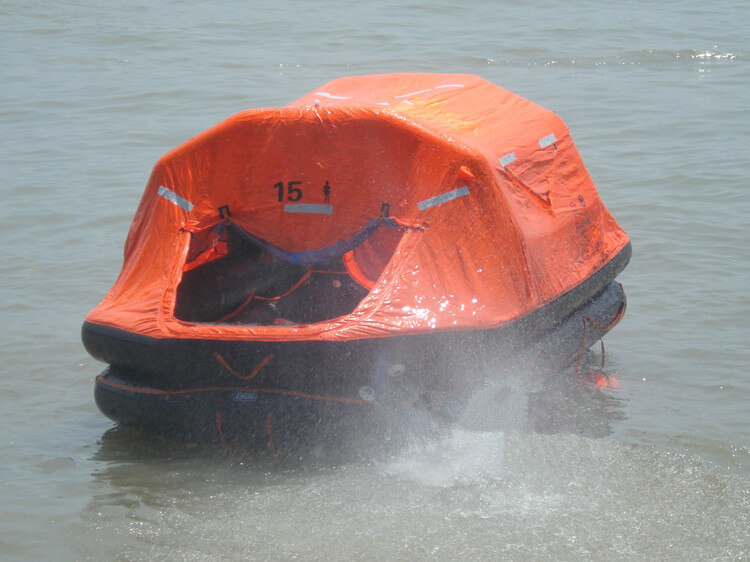
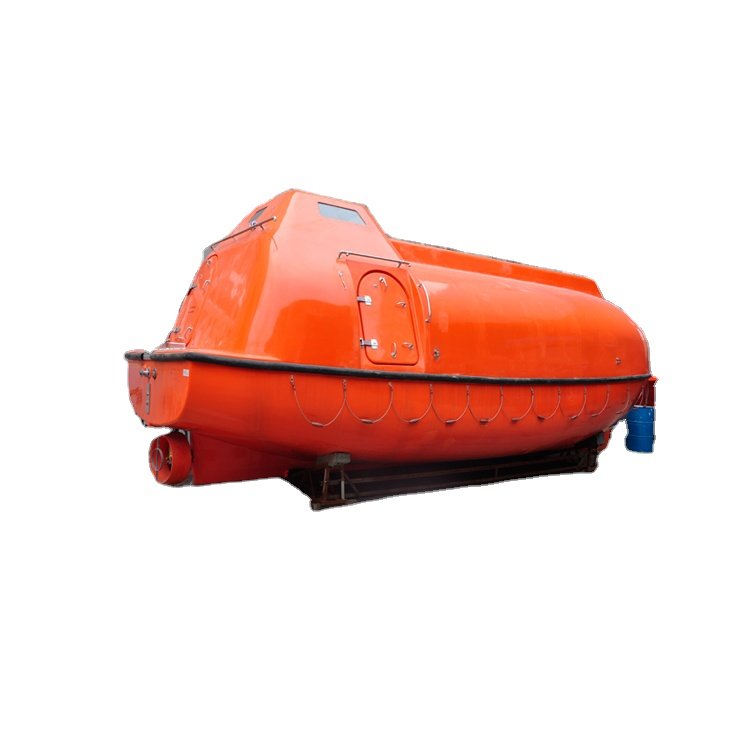
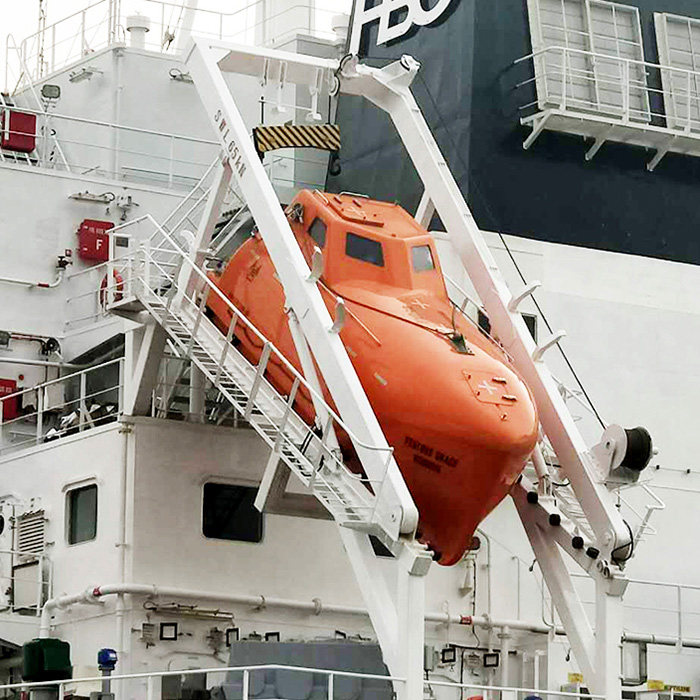
Lifeboat Lighting: Lifeboats and other survival craft must be equipped with operational lighting for nighttime visibility.

TG28-A Marine Automatic Searchlight

5. Regional and National Regulations

Individual countries and regions often have additional requirements. For instance:

USCG (United States Coast Guard) Regulations: Mandates lighting compliance for vessels operating in U.S. waters.

European Directives: Includes requirements for inland waterways and specific environmental standards.

Environmental Considerations

With increasing emphasis on sustainability, modern marine lighting regulations also address environmental impacts:

Energy Efficiency: Transitioning to LED lighting to reduce power consumption.

Light Pollution: Measures to minimize glare and light spill into marine ecosystems.

Marine Flashing Signal Lights

Maintenance and Inspection

Compliance doesn’t stop at installation. Regular inspections are required to ensure functionality and adherence to standards. This includes:

Replacing faulty bulbs.

Cleaning lenses to maintain light intensity.

Checking power supplies and wiring.

Conclusion

Compliance with marine lighting regulations is a multifaceted responsibility that involves adhering to international standards, classification society requirements, and national laws. By ensuring proper installation, maintenance, and environmental stewardship, vessel operators can enhance safety, meet legal obligations, and contribute to sustainable maritime operations.

Which Instruments Can and Can’t be Placed into an Autoclave

Autoclaves are essential tools in laboratories, healthcare facilities, and various industries for sterilizing equipment and materials. These devices use high-pressure saturated steam to eliminate microorganisms and spores. However, not all instruments are suitable for autoclaving. Understanding which instruments can and cannot be placed in an autoclave is critical to ensure sterilization effectiveness and avoid damaging the equipment.

vertical autoclaves

Instruments That Can Go Into an Autoclave

Stainless Steel Instruments

Stainless steel is highly durable and resistant to heat and corrosion, making it an ideal material for autoclaving. Common examples include surgical tools, forceps, and dental instruments.

Glassware

Borosilicate glassware, such as beakers, flasks, and petri dishes, can typically withstand autoclaving. Ensure the glassware is heat-resistant and free from cracks or chips to prevent breakage under high pressure.

Certain Plastics

Autoclavable plastics, such as polypropylene (PP) and polycarbonate (PC), can endure high temperatures without deforming. These are commonly used in lab containers, pipette tips, and syringes. Always check the manufacturer’s specifications for autoclaving compatibility.

Rubber and Silicone Items

Heat-resistant rubber and silicone materials, like certain gaskets and tubing, can be safely autoclaved. They must be explicitly labeled as autoclavable to ensure they do not degrade under high heat.

Fabric Materials

Medical-grade fabrics, such as sterilization wraps and surgical drapes, are designed for autoclaving. These materials are commonly used to wrap instruments for sterile storage.

Autoclavable Media and Solutions

Some laboratory media and solutions are formulated for sterilization in an autoclave. Ensure containers have loose-fitting lids to allow steam penetration and prevent explosions due to pressure build-up.

Instruments That Can’t Go Into an Autoclave

Non-Autoclavable Plastics

Plastics like polyethylene (PE), polystyrene (PS), and polyvinyl chloride (PVC) are not heat-resistant and will deform or melt in an autoclave. These materials are better suited for single-use applications.

Electrical Devices

Electronic components, such as microscopes, circuit boards, or sensors, cannot withstand the high heat and moisture of an autoclave. These items require alternative sterilization methods, like chemical disinfection or ultraviolet (UV) exposure.

Corrosive Metals

Instruments made from carbon steel, aluminum, or other non-stainless metals are prone to corrosion and damage in an autoclave. These metals are unsuitable for high-pressure steam environments.

Delicate Optical Equipment

Instruments with optical components, such as cameras or lenses, cannot be autoclaved. The heat and moisture can cause fogging, delamination, or permanent damage to the optics.

Items Containing Adhesives

Items with glued parts may degrade or separate under autoclave conditions. The high heat and steam can weaken adhesives, compromising the integrity of the instrument.

Volatile or Flammable Materials

Liquids containing alcohol or other volatile chemicals should not be autoclaved, as they may evaporate or ignite under high heat and pressure.

DW-280A High Pressure Portable Autoclave

Tips for Successful Autoclaving

Follow Manufacturer Guidelines

Always refer to the instructions of autoclave manufacturer to determine whether an instrument is autoclavable.

Inspect Items Before Autoclaving

Check for cracks, chips, or other signs of damage that might lead to failure under pressure.

Proper Loading

Arrange items to allow steam to circulate freely. Avoid overcrowding the autoclave chamber, as this can reduce sterilization effectiveness.

Use Indicators

Utilize autoclave tape or chemical indicators to confirm that sterilization parameters have been met.

Alternative Methods

For non-autoclavable items, consider other sterilization techniques, such as ethylene oxide gas, hydrogen peroxide plasma, or chemical disinfectants.

Conclusion

Understanding which instruments can and cannot be autoclaved is essential for maintaining the longevity of equipment and ensuring effective sterilization. By carefully selecting materials and adhering to best practices, you can optimize autoclave performance and safeguard the integrity of your tools and materials.

The Vital Role of Web Guiding Calibration for Multi-Layered Materials

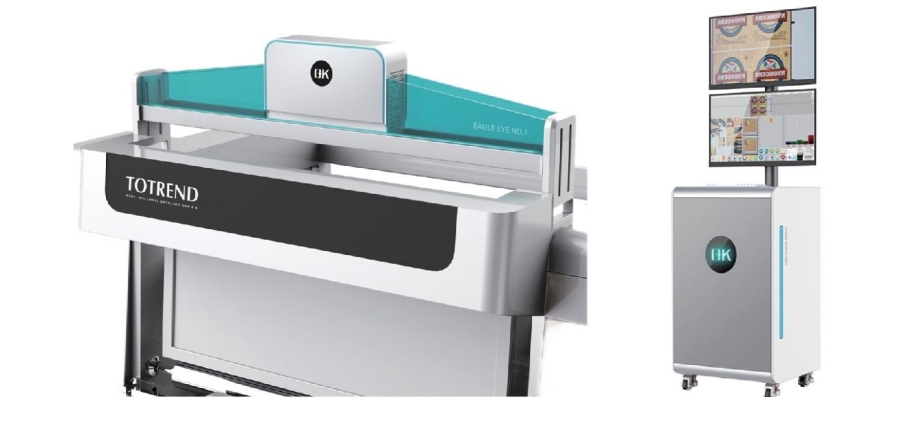
The manufacturing industry increasingly relies on multi-layered materials for applications ranging from flexible packaging to composite materials in aerospace. Ensuring precise alignment of these layers during production is critical to achieving high-quality end products. Web guiding calibration, a vital component of web handling systems, plays a central role in maintaining layer integrity and alignment throughout the manufacturing process.

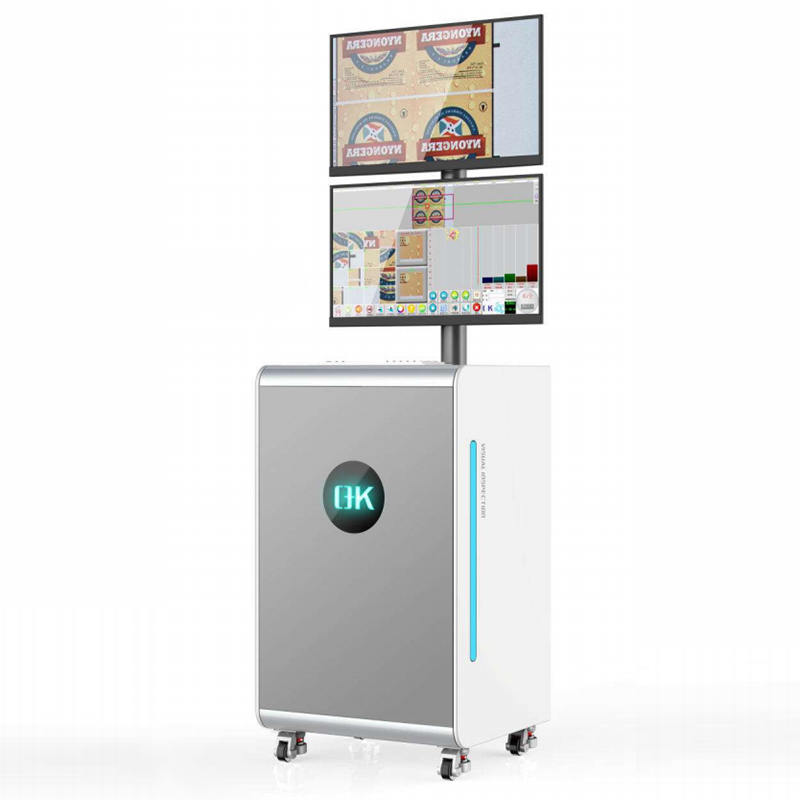
web guide machine for printing industry

The Importance of Web Guiding for Multi-Layered Materials

Multi-layered materials consist of distinct layers with different physical and mechanical properties. Misalignment during production can lead to issues such as wrinkles, uneven adhesion, or compromised structural integrity. Proper web guiding calibration ensures:

Consistent Alignment: Precise tracking of each layer minimizes overlap errors and maintains the intended material structure.

Improved Product Quality: Accurate alignment reduces defects, ensuring compliance with industry standards.

Reduced Waste: Minimizing misalignment decreases material waste, lowering production costs.

Enhanced Process Efficiency: Automated calibration systems streamline production, reducing downtime caused by manual adjustments.

Challenges in Calibrating Multi-Layered Materials

The calibration of web guiding control systems for multi-layered materials is inherently more complex than for single-layer webs. Key challenges include:

Layer Interactions: Variations in material properties such as thickness, elasticity, and surface texture can lead to inconsistent behavior during movement.

Dynamic Tension: Maintaining uniform tension across all layers is critical to prevent slippage, stretching, or distortion.

High-Speed Operations: Faster production lines demand precise, real-time adjustments to avoid misalignment at high speeds.

Environmental Factors: Temperature, humidity, and static electricity can affect material behavior and complicate calibration efforts.

Calibration Techniques for Web Guiding Systems

To overcome these challenges, advanced web guide systems employ several key techniques:

Edge Detection Sensors: Optical, ultrasonic, or infrared sensors are used to monitor the edges of each layer, enabling accurate alignment adjustments.

Multi-Layer Tracking: Systems designed specifically for multi-layered materials track multiple layers simultaneously, ensuring synchronized alignment.

Dynamic Feedback Loops: Real-time data from sensors is processed to continuously adjust roller positions, maintaining alignment even under changing conditions.

Tension Control Integration: Coupling web guiding systems with tension control devices ensures uniform tension across all layers, preventing misalignment caused by material stress.

Components of Web Guide System

Innovations in Web Guiding Calibration

Modern web guiding systems incorporate innovative features to enhance performance:

AI-Driven Adjustments: Machine learning algorithms analyze patterns in misalignment and optimize calibration settings for improved precision.

Advanced Actuators: High-speed actuators respond rapidly to alignment changes, minimizing deviations during production.

Digital Twin Technology: Virtual models simulate material behavior, enabling proactive calibration and reducing setup time.

Benefits of Effective Web Guiding Calibration

Implementing precise web guiding calibration systems for multi-layered materials offers numerous advantages:

Higher Productivity: Automation reduces manual intervention, allowing faster production cycles.

Lower Operational Costs: Accurate alignment minimizes material waste and downtime, reducing overall costs.

Improved Sustainability: Reduced waste and efficient resource utilization align with sustainability goals.

Competitive Edge: Consistently high-quality products enhance customer satisfaction and market position.

W500 web guide system

Conclusion

Web guiding calibration for multi-layered materials is essential for modern manufacturing processes, particularly as industries demand greater precision and efficiency. By leveraging advanced calibration systems and innovative technologies, manufacturers can ensure flawless layer alignment, optimize production, and deliver superior-quality products. As the complexity of materials and production systems grows, investing in robust web guiding solutions will remain a cornerstone of manufacturing success.

The Critical Role of Enhanced Oil Recovery in Maximizing Petroleum Extraction

Enhanced Oil Recovery (EOR) is a suite of advanced techniques designed to extract more oil from reservoirs than conventional methods can achieve. With global energy demands increasing, EOR has become a vital technology to maximize the utility of existing oil fields, reduce exploration costs, and extend the productive life of reservoirs.

enhanced oil recovery

This article explores the principles, methods, and benefits of EOR, shedding light on its importance in modern energy production.

What is Enhanced Oil Recovery?

Enhanced Oil Recovery refers to processes employed to extract additional oil after primary and secondary recovery methods have been exhausted. Typically, primary recovery retrieves about 10–20% of the reservoir’s oil, and secondary methods, such as water flooding, add another 20–40%. EOR aims to access the remaining 40–70% of the oil that would otherwise remain trapped in the reservoir.

EOR techniques improve the mobility of oil and alter the reservoir’s characteristics, enabling better extraction.

Types of Enhanced Oil Recovery Methods

1. Thermal Recovery

Thermal methods use heat to reduce the viscosity of heavy oil, allowing it to flow more freely. Common thermal techniques include:

Steam Injection: Steam is injected into the reservoir to heat the oil and increase pressure, pushing it toward production wells.

In-Situ Combustion: A portion of the oil is ignited within the reservoir, generating heat to lower viscosity and increase mobility.

2. Gas Injection

Gas injection involves injecting gases like carbon dioxide (CO₂), nitrogen, or natural gas into the reservoir. The gases either mix with the oil to reduce its viscosity or create pressure to drive the oil to production wells.

CO₂ Injection: Particularly effective in light oil reservoirs, CO₂ dissolves in the oil, reducing its viscosity and swelling its volume.

gas injection enhanced oil recovery

3. Chemical Injection

Chemical EOR methods involve injecting specialized substances to enhance oil recovery.

Surfactants: Reduce the surface tension between oil and water, making it easier for oil to flow.

Polymers: Increase the viscosity of water injected during secondary recovery to improve its sweeping efficiency.

Alkaline Chemicals: React with acids in the reservoir to form surfactants that help displace oil.

4. Microbial EOR (MEOR)

MEOR uses microorganisms to improve oil recovery. These microbes produce gases, acids, or biosurfactants that enhance the displacement of oil from the reservoir.

Benefits of Enhanced Oil Recovery

Increased Production: EOR can significantly boost oil extraction rates, making existing reservoirs more productive.

Economic Viability: Prolongs the life of mature fields, delaying the need for expensive exploration and development of new fields.

Environmental Benefits: Reduces the need for new drilling and minimizes surface disturbance. Additionally, CO₂ injection can act as a form of carbon sequestration, mitigating greenhouse gas emissions.

Energy Security: Enhances domestic oil production, reducing reliance on imports and stabilizing energy supplies.

Challenges in EOR Implementation

High Costs: EOR projects require substantial investment in technology, equipment, and operations.

Complexity: Each reservoir has unique characteristics, necessitating customized solutions and extensive planning.

Environmental Concerns: Improper handling of injected substances (e.g., CO₂ or chemicals) can pose risks to the environment.

Technological Limitations: Continuous innovation is needed to improve efficiency and reduce costs.

Applications of EOR

Enhanced Oil Recovery is widely used in mature fields worldwide. Countries like the United States, Canada, and Oman are leaders in EOR technology, employing thermal, gas, and chemical methods to optimize production from challenging reservoirs.

Simulations Used for Enhanced Oil Recovery

Enhanced Oil Recovery relies on advanced oil and gas simulation technologies to design, implement, and optimize extraction processes. Simulations play a critical role in predicting reservoir behavior, evaluating the effectiveness of different EOR methods, and minimizing operational risks.

Types of Simulations Used in EOR

1. Reservoir Simulation

Reservoir simulation is the backbone of EOR modeling. These simulations analyze fluid flow, pressure changes, and recovery processes within the reservoir.

reservoir simulation

Thermal Simulations: Evaluate the impact of heat on viscosity and oil mobility in methods like steam injection or in-situ combustion.

Chemical Simulations: Model the behavior of surfactants, polymers, or alkaline chemicals in enhancing oil displacement.

Gas Injection Simulations: Analyze the mixing and swelling effects of gases like CO₂ or natural gas in light oil reservoirs.

Reservoir simulators such as Eclipse, CMG (Computer Modelling Group), and Schlumberger’s INTERSECT are widely used for these applications.

2. Geomechanical Simulation

Geomechanical models simulate the mechanical behavior of the reservoir rock and surrounding formations. These simulations are vital in EOR methods like thermal recovery, where heat can cause rock expansion, fracturing, or subsidence.

Stress Analysis: Evaluate how injection or extraction alters stress distribution in the reservoir.

Fracture Propagation Modeling: Simulate the growth of fractures to ensure controlled and efficient oil recovery.

3. Fluid Flow Simulation

Fluid flow simulations focus on the movement of oil, gas, and injected fluids within the reservoir.

Single-Phase and Multiphase Flow Models: Analyze how different fluids interact and move through porous media.

Enhanced Sweep Efficiency: Optimize fluid injection patterns to maximize oil displacement and minimize bypassed zones.

4. Reactive Transport Simulation

Reactive transport simulations are crucial for chemical EOR methods. They model the interactions between injected chemicals and reservoir fluids or rocks.

Chemical Reactions: Simulate how surfactants, polymers, or CO₂ react with reservoir fluids.

Scale and Precipitation Risks: Identify and mitigate the formation of unwanted byproducts.

5. Machine Learning and AI-Based Simulations

Emerging AI-driven simulations use historical data and machine learning algorithms to predict EOR outcomes. These technologies enhance:

Data Integration: Combine geological, production, and operational data for comprehensive analysis.

Real-Time Monitoring: Adapt simulations dynamically based on real-time reservoir performance data.

Scenario Testing: Rapidly evaluate multiple EOR strategies to determine the most effective approach.

6. Environmental Impact Simulations

Simulations are also used to assess and mitigate the environmental impact of EOR processes.

CO₂ Sequestration Models: Evaluate the long-term storage and migration of injected CO₂.

Leakage Risk Assessment: Predict and prevent potential environmental hazards.

Conclusion

Enhanced Oil Recovery plays a crucial role in meeting the world’s energy demands by maximizing the potential of existing reservoirs. Simulations are indispensable tools for Enhanced Oil Recovery, enabling operators to understand complex reservoir behaviors, evaluate EOR techniques, and optimize recovery processes.

A Step-by-step Guide to Installing Carriage Bolts

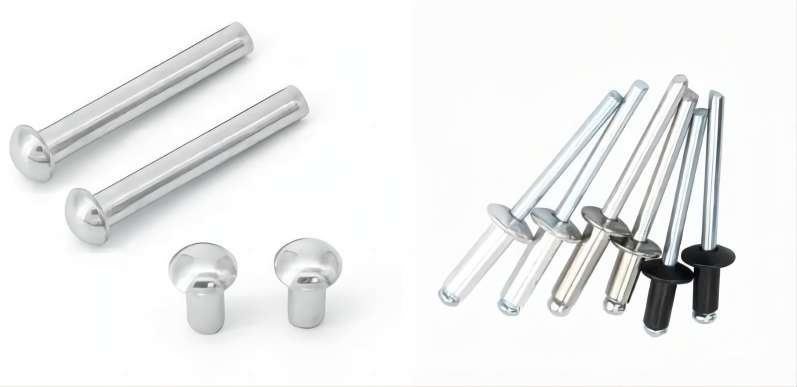
Carriage bolts are versatile fasteners commonly used in woodworking, construction, and various DIY projects. Their unique design, featuring a rounded head and a square shoulder under the head, makes them ideal for secure and durable connections. This article provides a step-by-step guide on installing carriage bolts to ensure a strong and lasting hold.

anti loosening double washer for carriage bolts

Understanding Carriage Bolts

Carriage bolts are designed to prevent rotation during installation, thanks to the square shoulder that locks into the material being fastened. They are typically used with wood, metal, or a combination of materials and are often employed in applications requiring a smooth, finished appearance on one side.

Tools and Materials Needed

Carriage bolts (appropriate size and length for your project).

Flat washers and nuts (to secure the bolt).

Drill with bits (size matching the bolt diameter).

Wrench or socket set.

Measuring tape.

Hammer or mallet (optional, for snug fittings).

Step-by-Step Installation Guide

Step 1: Prepare the Materials

Measure and mark the locations where the bolts will be installed.

Ensure the materials to be joined are properly aligned and clamped together to prevent movement during drilling.

Step 2: Drill the Holes

Use a drill bit that matches the diameter of the carriage bolt shaft.

Drill straight through the materials at the marked points, ensuring the holes are clean and free from debris.

If necessary, countersink the hole slightly to allow the bolt’s head to sit flush with the surface.

Step 3: Insert the Bolt

Push the carriage bolt through the hole, starting from the side where the head will be visible.

The square shoulder under the bolt head should fit snugly into the drilled hole to prevent rotation during tightening.

If the bolt is tight, gently tap it into place with a hammer or mallet until the square shoulder is fully seated.

Step 4: Secure the Bolt

On the opposite side, slide a flat washer onto the bolt’s threaded end.

Thread the nut onto the bolt and hand-tighten it.

Use a wrench or socket set to fully tighten the nut while holding the bolt head in place if necessary.

Step 5: Check the Connection

Verify that the materials are securely joined and the bolt is tight.

Ensure the bolt head is flush with the surface for a neat finish.

custom carriage bolts

Tips for a Successful Installation

Choose the Right Bolt Length: Ensure the bolt is long enough to pass through the materials and leave enough thread for the washer and nut.

Avoid Over-Tightening: Excessive force can damage the materials or strip the threads. Tighten just enough to secure the connection.

Prevent Corrosion: Use galvanized or stainless steel carriage bolts for outdoor applications to resist rust and weathering.

Use Lubricants: Applying a small amount of lubricant to the threads can make tightening easier and reduce wear.

Common Applications of Carriage Bolts

Securing wooden beams and posts in construction.

Fastening components in furniture assembly.

Joining metal brackets in machinery.

Attaching deck planks and railings.

galvanized carriage bolt and nut

Conclusion

Installing carriage bolts is a straightforward process that ensures strong and reliable connections. By following the steps outlined above and using the right tools and techniques, you can achieve professional results in any project involving these versatile fasteners. Whether working on a DIY project or a large-scale construction, carriage bolts provide a durable and aesthetically pleasing solution.

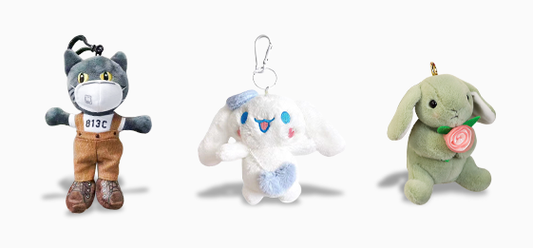
What are Key Factors in Conducting a Cost vs. Quality Analysis for Custom Plush Toys

Custom plush toys have become a popular choice for businesses, brands, and individuals looking to create unique, personalized products. Whether for promotional campaigns, retail, or special events, the decision to balance cost and quality is crucial. While cost often dictates initial purchasing decisions, quality significantly impacts customer satisfaction, durability, and brand reputation. This article explores the key factors in conducting a cost vs. quality analysis for custom plush toys.

custom plush toy supplier

1. Understanding Cost Factors

The cost of custom plush toys is influenced by several factors, including:

Material Selection: High-quality materials like ultra-soft fabrics, hypoallergenic stuffing, and durable stitching increase costs but ensure longevity and comfort.

Design Complexity: Intricate designs with detailed embroidery, custom patterns, and unique shapes require more labor and advanced machinery, raising production costs.

Production Volume: Larger order quantities often benefit from economies of scale, reducing the cost per unit. However, smaller batches may incur higher costs due to setup and manufacturing inefficiencies.

Custom Features: Add-ons like sound modules, LED lights, or accessories such as clothing or props add to production costs.

Shipping and Packaging: Custom packaging or expedited shipping increases overall expenses, especially for international orders.

2. Quality Considerations

Quality determines the perception and usability of custom plush toys. Key quality factors include:

Material Durability: High-quality fabrics and threads ensure the toy can withstand frequent use without wear or tearing.

Craftsmanship: Precise stitching, well-proportioned designs, and attention to detail enhance the aesthetic and structural integrity of the toy.

Safety Standards: Plush toys, especially those for children, must comply with safety regulations (e.g., ASTM F963 or EN71). High-quality toys are less likely to pose choking hazards or contain harmful substances.

Softness and Comfort: Plush toys designed for comfort, such as those used as pillows or companions, require premium stuffing and fabrics for a luxurious feel.

3. Cost vs. Quality: The Trade-off

Achieving a balance between cost and quality is essential. Here are some scenarios to consider:

Low-Cost Options: Suitable for short-term uses, such as event giveaways or promotions. However, lower-quality toys may wear out quickly, reflecting poorly on a brand.

High-Quality Toys: Ideal for retail or collector’s items, as they justify a higher price point and enhance customer loyalty. Premium quality ensures durability, aesthetic appeal, and compliance with safety standards.

Mid-Tier Choices: A balance of cost and quality, mid-tier options are often suitable for small businesses or campaigns aiming to deliver value without overspending.

4. Long-Term Impact of Quality

Choosing quality over cost can provide long-term benefits:

Brand Reputation: High-quality plush toys create a positive impression, leading to repeat business and stronger brand associations.

Customer Satisfaction: Well-crafted toys meet or exceed expectations, reducing returns and complaints.

Longevity: Durable toys ensure lasting value, encouraging customers to recommend the product to others.

custom plush supplier

5. Strategies for Cost-Effective Quality

Balancing cost and quality doesn’t have to be an all-or-nothing decision. Here are strategies to optimize both:

Choose Reliable Manufacturers: Work with manufacturers experienced in custom plush toy production to ensure quality at competitive rates.

Simplify Designs: Reduce complexity in designs to save on production costs while maintaining visual appeal.

Order in Bulk: Take advantage of volume discounts to reduce the cost per unit.

Source Locally: Partnering with local manufacturers can reduce shipping costs and turnaround times.

Invest in Prototypes: Ordering samples before mass production helps identify potential issues and ensures the desired quality.

custom plush toys

In conclusion, the choice between cost and quality for custom plush toys depends on the intended use, target audience, and budget. While cost savings might be tempting, investing in higher-quality toys often yields better long-term results, enhancing customer satisfaction and brand reputation. By carefully assessing production costs and prioritizing key quality features, businesses can create plush toys that strike the perfect balance between affordability and excellence.

What are the Key Design Considerations for Marine Wall Lights

Marine wall lights play a crucial role in ensuring safety, functionality, and aesthetic appeal aboard ships and coastal structures. Designed to withstand harsh maritime conditions, these lights must meet stringent requirements to ensure long-term performance. Below are the key design considerations that manufacturers and users should evaluate when selecting or designing marine wall lights.

cbd2 n led marine wall light

1. Corrosion Resistance

Marine environments are characterized by high humidity and exposure to saltwater, which accelerates corrosion. Marine wall lights should be constructed from corrosion-resistant materials such as:

Marine-grade stainless steel

Brass or bronze

Aluminum with anti-corrosion coatings

These materials ensure durability and reduce the frequency of replacements, thereby lowering maintenance costs.

2. Ingress Protection (IP) Rating

A high IP rating is essential to protect the light fixture from water and dust. For marine applications, an IP rating of at least IP65 or higher is recommended. This ensures protection against strong water jets and environmental debris.

3. UV Resistance

Marine wall lights are often exposed to direct sunlight for extended periods. The housing and lens materials should be UV-stabilized to prevent discoloration, cracking, or brittleness over time. Polycarbonate or tempered glass with UV coatings are commonly used for this purpose.

4. Shock and Vibration Resistance

Marine vessels experience constant motion, vibrations, and impacts due to waves and engine operations. Lights should be designed with shock-absorbing materials and vibration-resistant mounting to maintain structural integrity and performance.

5. Energy Efficiency

With a growing focus on sustainability, LED Marine Wall Light has become the standard. LEDs offer:

Low power consumption

High brightness

Longevity (up to 50,000 hours)

Additionally, integrating dimming features or smart lighting controls can enhance energy efficiency.

6. Lighting Performance

The type and intensity of light should align with the purpose of the fixture. For example:

Warm white light (2700K-3000K) is suitable for indoor spaces, creating a cozy atmosphere.

Cool white light (4000K-5000K) is ideal for workspaces requiring enhanced visibility.

Uniform light distribution and minimized glare are critical for safety and comfort.

hwl02 led marine wall light

7. Compliance with Maritime Standards

Marine wall lights must comply with international maritime standards, such as:

IEC 60598: For general lighting equipment.

SOLAS (Safety of Life at Sea): For safety requirements aboard ships.

ABS or DNV-GL certifications: Indicating compliance with marine-specific testing standards.

8. Ease of Installation and Maintenance

Efficient installation and maintenance are crucial in maritime applications to minimize downtime. Features like modular designs, easy-access housings, and standardized mounting systems can simplify these processes.

9. Aesthetic Integration

In addition to functionality, marine wall lights contribute to the overall aesthetics of a vessel or structure. The design should complement the interior or exterior decor while maintaining a rugged, industrial appearance.

10. Environmental Considerations

Sustainable manufacturing practices, recyclable materials, and eco-friendly coatings should be prioritized to minimize the environmental impact of marine lighting systems.

cbd3 l led wall light

Conclusion

Designing or selecting marine wall lights requires a balanced approach to functionality, durability, and aesthetics. By focusing on corrosion resistance, ingress protection, energy efficiency, and compliance with standards, manufacturers and users can ensure reliable performance in demanding marine environments. Whether used on ships or coastal structures, well-designed marine wall lights enhance safety and contribute to a vessel’s overall operational efficiency.

What are the Different Types of Digital Rotational Viscometers

Viscosity measurement is a critical parameter in industries ranging from food and beverages to pharmaceuticals and paints. Digital rotational viscometers have become a popular choice for accurate and reliable viscosity measurements due to their advanced features and ease of use. In this article, we will explore the different types of digital rotational viscometers, their functionalities, and their ideal applications.

digital viscometer

1. Basic Digital Rotational Viscometers

These are the simplest and most user-friendly models of digital rotational viscometers. They are designed for straightforward viscosity measurements and are suitable for routine laboratory testing.

Key Features:

Digital display for direct viscosity readings.

Single-speed or limited-speed options.

Easy calibration and operation.

Applications:

Ideal for quality control in industries like food production and cosmetics.

Suitable for testing low-to-medium viscosity fluids.

2. Advanced Digital Rotational Viscometers

Advanced models come with enhanced features for precise measurements and a broader application range. They allow for more flexibility in viscosity testing.

Key Features:

Variable speed control for detailed viscosity profiling.

Multiple spindles for handling a variety of fluid types.

Real-time data recording and analysis.

Applications:

Research and development in chemical and pharmaceutical industries.

Testing fluids with varying viscosities, such as oils, paints, and adhesives.

low viscosity viscometer

3. High-Temperature Digital Rotational Viscometers

The high-temperature digital rotational viscometers are equipped to measure viscosity at elevated temperatures, essential for certain industrial applications.

Key Features:

Integrated or external temperature control systems.

Heat-resistant spindles and chambers.

Accurate viscosity measurements under high-temperature conditions.

Applications:

Petrochemical industry for testing lubricants and fuel oils.

Food industry for products like molten chocolate or syrups.

4. Small-Sample Digital Rotational Viscometers

Small-sample viscometers are designed for applications where only a minimal sample volume is available or required.

Key Features:

Requires as little as 1-2 mL of sample.

Precision spindles designed for small volumes.

Compact design for efficient use in laboratories with limited space.

Applications:

Biotechnology and pharmaceutical industries for testing expensive or limited-quantity materials.

Applications in academic research.

5. Portable Digital Rotational Viscometers

Portable models are lightweight and battery-operated, making them ideal for field use or applications requiring mobility.

Key Features:

Handheld design with a digital display.

Simple operation and easy transport.

Durable construction for use in challenging environments.

Applications:

Field testing in oil and gas exploration.

On-site viscosity testing in the construction and paint industries.

6. High-Shear Digital Rotational Viscometers

These viscometers are tailored for high-shear rate testing, which is critical in industries where fluids undergo rapid movement or deformation.

Key Features:

High-speed capabilities for shear-dependent viscosity testing.

Robust construction to withstand extreme shear conditions.

Real-time shear rate and stress measurements.

Applications:

Automotive industry for lubricants and fuel additives.

Paint and coating industry to ensure stability and performance.

7. Cone-and-Plate Digital Rotational Viscometers

This specialized type of viscometer uses a cone and plate configuration to measure viscosity, especially at low shear rates.

Key Features:

Consistent shear rate for accurate viscosity measurements.

Suitable for small sample volumes.

Precise control over temperature and shear conditions.

Applications:

Testing non-Newtonian fluids such as creams and gels.

Research applications in rheology and material science.

Conclusion

Digital rotational viscometers offer diverse capabilities tailored to specific industrial and laboratory needs. Choosing the right type of viscometer depends on the application, the nature of the fluid, and the required measurement precision. With advancements in digital technology, these instruments continue to evolve, providing unparalleled accuracy and convenience for viscosity measurements.

通过 WordPress.com 设计一个这样的站点
从这里开始