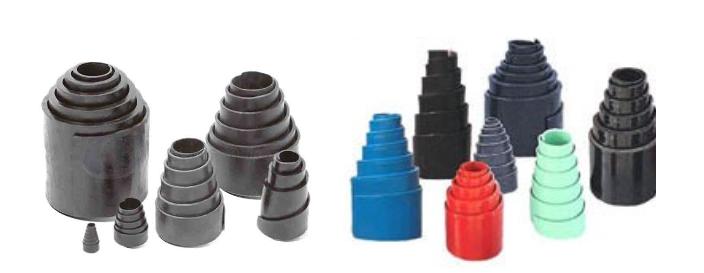
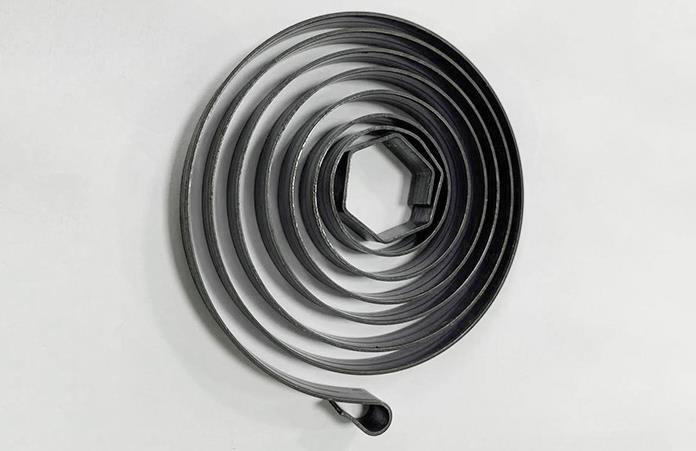
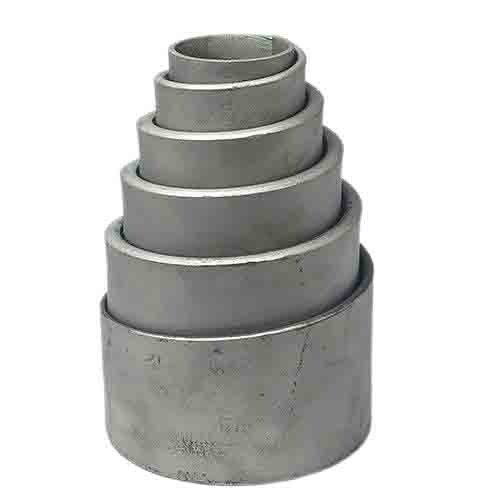
Volute springs are a unique and robust type of compression spring, easily identified by their conical, spiral-shaped design. Unlike traditional helical springs, volute springs are formed from a strip of metal wound into a spiral that gradually increases in diameter from one end to the other. This configuration allows the coils to nest into each other when compressed, offering distinct advantages in strength and space-saving design.
Structural Features of Volute Springs
The most defining characteristic of a volute spring is its conical shape. The metal strip is typically coiled in a way that each layer of the spiral can slide over the previous one during compression. The coiled design volute spiral springs not only provides a high load-bearing capacity but also results in a much shorter compressed height compared to cylindrical springs of the same length and diameter. The material used in volute springs is often high-strength steel or stainless steel to endure high stress and repeated cycling.
Functional Advantages
Volute springs are known for their ability to withstand significant force in a compact form factor. Because the coils nest into one another, the spring can compress more fully than traditional types, making it suitable for applications where space is limited. Additionally, the volute shape provides superior resistance to buckling, especially under axial loads, which enhances durability in demanding environments.
Their ability to maintain force consistency even under variable loading makes them valuable in applications where reliability is paramount. Furthermore, the broad surface area in contact between the coils can help dampen vibration and reduce noise, which is beneficial in precision equipment.
Industrial Applications
Volute springs are used across various industries due to their strength and resilience. One of their most well-known applications is in heavy-duty railway buffers and couplers, where they absorb impact and vibration efficiently. They are also employed in military equipment such as tank tracks, where compact and powerful springing systems are needed to absorb shocks from rugged terrain.
In construction machinery and mining tools, volute springs contribute to the shock absorption mechanisms that protect both operators and equipment. Some consumer products and specialized furniture mechanisms also utilize smaller volute springs to take advantage of their space-saving compression features.
Conclusion
Volute springs, with their conical and nested coil design, represent an engineering solution that combines compactness with high strength. Their unique structural and functional properties make them ideal for demanding applications across transportation, defense, and industrial machinery. As the demand for space-efficient and durable components grows, volute springs continue to prove their value in modern mechanical systems.
Fourier Transform Infrared (FTIR) spectrophotometers are essential tools in analytical laboratories, widely used for identifying organic and inorganic materials by measuring their infrared absorption spectra. However, like any precision instrument, FTIR spectrophotometers can encounter operational issues that affect performance and data quality. Prompt troubleshooting is crucial to minimize downtime and maintain accurate results. This article explores some of the most common problems encountered during the operation of an FTIR spectrophotometer and provides guidance for identifying and resolving them.
1. Low Signal-to-Noise Ratio
A frequent issue in FTIR measurements is a low signal-to-noise (S/N) ratio, which can obscure spectral features and compromise the accuracy of analysis.
Potential Causes:
Contaminated or damaged IR source
Dirty or misaligned optics
Detector degradation
Environmental interference (e.g., vibrations or temperature fluctuations)
Troubleshooting Tips:
Inspect and clean the interferometer optics, source, and mirrors.
Check the desiccant condition and replace if moisture contamination is suspected.
Ensure the instrument is placed in a vibration-free, temperature-controlled environment.
Calibrate and align the optics if necessary.
2. Weak or No Signal
Another common problem is the complete absence of signal, which typically halts measurement operations.
Potential Causes:
Burned-out IR source
Broken detector
Misaligned interferometer
Sample compartment blockage
Troubleshooting Tips:
Check whether the source is emitting IR radiation (usually visible in some models).
Verify that the detector is functioning correctly; replace if faulty.
Ensure all optical components are properly aligned and unobstructed.
Run a background scan to determine if the system is responsive without a sample.
3. Baseline Drift or Instability
Baseline instability can interfere with spectral interpretation and quantification.
Potential Causes:
Fluctuations in room temperature or humidity
Aging optical components
Electronic noise in the detector
Intermittent power supply
Troubleshooting Tips:
Allow the instrument to warm up sufficiently before use.
Check for proper grounding and stable power supply.
Replace aging components like beam splitters or detectors if baseline behavior remains erratic.
Minimize environmental changes in the lab during analysis.
4. Moisture Interference
FTIR spectrophotometers are sensitive to moisture, particularly in the mid-IR region where water absorbs strongly.
Potential Causes:
Saturated desiccants
Humid sample environment
Leaks in the instrument enclosure
Troubleshooting Tips:
Regularly inspect and replace desiccant cartridges.
Ensure the instrument housing is sealed properly.
Use dry nitrogen purging if working in high-humidity conditions.
5. Unusual Peaks or Artifacts in Spectra
Unexpected peaks or distortions can arise from a variety of mechanical or environmental sources.
Potential Causes:
Contamination of the sample or sample holder
Optical misalignment
Interference from CO₂ or H₂O in the air path
Instrument software or calibration errors
Troubleshooting Tips:
Clean all sample handling accessories.
Run a reference scan to determine if artifacts are due to the sample or the instrument.
Use purge gas or enclosed sample compartments to eliminate ambient interference.
Reinstall or update software if spectral processing is in error.
6. Software Communication Errors
Instrument-software communication issues can prevent measurements from starting or completing.
Potential Causes:
Faulty USB or serial connections
Corrupt software or drivers
Firmware mismatches
Troubleshooting Tips:
Check all cables and connections between the FTIR and computer.
Restart both the instrument and software.
Update or reinstall instrument drivers and firmware.
Contact technical support if hardware compatibility issues persist.
Summary
Troubleshooting FTIR spectrophotometer issues requires a systematic approach that involves checking both hardware and software components. Routine maintenance, including cleaning optics, replacing desiccants, and ensuring stable environmental conditions, can prevent many of the common problems. When issues arise, early detection and resolution not only protect the integrity of the data but also extend the instrument’s operational life. By understanding these common faults and their solutions, users can keep their FTIR systems running efficiently and reliably.
In the field of subsurface exploration, especially within oil and gas, geotechnical engineering, and hydrogeology, terms like borehole logging and well logging are often used interchangeably. While they share similarities, there are subtle distinctions in usage, context, and the goals of the data they generate. With advancements in digital simulation technologies, these logging techniques are increasingly being optimized for precision and efficiency. This article explores the differences between borehole logging and well logging, and the simulation tools that enhance their effectiveness.
Understanding Borehole Logging and Well Logging
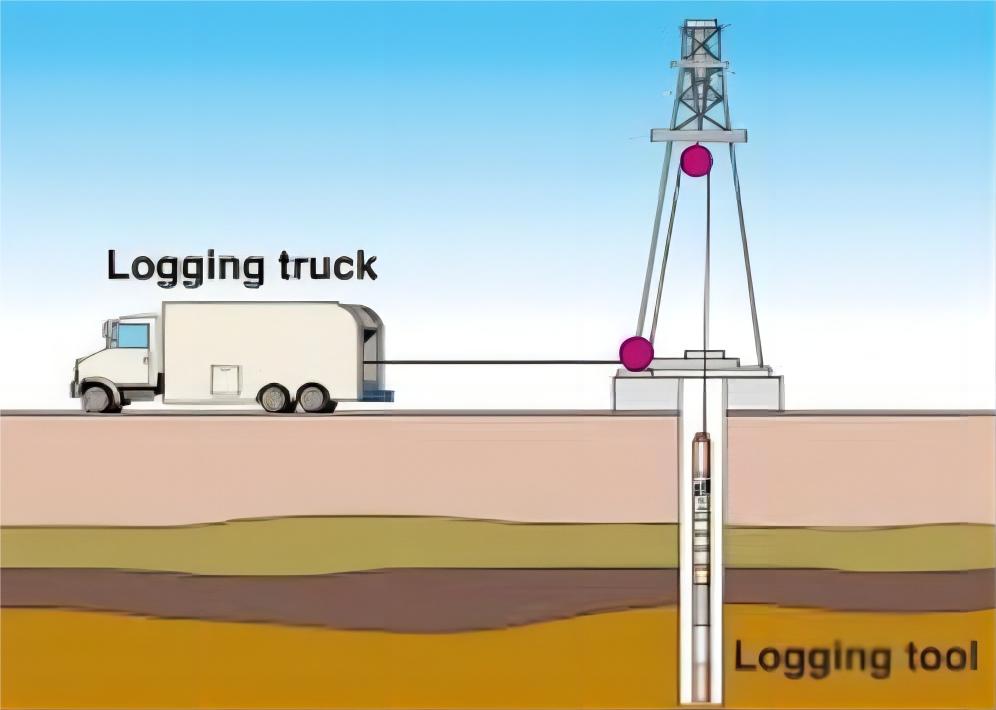
Borehole Logging typically refers to the process of recording geological, geophysical, and sometimes geotechnical data from a borehole. It is widely used in fields such as mining exploration, geotechnical site characterization, and groundwater investigations. Borehole logging can be applied even in holes that are not converted into permanent wells.
Well Logging, on the other hand, is more commonly associated with the oil and gas industry. It focuses on assessing formations penetrated by a well, especially to evaluate hydrocarbon-bearing zones. Well logging includes both open-hole and cased-hole logging and is crucial for reservoir characterization, completion planning, and production optimization.
Key Differences Between Borehole Logging vs. Well Logging
Though often used interchangeably, borehole logging and well logging have distinct differences in terminology, purpose, and industry application. Both techniques involve the recording of physical, chemical, or structural properties from within a drilled hole in the Earth, yet the context and extent of their usage vary across disciplines.
Borehole logging is a broader term used in various geoscience disciplines such as hydrogeology, mining exploration, and geotechnical investigations. It is typically applied to temporary or test boreholes that are not necessarily developed into production wells. The primary goal of borehole logging is to gather geological and geophysical information about the subsurface. The measurements taken may include resistivity, natural gamma radiation, moisture content, and lithological variations. These logs are crucial for site characterization, mineral exploration, or assessing soil and rock behavior.
In contrast, well logging is most commonly associated with the oil and gas industry. It refers to the process of collecting detailed data about a wellbore that has typically been drilled for the purpose of extracting hydrocarbons. Well logging encompasses a wider range of advanced logging techniques and often occurs throughout the life cycle of a well, from exploration to production. In addition to basic physical properties, it includes measurements of porosity, permeability, fluid saturation, and pressure conditions within reservoir formations.
Another distinguishing factor lies in instrumentation. Borehole logging often employs relatively simple tools tailored to near-surface or shallow investigations, while well logging involves sophisticated electronic and nuclear tools capable of operating at great depths under high pressure and temperature.
Furthermore, borehole logs might be conducted just once during a study or survey, whereas well logging often includes repeated runs and a variety of tools over time to monitor changes in the well’s conditions. The depth, precision, and cost involved in well logging operations are generally higher due to the commercial importance of oil and gas wells.
Simulation Technologies Used for Optimization of Borehole Logging and Well Logging
1. Petrophysical Modeling Software
Oil and gas simulation tools allow users to create digital models of subsurface properties using well log data. These models simulate porosity, water saturation, and lithology to estimate reservoir quality.
2. Geomechanical Simulation
Software integrates well log data to simulate rock stress, strength, and failure points. This is particularly important for optimizing drilling trajectories and avoiding wellbore instability.
3. Synthetic Log Generation
In borehole environments where full data cannot be captured, simulators can create synthetic logs based on surrounding well information or seismic inputs. These help in estimating missing or unlogged intervals.
4. Training Simulators
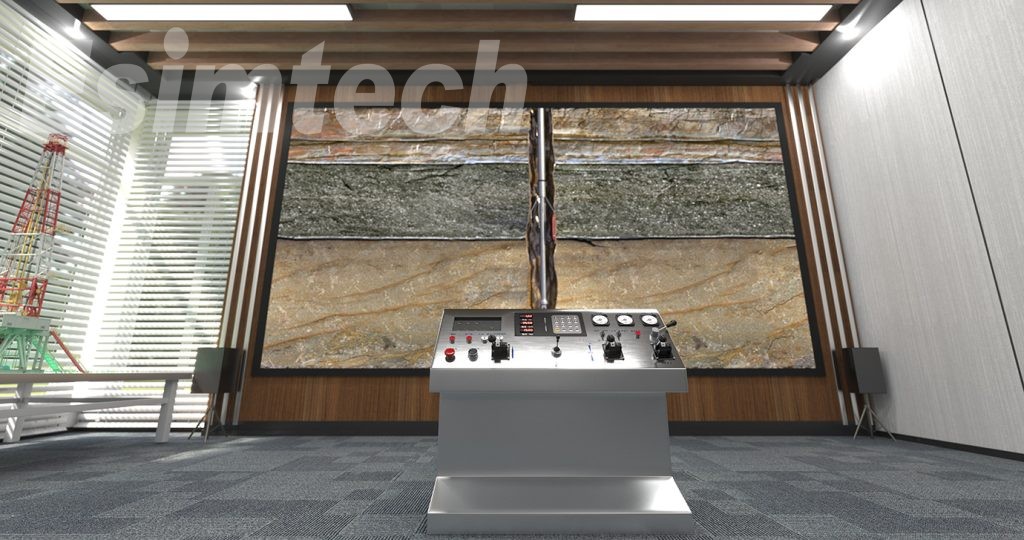
Companies like Esimtech offer interactive well logging simulators that replicate logging conditions for operator training. These are critical for safety and skill development in oilfield environments.
5. Machine Learning and AI Models
Modern software integrates machine learning to simulate and predict formation properties from sparse or noisy data. These models enhance decision support in both exploration and development phases.
Final thoughts
While borehole logging and well logging are rooted in the same fundamental principle of subsurface investigation, their scope, applications, and tools differ significantly. With the integration of powerful simulation technologies, these practices are evolving into more predictive and intelligent systems. From modeling formation behavior to training operators, simulations play a critical role in maximizing the value and safety of logging operations. As these technologies continue to mature, they will undoubtedly redefine how the industry approaches data acquisition and reservoir evaluation.
Interactive plush toys are transforming the world of play by merging the timeless comfort of stuffed animals with the engaging capabilities of modern technology. No longer are plush toys simply passive companions; today, they can speak, sing, respond to touch, and even engage in interactive storytelling. These innovations reflect a growing trend in toy design, where emotional connection and smart play go hand in hand.
A New Era of Play
At the heart of interactive plush toys is a unique combination of softness and intelligence. Designed with built-in electronics such as voice recognition, motion sensors, and even Bluetooth connectivity, these toys are able to respond to a child’s actions and cues. Whether it’s a bear that sings when hugged, a puppy that wiggles its ears in response to a name being called, or a character that helps children learn the alphabet, the possibilities are wide and evolving.
These toys are often crafted to create a more personal and immersive experience. Some custom plush toys can be personalized to know a child’s name or favorite color, making the interaction feel more meaningful. This kind of responsiveness not only entertains but also fosters a sense of companionship and emotional comfort.
Blending Learning with Emotional Development
One of the key appeals of interactive plush toys is their potential to enhance early learning and emotional development. Children can learn to express themselves better through conversations with their toy companions, while also developing vocabulary, problem-solving skills, and memory through interactive games. These toys often adapt to a child’s developmental stage, offering activities and dialogues that grow more complex as the child matures.
For toddlers and preschoolers, the toys offer a playful gateway into foundational education—teaching shapes, numbers, songs, or even multiple languages. Meanwhile, for older children, they provide a comforting presence that can be a source of encouragement and creativity during solo play.
A Fusion of Comfort and Innovation
The success of interactive plush toys lies in their ability to maintain the huggable, reassuring nature of traditional stuffed animals while offering the excitement of high-tech functionality. Parents often appreciate how these toys engage children without the need for screens, giving them peace of mind that their kids are interacting in a tactile, imaginative way.
As technology becomes more accessible and affordable, the interactivity of these toys continues to improve. Voice recognition has become more accurate, sensors more responsive, and integration with mobile apps has opened the door to a world of downloadable content, stories, and games—all from the arms of a cuddly companion.
The Future of Interactive Companions
Interactive plush toys are more than just a trend—they represent a new standard in how toys can both entertain and nurture. They cater not only to children’s desire for play but also to their emotional needs, helping them build confidence, empathy, and language skills in the process.
As artificial intelligence and sensor technology continue to advance, the future promises even smarter plush companions capable of understanding mood, guiding meditation, or telling interactive bedtime stories. In essence, interactive plush toys are shaping a world where loveable companions are not only soft and snuggly—but also smart, supportive, and deeply engaging.
In industries such as printing, packaging, textiles, and battery manufacturing, the accurate positioning of moving materials—commonly known as webs—is essential. Whether it’s a roll of paper, film, foil, or fabric, even the slightest misalignment can result in material waste, machine downtime, and product defects. This is where the centering web guide system becomes an indispensable solution, designed specifically to keep the web centered as it moves through various processing stages.
What Is a Centering Web Guide System?
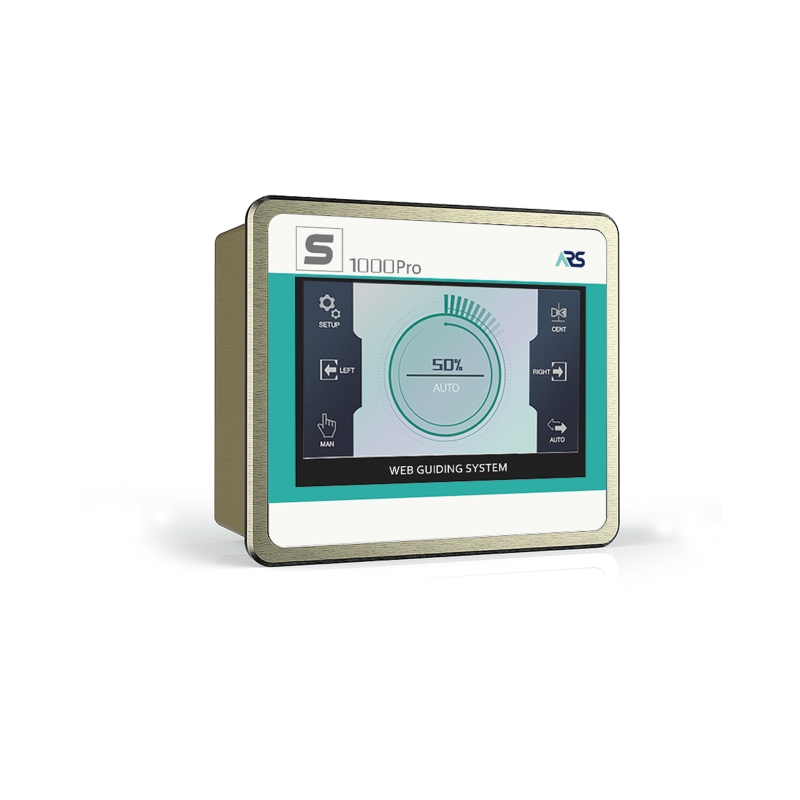
A Centering Web Guide System is a type of automatic web alignment system that detects and corrects the lateral position of a web, keeping it aligned to a predetermined centerline. Unlike edge-guiding or line-following systems, which track the web’s edge or printed mark, the centering guide adjusts the web so that it is symmetrical around the center axis of the process line.
This system is especially useful in processes where bilateral symmetry is critical, such as laminating, slitting, or coating applications.
Key Components of a Centering Web Guide System
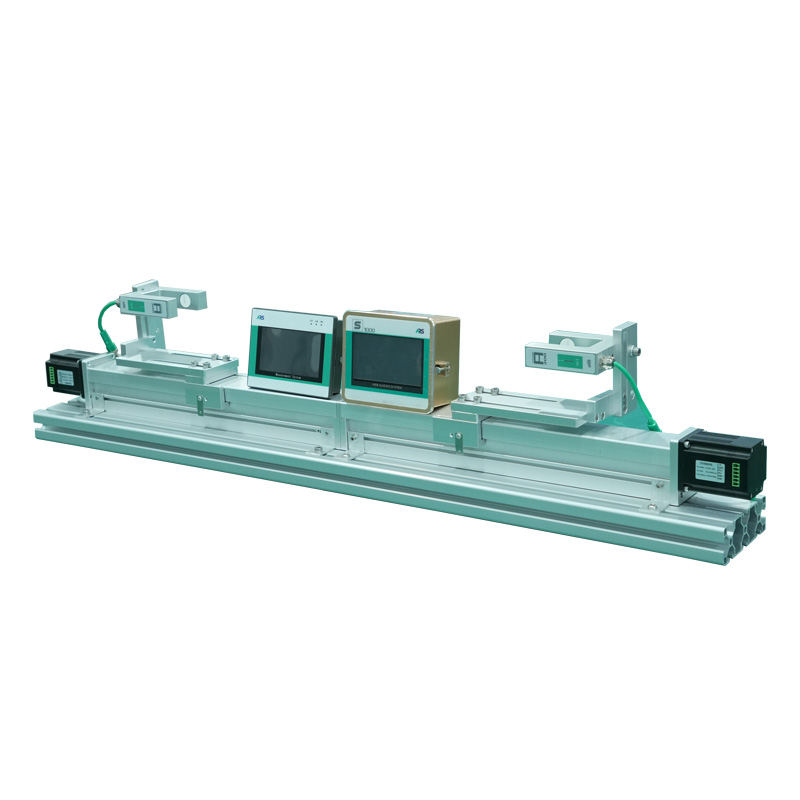
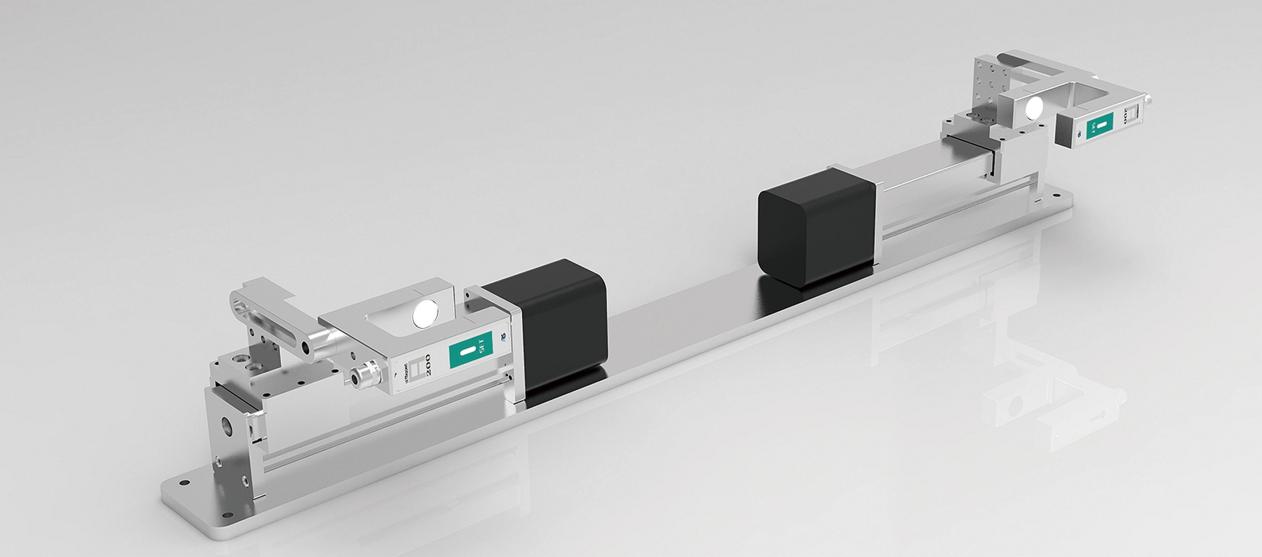
Sensors: Photoelectric, ultrasonic, infrared, or CCD cameras are used to detect the actual position of the web. Dual web guiding sensors placed on each side measure deviations from the center.
Controller: The web guide controller receives input from the sensors and calculates the necessary corrections. It sends signals to actuators or motors to realign the web.
Actuators: Typically, stepper motors or hydraulic/pneumatic cylinders are used to move the guide mechanism and keep the web centered.
Guide Mechanism: This may include pivoting frames, shifting rollers, or moving tables that physically adjust the web path to maintain center alignment.
How It Works
As the web passes through the guide system, the sensors continuously monitor the material’s position. If the web begins to drift off the centerline, the controller detects this deviation and sends correction commands to the actuators. The guide mechanism then adjusts the web path, bringing the material back to its centered position. This feedback loop ensures constant, real-time alignment with high accuracy.
Advantages of Centering Web Guide Systems
Improved Product Quality: Keeps web materials aligned, reducing defects in processes like laminating, printing, or slitting.
Reduced Waste: Minimizes material loss due to misalignment, helping lower production costs.
Higher Throughput: Allows faster line speeds with less need for manual intervention.
Consistent Symmetry: Crucial for products that require center-based accuracy, such as multilayer laminates or symmetrical packaging.
Automation Integration: Can be seamlessly integrated into fully automated production lines with centralized control systems.
Applications Across Industries
Flexible Packaging: For centering plastic film rolls during printing or lamination.
Textile Manufacturing: To ensure symmetrical coating or embossing.
Lithium Battery Production: Maintaining alignment during electrode coating or stacking.
Labeling and Wrapping: For consistent wrapping and sealing of products.
Paper Converting: Ensures centered printing or cutting in high-speed roll-to-roll applications.
Final Thoughts
The Centering Web Guide System plays a pivotal role in modern web-handling environments by maintaining precise material alignment. Its ability to continuously monitor and adjust web position improves operational efficiency, reduces waste, and guarantees product consistency. As industries increasingly rely on automation and precision, centering web guide systems are not just a convenience—they are a necessity for quality-driven production lines.
Marine searchlights play a vital role in ensuring safety, navigation, and operational efficiency at sea. Whether mounted on commercial ships, naval vessels, fishing boats, or rescue craft, these powerful lights are designed to cut through darkness, fog, and harsh weather conditions. With various models tailored to different maritime applications, understanding the types of marine searchlights is essential for selecting the right one based on vessel size, operational needs, and environmental conditions.
Halogen Searchlights
Halogen searchlights have been a long-standing standard in marine lighting due to their affordability and reliability. These lights produce bright, white illumination and are widely used on small to medium-sized vessels. While they offer good performance, halogen bulbs have a shorter lifespan and higher energy consumption compared to modern alternatives. They are best suited for tasks requiring intermittent use rather than continuous operation.
Xenon Searchlights
Xenon searchlights provide an extremely powerful beam with high intensity and long range, making them ideal for large ships and critical maritime operations such as search and rescue or military patrol. The xenon arc lamp produces a bright white-blue light that can penetrate fog and darkness effectively. Although more expensive and requiring specialized components, xenon lights are favored where visibility over long distances is crucial.
LED Searchlights
LED (Light Emitting Diode) searchlights represent the most energy-efficient and long-lasting option available today. These LED searchlights have rapidly gained popularity due to their low power consumption, durability, and minimal maintenance. LED searchlights offer precise beam control, variable brightness, and instant on/off capability, making them ideal for both continuous use and emergency scenarios. They are suitable for vessels of all sizes, including modern commercial fleets and advanced patrol boats.
Infrared (IR) Searchlights
Infrared searchlights are designed for use in conjunction with night vision systems. While they are invisible to the naked eye, they allow cameras and night vision goggles to see in total darkness. These lights are often used in surveillance, security, and military applications where covert operations are required. IR searchlights are typically mounted on naval vessels, coast guard ships, or high-security private yachts.
Remote-Controlled Searchlights
Remote-controlled marine searchlights can be adjusted in direction and beam intensity from a control panel located on the bridge or through wireless systems. These lights enhance convenience and operational safety, especially in rough weather or during nighttime navigation. Many remote-controlled units now integrate LED or xenon technology and offer features such as programmable sweep patterns or auto-park functions.
Manually Operated Searchlights
Though less advanced, manually operated searchlights remain relevant for small vessels or applications where simplicity and cost-effectiveness are key. They are often mounted on a swivel base and require physical positioning. These are commonly found on fishing boats, recreational vessels, and backup systems on larger ships.
Choosing the Right Searchlight
Selecting the appropriate marine searchlight depends on several factors, including the size of the vessel, range requirements, power availability, and intended use. For example, a fishing trawler operating in dense fog may benefit from a xenon searchlight, while a patrol boat requiring high efficiency and long service life might opt for LED. In high-risk or security-sensitive missions, infrared or remote-controlled searchlights can provide superior operational advantages.
Summary
Marine searchlights are indispensable tools that serve as the eyes of vessels navigating dark and unpredictable waters. With a range of technologies and functionalities available—halogen, xenon, LED, IR, remote-controlled, and manual—operators can find a solution tailored to their unique maritime environment. As lighting technologies evolve, marine searchlights continue to enhance safety, visibility, and mission success at sea.
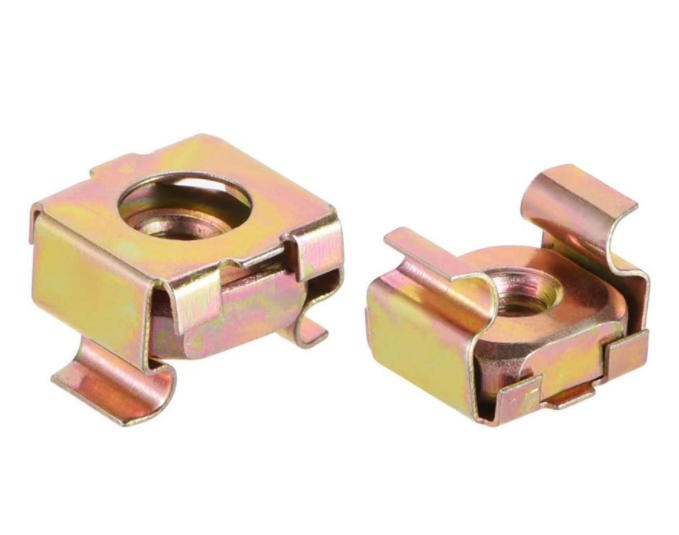
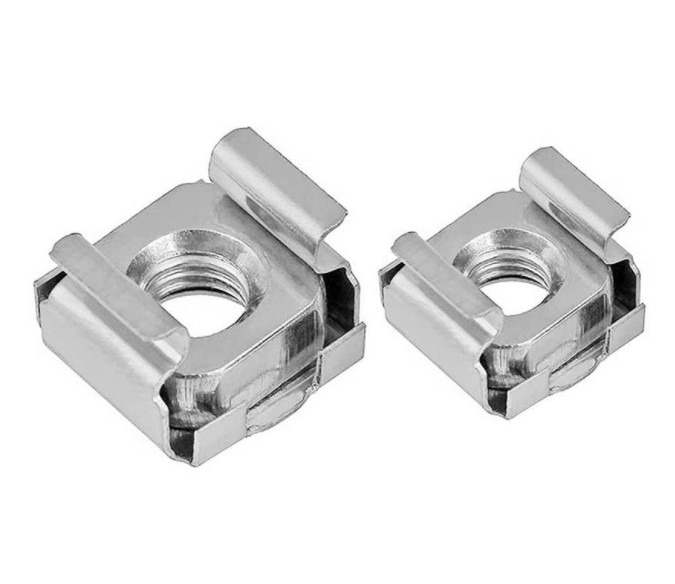
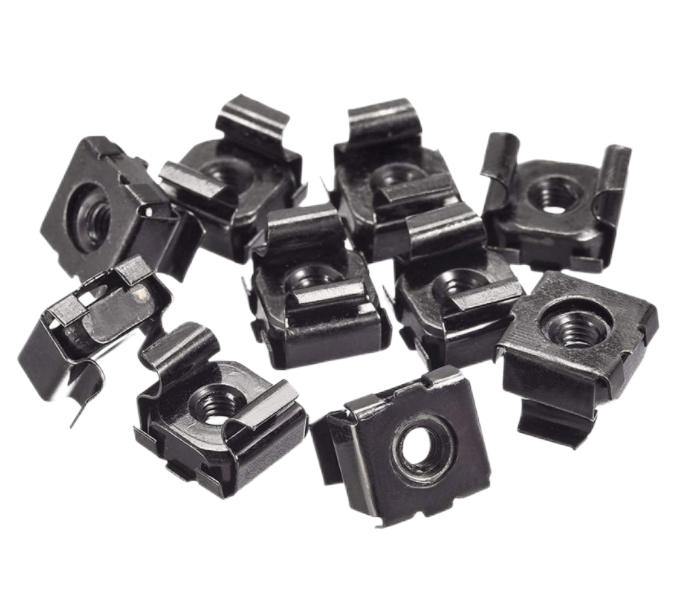
Cage nuts are essential fasteners used in server racks, equipment enclosures, and mounting frames to securely attach hardware while allowing easy adjustments. These nuts consist of a square nut housed in a spring steel cage, which clips into square mounting holes. Their primary advantage is their ability to accommodate different thread types while providing a secure grip for screws.
Proper installation of cage nuts ensures stable equipment mounting, reduces damage risks, and allows for easy replacement. Whether you’re assembling a server rack, industrial cabinet, or telecom enclosure, following the correct installation process is crucial for a reliable setup.
Why Use Cage Nuts?
Cage nuts offer several benefits over traditional threaded holes:
Flexibility: They allow different screw types (e.g., M6, M8, 10-32, or 12-24) to be used in universal square holes.
Replaceability: Damaged nuts can be swapped out without replacing the entire rack.
Stronger Grip: The floating nut design provides better alignment and secures heavy equipment firmly.
Vibration Resistance: The cage structure helps absorb vibrations, reducing the risk of screws loosening over time.
</p
Tools and Materials Required
Before installing cage nuts, gather the following:
Cage nuts (correct size for your rack and screws)
Cage nut insertion tool (optional but recommended for ease of installation)
Flathead screwdriver or pliers (if no tool is available)
Appropriate screws for your mounting application
How to Install Cage Nuts
1. Identify the Correct Mounting Holes
Locate the square holes in the rack or mounting frame where the equipment will be installed. Ensure they align with your hardware’s mounting points.
2. Position the Cage Nut
Hold the cage nut with the nut section facing outward and the spring tabs positioned inside the square hole.
3. Insert One Side First
Using your fingers or a cage nut tool, insert one side of the nut’s cage tabs into the hole first.
4. Compress and Snap Into Place
Press the opposite side of the cage nut’s tabs inward while pushing it into the hole. The spring tension will hold the nut firmly in place. If you’re using a cage nut tool, hook the nut, squeeze the handles, and press it into the hole for easier installation.
5. Check for Stability
Ensure the nut is securely clipped in place by gently pulling on it. The nut should stay fixed without moving or coming loose.
Tips for Easier Installation
Use a cage nut tool to prevent hand injuries and reduce installation effort.
Wear gloves when handling cage nuts to avoid pinched fingers.
Plan equipment positioning before installing nuts to reduce unnecessary adjustments.
Choose the correct size for your rack (commonly M6 for server racks, 10-32 for telecom racks).
Final Words
Installing cage nuts correctly ensures secure, flexible, and durable hardware mounting in server racks and enclosures. Using the right tools and following proper techniques makes the process safe and efficient. Whether setting up IT infrastructure, industrial equipment, or audio-visual systems, cage nuts provide a reliable fastening solution that enhances rack stability and longevity.
Lab mixers are fundamental tools used in scientific research, pharmaceuticals, chemical processing, and material testing to ensure consistent and uniform mixing of liquids, powders, and other substances. These mixers play a crucial role in preparing solutions, emulsions, suspensions, and other mixtures required for various analytical and experimental procedures. With a range of designs and functionalities, selecting the right lab mixer depends on mixing speed, viscosity, volume capacity, and specific application requirements.
The Importance of Lab Mixers in Scientific Research
Laboratory experiments and industrial processes often require precise and controlled mixing to achieve the desired reaction, solubility, or consistency. Lab mixers are designed to meet these needs by providing efficient blending, agitation, and homogenization of different materials.
In fields such as biotechnology, pharmaceuticals, chemistry, and food science, reliable mixing is essential for:
Sample preparation for analytical testing
Chemical synthesis and reaction processes
Homogenization of biological samples
Dissolution of powders into liquids
Development of stable emulsions and suspensions
The right lab mixer ensures that materials are mixed thoroughly and reproducibly, leading to accurate and repeatable experimental results.
Types of Lab Mixers and Their Applications
Lab mixers come in various types, each suited to different applications and material properties. The choice of mixer depends on factors such as viscosity, sample volume, and the type of mixing required.
1. Magnetic Stirrers
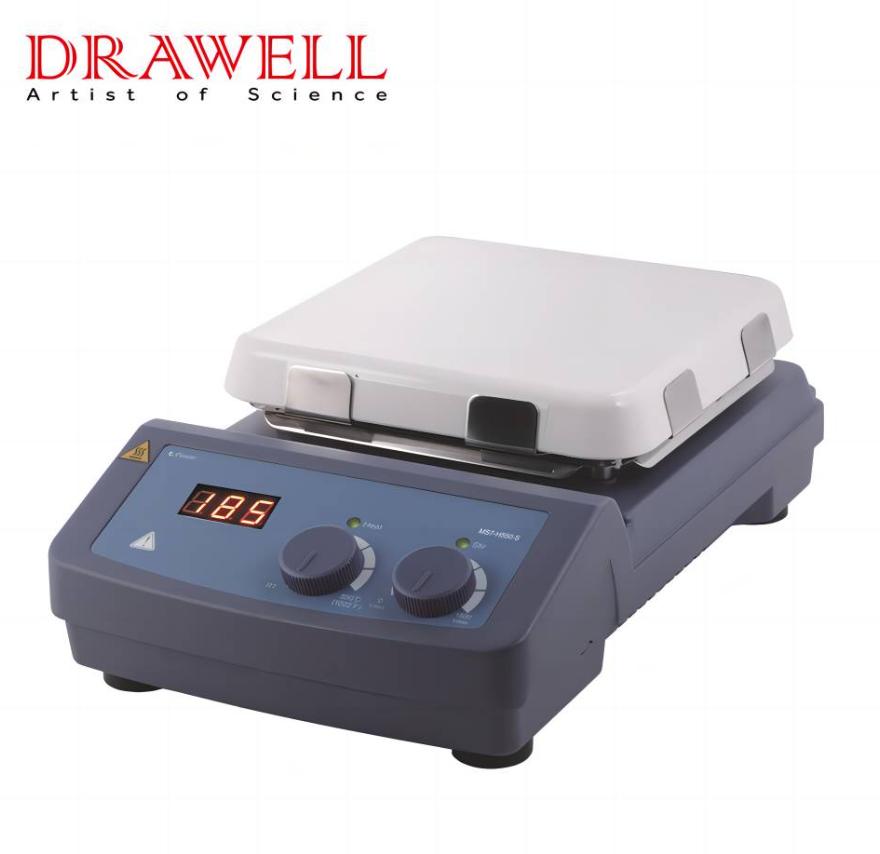
Magnetic stirrers use a rotating magnetic field to spin a stir bar placed inside a liquid sample. They are ideal for low-viscosity liquids and small-volume applications.
Common applications: Dissolving solutes, gentle mixing of aqueous solutions, temperature-controlled mixing when used with a hotplate.
2. Overhead Stirrers
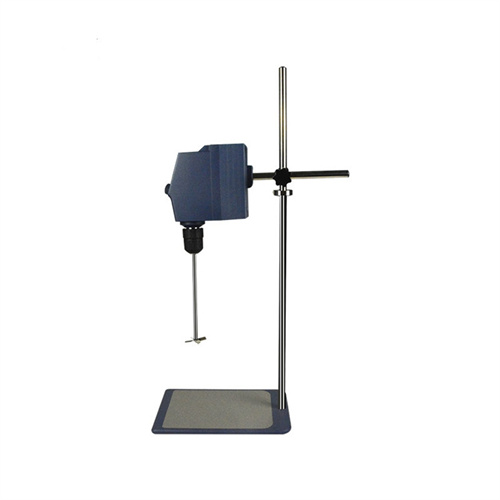
Overhead stirrers are powerful mixers that use mechanical impellers to mix larger volumes and higher-viscosity substances.
Common applications: Polymer mixing, chemical synthesis, paint and ink formulation, biological suspensions.
3. Vortex Mixers
Vortex mixers create a circular motion in a small liquid volume, commonly used for quick sample mixing in test tubes and vials.
Common applications: Cell culture preparation, DNA/RNA sample mixing, protein dissolution.
4. Shakers and Rockers
Shakers and rockers use orbital, linear, or tilting motions to mix multiple samples simultaneously.
Common applications: Blood sample mixing, gel staining, enzyme reactions, microbiological culture preparation.
5. Homogenizers
Homogenizers apply high shear forces to break down particles or cell structures, producing uniform suspensions or emulsions.
Common applications: Tissue homogenization, emulsification, drug formulation, nanoparticle synthesis.
6. Ultrasonic Mixers
Ultrasonic mixers use high-frequency sound waves to break down particles and disperse substances uniformly.
Common applications: Cell disruption, nanoparticle dispersion, degassing of liquids.
Key Factors to Consider When Choosing a Lab Mixer
Selecting the right lab mixer depends on several factors that impact mixing efficiency, sample integrity, and overall experimental success.
1. Sample Volume and Viscosity
Small-volume, low-viscosity samples require magnetic stirrers or vortex mixers.
Large-volume, high-viscosity samples are better suited for overhead stirrers or homogenizers.
2. Mixing Speed and Control
Adjustable speed control is essential for applications requiring precise mixing, such as chemical synthesis or biological sample preparation.
Variable speed options allow flexibility in different mixing processes.
3. Temperature Requirements
Some experiments require heat-controlled mixing, making hotplate stirrers or temperature-controlled shakers ideal choices.
If heat-sensitive samples are involved, low-heat generating mixers like overhead stirrers are preferred.
4. Compatibility with Different Vessels
Consider the type of container being used (beakers, test tubes, flasks) to select a mixer with appropriate compatibility.
Some mixers, like vortex mixers and shakers, are designed for multi-sample processing.
5. Application-Specific Requirements
For cell culture and microbiology, gentle mixers like rockers and orbital shakers prevent cell damage.
In chemical research, high-power homogenizers and ultrasonic mixers help achieve consistent sample dispersion.
Advancements in Lab Mixer Technology
Modern lab mixers are equipped with digital controls, programmable mixing modes, and automation features to enhance efficiency and reproducibility. Some key advancements include:
Digital speed control and LCD displays for precise settings.
Programmable mixing cycles for consistent results.
Wireless and remote control for integration into automated laboratory workflows.
Improved motor technology for silent, energy-efficient operation.
Summay
Lab mixers are essential tools for precise and efficient sample preparation across various scientific and industrial applications. Choosing the right mixer involves evaluating sample properties, mixing requirements, and control options to ensure optimal performance. With advancements in digital technology and automation, modern lab mixers are now more versatile, reliable, and efficient, making them indispensable in research and production laboratories.
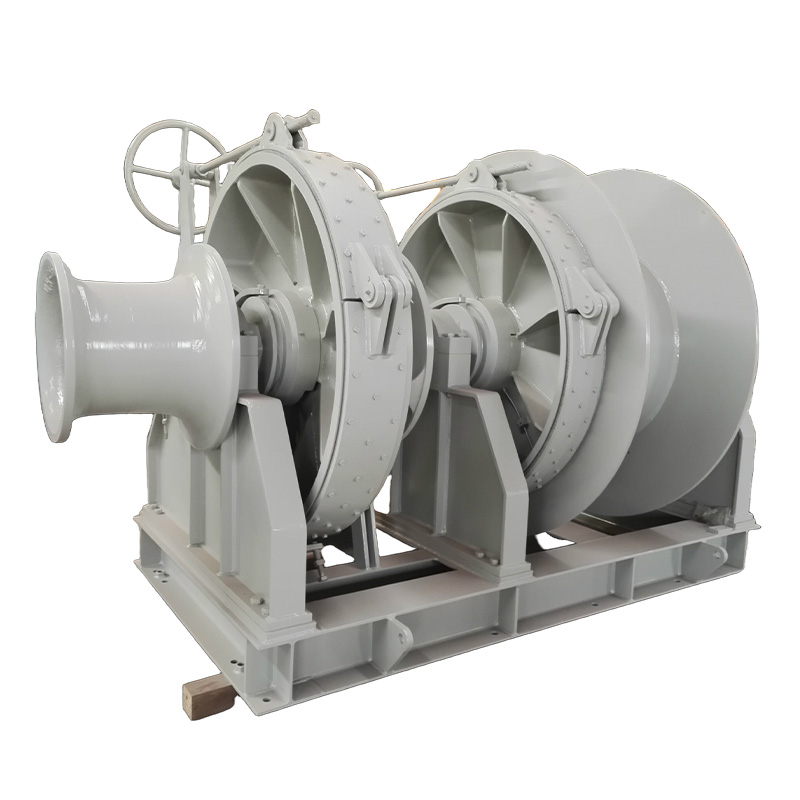
Marine anchor winches play a vital role in ensuring that vessels are securely moored and able to withstand the challenging forces of the ocean. These marine anchor winches must be particularly reliable in harsh weather conditionss, where waves, strong currents, and heavy winds present significant operational challenges. Whether for commercial shipping, offshore platforms, or recreational vessels, the ability of an anchor winch to perform reliably in such environments is crucial for ensuring the safety of both the vessel and its crew.
The Role of Anchor Winches in Harsh Weather
Anchor winches are mechanical devices used to raise and lower anchors, essential for a vessel’s mooring process. These winches handle the critical task of securing the vessel in position during periods of inactivity or when the vessel is stationary for extended periods. In harsh weather conditions, such as storms or turbulent seas, the forces acting on the vessel increase dramatically, which can place significant stress on the anchor system.
Marine anchor winches must be robust, durable, and designed to perform under these challenging circumstances, allowing the vessel to stay securely anchored. Their function is critical in preventing accidents, ensuring crew safety, and safeguarding the vessel from drifting or uncontrolled movement due to external environmental conditions.
Key Features of Anchor Winches for Harsh Weather Conditions
To perform effectively in tough weather, anchor winches must incorporate a variety of features and engineering innovations. Below are some of the most important attributes:
1. Heavy-Duty Construction
In harsh weather, anchor winches are exposed to extreme mechanical loads, including high winds, waves, and the weight of the anchor chain. As a result, these winches must be built from high-quality, corrosion-resistant materials, such as marine-grade steel or stainless steel, to ensure they can withstand the continuous stress and environmental exposure.
Additionally, the design must be compact and robust, allowing the winch to remain functional even under the highest mechanical forces. Reinforced gears and motors ensure reliable operation, even in challenging conditions.
2. Automatic Tension Control
In rough seas, an anchor winch with automatic tension control can make a significant difference. This feature ensures that the winch adjusts the load on the anchor chain to maintain optimal anchor tension, preventing over-tightening or slack, which could otherwise lead to dangerous situations.
By adjusting the tension automatically, these winches help to maintain a stable hold on the anchor during changing sea conditions, minimizing the risk of anchor dragging or equipment failure.
3. High Wind and Wave Resistance
Marine environments are often characterized by unpredictable and powerful wind and wave forces. In such conditions, anchor winches must operate reliably, even when the vessel is subject to rolling and pitching.
To handle these situations, anchor winches are equipped with powerful electric or hydraulic motors capable of delivering consistent performance regardless of weather conditions. Hydraulic systems, in particular, offer superior power and are less affected by extreme temperatures, making them ideal for demanding marine environments.
4. Durable Braking Systems
In stormy conditions, wind and wave forces can suddenly change, requiring rapid adjustments to the anchor. To prevent the anchor chain from slipping or breaking loose, anchor winches are equipped with durable braking systems that provide high levels of friction and resistance.
These winches often feature fail-safe systems that can lock the anchor chain in place, even in extreme conditions, ensuring that the vessel remains securely moored during a storm or high tide.
5. Resistance to Corrosion and Fouling
Marine environments are particularly harsh on equipment, with saltwater corrosion and marine fouling being constant concerns. Therefore, anchor winches designed for these conditions must feature anti-corrosion coatings and designs that resist saltwater exposure. This ensures that the winch’s moving parts remain functional and free of buildup, even in long-term use in corrosive environments.
Furthermore, modern winches often incorporate self-cleaning features to remove debris and fouling from the drum and chain, which reduces wear and tear on the system.
Types of Anchor Winches for Harsh Weather
Various types of anchor winches are available, each suited for different vessels and operational needs in harsh weather conditions. Some of the most common types include:
1. Electric Anchor Winches
Electric anchor winches are commonly used in medium-sized vessels and yachts. They offer the convenience of easy installation, minimal maintenance, and can provide the necessary force to operate under harsh weather conditions. These winches are typically designed with redundant electrical systems to ensure that they can function continuously, even if one part of the system fails.
2. Hydraulic Anchor Winches
Hydraulic anchor winches are often preferred in larger vessels or offshore platforms due to their ability to generate significant power and endure tough conditions. Hydraulic systems offer superior tension control and can function well in high-load applications. Additionally, hydraulic anchor winches are often less susceptible to the harsh environmental conditions that would affect electric systems, making them an excellent choice for offshore and deep-sea operations.
3. Manual Anchor Winches
While less common in larger vessels, manual anchor winches are still used in smaller boats or for emergency applications. These winches are operated by hand or foot power, making them a good option for situations where power systems may fail. While manual winches may not be as efficient in extreme weather, they still offer a reliable backup system for anchoring.
Final Thoughts
In the marine industry, having a reliable anchor winch capable of operating in harsh weather conditions is essential for the safety of both the vessel and its crew. The right winch, designed with the necessary features such as heavy-duty construction, automatic tension control, high wind resistance, and corrosion resistance, can significantly improve the ability to safely anchor the vessel under tough environmental conditions.
Whether it’s a large offshore platform or a smaller commercial ship, investing in high-quality marine anchor winches that are engineered for extreme weather is crucial for ensuring operational safety and preventing costly accidents or downtime. By choosing the appropriate winch type and understanding its features, vessel operators can ensure secure mooring, even in the most challenging sea conditions.
The oil and gas industry is one of the most hazardous sectors, requiring stringent safety measures to protect workers, equipment, and the environment. With operations involving high-pressure systems, flammable materials, and extreme working conditions, effective oil and gas safety training is essential to prevent accidents, injuries, and environmental damage. Proper safety training not only ensures regulatory compliance but also enhances operational efficiency and fosters a culture of safety across the industry.
The Importance of Safety Training in the Oil and Gas Industry
Oil and gas operations take place in diverse and often high-risk environments, including offshore rigs, drilling sites, refineries, and transportation facilities. Workers face potential hazards such as explosions, toxic gas exposure, equipment malfunctions, and extreme weather conditions. Safety training equips personnel with the knowledge and skills needed to identify risks, respond effectively to emergencies, and adhere to industry best practices.
Additionally, regulatory bodies such as OSHA (Occupational Safety and Health Administration), API (American Petroleum Institute), and IOGP (International Association of Oil & Gas Producers) set strict safety guidelines that companies must follow. Compliance with these regulations helps reduce workplace incidents, prevent legal consequences, and maintain the industry’s reputation.
Key Components of Oil and Gas Safety Training
Effective safety training programs cover a wide range of topics, ensuring that workers are prepared for potential risks. Some of the most critical components include:
1. Hazard Identification and Risk Assessment
Workers must be able to recognize common hazards, including fire risks, gas leaks, confined spaces, and equipment failures. Understanding risk assessment techniques allows employees to take preventive measures before accidents occur.
2. Personal Protective Equipment (PPE) Usage
Proper use of PPE, such as flame-resistant clothing, helmets, gloves, safety goggles, and gas detectors, is essential in minimizing injury risks. Training ensures that workers select the right protective gear for specific tasks and maintain it properly.
3. Emergency Response and Fire Safety
Given the high risk of fires and explosions, employees must be trained in fire prevention, evacuation procedures, and emergency response protocols. This includes fire extinguisher operation, fire suppression system usage, and mustering drills.
4. Working at Heights and Fall Protection
Many oil and gas operations involve working on elevated platforms, derricks, and scaffolding. Safety training includes proper harness usage, fall arrest systems, and procedures for preventing falls.
5. Confined Space Entry Training
Oil and gas facilities often contain confined spaces, such as storage tanks and pipelines, where toxic gases or low oxygen levels pose serious risks. Workers learn how to assess atmospheric conditions, use ventilation equipment, and follow entry/exit protocols.
6. Hydrogen Sulfide (H₂S) Safety Training
H₂S is a highly toxic and deadly gas commonly found in oil and gas operations. Employees receive training on gas detection, safe work practices, respiratory protection, and emergency response procedures to minimize exposure risks.
7. Lockout/Tagout (LOTO) Procedures
To prevent accidental equipment startup during maintenance, workers must follow LOTO procedures to safely isolate energy sources. Training ensures they understand how to properly lock out hazardous equipment before performing repairs.
8. Safe Lifting and Material Handling
Handling heavy pipes, machinery, and drilling equipment requires proper lifting techniques to prevent injuries. Training includes crane and hoist safety, load securing, and manual handling best practices.
9. Driving and Transportation Safety
Many oil and gas workers operate heavy vehicles and transport hazardous materials. Safety training covers defensive driving, fatigue management, and regulations for transporting flammable substances.
10. Environmental Protection and Spill Response
To minimize environmental impact, employees receive training on oil spill containment, hazardous waste management, and pollution control measures. This ensures compliance with environmental regulations and protects ecosystems.
Types of Safety Training Programs
Oil and gas companies implement various training methods to ensure workers receive comprehensive and practical safety education:
Classroom Training: In-person courses led by industry experts covering theoretical safety principles, regulations, and case studies.
Online Training Modules: Digital courses that provide flexible learning opportunities for workers in remote locations.
Virtual Reality (VR) Training: Advanced VR simulations allow workers to experience hazardous situations in a safe, controlled environment.
On-the-Job Training: New employees undergo mentorship and supervised training to learn safety protocols in actual work environments.
The Benefits of Oil and Gas Safety Training
Investing in robust safety training programs provides multiple benefits, including:
Reduction in Workplace Accidents: Proper training helps identify risks and prevent injuries, leading to fewer incidents.
Regulatory Compliance: Adhering to safety standards ensures that companies avoid fines, shutdowns, and legal issues.
Increased Productivity: A well-trained workforce operates more efficiently, minimizing downtime caused by accidents.
Enhanced Workforce Confidence: Employees who feel safe are more confident and engaged in their tasks.
Lower Insurance and Compensation Costs: Fewer accidents result in reduced insurance claims and compensation payouts.
Final Thoughts
Oil and gas safety training is a critical component of risk management in an industry known for its hazardous conditions. By equipping workers with the necessary knowledge and skills, companies can prevent accidents, protect lives, and maintain regulatory compliance. As technology evolves, incorporating VR simulations, digital learning platforms, and hands-on training ensures that employees receive effective, up-to-date safety education. A commitment to safety not only safeguards workers but also enhances overall operational efficiency, making it a fundamental priority for every oil and gas company.








 </p
</p