Exploring the Role of Oil and Gas Transportation

Oil and gas transportation is a vital component of the energy industry, acting as the bridge between production sites and end-users. This intricate process ensures the seamless movement of these essential resources from remote extraction locations to refineries, storage facilities, and ultimately, to consumers. The reliability, safety, and efficiency of oil and gas transportation are critical for maintaining energy security and supporting the global economy.

Oil and Gas Transportation

Modes of Transportation

Oil and gas are transported using various methods, each tailored to the specific nature of the product, geographical considerations, and economic factors. Pipelines are the backbone of the industry, especially for transporting crude oil and natural gas over long distances. These systems are highly efficient and operate continuously, making them the preferred choice for connecting production fields to refineries and distribution hubs.

For regions where pipelines are not viable, maritime transportation steps in as a key alternative. Oil tankers and liquefied natural gas (LNG) carriers facilitate global trade by moving vast quantities of oil and gas across oceans. These vessels are equipped with advanced technologies to ensure the safe handling of volatile substances, minimizing the risk of spills or other incidents.

In addition to pipelines and shipping, rail and road networks play a significant role in oil and gas transportation, particularly for shorter distances or in areas lacking pipeline infrastructure. Trucks and railcars provide flexibility in distribution, making them indispensable for delivering refined products such as gasoline, diesel, and liquefied petroleum gas (LPG) to retail outlets and industrial consumers.

Challenges in Transportation

The transportation of oil and gas is fraught with challenges that require constant innovation and stringent management. Environmental concerns are paramount, as any mishap during transit can lead to catastrophic consequences for ecosystems and local communities. As a result, the industry invests heavily in safety measures, including rigorous inspection protocols, leak detection systems, and emergency response strategies.

Geopolitical dynamics also impact transportation routes and costs. The security of shipping lanes, pipeline corridors, and key transit chokepoints, such as the Strait of Hormuz or the Panama Canal, is of global strategic importance. Disruptions in these areas can have far-reaching consequences on energy markets and prices.

Oil and Gas pipeline Transportati

Technological Innovations

Advances in technology are transforming oil and gas transportation. Digitalization and automation have enhanced the monitoring and management of pipelines and shipping operations. Smart sensors and data analytics provide real-time insights into flow rates, pressure levels, and potential hazards, enabling proactive interventions.

In maritime transportation, the adoption of cleaner fuels and energy-efficient vessel designs is helping reduce greenhouse gas emissions. LNG bunkering, for instance, is becoming more common as the industry strives to comply with international environmental regulations. How Simulation Tools are Used for Oil and Gas Transportation

Simulation tools play a transformative role in the oil and gas transportation sector, enabling companies to design, analyze, and optimize complex logistics networks with precision and efficiency. These tools provide virtual environments where operators and engineers can predict, test, and improve various aspects of the transportation process, from pipeline operations to maritime logistics and emergency response planning.

1. Designing and Optimizing Pipeline Networks

Pipeline infrastructure is the cornerstone of oil and gas transportation. Simulation tools allow engineers to design pipelines by analyzing factors such as terrain, flow dynamics, and material properties. Advanced fluid dynamics models simulate the behavior of oil, gas, or multiphase flows within the pipeline under different pressure and temperature conditions.

These simulations help in optimizing the pipeline’s diameter, material choice, and pumping or compression requirements, reducing costs while maximizing efficiency. Moreover, tools like transient flow simulators predict how pipelines respond to operational changes, such as sudden shutdowns or changes in flow rates, ensuring robust design and operational resilience.

2. Enhancing Maritime Transportation

In maritime oil and gas transportation, simulation tools are indispensable for vessel design, route optimization, and risk assessment. Shipbuilders use simulations to test the performance of oil tankers and LNG carriers under various sea conditions, ensuring stability and safety.

Navigation simulations aid in determining the most efficient and secure shipping routes by considering factors like weather patterns, port conditions, and potential chokepoints. Additionally, simulation tools model scenarios such as oil spills, enabling operators to evaluate containment strategies and environmental impact mitigation measures.

3. Emergency Response and Risk Management

Oil and gas transportation involves inherent risks, such as leaks, spills, or pipeline ruptures. Emergency response simulation tools create virtual scenarios that mimic real-world incidents.

These simulations allow operators to test response strategies, evaluate their effectiveness, and train personnel in handling emergencies. By modeling the spread of oil spills or gas leaks under different environmental conditions, companies can refine containment and cleanup procedures, minimizing environmental damage and associated costs.

4. Logistics and Supply Chain Management

Simulation tools are also used to optimize the logistics of oil and gas transportation. From scheduling shipments to managing storage and distribution, these tools analyze the movement of resources through the supply chain.

For example, simulation models can predict the impact of demand fluctuations, geopolitical events, or infrastructure disruptions on transportation operations. By running “what-if” scenarios, companies can develop contingency plans and ensure uninterrupted supply to consumers.

5. Digital Twins in Transportation

One of the most advanced applications of oil and gas transportation simualtion is the use of digital twins. A digital twin is a virtual replica of a physical asset, such as a pipeline, vessel, or entire transportation network.

These replicas are continuously updated with real-time data from sensors and monitoring systems, allowing operators to simulate various conditions and predict potential issues. For instance, a digital twin of a pipeline can simulate the impact of corrosion or pressure changes, enabling proactive maintenance and reducing the risk of failures.

oil and gas gathering and transportation simulator

6. Supporting Environmental Compliance

As the industry faces increasing pressure to reduce its environmental footprint, simulation tools help companies align with sustainability goals. Emissions modeling tools evaluate the carbon footprint of transportation operations, enabling companies to adopt cleaner technologies and practices.

For example, simulations can assess the efficiency of LNG-powered vessels or hydrogen-powered trucks, guiding investment decisions and ensuring compliance with environmental regulations.

The Future of Oil and Gas Transportation

As the global energy landscape evolves, so too will the methods of transporting oil and gas. The shift towards renewable energy sources may reduce demand for fossil fuels over time, but oil and gas will continue to play a critical role in the energy mix for the foreseeable future. The industry must adapt by enhancing the efficiency and sustainability of its transportation systems.

Efforts to decarbonize transportation, such as using hydrogen-powered trucks or investing in carbon capture technologies for pipelines, are already underway. These innovations not only address environmental concerns but also ensure the long-term viability of the industry in a changing world.

Conclusion

Oil and gas transportation is a complex yet indispensable aspect of the energy sector. By embracing technology, prioritizing safety, and addressing environmental challenges, the industry can continue to deliver these essential resources reliably and responsibly. From pipeline design to maritime logistics and risk management, simulation tools enable operators to navigate the complexities of transporting oil and gas in an increasingly dynamic landscape.

Why Custom Life-size Teddy Bears Become More and More Popular

A custom life-size teddy bear represents more than just a playful addition to a collection; it’s a heartfelt symbol of joy and personalization. These oversized plush companions bring warmth and charm, making them perfect for meaningful gifts, cozy home decor, or memorable event props. By tailoring every detail to suit individual preferences, custom life-size teddy bears transcend their role as toys to become treasured keepsakes.

Life-Size Teddy Bear

The Appeal of Life-Size Teddy Bears

The appeal of a life-size teddy bear lies in its grand presence. Standing as tall as three feet or more, these bears evoke a sense of awe and delight that instantly transforms any space. Their oversized nature makes them ideal for hugging, lounging, or simply serving as a comforting presence. Whether placed in a child’s bedroom or a cozy reading corner, they bring a sense of playfulness and relaxation that smaller plush toys cannot match.

Customization Options of Life-Size Teddy Bears

Customization adds a deeply personal touch to these already delightful creations. The fabric can be selected based on preferences, from traditional soft plush to more luxurious velvets or eco-friendly materials. Colors, too, are no longer limited to the classic browns and tans of traditional teddy bears. Vibrant hues, soft pastels, or even patterned designs allow for infinite creativity, ensuring the bear reflects the recipient’s personality or the theme of a special occasion.

Beyond material choices, customized teddy bears can be personalized with accessories and features that tell a story or celebrate a moment. Outfits, scarves, hats, or even tiny replicas of clothing styles give each bear a unique character. Personal messages, names, or significant dates can be embroidered onto the bear’s surface, making it a one-of-a-kind gift. For those looking to add an interactive element, modern features like built-in voice recordings, LED lighting, or motion sensors can enhance the bear’s appeal.

Life Size Teddy Bear

How to Choose the Right Custom Teddy Bear

Craftsmanship is key when creating a custom life-size teddy bear. Every stitch and seam must be durable to maintain the bear’s structure and ensure it remains soft and huggable for years to come. High-quality plush materials and skilled craftsmanship ensure that these bears are not only visually appealing but also safe, particularly when designed for children. Safety standards must be met, with secure stitching, child-safe fabrics, and non-toxic dyes ensuring peace of mind for parents and gift-givers alike.

Why Choose a Custom Life-Size Teddy Bear

Custom life-size teddy bears are not just about their aesthetic or size; they carry a deeper emotional significance. As gifts, they can symbolize love, friendship, or gratitude. A bear embroidered with a special message becomes a cherished reminder of a milestone or celebration. For children, it can be a comforting companion through both happy and challenging times. For adults, it might evoke nostalgia or serve as a playful decoration that sparks conversation.

In addition to personal gifting, custom teddy bears are also making their mark in events and marketing. Their striking size and ability to be tailored to specific themes make them excellent props for weddings, corporate promotions, or even photo backdrops. Companies can customize bears with logos or branding to create unique giveaways that leave a lasting impression.

custom life-size teddy bears

Ultimately, a custom life-size teddy bear combines creativity, craftsmanship, and comfort to create a truly unique item. Whether it’s a whimsical addition to a home, a sentimental gift for a loved one, or a striking centerpiece for an event, these bears offer limitless possibilities for personalization. In their oversized embrace lies the promise of joy and warmth, making them timeless companions for people of all ages.

Effective Strategies for Improving the Durability of Inflatable Life Rafts

Inflatable life rafts are critical safety devices for marine operations, designed to provide protection and security during emergencies at sea. However, their reliability hinges on their ability to endure the harsh and unpredictable marine environment. Enhancing the durability of inflatable life rafts is a multifaceted challenge, requiring advancements in materials, design, maintenance practices, and innovative technologies.

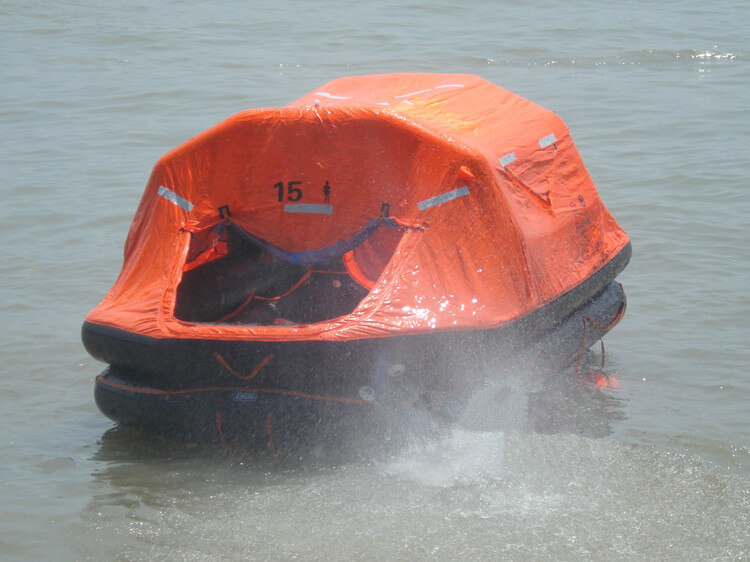
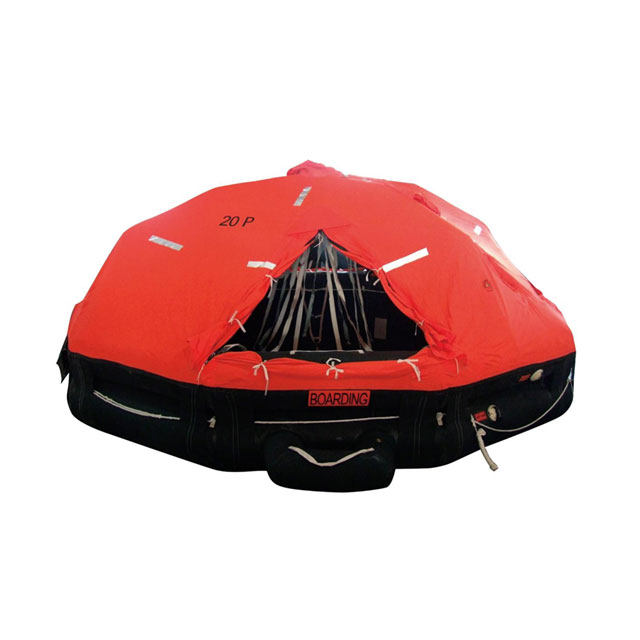
Inflatable Life Rafts

1. Material Selection

One of the most significant factors affecting the longevity and reliability of inflatable life rafts is the choice of materials. Modern rafts are typically constructed from synthetic fabrics like polyurethane-coated nylon or hypalon, which offer excellent resistance to tears, punctures, and environmental degradation. Additionally, the incorporation of UV-resistant coatings helps protect these materials from prolonged exposure to sunlight, a common cause of wear and weakening in marine environments. Materials resistant to chemicals such as oils, fuels, and saltwater further ensure the raft’s durability against corrosive elements.

2. Advanced Manufacturing Techniques

Manufacturing techniques also play a vital role in improving durability. High-frequency seam welding has replaced traditional adhesives in many rafts, providing stronger, more reliable seams that are less prone to failure. Reinforced layering in high-stress areas of the raft adds an extra layer of protection, making it more resilient to damage from external forces or frequent use.

3. Regular Maintenance and Inspections

While the construction and design of the raft are essential, routine maintenance is equally important for ensuring long-term reliability of life rafts. Regular inspections allow for the early detection of issues such as abrasions, small leaks, or material degradation. Inflation tests should be conducted periodically to verify the raft’s ability to retain air effectively. Keeping a well-equipped repair kit on board enables immediate repairs in case of minor damage, preventing potential failure during critical moments.

Inflatable Life Rafts at Sea

4.Innovative Design Features

Innovative design features are transforming the durability and functionality of inflatable life rafts. Modern rafts are equipped with automatic inflation systems that deploy reliably even under challenging conditions. Protective canopies, crafted from robust waterproof materials, shield the occupants and the raft itself from environmental factors such as heavy rain, intense UV radiation, and strong winds. Integrated ballast systems and non-slip surfaces enhance stability, reducing wear and tear caused by friction and movement.

5. Environmental Considerations

The durability of life rafts is also influenced by environmental considerations. Rafts must perform reliably in extreme temperatures, maintaining their flexibility in frigid waters while avoiding excessive elasticity in hot climates. Corrosion-resistant materials for metal components, such as inflation valves, are essential to withstand prolonged exposure to salty air and water. Anti-microbial coatings on the fabric can prevent the growth of mold and mildew, which thrive in humid marine conditions and can compromise the raft’s integrity.

6. Research and Development

Research and development in life raft technology continue to push the boundaries of durability. Nanotechnology offers promising applications, such as integrating nanomaterials into fabrics to enhance their strength without adding extra weight. Self-healing materials are another emerging innovation, allowing rafts to repair minor damage autonomously. At the same time, manufacturers are exploring ways to make life rafts more environmentally friendly by using sustainable and recyclable materials.

7. Training and Awareness

Proper training and awareness among seafarers are also essential for maintaining the durability of inflatable life rafts. Ensuring that crew members are familiar with proper storage, deployment, and handling practices can significantly extend the lifespan of these devices.

inflatable life raft

By combining advances in materials science, manufacturing, maintenance, and education, the maritime industry can continue to enhance the durability and reliability of inflatable life rafts. These efforts not only improve safety at sea but also provide peace of mind to those who rely on these essential devices in emergencies.

An Article to Understand Extension Springs Quickly

Extension springs are integral to countless mechanical systems, providing essential tension and elasticity in a variety of applications. These helical springs are engineered to stretch and absorb energy when a pulling force is applied, then return to their original shape once the force is removed. Their adaptability and robust performance make them indispensable across industries, ranging from automotive to medical and aerospace engineering.

extension springs

At the core of an extension spring’s functionality is its design. The spring is crafted with coils that are tightly wound to maintain a consistent shape and energy storage capacity. As tension increases, the coils separate incrementally, generating a counterforce that seeks to return the spring to its initial state. This precise interplay of energy absorption and release defines their utility.

The material used to manufacture extension springs plays a significant role in their performance. High-strength materials, such as carbon steel, stainless steel, or specialized alloys, are chosen for their durability and elasticity, such as stainless steel extension springs enduring repeated cycles of stretching and relaxation without losing their resilience. Additionally, the ends of extension springs are typically equipped with hooks, loops, or custom fittings that facilitate seamless integration with other components in a system.

Extension springs are widely utilized in systems that require components to remain in tension or to return to a defined position. In the automotive sector, they support functions such as throttle control and braking mechanisms. In industrial machinery, they ensure the smooth operation of conveyor systems and levers. In consumer goods, extension springs enhance the functionality of products like trampolines and garage doors. Their ability to provide precise tension control while maintaining reliability and longevity underscores their importance in these applications.

One of the key benefits of extension springs lies in their ability to store and release energy efficiently. This makes them particularly suitable for applications where compact and efficient force transmission is required. Furthermore, their adaptability to various sizes, loads, and operating conditions ensures they meet diverse engineering requirements.

extension springs supplier

In advanced industries such as aerospace and healthcare, where precision and reliability are paramount, tension springs play critical roles. In aerospace systems, they are used in actuators and release mechanisms, while in medical devices, they contribute to the performance of surgical instruments and rehabilitation tools. These applications highlight the versatility and dependability of extension springs.

As technology evolves, so too does the demand for more sophisticated spring designs. spring manufacturers are continually innovating to enhance the performance of extension springs, exploring new materials and designs that improve their load capacity, durability, and resistance to environmental factors. This ongoing development ensures that extension springs remain at the forefront of mechanical solutions in modern engineering.

extension springs

In summary, extension springs are more than just simple components; they are fundamental to the functionality and efficiency of a wide array of systems. Their ability to provide consistent tension, adapt to diverse applications, and deliver long-lasting performance ensures they continue to play a vital role in both traditional and cutting-edge technologies.

Effective Methods of Enhancing Printing Inspection Accuracy in the Packaging and Label Industry

In the packaging and label industry, where precision and quality directly impact brand reputation and customer satisfaction, accurate printing inspection is critical. The demands of modern markets require flawless execution of designs, adherence to strict standards, and timely delivery. Improving inspection accuracy ensures that errors are minimized, waste is reduced, and production efficiency is enhanced.

precision print inspection system

The Role of Printing Inspection in Packaging and Label Production

Packaging and labels serve multiple purposes, from protecting products to conveying essential information and creating visual appeal. Any flaw, such as smudges, misalignments, or color inconsistencies, can compromise these functions. Printing inspection systems are vital for identifying such issues in real time, enabling corrections before defective materials progress through the production process.

Traditional inspection methods, relying on human oversight, often struggle with the increasing complexity and speed of modern printing. Automated inspection systems have emerged as a transformative solution, leveraging advanced technologies to meet the challenges of today’s industry.

Leveraging Advanced Technologies for Precision

To achieve unparalleled accuracy, the industry is embracing technologies such as machine vision, artificial intelligence (AI), and high-resolution imaging. Machine vision systems utilize cameras and sensors to capture detailed images of printed materials, comparing them against predefined standards to identify deviations. AI algorithms enhance these systems by learning from defects and improving detection capabilities over time.

These technologies not only detect defects with greater precision but also operate at speeds that keep pace with high-volume production lines. By analyzing patterns, colors, and text with exceptional detail, they ensure that even subtle inconsistencies are identified and addressed promptly.

printing quality inspection system

Addressing Key Challenges

Despite technological advancements, achieving high inspection accuracy requires overcoming several challenges. Variability in substrates, complex designs, and the integration of multiple production processes can complicate inspection efforts. To address these issues, advanced 100% print quality inspection systems are designed to be adaptable and customizable.

For instance, systems can be configured to account for variations in material reflectivity or to focus on specific aspects of a design, such as barcodes or fine text. Additionally, advanced lighting techniques, including multispectral illumination, enhance the visibility of defects on diverse materials.

Enhancing Process Efficiency

Accurate printing inspection contributes to overall process efficiency by reducing the cost of rework and waste. Real-time feedback from inspection systems allows operators to make immediate adjustments, minimizing the impact of errors. Furthermore, data generated by these systems supports continuous improvement initiatives, identifying recurring issues and enabling process optimization.

Integration with digital workflows further streamlines operations. Inspection data can be seamlessly connected to production management systems, ensuring that quality information is accessible across departments. This integration fosters better communication, enhances decision-making, and supports a proactive approach to quality assurance.

print inspection system

The Path to Sustainability

Improved inspection accuracy also aligns with the industry’s sustainability goals. By reducing material waste and ensuring resource efficiency, advanced inspection systems contribute to environmentally responsible practices. High-quality packaging and labels not only reduce the likelihood of recalls but also enhance the durability and usability of products, supporting a circular economy approach.

Summary

As the packaging and label industry continues to evolve, the emphasis on printing inspection accuracy grows stronger. By adopting cutting-edge technologies, addressing key challenges, and integrating inspection systems with digital workflows, businesses can ensure superior quality and efficiency. This not only strengthens brand reputation but also supports sustainable practices, paving the way for a future where precision and responsibility go hand in hand.

The Vital Role of ICP-AES in the Metallurgical Industry

The metallurgical industry is foundational to numerous sectors, including construction, automotive, aerospace, and electronics. At the heart of its operations lies the need for precise and reliable analysis of metals and alloys. Inductively Coupled Plasma Atomic Emission Spectroscopy (ICP-AES) has emerged as an indispensable tool in this context, enabling highly accurate and efficient elemental analysis. This article explores the role, benefits, and applications of ICP-AES in the metallurgical industry.

ICP700T Petrochemical Version Inductively Coupled Plasma Atomic Emission Spectrometer

Ensuring Material Quality Through Precision

Metallurgical processes demand strict quality control to ensure the desired mechanical, chemical, and physical properties of metals. ICP-AES excels in detecting and quantifying elements across a wide concentration range, from trace impurities to major constituents. The technique’s multi-element detection capability allows it to analyze a broad spectrum of metals and alloys simultaneously, providing comprehensive insights into their composition.

By ensuring precise elemental analysis, ICP-AES helps manufacturers maintain consistency, meet stringent industry standards, and minimize defects in final products. This is particularly important for applications like structural steel, turbine blades, and electronic components, where material integrity is critical.

Supporting Metallurgical R&D

Innovation drives the metallurgical industry, with research focusing on developing new materials, improving alloy properties, and enhancing manufacturing techniques. ICP-AES plays a pivotal role in research and development by providing detailed elemental profiles.

Researchers use ICP-AES to investigate the effects of various alloying elements, study corrosion resistance, and optimize metallurgical processes. Its high sensitivity and accuracy allow for the detection of trace elements that can significantly influence the properties of materials, such as improving the strength of alloys or enhancing their resistance to high temperatures.

Streamlining Process Control

Efficient process control is essential in metallurgy to ensure optimal production yields and cost-effectiveness. ICP-AES aids in monitoring and controlling critical parameters during metal refining, alloying, and casting processes.

For example, during the production of stainless steel, ICP-AES can monitor chromium, nickel, and molybdenum levels to achieve the desired composition. Similarly, in aluminum production, it ensures precise control over impurities like iron and silicon. This real-time analytical capability minimizes material wastage and enhances production efficiency.

Environmental Compliance and Sustainability

The metallurgical industry faces growing pressure to adopt sustainable practices and comply with environmental regulations. ICP-AES is a powerful tool for analyzing and managing waste streams, emissions, and by-products.

By identifying and quantifying hazardous elements such as lead, cadmium, and arsenic, ICP-AES helps metallurgical facilities monitor their environmental impact and implement corrective measures. Additionally, it supports recycling initiatives by analyzing scrap materials and ensuring their suitability for reuse, thereby contributing to resource conservation.

ICP900T Full Spectrum Direct Reading Inductively Coupled Plasma Atomic Emission Spectrometer

Advancing Automation and Integration

The advent of automated ICP-AES spectrometers has further revolutionized its application in the metallurgical industry. Modern systems can integrate seamlessly into production lines, enabling rapid, high-throughput analysis with minimal human intervention. This not only enhances efficiency but also reduces the potential for errors.

Moreover, the integration of ICP-AES with digital technologies, such as data analytics and process modeling, allows for predictive maintenance and continuous improvement of metallurgical processes. These advancements align with the industry’s shift toward Industry 4.0 practices, where data-driven decision-making is a key focus.

Conclusion

ICP-AES has become an indispensable analytical tool in the metallurgical industry, offering unmatched precision, versatility, and efficiency. Its applications span quality assurance, research and development, process control, and environmental compliance, underscoring its critical role in advancing metallurgical practices. As the industry evolves to meet the demands of modern technology and sustainability, ICP-AES will remain at the forefront, driving innovation and ensuring excellence in metal production and processing.

How to Reduce Carbon Emission of Marine Explosion-Proof Lights

Marine explosion-proof lights play a critical role in ensuring safety in hazardous marine environments. However, like many industrial applications, these lights contribute to carbon emissions, primarily due to energy consumption. Addressing this challenge involves adopting innovative solutions and sustainable practices to minimize their environmental impact. This article explores strategies to reduce carbon emissions of marine explosion-proof lights for a sustainable future.

portable explosion proof lighting

1. Switch to Energy-Efficient LED Technology

Traditional lighting systems, such as incandescent and fluorescent lights, consume more energy than modern LED lights. LEDs offer:

Higher Energy Efficiency: They use up to 80% less energy compared to incandescent bulbs.

Extended Lifespan: Reduced frequency of replacement decreases the manufacturing and transportation-related emissions.

By replacing conventional lights with LED explosion-proof lighting alternatives, vessels can significantly reduce their energy consumption and carbon footprint.

boat LED explosion-proof light

2. Incorporate Smart Lighting Controls

Smart lighting systems optimize energy usage by providing light only when and where it’s needed. Features such as motion sensors, dimmers, and timers can:

Reduce Wastage: Lights automatically turn off when areas are unoccupied.

Optimize Brightness Levels: Dimming lights during low-visibility periods or non-critical operations further minimizes energy use.

Smart controls ensure efficient energy utilization, lowering the overall carbon emissions associated with marine lighting.

3. Adopt Solar-Powered Lighting Systems

Marine environments are highly suitable for solar-powered lighting due to unobstructed access to sunlight. Integrating solar panels with explosion-proof lights offers:

Renewable Energy Source: Reduced reliance on fossil fuels for electricity generation.

Energy Storage: Advanced batteries store solar energy for use during low-light conditions.

Solar-powered systems drastically cut carbon emissions by leveraging renewable energy instead of grid electricity or onboard generators.

4. Use Materials with Low Carbon Footprint

The manufacturing process of marine explosion-proof lights contributes to their carbon footprint. By selecting materials with a low environmental impact, such as recycled or sustainably sourced components, manufacturers can:

Reduce Emissions: Lower the energy and resources needed for production.

Enhance Durability: High-quality materials reduce the frequency of replacements.

This approach minimizes the overall lifecycle emissions of the lighting systems.

5. Improve Energy Efficiency in Electrical Systems

Energy loss through inefficient electrical systems can increase the carbon emissions of lighting systems. Upgrading power distribution and cabling systems can:

Reduce Energy Losses: Use of low-resistance cables and efficient transformers.

Enhance Compatibility: Ensure compatibility with energy-efficient lighting technologies.

Optimized electrical systems ensure maximum energy is directed toward lighting, improving operational efficiency.

6. Periodic Maintenance and Upgrades

Regular maintenance and timely upgrades are essential for sustaining energy efficiency over time. Key practices include:

Cleaning Light Fixtures: Reducing dirt accumulation ensures optimal illumination without requiring higher energy levels.

Replacing Outdated Components: Incorporating the latest technology reduces energy consumption.

Proper maintenance extends the lifespan of lighting systems, reducing waste and emissions.

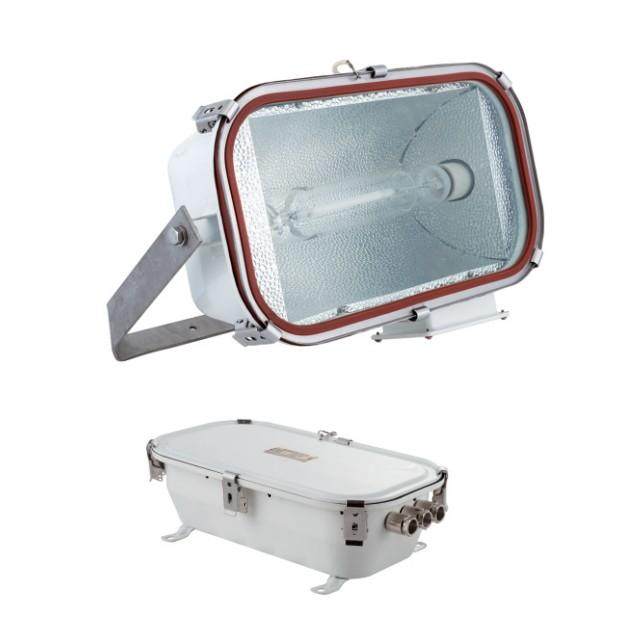
CFT1-N Explosion-proof Flood Light

7. Encourage Industry Collaboration

Collaborations within the marine industry can accelerate the adoption of sustainable lighting practices. Key actions include:

Establishing Green Standards: Encourage the development of energy-efficient, explosion-proof lighting certifications.

Sharing Best Practices: Promote knowledge exchange among marine operators and manufacturers.

Joint efforts can drive widespread adoption of carbon-efficient lighting technologies.

8. Implement Energy Audits

Conducting regular energy audits allows ship operators to identify inefficiencies and areas for improvement. Audits help:

Monitor Consumption: Track energy usage and associated emissions.

Set Reduction Goals: Implement specific measures to reduce carbon emissions.

This data-driven approach ensures continuous improvement in energy efficiency.

Summary

Reducing carbon emissions from marine explosion-proof lights requires a comprehensive approach involving technology adoption, operational improvements, and industry collaboration. By integrating energy-efficient technologies like LED lights, smart controls, and renewable energy sources, along with sustainable manufacturing practices, the marine industry can significantly lower its carbon footprint. Emphasizing these strategies will ensure a greener and more sustainable future while maintaining safety standards in hazardous marine environments.

Why VR Training Transform the Workforce in the Oil and Gas Industry

The oil and gas industry operates in some of the most challenging environments on Earth, demanding a workforce equipped with advanced skills and the ability to adapt to complex situations. Virtual Reality (VR) training is emerging as a transformative tool in oil and gas sector, offering immersive and interactive learning experiences that are redefining how employees prepare for the rigors of their roles.

VR emergency training simulation system

Immersive Learning in High-Risk Environments

Safety and efficiency are paramount in the oil and gas industry. Traditional training methods often rely on classroom-based instruction, which can struggle to simulate the high-risk emergency scenarios employees may encounter. VR training bridges this gap by recreating realistic environments, enabling workers to practice tasks and decision-making in a safe, controlled setting. Whether it’s responding to a gas leak on an offshore rig or navigating the complexities of drilling operations, VR allows trainees to experience high-pressure situations without physical danger.

Device Virtual Assembly Simulator

Enhancing Skill Development

The hands-on nature of VR training accelerates skill acquisition by immersing learners in lifelike simulations. For example, operators can simulate assembling device and maintaining equipment using virtual replicas, improving their technical expertise before setting foot in the field. This approach not only reduces the risk of errors but also minimizes downtime and the costs associated with on-the-job training. VR can also be tailored to address specific learning needs, ensuring that training programs are relevant and effective for diverse roles within the industry.

Real-Time Feedback and Performance Analytics

One of the most significant advantages of VR training is its ability to provide immediate feedback. Trainees can receive detailed assessments of their performance, including metrics such as accuracy, speed, and decision-making efficiency. These insights enable both employees and trainers to identify areas for improvement and track progress over time. By integrating performance analytics, companies can optimize their training programs, ensuring that workers are not only meeting but exceeding industry standards.

Reducing Costs and Environmental Impact

The oil and gas industry often requires training in remote or hazardous locations, which can be both costly and environmentally taxing. VR eliminates the need for physical travel and reduces reliance on real-world resources for training exercises. For instance, simulating a drilling operation in VR negates the need for fuel, equipment, and other materials, contributing to sustainability goals. Additionally, the scalability of VR training makes it accessible to large workforces, allowing companies to standardize their training processes across multiple sites.

Preparing for the Future

As the industry adopts advanced technologies such as automation and digitalization, VR training is playing a crucial role in preparing workers for these changes. Employees can be trained on operating autonomous systems or managing digital platforms, ensuring they remain adept in an evolving landscape. Furthermore, VR can be used to familiarize workers with new facilities and procedures before they become operational, accelerating the onboarding process and enhancing productivity.

Summary

Virtual Reality is revolutionizing workforce training in the oil and gas industry by combining safety, efficiency, and innovation. By immersing employees in realistic scenarios and providing actionable insights, VR equips them with the skills and confidence needed to excel in their roles. As the industry continues to face challenges such as environmental concerns and technological advancements, VR training stands as a vital tool for building a resilient and future-ready workforce.

An Article to Quickly Know Custom Plush Accessories

Custom plush accessories have become an integral part of the plush toy industry, elevating the appeal of plush items beyond their core design. These thoughtfully designed add-ons not only enhance the aesthetic charm but also imbue plush creations with personality, making them stand out in a competitive market.

Custom Plush Accessories

The Importance of Custom Plush Accessories

Custom plush accessories play a pivotal role in storytelling, personalization, and brand representation. Accessories such as hats, scarves, glasses, plush keyains and miniature props can transform a simple custom plush toy into a unique character. For brands, these additions act as identifiers, linking a plush toy to a theme, a campaign, or even a cultural trend. For consumers, such accessories create emotional connections and allow for a sense of customization, turning plush toys into cherished possessions.

Popular Custom Plush Accessories

Plush accessories span a wide range of items, each tailored to suit the purpose of the custom plush toy. Clothing, for instance, is a popular category that includes tiny sweaters, dresses, and costumes. These outfits can be seasonal, such as holiday-themed clothing, or thematic, reflecting movie characters, sports teams, or cultural symbols.

Other frequently used accessories include props like miniature bags, tools, or instruments, which can align with a specific narrative or role the plush represents. For promotional plush toys, accessories often feature logos or messages, serving as a powerful branding tool.

custom plush keychains

The Design Process for Custom Accessories

The creation of custom plush accessories requires careful planning and attention to detail. Designers start by understanding the target audience and the purpose of the plush toy. For instance, a child-focused plush may have vibrant, soft, and safe accessories, while a collector’s plush might feature intricate, high-quality details.

Material selection is critical, as accessories must match the plush in durability, aesthetics, and functionality. Lightweight fabrics, embroidery, and safe fasteners are often used to ensure the accessories are child-friendly and long-lasting.

Manufacturers also incorporate technology into the process. 3D modeling and digital prototyping allow designers to visualize how accessories fit and look on the plush before production begins. These tools ensure precision and reduce lead times, enabling faster delivery of custom orders.

Details of Custom Plush Keychain

Market Trends in Custom Plush Accessories

In recent years, custom plush accessories have expanded into new realms of creativity and innovation. Interactive elements, such as magnetic parts or accessories with embedded sensors, are becoming popular. These additions make the plush toy more engaging, especially for tech-savvy consumers.

Eco-friendly accessories are also gaining traction. Sustainable materials, biodegradable components, and minimal packaging are increasingly used to align with environmental values, appealing to a growing audience of eco-conscious buyers.

In conclusion, custom plush accessories add a layer of uniqueness and value to plush toys, enhancing their appeal to diverse markets. From playful designs for children to sophisticated collectibles for adults, these accessories make plush creations more versatile, relatable, and memorable. As trends evolve and technology advances, custom plush accessories will continue to play a crucial role in shaping the future of the plush toy industry.

A Step-by-step Guide to Removing Different Types of Rivets

Rivets are commonly used fasteners in various industries, from construction and aviation to home projects. While they provide strong and durable connections, there are instances where removing rivets becomes necessary, such as repairs, replacements, or modifications. Proper removal techniques depend on the type of rivet and the tools available. Here’s a step-by-step guide to removing different types of rivets efficiently and safely.

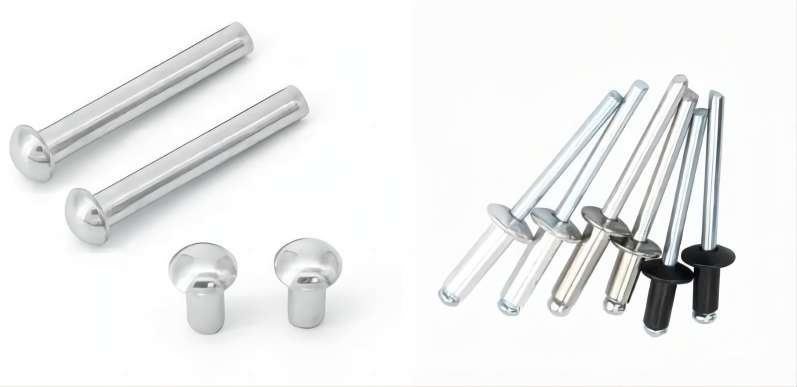
different types of rivets

1. Blind Rivets

Blind rivets, also known as pop rivets, are used when access to only one side of the workpiece is possible.

pop rivets

Steps to Remove Blind Rivets:

Inspect the Rivet: Identify the rivet’s material and size.

Drill Out the Rivet:

Use a drill bit slightly larger than the rivet’s central mandrel.

Position the drill bit on the rivet head’s center and drill until the head separates.

Remove the Body: Push the remaining rivet body through the hole using a punch and hammer.

2. Solid Rivets

Solid rivets are commonly found in heavy-duty applications, such as aircraft and bridges. These rivets are fully solid and require more effort to remove.

Steps to Remove Solid Rivets:

Grind Down the Head:

Use an angle grinder to grind the rivet head until it’s flush with the surface.

Punch Out the Rivet:

Place a center punch in the rivet’s center.

Strike the punch with a hammer to push the rivet body out.

Drill if Necessary: If the rivet doesn’t budge, drill through its center and repeat the punching process.

Solid rivets

3. Semi-Tubular Rivets

These rivets are often used in lightweight applications, such as leather goods or small appliances. They have a partially hollow body that makes removal easier.

Steps to Remove Semi-Tubular Rivets:

Cut the Head: Use a chisel or grinder to remove the rivet head.

Push Out the Rivet: Insert a punch into the hollow end and tap it with a hammer to push the rivet out.

4. Self-Piercing Rivets

Self-piercing rivets are used in automotive and industrial applications. They create their own hole during installation, which makes removal a bit more complex.

Steps to Remove Self-Piercing Rivets:

Drill the Rivet:

Use a high-speed steel drill bit to drill through the rivet head.

Cut with a Grinder: If drilling is not feasible, use a cutting disc to slice through the rivet head.

Push Out the Shank: Use a punch and hammer to remove the remaining shank.

5. Split Rivets

Split rivets have a unique design with prongs that bend to secure materials.

Steps to Remove Split Rivets:

Bend Back the Prongs: Use a flathead screwdriver or pliers to straighten the prongs.

Pull Out the Rivet: Once the prongs are straightened, pull the rivet out using pliers.

6. Drive Rivets

Drive rivets are often used in construction for fastening lightweight materials.

Steps to Remove Drive Rivets:

Drill Out the Center Pin: Drill into the center pin to release the rivet’s tension.

Remove the Rivet Body: Use a punch and hammer to push the body out of the hole.

Tools Required for Rivet Removal

Drill and Drill Bits: High-speed steel or cobalt drill bits for precision drilling.

Center Punch: To guide drilling or push out rivet bodies.

Angle Grinder: For grinding rivet heads in heavy-duty applications.

Chisel: To cut rivet heads manually.

Pliers: For prying or pulling out rivet bodies.

Safety Equipment: Goggles, gloves, and ear protection to ensure safety during the process.

Tips for Efficient Rivet Removal

Match the Tool to the Rivet Type: Use the appropriate method and tools based on the rivet’s material and design.

Work Slowly: Avoid applying excessive force, which could damage the surrounding material.

Use Lubricants: Apply cutting oil when drilling to reduce heat and wear on tools.

Inspect for Damage: Check the surface after removal to ensure no material is compromised.

Final Thoughts

Removing rivets can seem challenging, but with the right tools and techniques, it becomes a straightforward process. Understanding the type of rivet and its application is key to choosing the appropriate removal method. Whether you’re working on a small DIY project or tackling industrial repairs, following these guidelines will ensure a clean and safe removal process.

通过 WordPress.com 设计一个这样的站点
从这里开始