Comparative Analysis of Vortex Mixers and Centrifuges: Choosing the Suitable Equipment

In the fast-paced world of laboratory research, efficiency and precision are paramount. Two of the most commonly used pieces of equipment in labs are vortex mixers and centrifuges. While both serve critical functions, they are designed for distinct purposes and offer unique advantages. Understanding the differences between vortex mixers and centrifuges, as well as their respective roles in lab workflows, is essential for optimizing laboratory efficiency. This article explores the functionalities, applications, and comparative benefits of vortex mixers and centrifuges, helping researchers make informed decisions about their use.

vortex mixers and centrifuges

Vortex Mixers: Mixing with Precision

Vortex mixers are compact, versatile devices used to mix small volumes of liquids rapidly. They operate by creating a vortex—a circular motion that thoroughly mixes the contents of a tube or container. Vortex mixers are particularly valued for their simplicity, speed, and ability to handle multiple samples simultaneously.

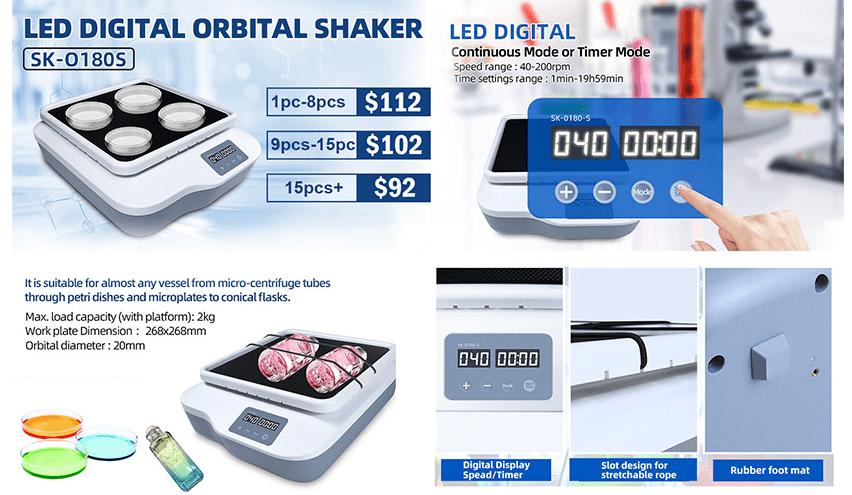
Orbital MX-F Vortex Mixer Supplier

Key Features and Applications of Vortex Mixers

Rapid Mixing: Vortex mixers excel at quickly homogenizing liquids, making them ideal for tasks such as resuspending pellets, mixing reagents, or blending samples.

Ease of Use: With straightforward operation and minimal setup, vortex mixers are user-friendly and require little training.

Compact Design: Their small footprint makes them suitable for labs with limited bench space.

Versatility: Vortex mixers can accommodate a variety of tube sizes and are often used in molecular biology, chemistry, and clinical labs.

Centrifuges: Separating with Power

Centrifuges are powerful instruments designed to separate components of a mixture based on density. By spinning samples at high speeds, centrifuges generate centrifugal force, causing denser particles to settle at the bottom of the tube while lighter components remain suspended or form layers. Centrifuges are indispensable for tasks such as cell isolation, protein purification, and DNA extraction.

Drawell Low Speed Centrifuges T

Key Features and Applications of Centrifuges

Separation Efficiency: Centrifuges are unmatched in their ability to separate complex mixtures, making them essential for applications like blood sample processing, cell culture, and molecular biology.

High-Speed Operation: Modern centrifuges can reach extremely high speeds, enabling rapid and precise separation of samples.

Scalability: Centrifuges come in various sizes and configurations, from microcentrifuges for small volumes to large floor models for high-throughput applications.

Specialized Functions: Many centrifuges offer advanced features, such as temperature control and programmable settings, to accommodate specific experimental needs.

Comparing Vortex Mixers and Centrifuges

While both vortex mixers and centrifuges are essential lab tools, they serve different purposes and are often used in complementary ways. Here’s a comparison of their roles in lab efficiency:

Functionality:

Vortex mixers are designed for mixing and homogenizing liquids, ensuring even distribution of components.

Centrifuges are designed for separating components based on density, enabling the isolation of specific materials.

Speed and Throughput:

Vortex mixers provide near-instantaneous mixing, making them ideal for quick tasks.

Centrifuges require longer run times but offer unparalleled separation capabilities.

Sample Volume:

Vortex mixers are best suited for small volumes, typically in tubes or microplates.

Centrifuges can handle a wide range of volumes, from microliters to liters, depending on the model.

Applications:

Vortex mixers are commonly used for preparing samples, mixing reagents, and resuspending pellets.

Centrifuges are essential for isolating cells, purifying proteins, and separating phases in complex mixtures.

Space and Cost:

Vortex mixers are compact and generally more affordable, making them accessible for most labs.

Centrifuges, especially high-speed or refrigerated models, are larger and more expensive, requiring a greater investment.

Optimizing Lab Efficiency with Vortex Mixers and Centrifuges

To maximize lab efficiency, researchers should consider the specific requirements of their experiments and workflows. Vortex mixers are invaluable for tasks that demand quick and thorough mixing, while centrifuges are indispensable for separation and purification processes. In many cases, these tools are used in tandem—for example, vortexing a sample to mix reagents before centrifuging it to isolate the desired components.

In conclusion, vortex mixers and centrifuges are both critical to laboratory efficiency, but they serve distinct roles in the research process. Vortex mixers excel at rapid mixing and homogenization, while centrifuges are unmatched in their ability to separate complex mixtures. By understanding the strengths and applications of each tool, researchers can optimize their workflows, improve experimental outcomes, and enhance overall lab productivity. Whether used independently or together, vortex mixers and centrifuges remain foundational instruments in the pursuit of scientific discovery.

How to Design Inflatable Life Rafts for Harsh Weather Conditions

Inflatable life rafts are a critical component of maritime safety, offering vital protection and a means of survival in emergency situations. Their importance becomes even more pronounced in harsh weather conditions, where strong winds, towering waves, and freezing temperatures can push survival equipment to its limits. These rafts, designed to endure such challenges, are engineered to provide maximum reliability, durability, and comfort for stranded individuals.

Inflatable Life Rafts

Challenges of Life Rafts in Harsh Weather Conditions

In severe weather conditions, the primary challenge is ensuring the stability and buoyancy of the life raft. Inflatable life rafts are constructed using rugged, weather-resistant materials, such as reinforced nylon or polyurethane-coated fabrics. These materials are resistant to tearing, abrasion, and exposure to saltwater, ensuring the raft remains intact under pressure. Additionally, multiple buoyancy chambers are incorporated into the design, so even if one chamber is compromised, the raft can remain afloat.

Design Considerations for Inflatable Life Rafts in Harsh Weather Conditions

A critical factor in harsh weather conditions is the raft’s ability to remain upright and stable. Modern inflatable life rafts are equipped with ballast bags that fill with water, creating a low center of gravity to reduce the risk of capsizing in high seas. Some rafts also feature boarding ladders and stabilizer lines to help survivors enter the raft more easily, even in turbulent waters.

self-inflating life raft

Survivability in extreme weather also depends on protection from environmental elements. Inflatable life rafts are fitted with canopies to shield occupants from rain, wind, and intense sunlight. In cold conditions, these canopies help retain body heat and prevent hypothermia, while reflective strips on the exterior increase visibility for rescue teams. Ventilation panels and drainage systems ensure water does not accumulate inside the raft, keeping survivors as dry and comfortable as possible.

Inflatable life rafts are equipped with emergency supplies tailored to harsh conditions. These kits often include thermal blankets, signaling devices, and ration packs to sustain occupants while awaiting rescue. Some advanced models also feature integrated emergency beacons, such as EPIRBs (Emergency Position-Indicating Radio Beacons), to transmit location data to search-and-rescue teams.

Deployment efficiency is another critical consideration. Harsh weather can make manual deployment difficult, so many life rafts are designed with automatic inflation systems that activate as soon as they come into contact with water. These systems ensure the raft is ready for use within seconds, even if crew members are incapacitated or disoriented during an emergency.

life raft

Regular Maintenance of Inflatable Life Rafts

While the effectiveness of inflatable life rafts in harsh weather conditions depends on regular maintenance and adherence to safety protocols. Routine inspections ensure the raft’s inflation system, materials, and emergency supplies are in optimal condition. Crews must also undergo training to familiarize themselves with the deployment and use of the raft, ensuring they can act swiftly under stress.

In conclusion, inflatable life rafts play a vital role in maritime safety, particularly in harsh weather conditions where survival is most precarious. By combining durable materials, advanced stabilization features, protective canopies, and essential survival tools, these rafts provide a lifeline for individuals facing the unforgiving forces of nature. Proper maintenance and training further enhance their reliability, ensuring that when disaster strikes, inflatable life rafts can deliver the protection and security needed to save lives.

Effective Strategies for Safety Management in Downhole Operations

Downhole operations play a critical role in the oil and gas industry, involving various activities such as drilling, well completion, logging, and maintenance. These operations occur in challenging environments with significant risks, including high-pressure zones, extreme temperatures, and hazardous materials. Effective safety management is essential to protect personnel, equipment, and the environment. This article explores key aspects of safety management in downhole operations and offers strategies to enhance safety and efficiency.

Downhole Drilling Operation

Understanding the Risks in Downhole Operations

Downhole operations pose numerous risks, including:

Blowouts: Uncontrolled releases of pressure due to failed well control systems.

Exposure to Hazardous Materials: Contact with toxic gases such as hydrogen sulfide (H₂S).

Equipment Failures: Malfunctions in tools, drill strings, or other critical equipment.

Human Error: Misinterpretation of data or incorrect execution of procedures.

Understanding these risks is the foundation of effective safety management, allowing operators to anticipate potential hazards and implement preventive measures.

downhole drilling equipment

Essential Components of Safety Management in Downhole Operations

Safety management involves a structured approach to mitigate risks and ensure operational integrity. Key components include:

1. Training and Competency Development

Operators and technicians must undergo rigorous training to handle downhole equipment and follow safety protocols.

Drills and simulations, such as blowout prevention (BOP) exercises, prepare teams for emergency scenarios.

2. Well Integrity Management.

Regular inspections and maintenance of well casings, cementing, and barriers prevent incidents such as leaks and blowouts.

Advanced tools like real-time well monitoring systems enhance detection of anomalies.

3. Adherence to Regulatory Standards

Compliance with industry standards such as API (American Petroleum Institute) and OSHA (Occupational Safety and Health Administration) guidelines ensures safe operations.

Regular audits and inspections by third-party entities help identify gaps in safety measures.

4. Use of Advanced Technologies

Real-Time Monitoring: Sensors and telemetry systems track pressure, temperature, and flow rates, allowing early detection of issues.

Automation: Automated tools reduce human involvement in high-risk activities, minimizing the likelihood of errors.

5. Emergency Response Planning

Well-developed contingency plans ensure prompt and effective responses to emergencies.

Response teams equipped with specialized gear can address incidents like well control failures or toxic gas releases.

Best Practices for Safety Management

Operators can adopt the following best practices to improve safety:

1. Risk Assessments

Conduct thorough risk assessments before initiating downhole activities.

Identify and mitigate potential hazards at each phase of the operation.

2. Collaboration and Communication

Promote open communication among team members, supervisors, and third-party contractors.

Use digital tools to share real-time data and updates.

3. Periodic Safety Audits

Conduct regular inspections and reviews of safety procedures and equipment.

Address findings promptly to maintain high safety standards.

4. Focus on Mental and Physical Well-being

Ensure crew members are well-rested and fit for duty.

Provide access to mental health support and stress management resources.

Innovations Enhancing Safety in Downhole Operations

Technological advancements are transforming safety management in downhole operations. Innovations include:

Drilling Simulators: Simulations provide realistic training scenarios for handling emergencies.

Workover Simulator

Predictive Analytics: AI-driven systems predict equipment failures, allowing preventive maintenance.

H₂S Detection Systems: Advanced gas detection technologies ensure timely identification of hazardous leaks.

Conclusion

Safety management in downhole operations is a multifaceted endeavor requiring proactive planning, robust systems, and a culture of safety awareness. By integrating advanced technologies, adhering to industry standards, and fostering continuous learning, operators can minimize risks and protect both personnel and assets. Prioritizing safety not only ensures the success of downhole operations but also upholds the reputation and sustainability of the oil and gas industry.

Effective Methods for Color Consistency and Color Matching in Printing Inspection

In the world of printing, color is more than just an aesthetic element—it is a critical component of brand identity, communication, and customer perception. Whether it’s a vibrant product package, a glossy magazine, or a corporate brochure, maintaining color consistency and achieving accurate color matching are essential for delivering high-quality printed materials. However, achieving this level of precision is no small feat. It requires a combination of advanced technology, meticulous processes, and a deep understanding of color science. This article explores the importance of color consistency and color matching in printing inspection and the innovations driving this field forward.

color matching design

The Importance of Color Consistency and Matching

Color consistency refers to the ability to reproduce the same color across different print runs, materials, or printing processes. Color matching, on the other hand, involves ensuring that the printed color aligns precisely with a predefined standard, such as a brand’s Pantone color or a client’s specific requirements. Both are crucial for maintaining brand integrity, meeting customer expectations, and avoiding costly reprints.

In industries like packaging, where colors are often tied to brand identity, even the slightest deviation can lead to customer dissatisfaction or a loss of trust. For example, a soft drink company’s signature red must look the same on every can, bottle, and advertisement, regardless of where or how it is printed. Similarly, in the fashion industry, the color of a fabric printed with a designer’s pattern must match the original design exactly to maintain its appeal.

Challenges in Achieving Color Consistency and Matching

Several factors make color consistency and matching a complex challenge in printing inspection:

Variability in Printing Processes: Different printing methods, such as offset, digital, or flexographic printing, have unique characteristics that affect color reproduction. Even within the same process, variations in ink viscosity, drying time, or pressure can lead to inconsistencies.

Substrate Differences: The material being printed on—whether paper, plastic, fabric, or metal—can influence how colors appear. For instance, a color printed on glossy paper may look different when printed on matte paper due to differences in light reflection.

Environmental Factors: Temperature, humidity, and lighting conditions can all impact color perception and reproduction. A color that looks perfect under one lighting condition may appear different under another.

Human Perception: Color perception is subjective and can vary from person to person. What one inspector considers a perfect match, another might see as slightly off.

precision print inspection system

Innovations in Printing Inspection for Color Consistency

To address these challenges, the printing industry has embraced a range of technologies and processes designed to enhance color consistency and matching. These innovations are transforming how colors are inspected and controlled throughout the printing process.

Advanced Color Measurement Tools

Advanced printing inspection systems rely on sophisticated color measurement tools, such as spectrophotometers and colorimeters, to quantify color accuracy. These devices measure color in terms of its spectral reflectance, providing objective data that can be compared to predefined standards. By using these tools, printers can ensure that colors are consistent across different print runs and substrates.

Automated Inspection Systems

Automation is playing an increasingly important role in printing inspection. Automated web inspection systems for print quality equipped with high-resolution cameras and advanced software can scan printed materials in real-time, detecting even the slightest color deviations. These systems can alert operators to issues immediately, allowing for quick adjustments and minimizing waste. Some systems even integrate with printing presses to make automatic corrections, ensuring consistent color output throughout the production process.

printing quality inspection system

Digital Color Management Systems

Digital color management systems (CMS) are essential for maintaining color consistency across different devices and processes. These systems use standardized color profiles, such as ICC profiles, to ensure that colors are accurately reproduced from design to print. By calibrating monitors, printers, and other devices to a common standard, a CMS helps bridge the gap between digital designs and physical prints.

Artificial Intelligence and Machine Learning

Artificial intelligence (AI) and machine learning (ML) are revolutionizing color inspection by enabling systems to learn from historical data and predict potential issues. For example, AI algorithms can analyze patterns in color deviations and identify the root causes, such as ink viscosity or press settings. This predictive capability allows printers to address problems before they affect the final product, improving efficiency and reducing waste.

3D Color Mapping

3D color mapping is an emerging technology that provides a more comprehensive view of color consistency. By creating a three-dimensional model of color variations across a printed surface, this technology helps inspectors identify subtle differences that might be missed by traditional 2D methods. This is particularly useful for large-format printing, where color consistency across a wide area is critical.

Best Practices for Ensuring Color Consistency

While technology plays a crucial role, achieving color consistency also requires adherence to best practices throughout the printing process:

Standardized Workflows: Establishing standardized workflows for color management, from design to production, helps minimize variability and ensure consistency.

Regular Calibration: Regularly calibrating printing equipment and inspection tools ensures that they remain accurate and reliable.

Controlled Environmental Conditions: Maintaining consistent temperature, humidity, and lighting conditions in the printing and inspection areas reduces the risk of color deviations.

Training and Expertise: Investing in training for operators and inspectors ensures that they have the knowledge and skills to manage color effectively.

The Future of Color Consistency in Printing

As the printing industry continues to evolve, the demand for precise color consistency and matching will only grow. Emerging technologies, such as augmented reality (AR) and virtual reality (VR), are expected to play a role in color inspection by providing immersive tools for visualizing and comparing colors. Additionally, the integration of IoT (Internet of Things) devices into printing systems will enable real-time monitoring and control of color quality across global supply chains.

Sustainability is also becoming a driving force in color management. Innovations in eco-friendly inks and substrates are creating new challenges and opportunities for color consistency, as printers must adapt to these materials while maintaining high standards of quality.

Conclusion

Color consistency and color matching are at the heart of printing inspection, ensuring that every printed product meets the highest standards of quality and accuracy. Through the use of advanced technologies, standardized processes, and a commitment to excellence, the printing industry is overcoming the challenges of color reproduction and delivering results that captivate and inspire. As technology continues to advance, the future of color consistency in printing promises even greater precision, efficiency, and creativity, paving the way for a more vibrant and consistent printed world.

How Explosion-Proof Lighting is Used for Different Types of Ships

In the maritime industry, safety is paramount. Ships operate in some of the most challenging environments, where the risk of explosions due to flammable gases, vapors, or dust is a constant concern. Explosion-proof lighting plays a critical role in ensuring the safety and functionality of various types of ships, from cargo vessels to passenger ships and offshore platforms. This article explores the application of explosion-proof lighting across different types of ships.

CXH-102FB Explosion-proof Navigation Signal Light

What is Explosion-Proof Lighting?

Explosion-proof lighting refers to lighting fixtures designed to operate safely in hazardous environments where flammable substances may be present. These fixtures are engineered to contain any sparks or explosions within the device, preventing them from igniting the surrounding atmosphere. They are typically constructed with robust materials such as stainless steel or aluminum and are sealed to withstand harsh conditions, including extreme temperatures, moisture, and corrosive elements.

Importance of Explosion-Proof Lighting on Ships

Ships, especially those carrying flammable cargo or operating in volatile environments, are at high risk of explosions. Marine explosion-proof lighting is essential for:

Preventing Accidents: By containing potential ignition sources, these lights reduce the risk of fires or explosions.

Ensuring Compliance: Maritime regulations, such as those set by the International Maritime Organization (IMO), often mandate the use of explosion-proof lighting in hazardous areas.

Enhancing Visibility: Reliable lighting is crucial for navigation, cargo handling, and emergency situations, especially in confined or poorly lit areas.

Durability: Explosion-proof lights are built to withstand the harsh marine environment, including saltwater corrosion and mechanical vibrations.

Applications on Different Types of Ships

1. Cargo Ships and Tankers

Cargo ships, particularly oil and chemical tankers, transport flammable liquids and gases. These vessels require explosion-proof lighting in areas such as cargo holds, pump rooms, and storage tanks. The lighting must be resistant to chemical corrosion and capable of operating in potentially explosive atmospheres.

2. Passenger Ships and Cruise Liners

While passenger ships may not carry hazardous cargo, they still require explosion-proof lighting in specific areas like engine rooms, generator rooms, and fuel storage areas. These spaces often contain flammable fuels and gases, making safety a top priority.

3. Offshore Support Vessels

Offshore support vessels, such as those servicing oil rigs, operate in highly hazardous environments. Explosion-proof lighting is essential for deck areas, drilling equipment, and storage compartments where flammable gases or vapors may be present.

4. Fishing Vessels

Fishing vessels, especially those with refrigeration systems, may use flammable gases for cooling. Explosion-proof lighting is necessary in engine rooms and refrigeration units to prevent accidents.

5. Naval and Military Ships

Naval vessels often carry ammunition and other explosive materials. Explosion-proof lighting is critical in munition storage areas, engine rooms, and other high-risk zones to ensure the safety of the crew and equipment.

Key Features of Explosion-Proof Lighting for Ships

Robust Construction: Made from durable materials to withstand harsh marine conditions.

Certifications: Compliant with international standards such as ATEX, IECEx, and marine-specific regulations.

Energy Efficiency: Many advanced explosion-proof LED lights are energy-efficient and has a longer lifespan.

explosion proof led lights

Versatility: Available in various designs, including floodlights, bulkhead lights, and pendant lights, to suit different applications.

Maintenance-Free: Designed to require minimal maintenance, reducing downtime and operational costs.

Conclusion

Explosion-proof lighting is an indispensable component of maritime safety, particularly for ships operating in hazardous environments. By preventing ignition sources and ensuring reliable illumination, these lighting systems protect both crew members and cargo. As technology advances, explosion-proof lighting continues to evolve, offering greater efficiency, durability, and compliance with stringent safety standards. For shipowners and operators, investing in high-quality explosion-proof lighting is not just a regulatory requirement—it’s a commitment to safety and operational excellence.

Whether it’s a cargo ship navigating treacherous waters or a cruise liner ensuring passenger safety, explosion-proof lighting remains a beacon of security in the maritime world.

Handmade and Mass-Produced Custom Stuffed Animals: Key Differences and How to Choose

Custom stuffed animals hold a unique charm, whether they’re carefully handcrafted or churned out on a large scale through mass production. Both approaches cater to different audiences and serve distinct purposes, but the choice between handmade and mass-produced stuffed animals often comes down to personal preference, intended use, and budget.

Handmade Stuffed Animals

Handmade custom stuffed animals are a celebration of artistry and attention to detail. Every piece tells a story, carrying the mark of the individual artisan who made it. These custom stuffed animals are often personalized to an extraordinary degree, reflecting the vision of the person who commissioned them. Whether it’s a cherished childhood drawing brought to life or a replica of a beloved pet, handmade options allow for unparalleled customization. The craftsmanship involved means that each stuffed animal is one-of-a-kind, making them an excellent choice for gifts or sentimental keepsakes. However, this uniqueness comes at a price. Handmade options are typically more expensive due to the time and skill required, and production times can be longer as artisans carefully construct each piece.

Handmade Custom Stuffed Animals

On the other hand, mass-produced custom stuffed animals excel in efficiency and affordability. Custom plushies manufacturers utilize advanced technologies like automated embroidery and high-volume printing to produce stuffed animals in bulk, making it possible to offer customized designs at a lower cost. These are ideal for corporate promotions, event giveaways, or retail opportunities where uniformity and scalability are essential. Despite being less personalized than their handmade counterparts, mass-produced stuffed animals can still include custom features such as logos, specific color schemes, or simplified character designs. The trade-off, however, is a loss of the intricate details and emotional connection that handmade options provide.

The durability and material quality also differ between the two. Handmade stuffed animals often prioritize premium fabrics and meticulous stitching, ensuring they can withstand years of love and use. Mass-produced options, while still sturdy, may focus more on cost-effectiveness, which can sometimes affect longevity.

Stuffed Animals

Ultimately, the choice between handmade and mass-produced custom stuffed animals depends on what you value most. If you’re seeking a deeply personal, high-quality keepsake that’s rich in emotional significance, handmade is the way to go. However, if you’re working within a budget or require larger quantities with consistent quality, mass production offers a practical and reliable solution. Both approaches have their merits, and understanding the unique strengths of each can help you make an informed decision that aligns with your needs.

What Are Screw Threads: 6 Key Points You Need to Know

Screw threads are a fundamental element of engineering, serving as a cornerstone for fastening, motion transmission, and load distribution. These helical grooves, found on cylindrical or conical objects, enable secure connections and precise movements, making them indispensable in numerous industries, from construction and automotive to aerospace and medical devices.

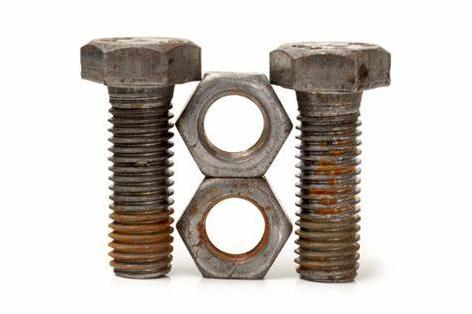
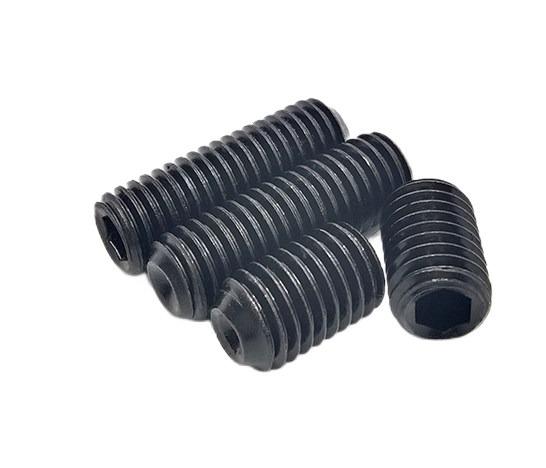
thread screws

Key Characteristics of Screw Threads

A screw thread’s design might seem simple, but its functionality relies on a combination of intricate geometrical features. The pitch, or the distance between adjacent threads, plays a crucial role in determining the thread’s utility. The thread angle, major diameter (the largest diameter of the thread), and minor diameter (the smallest diameter) collectively define the strength, performance, and compatibility of screws.

Functions of Screw Threads

One of the most critical aspects of screw threads is their ability to convert rotational motion into linear motion. This feature makes them essential in devices such as lead screws, jacks, and precision instruments, where controlled motion is required. The helical structure of the thread creates frictional resistance, which not only holds components together but also distributes forces evenly, ensuring stability under varying loads.

Types of Screw Threads

Types of screw threads are based on their design and application. Unified threads, common in the U.S. and Canada, offer a standard system of coarse and fine threads. Metric threads, widely adopted worldwide, provide a consistent measurement system for global use. Specialty threads, such as Acme, buttress, or square threads, cater to unique applications, offering enhanced strength, load-bearing capacity, or efficiency in power transmission.

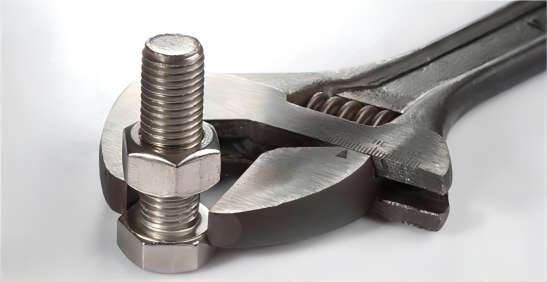
thread screws

Applications of Screw Threads

The versatility of screw threads is evident in their wide range of applications. In construction, they are used to join structural components, ensuring stability and durability. In manufacturing, they facilitate precise assembly of machines and tools. Automotive and aerospace industries rely heavily on threaded fasteners to maintain the integrity of complex systems under dynamic conditions. Even in medical fields, screw threads are integral to devices that demand precision, such as surgical instruments and implants.

Screw Thread Manufacturing Methods

Creating screw threads involves various manufacturing processes, each tailored to the intended application. Traditional methods, such as thread cutting with taps and dies, remain popular for smaller-scale operations. For high-strength applications, thread rolling displaces material to form threads, enhancing their durability. Modern CNC machining has introduced thread milling, which allows for precise, repeatable thread production with minimal errors.

Challenges in Using Screw Threads

Despite their benefits, screw threads are not without challenges. Stripping, corrosion, and wear can compromise their functionality over time, especially under harsh operating conditions. These challenges are being addressed through innovations in materials and design. Advanced coatings, corrosion-resistant alloys, and surface treatments are extending the lifespan of threads. Emerging technologies, like 3D printing, are pushing the boundaries of thread design, enabling rapid prototyping and custom geometries for specialized applications.

Screw thread

In summary, screw threads are not merely mechanical components; they are a testament to the ingenuity of engineering. Their ability to provide secure fastening, precise motion, and reliable load distribution ensures their continued relevance in the face of evolving industrial demands. As materials and manufacturing technologies advance, the future of screw threads promises even greater performance, adaptability, and efficiency, cementing their place as an essential tool in modern engineering.

Why Choose Dry Bath Incubators Rather than Traditional Water Baths

For laboratory equipment, precise temperature control is essential for a wide range of applications, including sample preparation, enzyme reactions, and molecular biology studies. For decades, traditional water baths were the standard choice for achieving consistent heating. However, dry bath incubators have emerged as a modern alternative, offering several advantages that make them increasingly popular in laboratories. This article explores why choosing dry bath incubators over traditional water baths is a forward-thinking decision.

Dry Bath Incubator

The Limitations of Traditional Water Baths

Traditional water baths use heated water to maintain consistent temperatures for samples. While effective, they come with certain drawbacks that can impact efficiency and reliability in the lab. One of the primary challenges is the need for frequent maintenance. Water baths require regular cleaning to prevent microbial contamination, biofilm formation, and mineral buildup, which can compromise the accuracy of temperature control.

Additionally, water baths can be prone to evaporation, especially during extended experiments, necessitating constant monitoring and refilling. This not only increases labor but also introduces variability in temperature control, potentially affecting the integrity of sensitive samples. Furthermore, water baths can lead to cross-contamination if multiple samples are placed in the same container, as water may transfer impurities or pathogens from one sample to another.

The Advantages of Dry Bath Incubators

Dry bath incubators, also known as dry block heaters, address many of the limitations associated with traditional water baths. These devices use heated metal blocks to provide precise and uniform temperature control without the need for water. The key advantages of dry bath incubators include:

1. Minimal Maintenance

Unlike water baths, dry bath incubators do not require cleaning of water tanks or refilling to compensate for evaporation. This significantly reduces downtime and maintenance costs, making them a more convenient choice for busy laboratories.

Mini Dry Bath Incubator

2. Enhanced Precision and Consistency

Dry bath incubators provide precise temperature control with minimal fluctuations. The solid block design ensures uniform heat distribution across all samples, which is particularly critical for applications that demand accuracy, such as PCR sample preparation or enzymatic assays.

3. Reduced Risk of Contamination

Because dry bath incubators do not use water as a medium, the risk of cross-contamination between samples is virtually eliminated. Each sample is placed in its own dedicated well or tube holder, ensuring a sterile and controlled environment.

4. Energy Efficiency and Portability

Dry bath incubators consume less energy than traditional water baths, as they do not need to heat and maintain large volumes of water. Additionally, their compact and lightweight design makes them easy to move and integrate into different workspaces.

5. Versatility in Applications

Modern dry bath incubators offer interchangeable blocks to accommodate a variety of sample sizes and tube types, from microcentrifuge tubes to PCR plates. This versatility makes them suitable for a wide range of applications, from clinical diagnostics to research and development.

DW-DH200 Dry Bath Incubator

When to Choose a Dry Bath Incubator

While traditional water baths are still valuable for certain applications, such as heating large volumes of liquid or incubating large flasks, dry bath incubators are a superior choice for laboratories that prioritize precision, convenience, and sterility. They are particularly well-suited for workflows involving small sample volumes, repetitive heating tasks, or experiments requiring a contamination-free environment.

Conclusion

Choosing dry bath incubators over traditional water baths represents a shift toward efficiency, precision, and modern laboratory practices. By reducing maintenance, minimizing contamination risks, and enhancing temperature control, dry bath incubators enable scientists and technicians to focus more on their research and less on equipment upkeep. As laboratories continue to evolve, adopting advanced tools like dry bath incubators ensures they stay at the forefront of innovation, delivering reliable results for a wide range of scientific applications.

Effective Solutions to Overcome the Challenges in Tension Control for Multi-Layer Webs

Tension control is a critical factor in the production of multi-layer webs, which are widely used in industries such as packaging, printing, and laminating. These webs are composed of multiple layers of materials, each with unique characteristics that must be aligned and processed in perfect harmony. Achieving consistent tension throughout the process is key to maintaining product quality, minimizing waste, and enhancing operational efficiency.

Importance of Tension Control in Multi-Layer Webs

When dealing with multi-layer webs, tension control becomes more intricate due to the interactions between the different layers. Each layer may have its own mechanical properties, such as elasticity, thickness, and surface friction. Variations in these properties can lead to complications like wrinkling, misalignment, or even layer separation if not carefully managed. The dynamic nature of production processes, which often involve unwinding, coating, laminating, or rewinding, further adds to the complexity. Factors such as changing roll diameters and fluctuating environmental conditions, including humidity and temperature, can also affect the tension of materials, making real-time adjustments essential.

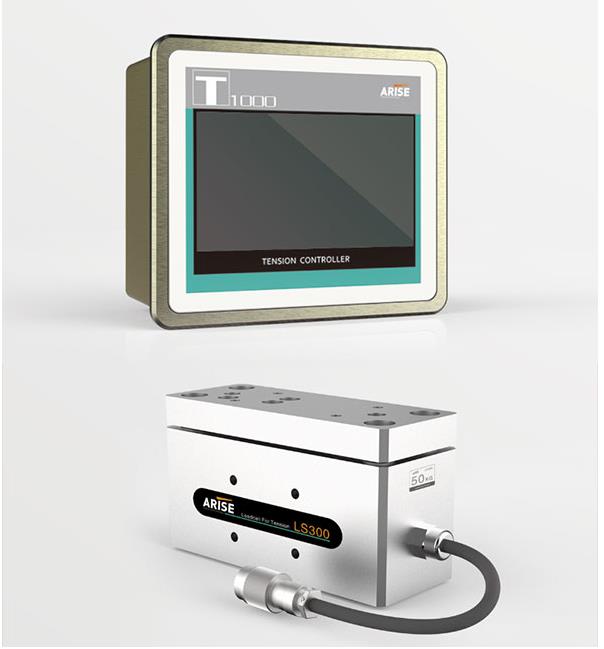
T1000 web tension controller

Challenges in Tension Control for Multi-Layer Webs

One of the biggest challenges in tension control for multi-layer webs is balancing the needs of all the layers simultaneously. For example, some materials are more delicate and require lower tension to avoid damage, while others may need higher tension to maintain structural integrity. Without precise control, the risk of defects such as creases, stretching, or incomplete adhesion between layers increases significantly.

Key Technologies for Effective Tension Control

Advanced tension control systems have become indispensable for overcoming these challenges. Modern solutions often employ closed-loop control systems that continuously monitor tension using load cells or dancer rolls. These systems can make real-time adjustments to motor speeds, brakes, or clutches, ensuring consistent tension across all layers. Moreover, dividing the production line into distinct tension zones allows for independent optimization of each stage, ensuring that all layers are handled according to their specific requirements.

Best Practices for Tension Control

In addition to technology, process optimization plays a vital role in tension control. Understanding the behavior of each material under tension is essential for configuring equipment settings appropriately. For instance, characterizing the elasticity and frictional properties of each layer helps manufacturers fine-tune their systems to prevent defects. Regular maintenance of sensors, rollers, and actuators also ensures that the control systems operate accurately, avoiding unexpected disruptions.

LS300 through-axis tension sensor

Automated Web Guiding

Automation has revolutionized tension control in recent years, enabling manufacturers to achieve greater precision and consistency. By integrating tension control with other automated systems, such as automated web guiding system with splice table, production lines can operate with minimal manual intervention. This not only improves product quality but also enhances efficiency by reducing downtime caused by material handling issues.

W500 Web Guide System

Summary

Tension control for multi-layer webs is a delicate balancing act that requires both advanced technology and meticulous process management. As industries continue to push the boundaries of innovation, the demand for precise, reliable tension control systems will only grow. By investing in state-of-the-art solutions and adopting best practices, manufacturers can navigate the complexities of multi-layer web handling and deliver superior products to their customers.

Why LED Technology is More and More Widely Used in Marine Lighting

Lighting is a critical component in the maritime industry, influencing safety, operational efficiency, and energy consumption. With advancements in illumination technology, LEDs have become the preferred choice for marine lighting. These innovations have revolutionized how ships and marine installations are lit, offering unparalleled benefits in performance and sustainability.

LED Double-deck Navigation Signal Light

Advantages of LED Technology in Marine Applications

One of the most significant advantages of LED lighting is its energy efficiency. Traditional lighting systems, such as incandescent or halogen bulbs, consume large amounts of power, placing a heavy burden on a ship’s energy resources. In contrast, LEDs require substantially less electricity, allowing vessels to operate more efficiently while reducing fuel consumption. This energy efficiency not only lowers operating costs but also supports the global push for eco-friendly maritime practices by reducing carbon emissions.

Another defining feature of LED technology is its exceptional durability. Marine environments are often harsh, with exposure to moisture, saltwater, vibrations, and extreme temperatures. LEDs are designed to withstand these challenging conditions, offering longevity that far exceeds traditional lighting options. With lifespans often exceeding 50,000 hours, LED lights minimize the need for frequent replacements, which can be both costly and logistically challenging on marine vessels.

In terms of performance, LEDs provide superior illumination compared to older technologies. Their ability to emit bright, uniform light enhances visibility for navigation and operational tasks, even in adverse weather conditions. The consistent quality of LED lighting also makes it ideal for interior applications, where adjustable brightness and color temperature can improve comfort for crew and passengers. For example, warm lighting can be used in living areas to create a relaxing atmosphere, while cooler, brighter lights can be employed in workspaces to increase focus and productivity.

Applications of LED Technology in Marine Lighting

LEDs have also transformed the functionality of navigation and safety lighting on ships. Marine navigation lights are critical for ensuring safe passage through busy waterways, and LED offer the reliability needed for these crucial systems. Their high visibility, even in fog or heavy rain, enhances safety and compliance with maritime regulations. Similarly, LED marine searchlights and emergency LED lights provide dependable performance in critical situations, such as rescue operations or power outages.

Another area where LED technology has made a significant impact is underwater lighting. Commonly used on yachts and other luxury vessels, underwater LED lights are valued for their vibrant colors and aesthetic appeal. Beyond aesthetics, they also serve practical purposes, such as assisting in hull inspections and providing illumination for underwater exploration. Thanks to their corrosion resistance and ability to withstand water pressure, LEDs are perfectly suited for these specialized applications.

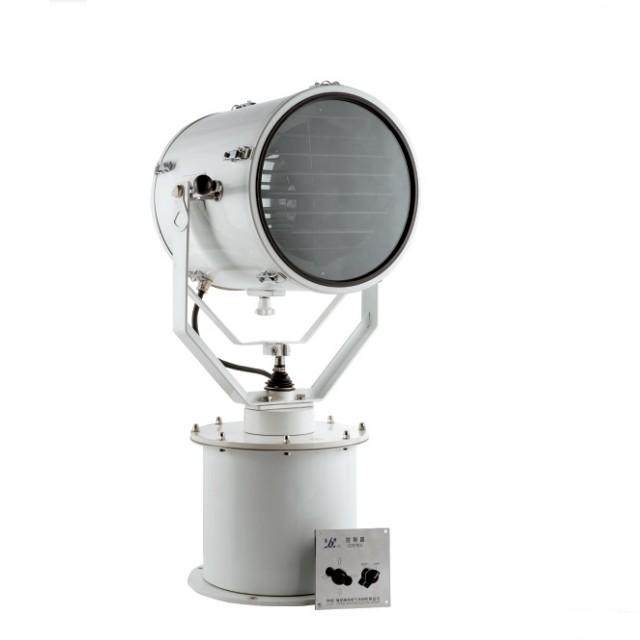
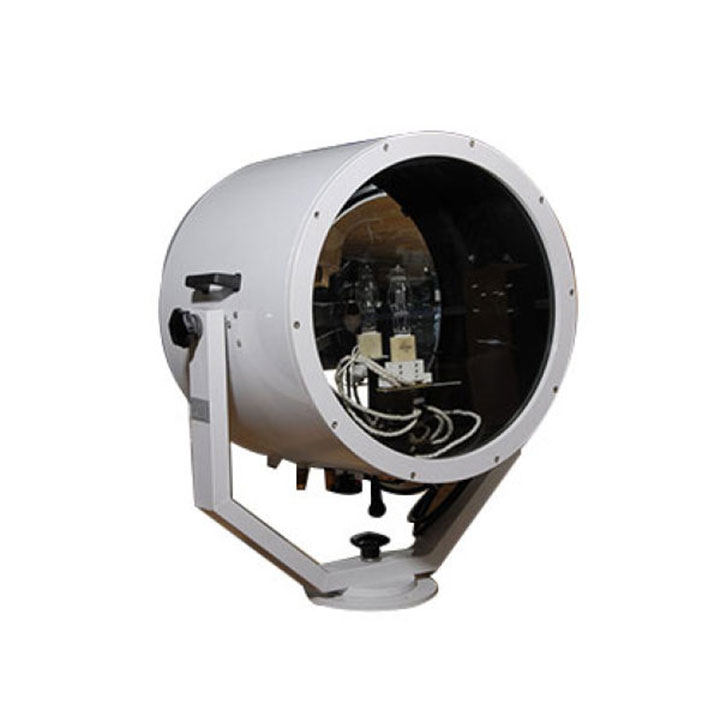
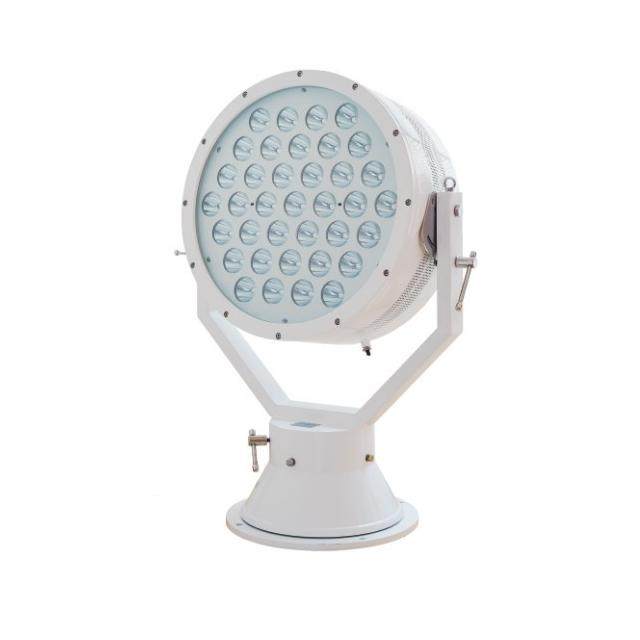
marine LED searchlight

Innovations in Marine LED Lighting Technology

Recent innovations in LED technology continue to expand its potential in marine settings. Smart lighting systems, for instance, allow operators to control and monitor lighting remotely, optimizing energy usage and improving safety. Solar-powered LED lights are also gaining popularity, especially for navigation buoys and remote installations, as they operate independently of a vessel’s power supply. Additionally, advancements in anti-glare and flicker-free designs have improved visibility and reduced eye strain for those working in control rooms or onboard vessels for extended periods.

The transition to LED lighting is not just about performance and it is also a step toward sustainability. Unlike traditional bulbs, LEDs do not contain hazardous materials such as mercury, and their energy efficiency contributes to greener operations. As the maritime industry faces increasing pressure to adopt environmentally friendly practices, LED technology offers a practical and effective solution.

LED marine navigation lights

In conclusion, LED technology has redefined marine lighting by delivering unmatched energy efficiency, durability, and performance. Its ability to adapt to diverse marine applications, from navigation and deck lighting to interior and underwater illumination, makes it a versatile and indispensable choice. With continuous innovations, LEDs are poised to remain at the forefront of marine lighting, driving both safety and sustainability in the maritime sector. By embracing this technology, the industry can navigate toward a brighter and more sustainable future.

通过 WordPress.com 设计一个这样的站点
从这里开始