Effective Methods for Calculating Projected Area in Injection Molding

In injection molding, the projected area is a crucial parameter that affects machine selection, clamping force, and mold design. It refers to the two-dimensional footprint of the molded part as viewed from the direction of the mold’s closing force. Understanding how to calculate the projected area in injection molding ensures that the molding machine operates efficiently and prevents defects such as flash and short shots.

Understanding Projected Area and Its Importance

The projected area plays a key role in determining the clamping force required during injection molding. When molten plastic is injected into the mold cavity, it exerts pressure on the mold’s surfaces. If the clamping force is insufficient, the mold may separate slightly, causing defects. The projected area helps in selecting a machine with adequate clamping force to maintain proper mold closure.

Additionally, the projected area influences mold design, cavity layout, and cooling efficiency. A larger area increases the force needed to keep the mold shut, impacting production costs and machine selection.

calculating projected area in injection molding

Methods to Calculate Projected Area

The projected area is calculated based on the largest outline of the part, as seen from the mold closing direction. For simple shapes, basic geometric formulas are used:

Rectangular part: Area = Length × Width

Circular part: Area = π × (Radius)²

For complex geometries, the part is divided into basic shapes, and their areas are summed. If the part contains cutouts or holes, their areas must be subtracted from the total projected area.

Example Calculation

Consider a injection molded plastic part with an 80 mm × 50 mm rectangular footprint and two circular cutouts, each with a diameter of 10 mm.

Calculate the rectangle’s area:

80×50=400080 \times 50 = 400080×50=4000 mm²

Calculate the area of one circular cutout:

π×(10/2)2=78.54\pi \times (10/2)^2 = 78.54π×(10/2)2=78.54 mm²

Calculate the total cutout area:

2×78.54=157.082 \times 78.54 = 157.082×78.54=157.08 mm²

Determine the final projected area:

4000−157.08=3842.924000 – 157.08 = 3842.924000−157.08=3842.92 mm²

injection molding parts supplier

Conclusion

Calculating the projected area in injection molding is essential for machine selection, mold design, and quality control. It ensures that the mold remains closed under pressure, preventing defects and improving production efficiency. By accurately determining the projected area, manufacturers can optimize their molding processes and reduce production issues.

The Role of Coiled Tubing Technology in the Oil and Gas Industry

Coiled tubing is a critical tool in the oil and gas industry, offering a versatile and efficient method for various well intervention, completion, and production activities. Made from a continuous length of steel pipe wound into a coil, coiled tubing allows for quick deployment and retrieval in a well without the need for traditional drilling rigs. Over the years, it has become increasingly popular for its flexibility, cost-effectiveness, and ability to access difficult-to-reach areas in wells.

1. What is Coiled Tubing Technology?

Coiled tubing is a continuous pipe, typically made from high-strength materials such as carbon steel, stainless steel, or alloys, which can be deployed into the wellbore without being jointed. It is wound into a spool and can be continuously fed into the well, making it highly versatile for various well services.

coiled tubing operation

The key feature of coiled tubing technology is its ability to perform numerous operations, such as intervention, logging, drilling, and stimulation, with minimal downtime. It has applications in both onshore and offshore wells and is used in vertical, horizontal, and deviated wellbores.

2. Innovations in Coiled Tubing Technology

As the oil and gas industry continues to push the boundaries of exploration and production, coiled tubing technology has evolved to meet the challenges of deeper, more complex wells, and increasingly demanding operations. Key innovations in coiled tubing technology include:

High-Pressure Coiled Tubing: One of the major advancements in coiled tubing technology is the development of high-pressure coiled tubing systems capable of handling pressures exceeding 15,000 psi. This allows for applications such as deep-well fracturing, acidizing, and high-pressure well interventions.

Advanced Materials and Alloys: Traditional carbon steel coiled tubing has been supplemented with high-performance alloys and composite materials. These new materials are designed to withstand harsher well environments, including higher temperatures, corrosive fluids, and mechanical stresses. This innovation extends the operational lifespan of coiled tubing, reducing failure rates and maintenance costs.

Enhanced Tracking and Monitoring Systems: The integration of real-time data acquisition systems, including sensors and telemetry, allows for continuous monitoring of coiled tubing operations. This data provides crucial insights into downhole conditions, such as pressure, temperature, and equipment status, enabling operators to make more informed decisions and improve safety.

Automated Systems and Robotics: Automation and robotics are increasingly being integrated into coiled tubing systems. Automated control systems can optimize job performance by adjusting variables such as pump rates, pressure, and flow. Robotic tools, such as coiled tubing manipulators, are also being developed to perform tasks like tool retrieval and fishing operations more efficiently.

Advanced Downhole Tools: The development of specialized downhole tools designed for coiled tubing has opened new opportunities. These tools include perforating guns, logging equipment, packers, and stimulation tools. Coiled tubing systems can now carry more sophisticated tools with higher functionality, such as real-time reservoir monitoring tools that provide valuable data for enhanced production.

Operation cabinet view of the full-size coiled tubing simulator

3. Applications of Coiled Tubing Technology

Coiled tubing is utilized in various operations across the life cycle of a well, with applications spanning from well intervention to production optimization. Here are some of the key uses of coiled tubing technology:

Well Intervention and Maintenance: Coiled tubing is widely used for performing maintenance and remedial work on wells, such as cleaning out sand, debris, or scale that may obstruct production. It can also be used to run tools for logging, perforating, and testing.

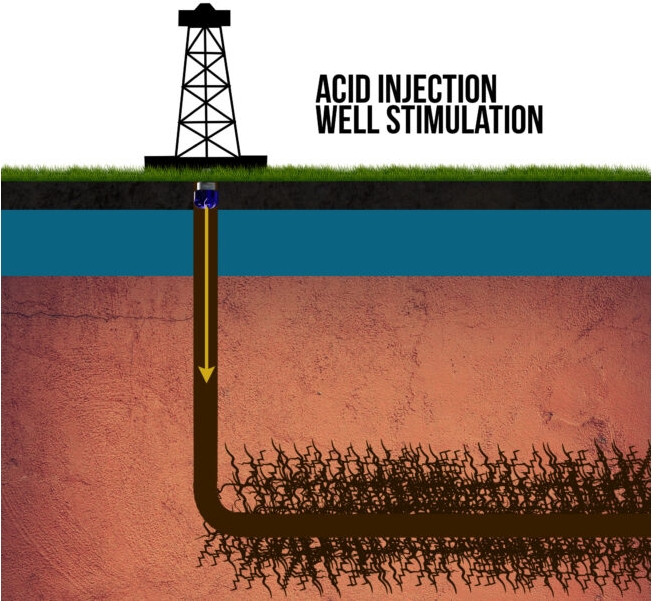
Stimulation Operations: Coiled tubing plays a critical role in stimulation operations like hydraulic fracturing (frac) and acidizing. The ability to pump fluids at high pressure through coiled tubing allows for the creation of fractures in the reservoir or the treatment of the wellbore to enhance flow and productivity.

Drilling and Completion: Coiled tubing has increasingly been used in drilling operations, particularly in extended-reach and horizontal wells, where traditional methods may be less efficient. Coiled tubing drilling offers faster deployment and retrieval times compared to conventional rotary drilling rigs. Additionally, coiled tubing systems are used for completing wells, including running liners, setting plugs, and installing production equipment.

Hydraulic Workover: Coiled tubing is often used for hydraulic workover operations, where it is deployed to perform tasks such as installing and retrieving tubing and packers, fishing for lost tools, and setting or retrieving plugs.

Fishing and Tool Retrieval: In the event of a stuck tool or debris in the wellbore, coiled tubing can be deployed to fish or retrieve tools, such as drill bits or casing fragments, that may be causing blockages. Its continuous nature allows it to access hard-to-reach areas of the well more easily than traditional methods.

4. Benefits of Coiled Tubing Technology

Coiled tubing offers numerous advantages that make it a preferred solution in many well services:

Reduced Rig Time and Costs: Coiled tubing operations are typically faster and more efficient than conventional methods. This is particularly beneficial in intervention and maintenance operations where time is a critical factor. The reduced need for large drilling rigs leads to cost savings.

Increased Safety: Coiled tubing operations require fewer personnel on-site, reducing the risk of accidents and exposure to hazardous conditions. The automation and remote monitoring features also improve safety by providing real-time insights into downhole conditions and operations.

Versatility and Flexibility: Coiled tubing is highly versatile, capable of performing a wide range of tasks, from intervention and maintenance to drilling and completion. Its flexibility allows it to be used in various well types, including vertical, horizontal, and deviated wells.

Minimal Downtime: The ability to deploy coiled tubing without pulling out the entire string of tubing reduces downtime. This makes coiled tubing ideal for continuous well operations, particularly in mature fields where frequent interventions are required.

Extended Reach and Performance: Coiled tubing’s continuous nature allows it to reach deeper, longer, and more complex sections of the wellbore compared to traditional methods. It is particularly effective in horizontal and extended-reach wells.

5. Challenges and Limitations

While coiled tubing offers significant advantages, it does have limitations that need to be addressed:

Mechanical Strength: The flexibility of coiled tubing means that it has lower mechanical strength compared to jointed pipe. As a result, it can be prone to buckling or failure under high-pressure conditions or in deep, challenging wells.

Tool Compatibility: Some specialized tools may not be compatible with coiled tubing due to its smaller diameter or limitations in pushing or pulling force. This can restrict its use in certain applications.

Cost: While coiled tubing can reduce rig-time and operational costs, more complex operations involving high-pressure applications or deep wells can still incur significant expenses.

Well Conditions: Harsh well conditions, such as high temperatures, extreme pressures, or aggressive chemicals, may limit the effectiveness of coiled tubing. The tubing material and coating must be carefully chosen to withstand such conditions.

6. Future Trends in Coiled Tubing Technology

The future of coiled tubing technology looks promising, with continuous advancements expected in several key areas:

Advanced Materials: The development of new alloys and composite materials will enhance the performance and durability of coiled tubing, allowing it to withstand even more demanding well conditions.

Automation and Artificial Intelligence: Automation and AI-driven systems are expected to play an increasingly significant role in coiled tubing operations, enabling real-time decision-making, predictive maintenance, and optimized performance.

Integration with Digital Technologies: Coiled tubing systems will become more integrated with digital technologies, enabling enhanced monitoring, diagnostics, and control. This will improve the efficiency and safety of operations and contribute to greater production optimization.

Coiled Tubing Simulators: Coiled tubing simulators are advanced software tools used in the oil and gas industry to model and simulate coiled tubing operations in a virtual environment. These simulators allow engineers and operators to predict the behavior of coiled tubing in various well conditions, helping to optimize the design and execution of well interventions, stimulation, and drilling activities. By simulating factors such as pressure, temperature, fluid dynamics, and mechanical stresses, coiled tubing simulators enable more accurate planning, reducing risks and improving efficiency. These tools are essential for testing different scenarios, troubleshooting potential issues, and ensuring the success of coiled tubing operations before actual field implementation.

Miniaturization of Tools: Advances in miniaturization will allow smaller, more sophisticated tools to be run through coiled tubing, expanding its capabilities in logging, stimulation, and production optimization.

Figure 2 System layout of coiled tubing simulator

Conclusion

Coiled tubing technology continues to evolve as an indispensable tool in the oil and gas industry. With its versatility, cost-effectiveness, and ability to perform a wide range of operations, coiled tubing has revolutionized well intervention and maintenance. Technological innovations, such as high-pressure systems, advanced materials, and automation, will continue to enhance its capabilities, making it a key player in the future of oil and gas production. Despite its challenges, coiled tubing remains a crucial technology for optimizing well performance, reducing operational costs, and improving safety.

Why Choose Custom Marine Searchlights for Specific Needs of Different Vessels

Marine searchlights play a crucial role in ensuring navigation safety, enhancing visibility, and assisting in emergency operations at sea. However, not all vessels have the same lighting requirements. Customizing marine searchlights to meet the specific needs of different vessels improves efficiency, safety, and operational effectiveness.

SD-5A LED Searchlight

Importance of Custom Marine Searchlights

Standard marine searchlights may not always provide optimal performance for various marine applications. Customizing searchlights ensures that they align with a vessel’s operational environment, power capabilities, and visibility needs. Factors such as beam intensity, coverage area, durability, and control mechanisms vary based on the type of vessel and its specific tasks.

Key Customization Factors

1. Beam Intensity and Range

The required beam intensity depends on the vessel’s purpose. For instance, patrol boats and rescue vessels require high-intensity beams with long-range visibility to locate objects in low-light conditions or during search and rescue operations. On the other hand, recreational yachts may prioritize softer beams for better ambiance and reduced glare.

2. Light Source and Technology

Custom marine searchlights can be equipped with different lighting technologies, including LED, halogen, or xenon lamps. LED searchlights offer energy efficiency, longer lifespan, and lower maintenance, making them ideal for commercial and military vessels. Xenon lamps provide powerful, focused beams suitable for long-range illumination. Choosing the right light source is critical to optimizing visibility while minimizing energy consumption.

3. Mounting and Positioning Options

Different vessels require varied mounting configurations. Fixed searchlights are common on cargo ships, while remote-controlled or swivel-mounted searchlights are more practical for patrol boats and fishing vessels that need flexible illumination. The positioning of the searchlight should be adjusted to avoid obstructions and optimize coverage.

4. Weather and Environmental Resistance

Marine searchlights must endure harsh environmental conditions, including saltwater corrosion, extreme temperatures, and heavy vibrations. Custom searchlights can be built with corrosion-resistant materials like stainless steel or marine-grade aluminum, along with IP-rated waterproof enclosures for enhanced durability.

5. Power Supply and Control Mechanisms

Different vessels operate on varying power systems, making it essential to customize searchlights to match available voltage and energy sources. Additionally, searchlights can be equipped with manual, remote, or joystick-controlled systems based on user preferences and operational convenience.

TZ2-A Automatic LED Marine Searchlight

Applications of Custom Marine Searchlights

Naval and Coast Guard Vessels – High-intensity, long-range searchlights for patrolling and rescue missions.

Fishing Boats – Waterproof and durable lights optimized for visibility in foggy and wet conditions.

Cargo Ships – Large beam coverage for nighttime docking and maneuvering.

Luxury Yachts – Stylish yet functional searchlights for aesthetic and navigational purposes.

marine searchlight

Wrap Up

Customizing marine searchlights enhances vessel performance by ensuring optimal illumination tailored to specific maritime operations. By selecting the right beam intensity, light source, mounting style, and environmental protection, vessel owners can improve safety, efficiency, and reliability on the water. Investing in a customized searchlight solution ensures that maritime operations remain well-lit, regardless of the challenges at sea.

Exploring the Various Packaging Options for Custom Plush Toys

Custom plush toys are more than just soft, cuddly products—they are cherished keepsakes, promotional items, and retail products that require thoughtful packaging. A well-designed packaging solution enhances brand appeal, protects the toy during storage and transit, and aligns with sustainability trends. This article explores various packaging options for custom plush toys, considering factors such as durability, aesthetics, and eco-friendliness.

custom plush packaging

Key Considerations for Plush Toy Packaging

Before selecting a packaging type, several factors must be considered to ensure that the plush toys reach consumers in perfect condition while creating a memorable unboxing experience.

1. Protection and Durability

Plush toys are soft and can be compressed, but they still require protection against dirt, moisture, and damage during shipping. The right packaging should maintain the toy’s shape while preventing contamination.

2. Brand Appeal and Customization

Packaging serves as an extension of the brand. Custom printing, vibrant colors, and unique designs can make the packaging more attractive and recognizable. Adding logos, characters, or product stories enhances the customer experience.

3. Sustainability and Eco-Friendliness

As consumers become more environmentally conscious, sustainable packaging options, such as biodegradable or recyclable materials, are in high demand. Using eco-friendly packaging can boost brand reputation and reduce environmental impact.

4. Cost and Practicality

While high-end packaging enhances aesthetics, cost-effectiveness remains a crucial factor. The packaging should balance quality and affordability, especially for mass-produced plush toys.

Innovative Packaging for Custom Plush Toys

Common Packaging Solutions for Custom Plush Toys

Various packaging options are available, each suited for different markets and branding strategies.

1. Poly Bags (Clear or Printed)

Poly bags are one of the simplest and most cost-effective solutions for plush toy packaging.

Advantages:

Lightweight and inexpensive.

Transparent versions allow customers to see the product.

Custom printing can be added for branding.

Can include resealable or biodegradable options.

Best For: Budget-friendly packaging, mass production, or toys sold in bulk.

2. Window Boxes

Window boxes offer a combination of protection and visibility, with a clear plastic window allowing customers to see the plush toy without opening the package.

Advantages:

Protects the toy while displaying its details.

Provides branding space for logos, character descriptions, and product details.

Enhances perceived value, making it ideal for premium plush toys.
Best For: Retail displays, collectibles, and licensed character plush toys.

3. Cardboard Boxes

Cardboard boxes provide sturdy protection and ample space for branding and customization.

Advantages:

Strong and protective for shipping and retail displays.

Customizable with full-color printing, embossing, and matte/gloss finishes.

Can be made from recycled and biodegradable materials.

Best For: High-end plush toys, subscription boxes, and collector’s editions.

4. Fabric or Drawstring Bags

Fabric or drawstring bags add a premium touch to plush toy packaging while being reusable.

Advantages:

Enhances the gift-like presentation.

Can be customized with embroidery or printed designs.

Reusable and eco-friendly alternative to plastic bags.

Best For: Limited-edition plush toys, promotional giveaways, or luxury plush items.

5. Clamshell and Blister Packaging

Clamshell and blister packaging involve encasing the plush toy in a transparent plastic mold.

Advantages:

Offers maximum protection against dust and damage.

Provides tamper-proof security for retail settings.

Allows visibility while keeping the toy secure.

Best For: Small-sized plush toys, retail stores, and collectible plush items.

6. Tube Packaging

Tube packaging, made from cardboard or plastic, is an innovative and eye-catching way to package plush toys.

Advantages:

Unique cylindrical shape enhances shelf appeal.

Can be made from eco-friendly materials.

Provides strong protection during transit.

Best For: Specialty plush toys, gift sets, and promotional items.

Plush Toy Packaging

Sustainable Packaging Trends for Plush Toys

With growing environmental concerns, custom plush toy manufacturers are shifting toward sustainable packaging solutions. Here are some eco-friendly options:

1. Recyclable and Biodegradable Materials

Many brands are now using recycled cardboard, paper-based wraps, and biodegradable poly bags to minimize waste.

2. Minimalist Packaging

Reducing excess packaging materials not only lowers costs but also decreases environmental impact. Simple yet effective packaging, such as fabric pouches or small cardboard boxes, aligns with sustainability goals.

3. Compostable Packaging

Compostable packaging materials, such as plant-based plastics and biodegradable cardboard, are becoming popular alternatives to traditional plastic packaging.

4. Reusable Packaging

Encouraging consumers to repurpose packaging, such as fabric bags or decorative boxes, adds value while reducing waste.

Summary

Choosing the right packaging for custom plush toys involves balancing protection, branding, cost, and sustainability. Whether opting for cost-effective poly bags, premium window boxes, or eco-friendly fabric bags, the packaging should enhance the customer experience while safeguarding the product. With the rise of sustainable packaging trends, businesses can also make a positive environmental impact while delivering high-quality plush toys to their customers.

Why Choose ICP-OES Coupled with Chromatography

Inductively Coupled Plasma Optical Emission Spectroscopy (ICP-OES) is widely recognized as one of the most powerful techniques for determining elemental concentrations in a variety of sample matrices. However, when combined with chromatography, this pairing enhances the analytical capabilities of ICP-OES, enabling more detailed analysis of complex samples. This article explores the benefits, principles, and applications of coupling ICP-OES with chromatography.

Understanding ICP-OES

ICP-OES is an atomic emission spectroscopy technique used to detect and quantify metals and some non-metals in liquid samples. In ICP-OES, a sample is introduced into a plasma where it is atomized, and the emitted light from the excited atoms is measured. The intensity of light at specific wavelengths corresponds to the concentration of the elements present in the sample. ICP-OES is particularly valued for its high sensitivity, wide dynamic range, and ability to handle a broad range of elements simultaneously.

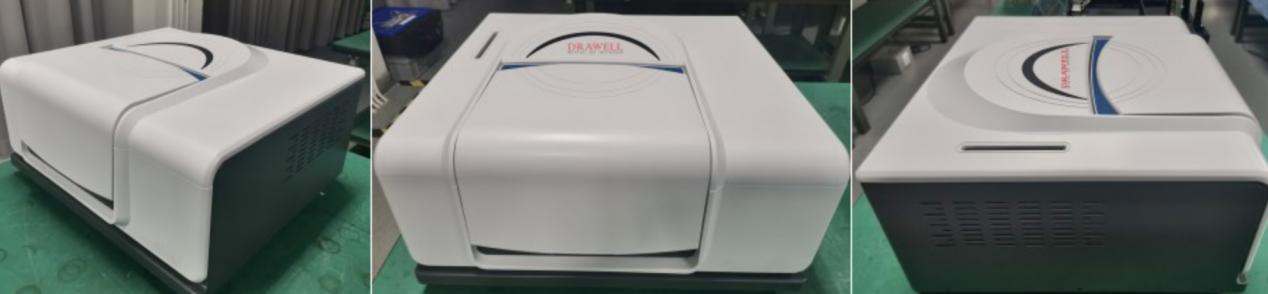
ICP-OES DW-EXPEC6000D Inductively Coupled Plasma Optical Emission Spectrometer

Chromatography: An Overview

Chromatography, on the other hand, is a technique used to separate compounds within a mixture based on their chemical properties. Several types of chromatography exist, such as gas chromatography (GC), liquid chromatography (LC), and ion chromatography (IC). These methods are primarily used for separating complex mixtures into individual components.

Chromatography’s key advantage is its ability to separate, identify, and quantify specific substances in a sample, making it an ideal tool when dealing with complex samples that may contain multiple interfering substances. By separating the components of a mixture before analysis, chromatography helps ensure that only the target analytes are measured, improving the accuracy and reliability of the results.

The Benefits of Coupling ICP-OES with Chromatography

The combination of ICP-OES with chromatography provides a powerful tool for analyzing complex samples, offering several advantages:

1. Improved Sensitivity and Resolution

chromatography is excellent at separating components within a complex sample. By combining it with ICP-OES, the analysis can focus specifically on the elements of interest that have been separated from other substances, leading to improved sensitivity and resolution. This combination helps avoid matrix effects or spectral interferences that may be present when analyzing complex samples directly with ICP-OES alone.

2. Increased Analytical Versatility

Coupling ICP-OES with chromatography broadens the scope of analysis. While ICP-OES is adept at detecting metals and other elements, chromatography can separate complex organic compounds, ions, or molecules. When coupled, this combination can be used for a variety of applications, including the analysis of environmental, biological, pharmaceutical, and industrial samples.

3. Enhanced Quantification

ICP-OES provides precise quantitative analysis of elemental concentrations, and when chromatography is used to separate components, it allows for more accurate quantification of individual analytes in mixtures. For example, by separating a sample into its constituent components first (via chromatography) and then detecting the elements within those components (using ICP-OES), a much higher level of accuracy can be achieved.

4. Reduced Interference

Chromatographic separation can eliminate interferences caused by matrix components that could affect the accuracy of ICP-OES results. These interferences may come from high concentrations of coexisting elements or complex sample matrices that could overlap with the analyte’s emission wavelengths. Chromatography minimizes this problem by isolating the elements of interest, enabling clearer and more precise emission measurements in ICP-OES.

Common Chromatographic Techniques Used with ICP-OES

There are several chromatography techniques commonly paired with ICP-OES, each tailored to specific types of analysis:

1. Ion Chromatography (IC)

Ion chromatography is widely used for the separation of ions in aqueous samples. When coupled with ICP-OES, it allows for the precise separation and detection of metal ions, making it ideal for environmental analysis, water quality testing, and pharmaceutical applications. The separation of ions can reduce interference, allowing for more accurate measurements of trace metal concentrations.

2. High-Performance Liquid Chromatography (HPLC)

High-performance liquid chromatography is one of the most commonly used chromatographic techniques in combination with ICP-OES. It is particularly effective for separating organic compounds or metal-organic complexes. When coupled with ICP-OES, HPLC can be used to analyze a variety of samples, including food, pharmaceuticals, and environmental samples, allowing for simultaneous detection of both organic and inorganic components in a sample.

High-Performance Liquid Chromatography

3. Gas Chromatography (GC)

Although less common, GC can also be coupled with ICP-OES for the analysis of volatile compounds. This pairing is particularly useful for detecting organometallic compounds, such as methylmercury or organotin compounds, where the GC separates the organic components, and the ICP-OES analyzes the metal content.

GC1290 Gas Chromatography (LCD Touch Screen)

Applications of ICP-OES Coupled with Chromatography

The combination of ICP-OES and chromatography has proven to be a versatile and effective approach in a wide range of industries. Here are some of the most common applications:

1. Environmental Analysis

In environmental monitoring, ICP-OES coupled with chromatography allows for the analysis of metals in water, soil, and air samples. Chromatography is used to separate complex environmental matrices, while ICP-OES offers the sensitive detection of trace metals like lead, mercury, cadmium, and arsenic. This combination is instrumental in ensuring compliance with environmental regulations and standards.

2. Pharmaceutical and Food Analysis

In the pharmaceutical and food industries, the combination of ICP-OES and chromatography helps in the analysis of metal contamination in products. For example, HPLC can separate different organic compounds in a food sample, and ICP-OES can then measure the levels of heavy metals that may be present in those compounds. This is essential for ensuring the safety and quality of pharmaceutical and food products.

3. Clinical and Biological Analysis

ICP-OES coupled with chromatography is also widely used in clinical and biological research. For example, in the analysis of blood or urine samples, chromatography can separate different proteins or metabolites, and ICP-OES can detect trace elements like calcium, magnesium, or potassium. This is valuable for diagnosing nutrient deficiencies or monitoring drug levels in the bloodstream.

4. Industrial Applications

In industrial settings, ICP-OES coupled with chromatography can be used to monitor metal concentrations in various manufacturing processes. It helps in ensuring product quality, monitoring environmental discharges, and controlling raw material quality. It is commonly used in the analysis of metals in oils, lubricants, and other industrial fluids.

Conclusion

Coupling ICP-OES with chromatography enhances the capabilities of both techniques, making them more powerful tools for the analysis of complex samples. This combination offers improved sensitivity, better separation, reduced interference, and the ability to analyze both organic and inorganic components in a single analysis. Whether for environmental monitoring, pharmaceutical quality control, or industrial analysis, the synergy of ICP-OES and chromatography continues to prove invaluable in achieving more accurate, reliable, and comprehensive results.

Cost vs. Benefit Analysis of 100% Inspection Systems Used in the Printing Industry

The printing industry has undergone significant technological advancements over the past few decades, and one of the most important developments has been the introduction of 100% inspection systems. These systems are designed to detect and eliminate defects during the printing process, ensuring that every product meets the highest quality standards. However, as with any new technology, there are important factors to consider, particularly when evaluating the cost versus the benefit of implementing such systems in a production environment. In this article, we will explore the costs and benefits of adopting 100% inspection systems in the printing industry.

Understanding 100% Inspection Systems

100% print inspection systems are automated solutions that inspect every single item produced in a printing run. They use advanced technologies such as vision systems, laser scanners, and optical sensors to detect defects in real-time, often at speeds that far exceed manual inspection. These systems can identify a wide range of issues, including color discrepancies, alignment problems, surface defects, and more, ensuring that the final product adheres to the desired specifications.

Wide-width Web Video Inspection System

Costs Involved in Implementing 100% Inspection Systems

The initial investment in a 100% inspection system can be significant, especially for high-speed production lines where the technology must keep up with fast print speeds. Here are the main costs associated with implementing these systems:

1. Initial Capital Investment

The purchase cost of the inspection equipment can be one of the largest expenses. Prices vary depending on the type of system, the complexity of the features, and the level of integration required with existing production lines. High-quality systems with advanced capabilities can be expensive, though lower-cost options are available for smaller operations.

2. Installation and Integration

The installation of the system, including the integration into the existing production line, can involve additional costs. This process may require downtime, adjustments to the workflow, or even infrastructure upgrades to accommodate the new technology. Skilled technicians or consultants may also be needed for a seamless integration process.

3. Ongoing Maintenance

Like any other piece of machinery, 100% inspection systems require regular maintenance to ensure optimal performance. Maintenance costs include software updates, hardware servicing, sensor calibration, and periodic cleaning to avoid false positives and ensure long-term reliability. These ongoing costs should be factored into the overall expense.

4. Training Costs

Operators and quality control personnel may need training to properly utilize the new inspection system. This involves time and resources to ensure employees are proficient in using the system’s features and understanding the data it provides.

Benefits of 100% Inspection Systems

While the upfront costs of these systems can be substantial, the benefits they bring to the printing industry are undeniable. Below are some of the key advantages:

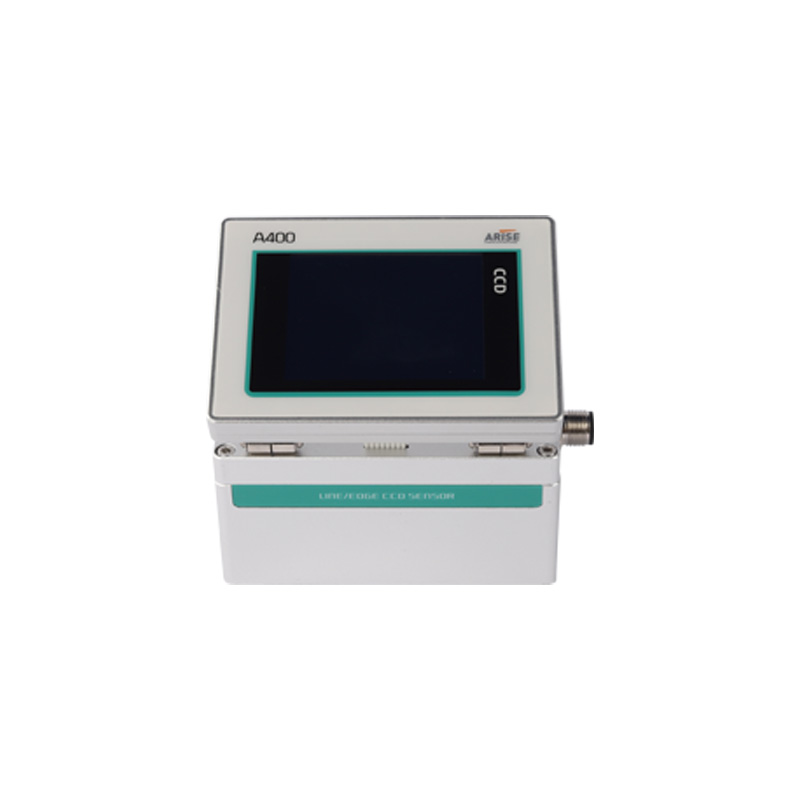
printing quality inspection system

1. Improved Quality Control

The most significant benefit of a 100% inspection system is the enhancement of quality control. By automatically detecting defects, these systems help ensure that every printed piece meets the required quality standards. This leads to higher customer satisfaction, fewer returns, and a reduction in the likelihood of brand reputation damage due to subpar products reaching the market.

2. Reduced Labor Costs

Although implementing a 100% inspection system requires an initial investment in training and technology, it ultimately reduces the reliance on manual inspection labor. Automation allows operators to focus on other critical aspects of the printing process while the system handles the tedious task of quality assurance. This reduction in labor can lead to significant cost savings, particularly in industries with high volumes of output.

3. Increased Efficiency and Productivity

Automated inspection systems for printing quality operate faster and more accurately than manual processes, which can lead to increased throughput on production lines. They can identify defects almost instantaneously, allowing for immediate corrective actions and minimizing downtime. This boost in efficiency can translate into higher output and a quicker return on investment.

4. Reduction in Material Waste

By catching defects early in the production process, 100% inspection systems help minimize material waste. Early detection allows operators to adjust the settings or processes before too many defective products are printed, thereby conserving resources and reducing scrap. This has both environmental and cost-saving benefits, especially in industries where materials are expensive.

5. Long-Term Cost Savings

While the initial investment may be high, the long-term benefits of having an inspection system in place can significantly outweigh the costs. As production lines become more efficient and waste is reduced, the overall cost per unit decreases. Additionally, the reduction in defects and customer complaints can lead to fewer returns, lower warranty claims, and improved customer loyalty.

Cost-Benefit Analysis

When conducting a cost-benefit analysis of 100% inspection systems in the printing industry, it’s essential to consider both the tangible and intangible factors:

1. Tangible Benefits

Increased throughput: Higher production rates, with fewer stops for manual inspections.

Labor savings: Reduced need for human inspectors.

Material savings: Less waste and rework.

Quality consistency: Reduced risk of defects, improving overall product quality.

2.Intangible Benefits

Brand reputation: Higher product quality and fewer complaints can enhance the brand’s reputation in the market.

Customer loyalty: Consistently delivering high-quality products can strengthen customer relationships.

Employee satisfaction: Reduced repetitive tasks and potential for fewer errors can contribute to better job satisfaction for workers.

3 Return on Investment (ROI)

When measuring ROI, it is important to consider both short-term and long-term savings. While the initial capital expenditure can be high, the long-term cost savings—driven by reduced waste, higher quality, and more efficient production—often justify the investment. In many cases, businesses can expect to see a return on investment within a few years, depending on production volume and defect rates.

OR-D Web Inspection System

Summary

The decision to implement a 100% inspection system in the printing industry is a balancing act between upfront costs and long-term benefits. While the initial investment can be substantial, the improvements in product quality, efficiency, and cost savings make it a worthwhile consideration for businesses that prioritize quality and seek to remain competitive in an increasingly demanding market. Ultimately, the benefits of enhanced quality control, reduced waste, and higher productivity make 100% inspection systems an essential tool for modern printing operations. The key to success lies in carefully assessing the unique needs of each printing facility and determining the right system that provides the best return on investment.

What is Effective Reservoir Management in Offshore Rigs

Effective reservoir management in offshore rigs is crucial for optimizing hydrocarbon recovery, extending the life of oil and gas fields, and maintaining economic viability. Offshore reservoirs present unique challenges due to their remote locations, extreme environmental conditions, and complex geological structures. Advanced reservoir management strategies integrate cutting-edge technology, data analytics, and interdisciplinary expertise to maximize production efficiency while minimizing operational risks and environmental impact.

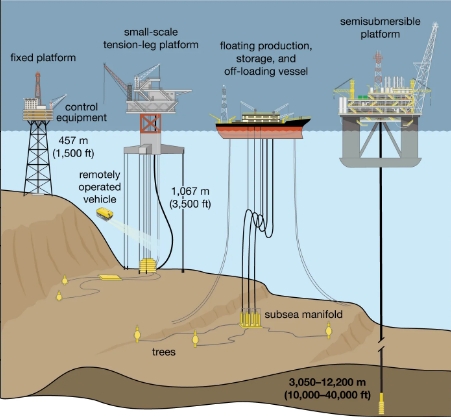
offshore environmental monitoring system

Understanding Reservoir Management

Reservoir management involves the systematic monitoring, evaluation, and optimization of subsurface hydrocarbon reserves. In offshore rigs, this process requires a detailed understanding of reservoir properties, including porosity, permeability, pressure behavior, and fluid composition. By continuously analyzing these factors, operators can make informed decisions regarding well placement, production strategies, and enhanced recovery methods.

The primary objectives of reservoir management are to:

Maximize the recovery of hydrocarbons.

Optimize production rates while preserving reservoir integrity.

Minimize operational costs and environmental risks.

Extend the economic lifespan of offshore fields.

Achieving these goals requires the integration of geological, geophysical, and engineering data to guide decision-making throughout the production lifecycle.

offshore drilling platform

Key Components of Offshore Reservoir Management

1. Reservoir Characterization:

A thorough understanding of the reservoir’s structure and properties is the foundation of effective management. Advanced seismic imaging techniques, including 4D seismic monitoring, provide detailed information about reservoir geometry and fluid movement over time. Reservoir characterization also involves core sampling, well logging, and fluid analysis to develop accurate reservoir models.

2. Production Monitoring and Optimization:

Real-time data acquisition systems track pressure, temperature, and flow rates within offshore wells. This data is analyzed using advanced reservoir simulation models to predict future performance and identify potential issues such as water breakthrough or pressure decline. By continuously monitoring production, operators can adjust well parameters to maintain optimal output while minimizing formation damage.

3. Enhanced Oil Recovery (EOR) Techniques:

As offshore reservoirs mature, maintaining production rates becomes increasingly challenging. Enhanced Oil Recovery methods, such as water flooding, gas injection, and chemical stimulation, improve hydrocarbon recovery by maintaining reservoir pressure and enhancing fluid mobility. In offshore environments, innovative subsea injection systems enable targeted EOR applications without disrupting ongoing operations.

4. Wellbore Management:

Effective reservoir management includes regular inspection and maintenance of offshore wellbores. Advanced well intervention techniques, such as coiled tubing, wireline logging, and hydraulic fracturing, restore well productivity and address blockages or mechanical failures. In deepwater environments, remotely operated vehicles (ROVs) assist in wellhead maintenance and inspection.

5. Data Integration and Digital Technologies:

Modern offshore reservoir management relies heavily on digital technologies, including artificial intelligence (AI) and machine learning (ML). These technologies process vast amounts of data from offshore sensors, enhancing predictive modeling and decision-making. Digital twins—virtual models of physical reservoirs—allow operators to simulate different production scenarios and optimize strategies in real-time.

Challenges in Offshore Reservoir Management

Managing offshore reservoirs presents unique technical and logistical challenges:

Complex Geology: Offshore reservoirs often exhibit heterogeneous rock formations, making it difficult to predict fluid behavior and production performance accurately.

Extreme Environments: Harsh conditions, including high-pressure and high-temperature (HPHT) reservoirs, require specialized equipment and monitoring systems.

Access and Logistics: Offshore rigs are remote and require extensive logistical planning for maintenance, equipment deployment, and personnel transportation.

Environmental Regulations: Stringent environmental regulations require operators to minimize emissions, prevent oil spills, and adopt sustainable production practices.

Addressing these challenges requires a multidisciplinary approach, combining advanced engineering techniques with continuous innovation.

Innovations Driving Offshore Reservoir Management

Technological advancements play a key role in overcoming offshore reservoir management challenges. Innovations include:

Intelligent Well Systems: Smart completions equipped with sensors and flow control devices allow real-time adjustments to production without physical intervention.

Autonomous Monitoring: Subsea autonomous monitoring systems provide continuous surveillance of reservoir conditions, enhancing safety and efficiency.

Advanced Simulation Technologies: These advanced petroleum simulation technologies include reservoir simulation software that replicates fluid flow, pressure dynamics, and reservoir behavior over time. 4D seismic modeling tracks reservoir changes during production, while digital twins create virtual representations for real-time monitoring and scenario testing. Machine learning and artificial intelligence enhance predictive modeling, allowing operators to forecast performance, optimize well placement, and develop effective enhanced oil recovery (EOR) strategies. These simulations are crucial for maximizing efficiency, minimizing risks, and ensuring sustainable offshore operations.

Carbon Capture and Storage (CCS): To reduce the environmental impact, offshore operators are integrating CCS technologies to capture CO₂ emissions and inject them into depleted reservoirs for long-term storage.

reservoir simulation

The Future of Offshore Reservoir Management

The future of offshore reservoir management will be defined by increased automation, data-driven decision-making, and sustainability. Industry leaders are investing in integrated digital ecosystems that connect offshore platforms with onshore control centers, enabling remote monitoring and advanced analytics. Additionally, advancements in machine learning and predictive analytics will improve reservoir forecasting accuracy and production efficiency.

As offshore exploration moves into ultra-deepwater regions, innovations in subsea production technology and enhanced recovery methods will become increasingly critical. Sustainable practices, including carbon-neutral operations and environmental stewardship, will also play a significant role in shaping the future of offshore reservoir management.

In conclusion, successful reservoir management in offshore rigs requires a comprehensive strategy that combines geological insights, cutting-edge technology, and operational expertise. By adopting innovative approaches and leveraging digital tools, operators can maximize hydrocarbon recovery while meeting environmental and economic challenges.

Why Choose Customizing Beam Focus in Marine Spotlights

Marine spotlights are essential for ensuring visibility and safety during nighttime navigation, search-and-rescue missions, and other maritime operations. One of the most significant advancements in marine lighting technology is the ability to customize beam focus in marine spotlights. This feature allows users to adjust the beam’s width and intensity, providing the flexibility to switch between a narrow, long-range spotlight and a wide, close-range floodlight. Customizable beam focus enhances operational efficiency by offering tailored illumination for specific tasks and conditions.

Marine Spotlights for Search and Rescue Operations

The Importance of Beam Focus Customization

In maritime environments, visibility can be affected by weather conditions, water reflections, and distance. Fixed-focus spotlights may not always provide the optimal beam for every situation. Customizable beam focus addresses this limitation by allowing operators to fine-tune the light output. A narrow, concentrated beam is ideal for detecting distant objects such as navigation markers or other vessels, while a broader beam is useful for illuminating nearby areas like decks, docks, and working zones. This flexibility in marine spot lights improves safety by ensuring that the appropriate beam type is available when needed.

Technologies Enabling Beam Focus Customization

Advancements in marine spotlight design have introduced various technologies that make beam focus customization possible. One of the most widely used approaches involves motorized focus mechanisms. These systems allow the beam width to be adjusted through remote controls, giving operators the ability to switch between beam modes without manually altering the spotlight’s position. This real-time adjustment is especially useful in dynamic maritime environments where quick response times are essential.

Another key technology is the use of variable lens systems. These systems employ adjustable optical lenses that shift the focal point of the light source, altering the beam’s spread. This approach provides smooth transitions between a focused spotlight and a dispersed floodlight. LED array control is also a critical innovation. By controlling individual LED segments, marine spotlights can produce beams with varying focus and intensity. This technology is both energy-efficient and reliable, ensuring long-lasting performance under harsh marine conditions.

Optical zoom technology represents another advanced method for customizing beam focus. This system uses a mechanical zoom lens to adjust the beam’s spread while maintaining consistent brightness and clarity. The ability to fine-tune the beam angle offers increased precision, making optical zoom technology ideal for applications where both long-range scanning and broad illumination are required.

Benefits of Customizing Beam Focus in Marine Spotlights

The ability to customize beam focus in marine spotlights provides several operational and safety advantages. First, it enhances visibility across various distances. A focused beam can project light farther, allowing for better identification of distant objects, while a wider beam covers larger areas for improved situational awareness. This flexibility is particularly valuable during search-and-rescue missions, where time is critical, and clear visibility can save lives.

Additionally, customizable beam focus supports energy efficiency. By adjusting the beam to match the task at hand, operators can reduce unnecessary energy consumption, extending the lifespan of the spotlight and conserving power on vessels with limited energy resources. Furthermore, this feature minimizes light pollution by directing illumination only where it is needed, preserving the night vision of crew members and reducing visual disturbance to surrounding areas.

From a practical perspective, beam customization increases the versatility of marine spotlights. Instead of relying on multiple fixed-focus lights, a single customizable spotlight can fulfill multiple functions, reducing equipment costs and simplifying maintenance. This adaptability is essential for modern maritime operations that demand both efficiency and reliability.

TG29 LED Marine Spot Light Supplier

Applications of Custom Beam Focus in Maritime Operations

Customizable beam focus is invaluable in a range of maritime applications. In navigation, a narrow beam aids in detecting distant buoys, other vessels, and shoreline features, improving safety during night voyages. For docking and mooring, a broader beam illuminates the surrounding area, facilitating precise maneuvering and cargo handling. Search-and-rescue operations benefit from the ability to switch between wide-area scanning and targeted searches, allowing responders to locate and assist individuals more effectively.

Marine maintenance and inspection tasks also rely on customizable beam focus. A focused beam can highlight specific components for detailed examination, while a wider beam offers general illumination for broader inspections. This versatility ensures that marine spotlights can adapt to the diverse lighting needs of modern maritime operations.

marine LED spotlight

Choosing the Right Marine Spotlight with Customizable Beam Focus

When selecting a marine spotlight with customizable beam focus, several factors should be considered. The range and intensity of the beam are crucial for ensuring that the spotlight can effectively illuminate both near and distant targets. Control mechanisms, such as wireless or panel-mounted remote controls, provide user-friendly operation, allowing quick adjustments as needed. Durability is also essential, as marine spotlights must withstand harsh environmental conditions, including saltwater exposure, vibrations, and temperature fluctuations.

Energy efficiency is another critical consideration. LED marine spotlights generally offer superior energy performance and longer lifespans compared to traditional halogen or incandescent lights. Additionally, the spotlight’s mounting options should be compatible with the vessel’s structure to ensure secure installation and optimal beam positioning.

Conclusion

Customizing beam focus for marine spotlights represents a significant advancement in maritime lighting technology. By allowing operators to adjust the beam’s width and intensity, these spotlights provide tailored illumination for a wide range of tasks. The integration of motorized mechanisms, variable lens systems, LED array control, and optical zoom technology has made beam customization more precise and accessible.

The Latest Advancements in Custom Plush Manufacturing Techniques

Custom plush manufacturing has evolved significantly in recent years, driven by advancements in technology, material science, and consumer demand for personalized products. From improved design capabilities to sustainable production methods, innovations in custom plush manufacturing techniques are transforming how plush toys are conceptualized, produced, and delivered. These innovations are not only enhancing product quality but also streamlining the manufacturing process and meeting the growing expectations for customization and sustainability.

1. Advanced Digital Design and Prototyping

One of the most impactful innovations in custom plush manufacturing is the integration of advanced digital design tools. Computer-Aided Design (CAD) software allows manufacturers to create detailed 3D models of plush toys, offering greater precision and design flexibility. This technology enables manufacturers to visualize products before physical prototyping, reducing errors and speeding up development timelines.

3D printing also plays a role in rapid prototyping by allowing manufacturers to produce sample parts or molds for plush designs. This innovation reduces the time and cost associated with traditional prototyping methods while allowing for faster customer approval and design iteration.

3D Modeling in Designing Custom Plush Toys

2. Personalized and On-Demand Production

Consumer demand for personalized products has led to innovations in on-demand manufacturing. Custom plush manufacturers now offer customers the ability to design their plush toys through online platforms, where users can customize features such as colors, fabrics, and embroidery.

Advances in automated cutting and sewing machines allow custom plush toy manufacturers to produce small batches efficiently without compromising quality. This flexibility meets the rising demand for unique, limited-edition plush toys while minimizing waste and inventory costs.

3. Sustainable Materials and Eco-Friendly Processes

Sustainability has become a driving force in modern plush manufacturing. Innovations in material sourcing now provide manufacturers with eco-friendly alternatives such as recycled polyester fibers, organic cotton, and biodegradable stuffing materials. These materials reduce the environmental impact of plush toy production without sacrificing durability or softness.

Additionally, new dyeing techniques, such as waterless dyeing and digital textile printing, significantly reduce water consumption and chemical waste. Many manufacturers are also adopting closed-loop production systems to recycle fabric scraps and minimize material waste.

custom plush factory

4. Smart Plush Technology

The integration of smart technology into plush toys is another groundbreaking innovation. Plush toys equipped with sensors, speakers, and Bluetooth connectivity offer interactive experiences for users. These smart plush products can respond to touch, play sounds, and connect to mobile apps for educational purposes or entertainment.

This innovation has expanded the market beyond traditional toys, allowing for the creation of plush companions that offer emotional support, educational content, and even health monitoring features for children and elderly users.

5. Automated and AI-Driven Manufacturing

Automation and artificial intelligence (AI) are enhancing efficiency in custom plush manufacturing. Automated fabric-cutting machines and robotic sewing systems streamline production while maintaining consistency and reducing human error. AI-driven systems analyze customer designs and optimize production processes, improving speed and reducing material waste.

Machine learning algorithms also enable better demand forecasting, allowing manufacturers to align production volumes with customer orders and market trends. This reduces overproduction and ensures faster delivery times.

6. Enhanced Quality Control and Custom Packaging

Technological advancements have improved quality control throughout the plush manufacturing process. High-resolution imaging systems and AI-based inspection tools detect defects in fabrics, stitching, and design accuracy. This ensures that custom plush products meet stringent quality standards.

Custom packaging innovations in plush toys also enhance the customer experience. Manufacturers now offer personalized packaging options that reflect brand identity, such as eco-friendly boxes, custom tags, and special wrapping for gift orders.

custom plushies manufacturer

Conclusion

Innovations in custom plush manufacturing are redefining the industry by improving design precision, enabling personalization, promoting sustainability, and enhancing product quality. As technology continues to evolve, manufacturers will further refine their processes to deliver high-quality, customizable plush toys that meet the dynamic needs of consumers. These advancements not only drive business growth but also provide customers with unique, memorable products that reflect their individuality and values.

An Essential Guide to Measuring Shoulder Bolts

Shoulder bolts, also known shoulder screws are specialized fasteners widely used in mechanical assemblies where precise alignment, smooth rotation, or controlled movement is required. These bolts feature a unique design with a cylindrical shoulder between the head and the threaded portion, making them ideal for applications such as pivots, axles, and spacers. However, to ensure proper functionality, it is crucial to measure shoulder bolts accurately. This article provides a comprehensive guide to measuring shoulder bolts, covering key dimensions and best practices.

shoulder bolt

Key Dimensions of Shoulder Bolts

Shoulder Diameter:

The shoulder diameter is the most critical dimension of a shoulder bolt, as it determines the fit within a mating part, such as a bearing or bushing. To measure the shoulder diameter, use a caliper or micrometer to take the outer diameter (OD) of the cylindrical shoulder. Ensure the measurement is taken at multiple points to confirm consistency and roundness.

Shoulder Length:

The shoulder length refers to the distance from the underside of the bolt head to the start of the threaded portion. This dimension is essential for determining how much of the bolt will act as a spacer or pivot. Measure the shoulder length using a caliper, ensuring the measurement is taken parallel to the bolt’s axis.

Thread Diameter and Pitch:

The thread diameter is the outer diameter of the threaded portion, while the thread pitch refers to the distance between adjacent threads. Use a thread gauge or caliper to measure these dimensions accurately. For imperial bolts, thread pitch is expressed in threads per inch (TPI), while metric bolts use millimeters between threads.

Overall Length:

The overall length of a shoulder bolt is measured from the underside of the head to the end of the threaded portion. This dimension is crucial for ensuring the bolt fits within the assembly without being too short or too long. Use a caliper or ruler to measure the overall length.

Head Diameter and Height:

The head diameter and height are important for determining the bolt’s compatibility with tools and its load-bearing capacity. Measure the head diameter across the widest point (for hex heads) or the outer edge (for round heads). The head height is measured from the top of the head to the underside.

Drive Type Dimensions:

Shoulder screws come with various drive types, such as hex, socket, or slotted heads. Measure the drive size (e.g., hex key size or socket size) to ensure compatibility with the tools used for installation.

Tools for Measuring Shoulder Bolts

Calipers: Digital or vernier calipers are ideal for measuring shoulder diameter, shoulder length, and overall length with high precision.

Micrometers: These tools provide even greater accuracy for measuring critical dimensions like shoulder diameter and thread diameter.

Thread Gauges: Used to determine thread pitch and ensure compatibility with mating parts.

Rulers and Tape Measures: Suitable for quick measurements of overall length and bolt head dimensions.

shoulder bolts

Best Practices for Measuring Shoulder Bolts

Clean the Bolt: Ensure the shoulder bolt is free of dirt, grease, or debris before measuring to avoid inaccurate readings.

Use the Right Tools: Select measuring tools that match the required level of precision for your application.

Take Multiple Measurements: Measure each dimension at several points to confirm consistency and account for any manufacturing variations.

Check Tolerances: Compare your measurements against the bolt’s specified tolerances to ensure it meets the required standards.

Document Measurements: Record all dimensions for future reference, especially when ordering custom bolts.

Applications Requiring Precise Measurements

Machinery and Equipment: Shoulder bolts and screws are commonly used in machinery for alignment and rotational movement, where precise measurements are critical for smooth operation.

Automotive and Aerospace: In high-performance applications, even minor deviations in shoulder bolt dimensions can lead to failures or inefficiencies.

Medical Devices: Precision is paramount in medical equipment, where shoulder bolts are used in assemblies requiring exact tolerances.

Robotics and Automation: Shoulder bolts play a key role in robotic arms and automated systems, where accurate measurements ensure reliable performance.

Slotted Oval Head Shoulder Screw

Conclusion

Measuring shoulder bolts accurately is essential for ensuring their proper function in mechanical assemblies. By understanding the key dimensions and using the right tools and techniques, engineers and technicians can achieve the precision required for even the most demanding applications. Whether in aerospace, automotive, or robotics, the ability to measure shoulder bolts correctly is a fundamental skill that contributes to the success and reliability of countless projects.

通过 WordPress.com 设计一个这样的站点
从这里开始