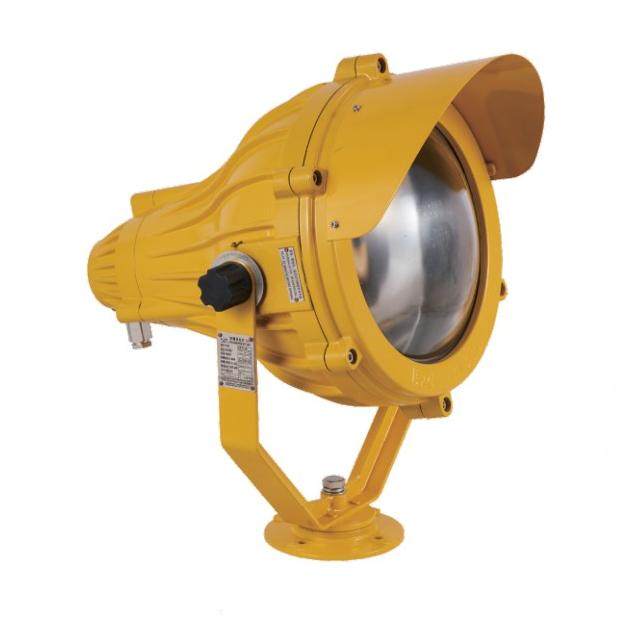
Offshore platforms operate in hazardous and extreme environments, where safety and reliability are critical. One of the essential components of these platforms is explosion-proof flood lights, which provide high-intensity illumination while ensuring safety in areas with flammable gases, vapors, and combustible dust. These specialized lighting solutions are designed to prevent sparks, overheating, or electrical malfunctions that could ignite an explosion, making explosion-proof flood lights indispensable in offshore oil and gas facilities.
Offshore platforms deal with volatile hydrocarbons that can form explosive atmospheres when mixed with air. Conventional lighting systems pose a significant risk as electrical sparks, heat, or faulty wiring can ignite these flammable gases, leading to catastrophic consequences. Explosion-proof flood lights are engineered to:
Prevent Ignition: Encased in durable, explosion-resistant housings, these lights contain any internal spark or heat.
Withstand Harsh Conditions: Built to resist saltwater corrosion, high humidity, extreme temperatures, and strong winds.
Ensure Operational Safety: Provide consistent and reliable lighting in crucial areas such as drilling sites, processing units, and maintenance zones.
How Explosion-Proof Flood Lights Work
Explosion-proof flood lights function by using special enclosures and certified components that minimize ignition risks. Their working principles include:
Sealed and Reinforced Housing: The lighting enclosure is designed to contain and cool any potential sparks before they can interact with the surrounding atmosphere.
Heat Dissipation Mechanisms: Advanced cooling systems prevent excessive heat buildup, reducing the risk of ignition.
Intrinsically Safe Electrical Components: All wiring and circuits are designed to operate at safe energy levels, preventing electrical arcs or sparks.
Compliance with Safety Standards: Certified under ATEX, IECEx, and UL standards, ensuring they meet global explosion-proof requirements.
Key Features of Explosion-Proof Flood Lights
High Luminous Output: Delivers powerful illumination to enhance visibility in hazardous areas.
Durable Construction: Made from marine-grade aluminum or stainless steel to resist corrosion and harsh weather.
IP66/IP67 Ratings: Provides waterproof and dustproof protection for offshore environments.
Wide Beam Angle: Ensures even light distribution for better workplace safety.
Applications in Offshore Platforms
Explosion-proof flood lights are installed in various critical areas of offshore platforms, including:
Drilling Decks: Provides clear illumination for high-risk operations.
Helidecks: Enhances safe landing and takeoff for helicopters.
Process Units: Ensures visibility in hazardous refining and separation zones.
Walkways and Stairwells: Improves safety by reducing trip and fall hazards.
Storage Areas: Prevents risks in flammable material storage zones.
Summary
Explosion-proof flood lights are a vital safety feature on offshore platforms, ensuring safe, reliable, and efficient operations in hazardous environments. By using certified, durable, and energy-efficient lighting solutions, offshore facilities can minimize explosion risks, improve visibility, and enhance worker safety. With advancements in LED technology, modern explosion-proof flood lights offer superior performance, reduced maintenance, and long-term reliability, making them an essential investment for offshore industries.
Lock nuts are specialized fasteners designed to prevent loosening due to vibration, dynamic loads, or frequent movement. Unlike standard nuts, which rely solely on friction to stay in place, locking nuts incorporate mechanical or chemical features that provide additional resistance to unintentional loosening. These components are essential in automotive, aerospace, machinery, and construction applications where stability and safety are paramount.
How Lock Nuts Work
Lock nuts function by creating a secure and vibration-resistant connection between a bolt and a mating surface. They achieve this by incorporating one or more locking mechanisms, such as elastic deformation, friction, or a secondary locking element. The primary working principle of lock nuts is to introduce a locking force that prevents the nut from backing off due to external forces.
1. Friction-Based Lock Nuts
Friction-based lock nuts rely on extra resistance between the nut and bolt threads to prevent loosening. They work by distorting the threads or adding a high-friction surface to increase resistance to movement. Examples include:
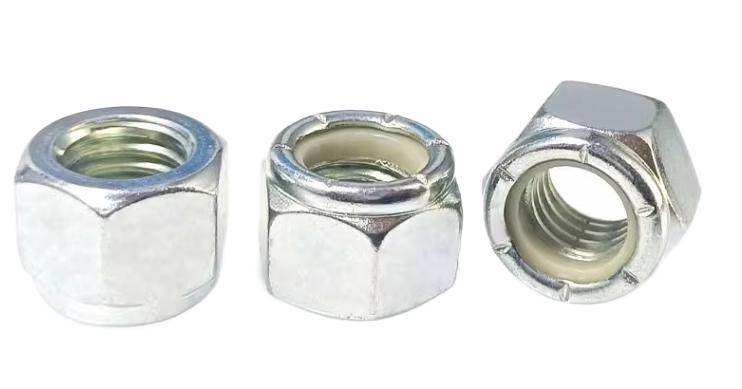
Nylon Insert Lock Nuts: Feature a nylon ring that grips the bolt threads tightly, preventing self-loosening due to vibrations.
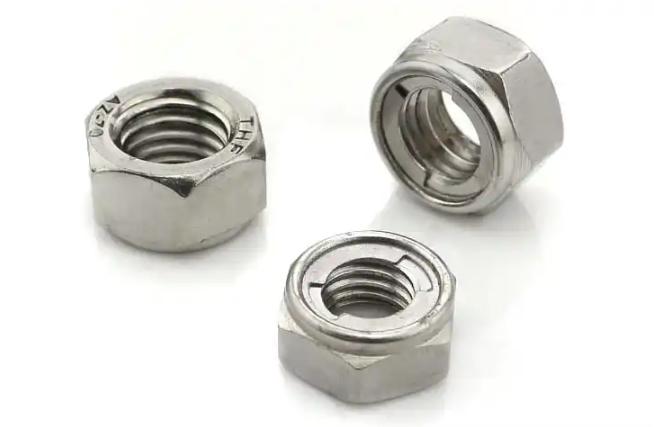
All-Metal Lock Nuts: Use a distorted thread design (such as elliptical or slotted shapes) to create additional friction, making it harder for the nut to turn under vibration.
2. Mechanical Locking Nuts
Mechanical lock nuts use special designs that physically prevent rotation after tightening. These are effective in high-stress applications where extreme loads or shock forces are present. Common types include:
Jam Nuts: A pair of nuts tightened against each other on the same bolt to create a locking effect.
Castle Nuts: Feature slots that allow the use of a cotter pin, securing the nut in place by preventing rotation.
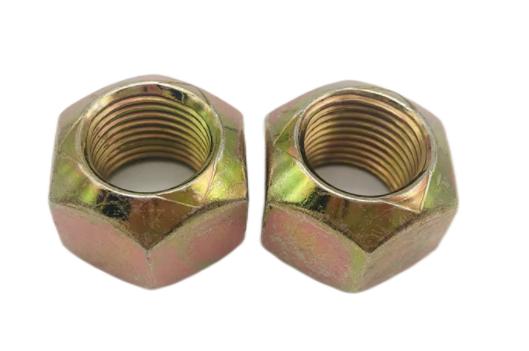
Prevailing Torque Nuts: Have a deformed thread pattern that requires additional torque to install and remove, ensuring a secure fit.
3. Chemical Locking Methods
Some lock nuts use chemical adhesives (such as thread-locking compounds) to secure the fastener. These adhesives harden after application, creating a bond that resists loosening due to vibration or temperature changes. This method is often used in conjunction with standard nuts for extra security in applications requiring long-term fastening.
Applications of Lock Nuts
Lock nuts are widely used in industries that require reliable and durable fastening solutions. Their common applications include:
Automotive and Aerospace: Preventing loosening in engines, suspension systems, and aircraft components.
Heavy Machinery and Construction: Securing bolts in vibrating equipment and structural frameworks.
Electronics and Precision Devices: Ensuring stable connections in delicate assemblies.
Conclusion
Lock nuts play a crucial role in ensuring secure and long-lasting fastenings in industries where vibration, load changes, and environmental factors can cause loosening. By utilizing friction-based, mechanical, or chemical locking mechanisms, these specialized nuts help maintain safety and stability in critical applications. Selecting the appropriate lock nut type ensures optimal performance and prevents failures in demanding operational conditions.
Mineral analyzers play a crucial role in geology, mining, metallurgy, and material science, providing accurate identification and characterization of minerals. These advanced instruments use various analytical techniques to determine mineral composition, structure, and chemical properties, enabling industries to optimize processes, enhance quality control, and improve resource management.
Understanding Mineral Analyzers
Mineral analyzers are scientific instruments designed to detect and quantify elements or compounds present in minerals. They employ X-ray fluorescence (XRF), near-infrared (NIR), laser-induced breakdown spectroscopy (LIBS), and X-ray diffraction (XRD) to analyze mineral samples in solid, liquid, or powdered forms. These technologies provide rapid, non-destructive, and highly precise results, making them indispensable in modern mineral analysis.
Types of Mineral Analyzers
1. X-Ray Fluorescence (XRF) Analyzers
XRF analyzers are widely used for elemental composition analysis in minerals. They work by bombarding a sample with X-rays, causing atoms to emit characteristic fluorescence radiation, which is then analyzed to determine the mineral’s composition. These analyzers are commonly used in mining exploration, cement production, and quality control in the metals industry.
2. X-Ray Diffraction (XRD) Analyzers
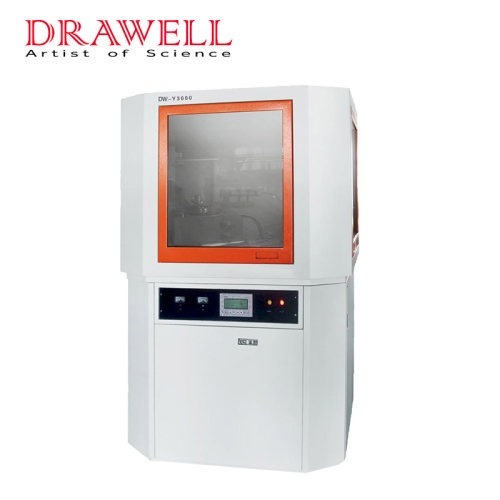
XRD analyzers identify crystalline structures by measuring the diffraction patterns of X-rays interacting with a sample. This technique is essential for distinguishing between minerals with similar chemical compositions but different structures, such as quartz and feldspar. XRD is widely used in geology, ceramics, and pharmaceutical research.
3. Near-Infrared (NIR) Spectrometers
Near-infrared spectrometers use light absorption properties to identify minerals based on their molecular vibrations. These instruments are valuable in mineral sorting, soil analysis, and environmental monitoring, as they allow for rapid and non-destructive assessments of mineral content.
LIBS analyzers utilize high-energy laser pulses to excite atoms in a sample, generating a plasma that emits light. The emitted light is analyzed to determine the mineral’s elemental composition. LIBS technology is particularly useful for on-site mineral exploration, mining operations, and space research due to its fast and portable capabilities.
Applications of Mineral Analyzers
1. Mining and Exploration
Mineral analyzers are essential for identifying ore deposits, determining mineral grades, and assessing extraction feasibility. They help geologists and mining engineers optimize resource utilization while minimizing environmental impact.
2. Metallurgy and Material Processing
In metallurgical industries, these analyzers ensure precise control over raw materials used in metal production. They help detect impurities, monitor alloy compositions, and improve overall product quality.
3. Environmental and Soil Analysis
Mineral analyzers are widely used in environmental monitoring to detect pollutants in soil and water. They assist in assessing contaminant levels and ensuring compliance with regulatory standards.
4. Cement and Construction Industries
These instruments play a critical role in ensuring the right mineral proportions in cement production, improving product durability and performance.
Key Benefits of Mineral Analyzers
Fast and Accurate Analysis: Provides real-time data for quick decision-making.
Non-Destructive Testing: Preserves sample integrity while delivering precise results.
Portable and Laboratory Models: Offers flexibility for fieldwork and detailed lab-based analysis.
Cost-Effective and Efficient: Reduces operational costs by improving process efficiency and minimizing material waste.
Future Trends in Mineral Analysis
With advancements in AI-driven spectral analysis, automation, and real-time data integration, mineral analyzers are becoming more efficient, portable, and intelligent. The integration of remote sensing technologies and machine learning algorithms is set to revolutionize mineral exploration and quality control processes.
Summary
Mineral analyzers are indispensable tools in mining, metallurgy, geology, and environmental science, ensuring precise identification and analysis of minerals. With evolving technologies, these instruments are becoming more advanced, offering faster, more accurate, and cost-effective solutions for industries that rely on mineral composition analysis. Whether in field exploration or laboratory research, mineral analyzers continue to enhance efficiency, sustainability, and decision-making in resource management.
Custom plush toys have become a popular choice for special occasions, offering a unique and sentimental touch to celebrations. Whether for birthdays, weddings, baby showers, or corporate events, these personalized stuffed toys serve as memorable keepsakes that hold emotional value. Their ability to be tailored in design, size, and message makes them a versatile gift option that appeals to people of all ages.
Why Custom Plush Toys Are Gaining Popularity
One of the key reasons custom plush toys are widely embraced for special occasions is their sentimental nature. Unlike generic gifts, these plushies can be designed to reflect personal connections, favorite characters, or cherished memories. For birthdays, a custom plush featuring a child’s favorite animal or cartoon character adds a personal touch that mass-produced toys often lack. In weddings, plush toys customized as bride and groom figurines serve as adorable and lasting mementos for guests.
Another factor driving their popularity is their suitability for various events. Baby showers, for instance, often feature plush toys embroidered with the baby’s name and birth date, making them a treasured keepsake for parents. Similarly, during Valentine’s Day or anniversaries, customized plush bears with personalized messages express affection in a meaningful way. Corporate brands also recognize the appeal of custom plush toys, using them as promotional giveaways or brand mascots at trade shows and company celebrations.
The Role of Personalization in Custom Plush Toys
The ability to personalize plush toys enhances their appeal for special occasions. Customers can choose from a variety of materials, colors, and designs to create a plush toy that resonates with the recipient. Embroidery options allow names, dates, or heartfelt messages to be added, making each plush unique and sentimental. Additionally, some manufacturers offer custom voice recordings or scent-infused plush toys to further enhance their personalization.
Advancements in custom plush manufacturing technology have also contributed to the increased demands. With 3D modeling and digital embroidery techniques, companies can produce highly detailed and realistic plush replicas, even based on hand-drawn sketches or digital designs. This innovation has expanded creative possibilities, allowing customers to bring their imaginative ideas to life in the form of plush toys.
The Emotional Connection and Lasting Appeal
Custom plush toys hold deep emotional significance, making them cherished keepsakes long after the special occasion has passed. Unlike disposable gifts or perishable items, plush toys have a lasting presence, often becoming nostalgic reminders of meaningful moments. Many recipients keep their custom plush toys for years, associating them with fond memories and the thoughtfulness of the giver.
Additionally, plush toys provide comfort and companionship, making them especially meaningful for children and those celebrating life milestones. A custom plush gifted during a graduation, for instance, can serve as a symbol of achievement and encouragement. Similarly, plush toys given during difficult times, such as hospital stays, can provide emotional support and reassurance.
Conclusion
The rising popularity of custom plush toys for special occasions is a testament to their unique charm, emotional value, and versatility. Whether used as gifts, keepsakes, or promotional items, these personalized plush toys create lasting impressions that go beyond ordinary presents. As customization options continue to expand, the demand for these heartfelt and meaningful plush creations is expected to grow, making them a beloved choice for celebrations of all kinds.
In modern printing processes, achieving consistent quality and accuracy is essential to meet industry standards and customer expectations. Printing inspection systems play a critical role in detecting defects such as color deviations, misalignment, and inconsistencies in print quality. However, the effectiveness of these systems depends heavily on precise calibration. Automated calibration in printing inspection systems has emerged as a game-changing solution, ensuring optimal system performance while reducing human intervention and operational errors.
The Role of Calibration in Printing Inspection
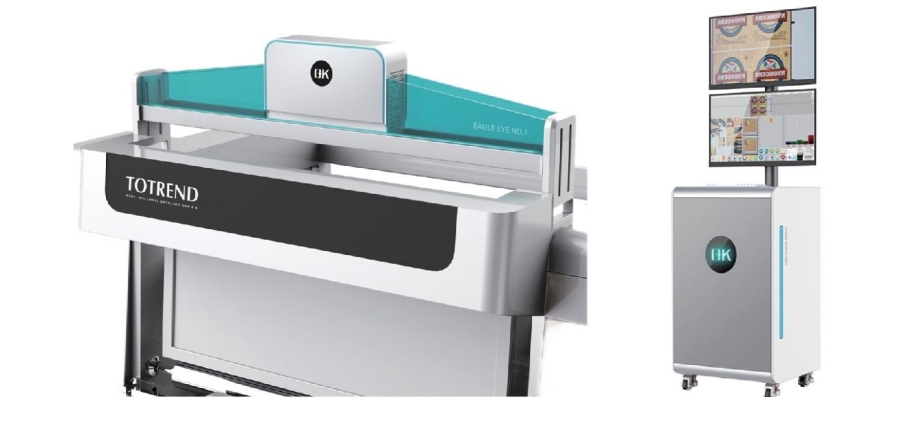
Calibration is the process of aligning the sensors, cameras, and software algorithms of a 100% inspection system for printing quality to ensure accurate detection and measurement of print quality. Traditional manual calibration methods are time-consuming, prone to human error, and require frequent adjustments. Any miscalibration can lead to incorrect defect detection, increased rejection rates, and wasted materials. Automated calibration overcomes these challenges by providing continuous, real-time adjustments to maintain inspection accuracy.
How Automated Calibration Works
Automated calibration relies on advanced algorithms, machine learning, and real-time data processing to optimize the performance of printing inspection systems. The process begins with the system capturing reference images of printed samples under predefined conditions. These images are analyzed to detect any deviations from expected parameters such as color intensity, registration accuracy, and print sharpness.
By integrating sensors and self-learning algorithms, the system continuously adjusts camera settings, lighting conditions, and detection thresholds. This ensures that variations in environmental factors, such as ambient light or ink consistency, do not compromise inspection accuracy. Additionally, automated calibration can detect and correct sensor drift over time, maintaining system reliability without requiring manual intervention.
Benefits of Automated Calibration
The implementation of automated calibration in printing inspection systems brings numerous advantages. One of the most significant benefits is improved accuracy and consistency. By eliminating human errors and ensuring precise calibration, automated systems enhance defect detection capabilities, reducing false positives and false negatives. This leads to better quality control and lower rejection rates.
Another key advantage is increased efficiency. Manual calibration requires periodic downtime and operator expertise, whereas automated calibration minimizes interruptions by continuously optimizing system settings in real time. This results in higher production throughput and reduced maintenance costs.
Automated calibration also enhances adaptability in high-speed printing environments. As printing processes become more complex and require tighter tolerances, automated systems can quickly adjust to different printing materials, ink types, and production conditions. This flexibility ensures that automated print quality inspection systems remain effective across various printing applications, from packaging to commercial printing.
Challenges and Considerations
Despite its benefits, automated calibration comes with certain challenges. The initial implementation requires investment in advanced hardware and software, as well as integration with existing printing inspection systems. Additionally, achieving seamless calibration across different printing processes may require extensive data collection and system fine-tuning.
Another consideration is the need for periodic verification. While automated calibration significantly reduces manual adjustments, occasional validation by skilled operators ensures that the system continues to function as expected. Combining automation with human oversight can further enhance reliability and accuracy.
Summary
Automated calibration in printing inspection systems is transforming quality control in the printing industry by improving accuracy, efficiency, and adaptability. By leveraging advanced algorithms and real-time adjustments, these systems optimize performance and minimize errors, ensuring high-quality print production. As automation technology continues to evolve, the adoption of automated calibration will become increasingly essential for companies looking to enhance productivity and maintain a competitive edge in the printing sector.
Hydraulic fracturing has long been a cornerstone of enhanced oil and gas recovery, primarily used to stimulate production in unconventional reservoirs. However, its role extends beyond initial reservoir development and into well intervention strategies. In mature wells facing declining productivity, hydraulic fracturing serves as a vital technique to restore and improve hydrocarbon flow. By re-establishing reservoir connectivity and mitigating formation damage, this method enhances the economic viability of aging wells while maximizing resource extraction.
The Importance of Hydraulic Fracturing in Well Intervention
Over time, wells suffer from reduced flow rates due to permeability loss, reservoir depletion, or near-wellbore blockages caused by fines migration, paraffin buildup, or fluid invasion. When traditional intervention techniques such as acidizing or mechanical cleaning prove insufficient, hydraulic fracturing provides a more effective solution. By creating new fracture networks or reopening existing ones, it facilitates the movement of hydrocarbons trapped in low-permeability zones, thereby rejuvenating well productivity.
For reservoirs that have undergone extensive production, pressure depletion can hinder fluid mobility. Hydraulic fracturing addresses this issue by introducing high-pressure fracturing fluids to generate new pathways for oil and gas migration. This not only restores production levels but also improves overall recovery efficiency. Additionally, in multi-zone reservoirs, hydraulic fracturing enables targeted stimulation of underperforming layers, optimizing the contribution of different reservoir sections.
The Hydraulic Fracturing Process in Well Intervention
Before executing a hydraulic fracturing intervention, engineers conduct a thorough evaluation of the well’s condition, production history, and geological characteristics. A customized fracturing treatment is then designed, considering parameters such as formation type, fluid compatibility, and fracture conductivity.
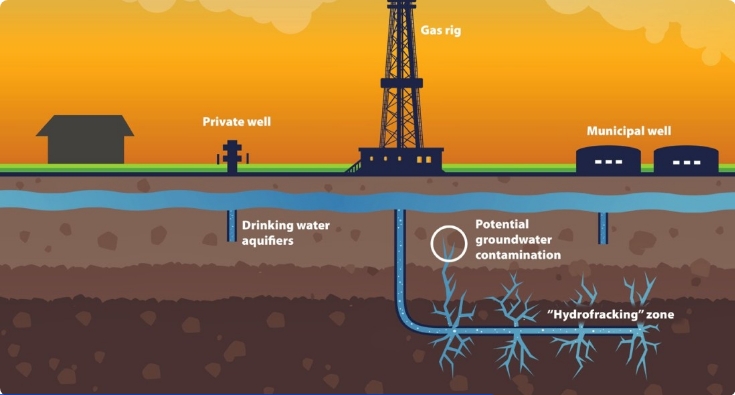
The process begins with the controlled injection of fracturing fluids at high pressures, which induce fractures within the reservoir rock. These fractures serve as new conduits for hydrocarbons to reach the wellbore. To ensure that the fractures remain open after fluid withdrawal, proppants such as sand or ceramic particles are introduced into the fractures. These proppants support the fracture walls, preventing them from closing under formation pressure.
Following the fracturing process, the well is monitored for fluid flowback, during which the injected fluids are recovered, and production rates are assessed. Advanced diagnostics, including microseismic monitoring and well logging, help evaluate the effectiveness of the intervention. If necessary, adjustments can be made to optimize the fracturing design for future treatments.
Challenges and Considerations in Hydraulic Fracturing for Well Intervention
While hydraulic fracturing has proven to be a highly effective well intervention technique, it presents several challenges that must be carefully managed. One of the primary concerns is selecting the appropriate fracturing fluid and proppant composition to ensure long-term fracture conductivity. Formation compatibility and the risk of fluid damage must also be evaluated to prevent unintended permeability reduction.
Environmental considerations, including water usage and waste disposal, are critical aspects of hydraulic fracturing operations. The management of flowback fluids, which may contain chemical additives and formation contaminants, requires proper treatment and disposal methods to comply with regulatory standards. Additionally, operational constraints such as equipment availability, reservoir depth, and fracturing pressure limitations influence the feasibility of intervention treatments.
Regulatory oversight and public concerns regarding hydraulic fracturing further impact its implementation, particularly in regions with stringent environmental policies. Addressing these concerns through improved fluid formulations, reduced water consumption, and enhanced well integrity monitoring can help mitigate potential risks while maintaining the benefits of hydraulic fracturing for well intervention.
Simulations are Used in Optimizing Hydraulic Fracturing for Well Intervention
Hydraulic fracturing simulation provides accurate predictions of fracture behavior, optimizing treatment designs, and minimizing operational risks. Advanced modeling software analyzes reservoir properties, fluid dynamics, and stress distributions to simulate fracture propagation and proppant placement. These simulations help engineers refine injection parameters, select appropriate fracturing fluids, and ensure efficient well stimulation. Real-time data integration further enhances decision-making, allowing for adjustments during operations. By leveraging simulations, operators can maximize well productivity, reduce environmental impact, and improve the overall success of hydraulic fracturing interventions.
Summary
Hydraulic fracturing remains a key method for revitalizing wells that have experienced production decline. By creating new fracture networks and enhancing reservoir connectivity, it enables operators to extend the productive life of wells and increase hydrocarbon recovery. With ongoing advancements in fracturing technology, including real-time monitoring, improved proppant materials, and environmentally sustainable fracturing fluids, the future of hydraulic fracturing for well intervention continues to evolve. As the oil and gas industry seeks to maximize efficiency and sustainability, hydraulic fracturing will remain an indispensable tool in well intervention strategies.
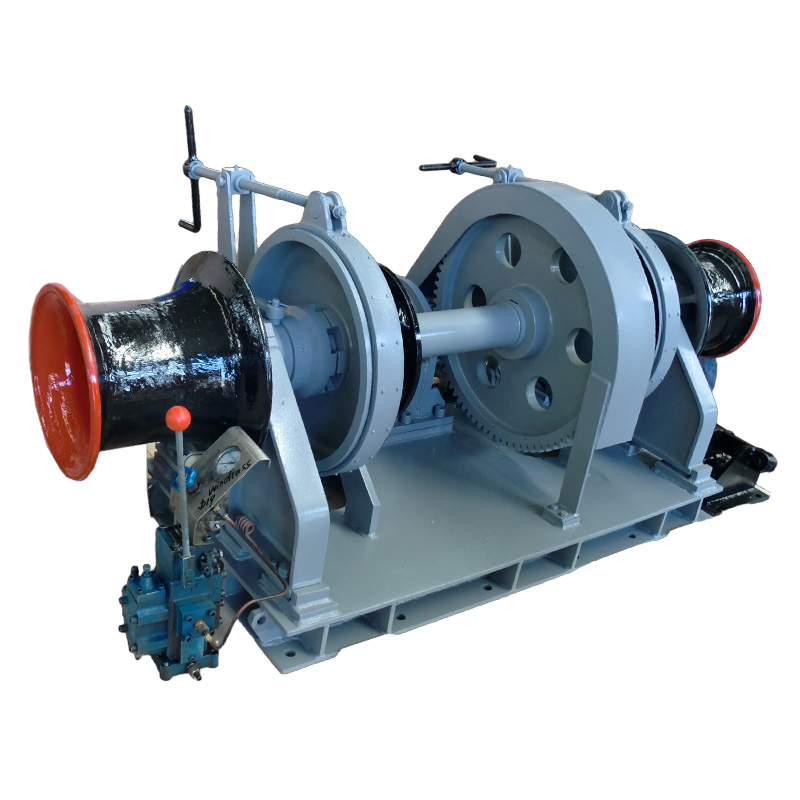
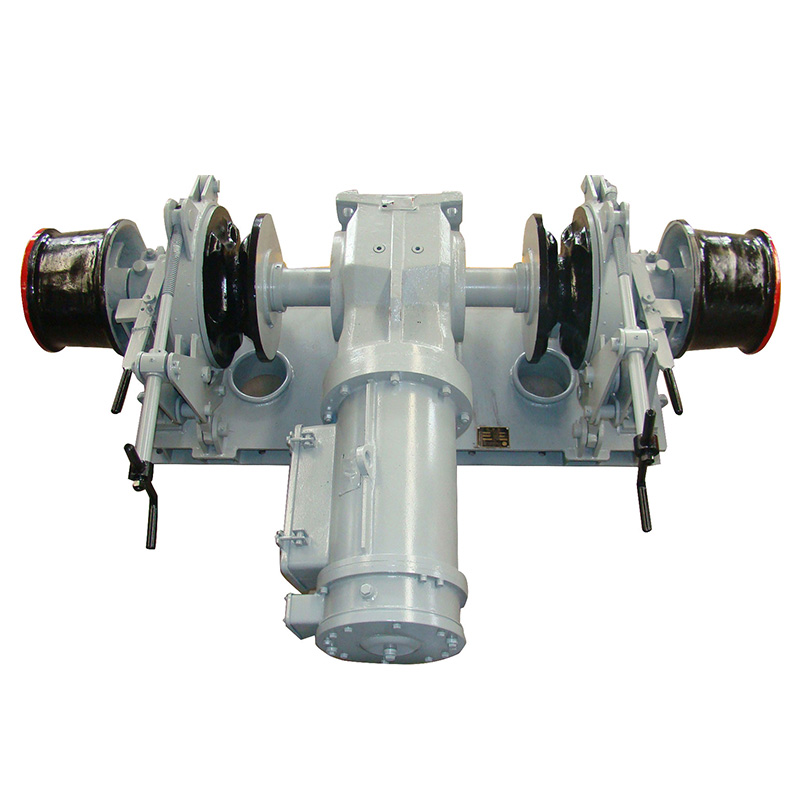
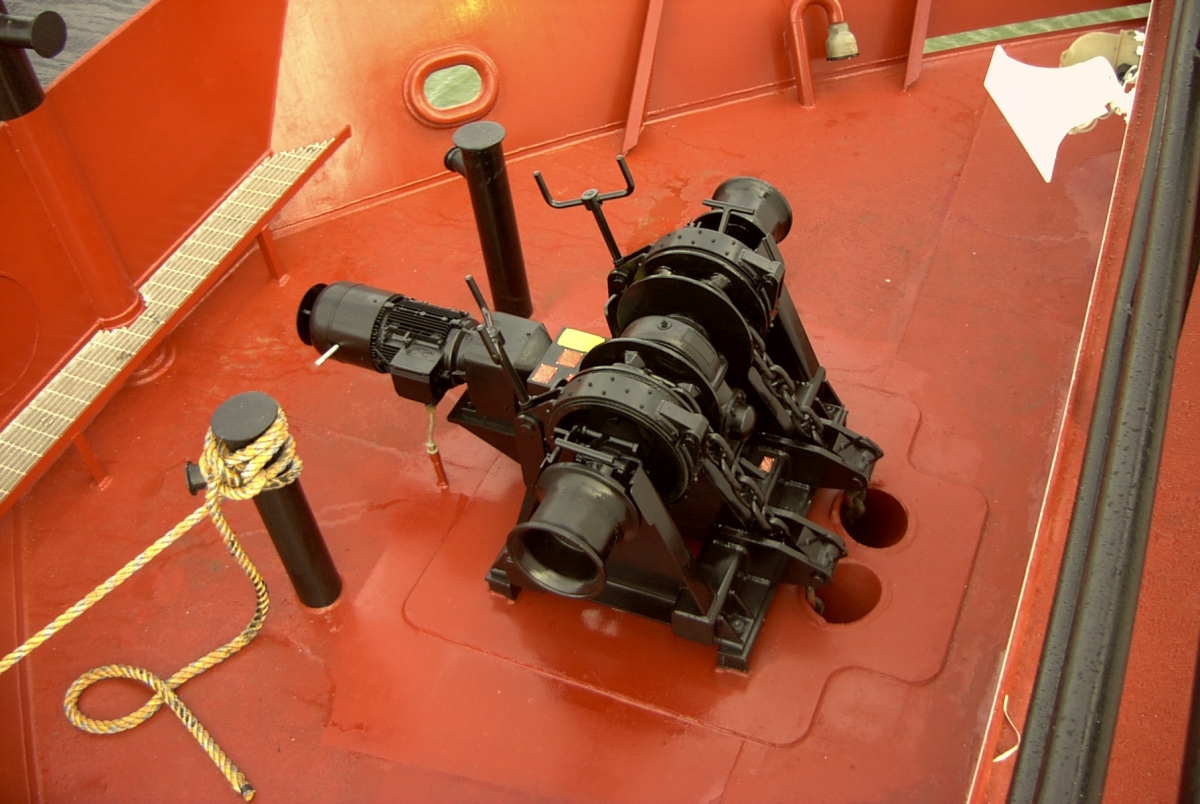
A marine windlass is an essential piece of equipment used on boats and ships to raise and lower the anchor. It provides the necessary mechanical advantage to handle the heavy load of the anchor and chain, reducing the strain on the crew. Windlasses come in two primary configurations: vertical and horizontal, each with its own advantages, limitations, and applications. Choosing the right type depends on factors such as vessel size, deck space, anchor handling efficiency, and maintenance requirements.
Understanding Vertical Windlasses
A vertical windlass has a motor and gearbox positioned below deck, while the gypsy (the wheel that grips the anchor chain) and capstan (if included) are above deck. This design creates a sleek and compact deck profile, making it ideal for vessels with limited deck space.
One of the main advantages of a vertical windlass is its greater chain wrap around the gypsy, typically 180 degrees or more. This increased contact ensures better grip, reducing chain slippage and improving pulling power. Additionally, the vertical design allows for efficient chain self-stowing into the anchor locker, which helps prevent tangling and simplifies operation.
However, a vertical windlass requires a deep anchor locker below deck to accommodate the motor and the stored chain. If the anchor locker is too shallow, the chain may pile up and cause jamming issues. Maintenance can also be slightly more challenging since some components are located below deck, requiring access to confined spaces for servicing.
Understanding Horizontal Windlasses
A horizontal windlass, as the name suggests, has its motor, gearbox, gypsy, and capstan all mounted above deck. This design is well-suited for boats with shallow anchor lockers, as it does not require significant space below deck for chain storage.
One of the key benefits of a horizontal windlass is its ease of installation and maintenance. Since all components are above deck, servicing the motor and gearbox is straightforward, reducing downtime and maintenance complexity. Additionally, a horizontal windlass typically offers a cleaner chain lead from the gypsy to the anchor roller, reducing the risk of chain jamming.
However, horizontal windlasses provide less chain wrap—typically 90 to 120 degrees—which may result in reduced grip and increased slippage under heavy loads. This design also takes up more deck space, which can be a limitation on smaller boats where space is at a premium.
Choosing Between Vertical and Horizontal Windlasses
The choice between a vertical and horizontal windlass depends on several factors, including vessel size, anchor locker depth, available deck space, and maintenance preferences. Vertical windlasses are generally preferred for larger vessels with deep anchor lockers, where their improved chain wrap and self-stowing capability enhance efficiency. Horizontal windlasses, on the other hand, are better suited for smaller boats with limited anchor locker depth, offering easier maintenance and a simpler installation process.
Both types of windlasses are highly effective, but selecting the right one ensures optimal marine anchor handling, reliability, and convenience for your vessel’s needs.
Lighting plays a vital role in enhancing safety, functionality, and ambiance in marine environments. Whether aboard yachts, ships, or other marine vessels, selecting the right type of lighting is essential. Among the popular options are marine ceiling lights and marine down lights, both of which serve specific purposes but differ in design, application, and functionality.
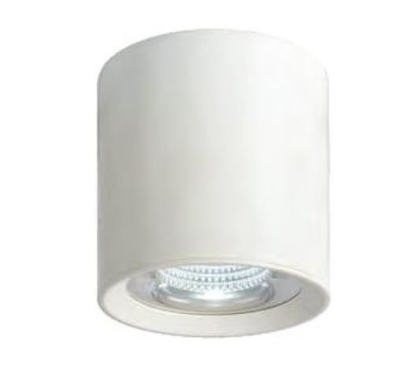
Marine ceiling lights are typically installed on the ceiling or overhead surfaces of marine vessels. These lights are designed to provide wide, uniform illumination across larger spaces such as cabins, salons, engine rooms, and corridors. Marine ceiling lights can be either fixed or recessed into the ceiling to create a clean, streamlined appearance.
Key Features of Marine Ceiling Lights:
Wide Coverage: Marine ceiling lights are designed to illuminate broad areas, making them ideal for spaces where overall lighting is required.
Durable Design: These lights are built to withstand the harsh marine environment, with materials resistant to corrosion from saltwater and UV rays.
Versatile Mounting: Ceiling lights are available in various designs, including flush-mounted, surface-mounted, and hanging styles, allowing for flexibility in installation.
Advantages of Marine Ceiling Lights:
Even Illumination: These lights spread light evenly across the entire room, ensuring that there are no dark spots or uneven lighting.
Space Efficiency: Ceiling lights do not take up additional floor or wall space, which is beneficial for smaller or more compact marine vessels.
Variety of Styles: Marine ceiling lights come in a range of designs, from practical task lighting to decorative fixtures that enhance the aesthetic appeal of the space.
What Are Marine Down Lights?
Marine down lights, on the other hand, are designed to provide focused, downward illumination. Typically mounted on the ceiling, these lights direct light downward to specific areas such as tables, countertops, or walkways. Marine down lights are often used for accent lighting, task lighting, or creating atmospheric effects within a space.
Key Features of Marine Down Lights:
Focused Lighting: Unlike ceiling lights, down lights emit concentrated light in a downward direction, making them ideal for focused tasks or accentuating specific areas.
Compact Design: Marine down lights are typically smaller and more discreet than ceiling lights, with many designs being recessed into the ceiling for a sleek, minimalistic look.
Energy Efficient: Many marine down lights use LED technology, offering long-lasting, energy-efficient illumination with low power consumption.
Advantages of Marine Down Lights:
Targeted Illumination: Down lights are ideal for tasks that require focused light, such as reading, cooking, or highlighting artwork or features in a space.
Aesthetic Appeal: They can be used to create mood lighting or accentuate the design of certain areas, adding a modern touch to your vessel’s interior.
Space-Saving: With their compact design, down lights are perfect for areas where space is limited or where a clean, uncluttered look is desired.
Key Differences Between Marine Ceiling Lights and Marine Down Lights
Lighting Direction:
Marine Ceiling Lights: Provide broad, even illumination across a wide area, ideal for general lighting in large spaces.
Marine Down Lights: Focus light in a downward direction, offering targeted, concentrated lighting, perfect for task-specific areas.
Installation Style:
Marine Ceiling Lights: Typically surface-mounted or flush-mounted on the ceiling, making them more visible and suitable for larger areas.
Marine Down Lights: Often recessed into the ceiling for a minimalistic and subtle design, blending seamlessly with the ceiling.
Purpose:
Marine Ceiling Lights: Primarily used for general illumination in large areas like cabins, corridors, or salons, where uniform lighting is needed.
Marine Down Lights: Used for task lighting, accent lighting, or mood lighting, providing focused light for specific areas like dining tables or reading spots.
Size and Design:
Marine Ceiling Lights: Larger and more prominent in design, meant for covering a larger surface area with consistent light.
Marine Down Lights: Smaller and more discreet, recessed into the ceiling to provide focused lighting without occupying much space.
Best for:
Marine Ceiling Lights: Ideal for large, open spaces requiring broad, uniform lighting.
Marine Down Lights: Best for smaller, task-oriented spaces that need focused or accent lighting.
Aesthetic Impact:
Marine Ceiling Lights: Offer a more uniform and bright environment, contributing to an overall illuminated space.
Marine Down Lights: Provide a stylish, modern appearance with focused light, accentuating specific areas or features.
Energy Efficiency:
Marine Ceiling Lights: Can be energy-efficient, especially with LED technology, but are designed to light larger areas.
Marine Down Lights: Generally more energy-efficient for focused lighting, as they direct light where it’s needed, minimizing wastage.
When to Choose Marine Ceiling Lights
Marine ceiling lights are ideal for applications where general, even illumination is required over a large area. They are the go-to option for larger spaces such as:
Salons and Lounges: Providing broad lighting that covers the entire area.
Cabins: Ensuring the entire space is well-lit, promoting visibility and safety.
Engine Rooms: Offering consistent lighting throughout the room for safety and functionality.
Corridors: Lighting up hallways or passageways, ensuring visibility in all directions.
Ceiling lights are especially suitable when creating an evenly-lit environment is a priority, and they work well in areas where uniformity is needed, such as emergency rooms or public spaces on larger vessels.
When to Choose Marine Down Lights
Marine down lights are perfect for applications where focused, directional lighting is needed. These are ideal for areas that require more concentrated light for specific tasks or aesthetic purposes. Ideal use cases for down lights include:
Reading or Task Areas: Providing concentrated light above workstations, reading areas, or counters.
Dining Areas: Offering focused lighting over tables to enhance ambiance and functionality.
Accent Lighting: Highlighting specific features of the interior, such as art, decorations, or architectural elements.
Mood Lighting: Creating a soft, atmospheric glow to set the mood in certain spaces.
Down lights are also beneficial in areas with low ceilings or spaces that require a sleek, modern look, as their compact design saves valuable space while delivering precise, high-quality lighting.
Both marine ceiling lights and marine down lights have unique advantages depending on the requirements of the space. Ceiling lights are ideal for larger areas that require even illumination, while down lights provide focused, stylish lighting for specific tasks and areas. By understanding the differences between the two and evaluating your lighting needs, you can make an informed decision to create the perfect lighting setup on your marine vessel.
Whether you’re outfitting a luxurious yacht, a practical workboat, or a commercial ship, selecting the right type of lighting will enhance both the functionality and aesthetic appeal of your marine space, making your experience safer and more enjoyable.
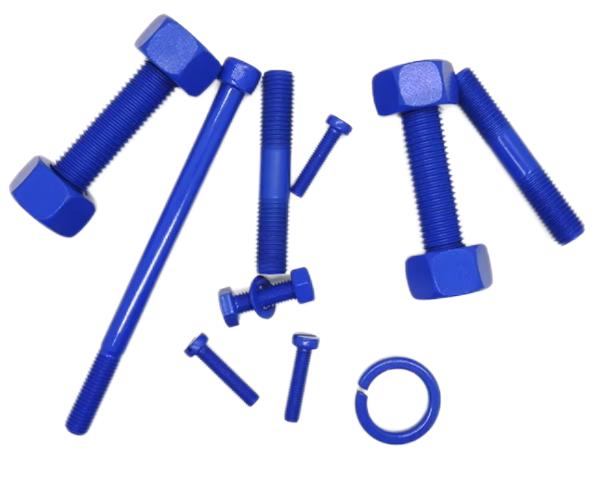
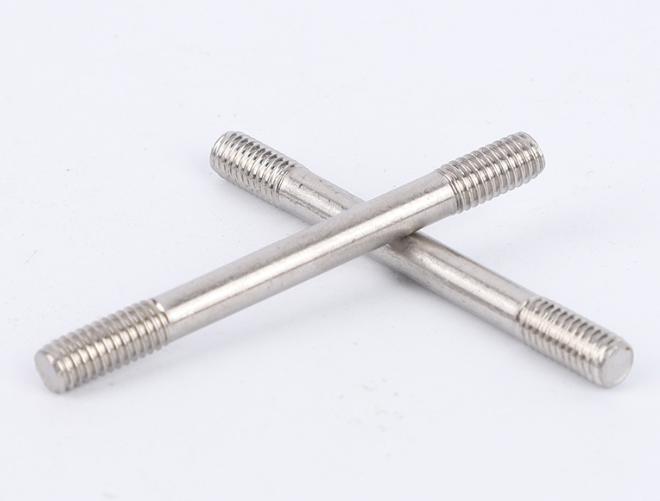
Stud bolts are an essential fastener used in a variety of industries, known for their versatility, strength, and ability to handle significant loads. Unlike traditional bolts, which have a head at one end, stud bolts consist of a long, threaded rod with threads on both ends. This design allows for more flexibility in installation and provides additional strength and support for critical applications. In this article, we will explore the types of stud bolts, their common uses, and important considerations when choosing the right stud bolt for your project.
What is a Stud Bolt?
A stud bolt is a length of metal that is threaded at both ends and often used to fasten two parts together, such as flanges, in applications where the bolt must pass through multiple components. The stud typically has no head and is instead threaded throughout its length, allowing for greater adaptability and ease of installation. Stud bolts are commonly paired with nuts or washers on either side of the material to be fastened.
Stud bolts are available in various materials, sizes, and thread types, depending on the specific requirements of the application. Their design makes them ideal for applications requiring high tensile strength and stability, especially in environments that involve vibration, pressure, or extreme temperatures.
Types of Stud Bolts
Full Threaded Stud Bolts
Full-threaded stud bolts have threads along the entire length of the bolt. This type provides the maximum number of threads available for fastening, which is particularly useful in applications requiring adjustable lengths or the need to secure a large range of material thicknesses. Full-threaded bolts are commonly used in pressure vessels, heat exchangers, and large industrial machines.
Double-Ended Stud Bolts
Double-ended stud bolts are threaded on both ends, with a smooth section in the middle. The ends are often the same size, though they can sometimes differ. This type of stud bolt is most commonly used in flanged connections, allowing the stud to pass through the flange and hold the joint together. Nuts are then fastened on both sides of the flange, ensuring a secure connection.
Tapered Stud Bolts
Tapered stud bolts feature threads that decrease in size toward one end. The threaded portion at the larger end allows for a firm connection with the nut, while the tapered end ensures easy insertion and removal. Tapered stud bolts are often used in situations where a tight fit and easy assembly are required, such as in exhaust systems or engine parts.
Single-Ended Stud Bolts
These Single-ended studs have only one threaded end, with the other end being smooth or plain. A nut is placed onto the threaded side to secure the bolt. Single-ended stud bolts are generally used in applications where only one end needs to be fastened or where only one side needs a nut or other fastening component.
Common Applications of Stud Bolts
Flange Connections
One of the most common uses of stud bolts is in flange connections, especially in industries such as oil and gas, petrochemical, and manufacturing. In these applications, stud bolts are used to securely fasten flanges to piping systems or vessels. The double-ended design of the stud bolt allows it to pass through the flange holes, with nuts tightened on both sides to create a secure seal that can withstand high pressure and temperature.
Pressure Vessels
In pressure vessel construction, stud bolts are used to assemble components such as covers, lids, and other parts. The bolts need to be strong and reliable to ensure the safety and performance of pressure vessels that operate under high-pressure conditions.
Heavy Machinery and Equipment
Stud bolts are used in heavy machinery and industrial equipment where large amounts of force or torque are exerted on fasteners. They are commonly found in engines, turbines, and other high-performance machinery. The stud bolts help ensure these components are tightly fastened, even under extreme operational conditions.
Automotive Industry
The automotive industry frequently uses stud bolts, particularly in engine assemblies, exhaust systems, and other parts where vibration and heat are common. The durability of stud bolts makes them ideal for holding components together under challenging operating conditions.
Marine and Offshore Applications
Stud bolts are also essential in marine and offshore applications, particularly in the construction of ships, rigs, and platforms. They are used to secure various parts of these structures, including flanged connections, valves, and pumps, to ensure safety and reliability in environments exposed to harsh conditions such as saltwater and extreme weather.
Material Considerations
The material of a stud bolt plays a significant role in its performance, especially in applications where high temperatures, corrosion, or heavy loads are involved. Common materials for stud bolts include:
Carbon Steel: Ideal for general applications requiring high tensile strength, such as machinery and industrial equipment. Carbon steel stud bolts are commonly used in construction and infrastructure.
Stainless Steel: Known for its corrosion resistance, stainless steel stud bolts are used in marine, chemical processing, and food industries where exposure to corrosive substances is likely.
Alloy Steel: Used for applications that demand high strength at elevated temperatures, such as in power plants or aerospace applications.
Inconel and Titanium: Used for highly demanding applications, including those in the aerospace, chemical, and oil industries, due to their excellent resistance to extreme temperatures and harsh environments.
Choosing the Right Stud Bolt
When selecting a stud bolt, there are several key factors to consider:
Strength Requirements: Choose a stud bolt with the appropriate tensile strength for the application. For applications with high pressure or mechanical stress, alloy steel or stainless steel bolts may be necessary.
Environmental Factors: Consider the environment where the stud bolt will be used, such as temperature extremes, exposure to corrosive elements, or vibrations. For harsh conditions, stainless steel or other corrosion-resistant materials may be best.
Thread Type: The type of thread (fine or coarse) affects the grip and hold of the stud bolt. Fine threads offer higher strength and greater resistance to vibration, while coarse threads may be better for easier assembly and disassembly.
Size and Length: The length of the stud bolt should match the distance between the materials being fastened. Ensure the bolt length and thread length are sufficient to secure the materials firmly.
Summary
Stud bolts are essential fasteners in various industries, providing strength, versatility, and durability for a wide range of applications. Whether used for flanged connections, heavy machinery, or automotive assemblies, choosing the right stud bolt is crucial for ensuring safety, reliability, and performance. By considering factors such as material, thread type, and strength requirements, you can select the ideal stud bolt for your specific needs, ensuring optimal results in your projects.
Elemental analyzers are essential instruments used in various industries and scientific fields to determine the composition of materials by identifying and quantifying elements present in a sample. These analyzers are widely used in environmental monitoring, pharmaceuticals, food safety, metallurgy, and petrochemical industries. Different types of elemental analyzers are designed based on specific techniques and target elements.
1. CHNS/O Elemental Analyzers
CHNS/O elemental analyzers measure the percentage of carbon (C), hydrogen (H), nitrogen (N), sulfur (S), and oxygen (O) in a sample. These instruments work by combusting the sample in an oxygen-rich environment and analyzing the resulting gases using detectors such as thermal conductivity detectors (TCD) or infrared (IR) detectors. They are commonly used in organic chemistry, pharmaceuticals, polymers, and fuels to determine material purity and composition.
2. X-ray Fluorescence (XRF) Analyzers
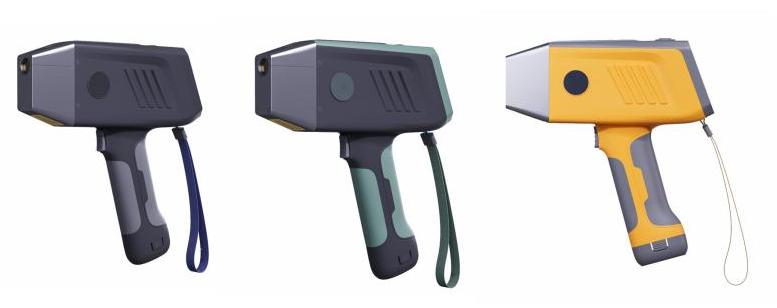
XRF analyzers use X-ray fluorescence technology to identify and quantify elements in a sample, typically ranging from sodium (Na) to uranium (U). They work by irradiating the sample with high-energy X-rays, causing elements to emit characteristic secondary X-rays that are detected and analyzed. XRF analyzers are widely used in mining, metallurgy, and environmental testing due to their non-destructive nature and ability to analyze solid, liquid, and powdered samples.
ICP-OES analyzers use an inductively coupled plasma (ICP) to excite elements in a sample, causing them to emit characteristic light wavelengths. The emitted light is analyzed using optical emission spectroscopy (OES) to determine the concentration of elements present. These analyzers are highly sensitive and capable of detecting trace elements in water, soil, food, and industrial materials, making them essential in environmental monitoring, agriculture, and quality control applications.
4. Inductively Coupled Plasma Mass Spectrometry (ICP-MS) Analyzers
ICP-MS analyzers are similar to ICP-OES but provide higher sensitivity by using mass spectrometry to detect and quantify elements based on their mass-to-charge ratio. This technique allows for ultra-trace analysis of elements in environmental samples, pharmaceuticals, and biomedicine. ICP-MS analysis is particularly useful for detecting heavy metals and isotopic ratios in complex matrices.
5. Atomic Absorption Spectroscopy (AAS) Analyzers
AAS analyzers measure the concentration of specific elements by detecting the absorption of light at characteristic wavelengths. The sample is atomized using a flame or graphite furnace, and a light source passes through the atoms, which absorb specific wavelengths corresponding to the elements present. AAS is widely used for metal analysis in water, food, and industrial materials, offering high accuracy for detecting elements such as lead, cadmium, and mercury.
6. Carbon and Sulfur (C/S) Analyzers
C/S analyzers are specialized instruments used in metallurgy and materials science to determine the carbon and sulfur content in metals, alloys, and ceramics. These analyzers use combustion techniques to oxidize the sample and measure the released carbon dioxide (CO₂) and sulfur dioxide (SO₂) using infrared detectors. Accurate carbon and sulfur analysis is crucial for ensuring material quality and performance in steel production and foundries.
7. Nitrogen, Oxygen, and Hydrogen (NOH) Analyzers
NOH analyzers are used to measure nitrogen, oxygen, and hydrogen levels in metals and inorganic materials. The sample is heated in an inert gas atmosphere, releasing these gases, which are then detected using thermal conductivity or infrared techniques. These analyzers are vital in industries such as aerospace, automotive, and electronics, where precise gas content in metals affects mechanical properties and durability.
8. Total Organic Carbon (TOC) Analyzers
TOC analyzers measure the total amount of organic carbon in liquid samples, making them essential in water quality monitoring, pharmaceuticals, and environmental analysis. These instruments use combustion or wet oxidation techniques to convert organic carbon into carbon dioxide, which is then detected and quantified. TOC analysis helps assess contamination levels in drinking water, wastewater, and industrial effluents.
Essential Aspects to Consider When Choosing the Right Elemental Analyzer
1. Type of Sample
The type of sample plays a significant role in determining the suitable elemental analyzer. Some analyzers are designed for solid samples, while others are better suited for liquids, gases, or powders. For example:
Solid Samples: XRF (X-ray Fluorescence) and ICP-OES (Inductively Coupled Plasma Optical Emission Spectroscopy) are effective for analyzing metals, ores, alloys, and other solid materials.
Liquid Samples: ICP-MS (Inductively Coupled Plasma Mass Spectrometry) and AAS (Atomic Absorption Spectroscopy) are widely used for analyzing water, biological samples, and other liquids.
Powders: Many analyzers, such as XRF, can analyze powdered samples without the need for complex sample preparation.
Choosing an analyzer based on the sample’s physical state is essential for efficient and accurate analysis.
2. Elements to Be Analyzed
Different elemental analyzers are optimized for detecting different elements. Some analyzers are more suited for specific groups of elements, while others can measure a broad range.
CHNS/O Analysis: For organic materials, CHNS/O elemental analyzers measure carbon, hydrogen, nitrogen, sulfur, and oxygen, making them ideal for applications in chemistry, environmental testing, and pharmaceuticals.
Trace Elements: For analyzing trace elements, such as heavy metals (lead, mercury, arsenic), ICP-MS provides ultra-high sensitivity.
Major Elements: If you need to measure more abundant elements like sodium, calcium, or iron, ICP-OES and XRF are effective choices.
Identifying the specific elements that need to be analyzed helps narrow down the selection of elemental analyzers.
3. Sensitivity and Detection Limits
Sensitivity refers to an analyzer’s ability to detect low concentrations of elements, which is crucial when analyzing trace elements or contaminants. If your application requires measuring elements at trace levels or detecting low concentrations (e.g., parts per million or billion), an ICP-MS analyzer, with its ultra-low detection limit, would be the ideal choice.
For routine analysis where high sensitivity is not as critical, XRF or AAS may provide a cost-effective and sufficient solution.
4. Analytical Technique
Understanding the different analytical techniques used by elemental analyzers can help determine the right one for your needs. The two primary techniques are:
Spectroscopic Techniques: These include ICP-OES, AAS, and XRF, which work by measuring the light emitted or absorbed by atoms in a sample. Spectroscopic techniques are excellent for detecting a wide range of elements in various sample types.
Mass Spectrometry: ICP-MS is a highly sensitive technique that provides superior performance for detecting trace elements and isotopic analysis. It is ideal for complex matrices and ultra-trace analysis.
Consider whether the sample type and required analysis align with the capabilities of these techniques.
5. Accuracy and Precision
Accuracy refers to how close the measured value is to the true value, while precision indicates the reproducibility of measurements. Different analyzers have varying degrees of accuracy and precision, which depend on factors like instrument calibration, sample preparation, and the analytical method.
For high-precision applications like isotopic analysis or stringent environmental regulations, techniques like ICP-MS or ICP-OES are preferred for their accuracy and reliability. For general-purpose elemental analysis, AAS or CHNS/O analyzers may provide the necessary precision.
6. Cost Considerations
Cost is often a deciding factor when choosing an elemental analyzer. High-sensitivity analyzers like ICP-MS and CHNS/O analyzers tend to be more expensive due to their advanced technology and capabilities. However, they offer superior performance for specific applications.
In contrast, AAS and XRF analyzers are generally more affordable and cost-effective for routine analysis and less demanding applications.
When selecting an analyzer, it is important to balance the investment with the performance requirements. Consider factors like operational costs, maintenance, and consumables.
7. Sample Throughput and Speed
For applications that require high throughput and fast results, such as quality control in manufacturing or environmental monitoring, selecting an analyzer with fast processing capabilities is important. XRF analyzers, for example, offer rapid analysis with minimal sample preparation and can process multiple samples in a short amount of time.
On the other hand, ICP-OES and AAS are generally slower but offer high precision and detailed results, making them suitable for more in-depth analysis rather than high-volume screening.
8. Regulatory Compliance and Standards
Certain industries, such as pharmaceuticals, food safety, and environmental testing, require strict adherence to regulatory standards. Choose an analyzer that complies with industry-specific standards such as ISO, EPA, or FDA. For instance, ICP-MS and ICP-OES are widely used in industries where regulatory compliance is crucial, as they offer reliable, validated results.
Summary
Elemental analyzers play a crucial role in various industries by providing accurate and reliable elemental composition data. The choice of an analyzer depends on the specific elements to be measured, the sample type, and the required sensitivity. Whether for environmental monitoring, industrial quality control, or scientific research, elemental analyzers ensure material compliance and product integrity in a wide range of applications.












 China manufacturers