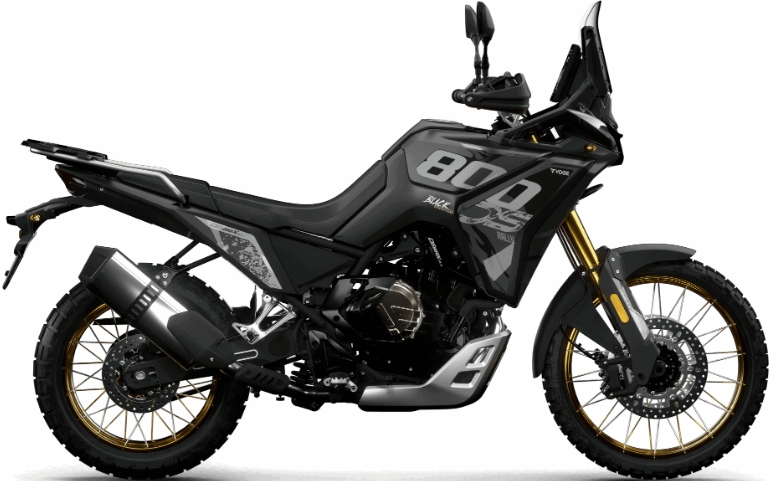
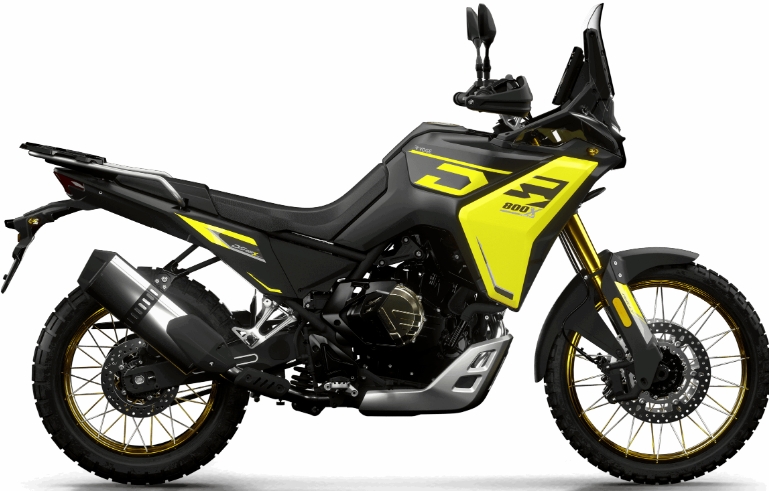
The adventure motorcycle segment is fiercely competitive, but VOGE has thrown down the gauntlet with the DS800X Rally—a hardcore, rally-inspired machine designed for long-distance exploration and extreme off-road terrain.
Design
Rally-Inspired Aesthetics
Dakar-style beak front fender and high-mounted mudguard
Steel-aluminum hybrid frame balances weight (220 kg wet) and durability
Factory-equipped with skid plates, crash bars, and spoke wheels
Ergonomics for Adventure
Adjustable seat height (860mm, with low-seat option)
Upright riding position and narrow fuel tank for better standing control
Engine Performance
The VOGE DS800X Rally is based on VOGE’s proven 800 cc parallel-twin engine, renowned for its smooth power delivery, strong mid-range torque, and reliable performance across varied conditions. Equipped with ride-by-wire throttle and multiple ride modes, it’s tuned for rally-inspired riding—balancing on-pavement usability with off-road agility.
21-inch front / 18-inch rear spoked wheels with tubeless Continental TKC 80 tires
Electronics: Smart Adventure Tech
6-axis IMU for lean-sensitive ABS and traction control
5 ride modes (including full-off-road mode with rear ABS disable)
7-inch TFT display with smartphone connectivity & navigation
Adaptive cornering LED headlights
Target Riders
Hardcore adventurers – Built for deserts, mountain trails, and remote expeditions
Long-distance tourers – 30L fuel tank for 500+ km range
Riders upgrading from mid-capacity ADV bikes – Balances power and manageability
Market Potential & Challenges
Strengths
Disruptive pricing – 30-40% cheaper than comparable imports
Localized support – Loncin’s dealer network for specialized servicing
Questions Remaining
Long-term durability under extreme conditions
Electronics reliability in harsh environments
Final Thoughts
The VOGE DS800X Rally isn’t just another adventure bike and it’s a statement. By offering rally-spec hardware, cutting-edge tech, and an unbeatable price, VOGE is forcing the big players to take notice. For riders who demand serious off-road capability without the premium price tag, this might be the most compelling ADV motorcycle of 2024.
The global demand for tissue paper products—ranging from toilet paper and facial tissues to napkins and paper towels—continues to grow with population expansion and rising hygiene awareness. However, traditional tissue paper manufacturing has often been criticized for its environmental impact, including deforestation, high water and energy usage, and chemical pollution. As sustainability becomes a priority across industries, manufacturers are seeking and adopting greener practices to reduce their ecological footprint without compromising product quality.
Environmental Challenges in Traditional Tissue Paper Manufacturing
Tissue paper production typically involves the use of virgin wood pulp, which contributes to deforestation and biodiversity loss. The process is energy-intensive and consumes large quantities of water and chemicals such as bleaching agents and softeners. Additionally, wastewater discharge and carbon emissions pose serious threats to local ecosystems and global climate goals.
Key Sustainable Solutions in the Industry
To address these concerns, tissue paper manufacturers are increasingly integrating sustainable solutions throughout the production lifecycle—from raw material sourcing to end-product packaging.
1. Recycled and Alternative Fiber Usage
One of the most effective ways to reduce environmental impact is to use recycled paper or non-wood alternative paper products, such as bamboo tissue paper. These materials:
Require less energy and water to process
Minimize reliance on deforestation
Support circular economy initiatives by repurposing waste streams
Innovations in pulping and cleaning technologies have also improved the softness and strength of recycled-fiber-based tissues, making them a viable alternative to virgin pulp products.
2. Water and Energy Efficiency
Modern tissue mills are investing in closed-loop water systems that reduce freshwater intake and minimize effluent discharge. Technologies such as dry creping and through-air drying (TAD) can improve energy efficiency significantly. Additionally, the use of renewable energy sources—like biomass boilers, wind, or solar—helps reduce carbon emissions and reliance on fossil fuels.
3. Eco-friendly Chemicals and Bleaching Processes
Traditional bleaching often involves chlorine-based agents that can produce harmful dioxins. Manufacturers are now adopting:
Totally Chlorine-Free (TCF) or Elemental Chlorine-Free (ECF) bleaching
Biodegradable softeners and binders
Enzymatic treatments that reduce chemical usage while enhancing fiber bonding and tissue softness
These innovations lead to safer production and more biodegradable end products.
4. Sustainable Packaging Solutions
The environmental impact of tissue paper does not end with the product itself. Manufacturers are reducing plastic use by switching to:
Compostable or recyclable paper-based packaging
Biodegradable films made from plant starch
Minimalistic or bulk packaging to reduce overall waste
This not only enhances sustainability but also appeals to environmentally conscious consumers.
5. Carbon Footprint Reduction and Green Certifications
Many manufacturers are now conducting lifecycle assessments (LCAs) to track emissions and identify areas for improvement. By optimizing logistics, using low-emission transportation, and adopting energy-saving infrastructure, the overall carbon footprint can be reduced.
Certifications such as:
FSC® (Forest Stewardship Council)
PEFC™ (Programme for the Endorsement of Forest Certification)
EcoLabel
CarbonNeutral®
Benefits Beyond the Environment
Sustainable tissue manufacturing is not only environmentally responsible but also economically advantageous in the long run. Companies that invest in green technology benefit from:
Operational efficiency and cost savings
Compliance with evolving environmental regulations
Enhanced brand reputation and consumer loyalty
Access to growing eco-conscious markets
Summary
Sustainability in tissue paper manufacturing is evolving from a niche concern to a core operational strategy. Through the use of recycled fibers, clean energy, water-saving systems, eco-friendly chemicals, and sustainable packaging, manufacturers can significantly reduce their environmental impact. As global awareness and regulatory demands continue to grow, adopting sustainable solutions is no longer optional and it’s essential for a resilient and responsible future.
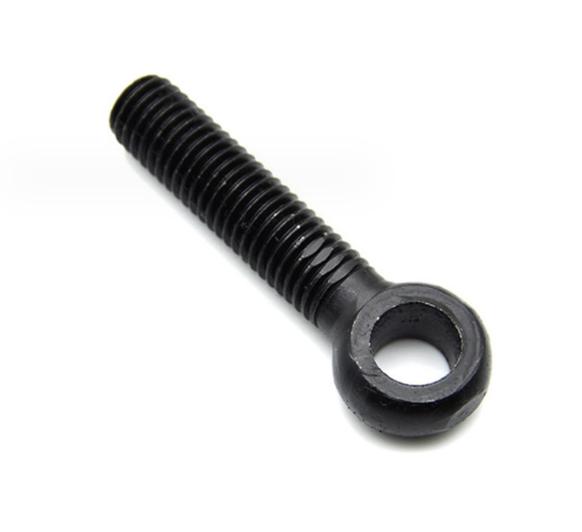
Swing bolts, also known as swing clamps or swing-eye bolts, are specialized fastening devices used in applications where quick access and secure closure are essential. Their unique design allows for easy manual operation while providing a strong and stable clamping force. The swing bolts are widely used in industrial machinery, pressure vessels, equipment enclosures, and various maintenance-intensive assemblies.
Threaded shank – screws into a tapped hole or is used with a nut.
Swinging head or arm -pivots to release or secure a mating surface.
Retaining structure – often includes a washer or shoulder for guided movement.
Key Features and Advantages Swing bolts offer several functional and practical advantages:
Quick Operation: The swinging mechanism enables rapid opening and closing, ideal for frequent assembly/disassembly without removing the bolt entirely.
Retained Fastening: The bolt stays attached to the equipment, reducing the risk of loss or misplacement during servicing or maintenance.
Durability: Typically made from robust materials such as stainless steel, carbon steel, or alloy steel, swing bolts are designed to endure high mechanical loads and challenging environments.
Custom Fit: Many swing bolts are available in various lengths, thread sizes, and head styles, with options for custom modifications to suit specific mechanical assemblies.
Common Applications Swing bolts are used in a variety of industries and settings, including:
Pressure Vessels and Flanged Closures: Offering quick yet secure closure for inspection hatches and manways.
Industrial Equipment Maintenance: Ensuring tool-free and time-saving access to internal components.
Molds and Dies in Manufacturing: Clamping workpieces or fixtures securely in place during machining or molding operations.
Military and Aerospace Equipment: Providing reliable fastening in vibration-prone or high-load applications.
Power and Utility Cabinets: Allowing frequent yet secure access to electrical or mechanical enclosures.
Types of Swing Bolts Several variations exist depending on the application:
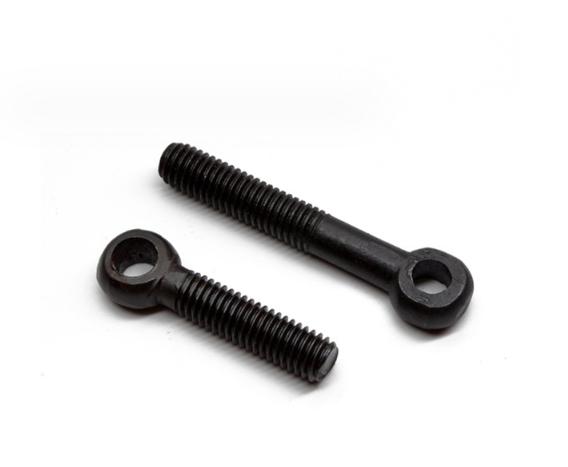
Eye Swing Bolts: Featuring an eye loop that swings to engage or release.
T-bolts with Swinging Clamps: Common in machine tool setups.
Cam-Action Swing Bolts: Use a cam mechanism for fast and strong locking with minimal tightening.
Customized Designs: Tailored to meet specific alignment, sealing, or ergonomic requirements.
Considerations for Selection When selecting a swing bolt for an application, several factors must be taken into account:
Proper selection ensures both safety and longevity in use, especially in mission-critical assemblies.
Summary Swing bolts are an efficient and reliable fastening solution where speed, safety, and simplicity are essential. Their versatile design makes them ideal for applications requiring frequent access or repositioning, all while maintaining structural integrity and preventing fastener loss. As industries continue to prioritize productivity and ease of maintenance, swing bolts remain a valuable component in many mechanical and structural systems.
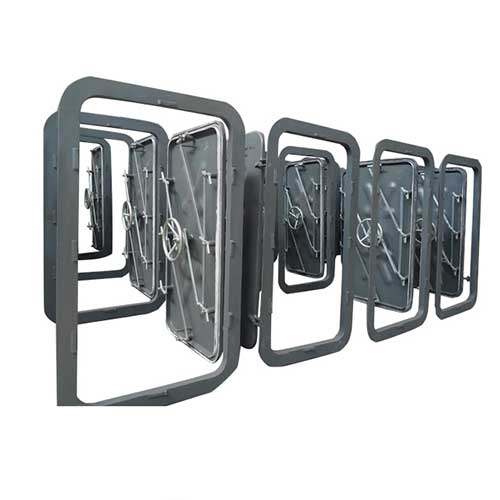
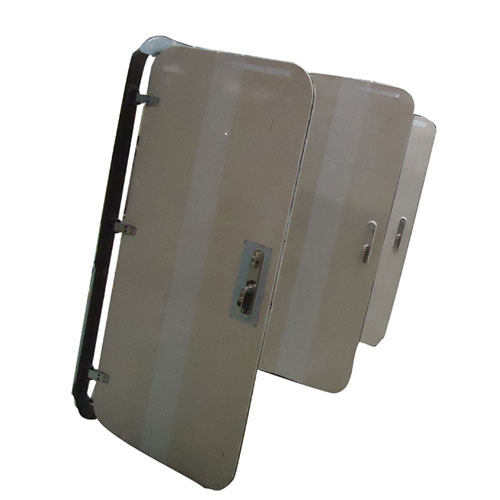
In the demanding world of maritime operations, safety is paramount. One of the critical elements in safeguarding vessels and crew is the integration of fire and watertight rated marine doors. These specialized doors play a crucial role in maintaining structural integrity, preventing the spread of fire, and stopping water ingress in emergency situations.
The Importance of Fire and Watertight Marine Doors
Ships and offshore platforms operate in environments where fire and flooding pose severe threats. Whether it’s a cargo ship, naval vessel, offshore rig, or passenger cruise liner, maintaining compartmentalization is essential for both safety and operational stability. Fire and watertight marine doors are designed to resist extreme conditions and provide secure separation between compartments.
These marine doors are engineered to meet rigorous international maritime safety standards, including those from the International Maritime Organization (IMO) and classification societies such as DNV, ABS, Lloyd’s Register, and CCS.
Fire-Rated Marine Doors
Fire-rated marine doors are designed to contain and resist fire for a specified duration, typically 30, 60, or 120 minutes. These doors are essential for:
Preventing fire propagation between engine rooms, control centers, accommodation areas, and escape routes.
Protecting vital equipment and systems critical to vessel operation.
Allowing safe evacuation time for crew and passengers.
Constructed using fire-resistant insulation, steel plating, and intumescent seals, fire-rated doors undergo rigorous testing to ensure they withstand intense heat and pressure.
Watertight Marine Doors
Marine watertight doors are built to withstand water pressure and prevent water ingress between compartments. They are vital in scenarios involving hull breaches, flooding, or rough sea conditions. Common features include:
Compression sealing systems with gasket-lined edges.
Heavy-duty dogging mechanisms or hydraulic operation for secure closure.
Strengthened steel structures to resist deformation under pressure.
Watertight doors are typically installed below the waterline or in areas prone to exposure to seawater, such as bulkheads, engine rooms, and cargo holds.
Combined Fire and Watertight Doors
Some marine doors are certified as both fire-rated and watertight, providing comprehensive protection in a single unit. These are especially critical in spaces where dual threats—such as fire and flooding—are present, like engine control rooms or battery storage compartments.
Types and Operating Mechanisms
Marine-rated doors come in various configurations, including:
Hinged or sliding designs
Manually operated or hydraulic/electrically driven systems
Single or double leaf structures
Depending on the door’s function and location, operation may require rapid manual access or be automated for remote control in restricted or hazardous zones.
Compliance and Certification
To be installed on a certified vessel, fire and watertight doors must:
Be tested and certified according to SOLAS regulations and IMO Fire Test Procedures Code (FTP Code).
Display appropriate type approval and be manufactured under quality assurance systems audited by class societies.
Final Thoughts
Fire and watertight rated marine doors are more than just access points—they are essential safety components designed to protect life, cargo, and the vessel itself. As ship design becomes more advanced and risks evolve, these doors continue to be engineered for higher resilience, smarter integration, and faster response. Investing in high-quality, certified doors is not just a regulatory requirement—it’s a commitment to safety at sea.
Formaldehyde is a volatile organic compound (VOC) of significant concern in environmental monitoring, industrial hygiene, and consumer product safety due to its toxicity and carcinogenic properties. Accurate quantification of formaldehyde in air, water, food, textiles, and industrial processes is essential for regulatory compliance and public health. Among the most widely used analytical techniques for formaldehyde determination are Gas Chromatography (GC) and High-Performance Liquid Chromatography (HPLC). While both methods offer high sensitivity and accuracy, their approaches, sample preparation requirements, and application scopes differ significantly. This article explores the comparative advantages, limitations, and suitable contexts for using GC and HPLC in formaldehyde analysis.
Principles and Detection Approaches
Gas Chromatography is typically employed for volatile and thermally stable compounds. In formaldehyde analysis, GC is used in conjunction with derivatization—commonly with agents like 2,4-dinitrophenylhydrazine (DNPH) or PFBHA (O-(2,3,4,5,6-pentafluorobenzyl)hydroxylamine)—to convert formaldehyde into more stable and detectable derivatives. These derivatives are separated on a GC column and analyzed using detectors such as flame ionization detectors (FID) or mass spectrometry (MS).
High-Performance Liquid Chromatography, on the other hand, is particularly effective for analyzing non-volatile or thermally unstable compounds. HPLC formaldehyde analysis also involves derivatization, usually with DNPH, forming formaldehyde-DNPH hydrazone, which is separated on a reversed-phase column and detected via UV-Vis or diode array detectors.
Sample Preparation and Derivatization
In both techniques, derivatization is essential because formaldehyde itself is highly reactive and difficult to detect directly. However, sample preparation methods vary:
GC typically requires solid-phase microextraction (SPME), purge-and-trap, or thermal desorption for air samples, followed by derivatization.
HPLC often involves collecting samples in DNPH-coated cartridges or solutions, followed by elution and filtration before injection into the chromatograph.
HPLC sample prep is often viewed as more straightforward and safer, as it avoids the need for volatile organic solvents or elevated temperatures involved in GC.
Sensitivity and Selectivity
Both GC and HPLC offer excellent sensitivity in the low ppb (parts per billion) or even ppt (parts per trillion) range when coupled with suitable detectors:
HPLC-UV offers high sensitivity with simpler instrumentation, though it is more prone to interferences from similar compounds if not well-resolved chromatographically.
In complex matrices such as biological fluids or heavily polluted air, GC-MS may outperform HPLC in resolving co-eluting substances.
Application Suitability
The choice between GC and HPLC often depends on the nature of the sample and regulatory requirements:
GC is preferred for formaldehyde detection in air, industrial emissions, and volatile samples where the compound needs to be trapped and thermally desorbed.
HPLC is ideal for water, beverages, cosmetics, textiles, and pharmaceutical formulations, especially when dealing with aqueous or complex organic matrices.
Furthermore, HPLC is frequently the method of choice in standard testing protocols such as EPA Method TO-11A (air monitoring) and ISO 17226 for leather and textiles.
Instrumentation and Operational Considerations
High-Performance Liquid Chromatography Systems are generally easier to maintain, safer to operate (no high temperatures or flammable gases), and more cost-effective for routine use. GC systems, especially when coupled with MS, offer unmatched resolution and compound identification capabilities but at a higher cost and operational complexity.
Additionally, formaldehyde stability can pose a challenge in GC due to its volatility and reactivity, which may lead to losses or inaccurate results if sample handling is not optimized.
Final Thoughts
Formaldehyde analysis is critical in diverse industries, and both Gas Chromatography and High-Performance Liquid Chromatography serve vital roles in its detection. While GC excels in sensitivity, specificity, and compound identification—especially in air and gas-phase samples—HPLC offers a more practical, robust solution for aqueous and complex liquid samples. The decision between the two techniques should be based on sample type, required sensitivity, available instrumentation, and regulatory compliance demands.
For laboratories performing routine screening in water or product quality assurance, HPLC remains the go-to method. For advanced research or forensic applications requiring ultra-trace detection and compound confirmation, GC-MS stands out. Ultimately, both techniques complement each other in ensuring comprehensive and reliable formaldehyde monitoring.
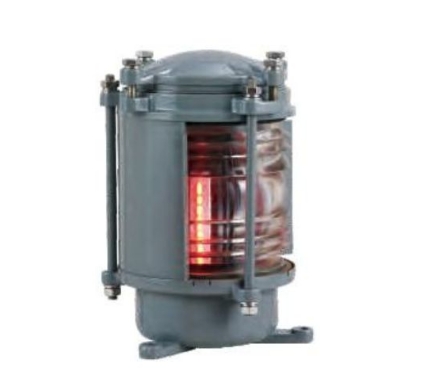
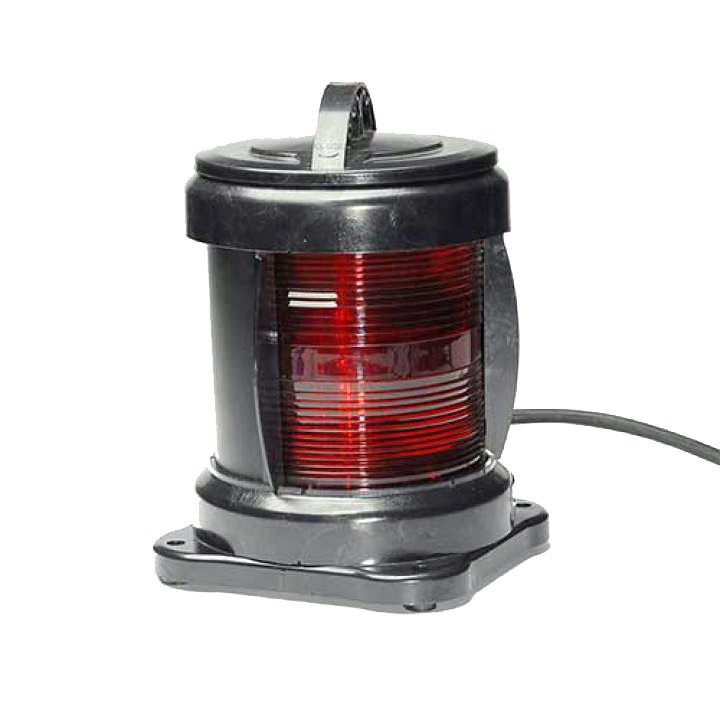
In the unforgiving marine environment, where saltwater spray, humidity, and temperature fluctuations are constant, the reliability of navigation lights is crucial for safety at sea. Marine navigation lights guide vessels during nighttime operation, in poor visibility, and in congested waters. Ensuring these lights remain functional under all conditions requires not just robust construction, but exceptional waterproofing. This article explores strategies and technologies used to improve the waterproofing of marine navigation lights to extend service life, reduce maintenance, and ensure compliance with maritime safety standards.
The Challenge of Marine Exposure
Marine navigation lights are continuously exposed to harsh environmental conditions: salt-laden air, torrential rain, high humidity, and even submersion during rough seas or accidents. Water intrusion can corrode internal circuits, cause short circuits, fog lenses, and ultimately lead to light failure—a serious safety hazard.
n addition to physical water exposure, high-pressure spray from waves or onboard systems and condensation from temperature changes can also compromise waterproofing if the enclosure design is inadequate.
Advanced Sealing Techniques and Enclosure Design
Improving waterproofing starts with precision in mechanical design. Modern marine navigation lights utilize high-grade sealing materials such as silicone gaskets, rubber O-rings, and adhesive sealants. These materials must be UV-resistant and saltwater-tolerant to maintain elasticity and sealing properties over time.
Moreover, the enclosure itself is typically made from non-corrosive materials like marine-grade aluminum or polycarbonate, with tight-fit designs that meet or exceed IP67 or IP68 waterproofing ratings. These ratings indicate the unit’s ability to resist water ingress from immersion for a specific depth and time duration.
Potting and Encapsulation of Electronics
One of the most reliable ways to waterproof internal components is through potting—encasing the electronic circuitry in waterproof epoxy or silicone gel. This method not only prevents water contact but also shields components from vibration and thermal shock.
Encapsulation ensures that even if the outer shell fails, the electronics will remain protected and functional, greatly increasing the reliability of the light in mission-critical scenarios.
Breathable Membranes to Prevent Condensation
Waterproofing isn’t just about keeping external moisture out—it’s also about managing internal humidity. Marine lights often experience internal condensation when warm interior air cools rapidly. This can cause fogging or even water pooling inside the lens.
To counter this, breathable membranes—such as Gore-Tex or ePTFE vents—are incorporated. These membranes allow vapor to escape while blocking liquid water from entering, maintaining internal pressure equilibrium and preventing condensation.
Improved Cable Entry Points and Connectors
Water ingress often occurs through weak points like cable glands and connectors. To improve waterproofing, marine navigation lights now employ double-sealed cable glands, IP-rated connectors, and strain-relief boots that ensure watertight entry.
Connector housings may be overmolded or use snap-lock seals that prevent loosening due to vibration, a common cause of water infiltration in marine electronics.
Testing and Compliance with Marine Standards
To guarantee performance, navigation lights undergo rigorous waterproof testing. This includes pressure tests, spray tests, immersion tests, and salt-fog exposure simulations. Marine lighting manufacturers design and validate their lights against international marine standards, such as:
IEC 60529: Ingress Protection (IP) Ratings
IMO COLREG: Collision Regulations for light visibility and construction
ABS, DNV, or Lloyd’s Register: For classification society approval
Improved waterproofing ensures not only compliance but also trust from vessel operators who rely on consistent visibility and performance.
Final Thoughts
Waterproofing in marine navigation lights is not merely a design preference—it’s a critical factor for vessel safety. By employing advanced sealing systems, potting methods, breathable membranes, and robust materials, modern navigation lights can endure the harshest maritime conditions. These innovations reduce the risk of failure, lower maintenance costs, and improve long-term reliability.
As maritime safety regulations evolve and vessels navigate increasingly unpredictable environments, continuous improvements in waterproofing technology will remain vital to the effectiveness and resilience of marine navigation lighting systems.
The global demand for custom plush toys continues to grow across various sectors—from promotional merchandise and collector items to personalized gifts and licensed characters. In this competitive market, quality control plays a critical role in ensuring customer satisfaction, brand reputation, and compliance with international safety standards. Quality assurance in custom plush toy production is not a one-time check but a comprehensive, multi-stage process that begins with design and ends with post-production evaluation.
Design and Prototype Verification
Quality control begins at the conceptual stage. The design blueprint is reviewed to ensure that it meets client specifications and feasibility for mass production. Material selection is a vital part of this phase. The softness, colorfastness, and durability of fabrics are carefully considered, especially for toys intended for children. A prototype or sample is then produced and undergoes internal and client review. This helps identify any discrepancies in shape, size, stitching, or facial expressions before bulk production begins.
Sourcing high-quality materials is a pillar of consistent manufacturing. All incoming fabrics, threads, fillers, buttons, zippers, and other components are subjected to inspection. Tests are performed to ensure:
Colorfastness to prevent dye bleeding
Tear resistance to maintain structural integrity
Hypoallergenic and non-toxic standards especially for child-safe certification
Compliance with global standards like EN71, ASTM F963, and CPSIA
Some factories utilize spectrophotometers and tensile testers to verify these characteristics before approving material batches for use.
In-Line Production Monitoring
Rather than waiting until the end of the manufacturing cycle, many custom plush toy manufacturers integrate in-line inspections during critical phases such as cutting, sewing, stuffing, and final assembly. Trained quality inspectors examine:
Uniformity in shape and dimension
Stitching strength and neatness
Proper alignment of eyes, ears, limbs, and decorative features
Accurate logo embroidery or printing
Appropriate stuffing distribution for softness and balance
Random sampling helps identify process drift early and reduces the number of defective final products.
Final Product Inspection
Before packaging and shipping, each plush toy undergoes a thorough final quality inspection. This includes:
Safety testing for choking hazards (e.g., pull test on small parts)
Metal detection to ensure no needles or broken components remain inside
Odor testing to rule out chemical residues
Defective toys are either repaired, reworked, or discarded depending on severity.
Packaging and Labeling Accuracy
Packaging is more than aesthetics—it reflects brand image and compliance. Each plush toy is checked for:
Correct hangtags, labels, and instruction inserts
Proper sealing and barcode placement
Accurate packaging per order (e.g., single-unit, bundle, display box)
Suffocation warnings on plastic packaging for safety
Post-Production and Feedback Loop
After shipping, reputable manufacturers encourage client feedback. Any reported defects or customer complaints are analyzed to improve future batches. Periodic audits and internal training help refine the QC process over time.
Summary
Custom plush toy manufacturing demands meticulous attention to detail at every stage to ensure quality, safety, and customer satisfaction. A robust quality control system not only reduces the risk of product recalls or rejections but also enhances brand trust and long-term business growth. Manufacturers who invest in comprehensive QC protocols are better positioned to deliver plush toys that are not only cute and cuddly but also safe and durable.
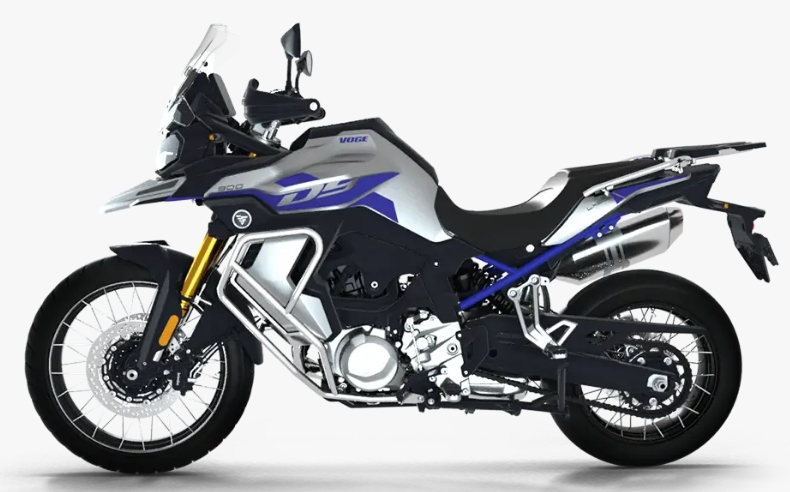
The VOGE DS900X is a game-changing mid‑weight adventure motorcycle from the Chinese manufacturer VOGE brand, debuting in Europe and beyond with high-end tech, robust components, and a pricing strategy that challenges long-established rivals.
Engine & Performance
Powertrain: An 895 cc parallel‑twin, liquid‑cooled DOHC motor with a 270° crank, delivering 70 kW at 8,250 rpm and 95 Nm of torque at 6,000 rpm—essentially the same unit used in BMW’s F 900 series.
Transmission: 6-speed gearbox with slipper clutch and a bi-directional quick-shifter. Four ride modes—Sport, Road/Economy, Rain, and Enduro—manage throttle response, traction control, and ABS behaviour.
Real-world ride: Reviewed as having a smooth, torquey delivery ideal for both highways and twisty roads, though low-speed throttle in Sport may feel jumpy.
Chassis & Suspension
Frame & Swingarm: Steel perimeter frame with a lightweight asymmetrical aluminium swingarm
Suspension: Fully adjustable KYB kit, a preload/damping-adjustable rear mono-shock. Roughly 190–200 mm travel front and rear
Brakes & Wheels: 21″ front and 17″ rear tubeless Pirelli Scorpion tires on spoked rims. Brembo brakes (305 mm dual front, 265 mm single rear) with Bosch dual-channel ABS and traction control
Electronics & Gear
Display & Connectivity: 7″ full-colour TFT with tyre pressure monitoring, USB-A/C ports, 12 V socket, keyless start, and cruise control
Extras as standard: Heated grips and seat, handguards, centre stand, crash bars, front dash‑cam, fog/cornering lights, blind‑spot radar, and metal panniers (removable liners)
Dimensions & Practicality
Size & Weight: 2,325 × 940 × 1,420 mm; 1,580 mm wheelbase; 825 mm seat height; approximately 215–238 kg dry, depending on spec
Fuel Range: 17 L tank; note that the display lacks a “range‑to‑empty” readout
Ride Impressions & Feedback
Riding: Praised for highway comfort, twisty-road agility, and balanced handling—even in mild off-road conditions; cruise control and heated amenities enhance touring comfort .
Build Quality: High-spec components from Brembo, Bosch, KYB and Pirelli elevate its credibility. Touches like cheap switchgear and aggressive quick-shifter sensitivity show it isn’t fully refined yet.
Value: Competitively pricing, with a comprehensive kit out of the box, significantly undercutting rivals like BMW or Triumph in spec-to-price ratio.
Final Thoughts
The VOGE DS900X redefines the mid-size adventure bike segment by delivering a fully-loaded package—premium hardware, comfort tech, and capable performance—at a price point previously unheard of. While a few finesse issues remain, they’re overshadowed by its robust touring credentials and BMW-level components.
If you’re open to being an early adopter and value bang for the buck, the DS900X offers irresistible appeal. It’s a bold statement: Chinese motorcycles have arrived on the global stage, and VOGE is leading the charge.
Toilet paper, a seemingly simple hygiene product, has evolved beyond its basic function. As market dynamics shift and consumer expectations grow more specific, toilet paper manufacturers are facing an increasing number of custom demands—from product features and packaging to sustainable practices and private labeling. These custom requirements are reshaping production strategies, machinery configurations, and supply chain practices.
Softness, Strength, and Absorbency
Consumers are no longer satisfied with “standard” tissue products. Instead, they are looking for:
Ultra-soft or velvet-touch textures for premium comfort
High strength and durability, especially in wet conditions
Increased absorbency to minimize usage and reduce waste
To meet these preferences, manufacturers must carefully select raw materials (virgin pulp vs. recycled), optimize fiber blending, and fine-tune embossing and lamination techniques.
Customized Sheet Size and Roll Dimensions
Different markets require tailored product dimensions:
Jumbo rolls for commercial and institutional use (e.g., airports, hospitals)
Compact rolls for space-saving in urban households
Longer rolls with higher sheet count to reduce the frequency of replacement
Interfold or single-sheet formats for touch-free dispensers
Manufacturers must invest in flexible converting lines to handle various roll sizes and packaging configurations.
Eco-Friendly and Sustainable Products
Sustainability has become a driving force in tissue product purchasing decisions:
Recycled paper, bamboo toilet paper and FSC-certified toilet paper is increasingly demanded.
Plastic-free or biodegradable packaging options are requested by eco-conscious consumers.
Carbon-neutral production processes and water-saving technologies are being emphasized by global retailers.
Tissue manufacturers must adjust sourcing, processing, and certifications to align with these sustainability goals.
Private Label and OEM Customization
Retailers and e-commerce brands are actively seeking:
Custom branding and packaging design (colors, labels, wrappers)
Exclusive formulas or scent-infused tissues
Tailored packaging formats such as 4, 6, 9, or 12-roll bundles.
Multi-language labeling for international markets.
To support private labeling efficiently, manufacturers need agile production planning, digital print capabilities, and strong coordination between design and operations teams.
Antibacterial, Fragrance-Infused, and Skin-Safe Additives
In niche and premium segments, customers demand functional enhancements:
Aloe vera or vitamin E-infused tissues for skin comfort.
Antibacterial formulations for public hygiene concerns.
Lightly scented or fragrance-free options for allergy-prone users.
Manufacturing these specialized products requires controlled chemical dosing systems, allergen-free environments, and rigorous dermatological testing protocols.
Smart Packaging and Supply Chain Integration
Custom demands also extend to how toilet paper is delivered and tracked:
Barcode and QR code integration for smart inventory systems
Shelf-ready packaging (SRP) for easy retail display
E-commerce-friendly packs optimized for shipping and unboxing
Custom palletization and logistics labeling for efficient distribution
Advanced ERP integration and modular packaging lines help fulfill these logistics-driven custom requests.
Regulatory and Regional Compliance
Manufacturers targeting global markets must navigate:
Different roll size standards (e.g., European vs. North American)
Local regulations on recyclability and product labeling
Import/export documentation and certifications
Adapting production to comply with regional regulations ensures smooth market entry and customer trust.
Summary
The future of toilet paper manufacturing is increasingly customized. Whether addressing comfort preferences, environmental values, or branding requirements, manufacturers must be agile, innovative, and responsive. By investing in flexible production lines, sustainable materials, and customer-focused R&D, producers can meet the growing diversity of custom demands and strengthen their competitive edge in this essential consumer goods sector.
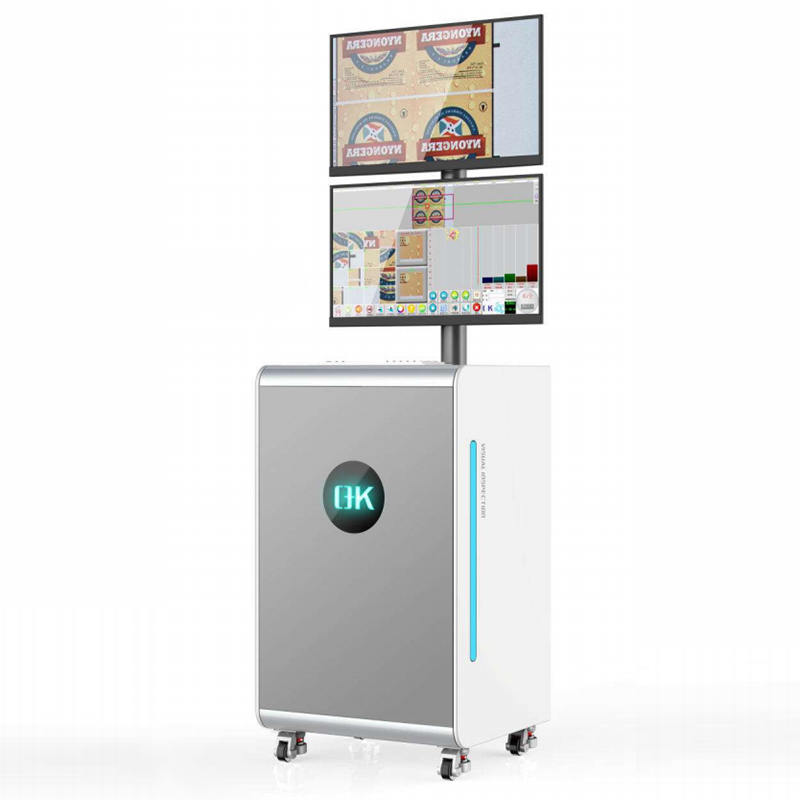
In today’s rapidly evolving print industry, quality assurance has become more critical than ever—particularly in sectors embracing innovative materials, microprinting, and variable data. As printing expands into advanced packaging, flexible electronics, biomedical devices, and security documents, traditional inspection methods are being challenged. New printing inspection systems are emerging to meet these demands, combining precision, automation, and adaptability.
Emerging printing applications—such as printed electronics, anti-counterfeiting features, personalized packaging, and functional inks—often demand:
Micron-level precision
Real-time defect detection
Inspection of complex substrates
High-speed throughput with zero defects
Unlike conventional print quality checks, these sectors cannot tolerate the slightest deviation without risking performance, compliance, or brand integrity.
Key Printing Inspection Techniques for Emerging Applications
1. Line Scan and Area Scan Camera Systems
Modern inspection relies heavily on high-resolution industrial cameras:
Line Scan Cameras are ideal for continuous media like labels and web packaging. They capture data one line at a time at high speeds and are commonly used in roll-to-roll processes.
Area Scan Cameras are better for discrete items like printed circuit boards or folded cartons, offering detailed 2D imaging.
Both types integrate with lighting systems to enhance detection of defects such as registration errors, ink smudges, or missing print.
2. Spectral and Color Inspection
Emerging applications often require tight color tolerances, especially in brand packaging and security printing.
Spectrophotometers and colorimeters monitor delta E values in real-time to ensure brand consistency.
Multispectral or hyperspectral imaging allows the detection of invisible inks, security features, and subtle material inconsistencies.
Adaptive learning systems recognize acceptable tolerances for various print patterns and automatically reject abnormal deviations.
AI algorithms can distinguish between printing errors and background noise, reducing false positives in high-speed inspection.
4. 3D Surface Inspection and Metrology
In printed electronics and bio-printing, surface topology is crucial:
Laser triangulation and fringe projection techniques create 3D maps to measure thickness, uniformity, and layering accuracy.
Enables detection of insufficient ink deposition, uneven printing, and clogged nozzles.
5. Variable Data Verification (VDV)
Applications involving personalized packaging, barcodes, or serialized security features require 100% inspection of unique content:
Optical Character Recognition (OCR) and Optical Character Verification (OCV) validate text, numbers, and codes on the fly.
1D/2D barcode inspection ensures readability and accuracy of QR codes, Data Matrix, and UPC formats.
6. UV and IR Inspection
Many functional or security prints use inks only visible under UV or IR light:
UV cameras detect features like invisible barcodes, watermarks, or security inks.
IR imaging is used for heat-sensitive or conductive inks used in smart labels and printed circuits.
Integration with Industry 4.0 and Smart Factories
Cutting-edge 100% printing inspection systems are increasingly integrated with MES (Manufacturing Execution Systems) and ERP software. This enables:
Real-time data logging
Predictive maintenance alerts
Automated rejection of defective materials
Centralized dashboard monitoring across production lines
Applications Driving Inspection Innovation
Printed Electronics – Tracks accuracy of circuit paths, material deposition, and contact integrity.
Pharmaceutical Packaging – Verifies serialization, tamper-evident labels, and human-readable codes.
Flexible Packaging – Detects print defects on stretchable substrates at high speeds.
Anti-Counterfeiting and Security Printing – Confirms presence and accuracy of microtext, holographic overlays, and variable data.
Bioprinting and Medical Labels – Ensures precise deposition of biological materials or regulatory symbols.
Summary
As printing expands beyond ink on paper into smart, secure, and functional products, inspection techniques must evolve in tandem. Advanced imaging, real-time analytics, and AI-driven algorithms are essential for achieving the precision and reliability required in emerging applications. By adopting these modern inspection systems, manufacturers not only improve quality but also enhance compliance, reduce waste, and future-proof their operations in an increasingly complex market.














 China manufacturers