What are Key Technologies for Noise-reducing Marine Windows

In modern marine engineering, comfort and safety are no longer optional luxuries and they are necessities. Among the many environmental challenges onboard ships, noise pollution is one of the most persistent, affecting both crew performance and passenger well-being. One critical but often overlooked area of innovation in combating this issue is the use of noise-reducing technologies in marine windows. These advanced solutions contribute significantly to a quieter, safer, and more comfortable marine environment.

Marine Windows

The Importance of Noise Reduction in Marine Environments

Noise levels on vessels—especially in engine rooms, near propulsion systems, and during docking—can exceed safe exposure limits. Chronic exposure to high decibel levels may lead to:

Hearing loss and fatigue among crew members

Reduced communication clarity, especially in emergency situations

Sleep disruption and increased stress levels

Lower overall comfort and passenger satisfaction

Marine windows, while essential for visibility and natural light, are also vulnerable points where noise can penetrate. To mitigate this, engineers are turning to specialized acoustic glazing and frame systems designed for marine use.

Key Noise-reducing Technologies in Marine Windows

Laminated Acoustic Glass

Laminated glass consists of two or more layers of glass bonded with special acoustic interlayers, such as polyvinyl butyral (PVB) or acoustic PVB. This construction dampens sound vibrations by disrupting the transmission of sound waves through the glass.

Reduces mid to high-frequency noise (e.g., voices, engine hum)

Maintains visibility, safety, and UV protection

Laminated Acoustic Glass in Marine Windows

Double and Triple Glazing

Multi-pane systems with air or inert gas-filled cavities significantly reduce sound transmission. The use of differently thick glass layers further disrupts varying sound frequencies, making the system more effective across a broad noise spectrum.

Argon or krypton gas fillings improve thermal and acoustic insulation

Desiccant materials prevent moisture build-up inside the panes

Resilient Framing Systems

Even with high-performance glass, poor framing can undermine acoustic insulation. Noise-reducing marine windows use:

Vibration-damping mounting systems

Acoustic gaskets and seals to prevent airborne sound leakage

Corrosion-resistant aluminum or composite frames engineered to minimize structure-borne noise

Floating Frame Designs

Advanced systems use a decoupled or floating frame, where the window is isolated from the vessel’s structural vibrations using elastomeric or rubber mounts. This reduces transmission of low-frequency structure-borne noise from the hull.

Smart Window Films

Retrofit solutions like acoustic window films can be applied to existing glass to enhance soundproofing. These films are lightweight and can also add thermal and UV protection.

Application Areas of Noise-reducing Marine Windows

Noise-reducing marine windows play a crucial role across a variety of vessel types and onboard zones where controlling sound levels is essential for health, performance, and comfort.

1. Crew Cabins and Living Quarters

In crew accommodation areas, maintaining a quiet atmosphere is vital to ensure proper rest and recovery during off-duty hours. Noise-reducing windows help block external sounds from engines, machinery, and turbulent waters, creating a more restful environment and minimizing fatigue-related risks.

2. Passenger Ferries and Luxury Yachts

Onboard comfort is a top priority for commercial passenger vessels and private yachts. Installing sound-insulated windows enhances the travel experience by reducing ambient noise from engines, wind, and waves. This leads to a more relaxing and enjoyable voyage for guests.

3. Engine Control Rooms and Technical Spaces

Windows in engine control rooms are often located near high-noise zones. Acoustic glazing ensures that operators can monitor external systems visually without being exposed to harmful sound levels, improving concentration, communication, and overall safety.

4. Navigation Bridges and Command Centers

The bridge is a critical zone for vessel operation where situational awareness and focus are paramount. Noise-reducing windows help minimize auditory distractions from environmental and mechanical sources, enabling the crew to make precise decisions under pressure.

5. Cruise Ship Guest Cabins and Suites

In premium hospitality areas on cruise ships, guests expect hotel-like serenity. Noise-reducing windows are a key feature in delivering that experience, especially in cabins located near engine rooms, loading decks, or entertainment venues.

6. Offshore Platforms and Research Vessels

In specialized maritime environments like oil platforms or marine research ships, acoustic comfort improves crew productivity during long deployments. Quiet indoor environments supported by acoustic windows help reduce stress and cognitive fatigue during extended operations.

Popular Shapes of Marine Windows

Challenges in Implementing Noise-reducing Marine Windows

Despite their clear advantages, the implementation of noise-reducing marine windows comes with several technical and operational challenges that must be addressed during vessel design or retrofitting.

1. Added Weight and Structural Impact

Noise-reducing windows often incorporate multiple layers of laminated glass or double/triple glazing systems. These constructions can significantly increase the weight of the window assemblies, which may impact the vessel’s structural load distribution and fuel efficiency. Marine architects must carefully consider load-bearing limitations and balance acoustic benefits with the vessel’s overall performance.

2. Space Constraints in Retrofitting

On existing vessels, available wall and frame depth can be limited, posing difficulties when retrofitting thicker or more complex noise-reducing window systems. Designers must find innovative solutions that maintain performance without requiring extensive structural modifications, especially in confined areas like cabins or bridge wings.

3. Harsh Marine Environmental Exposure

Marine environments expose windows to saltwater, high humidity, UV radiation, and temperature extremes. Materials used in noise-reducing marine window systems, particularly acoustic interlayers, seals, and frames—must be highly resistant to corrosion and degradation to ensure long-term performance. Achieving this without compromising acoustic properties can be technically demanding.

4. Balancing Visibility, Safety, and Acoustics

Marine windows must meet strict safety requirements, including fire resistance, impact tolerance, and optical clarity. Integrating noise-reducing features without sacrificing these essential characteristics requires advanced engineering and often results in higher production costs.

5. Maintenance and Lifecycle Costs

Acoustic glazing systems are more complex and may require specialized materials or maintenance routines. Over time, the performance of seals and interlayers can degrade, especially in extreme climates. Ensuring longevity while maintaining cost-efficiency is a continual challenge for shipowners and operators.

6. Regulatory Compliance and Certification

Noise-reducing marine windows must comply with both acoustic performance standards and maritime safety regulations (such as SOLAS, ISO, or class society rules). Achieving certification for new window technologies can be a time-consuming and costly process, particularly when tailored to niche vessel types or specialized environments.

Future Innovations in Marine Acoustic Glazing

As marine vessels become more advanced and passenger expectations rise, future trends in noise-reducing marine windows include:

Active noise-cancelling glass, using embedded vibration-canceling technology

Smart dynamic windows that adjust acoustic insulation based on ambient noise

Integration with HVAC and lighting controls for holistic comfort solutions

Recyclable and eco-friendly acoustic materials for sustainable shipbuilding

Summary

Noise-reducing technologies in marine windows are transforming onboard environments by offering greater comfort, safety, and operational efficiency. Through the use of laminated glass, advanced glazing systems, smart framing, and innovative materials, modern marine windows are no longer passive elements—they are active contributors to acoustic control and onboard well-being. As these technologies continue to evolve, they promise a quieter and more enjoyable future for all who live and work at sea.

Explosion-proof Emergency and Exit Lighting Solutions for Marine Environments

In marine environments, whether on offshore oil platforms, chemical tankers, or naval vessels, ensuring the safety of personnel during emergencies is paramount. One of the most critical safety systems in such settings is explosion-proof emergency and exit lighting. These marine explosion-proof lighting systems are specifically engineered to function reliably in hazardous environments that pose risks of fire or explosion due to the presence of flammable gases, vapors, or combustible dust.

The Need for Explosion-proof Lighting in Marine Environments

Marine operations often occur in classified hazardous zones, especially in sectors like offshore oil and gas, chemical transport, or military logistics. In the event of an emergency such as fire, gas leak, power outage, or hull breach, visibility is essential for safe evacuation. Standard lighting systems may fail or even pose ignition risks in these conditions. This is where explosion-proof emergency and exit lighting plays a life-saving role.

Core Features of Explosion-proof Emergency and Exit Lighting

Intrinsically Safe Design

These explosion-proof emergency lights are constructed to contain any internal sparks or flames that could ignite hazardous atmospheres. Housings are typically made from corrosion-resistant materials such as marine-grade aluminum or polycarbonate.

CFD14 Explosion-proof Fire Emergency Light

Ingress Protection and Corrosion Resistance

Marine environments are prone to moisture, saltwater exposure, and extreme weather. Explosion-proof lights are sealed to IP66 or higher standards and resist corrosion from salt spray and chemicals.

Battery Backup Functionality

In emergencies where main power fails, integrated battery backup systems provide uninterrupted lighting for extended durations—typically between 90 minutes and 3 hours.

High Visibility with LED Technology

Modern systems use high-lumen, low-wattage LEDs with directional optics to ensure effective visibility in smoke-filled or dark conditions. LED explosion-proof exit lights often include photoluminescent or high-contrast text for clarity.

explosion-proof LED emergency exit lighting

ATEX and IECEx Certifications

For use in Zone 1 and Zone 2 hazardous areas, these lights meet stringent international standards such as ATEX, IECEx, and UL844.

Common Applications in Marine Settings

Offshore Oil Rigs

Pathways, helidecks, and accommodation modules are equipped with explosion-proof exit signs and emergency floodlights.

Chemical and LNG Carriers

Tanker corridors, control rooms, and engine compartments require lighting that can withstand gas-laden atmospheres.

Naval and Research Vessels

Used in enclosed engine rooms and ammunition storage areas where flammable substances may be present.

Floating Production Units (FPSO)

Emergency lighting is critical in areas such as control rooms, crew quarters, and escape routes.

Key Considerations in System Design

Zoning Requirements

Lighting must be selected based on the hazard classification zone (e.g., Zone 0, 1, or 2), which dictates the risk level and construction requirements.

Mounting Options

Explosion-proof lights are available in wall-mounted, ceiling-mounted, and recessed configurations depending on vessel structure.

Autonomy and Maintenance

Systems must offer long autonomy with minimal maintenance due to the difficulty of frequent inspections in remote marine environments.

Smart Monitoring Integration

Advanced models feature self-testing mechanisms, wireless communication, and integration with vessel-wide emergency systems for real-time fault detection.

Future Trends and Technological Advancements

IoT-Enabled Monitoring

Explosion-proof lights are being integrated into marine IoT ecosystems, allowing predictive maintenance and real-time diagnostics.

Lightweight Composite Housings

Use of carbon-fiber reinforced polymers for reduced weight while maintaining durability.

Energy Efficiency and Solar Backup

Adoption of ultra-low power LEDs and solar-assisted battery systems to reduce energy consumption on green vessels.

Customizable Signage

Modular systems that allow for multilingual or dynamic direction displays to support international crews and changing ship configurations.

explosion-proof flood-lights

Summary

Explosion-proof emergency and exit lighting is a cornerstone of marine safety infrastructure. With increasing focus on offshore safety and stricter global regulations, these solutions are evolving to deliver robust, intelligent, and energy-efficient performance even in the most hazardous marine conditions. Choosing the right lighting system not only ensures regulatory compliance but, more importantly, safeguards lives during critical moments at sea.

Key Trends are Shaping the Future of Custom Stuffed Animals

Custom stuffed animals have grown far beyond the realm of childhood toys. Today, they serve as personalized keepsakes, corporate branding tools, therapeutic companions, and even artistic expressions. Driven by evolving consumer demands, technological advancements, and shifting cultural sentiments, the custom plush industry is undergoing exciting transformations. Here’s a closer look at the key trends shaping the future of custom stuffed animals.

Oversized and Miniature Custom Stuffed Animals

Personalization Is at the Core

One of the most defining trends is hyper-personalization. Consumers now seek plush toys that reflect individual identities, beloved pets, company mascots, or personal artwork. This demand has led custom stuffed animal manufacturers to offer:

Pet-to-Plush Services: Customers send in photos of their pets, and companies create lifelike replicas using plush materials.

Name Embroidery and Voice Recording: Names, dates, or even recorded messages can be added, making each stuffed animal uniquely meaningful.

Fan-Created Designs: Popular with artists and creators, platforms allow fans to submit designs which are turned into collectible plush items.

Sustainability and Eco-Friendly Materials

With growing awareness of environmental issues, eco-conscious production is now a major focus. More companies are:

Using recycled polyester fiberfill made from plastic bottles.

Switching to organic cotton and natural dyes.

Reducing packaging waste through minimal or compostable packaging.

Sustainable manufacturing isn’t just a value-add anymore; it’s becoming a baseline expectation from ethically-minded consumers.

Smart Plush and Interactive Features

The integration of technology has led to a rise in smart plush toys that do more than just sit pretty.

Voice and sound modules are embedded to allow the toy to speak or sing personalized messages.

Some are integrated with Bluetooth technology for interactive play and educational functions.

Others include sensory features for children with special needs or calming properties for anxiety relief.

These advancements blend comfort with interactivity, increasing engagement and broadening market appeal.

Expansion into Niche and Novelty Markets

Custom plush toys are finding roles in niche segments:

Corporate Mascots and Event Giveaways: Businesses are commissioning plush versions of logos and mascots for marketing campaigns or trade shows.

Memorial Keepsakes: Families create plush toys from clothing of loved ones, turning memory into tangible comfort.

Therapeutic Uses: Hospitals and mental health practitioners use custom stuffed animals for emotional support therapy and to ease anxiety in children.

Complex Custom Stuffed Animals

Pop Culture and Limited-Edition Drops

Pop culture continues to fuel demand, with limited-edition releases becoming a collector’s dream.

Collaborations with influencers, content creators, and artists create exclusive plush designs that sell out fast.

Fan-driven plush projects via crowdfunding platforms like Kickstarter have proven immensely successful.

Licensed merchandise from games, anime, or streaming series brings characters to life in soft form.

This fusion of fandom and fashion has redefined plush as part of lifestyle culture.

Custom Stuffed Animals Bulk

On-Demand Manufacturing and 3D Prototyping

Speed and flexibility in production are increasing thanks to on-demand manufacturing and 3D design tools.

3D modeling allows accurate previews and faster prototyping.

Smaller production runs become economically viable, opening doors for independent creators and small businesses.

It reduces inventory risk and promotes innovation in design iterations.

Summary

Custom stuffed animals are no longer just toys, they’re cherished tokens, brand storytellers, therapeutic tools, and artistic expressions. As trends like personalization, sustainability, and interactivity continue to evolve, the industry stands at a soft but powerful intersection of emotion, innovation, and identity. Whether it’s a plush that comforts, promotes, or celebrates, the future of custom stuffed animals is as warm and colorful as the fabric they’re made of.

A Comparative Analysis of Edge and Center Web Guide Systems

In web handling systems, precise material alignment is critical to ensuring product quality, reducing waste, and minimizing downtime. Whether in packaging, printing, film processing, or textiles, web guide systems help keep continuous materials (webs) on the correct path. Two of the most common guiding methods are edge guiding and center guiding, each suited to specific material types, tolerances, and production goals. Understanding the differences between these systems is essential for selecting the optimal configuration for your process.

Web Guide Systems

What Are Edge and Center Web Guide Systems?

Edge Guide Systems monitor and correct the position of one edge of the web relative to a reference point. These systems rely on edge sensors—such as ultrasonic, infrared, or photoelectric—to detect the position of the web’s edge and make adjustments using actuators or motors.

Center Guide Systems, on the other hand, maintain the web’s centerline in a constant position. This approach uses sensors to monitor both edges of the web and continuously calculate the center, ensuring symmetrical alignment relative to the web path.

Key Differences Between Edge and Center Web Guide Systems

1. Control Focus

Edge guiding systems maintain the position of one edge of the web relative to a fixed reference, whereas center guide systems keep the centerline of the web aligned with a fixed path. This makes edge guiding suitable for processes where only one side needs control, while center guiding is ideal when symmetrical alignment is required.

2. Sensor Configuration

Edge guiding typically uses a single sensor to track one side of the material. In contrast, center guiding requires dual sensors to detect both edges and calculate the center point, making its configuration more complex.

3. Tolerance to Web Width Variation

Edge guide systems are more tolerant of web width changes since they do not need to maintain symmetrical alignment. Center guide systems, however, can be affected by changes in web width unless recalibrated or equipped with adaptive controls.

4. Application Suitability

Edge guiding is commonly used in slitting, winding, and unwinding processes—especially where material width is consistent and only edge accuracy matters. Center guiding is preferred for wide web applications like printing, laminating, or coating, where alignment across the full width of the material is critical.

5. System Complexity

Edge guiding systems are simpler in both setup and operation, requiring minimal calibration and offering ease of maintenance. Center guiding systems are more complex due to their sensor arrangement and alignment calculations.

6. Cost Considerations

Edge guide systems are generally more affordable and cost-effective to install and maintain. Center guide systems, while offering higher precision for certain applications, involve a higher initial investment and operating cost.

Applications and Industry Use Cases

Web edge guiding systems are ideal in the following scenarios:

Web Edge Guide System

Slitting and Winding: Where consistent edge positioning is essential to feed the material accurately into knives or wind it neatly onto rolls.

Narrow Materials: Such as labels, tapes, or films, where the width is stable and edge alignment is sufficient.

Unwinding Applications: Where web width can vary slightly, but edge consistency is more important than center alignment.

Center Web Guide Systems are preferred in:

Printing: Where maintaining registration with print cylinders requires symmetrical web alignment.

Lamination and Coating: When multiple layers need to be precisely aligned relative to the centerline.

Wide Web Handling: Such as in packaging films or paper production, where deviations from the center can cause defects.

Factors to Consider When Choosing Between the Two

Several factors influence the decision between edge and center guiding:

Web Width Variability: If web width fluctuates significantly, edge guiding offers more flexibility unless the center guide system is equipped with adaptive calibration.

Accuracy Requirements: Center Web guide systems are often more precise for applications where bilateral alignment is critical.

S1000 Pro Type Centering Web Guide System

Budget Constraints: Edge guiding is more cost-effective and easier to maintain.

Process Type: Consider whether the process (e.g., printing vs. winding) benefits more from consistent edge or center positioning.

Innovations and Hybrid Approaches

Modern web guiding technology has evolved to allow hybrid and adaptive systems. Some advanced systems can switch between edge and center guiding based on real-time feedback or preset conditions. This flexibility is useful in multi-stage production lines where web width or guiding priorities change.

Additionally, integration with machine vision and AI-based control systems has enhanced both edge and center guiding capabilities, allowing for auto-calibration, real-time diagnostics, and predictive maintenance.

Final Thoughts

Choosing between an edge or center web guide system depends on your material characteristics, process requirements, and alignment tolerances. Edge guiding offers simplicity and reliability for narrower, consistent webs, while center guiding ensures precision for wide or multi-layer applications. With technological advancements, web guide systems are becoming smarter and more adaptable—making it easier than ever to achieve optimal material control across diverse manufacturing environments.

The Role of Training Simulations in Unconventional Oil and Gas Operations

Unconventional oil and gas operations—such as hydraulic fracturing, horizontal drilling, and oil sands extraction—present unique challenges that demand a highly skilled workforce. Unlike conventional operations, these activities involve complex geological formations, advanced equipment, and intricate workflows. To prepare personnel for the rigors and risks of these tasks, the oil and gas industry is increasingly turning to advanced training simulations.

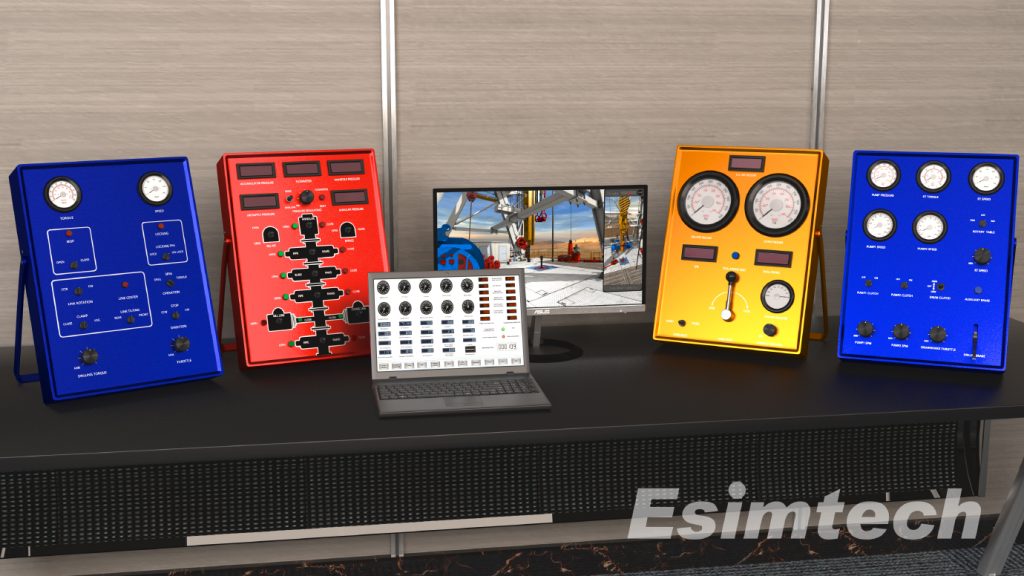
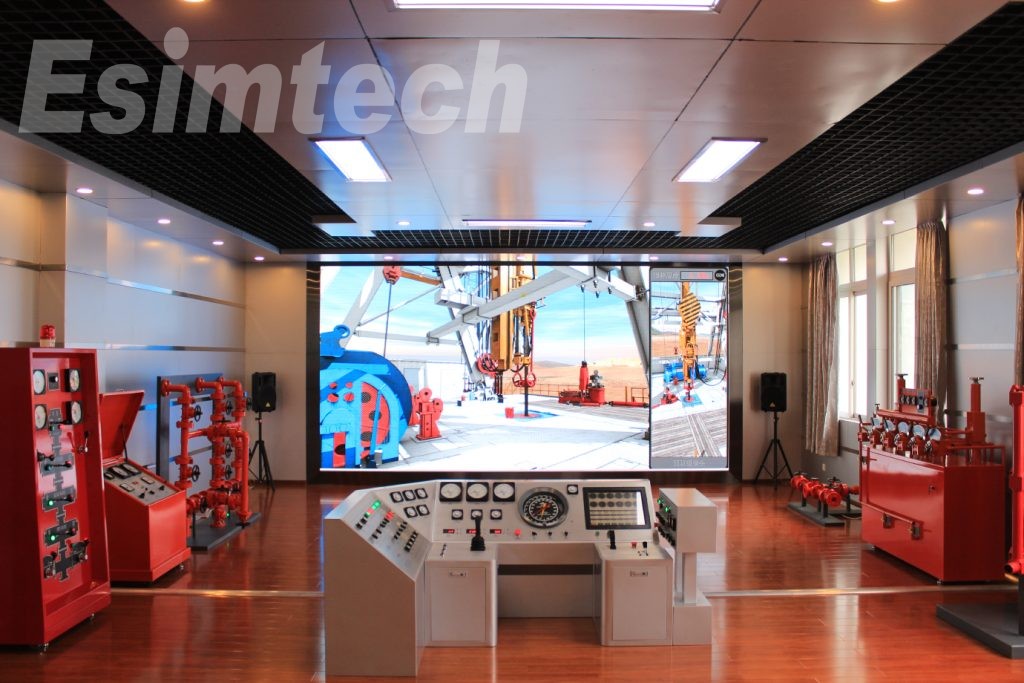
drilling simulator

The Need for Specialized Training in Unconventional Operations

Unconventional operations differ significantly from traditional ones in terms of reservoir characteristics, extraction techniques, and environmental considerations. These factors introduce heightened risks of blowouts, equipment failure, and environmental damage. As a result, conventional training methods such as manuals and classroom instruction often fall short in preparing workers for real-world complexities.

Simulation-based training offers a solution by immersing trainees in realistic environments where they can safely practice decision-making, troubleshoot equipment malfunctions, and respond to emergency scenarios.

Fracturing and Acidizing Simulator

Key Features of Training Simulations

Modern training simulations for unconventional oil and gas operations incorporate a range of features designed to mimic field conditions as closely as possible:

3D Visual Environments: High-fidelity graphics recreate drilling rigs, well sites, and processing facilities to provide spatial awareness and realistic operational contexts.

Scenario-Based Learning: Simulations present trainees with various real-life challenges such as lost circulation, stuck pipe, and fracturing fluid design errors.

Interactive Controls: Trainees interact with virtual control panels, instrumentation, and tools, reinforcing muscle memory and procedural knowledge.

Performance Analytics: Integrated assessment tools track user performance, offering insights into response time, accuracy, and adherence to safety protocols.

Types of Simulators Used

A variety of simulation platforms are deployed depending on training needs:

Drilling Simulators: Used to train personnel on horizontal and multi-lateral drilling techniques under various rock formations and pressure conditions.

Fracturing Simulators: Enable engineers to practice designing and monitoring hydraulic fracturing jobs, including fluid selection, pressure control, and real-time data interpretation.

Process Simulators: Focused on oil sands and shale processing facilities, these help operators understand flow control, separation, and upgradation processes.

Emergency Response Simulators: Prepare teams for scenarios such as well blowouts, H2S leaks, and equipment fires.

Benefits of Simulation-Based Training

Training simulations deliver several advantages over traditional methods, particularly in unconventional operations:

Enhanced Safety: Trainees can experience hazardous situations without physical risk.

Skill Retention: Active participation in simulated tasks leads to better long-term retention of procedures and protocols.

Cost Efficiency: Reduces the need for expensive on-site training and minimizes downtime.

Operational Readiness: Workers gain hands-on experience before stepping into the field, resulting in fewer on-the-job errors.

Future Trends and Innovations

As unconventional operations continue to grow in complexity, so do the capabilities of training simulations:

AI-Driven Adaptive Training: Personalized learning paths based on individual strengths and weaknesses.

VR/AR Integration: Enhanced realism through immersive technologies, enabling full-body interaction and real-time feedback.

Cloud-Based Platforms: Enabling remote training and collaboration across multiple locations.

Integration with Real-Time Data: Using actual field data to create dynamic training environments that reflect current operational trends and issues.

Summary

The unconventional oil and gas sector requires a workforce that is not only technically competent but also agile in adapting to unpredictable challenges. Training simulations provide a powerful platform to cultivate such expertise, bridging the gap between theoretical knowledge and practical experience. As technologies evolve, these simulations will become an indispensable part of workforce development, ensuring operational safety, efficiency, and sustainability in unconventional resource extraction.

5 Key Quick Points to Know VOGE SR150GT

As urban commuting evolves, the demand for stylish, efficient, and comfortable scooters is at an all-time high. The VOGE SR150GT emerges as a standout model in the 150cc segment, offering a blend of sporty aesthetics, smart features, and refined engineering tailored for city dwellers and light tourers alike. As a product of VOGE which is one of the leading Chinese motorcycle manufacturers, the SR150GT reflects the company’s push into high-quality, sophisticated urban mobility solutions.

VOGE SR150GT

Bold Design That Commands Attention

At first glance, the SR150GT impresses with its sharp, angular lines and aerodynamic profile. The aggressive front fascia, accented by full LED lighting, gives it a distinctly modern presence. Sleek body panels and subtle curves contribute not only to aesthetics but also to airflow and rider comfort. A tall windscreen enhances wind protection during longer commutes, while the sporty rear tail with integrated grab rails reinforces its GT (Grand Touring) intentions.

Efficient Power for Urban Exploration

Powering the VOGE SR150GT is a 149cc single-cylinder, liquid-cooled engine—engineered for smooth power delivery and fuel efficiency. Tuned for responsive acceleration in stop-and-go traffic, it offers enough punch to comfortably cruise through city boulevards or suburban roads. With fuel injection and modern engine mapping, the SR150GT balances performance with environmental responsibility, making it Euro 5 compliant in many markets.

Comfort Meets Practicality

The SR150GT’s ergonomics are clearly designed with comfort in mind. A wide, well-cushioned seat supports both rider and passenger, and a low seat height ensures accessibility for a broad range of riders. The under-seat storage is generous—ample enough to store a full-face helmet—making it ideal for daily use or short getaways. Additional practical features include:

Front glove box with USB charging port

Spacious floorboard for flexible foot positioning

Integrated luggage rack for mounting top cases

Whether you’re commuting to work or running weekend errands, the SR150GT adapts with ease.

Advanced Technology for the Connected Commuter

Staying in touch while on the move is easier than ever thanks to the SR150GT’s digital LCD dashboard, which provides real-time feedback on speed, fuel level, mileage, and trip data. A Bluetooth-compatible system (on selected trims) allows smartphone connectivity for calls, navigation, and music control. Combined with a smart keyless ignition system, the scooter adds a layer of premium convenience to your daily rides.

Safe and Stable Riding Experience

Safety is paramount in any urban vehicle, and the SR150GT doesn’t disappoint. It comes equipped with:

Front and rear disc brakes with CBS (Combined Braking System)

12-inch alloy wheels with grippy tubeless tires

Telescopic front suspension and twin rear shock absorbers for a balanced ride on varying road surfaces

These systems work together to offer confident handling and smooth braking in both congested traffic and open roads.

VOGE SR150GT Scooter

Final Thoughts

The VOGE SR150GT is more than just a commuter—it’s a lifestyle solution for riders who value sophistication, efficiency, and versatility. With its sporty styling, well-rounded features, and smooth power delivery, it stands as a strong contender in the competitive 150cc scooter market. Whether you’re weaving through downtown traffic or cruising the city outskirts, the SR150GT delivers a dependable and enjoyable ride every time.

Bamboo vs. Traditional Toilet Paper in terms of Softness and Strength

Toilet paper is a daily necessity that plays a significant role in hygiene and comfort. In recent years, bamboo toilet paper has emerged as an eco-conscious alternative to traditional toilet paper made from virgin wood pulp. One of the most common questions consumers ask when considering a switch is: how does bamboo toilet paper compare to traditional options in terms of softness and strength? This article explores these two key performance indicators to help users make informed choices.

1. Understanding the Materials

Bamboo Toilet Paper

Bamboo is a rapidly renewable resource, growing up to 3 feet per day. Bamboo fibers are naturally strong, smooth, and biodegradable, making them ideal for environmentally friendly toilet paper.

Traditional Toilet Paper

Made from virgin wood pulp (often from hardwood or softwood trees) or recycled paper, traditional toilet paper has long been engineered for comfort and durability. However, its environmental cost can be high due to deforestation and chemical processing.

Wood Pulp Toilet Papers

2. Softness Comparison

Bamboo Toilet Paper:

Naturally Silky Texture: Bamboo fibers have a smooth, rounded structure that contributes to a naturally soft feel.

Modern Processing: Premium bamboo toilet paper often undergoes careful processing to enhance softness without heavy chemical treatments.

Consistency: Some users initially find bamboo toilet paper slightly less plush than ultra-soft brands but appreciate its consistent, gentle feel over time.

Traditional Toilet Paper:

Enhanced Cushioning: High-end traditional toilet papers often use multi-ply construction and additives like lotion or aloe to boost softness.

Perception of Luxury: Due to years of market dominance, traditional toilet paper has set consumer expectations for cushioned, velvety textures.

Varied Quality: Lower-cost options may feel coarse, especially recycled varieties.

Verdict on Softness: Traditional toilet paper may still lead slightly in perceived plushness, particularly with treated multi-ply options. However, bamboo toilet paper has narrowed the gap significantly, offering a soft and natural alternative that’s free from harsh chemicals.

3. Strength Comparison

Bamboo Toilet Paper:

High Fiber Tensile Strength: Bamboo fibers are naturally strong and durable, even when wet.

Less Breakage: Users often report fewer incidents of tearing during use compared to thinner traditional brands.

Eco-Friendly Resilience: Despite being biodegradable and septic-safe, bamboo paper maintains strength with minimal ply thickness.

Traditional Toilet Paper:

Engineered Strength: Virgin pulp-based products are designed to balance softness and strength but can break down faster when wet.

Recycled Paper Variants: These tend to be less robust, especially in moist environments.

Risk of Over-Engineering: Excessive strengthening chemicals can reduce biodegradability.

Verdict on Strength: Bamboo toilet paper generally outperforms traditional toilet paper in strength, particularly in maintaining integrity when moist. This makes it a reliable choice for households and public facilities focused on durability.

Bamboo Toilet Paper

4. Additional Considerations

Septic and Plumbing Compatibility: Both bamboo and quality traditional toilet papers are designed to dissolve in water, but bamboo’s natural breakdown properties often make it safer for older plumbing and septic systems.

Chemical Sensitivity: Bamboo toilet paper is usually hypoallergenic and free from chlorine, fragrances, and dyes—ideal for sensitive skin.

Environmental Impact: Bamboo’s renewability and lower carbon footprint offer a significant environmental advantage over traditional wood pulp toilet paper.

Bamboo Toilet Paper Supplier

Summary

When comparing bamboo and traditional toilet paper, both softness and strength matter—but so do sustainability and personal values. Traditional toilet paper may still offer a touch more luxury in softness (especially multi-ply, lotion-infused options), but bamboo toilet paper holds its own with consistent softness, superior strength, and a gentler environmental footprint. As production technology advances, bamboo toilet paper is increasingly becoming the preferred choice for eco-conscious consumers who don’t want to compromise on performance.

5Key Points You Should Know about Rivet Nuts

Rivet nuts, are threaded inserts that provide strong and permanent threads in thin materials such as sheet metal, plastics, or composite panels. They are especially useful when the base material is too thin to support a tapped thread or where only one side of the material is accessible for installation. Used widely in the automotive, aerospace, electronics, furniture, and construction industries, rivet nuts combine convenience with strength in a simple yet effective fastening solution.

What Is a Rivet Nut?

A rivet nut is essentially a tubular rivet with internal threads. It is inserted into a pre-drilled hole and then deformed from one side using a tool to securely lock it in place. Once installed, the internal threads are ready to accept a mating screw or bolt.

what is a rivet nut

Types of Rivet Nuts include:

Round Body Rivet Nuts – For general-purpose use.

Hex Body Rivet Nuts – Prevent rotation in soft materials.

Countersunk Rivet Nuts – Sit flush with the surface.

Closed-End Rivet Nuts – Protect against water and debris ingress.

rivet nuts suppliers

Advantages of Rivet Nuts

Blind Installation – Only one side of the workpiece needs to be accessible.

Strong Internal Threads – Ideal for thin or soft materials.

Fast and Reliable – Quick to install and remove.

Versatile Applications – Compatible with a wide range of materials and environments.

No Welding Required – Reduces heat distortion and simplifies the process.

Installation Process of Rivet Nuts

Installing a rivet nut involves the following five key steps:

1. Prepare the Hole

Drill a clean, round hole in the base material to match the outer diameter of the rivet nut.

Use a deburring tool to remove any sharp edges.

2. Select the Rivet Nut

Choose a rivet nut that matches your material thickness, hole size, and load requirements.

Verify that the thread type matches the intended fastener (e.g., M6, 1/4″-20, etc.).

3. Install on Tool

Thread the rivet nut onto the mandrel of a rivet nut installation tool. There are several tool types:

Manual hand tools

Pneumatic/hydraulic tools

Cordless battery tools

4. Place in the Hole

Insert the rivet nut into the hole until the flange rests against the material surface.

5. Compress the Rivet Nut

Squeeze the tool handles or activate the power tool to collapse the unthreaded portion of the rivet nut behind the panel.

This action forms a bulge that clamps the material, locking the rivet nut in place.

After installation, the rivet nut remains firmly seated and is ready to accept bolts or screws for permanent or removable connections.

Best Practices

Always ensure the hole size matches the manufacturer’s recommendations.

Use torque-limiting tools to avoid damaging the threads during installation.

Choose corrosion-resistant materials (e.g., stainless steel or aluminum rivet nuts) for outdoor or harsh environments.

Flat Head Rivet Nut with Knurl Close End

Applications

Rivet nuts are widely used in applications where weld nuts or tapped holes are impractical:

Automotive panels and chassis

Aircraft interiors

HVAC systems

Metal furniture assembly

Electrical enclosures

Summary

Rivet nuts provide a cost-effective and efficient way to add threads to thin or inaccessible materials. With their blind installation capability and strong mechanical performance, they are a preferred solution for both high-volume production and maintenance work. By following the correct installation process and selecting the right rivet nut type, users can ensure durable and secure fastening for a wide range of applications.

The Role of Microwave Digestion in Heavy Metal Analysis

Heavy metal analysis is critical for environmental, pharmaceutical, and food safety monitoring. Accurate quantification of trace metals such as lead (Pb), cadmium (Cd), arsenic (As), and mercury (Hg) in various matrices requires the complete digestion of solid or semi-solid samples into a homogeneous solution. One of the most effective sample preparation techniques for this purpose is microwave digestion, a technology that has revolutionized the field by offering speed, efficiency, and reproducibility.

TANK 40 Microwave Digestion System

Introduction to Microwave Digestion

Microwave digestion is a closed-vessel technique that uses microwave energy to heat acid mixtures under pressure, rapidly breaking down complex matrices such as soils, biological tissues, polymers, and foodstuffs. Unlike conventional digestion methods, which can be time-consuming and less consistent, microwave digestion accelerates the process while minimizing sample contamination and loss of volatile elements.

Working Principle

Microwave digestion systems typically consist of:

A microwave reactor chamber

Pressure-and temperature-resistant digestion vessels

Sensors for real-time monitoring

Samples are mixed with concentrated acids (commonly HNO₃, HCl, H₂SO₄, or HF) inside sealed vessels. Microwave radiation penetrates the vessel walls and heats the acid rapidly. The closed system allows the digestion to occur at elevated temperatures and pressures, ensuring thorough decomposition of organic and inorganic matrices. The resulting clear solution is then analyzed using ICP-MS, ICP-OES, or AAS.

Master Ultra High Throughput Closed Microwave Digestion-Extration Workstation

Advantages in Heavy Metal Analysis

High Digestion Efficiency

Microwave digestion ensures nearly complete breakdown of complex matrices, yielding solutions ideal for heavy metal detection.

Speed and Throughput

Digestion times are drastically reduced—from several hours in traditional methods to as little as 15–45 minutes—supporting high-throughput labs.

Improved Accuracy and Reproducibility

The uniform heating and controlled environment minimize variability, ensuring consistent results across replicates.

Safety

Modern microwave digestion systems include safety features like pressure relief mechanisms and real-time monitoring, reducing the risk of accidents.

Reduced Contamination

Closed vessels eliminate external contamination, a critical advantage when analyzing trace-level heavy metals.

Applications

Microwave digestion is widely applied across industries:

Environmental Monitoring: Analysis of soils, sediments, sludge, and wastewater for regulatory compliance.

Food Safety: Determination of heavy metals in cereals, meat, fish, and beverages.

Pharmaceuticals: Quality control and raw material screening.

Mining and Geology: Elemental analysis of ores and mineral samples.

Clinical and Biological Research: Trace metal studies in tissues, blood, and urine.

Considerations and Limitations

While microwave digestion is highly efficient, certain factors must be considered:

Choice of Acid Mixture: The type and concentration of acid impact digestion quality and compatibility with downstream analysis.

Sample Size and Matrix: Some tough matrices may require optimization of temperature, time, and reagents.

Instrument Cost: Microwave digestion systems are an investment, though justified by long-term operational benefits.

Master Ultra High Throughput Closed Microwave Digestion

Future Trends

Advancements in microwave digestion focus on automation, intelligent control systems, and integration with LIMS for seamless data management. Eco-friendly digestion protocols using less hazardous acids and multi-sample processing technologies are also gaining momentum.

Summary

Microwave digestion has become an indispensable step in the reliable analysis of heavy metals. By significantly improving digestion speed, safety, and data quality, it supports the growing demand for sensitive, high-throughput elemental analysis. As regulations tighten and analytical needs evolve, microwave digestion will continue to play a pivotal role in ensuring accuracy and compliance in heavy metal testing.

6 Key Points to Know Self-inflating Life Rafts Comprehensively

In the unpredictable and often perilous world of maritime travel, the self-inflating life raft stands as a critical line of defense between survival and catastrophe. Designed to deploy automatically in emergencies, these inflatable life rafts have transformed emergency preparedness at sea, offering a fast, reliable, and compact solution that has saved countless lives. As international maritime regulations continue to evolve, self-inflating life rafts remain at the core of vessel safety protocols.

self-inflating life raft

What Are Self-Inflating Life Rafts?

Self-inflating life rafts, also known as automatic inflatable life rafts, are emergency flotation devices that inflate automatically upon contact with water or manual activation. Typically packed in a compact, airtight container, these rafts are equipped with a compressed gas cylinder—usually CO₂ or nitrogen—that rapidly inflates the raft when deployed. Modern models often include canopies for weather protection, survival kits, and features to improve visibility and thermal insulation.

How They Work

Deployment of a self-inflating life raft typically follows this process:

Activation: When a vessel is sinking or evacuated, the life raft container is thrown overboard. A line attached to the raft is pulled to trigger inflation.

Automatic Inflation: Upon pulling or immersion, a gas canister activates, inflating the raft in under a minute.

Boarding and Survival: Occupants board the raft via boarding ladders or ramps. Most rafts include water, food rations, first aid kits, sea anchors, and signaling devices.

This streamlined process ensures that even under duress, crew members or passengers can quickly access life-saving flotation.

Key Features and Components

Durable Fabric: Constructed from rubberized or polyurethane-coated fabrics, the raft resists punctures, UV damage, and saltwater corrosion.

Automatic Canopy: Offers protection from hypothermia, sun exposure, and sea spray.

Ballast System: Stabilizing pockets or sea anchors minimize drifting and capsizing in rough seas.

SOLAS Compliance: Most high-quality rafts meet the International Convention for the Safety of Life at Sea (SOLAS) standards.

Compact Storage: The container is usually cylindrical or suitcase-style, designed for quick deployment and minimal deck space usage.

Applications Across Maritime Sectors

Emergency self-inflating life rafts are used in various sectors, including:

Commercial shipping: Required by international law on cargo vessels.

Fishing industry: Critical for small boats operating in remote waters.

Offshore oil platforms: Part of comprehensive evacuation systems.

Leisure boating and yachting: A vital safeguard for recreational users.

Throw-over Type Emergency Inflatable Life Raft

Regulatory Framework and Maintenance

To ensure readiness, self-inflating life rafts must be:

Regularly inspected (typically every 1–3 years, depending on the manufacturer and regulatory body).

Stored in accessible locations on board.

Accompanied by updated survival equipment, including emergency beacons and medical kits.

Failure to maintain or properly install a life raft can result in non-compliance with maritime safety regulations and potentially fatal consequences during emergencies.

Technological Advancements

Recent innovations have improved performance and reliability:

Smart sensors: Trigger deployment based on water pressure or environmental conditions.

Integrated EPIRBs (Emergency Position-Indicating Radio Beacons): Allow for rapid location by rescue services.

Thermal insulation floors and inflatable floors for protection against hypothermia.

Self-righting designs that ensure usability even if capsized upon inflation.

self-inflating life raft

Summary

Self-inflating life rafts are not just equipment and they are a maritime lifeline. Their ability to deploy quickly and operate reliably in life-threatening conditions makes them indispensable for any vessel navigating open waters. As technology and materials continue to evolve, these rafts will remain a cornerstone of marine survival strategies, offering peace of mind and real protection when it is needed most. For vessel owners, operators, and seafarers alike, investing in and maintaining high-quality self-inflating life rafts is a non-negotiable aspect of responsible maritime safety.

通过 WordPress.com 设计一个这样的站点
从这里开始