VOGE 300DS is Worth for Your Choice as an Entry-level ADV Motorcycle

The VOGE 300DS is a standout model in the entry-level adventure motorcycle category, designed to combine accessibility, performance, and versatility. Developed by VOGE, a rising Chinese motorcycle brand, the 300DS caters to new and seasoned riders who seek a lightweight yet capable adventure touring machine. With stylish design, a reliable engine, and practical features, the VOGE 300DS positions itself as a budget-friendly choice for daily commuting and weekend exploration alike.

VOGE 300DS

Engine and Performance

At the heart of the VOGE 300DS lies a 292cc single-cylinder, liquid-cooled, DOHC engine, capable of producing around 25.8 horsepower at 8,500 rpm and 23 Nm of torque at 6,500 rpm. Paired with a smooth 6-speed transmission, the engine delivers adequate power for both city cruising and light off-road trails.

The fuel injection system ensures efficient combustion and crisp throttle response, while the compact engine size makes the bike approachable for beginners and a joy to maneuver in tight spaces.

Design and Comfort

The VOGE 300DS features a modern adventure styling, with a tall windscreen, dual-sport ergonomics, and a rugged fairing design. The high-mounted exhaust, skid plate, and upright riding posture reflect its dual-purpose DNA. With a seat height of around 800mm and a wet weight of approximately 170 kg, it offers a balance between comfort and control for a wide range of riders.

The adventure-style seat and upright handlebars ensure comfortable long-distance travel, while the spacious pillion setup makes it a practical option for two-up touring.

Suspension and Handling

The 300DS is equipped with inverted front forks and a mono-shock rear suspension, delivering a smooth ride over varied terrain. Though not built for aggressive off-roading, it offers sufficient travel and ground clearance to handle gravel paths, rough roads, and mild trails.

The aluminum alloy wheels are fitted with 17-inch rear and 19-inch front tires, offering a balanced combination of on-road stability and light off-road capability. The braking system features front and rear disc brakes with ABS for enhanced safety and control.

VOGE 300DS

Technology and Features

VOGE has equipped the 300DS with a competitive set of features for its class:

LCD instrument display showing gear position, fuel level, and trip data

LED lighting for headlamp, tail lamp, and indicators

Adjustable windscreen for wind protection

Side and center stand for added convenience

Optional luggage racks for extended touring

Fuel Economy and Range

With a 13-liter fuel tank and excellent fuel efficiency (estimated around 30–35 km/L), the VOGE 300DS offers impressive range—making it ideal for budget-conscious travelers and long-distance riders alike.

VOGE 300DS Motorcycle

Final Thoughts

The VOGE 300DS is a well-rounded entry into the world of adventure motorcycles. It brings together attractive styling, practical performance, and comfort at an accessible price point. Whether you’re commuting through urban traffic or setting off on a weekend escape into the countryside, the 300DS delivers a reliable and enjoyable ride. For new riders or those seeking a lightweight touring companion, the VOGE 300DS stands as a smart, economical choice with genuine adventure spirit.

How to Enhance the Precision Control for Web Guide Systems

In industries where continuous roll-to-roll processing is essential, such as printing, packaging, textiles, and film production, web guide systems play a critical role in ensuring product quality and operational efficiency. A core function of these systems is precision control, which keeps flexible materials such as paper, plastic film, foil, or nonwovens accurately aligned during high-speed movement. Without precise control, even minor deviations can lead to costly errors like material waste, print misalignment, and equipment downtime.

What Is Precision Control in Web Guide Systems?

Precision control refers to the system’s ability to maintain consistent lateral positioning of a moving web. As the material unwinds and travels through various processing stations, its alignment must remain exact to avoid defects. Precision control systems detect any misalignment and make real-time corrections through mechanical actuators or motor-driven mechanisms.

Web Guide Systems

Key Components Enabling Precision Control

Sensors

High-resolution edge sensors, line sensors, and contrast sensors detect the position of the web relative to a reference point. Advanced web guide sensors can handle a wide variety of materials, including transparent and reflective webs. Technologies like ultrasonic, infrared, and optical imaging enable non-contact and high-speed detection with micrometer-level accuracy.

Controllers

The control unit interprets sensor signals and calculates the necessary correction. Web guiding controllers use PID algorithms or adaptive logic to optimize correction signals, ensuring stable and accurate tracking even under fluctuating web speeds or tension variations.

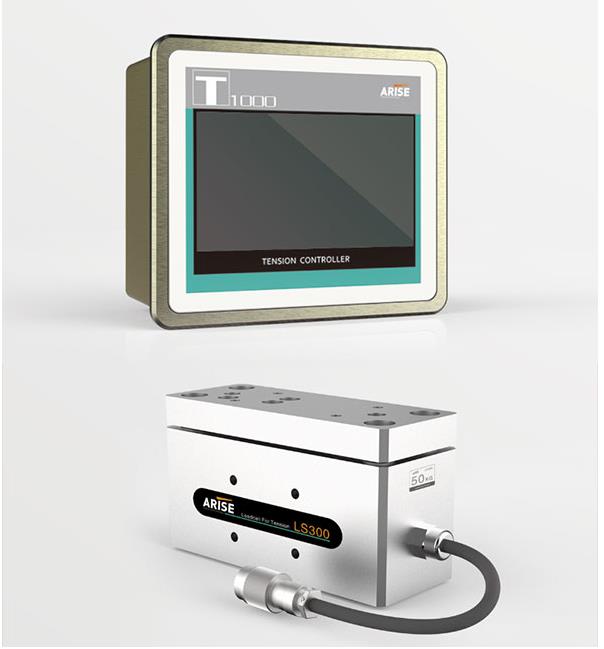
controller of S1000 Pro Type Centering Web Guide System

Actuators

Electromechanical actuators, including stepper motors and servo motors, convert control signals into physical movements that adjust the web path. These actuators are responsible for the swift and accurate repositioning of the web to maintain proper alignment.

Importance of Precision Control

Product Quality: In printing or coating applications, even a slight lateral shift can result in misaligned graphics or uneven coating, making the product unacceptable.

Material Efficiency: Poor alignment leads to edge trimming or rewinding, causing material waste.

Machine Protection: Misaligned webs can jam machinery or damage sensitive components, leading to costly downtime.

Speed Optimization: Precision control enables higher line speeds without compromising quality, increasing overall throughput.

Challenges Addressed by Precision Control

Variable Tension: Web tension may fluctuate during operation; precision systems adapt in real time to maintain alignment.

Material Variability: Thin or elastic materials are prone to distortion. Accurate sensors and responsive actuators help manage these challenges.

Environmental Conditions: Dust, vibration, and temperature shifts can affect web behavior. Precision systems are built to withstand such factors and maintain performance.

Applications of Precision-Controlled Web Guide Systems

Printing and Packaging: Ensuring exact color registration and die-cut alignment.

Battery Manufacturing: Accurate placement of electrodes and separators.

Textiles: Maintaining fabric straightness during dyeing or coating.

Labeling: Precise label placement and cutting on rolls.

Innovations in Precision Control for Web Guide Systems

1. Integration of Advanced Sensor Technologies

One of the most significant advancements in web guiding conyrol systems is the use of high-resolution edge and line sensors. Innovations in ultrasonic, infrared, and CCD/CMOS camera-based sensors allow for real-time, non-contact detection of web edges with micron-level accuracy. These sensors can adapt to a wide range of materials, including transparent and highly reflective surfaces, which traditionally posed detection challenges.

A200 Ultrasonic Edge Web Guide Sensor

Smart sensor algorithms are also now capable of self-calibration and compensation for material opacity, texture, or vibration, leading to enhanced reliability and reduced need for operator intervention.

2. Closed-Loop Control with Adaptive Algorithms

Modern web guide systems increasingly rely on closed-loop feedback control combined with adaptive algorithms. These systems dynamically adjust actuator responses based on real-time feedback, compensating for disturbances such as material tension variations, environmental conditions, or mechanical wear.

Advanced control methods such as model predictive control (MPC) and fuzzy logic are being implemented to enable predictive adjustments that reduce overshooting and oscillation, ensuring smoother operation and prolonged equipment life.

3. Servo-Driven Actuators with High-Speed Response

Servo-driven actuators are replacing traditional pneumatic or stepper motor systems due to their fast response time, accuracy, and energy efficiency. Equipped with brushless DC or linear motors, these actuators deliver precise lateral movement with minimal lag, allowing for fine-tuned web alignment even at extremely high line speeds.

Moreover, integrated position encoders provide accurate displacement data that feeds directly into the control loop, allowing for ultra-fine adjustments in real time.

4. Machine Learning and AI for Predictive Optimization

Innovators are incorporating machine learning (ML) and AI-based analytics into web guide systems to predict alignment deviations before they occur. These smart systems learn from historical process data to identify patterns, enabling predictive maintenance, anomaly detection, and real-time optimization.

For example, an AI-powered controller may adjust guiding parameters based on the type of material, speed of operation, and previously detected alignment behaviors—improving setup efficiency and reducing waste.

5. Modular and IoT-Enabled Systems

The emergence of modular web guide architectures allows manufacturers to customize their systems based on specific application needs. These modules can be easily upgraded with new control units, sensor heads, or actuators.

Furthermore, IoT connectivity enables remote monitoring, diagnostics, and software updates. Web guide systems equipped with edge computing capabilities can process sensor data locally for real-time corrections while syncing key metrics to cloud platforms for long-term process improvement.

6. Multi-Web and Multi-Lane Control Innovations

In processes involving multiple webs or lanes running simultaneously, precision control becomes increasingly complex. Modern systems offer multi-channel synchronized control, allowing independent but coordinated adjustment of each web path.

Advanced systems can now manage overlapping webs, slit materials, or converging web lines, ensuring perfect registration even in challenging layouts—particularly important in multilayer packaging or roll-to-roll battery production.

Web Guiding Control Systems

Final Thoughts

Precision control is the foundation of effective web guiding, directly influencing production quality, operational efficiency, and profitability. As industries demand higher speed, better accuracy, and less waste, web guide systems with advanced precision control are becoming indispensable tools in modern manufacturing environments.

The Emerging Marketing Trends in Bamboo Toilet Paper

As environmental awareness continues to grow globally, bamboo toilet paper is gaining attention as a sustainable hygiene alternative. While developed nations have seen early adoption, emerging markets are now showing increasing interest in bamboo tissue paper products. This trend signals not only a shift in consumer behavior but also an opportunity to align sustainability with local economic development.

Bamboo Toilet Paper

Why Bamboo Toilet Paper Appeals to Emerging Markets

Bamboo toilet paper is made from fast-growing bamboo plants, which require less water and no pesticides compared to traditional hardwood trees. Its rapid renewability and lower environmental footprint make it a compelling choice for countries facing deforestation and waste management issues.

Emerging markets—such as those in Southeast Asia, Sub-Saharan Africa, and parts of Latin America—are home to a growing middle class with rising hygiene expectations. With bamboo often being locally grown in these regions, production and distribution become more feasible and cost-effective over time.

Sustainability and Economic Development

In many emerging economies, introducing bamboo toilet paper presents dual benefits: environmental and economic. Small-scale bamboo processing facilities can create local employment while reducing the need for imported pulp products. Moreover, investing in bamboo paper production supports sustainable forestry practices and rural development.

Governments and NGOs are beginning to recognize the value in promoting eco-friendly alternatives to conventional toilet paper. In countries where access to sanitation products remains inconsistent, bamboo toilet paper also offers an affordable and biodegradable solution that aligns with circular economy principles.

Bamboo Toilet Paper Supplier

Challenges to Widespread Adoption

Despite the promise, bamboo toilet paper faces several barriers in emerging markets:

Cost Sensitivity: Bamboo toilet paper often remains more expensive than conventional options due to processing and packaging costs, making it less accessible to price-sensitive consumers.

Limited Awareness: Many consumers are still unaware of the environmental impact of traditional paper products, or the benefits of bamboo alternatives.

Infrastructure Constraints: The production and distribution of bamboo toilet paper require investment in both agriculture and manufacturing capabilities, which may be lacking in some regions.

Addressing these challenges will require targeted marketing, subsidies or incentives, and partnerships between private enterprises and government bodies.

Growth Opportunities and Market Potential

As sustainability becomes more mainstream, major manufacturers and startups are entering the bamboo hygiene market. Some companies are partnering with local bamboo growers and cooperatives to ensure ethical sourcing while reducing supply chain costs.

There is also a growing interest in integrating bamboo toilet paper into public sector procurement for schools, hospitals, and government buildings—creating stable demand and encouraging further investment.

The rise of e-commerce platforms in emerging markets also enables greater accessibility to eco-friendly hygiene products, helping bamboo toilet paper brands reach younger, urban consumers who are more open to sustainable choices.

Bamboo Toilet Tissues

Summary

Bamboo toilet paper has the potential to transform hygiene habits in emerging markets by offering a biodegradable, renewable, and socially responsible alternative to conventional products. While challenges remain, strategic investment, consumer education, and supportive policies could make bamboo toilet paper a staple of sustainable living in developing economies—paving the way for a greener future.

Understanding Land Oil Rig Installation: Enhancing Efficiency and Safety with Simulators

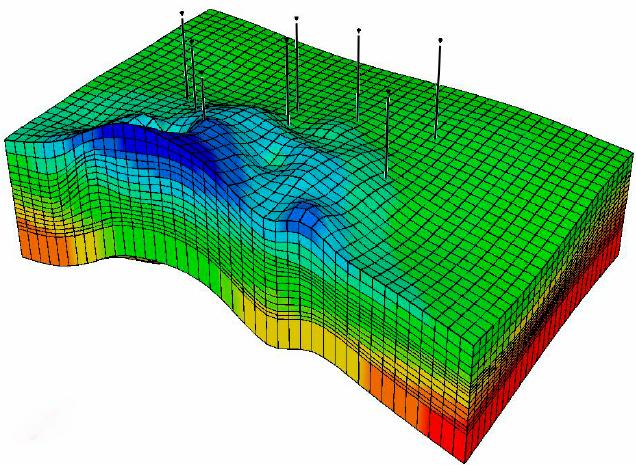
The installation of a land-based oil rig is a complex and high-stakes process that demands careful planning, coordination, and execution. From site preparation to rig-up operations and system integration, every step must be meticulously managed to ensure safety, operational efficiency, and compliance with industry standards. In recent years, the use of land rig installation simulators has transformed the approach to training and optimization, offering a virtual platform to enhance the performance and reliability of rig installation teams.

Overview of Land Oil Rig Installation

Land oil rigs are used for drilling wells onshore to explore and produce hydrocarbons. The installation process involves multiple stages:

Land Oil Rigs

Site Preparation

Clearing, leveling, and stabilizing the ground is essential before any rig equipment arrives. This phase also includes constructing access roads and ensuring water and power supplies.

Transport and Delivery

Rig components are transported to the site in modules. Due to the rig’s size and complexity, logistics coordination is vital to avoid delays and damage.

Rig-Up Operations

This phase includes assembling the substructure, mast or derrick, rotary table, drawworks, mud systems, blowout preventer (BOP), and auxiliary equipment. Each system must be correctly aligned, bolted, and tested.

System Integration and Commissioning

After physical installation, the rig is integrated with communication, control, and safety systems. The final step is system testing to ensure the rig is ready for safe and efficient operation.

Challenges in Land Rig Installation

Land rig installation presents several challenges:

Remote Locations: Many rigs are deployed in isolated areas with logistical and environmental constraints.

Safety Risks: Heavy lifting, high-pressure systems, and working at height present hazards during rig-up.

Time Sensitivity: Delays in installation can lead to costly downtime and project overruns.

Human Error: Inexperience or miscommunication among personnel can cause mistakes in assembly or testing.

To address these challenges, the industry is increasingly turning to Land Rig Installation Simulators as a strategic solution.

The Role of Land Rig Installation Simulators

Land rig installation simulators are advanced training tools that replicate the physical and procedural elements of rig installation in a virtual environment. These simulators combine 3D visualization, real-time physics, and interactive controls to create a realistic, risk-free learning platform for personnel.

Land Rig Installation Simulator

Key Benefits of Using a Land Rig Installation Simulator

Enhanced Training and Skill Development

Oil rig simulators allow operators, riggers, and engineers to practice the entire rig-up process without the risks of a real environment. This builds confidence and competence before stepping onto the actual site.

Improved Safety Awareness

Workers can identify potential hazards and rehearse emergency procedures in a controlled setting. This proactive approach reduces the likelihood of accidents during actual installation.

Optimization of Rig-Up Procedures

Teams can experiment with different installation sequences and equipment layouts to find the most efficient workflow. This leads to time savings and better resource utilization.

Team Coordination and Communication

Simulators support multi-user scenarios where installation teams must collaborate in real time, improving team dynamics and reducing errors caused by miscommunication.

Performance Evaluation

Supervisors can assess individual and team performance through built-in analytics. Feedback from simulations highlights areas for improvement, accelerating the learning curve.

Land rig installation animation

Applications Beyond Training

Beyond training, land rig installation simulators are used in project planning, design validation, and scenario testing. For example, engineers can:

Simulate installations in different terrains and weather conditions.

Validate custom rig designs before fabrication.

Test the impact of alternative rig-up sequences on installation time and safety.

By incorporating simulation into the pre-installation phase, companies can identify inefficiencies, foresee problems, and reduce the risk of costly revisions during live operations.

Summary

The installation of land oil rigs is a foundational step in onshore oil and gas production, requiring precision, coordination, and strong safety practices. As the industry pushes for greater efficiency and reduced risk, Land Rig Installation Simulators are becoming indispensable tools. They not only enhance the preparedness of installation crews but also support continuous improvement and innovation in rig deployment strategies. By adopting simulation-based approaches, oil and gas companies can optimize installation timelines, reduce incidents, and ensure a more resilient and skilled workforce.

Exploring the Use of Flat Washers

Flat washers are simple but indispensable components in countless mechanical, structural, and electronic applications. Despite their modest appearance—a thin, flat disc with a central hole—flat washers play a critical role in distributing loads, protecting surfaces, and improving the longevity and stability of bolted assemblies. Understanding what flat washers are used for helps explain why they are a standard element in engineering and everyday hardware.

Primary Purpose of Flat Washers

Flat washers are typically placed between a fastener (such as a bolt or screw) and the surface of a connected part. Their primary functions include:

Load Distribution

Flat washers spread the load of the fastener head over a larger surface area. This helps prevent damage to softer materials such as wood, plastic, or aluminum by reducing the pressure exerted on the contact surface.

Surface Protection

By creating a buffer between the fastener and the surface, flat washers help protect surfaces from abrasion, deformation, and scratching that can occur when fasteners are tightened directly onto the material.

Preventing Loosening

Although flat washers are not locking devices themselves, they help reduce vibration and movement that can contribute to fastener loosening. When used in conjunction with lock washers or thread-locking compounds, they improve overall fastening security.

Enhancing Fastener Grip

In certain applications, flat washers provide a smoother, more stable bearing surface for nuts or bolt heads, ensuring consistent torque and tension during assembly.

Spacing and Alignment

Flat washers can also act as spacers to maintain precise distances between components, helping with alignment in assemblies where fit is critical.

Flat Washers

Common Applications of Flat Washers

Flat washers are found in virtually every industry, including:

Construction and Building: Used in steel structures, furniture assembly, and anchoring systems to distribute bolt loads and protect wood or metal surfaces.

Automotive: Provide support and vibration damping in engine mounts, brake assemblies, and suspension systems.

Electronics and Appliances: Used in circuit board mounting and enclosures to prevent electrical contact and maintain mechanical integrity.

Plumbing and HVAC: Applied to fixtures and duct systems to maintain tight seals and prevent hardware from damaging surfaces.

Manufacturing and Machinery: Used in high-precision machines and equipment to maintain secure, stable joints that withstand dynamic forces.

Flat Washers

Material and Size Options

Flat washers are available in a wide range of materials to suit different environments:

Steel and Stainless Steel: For general-purpose and corrosion-resistant applications.

Brass and Copper: Brass flat washers are used for conductivity and resistance to corrosion in electrical systems.

Brass Flat Washers

Nylon and Plastic: Ideal for non-conductive or lightweight requirements.

They also come in various thicknesses and inner/outer diameters to match specific bolt or screw sizes and application demands.

Summary

Flat washers may be one of the most overlooked components in mechanical design, but their function is essential. From distributing load and protecting surfaces to aiding in secure, vibration-resistant assemblies, flat washers support the integrity and durability of countless mechanical systems. Selecting the right washer for your application—considering material, size, and environmental conditions—can make a significant difference in performance and safety.

Key Differences Between Manual and Electronic Bottle-top Dispensers

In laboratory environments where accuracy, safety, and efficiency are paramount, bottle-top dispensers are crucial in handling reagents and liquids. These devices, mounted directly onto reagent bottles, simplify the process of liquid dispensing while minimizing risks of contamination and exposure. Today, laboratories can choose between manual and electronic bottle-top dispensers, each offering distinct advantages depending on the application. Understanding the differences between these two types can help lab professionals make the right decision based on their specific needs.

What Are Bottle-top Dispensers?

Bottle-top dispensers are devices designed to dispense precise volumes of liquid directly from a reagent bottle. They offer improved safety, reduce spills and waste, and support repeatable and contamination-free liquid transfer. Depending on the model, they can handle a range of viscosities and chemicals.

Manual Bottle-top Dispensers: Simplicity and Control

Manual bottle-top dispensers are operated by hand using a piston mechanism. Each push of the plunger dispenses a set volume of liquid. They are widely used due to their reliability, affordability, and ease of use.

DispensMate-Pro Premium Manual Bottle-top Dispenser

Advantages of Manual Dispensers:

Cost-effective: They are generally less expensive than electronic models, making them ideal for labs with limited budgets.

Durability: Fewer electronic components mean less potential for malfunction and longer operational life.

Simple Maintenance: Easy to clean and maintain without the need for specialized tools or training.

Reliable in Field Settings: Suitable for remote or field labs without access to electricity.

Limitations:

Manual Effort: Repeated dispensing may lead to hand fatigue during high-throughput tasks.

Human Error: Accuracy may vary slightly depending on the consistency of operation.

Limited Automation: Not suitable for workflows requiring programmable dispensing or complex sequences.

Electronic Bottle-top Dispensers: Precision with Automation

Electronic bottle-top dispensers feature motor-driven pistons and programmable digital interfaces, enabling high precision and automation in dispensing tasks.

Advantages of Electronic Dispensers:

High Accuracy and Reproducibility: Consistent volume delivery without manual variability.

Programmable Functions: Multi-dispensing, reverse pipetting, and custom dispensing sequences enhance efficiency.

User Comfort: Minimal hand strain, making them ideal for repetitive or high-volume dispensing tasks.

Enhanced Safety: Some models offer chemical resistance alerts, maintenance reminders, and error detection features.

dFlow Electronic Bottle-top Dispenser

Limitations:

Higher Cost: Advanced functionality comes with a significantly higher price tag.

Power Dependency: Requires batteries or charging, which could interrupt workflows if not managed properly.

Complexity: Requires user training and more time for setup and maintenance.

Key Considerations When Choosing

When selecting between manual and electronic dispensers, consider the following factors:

Frequency of Use: For occasional or low-throughput tasks, manual dispensers are often sufficient. High-throughput labs benefit from the automation of electronic models.

Required Precision: If your application demands the highest consistency and smallest tolerances, electronic dispensers are the better option.

Budget Constraints: Manual dispensers are a good entry point or for general lab use; electronic dispensers justify their cost in environments where time savings and repeatability are critical.

Operator Comfort: In long, repetitive dispensing workflows, electronic models significantly reduce physical strain.

Main Structure of Manual Bottle-top Dispenser

Final Words

Both manual and electronic bottle-top dispensers offer unique advantages. Manual models provide a reliable, economical solution for many routine tasks, while electronic versions deliver superior precision, ergonomics, and functionality for high-demand environments. Evaluating the specific needs of your laboratory will help determine the best dispenser type to ensure efficient, safe, and accurate liquid handling. Whether you choose manual simplicity or electronic sophistication, bottle-top dispensers remain indispensable tools in modern laboratory workflows.

How to Do Well in Space-saving Design for Marine Doors

Marine environments present unique challenges that require specialized door designs. Space constraints aboard ships, offshore platforms, and other marine structures demand efficient use of every inch. Marine doors must be robust, weather-resistant, secure, and yet compact enough to maximize usable space. This makes space-saving designs in marine doors a critical area of innovation and engineering.

marine aluminum door

Why Space-saving Matters in Marine Doors

Space onboard marine vessels and offshore platforms is at a premium. Narrow corridors, tight cabins, and crowded decks leave little room for bulky or traditional door systems. Inefficient door designs can:

Reduce usable interior space, affecting crew comfort and operational efficiency.

Obstruct pathways, hindering quick movement and evacuation in emergencies.

Complicate installation and maintenance due to spatial restrictions.

Space-saving marine doors address these challenges by optimizing door dimensions, opening mechanisms, and integration with vessel architecture.

Key Space-saving Design Approaches in Marine Doors

1. Sliding Doors

Sliding doors move horizontally along tracks instead of swinging open. This design eliminates the need for door swing clearance, saving space in corridors or cabins.

Advantages: Minimal obstruction, smooth operation even in rough seas.

Applications: Cabin entrances, control rooms, machinery spaces.

2. Folding Doors

Folding doors consist of multiple panels hinged together that fold to one side when opened.

Advantages: Compact fold-back reduces the door footprint.

Applications: Areas with restricted lateral space where sliding doors may not fit.

3. Telescopic Doors

Telescopic doors consist of multiple panels that slide and nest into one another, enabling a wider opening with limited space for the door panels to stack.

Advantages: Maximizes opening width without large track lengths.

Applications: Large entryways such as hangars or loading bays.

4. Pocket Doors

Pocket doors slide into a compartment or cavity within the wall when opened, fully disappearing from view.

Advantages: Complete elimination of door swing space.

Applications: Narrow corridors and living quarters where every centimeter counts.

5. Compact Swing Doors with Reduced Thickness

Advanced materials and engineering allow for thinner door constructions that take up less space both in thickness and swing radius.

Advantages: Retain traditional door operation while minimizing spatial impact.

Applications: Areas requiring watertight sealing but limited space.

steel fireproof door

Material and Mechanical Innovations Supporting Space-saving Designs

Lightweight composites and aluminum alloys reduce door weight, easing operation in constrained spaces.

Low-profile hardware and concealed tracks enhance sleek door profiles.

Automated opening mechanisms allow smooth operation where manual force would be impractical.

Safety and Compliance Considerations

Space-saving marine doors must also meet strict safety standards, including:

Watertight marine doors sealing to prevent ingress of water or gases.

marine watertight doors

Fire resistance according to marine regulations.

Emergency quick-release systems to allow rapid evacuation.

Designers must balance space efficiency with these critical safety requirements.

Summary

Space-saving designs in marine doors are essential to optimize the limited onboard space, enhance safety, and improve operational functionality. Through innovative mechanisms like sliding, folding, telescopic, and pocket doors combined with advanced materials and automation, marine architects and engineers can provide durable, efficient, and safe door solutions tailored to the demanding marine environment. As marine vessels grow more complex and space ever more precious, these designs will continue to evolve, pushing the boundaries of compactness and convenience.

A Guide to Choosing the Ampere of Marine Navigation Lights Effectively

Marine navigation lights are vital safety components that ensure vessels are visible and correctly interpreted at sea, especially in low visibility conditions such as night, fog, or stormy weather. While factors such as color, placement, and beam angle are commonly considered when selecting marine navigation lights, one often overlooked yet crucial element is the electrical current requirement, measured in amperes (amps).

double-deck marine navigation lights

Understanding and choosing the correct ampere rating ensures reliable operation, energy efficiency, and compliance with maritime regulations. This article explores how to select the appropriate ampere rating for marine navigation lights.

Why Ampere Rating Matters

The ampere rating of a marine navigation light reflects how much current the light draws when operating at its rated voltage (usually 12V or 24V DC for small to medium vessels, and up to 110V or 220V AC for commercial ships).

Key reasons to pay attention to ampere rating include:

Preventing Overload – If the amp draw exceeds the capacity of the boat’s circuit or fuse, it can cause tripped breakers, melted wiring, or even electrical fires.

Power Budgeting – Knowing the current draw helps in calculating total power consumption onboard, which is essential for battery-powered or solar-reliant vessels.

System Compatibility – The amperage should match the boat’s electrical system design, ensuring stable operation of all onboard electronics.

Factors Affecting Ampere Selection

Light Type

Incandescent Bulbs: Traditional lights that draw more current, often 1–2 amps per unit.

LED navigation Lights: Much more efficient, often drawing as little as 0.1–0.3 amps, yet offering equal or superior brightness.

Voltage Level

At a higher voltage (e.g., 24V), the same power light draws fewer amps than at 12V.

Example: A 6W light at 12V = 0.5A; at 24V = 0.25A.

Installation Quantity

Larger vessels require more navigation lights (stern, masthead, sidelights, etc.), and the total amp draw adds up accordingly.

Duration of Use

For boats sailing long overnight journeys, lower amp draw lights (e.g., LED) reduce battery drain significantly.

Typical Amp Ratings for Navigation Lights

The amp draw of navigation lights depends on their type, size, and technology used. For example, small LED sidelights designed for 12V DC systems typically draw between 0.1 to 0.3 amps. These are energy-efficient and suitable for smaller boats or as part of a low-power lighting system.

A LED masthead light on the same voltage system might draw around 0.25 to 0.4 amps, depending on its brightness and build. Stern lights powered by incandescent bulbs, on the other hand, are far less efficient and can consume between 1.0 to 2.0 amps, significantly increasing the load on the electrical system.

All-round navigation lights using LED technology and operating on 24V DC systems often draw between 0.2 and 0.5 amps, making them ideal for vessels where power conservation is a priority. In contrast, traditional halogen-based lights on older boats can easily draw upwards of 1.5 amps or more, making them less desirable for extended voyages or battery-reliant systems.

Always refer to the manufacturer’s specifications to determine the exact amp draw of your navigation lights, as this can vary depending on features like waterproofing, brightness, and integrated electronics.

LED boat navigation lights

Best Practices for Choosing the Right Amperage

Review Your Power System

Determine available amperage in your navigation light circuit. This includes battery size, generator capacity, and circuit protection (fuses/breakers).

Choose LED When Possible

LEDs consume far less power than incandescent alternatives, reduce heat, and offer longer lifespans.

Use Marine-Grade Wiring

Ensure wiring is rated for the light’s amp draw and has corrosion protection. Undersized wires increase voltage drop and risk overheating.

Allow a Safety Margin

Don’t operate circuits at 100% capacity. Aim to use no more than 80% of a circuit’s amp rating to avoid overloading.

Verify Certification and Compliance

Navigation lights should meet IMO, COLREG, and relevant regional standards (e.g., USCG, CE). Certified lights will clearly state power consumption and recommended amperage.

Sample Calculation

Scenario: You’re installing three LED navigation lights (masthead, stern, sidelights), each rated 0.25 amps at 12V.

Total current = 3 x 0.25 A = 0.75 A

Recommended fuse: Use a 1.5 A or 2 A fuse

Wire gauge: For short runs (<5m), 18 AWG marine wire is sufficient

Classification & Function of Marine Navigation Lights

Wrap Up

Choosing the right ampere rating for marine navigation lights isn’t just about power efficiency—it’s about safety, system longevity, and regulatory compliance. Whether you’re upgrading a small sailboat or outfitting a commercial vessel, matching the ampere draw to your vessel’s capabilities ensures smooth sailing and peace of mind on the water.

If you’re unsure, consult a marine electrician or refer to your boat’s electrical system diagram to make the best choice. And when possible—go LED, go efficient, go safe.

The Growing Use of Custom Plush Toys for Branding

In today’s saturated marketplace, brands constantly seek fresh and memorable ways to connect with their audience. One increasingly popular and emotionally resonant method is the use of custom plush toys for branding. Far from being just children’s playthings, these soft creations serve as effective promotional assets, capable of enhancing brand recognition, loyalty, and engagement.

Custom Plush Toys for Branding

Why Plush Toys Work for Branding

Plush toys are universally loved. They evoke feelings of warmth, nostalgia, and comfort—attributes that any brand would be proud to be associated with. When designed uniquely and tailored to a brand’s identity, they become more than just merchandise; they transform into brand ambassadors.

Key benefits include:

Emotional Connection: Plush toys foster instant emotional appeal, helping consumers associate your brand with comfort and positivity.

Long-Term Presence: Unlike paper flyers or digital ads, a well-made plush toy stays with customers, often for years.

Viral Potential: Quirky, cute, or themed plush characters are highly shareable on social media, expanding reach organically.

Broad Appeal: Plush toys resonate not only with children but also with collectors, fans, and adults seeking sentimental value.

Customization Options

Custom plush toys offer extensive design flexibility. Brands can tailor nearly every aspect to reflect their identity:

Character Design: From mascots to anthropomorphic objects, the toy can embody the brand’s essence.

Size and Material: Ranging from palm-sized keychains to large display plushies, and using materials like ultra-soft velour, recycled polyester, or organic cotton.

Brand Elements: Logos, slogans, color schemes, and packaging can be fully integrated into the plush toy design.

Interactive Features: Some plush toys can include sound modules, scent, or RFID chips for smart interaction in promotional campaigns.

Plush Toys for Branding

Branding Applications

Custom plush toys are not limited to giveaways at tradeshows. Their versatility enables use in:

Product Launches – Accompanying a new product with a themed plush toy can make launches more engaging.

Retail Merchandising – Selling or gifting plush characters as part of a product bundle encourages sales and loyalty.

Corporate Gifting – A branded plush in a gift box can leave a lasting impression on clients and partners.

Charity Campaigns – Toys can be tied to cause marketing, with proceeds supporting charitable work—boosting brand image and goodwill.

Pop Culture Collaborations – For entertainment and gaming brands, plush figures of characters are sought-after collectibles.

Case Studies

Fast Food Chains: Many global brands like McDonald’s or KFC use limited-edition plush toys in kids’ meals to create demand.

Theme Parks: Plush mascots tied to attractions create emotional souvenirs and encourage repeat visits.

Tech Startups: SaaS and fintech firms are increasingly using plush toys shaped like app mascots or icons for fun, geeky swag.

Custom Mascots for Brand Promotions

Choosing the Right Manufacturer

Selecting a reliable custom plush toy manufacturer is critical to brand success. Consider:

Quality Assurance: Materials, stitching, and safety standards should meet international regulations (e.g., EN71, ASTM).

Design Capabilities: From 2D sketches to 3D prototyping, a good supplier should support creative vision.

Low MOQ Options: For startups or niche campaigns, working with manufacturers who accept small orders is beneficial.

Global Fulfillment: Efficient delivery and packaging can support online campaigns or international brand rollouts.

Final Thoughts

Custom plush toys blend marketing savvy with emotional storytelling. When executed well, they can turn a casual customer into a brand loyalist. Whether it’s through cuddly mascots, collectible figures, or themed companions, plush toys represent a powerful tactile touchpoint in an increasingly digital world.

For brands seeking authentic, memorable engagement, it might be time to think soft, because branding doesn’t always need to be loud to be effective.

VOGE DS525X: Performance Adventure Bike with Affordable Prices

The VOGE DS525X is turning heads in the adventure motorcycling world—a feature-packed, middleweight touring bike that punches well above its price. Here’s a full deep dive into what makes it a standout ride.

VOGE DS525X Motorcycle

Specs & Core Engineering

Engine: 494 cc liquid-cooled parallel-twin (DOHC, 8‑valve), ~47 hp at 8,500 rpm, 50 N·m torque at 7,000 rpm

Transmission: 6‑speed, slipper clutch for smooth downshifts

Frame & Suspension:

Tubular truss steel frame

41 mm KYB upside-down front forks and KYB rear shock, both adjustable, offering ~170 mm travel

Brakes & Wheels:

Dual 298 mm front discs and 240 mm rear disc (Nissin), with switchable Bosch ABS and TCS

Key Dimensions:

Seat height: 810 mm (adjustable to 830 mm)

Ground clearance: 200 mm

Wet weight: ~190–206 kg (varies with equipment)

Fuel tank: 18 L, top speed approx. 160 km/h

Feature-Rich Equipment

The VOGE DS525X truly shines with its list of standard goodies:

Full LED lighting, DRLs, and auxiliary lights

7″ colour LCD display: Bluetooth, navigation, tyre pressure, ride modes, plus a forward-facing 1080p camera

Adjustable windscreen, brush guards, centre stand, luggage rack, USB/12V ports—all included

Slipper clutch, selectable traction control and ABS for enhanced safety

Put simply: it offers more features than many competitors without adding to the price tag.

Ride & Handling Impressions

Engine: Strong mid-range punch, friendly but occasionally raw, and slightly more eager than Honda NX500

Chassis & Suspension: KYB setup and Metzeler tyres offer composed cornering and confidence on rough roads

Brakes: Occasionally “dead-feeling” rear brake noted, though performance is acceptable

Ergonomics & Build: Roomy feel, high-end finish, though some vibrations under 3,000 rpm—improving over time

Reasons to Consider

Exceptional spec at the price point – features like ABS/TCS, camera, luggage rack come as standard

Reputable components – KYB, Nissin, Metzeler set-up boosts confidence

Strong value proposition – a fully equipped adventure bike for the cost of mid-range rivals

VOGE DS525X

Considerations

Slight brake feel issues; may not be as refined as Japanese bikes

Brand-new model—Manufactured by VOGE which is one of the leading chinese motorcycle manufacturers, ensuring long-term reliability

Minor vibrations at lower RPMs—Though they settle down after break-in

Final Take

The VOGE DS525X makes a compelling case as a budget-conscious adventure bike that spares no features. If you’re seeking an affordable, well-equipped motorcycle without sacrificing core performance or style, this model demands strong consideration. It may not yet have the brand loyalty, but in terms of bang-for-buck, few bikes can compete.

通过 WordPress.com 设计一个这样的站点
从这里开始