Two-way zippers are becoming increasingly popular in the apparel, luggage, outdoor equipment, and accessories industries because they offer greater flexibility, convenience, and functionality than traditional one-way zippers. Unlike standard zippers that open and close from only one direction, two-way zippers feature two sliders that can move independently along the same zipper track. This design allows users to open an item from either end, making it easier to adjust openings, improve accessibility, and enhance comfort.
As consumers increasingly look for practical, durable, and versatile products, manufacturers are incorporating two-way zippers into a wider range of designs. From winter jackets and travel bags to backpacks and specialized workwear, this zipper style has become an important component in modern product development.
Greater Flexibility and Convenience
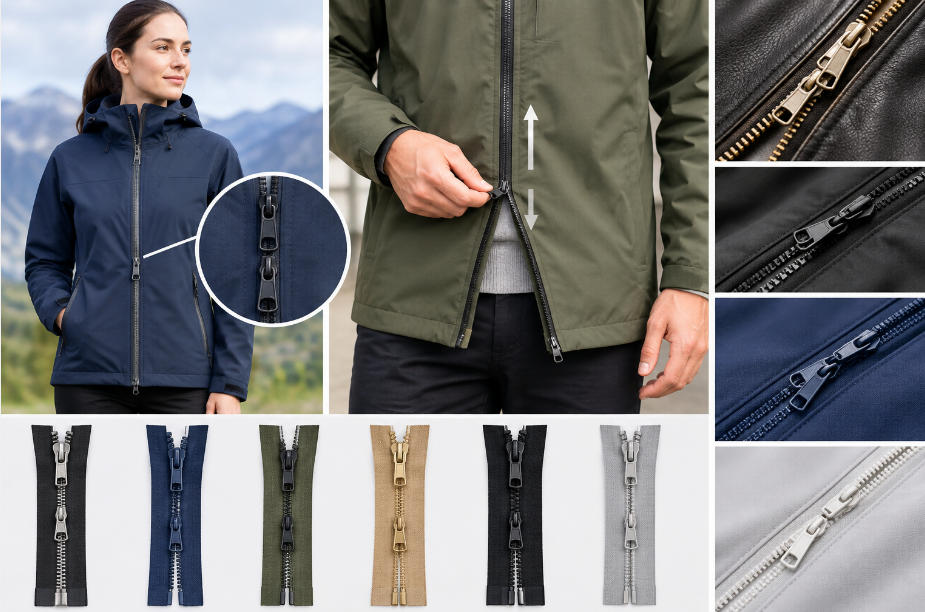
One of the main reasons for the growing popularity of two-way zippers is their ability to provide more flexible opening options. A traditional zipper usually opens from the top or bottom, depending on its design, while a two-way zipper allows users to adjust the opening from both ends.
For jackets, users can unzip the bottom section while keeping the upper section closed. This feature provides additional room for movement when sitting, walking, cycling, or driving. In luggage and travel bags, two-way zippers make it easier to access specific compartments without opening the entire bag.
This added convenience makes two-way zippers particularly attractive to consumers who value functionality in their everyday products.
Increasing Demand for Functional Clothing
Modern clothing design increasingly emphasizes comfort, mobility, and practical features. Two-way zippers support these requirements by allowing wearers to adjust how much of a garment is open without compromising the overall fit.
In long coats, winter jackets, parkas, and outdoor clothing, the lower slider can be opened to improve movement and reduce tension around the hips and legs. For outdoor enthusiasts, this feature is especially useful when hiking, climbing, or participating in other activities that require a wide range of motion.
Fashion brands also use two-way zippers to combine functionality with contemporary styling. They can create distinctive silhouettes, adjustable openings, and more versatile garment designs without sacrificing everyday usability.
Wider Applications in Luggage and Travel Bags
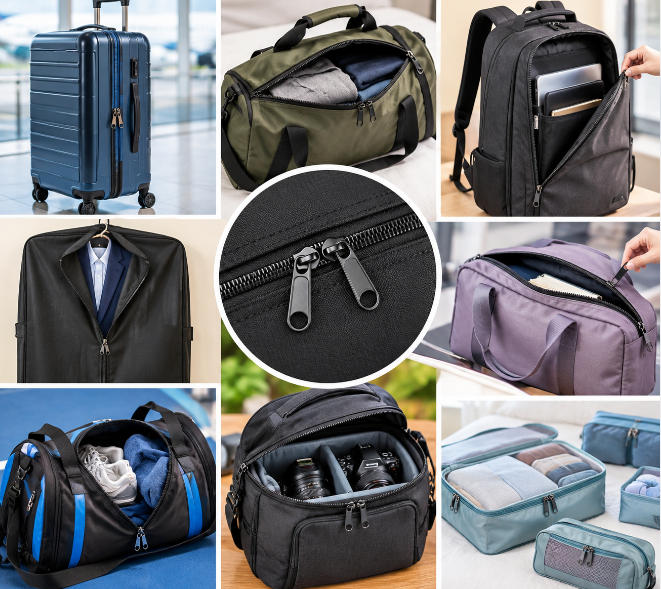
The luggage and travel accessories industries are another important driver of demand for two-way zippers. Suitcases, duffel bags, backpacks, and travel organizers often require convenient access and secure closures.
Two-way zippers allow users to open a bag from either end, making it easier to reach stored items and manage different compartments. On larger bags, two sliders can also provide more flexibility when opening and closing long zipper tracks.
For frequent travelers, these advantages can improve packing efficiency and make belongings easier to organize. For manufacturers, two-way zippers provide a practical design option for developing products that meet the needs of business travelers, tourists, and outdoor adventurers.
However, the performance of a two-way zipper depends on more than its slider design. Tooth or coil quality, zipper tape strength, slider compatibility, and construction accuracy all contribute to reliable operation.
Improved Comfort and Freedom of Movement
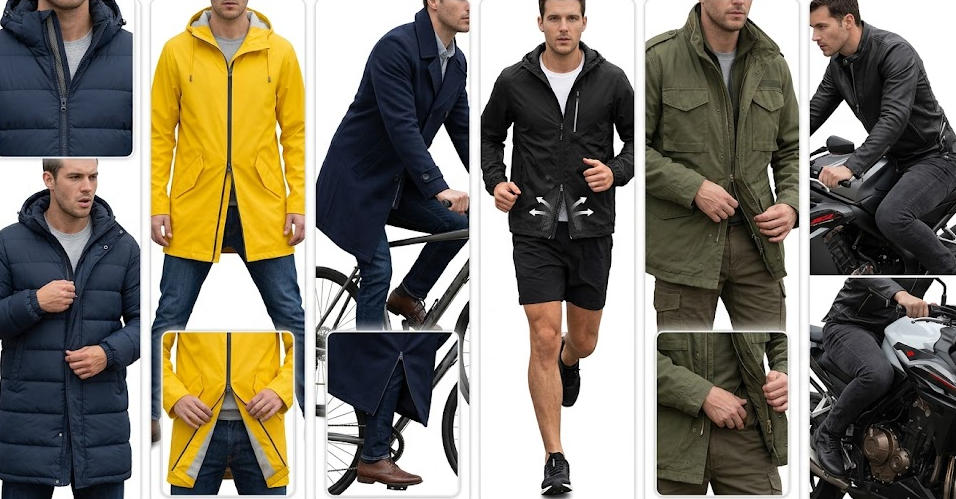
Comfort is a major consideration in modern apparel, particularly for garments designed for extended wear. Two-way zippers help address this need by allowing users to adjust the opening of a garment according to their activity and posture.
For example, a person wearing a long winter coat can open the bottom portion while sitting on public transportation or driving. This reduces bunching and makes the garment less restrictive. Similarly, outdoor jackets can be adjusted to provide better movement during exercise or demanding activities.
Two-way zippers can also help users regulate ventilation by adjusting the upper or lower opening, depending on the garment’s construction. Although they do not replace dedicated ventilation systems, they offer another way to customize comfort.
Growing Adoption in Outdoor and Performance Products
Outdoor and performance products often require components that can withstand frequent use while supporting mobility and adaptability. Two-way zippers are increasingly suitable for these applications because they provide adjustable access without requiring users to open an entire garment or compartment.
Common applications include hiking jackets, ski coats, camping equipment, tactical-style clothing, and specialized workwear. In these products, the ability to adjust an opening can improve convenience in changing environments.
Manufacturers must nevertheless select zipper materials and constructions according to the intended conditions. Products exposed to moisture, dirt, abrasion, or low temperatures may require corrosion-resistant components, durable tapes, or specialized zipper constructions.
For demanding applications, product testing is essential to ensure that the zipper performs consistently throughout its expected service life.
Design Versatility and Customization Opportunities
Another factor behind the growing popularity of two-way zippers is their compatibility with different product designs. They are available in various materials, sizes, colors, and finishes, allowing manufacturers to match zipper performance with the appearance and functional requirements of their products.
Common options include metal zippers, plastic molded-tooth zippers, and nylon coil zippers. Each type offers different characteristics in terms of appearance, weight, flexibility, durability, and cost.
Metal two-way zippers are often selected for fashion jackets, denim garments, and products that require a distinctive appearance. Plastic two-way zippers may suit outdoor clothing and products that benefit from lightweight construction, while nylon coil two-way zippers are useful for flexible garments, luggage, and bags.
Customization may also involve zipper length, tape color, slider style, puller design, and surface finish. These options allow brands to maintain visual consistency across product collections while meeting specific functional requirements.
Support for Premium and High-Value Products
Two-way zippers are frequently used in products where convenience, functionality, and perceived quality are important purchasing considerations. Their presence can help manufacturers create products with more sophisticated features and improved usability.
For premium outerwear, a two-way zipper can provide a more adaptable wearing experience. In travel bags, it can make access more convenient. In selected technical products, it can support specific operational requirements.
However, a two-way zipper alone does not automatically make a product premium. Its value depends on the overall design, material quality, manufacturing precision, and reliability of the finished product.
Brands seeking to differentiate their products should therefore consider two-way zippers as part of a broader product development strategy rather than as an isolated design feature.
Challenges and Considerations in Two-Way Zipper Applications
Despite their advantages, two-way zippers can introduce additional design and manufacturing considerations. Their two-slider construction may require more precise assembly and quality control than a comparable one-way zipper.
If either slider is poorly manufactured or incorrectly installed, the zipper may become difficult to operate. Incorrect sizing, weak tape materials, and inadequate reinforcement around the zipper ends can also affect long-term reliability.
Cost is another consideration. Depending on the materials and construction, two-way zippers may cost more than standard one-way alternatives. Manufacturers need to balance the added functionality against product pricing and customer expectations.
To achieve reliable performance, businesses should work with experienced zipper suppliers, define application-specific requirements, and test samples before committing to large production orders.
Summary
The growing popularity of two-way zippers reflects a broader shift toward practical, versatile, and user-focused product design. Their ability to open from either end makes them valuable in jackets, coats, luggage, backpacks, outdoor equipment, and other products that benefit from adjustable access.
For manufacturers, selecting the right two-way zipper involves evaluating material quality, slider performance, zipper dimensions, durability, and customization requirements. When these factors are carefully considered, two-way zippers can improve product functionality and help brands deliver a more convenient experience to their customers.

