Books introduce readers to memorable characters, imaginative worlds, and meaningful stories. From adorable animal companions and adventurous heroes to magical creatures and beloved storybook figures, these characters often become an important part of readers’ lives. Custom plush toys based on book characters offer a creative way to transform fictional personalities into soft, tangible companions that people can hold, display, and cherish.
With the development of custom plush toy manufacturing, businesses, publishers, independent authors, schools, and gift brands can turn literary characters into personalized stuffed toys. Through customized shapes, fabrics, colors, facial expressions, and accessories, custom plush manufacturers can capture each character’s distinctive features while creating attractive, high-quality products for different audiences.
Why Are Custom Book Characters Popular
Custom plush toys based on book characters combine storytelling with physical products, making them appealing to children, collectors, educators, and literary fans. Unlike ordinary stuffed animals, these toys represent specific characters, emotions, and stories that customers already recognize and appreciate.
For children, storybook plush toys can make reading more interactive and enjoyable. They can hold their favorite characters while listening to stories, recreating scenes, or developing their own imaginative adventures. For adult readers and collectors, character plush toys provide a way to celebrate favorite books and display their interests.
These products also offer commercial opportunities for publishers, authors, bookstores, and gift retailers. A well-designed plush toy can extend a book’s identity beyond its printed pages, helping build stronger connections between readers and literary properties.
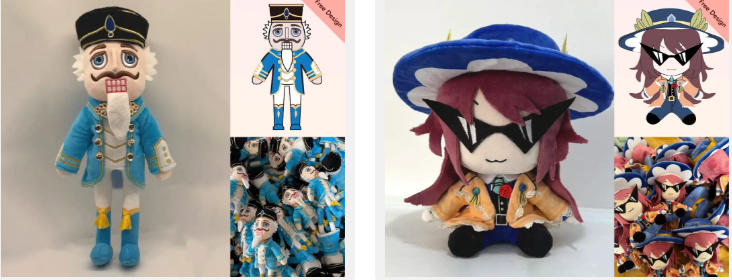
Popular Types of Book Character Plush Toys
Animal Characters
Animal characters are among the most versatile choices for custom plush toys. Rabbits, bears, foxes, owls, cats, and other fictional animals can be recreated using soft fabrics, embroidered facial features, and distinctive clothing or accessories.
Manufacturers can emphasize recognizable characteristics such as long ears, colorful tails, special markings, or signature outfits. These details help make each plush toy recognizable while maintaining a soft and appealing appearance.
Animal character plush toys are suitable for children’s gifts, bookstore merchandise, reading companions, and collectible product lines. Their adaptable designs also make it easier to develop multiple sizes or variations based on the same character.
Fantasy and Adventure Characters
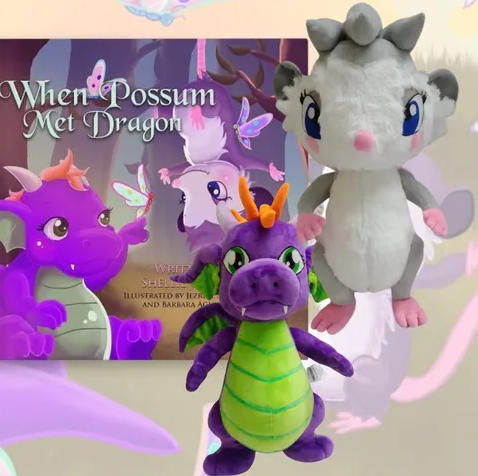
Fantasy books often feature magical creatures, mythical animals, imaginative monsters, and extraordinary heroes. Custom plush toys can bring these characters to life through unusual shapes, vibrant colors, embroidered symbols, and customized accessories.
For example, a fantasy creature might feature decorative wings, a unique horn, or colorful scales represented through carefully selected fabrics and embroidery. Complex designs may require additional sampling and construction work to ensure that the finished toy maintains its intended appearance.
These plush toys can appeal to readers who enjoy fantasy stories, adventure series, and imaginative fictional worlds. Limited-edition designs may also attract collectors interested in merchandise associated with their favorite books.
Human and Storybook Characters
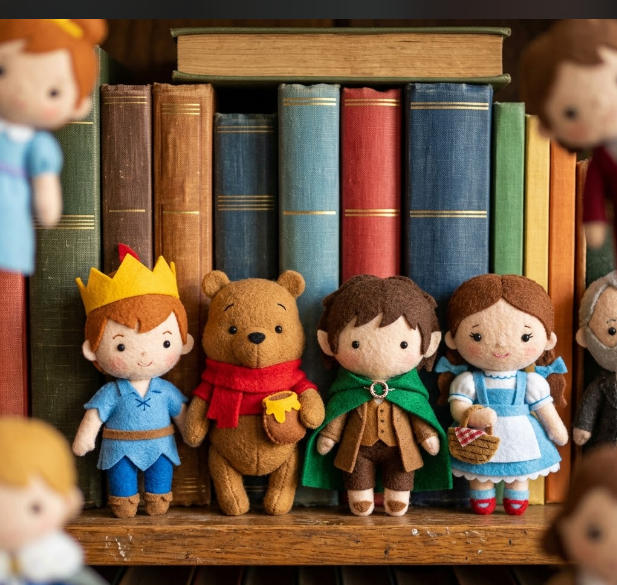
Human characters from children’s books, illustrated stories, and fictional adventures can also be transformed into plush toys. Their defining features may include hairstyles, clothing, hats, facial expressions, and signature objects.
Because human characters often require more detailed facial and clothing designs, manufacturers must carefully consider proportions, embroidery placement, fabric selection, and accessory construction. Simplified designs can help preserve a character’s identity while keeping the toy visually attractive and suitable for its intended audience.
Attention to small details is especially important when the character has a recognizable costume or distinctive appearance. Accurate design references and a carefully developed prototype can help ensure that the finished plush toy reflects the original illustration.
Educational and Reading-Themed Characters
Educational books and classroom stories provide another opportunity for custom plush toy development. Teachers, schools, libraries, and educational publishers can create plush characters that represent learning themes, reading programs, or original educational mascots.
These toys can support storytelling sessions, reading challenges, classroom activities, and literacy campaigns. When paired with books or reading kits, they can also become engaging promotional gifts that encourage children to develop positive reading habits.
Key Factors to Consider When Designing Book Character Plush Toys
Character Recognition and Design Accuracy
A successful custom book character plush should preserve the character’s most recognizable features. Important details may include body shape, color combinations, eye style, clothing, accessories, and distinctive expressions.
Before production, businesses should prepare clear design references, character illustrations, size requirements, and color specifications. These materials help designers and manufacturers understand the intended appearance and reduce misunderstandings during development.
For licensed characters, the design process should follow the rights holder’s approved artwork and brand guidelines. This is particularly important when producing merchandise for commercial sale.
Fabric and Material Selection
Fabric influences a plush toy’s texture, appearance, durability, and overall production cost. Short-pile plush fabric is suitable for many detailed character designs, while longer-pile materials can create a softer, fluffier appearance.
Other fabrics may be used for clothing, decorative elements, or contrasting textures. Embroidery is often appropriate for facial features and small details, especially for products intended for young children, because it can eliminate some detachable components.
Material selection should also account for color consistency, resistance to wear, ease of cleaning, and applicable product safety requirements. Manufacturers should confirm that the selected materials are suitable for the intended age group and destination market.
Size, Shape, and Construction
The size of a custom plush toy should reflect its intended purpose. Small plush toys may work well as promotional gifts, book merchandise, or collectible items, while larger versions can serve as display pieces or reading companions.
Manufacturers must also consider stuffing density, seam strength, proportions, and the placement of accessories. Proper construction helps the toy maintain its shape and withstand repeated handling.
For characters with unusual body shapes or multiple accessories, pattern development and sample testing are particularly important. These steps help ensure that the final product looks appealing and remains structurally sound.
Budget and Production Quantity
Custom plush toy costs depend on design complexity, toy size, fabric type, accessories, packaging, sampling, and order quantity. Characters with elaborate clothing, multiple fabric colors, or complex shapes may require additional development time and production steps.
Businesses should establish a target budget early in the process. Requesting a prototype before mass production can help identify design problems and reduce the risk of costly revisions.
Order quantity should also be considered when selecting a manufacturer. Some suppliers specialize in larger production runs, while others may accommodate smaller custom orders. Comparing the complete quotation, including sampling, packaging, and shipping, helps businesses make a more informed purchasing decision.
The Manufacturing Process for Custom Book Character Plush Toys
Character Research and Design Development
The manufacturing process begins with identifying the character’s essential visual features. Designers review approved illustrations, sketches, reference images, and product requirements to create a plush toy concept.
The design must then be adapted for three-dimensional construction. Certain details may need to be simplified because fabric and stuffing behave differently from illustrations on a printed page. The goal is to maintain the character’s identity while creating a design that can be manufactured consistently.
Pattern Making and Material Selection
Once the design is approved, pattern makers develop the fabric pieces required for the toy’s head, body, limbs, clothing, and accessories.
Manufacturers select suitable materials based on the desired texture, colors, durability, and budget. A well-developed pattern helps maintain consistent proportions during production and supports efficient fabric cutting and assembly.
Sample Production and Approval
A prototype allows the customer to evaluate the toy’s appearance, size, softness, stitching, and overall construction before placing a bulk order.
This stage is especially important for book characters because small differences in facial expression, clothing, or body proportions can affect character recognition. Customers can review the sample and request adjustments to the design, materials, or construction before approving mass production.
Clear communication during sampling helps prevent unnecessary revisions and keeps the project aligned with its original requirements.
Cutting, Sewing, and Stuffing
After sample approval, the selected fabrics are cut according to the production patterns. The pieces are sewn together, embroidered details are added, and the toy is filled with appropriate stuffing.
Quality control during assembly helps identify uneven stitching, inconsistent stuffing, incorrect colors, and other manufacturing defects. Careful workmanship is particularly important for products with intricate facial details or multiple fabric components.
Quality Inspection and Packaging
Finished plush toys should be inspected for appearance, construction, cleanliness, and compliance with applicable safety requirements. Depending on the product and destination market, testing may be necessary for mechanical hazards, flammability, chemical safety, or other regulated characteristics.
Packaging can include individual bags, customized labels, gift boxes, or coordinated book-and-plush sets. Attractive packaging helps present the product as a complete merchandise experience and can make it more suitable for retail displays and gifting.
Commercial Applications of Custom Plush Toys Based on Book Characters
Book Publishers and Independent Authors
Publishers and authors can use character plush toys to extend the reach of a book series, promote new releases, and create merchandise for loyal readers. Original characters with strong visual identities may be especially suitable for long-term product development.
Plush toys can also support book launches, author events, special editions, and promotional campaigns. When designed consistently with the original story, they can help readers develop a stronger emotional connection with the characters.
Bookstores and Gift Shops
Independent bookstores, gift retailers, and museum shops can offer character plush toys alongside books and related merchandise. Coordinated products can encourage customers to purchase a book and its matching character toy as a gift.
Retailers may also explore seasonal collections, collectible series, and themed gift packages to appeal to different customer groups. Custom packaging and distinctive designs can help products stand out in competitive retail environments.
Schools and Libraries
Schools and libraries can use original story characters as reading incentives, literacy program mascots, and educational activity companions. These products may help create a more engaging reading environment for children.
For example, a library could introduce a plush mascot as part of a reading challenge, while a school could use character toys during storytelling activities. Products intended for these settings should be designed with durability and age-appropriate safety in mind.
Subscription Boxes and Promotional Campaigns
Book subscription services can include plush characters in themed packages, seasonal promotions, or special-edition collections. Businesses can also use custom plush toys as campaign gifts when the relevant character rights and permissions have been secured.
Combining a plush toy with a matching book, character card, or activity guide can create a more complete product experience and increase the perceived value of a merchandise package.
Common Challenges in Developing Book Character Plush Toys
One common challenge is reproducing a character’s appearance accurately. Two-dimensional illustrations may include fine details that are difficult to recreate using fabric, embroidery, and stuffing. Designers can address this by identifying the character’s defining features and adapting less essential details to suit plush construction.
Color consistency is another consideration. Different fabrics may display colors differently under various lighting conditions, so manufacturers should confirm color references and review fabric samples before mass production.
Complex designs can also increase production costs. Multiple accessories, elaborate clothing, unusual shapes, and extensive embroidery may require additional labor and materials. Simplifying construction where appropriate can help balance visual accuracy with affordability.
Maintaining consistent quality across a large order requires clear specifications and systematic inspection. Approved samples, documented measurements, material standards, and production checks can help ensure that finished products remain consistent.
Intellectual property is equally important. Characters, illustrations, and story elements may be protected by copyright, trademarks, or other rights. Businesses should confirm that they have the necessary authorization before manufacturing or selling plush toys based on protected characters. Creating an original character inspired by broad literary themes does not automatically grant permission to reproduce protected designs or distinctive character elements.
How to Choose a Reliable Custom Plush Toy Manufacturer
Choosing the right manufacturer is essential for producing book character plush toys that meet design, quality, and budget expectations.
First, review the manufacturer’s experience with custom character plush toys. A supplier with relevant experience may be better equipped to handle distinctive shapes, embroidered expressions, multicolor designs, and customized accessories. Reviewing previous projects can help businesses assess the supplier’s design and manufacturing capabilities.
Second, examine the sampling and revision process. A reliable manufacturer should be able to explain how it develops patterns, prepares prototypes, incorporates feedback, and approves the final sample before mass production.
Third, evaluate material sourcing and quality control procedures. Ask about fabric consistency, stitching standards, stuffing materials, inspection processes, and the safety documentation available for the intended market.
Finally, discuss minimum order quantities, production lead times, packaging options, customization services, and shipping arrangements. Clear expectations help businesses evaluate the overall value of a supplier rather than focusing exclusively on the unit price.
Good communication is also essential. A manufacturer that understands the customer’s creative goals and provides practical production advice can help transform a literary character into a well-made plush product.
Future Trends in Book Character Plush Toys
The market for custom plush toys based on book characters may continue to benefit from growing interest in personalized gifts, collectible merchandise, and interactive reading experiences.
Personalization is one potential growth area. Businesses may develop different sizes, outfits, seasonal versions, or limited-edition designs based on original literary characters. These options can create distinctive products for different customer groups while supporting additional merchandise opportunities.
Another development is the combination of plush toys and reading experiences. A plush character may be packaged with a matching book, character biography, activity cards, or a QR code linking to authorized digital content. Such combinations can connect physical merchandise with storytelling and educational activities.
Sustainability is also an important consideration. Depending on product requirements and available materials, manufacturers may explore recycled fabrics, responsibly sourced packaging, and more efficient production processes. Environmental claims should always be supported by reliable material documentation and appropriate evidence.
At the same time, digital design tools and improved prototyping methods may help manufacturers refine character proportions, evaluate construction options, and reduce unnecessary sampling revisions. These developments can support more efficient customization while maintaining product quality.
Summary
Custom plush toys based on book characters offer a creative way to connect storytelling with tangible products. From animal companions and fantasy creatures to educational mascots and original storybook heroes, these toys can support reading engagement, personalized gifting, retail merchandise, and brand development.
Successful products depend on accurate character design, suitable materials, reliable construction, careful sampling, and consistent quality control. Businesses should also address intellectual property permissions and product safety requirements before commercial production.
By working with an experienced custom plush toy manufacturer, publishers, authors, retailers, and educational organizations can turn memorable literary characters into appealing plush products that extend the reading experience beyond the page.

