Biosafety cabinet standards are essential guidelines for the design, manufacture, installation, testing, and maintenance of biosafety cabinets used in laboratories, pharmaceutical facilities, biotechnology companies, and medical research institutions. These standards help ensure that biosafety cabinets provide appropriate protection for laboratory personnel, samples, and the surrounding environment when handling potentially hazardous biological materials.
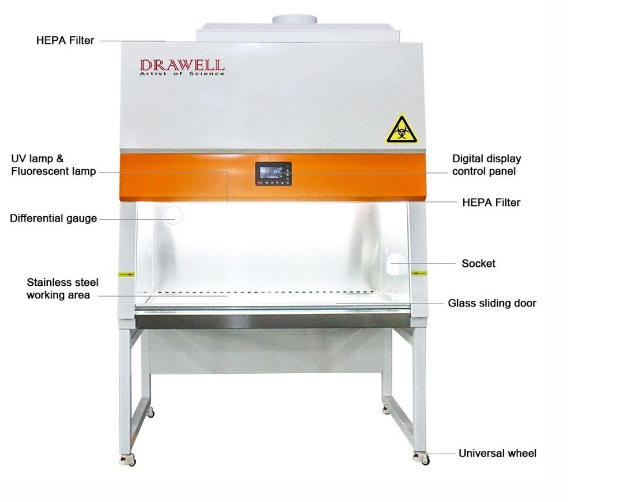
A biosafety cabinet (BSC) is an enclosed, ventilated workspace designed to control exposure to biological aerosols. Depending on its classification, a cabinet can provide personnel protection, product protection, and environmental protection through carefully controlled airflow and high-efficiency particulate air (HEPA) filtration. Understanding the relevant standards helps laboratory managers select suitable equipment, establish safe operating procedures, and maintain reliable containment performance.
Why Biosafety Cabinet Standards Matter
Compliance with recognized biosafety cabinet standards is important because cabinet performance directly affects laboratory safety. Improper airflow, damaged filters, inadequate containment, or incorrect installation can compromise protection even when a cabinet appears to be functioning normally.
Established standards provide consistent requirements for cabinet construction, airflow characteristics, filtration efficiency, containment testing, and operational performance. They also help manufacturers demonstrate that their equipment meets defined safety and quality expectations.
For laboratories handling infectious agents, cell cultures, biological samples, or other potentially hazardous materials, selecting a cabinet according to the appropriate standard is an important part of a broader biosafety program. However, a compliant cabinet does not eliminate the need for risk assessments, appropriate personal protective equipment, training, and proper laboratory procedures.
Major International Biosafety Cabinet Standards
NSF/ANSI 49
NSF/ANSI 49 is one of the most widely recognized standards for Class II biosafety cabinets, particularly in North America. It establishes performance and construction requirements for cabinets intended to protect laboratory personnel, the work product, and the surrounding environment.
The standard addresses important performance characteristics, including airflow patterns, HEPA filtration, cabinet integrity, containment capability, and testing procedures. It also provides a framework for evaluating cabinet performance under specified conditions.
Manufacturers and laboratories commonly use NSF/ANSI 49 as a reference when purchasing, certifying, and maintaining Class II biosafety cabinets. Buyers should confirm the applicable edition and whether a particular cabinet model is listed or certified under the relevant program, rather than assuming that every product described as compliant has undergone independent certification.
EN 12469
EN 12469 is a European standard addressing performance criteria for microbiological safety cabinets. It establishes requirements intended to support reliable containment and protection during microbiological laboratory work.
The standard covers aspects of cabinet performance such as personnel protection, product protection, environmental protection, and relevant testing methods. It is particularly relevant to laboratories and equipment suppliers operating in European markets.
When evaluating a cabinet for use in Europe, laboratories should check the applicable version of EN 12469 alongside relevant European Union requirements, national regulations, and workplace safety obligations. Product conformity, certification claims, and the scope of testing should be verified for the specific model.
AS 2252 Series
The AS 2252 series consists of Australian standards relating to biological safety cabinets and their performance. Different parts address different cabinet types and associated requirements.
These standards provide a framework for assessing cabinet construction, containment, filtration, and other safety-related characteristics, depending on the applicable part. Laboratories in Australia should identify the standard relevant to their cabinet classification and intended application.
Because standards can be revised and their scope can differ, users should consult the current applicable edition and relevant regulatory guidance before purchasing or certifying equipment.
ISO Standards and Related Requirements
ISO standards may also be relevant to biosafety cabinet manufacturing, laboratory quality management, cleanroom environments, and related testing activities. However, there is no single ISO standard that automatically replaces every biosafety cabinet-specific requirement.
For example, ISO 14644 addresses cleanrooms and associated controlled environments, while ISO 9001 addresses quality management systems. These standards can support quality assurance or environmental control, but they should not be treated as direct substitutes for a biosafety cabinet performance standard.
Laboratories should distinguish between standards that evaluate the cabinet itself and standards that apply to the surrounding facility, manufacturing processes, or quality management system.
Understanding Biosafety Cabinet Classifications
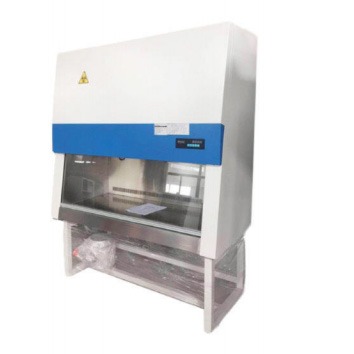
Biosafety cabinet classifications determine the type of protection a cabinet is designed to provide. Choosing the correct classification is just as important as checking compliance with a particular standard.
Class I Biosafety Cabinets
Class I biosafety cabinets primarily protect laboratory personnel and the surrounding environment. Air enters through the cabinet’s front opening and passes through the work area before being exhausted through an appropriate filtration system.
Because the incoming air is not HEPA-filtered before reaching the work surface, Class I cabinets generally do not provide the same level of product protection as Class II cabinets. They may be suitable for specific procedures where personnel and environmental protection are required but sample sterility is not the primary concern.
Class II Biosafety Cabinets
Class II biosafety cabinets are widely used in clinical, microbiological, pharmaceutical, and biotechnology laboratories. They use controlled airflow and HEPA-filtered air to provide personnel, product, and environmental protection.
Common Class II designs include Type A1, Type A2, Type B1, and Type B2. These configurations differ in airflow characteristics, exhaust arrangements, and suitability for particular laboratory applications.
Type A2 Class II cabinets are commonly used for routine microbiological work. Type B cabinets have different exhaust requirements and may be appropriate for certain applications involving volatile toxic chemicals or radionuclides when the cabinet is specifically designed, installed, and operated for that purpose. Chemical use must always be evaluated against the cabinet’s design and applicable safety requirements.
Class III Biosafety Cabinets
Class III biosafety cabinets are gas-tight, enclosed systems designed to provide a high level of containment for work involving particularly hazardous biological materials. Laboratory personnel typically manipulate materials through attached gloves rather than reaching directly into the work chamber.
These cabinets are generally used in specialized facilities where stringent containment is necessary. Their installation and operation require careful consideration of exhaust treatment, pressure control, decontamination, maintenance, and facility-level biosafety measures.
Key Performance Requirements Under Biosafety Cabinet Standards
Airflow Control and Containment
Airflow is one of the most important factors in biosafety cabinet performance. The cabinet must maintain its specified airflow characteristics to reduce the risk of biological aerosols escaping into the laboratory or contaminating the work area.
Depending on the cabinet type, testing may assess inflow velocity, downflow velocity, airflow uniformity, and containment performance. These parameters must be evaluated according to the relevant standard and the manufacturer’s specified design.
Room ventilation, nearby doors, personnel movement, and equipment placement can disturb airflow around the cabinet. Therefore, correct installation and appropriate laboratory layout are essential for maintaining the intended level of protection.
HEPA Filtration Efficiency
High-efficiency particulate air filtration is a fundamental component of many biosafety cabinets. HEPA filters capture airborne particles and help prevent biological aerosols from passing through the filtration system.
Filter efficiency alone, however, does not establish that a cabinet is safe. Filter integrity, correct installation, seals, airflow performance, and the overall cabinet design also affect containment.
Standards-based testing may include filter leak testing and other assessments to identify defects or bypass leakage. Laboratories should ensure that testing is performed using suitable methods by qualified personnel.
Cabinet Construction and Physical Integrity
Biosafety cabinet standards also address construction characteristics that affect durability, cleanability, and safe operation. Work surfaces, cabinet enclosures, viewing windows, access openings, and other components must be appropriate for their intended use.
A well-designed cabinet should allow routine cleaning and decontamination while minimizing areas where contamination can accumulate. Materials must also be compatible with the disinfectants and cleaning procedures used in the laboratory.
Noise, Lighting, and Operational Conditions
Noise levels, illumination, alarms, and other operating characteristics can influence usability and laboratory working conditions. Depending on the applicable standard, these characteristics may be subject to specified requirements or evaluation procedures.
Adequate lighting supports accurate sample handling, while clear alarms can alert users to abnormal operating conditions. These features complement the cabinet’s primary containment functions but cannot compensate for inadequate airflow or filtration performance.
Biosafety Cabinet Certification and Field Testing
Manufacturing certification and on-site testing serve different purposes. A manufacturer may demonstrate that a cabinet design meets a recognized standard, while field testing confirms that an individual unit is functioning properly after installation or during its service life.
Before a new cabinet is placed into service, qualified technicians should perform the inspections and performance tests required by the applicable standard, manufacturer, and institutional procedures. These checks may include airflow measurements, filter integrity testing, containment tests, and assessments of alarms or other safety-related functions.
Routine recertification is also important because filters can deteriorate, components can shift, and airflow can change over time. For many Class II cabinets used in settings following NSF/ANSI 49, annual field certification is a common practice and may be required by the relevant program or institution. The exact frequency should be determined by the applicable standard, local requirements, risk assessment, and manufacturer guidance.
Testing should also be considered after relocation, repairs affecting airflow or filtration, filter replacement, or other events that could compromise performance. A cabinet should not be assumed safe simply because its fan is running or its display shows normal operating conditions.
How to Choose a Biosafety Cabinet That Meets the Standards
Selecting a compliant biosafety cabinet begins with an assessment of the biological materials, procedures, and level of containment required. Laboratories should determine whether personnel protection alone is sufficient or whether product and environmental protection are also necessary.
The next step is to identify the relevant cabinet classification and applicable standard. A laboratory operating in Europe may evaluate EN 12469 and relevant European requirements, while a laboratory in North America may look for NSF/ANSI 49 compliance or certification. Requirements in other regions may reference national standards or other recognized frameworks.
Buyers should then review technical documentation, including the cabinet’s intended applications, airflow specifications, filtration arrangements, exhaust requirements, installation instructions, and testing records. Certification claims should be checked against the scope of the applicable standard and, where relevant, the certifying body’s records.
Installation and service support are also important considerations. A cabinet that meets manufacturing requirements can still provide inadequate protection if installed incorrectly or maintained poorly. Choosing a supplier that can provide qualified commissioning, field testing, replacement filters, and technical support can help maintain compliance throughout the cabinet’s service life.
Common Challenges in Biosafety Cabinet Compliance
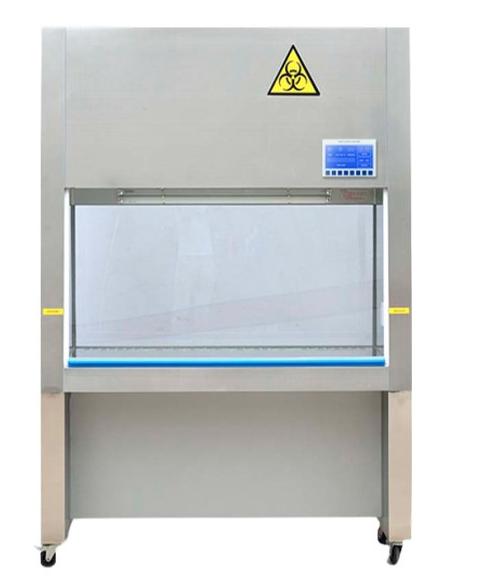
One common challenge is confusing biosafety cabinets with laminar airflow clean benches. Although both may use filtered air, a clean bench primarily protects the work product and is not designed to provide the same protection against hazardous biological materials for laboratory personnel. Using the wrong equipment can create serious exposure risks.
Another challenge is assuming that HEPA filtration alone guarantees biosafety. A damaged seal, incorrect airflow, unsuitable exhaust configuration, or poorly positioned cabinet can undermine protection even when the filter itself meets its efficiency specification.
Documentation gaps can also complicate compliance. Missing commissioning records, expired field certification, incomplete maintenance histories, or unclear certification claims make it difficult to establish whether equipment remains suitable for use. Laboratories can reduce these problems by maintaining an equipment register and scheduling testing and maintenance according to documented procedures.
Summary
Biosafety cabinet standards provide the foundation for evaluating the design, performance, and continued safe operation of laboratory containment equipment. NSF/ANSI 49, EN 12469, and relevant national standards address different regulatory and technical contexts, so laboratories must select the requirements appropriate to their location, cabinet classification, and intended use.
Reliable biosafety cabinet compliance involves more than purchasing equipment with a standards claim. It requires correct cabinet selection, verified performance, proper installation, regular field testing, qualified maintenance, and trained personnel. By treating compliance as an ongoing process, laboratories can strengthen biological containment, protect research materials, and support safer laboratory operations.

