Zippers are widely used in clothing, luggage, footwear, outdoor products, and industrial applications. Although zippers are relatively small components, their quality has a significant impact on the functionality, appearance, and durability of the final product. A zipper that operates smoothly and withstands repeated use requires careful control of materials, design, manufacturing processes, and inspection standards.
Poor-quality zippers may experience issues such as broken teeth, slider failure, uneven closing, tape damage, or reduced resistance to environmental conditions. Understanding the key factors affecting zipper quality allows manufacturers and buyers to select suitable zipper solutions and improve product reliability.
Material Selection Determines Basic Zipper Performance
The materials used in zipper production are one of the most important factors influencing overall quality. Different zipper types require different materials to achieve the desired strength, flexibility, and durability.
Metal zippers are commonly made from materials such as brass, aluminum alloy, and zinc alloy. The quality of these metals affects tooth strength, corrosion resistance, surface appearance, and long-term durability. High-quality metal teeth should maintain stable engagement without deformation after repeated opening and closing.
Nylon coil zippers depend on flexible and wear-resistant synthetic materials. The quality of nylon fibers determines the zipper’s smooth operation, elasticity, and ability to withstand bending and repeated movement. Poor-quality materials may lead to coil breakage or reduced performance.
Plastic zippers require suitable resin materials to balance hardness and flexibility. High-quality plastic materials provide better impact resistance and help prevent tooth cracking during use.
Tooth Structure and Manufacturing Precision Affect Reliability
The zipper teeth are the core components responsible for fastening and separating the zipper chain. Their design accuracy and manufacturing consistency directly influence zipper performance.
During production, tooth size, spacing, alignment, and attachment strength must be carefully controlled. If the teeth are unevenly positioned or incorrectly formed, the slider may become stuck or fail to close the zipper properly.
For metal zippers, precise stamping processes ensure that each tooth has consistent dimensions and strength. For plastic and nylon zippers, accurate molding and forming processes help maintain stable tooth structures. Advanced production equipment and strict process monitoring are important for reducing defects and improving product consistency.
Slider Design and Manufacturing Quality Influence User Experience
The slider controls the opening and closing movement of a zipper, making it one of the most critical components affecting user experience. A high-quality slider should move smoothly while maintaining a secure connection between the zipper teeth.
The performance of a slider depends on its material strength, internal structure accuracy, surface treatment, and compatibility with the zipper chain. If the slider is poorly manufactured, it may become loose, break, or fail to properly lock the teeth together.
For applications requiring frequent use, such as jackets, backpacks, and luggage, slider durability is especially important. A well-designed slider improves smooth operation and extends the overall service life of the zipper.
Zipper Tape Strength Affects Overall Durability
The zipper tape provides the foundation that supports the teeth and connects the zipper to the finished product. Its quality directly affects the zipper’s ability to withstand pulling forces and repeated movement.
Strong zipper tape requires high-quality fibers, stable weaving structures, and good resistance to stretching and shrinking. If the tape lacks strength, it may tear away from the teeth or become deformed during use.
For heavy-duty applications such as outdoor equipment, workwear, and luggage, manufacturers often require stronger tape materials to ensure reliable performance under higher stress conditions.
Manufacturing Processes Determine Product Consistency
A zipper’s quality depends not only on individual components but also on how accurately those components are assembled. Manufacturing processes such as tooth attachment, tape weaving, slider installation, and finishing treatments must be carefully controlled.
Small production errors can affect zipper performance. For example, incorrect tooth positioning may cause poor engagement, while improper slider assembly may reduce smoothness. Consistent production processes help ensure that every zipper meets the same performance requirements.
Professional zipper manufacturers typically use automated equipment, process monitoring systems, and quality management procedures to maintain stable production quality.
Surface Treatment Improves Appearance and Protection
Surface treatment plays an important role in improving both the appearance and durability of zippers. This is especially important for metal zippers, where plating, coating, and polishing processes affect corrosion resistance and visual quality.
A high-quality surface finish helps prevent problems such as oxidation, discoloration, and coating peeling. For fashion products, color consistency and surface texture are also important factors influencing the final appearance.
Proper finishing processes allow zippers to maintain their appearance and performance even under challenging conditions such as frequent washing, humidity, or outdoor exposure.
Proper Zipper Selection Ensures Application Performance
Even a well-manufactured zipper may not perform effectively if it is unsuitable for the intended application. Different products require different zipper structures, sizes, and strength levels.
Lightweight zippers are commonly used for garments and accessories, while stronger zippers are required for luggage, outdoor products, and industrial applications. Selecting the correct zipper type helps prevent premature failure and improves product functionality.
Manufacturers should consider factors such as usage frequency, load requirements, environmental conditions, and product design when choosing zipper specifications.
Quality Inspection Ensures Stable Performance
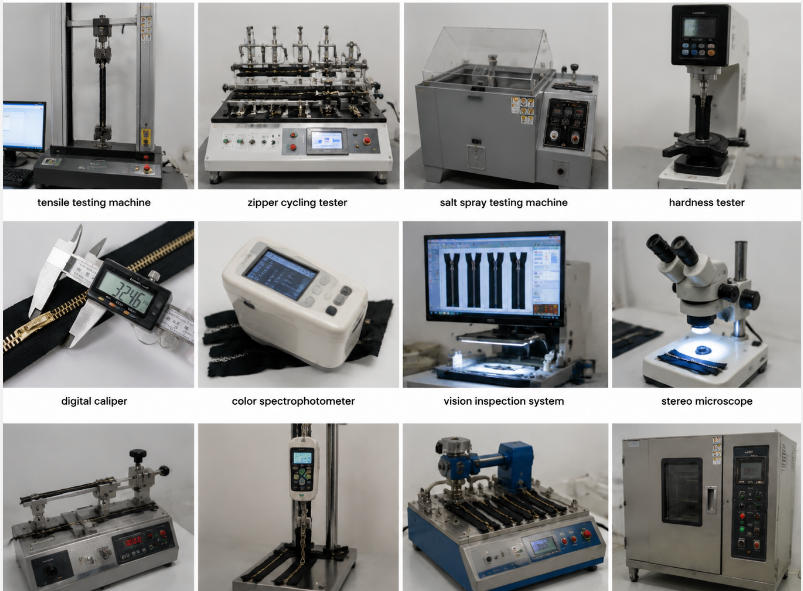
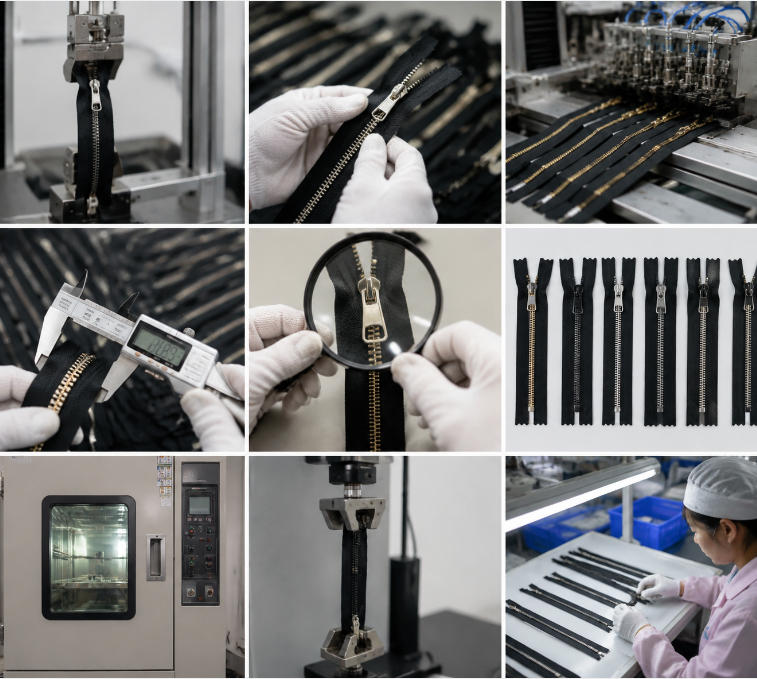
Quality inspection is essential for identifying potential defects and ensuring reliable zipper performance. Professional manufacturers usually conduct multiple tests throughout production and before shipment.
Testing may include evaluations of pulling strength, slider movement, tooth engagement, color stability, washing resistance, and repeated opening and closing performance. These inspections help ensure that zippers can meet the requirements of different industries and applications.
Strict quality control also reduces production problems for downstream manufacturers and improves customer satisfaction.
Customization Capability Affects Special Zipper Applications
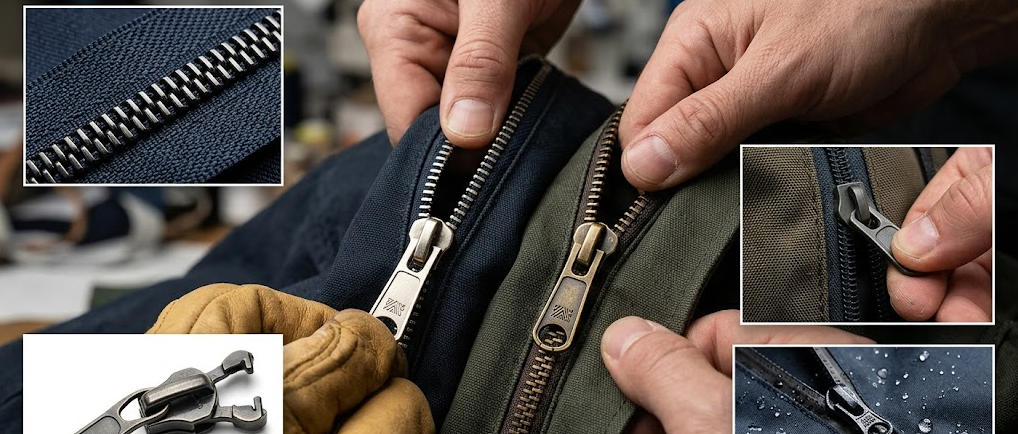
Many brands require customized zippers with specific colors, sizes, finishes, puller designs, or packaging methods. The ability to provide customization while maintaining consistent quality is an important factor when selecting a zipper supplier.
Reliable customization requires accurate production control, advanced manufacturing technology, and effective communication between suppliers and customers. A capable manufacturer can provide unique zipper solutions without compromising durability or performance.
Final Words
Zipper quality is influenced by multiple factors, including material selection, tooth precision, slider design, tape strength, manufacturing processes, surface treatment, application matching, and quality inspection. Each component and production stage contributes to the final performance of the zipper.
For clothing brands, luggage manufacturers, and other product developers, choosing a reliable zipper supplier with strong manufacturing capabilities and strict quality control is essential for achieving durable, functional, and visually appealing products. High-quality zippers not only improve user experience but also enhance the overall value and reliability of finished products.
 China manufacturers