Packaging plays a critical role in protecting products, providing essential information, and creating a positive customer experience. However, packaging errors can occur during high-speed production processes, resulting in incorrect shipments, product recalls, regulatory problems, and financial losses. Common issues such as missing labels, incorrect printing, damaged packaging, wrong product placement, and sealing failures can negatively affect both manufacturers and consumers.
To overcome these challenges, many industries are adopting vision inspection systems as an advanced automated quality control solution. By combining industrial cameras, intelligent image processing technology, artificial intelligence, and real-time monitoring, vision inspection systems can identify packaging defects quickly and accurately before products leave the production line.
The Role of Vision Inspection Systems in Modern Packaging Quality Control
A vision inspection system is an automated technology that captures images of products and packaging during manufacturing and compares them with predefined quality standards. Unlike traditional manual inspection methods, which depend heavily on human attention and experience, vision systems provide continuous and consistent inspection performance.
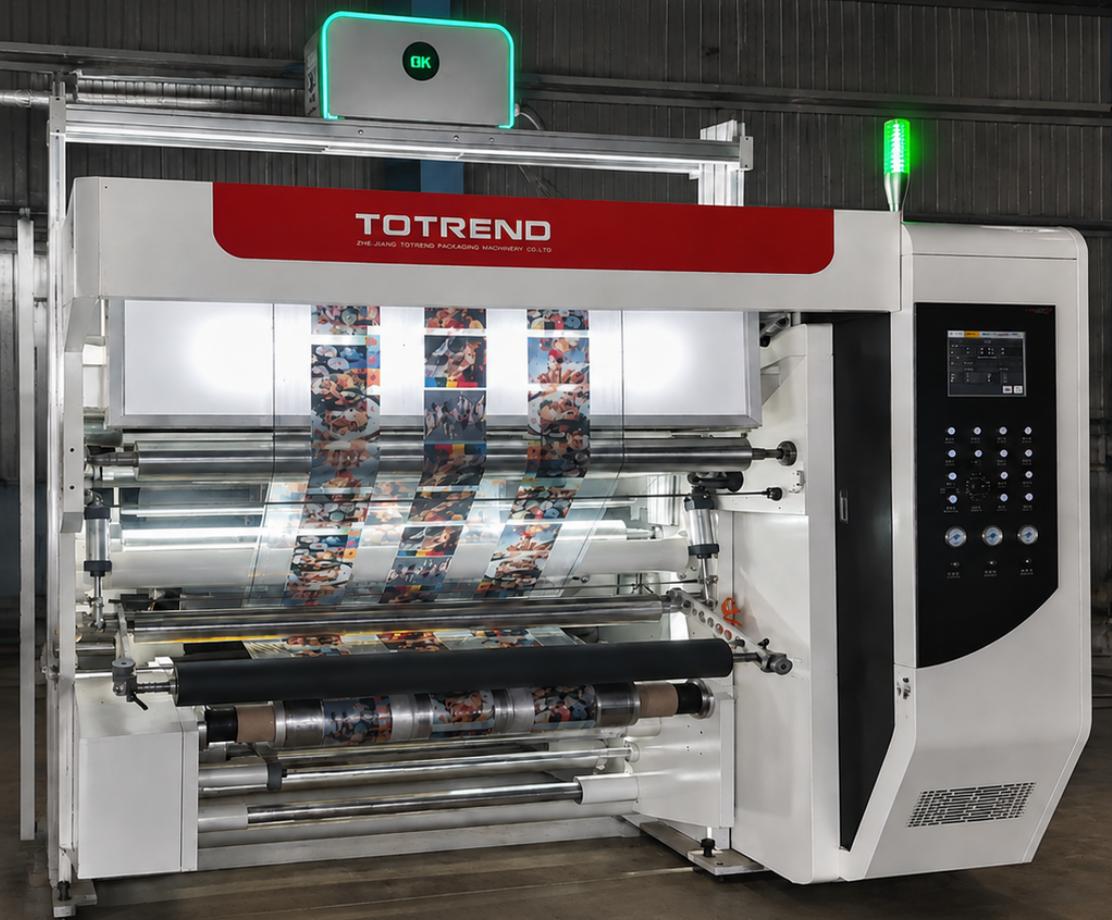
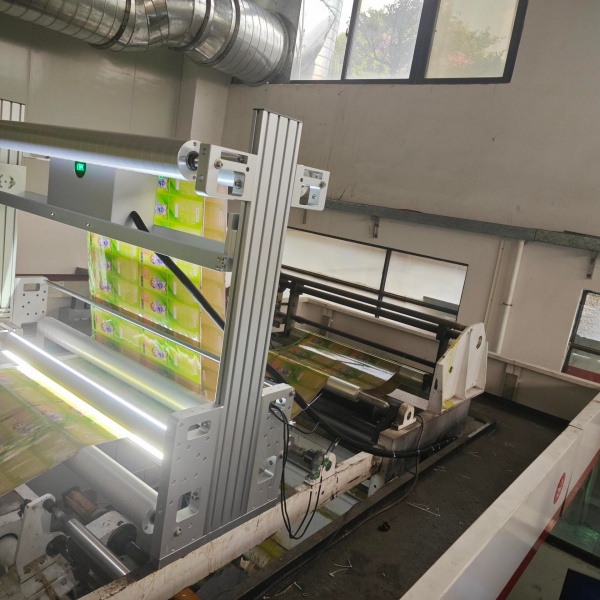
During the packaging process, cameras are installed above or around production lines to capture detailed images of every product. Specialized software analyzes these images to determine whether the packaging meets required specifications. If an error is detected, the system can immediately send a signal to remove the defective item or alert operators.
This automated inspection process allows manufacturers to maintain high-quality standards while increasing production efficiency.
Detecting Incorrect Labels and Product Information
One of the most common packaging problems is incorrect or missing labeling. Labels contain important information such as product names, ingredients, usage instructions, barcodes, batch numbers, and expiration dates. Any mistake in this information can create serious problems, especially in industries such as food, pharmaceuticals, and cosmetics.
Vision inspection systems use high-resolution cameras and optical character recognition technology to verify label accuracy. They can check whether labels are present, positioned correctly, printed clearly, and matched with the correct product. The system can also read barcodes and printed codes to confirm product identification and traceability.
By automatically inspecting every package, manufacturers can prevent incorrect products from reaching customers and reduce the risk of costly recalls.
Preventing Printing and Coding Errors
Printing quality is another important factor in packaging inspection. Poor printing, missing characters, incorrect colors, or unclear codes can affect product identification and brand appearance.
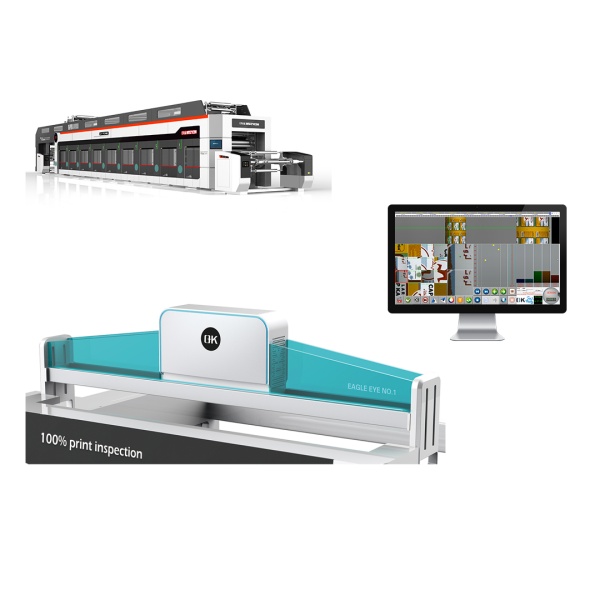
Vision inspection systems are widely used to examine printed packaging materials, including cartons, bottles, flexible packaging films, and labels. Advanced image processing technology can detect small differences between actual printing and approved designs.
For example, the printing quality inspection system can identify blurred text, incorrect batch codes, faded printing, or misplaced graphics. This ensures that packaging maintains consistent appearance and that important product information remains readable throughout the product lifecycle.
Ensuring Proper Product Placement and Package Completeness
Many packaged products require multiple components to be included before sealing. A missing accessory, instruction manual, or product part can result in customer dissatisfaction and additional handling costs.
Vision inspection systems help verify that all required items are correctly placed inside packages. Through image comparison and pattern recognition, the system can determine whether the package contains the correct components and whether products are positioned properly.
This technology is especially useful in industries such as electronics, medical devices, and consumer goods, where packaging accuracy is essential.
Inspecting Seals, Closures, and Packaging Integrity
Packaging integrity directly affects product safety and shelf life. Problems such as incomplete seals, improperly installed caps, damaged edges, or leaking containers can cause products to fail quality requirements.
Vision inspection systems provide detailed inspection of sealing areas and closure components. Cameras can identify irregularities that may be difficult for human inspectors to detect, especially when production lines operate at high speeds.
In industries such as food, beverages, and pharmaceuticals, automated seal inspection helps ensure that products remain safe, clean, and properly protected during transportation and storage.
Reducing Human Errors in Packaging Inspection
Manual packaging inspection has traditionally been used in many manufacturing facilities, but it has several limitations. Workers performing repetitive inspection tasks may experience fatigue, reduced concentration, and inconsistent judgment over long production periods.
Vision inspection systems eliminate many of these challenges by providing objective and repeatable inspection results. They can operate continuously without performance changes caused by human factors.
This allows manufacturers to improve inspection accuracy while reducing dependence on manual quality checks.
Improving Production Efficiency Through Real-Time Detection
One of the greatest advantages of vision inspection systems is their ability to detect problems immediately during production. Instead of discovering packaging defects after products have already been shipped, manufacturers can identify and correct issues at the source.
When a defect is detected, the system can automatically trigger alarms, stop production equipment, or activate a rejection mechanism. This prevents defective products from moving further through the supply chain.
Real-time inspection also helps manufacturers reduce material waste, minimize rework, and improve overall production efficiency.
The Impact of Artificial Intelligence on Packaging Inspection
Modern vision inspection systems are becoming more powerful with the integration of artificial intelligence and deep learning technologies. Traditional inspection systems often rely on predefined rules, while AI-based systems can learn from large amounts of image data and recognize complex defects.
AI-powered vision packaging quality inspection systems can identify subtle packaging variations, detect unusual patterns, and improve inspection accuracy over time. They are particularly valuable for products with complex designs or frequent packaging changes.
With advanced algorithms, manufacturers can achieve smarter quality control and adapt quickly to changing production requirements.
Applications Across Different Industries
Vision inspection systems are used in a wide range of packaging applications. In the food and beverage industry, they help inspect labels, seals, bottle caps, and expiration dates. In pharmaceutical manufacturing, they ensure accurate medication labeling, packaging completeness, and regulatory compliance. In electronics production, they verify product placement, accessories, and identification codes.
Cosmetics companies also use vision inspection technology to maintain attractive packaging appearance by checking container quality, label alignment, and printing consistency.
The flexibility of vision inspection systems allows them to support different packaging formats, materials, and production environments.
Future Development of Vision Inspection Systems in Packaging
As manufacturing moves toward greater automation, vision inspection systems will continue to evolve. Future systems are expected to include more advanced artificial intelligence capabilities, faster image processing, 3D inspection technology, and stronger integration with smart factory platforms.
Connected vision inspection solutions will allow manufacturers to collect quality data, analyze production trends, and improve processes through real-time information. These developments will make packaging operations more efficient, reliable, and intelligent.
Final Thoughts
Vision inspection systems have become an essential tool for preventing packaging errors and improving product quality. By automatically detecting labeling mistakes, printing defects, missing components, sealing problems, and appearance issues, these systems help manufacturers maintain consistent standards while reducing waste and production costs.
With the continued advancement of artificial intelligence, automation, and smart manufacturing technologies, vision inspection systems will play an increasingly important role in creating safer, more efficient, and more reliable packaging processes.

