Plush toys are popular products that combine comfort, creativity, and emotional value. Whether they are designed as children’s companions, promotional gifts, collectible items, or brand mascots, the size of a plush toy plays an important role in determining its appearance, usability, and market appeal. Customizing sizes in plush toys allows manufacturers and designers to create products that better match specific customer requirements, target audiences, and application scenarios.
From small keychain plush toys to oversized decorative plush figures, size customization provides flexibility in design and production. By carefully considering dimensions, proportions, materials, and manufacturing techniques, customized plush toys can achieve both visual appeal and practical functionality.
The Importance of Size Customization in Plush Toys
The size of a plush toy directly influences how consumers interact with the product. A small plush toy is easy to carry, store, and use as a promotional item, while a large plush toy can create a stronger visual impact and provide a more comfortable hugging experience. Customizing the size allows businesses to develop plush products that meet different consumer expectations.
For children, size selection affects safety, handling convenience, and play experience. Younger children often prefer lightweight plush toys that are easy to hold, while older children may enjoy larger plush characters for imaginative play. For collectors, customized sizes can help create accurate replicas of characters or limited-edition display pieces.
Businesses also benefit from size customization because it allows plush toys to match specific marketing goals. A company mascot may require a large plush version for exhibitions and events, while smaller versions may be produced as giveaways or retail merchandise.
Different Size Options for Customized Plush Toys
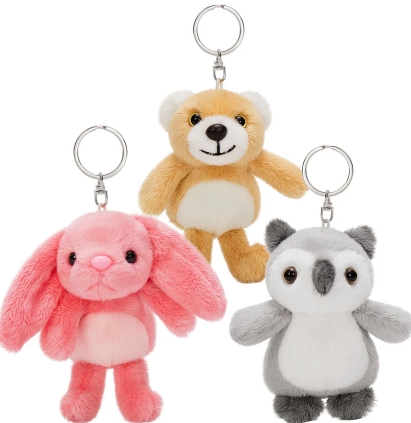
Plush toys can be customized in a wide range of sizes depending on their purpose and design requirements. Small plush toys, usually ranging from a few centimeters to around 20 centimeters, are commonly used for keychains, accessories, prizes, and promotional gifts. Their compact size makes them convenient for mass production and distribution.
Medium-sized plush toys are among the most common choices for retail products. They typically provide a balance between appearance, cost, and usability. These plush toys are large enough to show detailed designs while remaining easy for consumers to carry and display.
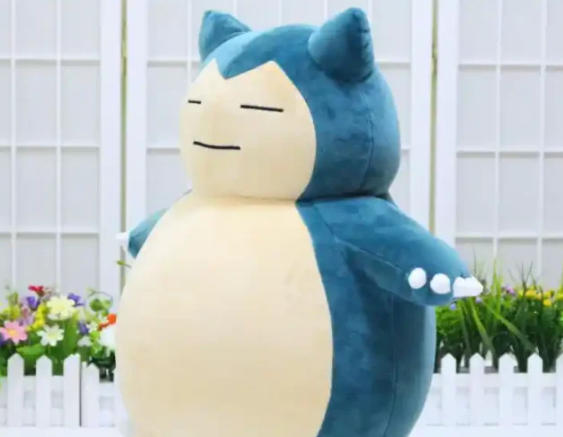
Large and oversized plush toys are often created for special occasions, brand promotions, home decoration, or collector markets. These products can become eye-catching displays because of their impressive size and unique visual presence. However, larger plush toys require careful consideration of filling materials, stitching strength, and packaging solutions.
Factors Affecting Plush Toy Size Customization
When customizing plush toy sizes, several factors need to be considered to ensure the final product meets quality and functional expectations.
The first factor is the intended use of the plush toy. A plush toy designed for children’s daily play may require a comfortable handheld size, while a promotional mascot used at trade shows may need a larger size to attract attention. Understanding the product purpose helps determine the most suitable dimensions.
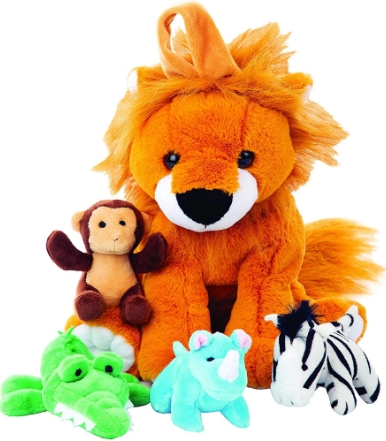
The character design also influences size customization. Some plush characters require specific proportions to maintain their original appearance. For example, animal plush toys may need larger heads, shorter limbs, or unique body shapes to create a cute and recognizable style. Designers must adjust measurements carefully to preserve the character’s identity.
Material selection is another important consideration. Larger plush toys require stronger fabrics and more filling support to maintain their shape. Smaller plush toys may need softer materials and precise stitching because small design details become more noticeable.
Production costs also change according to size. Increasing the dimensions of a plush toy requires more fabric, stuffing materials, labor time, and packaging space. Manufacturers usually evaluate the balance between desired size and production budget to achieve an efficient solution.
Size Customization for Different Target Markets
Different customer groups have different preferences for plush toy sizes. Understanding these differences helps manufacturers create products with stronger market appeal.
For children, plush toys are usually designed with safety and comfort as priorities. Medium-sized plush toys are often preferred because they are easy to carry while still providing a satisfying hugging experience. Smaller plush toys are also popular for younger children because they are lightweight and manageable.
For adult collectors, size customization often focuses on accuracy, display value, and uniqueness. Collectors may prefer larger plush toys that showcase detailed embroidery, special fabrics, or limited-edition designs. Customized dimensions can help create premium collectible products.
For businesses, customized plush toy sizes are often connected to branding strategies. Large customized mascot plush toys can be used for promotional events, while smaller versions can be distributed as customer gifts or merchandise. The ability to produce multiple sizes of the same character provides greater flexibility for marketing campaigns.
Manufacturing Considerations for Customized Plush Toy Sizes
Producing plush toys in customized sizes requires careful planning throughout the manufacturing process. Designers first create size specifications and prototypes to confirm the appearance and proportions. Sample production helps identify possible issues related to shape, stability, and material usage.
During production, cutting patterns must be adjusted according to the selected dimensions. Larger plush toys may require reinforced seams and stronger internal structures, while smaller plush toys demand precise sewing techniques to maintain quality details.
Quality inspection is especially important for customized sizes. Custom plush manufacturers check whether the final product matches the requested measurements, maintains its intended shape, and meets safety standards. Proper size control ensures consistency, especially for large production orders.
Final Thoughts
Customizing sizes in plush toys provides greater flexibility for creating products that meet different functional, aesthetic, and commercial requirements. The right size can improve user experience, strengthen brand recognition, and enhance the overall value of a plush toy.
By considering factors such as target audience, character design, materials, production costs, and application scenarios, manufacturers can develop customized plush toys that achieve the ideal balance between creativity and practicality. As personalization trends continue to expand, size customization will remain a key element in the development of innovative and attractive plush toy products.

