Drilling operations involve complex interactions between geological formations, drilling fluids, pressure systems, and surface equipment. Among all operational challenges, maintaining well control is one of the most important responsibilities for drilling teams. A loss of well control can result in serious incidents such as formation damage, equipment failure, environmental pollution, or even catastrophic blowouts. Therefore, developing strong well control skills is essential for ensuring safe and efficient drilling activities.
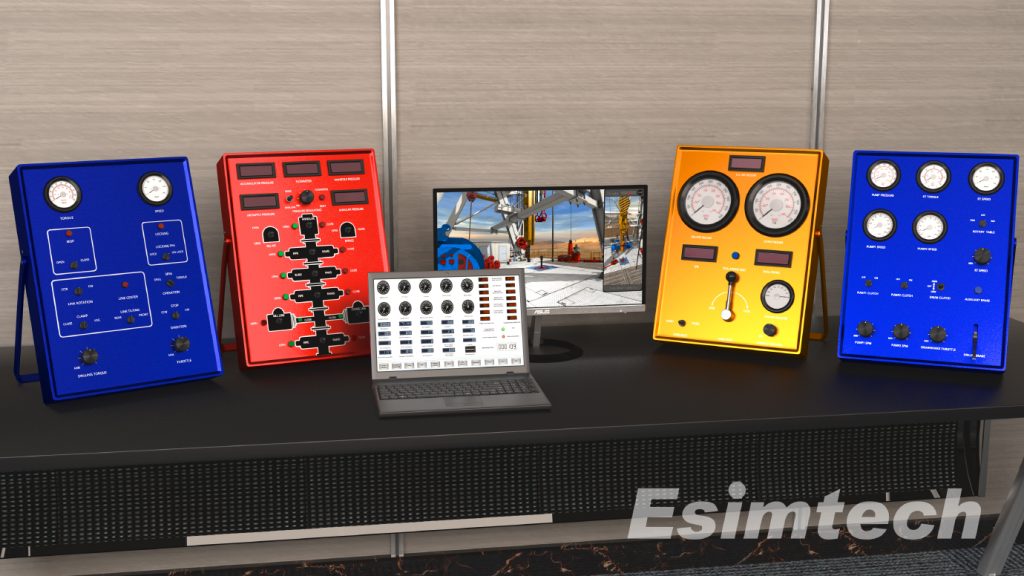
Well control simulators have emerged as advanced training and operational preparation tools that allow drilling personnel to experience realistic drilling conditions in a controlled environment. By reproducing the behavior of a real well system, these simulators enable operators to practice detecting abnormal conditions, analyzing pressure changes, and applying appropriate control procedures without the risks associated with live operations.
The Role of Well Control Simulators in Drilling Safety
Well control simulators are designed to replicate the complex conditions encountered during drilling, including pressure fluctuations, fluid movement, equipment responses, and emergency situations. Unlike traditional classroom training, simulation-based learning provides an interactive environment where trainees can experience the consequences of their decisions.
In actual drilling operations, problems such as kicks or unexpected pressure increases often develop rapidly. Personnel must recognize early warning signs and respond correctly within a limited time. Well control simulators help build these critical skills by creating realistic scenarios that challenge operators to monitor conditions, evaluate risks, and take corrective actions.
By allowing repeated practice, simulators improve operator confidence and reduce the possibility of human errors during real drilling activities. They also help organizations establish consistent training standards across different teams and locations.
Creating Realistic Drilling Environments Through Simulation Technology
The effectiveness of a well control simulator depends on its ability to accurately reproduce real drilling conditions. Modern systems use advanced computer models to simulate the behavior of a wellbore, including formation pressure, mud circulation, gas influx, and surface equipment performance.
During a simulation session, trainees interact with a virtual drilling environment that closely resembles an actual rig. They can monitor drilling parameters, adjust operational settings, and respond to changing well conditions. The drilling and well control simulator continuously calculates the impact of their actions, allowing them to understand how decisions influence well stability.
Advanced simulation models can reproduce various drilling challenges, such as loss of circulation, pressure imbalance, improper drilling fluid management, and equipment malfunctions. This realistic approach helps trainees develop a deeper understanding of well behavior and improves their ability to handle unexpected situations.

Enhancing Operator Skills Through Practical Training
One of the greatest advantages of well control simulators is their ability to transform theoretical knowledge into practical experience. Although classroom instruction provides important information about drilling principles and safety procedures, it cannot fully reproduce the complexity and urgency of real incidents.
Simulation-based training places operators in realistic situations where they must apply their knowledge under pressure. They learn how to interpret drilling data, communicate with team members, and select appropriate responses during emergencies.
For example, a simulator can recreate a scenario where abnormal pressure is detected while drilling. The trainee must identify the warning signs, determine the cause, and perform the correct well control procedures. Through repeated exercises, operators become more familiar with emergency responses and develop faster decision-making abilities.
Supporting Offshore and Complex Drilling Operations
Well control simulators are particularly valuable for offshore drilling activities, where operational risks are often higher due to deepwater environments, remote locations, and complex equipment systems. Offshore crews must be prepared to manage challenging situations involving subsea equipment, high formation pressures, and limited response options.
Oil and gas simulation technology allows offshore personnel to practice difficult scenarios before encountering them in real operations. Crews can train for deepwater well control events, subsea blowout preventer operations, and emergency procedures without affecting ongoing drilling activities.
For companies involved in challenging exploration projects, well control simulators provide a practical method for improving workforce readiness and reducing operational risks.
Integration of Digital Technologies in Well Control Simulation
The development of digital technologies has significantly improved the capabilities of modern well control simulators. Advanced systems now incorporate artificial intelligence, data analytics, virtual reality, and digital twin technologies to create more intelligent and immersive training environments.
Virtual reality technology enhances simulation realism by allowing trainees to interact with a three-dimensional representation of drilling equipment and operating environments. This improves situational awareness and helps users better understand equipment locations and operational procedures.
Artificial intelligence can analyze trainee performance by evaluating response times, operational choices, and error patterns. These insights allow instructors to identify weaknesses and customize future training programs.
Digital twin technology further expands simulator capabilities by creating virtual models that represent actual drilling systems. These models can be used to analyze operational conditions, predict potential problems, and improve decision-making processes.
Improving Operational Efficiency Through Simulation-Based Planning
Beyond personnel training, well control simulators can support drilling planning and operational optimization. Engineers can use simulation systems to evaluate different drilling strategies, test procedures, and study potential risks before beginning field operations.
By analyzing simulated scenarios, drilling teams can identify possible challenges and develop more effective response plans. This proactive approach helps reduce downtime, improve resource utilization, and increase overall operational efficiency.
Simulation technology also supports communication and teamwork among drilling personnel. Since well control incidents require coordination between multiple departments, simulator exercises help teams practice collaboration and improve emergency response organization.
Final Thoughts
Well control simulators have become essential tools for improving safety, operational performance, and workforce capability in the oil and gas industry. By providing realistic drilling environments and allowing personnel to practice critical responses, these systems help reduce risks associated with well control incidents.
As technology continues to advance, well control simulators will play an increasingly important role in preparing drilling teams for future challenges. Through the integration of digital twins, artificial intelligence, and immersive simulation technologies, they will continue to support safer, more efficient, and more reliable drilling operations worldwide.

