Printing defects can significantly affect product quality, increase material waste, and reduce production efficiency. Whether in packaging, labels, newspapers, textiles, or commercial printing, even minor defects can lead to customer complaints and financial losses. As printing technology continues to advance, manufacturers are adopting improved processes, automated print inspection systems, and intelligent control technologies to minimize defects and maintain consistent quality.
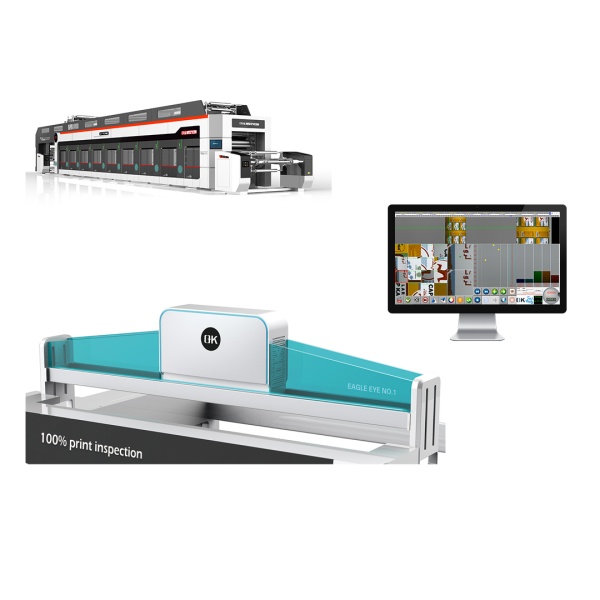
Understanding Common Printing Defects
Printing defects refer to unwanted variations or errors that occur during the printing process. These issues may result from problems with printing equipment, materials, environmental conditions, or improper process control.
Common printing defects include color inconsistency, ink smearing, misregistration, missing print areas, streaks, spots, scratches, and poor image clarity. In packaging and label printing, defects such as incorrect text, barcode errors, and uneven coating can affect product appearance and usability.
Identifying the causes of these defects is the first step toward improving print quality and developing effective prevention strategies.
Optimizing Printing Equipment Performance
Well-maintained printing equipment plays a critical role in reducing defects. Printing machines operate with many precision components, including rollers, cylinders, ink delivery systems, and alignment mechanisms. Wear, contamination, or improper adjustment of these components can lead to inconsistent results.
Regular equipment inspection and preventive maintenance help ensure stable operation. Cleaning ink systems, checking roller pressure, calibrating printing units, and replacing worn parts can reduce issues such as uneven ink distribution and registration errors.
Modern printing machines equipped with automatic control systems can further improve stability. These systems monitor parameters such as printing speed, pressure, tension, and ink supply, allowing operators to make adjustments before defects occur.
Maintaining Proper Ink and Material Control
Ink quality and substrate selection have a direct impact on printing performance. Incorrect ink viscosity, poor ink mixing, or incompatible materials can cause problems such as weak color density, smudging, and poor adhesion.
To reduce defects, printers should carefully control ink properties, including viscosity, drying speed, and color consistency. Regular testing of ink batches helps maintain uniform output throughout production.
The printing material, such as paper, film, or foil, should also be properly selected and stored. Variations in material thickness, surface treatment, moisture content, or surface energy may affect ink transfer and print adhesion. Maintaining appropriate storage conditions helps prevent material-related defects.
Improving Web Tension Control
For continuous printing processes, especially in flexible packaging, labels, and roll-to-roll applications, web tension control is essential for maintaining print accuracy.
Incorrect tension levels can cause problems such as wrinkles, stretching, uneven registration, and image distortion. Advanced web tension control systems use sensors, controllers, and actuators to continuously monitor and adjust tension during production.
Closed-loop tension control technology allows printing machines to automatically compensate for changes caused by material variations or speed fluctuations. This improves registration accuracy and reduces waste caused by printing errors.
Using Automated Printing Inspection Systems
Automated inspection technology has become one of the most effective solutions for reducing printing defects. Traditional manual inspection methods are limited by human attention and cannot always detect small or high-speed defects.
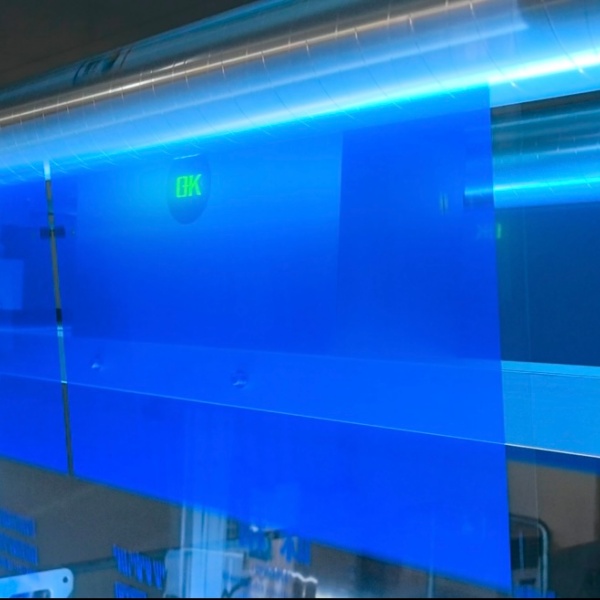
Modern printing quality inspection systems use high-resolution cameras, advanced lighting systems, and image processing algorithms to monitor printed materials in real time. These systems can detect missing print areas, color deviations, spots, scratches, and registration problems during production.
Artificial intelligence and machine learning technologies further improve inspection accuracy by analyzing large amounts of image data and recognizing complex defect patterns. By identifying problems immediately, automated inspection systems allow operators to correct issues before large quantities of defective products are produced.
Enhancing Color Management
Color inconsistency is one of the most common challenges in printing. Maintaining accurate color reproduction requires effective color management throughout the entire production process.
Printers can reduce color-related defects by using standardized color measurement tools, calibrated equipment, and consistent printing parameters. Spectrophotometers and color management software help monitor color differences and ensure that printed products match approved standards.
A well-established color management workflow reduces variations between production batches and improves customer satisfaction, especially for brands requiring consistent packaging and marketing materials.
Training Operators and Improving Workflow Management
Skilled operators are essential for maintaining high-quality printing operations. Proper training helps operators understand machine settings, material characteristics, defect causes, and troubleshooting methods.
Clear production procedures and quality control standards also reduce human errors. Operators should regularly monitor key production parameters and record issues to support continuous improvement.
Integrating workflow management systems can further improve production efficiency by connecting design, printing, inspection, and quality control processes. Digital workflows reduce communication errors and provide better control over the entire printing process.
Applying Preventive Quality Control Measures
Preventive quality control focuses on identifying potential problems before they become major defects. Instead of only inspecting finished products, manufacturers can monitor critical points throughout production.
Important preventive measures include:
Regular machine calibration and maintenance
Incoming material inspection
Ink quality testing
Real-time production monitoring
Automated 100% defect detection system
Data analysis for process improvement
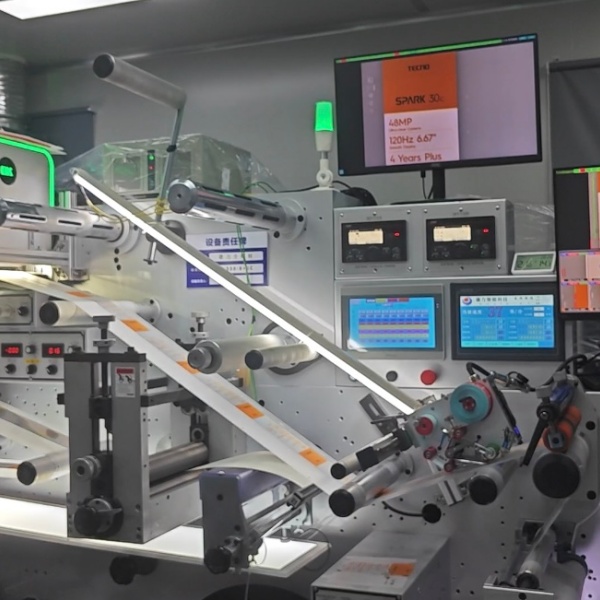
By implementing these measures, printing companies can reduce downtime, lower material waste, and improve overall production reliability.
The Role of Smart Printing Technologies
Industry 4.0 technologies are transforming printing quality management. Smart printing systems combine sensors, automation, artificial intelligence, and data analytics to create more efficient production environments.
Connected printing equipment can collect real-time production data and provide insights into machine performance and quality trends. Predictive maintenance technologies can identify potential equipment failures before they cause printing defects.
As smart manufacturing continues to develop, intelligent printing solutions will provide greater accuracy, faster defect detection, and improved resource efficiency.
Final Words
Reducing printing defects requires a comprehensive approach that combines equipment optimization, material control, accurate tension management, automated inspection, and skilled operation. While traditional quality control methods remain important, advanced technologies such as AI-based inspection systems, digital workflow management, and smart manufacturing solutions are becoming essential for modern printing operations.
By improving process control and adopting innovative quality management strategies, printing companies can achieve higher consistency, reduce production waste, and deliver better-quality products to customers.

