X-ray fluorescence (XRF) technology has become one of the most widely used methods for rapid, non-destructive elemental analysis across industries such as mining, metallurgy, environmental testing, and manufacturing quality control. As the technology has evolved, two main formats have emerged: handheld XRF analyzers and desktop (or benchtop) XRF systems. While both rely on the same fundamental physics, their design philosophy, performance capabilities, and ideal use cases differ significantly.
Understanding the Core Difference
Both handheld and desktop XRF instruments work by exciting atoms in a sample with X-rays and measuring the characteristic secondary (fluorescent) X-rays emitted. These signals reveal the elemental composition of the material.
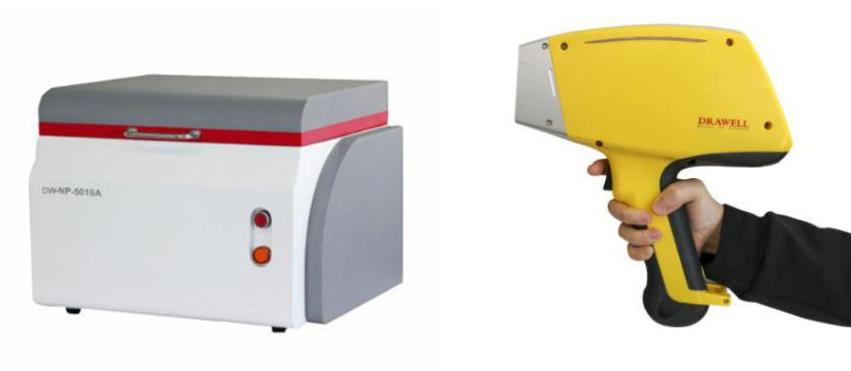
The key distinction lies in how and where the analysis is performed. Handheld XRF devices are portable and designed for in-field measurements, while desktop XRF systems are stationary, laboratory-grade instruments optimized for precision, sensitivity, and broader analytical capabilities.
Portability vs. Analytical Power
Handheld XRF analyzers are built for mobility. They are lightweight, battery-operated, and can be used directly on-site—whether that is a construction field, a scrap yard, or a remote mining location. This makes them extremely valuable for rapid decision-making, such as sorting alloys or screening soil contamination without transporting samples back to a lab.
Desktop XRF systems, by contrast, are installed in controlled environments and are designed for higher analytical performance. Because they are not constrained by size or power limitations, they typically feature more powerful X-ray sources and advanced detection systems. This allows them to achieve lower detection limits and more precise quantification of trace elements.
Accuracy, Sensitivity, and Detection Limits
When it comes to analytical performance, desktop XRF systems generally offer superior sensitivity. Their optimized geometry, longer measurement times, and stable environmental conditions contribute to more accurate and reproducible results, especially for trace-level detection.
Handheld devices, while highly capable for many applications, may face limitations in detecting very low concentrations of certain elements. Environmental factors such as temperature, sample surface irregularities, and operator handling can also influence results.
That said, modern handheld XRF technology has significantly improved. Advanced calibration algorithms and improved detectors now allow many field instruments to approach laboratory-level performance for common industrial tasks.
Sample Types and Flexibility
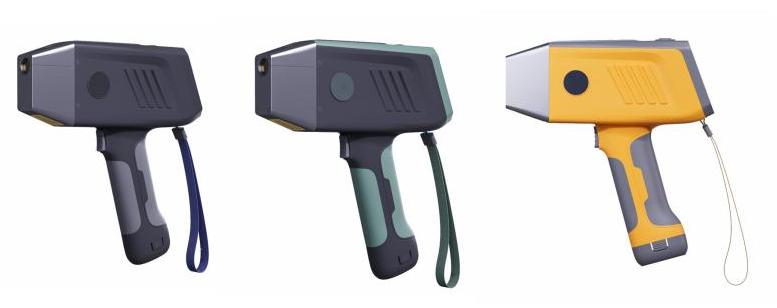
Handheld XRF is particularly effective for large, immobile, or irregular samples. For example, inspecting pipelines, structural steel, or historical artifacts becomes straightforward because the instrument is brought directly to the object.
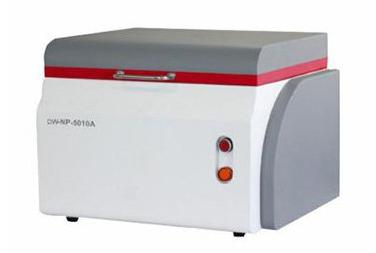
Desktop XRF systems are better suited for prepared samples. Powders, pressed pellets, or small solid pieces are typically placed inside a sample chamber. This controlled setup reduces variability and improves measurement consistency, especially in research or regulatory testing environments.
Speed and Workflow Efficiency
In field operations, handheld XRF dramatically reduces turnaround time. Results are available in seconds, enabling immediate decisions such as alloy sorting or contamination checks.
Desktop systems may require more preparation time but often deliver more comprehensive analysis per measurement. In laboratory workflows where accuracy and documentation are critical, this trade-off is acceptable and often preferred.
Cost and Operational Considerations
Handheld XRF units are generally more cost-effective upfront and require less infrastructure. They are ideal for companies that prioritize mobility and high-throughput screening.
Desktop XRF systems represent a larger investment but offer long-term value in applications requiring high precision, regulatory compliance, or advanced research capabilities. Maintenance, calibration stability, and analytical depth often justify the higher cost.
Industry Applications
Handheld XRF is widely used in metal recycling, mining exploration, construction material verification, and environmental screening. Its portability supports on-the-spot decisions that reduce operational delays.
Desktop XRF is more common in quality control laboratories, academic research, pharmaceuticals, and high-precision manufacturing. Institutions and manufacturers often rely on advanced systems from established providers such as Thermo Fisher Scientific and Evident Scientific for consistent, high-resolution elemental analysis.
Choosing Between Handheld and Desktop XRF
The decision ultimately depends on analytical priorities. If mobility, speed, and field usability are most important, handheld XRF is the clear choice. If precision, trace-level detection, and laboratory-grade consistency are required, desktop systems are more suitable.
In many modern workflows, the two technologies are not competing but complementary. Handheld XRF can be used for rapid screening, while desktop XRF provides confirmatory analysis and detailed compositional data.
Final Thoughts
Handheld and desktop XRF systems each play a vital role in modern elemental analysis. One prioritizes flexibility and speed, while the other emphasizes precision and depth. Understanding their strengths and limitations allows users to build more efficient and reliable analytical workflows, whether in the field or the laboratory.

